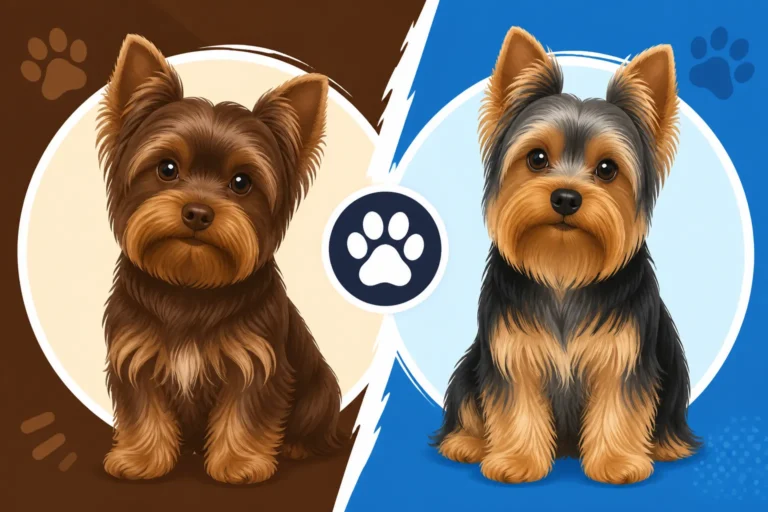
Yorkshire Terrier vs Maltese
Choosing between a Yorkshire Terrier and a Maltese can feel like trying to pick your favorite star in a dazzling night sky – both are absolutely captivating, and each sparkles with its own unique charm. It’s a common dilemma for prospective small dog owners, as both breeds are beloved toy companions, but beneath their adorable, fluffy exteriors lie distinct personalities, care needs, and temperaments. This comprehensive guide is here to untangle the nuances, offering a side-by-side comparison to help you understand which of these delightful breeds might be the perfect fit for your life and home.
Origin and History: Little Dogs, Big Stories
Understanding where these tiny titans come from can tell us a lot about their innate characteristics. It's fascinating how their ancestral roles, even centuries ago, still echo in their behavior today.
The Yorkshire Terrier's Industrial Roots
The Yorkshire Terrier, or "Yorkie" as we affectionately call them, hails from the industrial heartlands of Yorkshire and Lancashire in England during the mid-19th century. They weren't bred for royalty or as pampered lapdogs initially, which might surprise some given their refined appearance today. Instead, these plucky little dogs were employed by working-class weavers and miners to control rat and mouse populations in textile mills and coal mines. Their small size allowed them to squeeze into tight spaces, and their tenacious terrier spirit made them fearless hunters.
This working-class background imprinted a resilient, bold, and sometimes feisty personality on the breed. They might be tiny, but they carry the spirit of a much larger dog, often unaware of their diminutive stature. This explains why your Yorkie might confidently challenge a much bigger dog at the park or stand guard over your home with surprising vocalizations. Their silky, flowing coats, which became their hallmark, were originally bred to protect them from the harsh elements and debris of their working environment. It wasn't long, however, before their beauty caught the eye of Victorian society, transitioning them from working dogs to fashionable companions.
The Maltese's Ancient Nobility
In stark contrast to the Yorkie's humble beginnings, the Maltese boasts an aristocratic lineage stretching back millennia. This breed is one of the oldest known toy breeds, with its origins tracing back to the island of Malta in the central Mediterranean. Evidence of Maltese-like dogs can be found in ancient Egyptian artifacts and classical Greek and Roman literature, where they were highly prized companions of noblewomen and royalty. They were symbols of status and elegance, frequently depicted as cherished lapdogs in ancient art.
For centuries, the Maltese has been bred purely for companionship and beauty. This long history as a pampered pet has shaped their temperament into the gentle, sweet, and incredibly affectionate dogs we know today. They thrive on human companionship and are often described as sensitive and eager to please, a stark difference from the Yorkie's independent streak. Their pure white, flowing coats were designed for aesthetics rather than function, a testament to their long history as ornamental pets.
Temperament and Personality: What's Their Vibe?
When you’re bringing a new furry family member home, their personality is often the biggest factor. While every dog is an individual, breed characteristics give us a good roadmap for what to expect.
The Spirited Yorkie: Bold and Brave
Yorkshire Terriers are renowned for their confident, lively, and sometimes mischievous personalities. Despite their small size, they possess a true terrier spirit: brave, determined, and full of life. They are often described as "big dogs in little bodies" because they are fearless and don't back down from a challenge, whether it's a suspicious leaf blowing across the yard or a perceived threat to their family. This can make them excellent, albeit vocal, watchdogs, always ready to alert you to anything out of the ordinary.
While incredibly loyal and affectionate with their families, Yorkies can sometimes be wary of strangers or other dogs if not properly socialized from a young age. Their protective instincts are strong, and they thrive on being the center of attention. They love to play, explore, and be involved in everything their human companions are doing. They require mental stimulation and engagement, as a bored Yorkie can quickly become a destructive one. For a deeper dive into their character, you might want to explore our article on Yorkshire Terrier Temperament and Personality.
The Gentle Maltese: Affectionate and Charming
Maltese dogs, on the other hand, are the epitome of grace and charm. They are known for their gentle, sweet, and affectionate nature. Their primary goal in life is often to be close to their human companions, whether curled up on a lap, following you from room to room, or greeting you with enthusiastic wags. Unlike the sometimes-feisty Yorkie, the Maltese tends to be more even-tempered and less prone to excessive barking, although they will certainly let you know if someone is at the door.
They are inherently trusting and generally good with strangers and other pets when properly introduced. Maltese are highly intelligent and eager to please, making them quite responsive to positive reinforcement training. Their sensitivity means they thrive in calm, loving environments and can be prone to separation anxiety if left alone for long periods. They are less about rough-and-tumble play and more about gentle interaction, preferring soft toys and cuddles. If you're looking for a devoted, cuddly companion who will adore you unconditionally, the Maltese might just steal your heart.
Appearance and Physical Traits: More Than Just Fluff
At first glance, both breeds share a similar small stature and long, flowing hair, but a closer look reveals distinct differences in their coats, colors, and overall build.
Yorkshire Terrier's Signature Silky Coat and Colors
Yorkies are famous for their luxurious, floor-length, silky coats that resemble human hair more than typical dog fur. The texture is fine and glossy, with a distinct part down the middle of their back. A true hallmark of the breed, a Yorkie's coat is typically dark steel blue on the body and tail, and a rich, golden tan on the head, chest, and legs. Puppies are usually born black and tan, and their adult colors gradually develop over their first year.
In terms of size, Yorkshire Terriers typically stand about 7-8 inches tall at the shoulder and weigh around 4-7 pounds. They have a compact, well-proportioned body, a small head, and erect, V-shaped ears that are usually trimmed short or naturally stand up. Their dark, intelligent eyes are often highlighted by their tan facial markings, giving them an alert and curious expression. It's worth noting that while the blue and tan is the breed standard, you might also hear about "Parti Yorkies" which have white, black, and tan markings, or even "Golden Yorkshire Terriers," though these are not recognized by the American Kennel Club (AKC) as standard Yorkie colors.
Maltese's Pure White Glamour and Delicate Build
The Maltese is instantly recognizable by its dazzling, pure white coat, which is long, straight, and equally silky, though typically much denser than a Yorkie's. Their coat is single-layered, meaning they don't have an undercoat, which is why they are often considered a good choice for people with allergies, much like the Yorkie. There are no other accepted colors for a Maltese coat; it must be pure white, though sometimes a slight lemon or tan shading is permissible on the ears.
Physically, Maltese are slightly smaller and more delicately built than Yorkies. They typically stand 7-9 inches tall and weigh under 7 pounds, with many falling into the 4-6 pound range. They have a slightly rounded skull, a medium-length muzzle, and dark, alert eyes that are often framed by a dark "halo" of pigment, known as a "smudged eye" or "tear stain" area. Their ears are low-set and floppy, blending seamlessly into their long head hair. The Maltese carries itself with a graceful, almost regal bearing, reflecting its history as a cherished companion.
Grooming Requirements: Keeping Them Looking Their Best
Both breeds require significant grooming to maintain their beautiful coats and prevent matting. This isn't a "wash and wear" kind of dog; proper grooming is a commitment.
Yorkie Grooming: Daily Brushing and Regular Trims
A Yorkie's long, silky coat requires daily attention to prevent tangles and mats. Because their hair is similar to human hair, it grows continuously and doesn't shed much, which is a big plus for allergy sufferers. However, this also means it needs regular trimming. Many Yorkie owners opt for a "puppy cut" or a shorter style to reduce the intensity of daily grooming, but if you want that iconic long coat, be prepared for a dedicated routine.
Beyond brushing, regular bathing is essential, usually every 1-2 weeks, using a high-quality shampoo and conditioner designed for silky coats. Pay special attention to cleaning around their eyes and mouth to prevent tear stains. Their nails need to be trimmed every few weeks, and their ears should be checked and cleaned regularly to prevent infections. Dental care is also paramount for Yorkies, as they are prone to dental issues; daily brushing with dog-specific toothpaste is highly recommended. For a thorough guide, our article on Yorkshire Terrier Grooming Guide offers excellent tips. You can find a wide array of specialized brushes, shampoos, and dental care products for Yorkies on Chewy.
Maltese Grooming: Pristine White Coat Care
The Maltese's gorgeous pure white coat also demands diligent care. Daily brushing is absolutely non-negotiable to prevent mats, especially because their hair is so fine and prone to tangling. The single layer means they don't shed much, but their fine hair picks up dirt and debris easily, making regular bathing (typically weekly) a must to keep that pristine white looking its best. Special whitening shampoos can help prevent discoloration.
A significant grooming challenge for Maltese is tear staining, those reddish-brown streaks that appear under their eyes. This is common in white-coated breeds and requires consistent cleaning with specific eye-safe cleansers. Like Yorkies, their nails need regular trimming, and their floppy ears require weekly checks and cleaning. Given their propensity for dental problems, a consistent Yorkie Dental Disease Prevention (or Maltese equivalent) routine including daily brushing is crucial. If you're considering a Maltese, be ready to invest time and possibly professional grooming services to keep them looking their best.
Here's a quick comparison of their grooming essentials:
| Feature | Yorkshire Terrier | Maltese |
|---|---|---|
| Coat Type | Fine, silky, resembles human hair, dark steel blue & tan | Fine, silky, dense, pure white |
| Shedding | Minimal | Minimal |
| Brushing | Daily to prevent mats | Daily to prevent mats and tangles |
| Bathing | Every 1-2 weeks | Weekly (often with whitening shampoo) |
| Tear Stains | Can occur, but less prominent on darker fur | Very common, requires daily cleaning |
| Dental Care | High priority, prone to issues | High priority, prone to issues |
| Professional Grooming | Often required for trims/styling, 4-6 weeks | Often required for trims/styling, 4-6 weeks |
| Trims | Essential as hair grows continuously | Essential as hair grows continuously |
Health and Lifespan: What to Expect
No one wants to think about their beloved pet getting sick, but being informed about potential health issues is a crucial part of responsible pet ownership. Both breeds, like many purebred dogs, have certain predispositions.
Common Yorkie Health Concerns and Lifespan
Yorkshire Terriers are generally healthy dogs, often living a good, long life, typically between 12 to 15 years. However, they are prone to certain genetic and acquired conditions that potential owners should be aware of. One of the most common orthopedic issues is Yorkshire Terrier Patellar Luxation: Signs and Care, where the kneecap slips out of place. Another concern for small breeds like Yorkies is Yorkshire Terrier Collapsing Trachea: Signs and Care, which can cause a distinctive cough.
They can also be susceptible to certain liver conditions, such as portosystemic shunt, and dental disease, which can be severe if not addressed. Hypoglycemia (low blood sugar) is particularly a concern for Yorkie puppies. Regular vet check-ups, a balanced diet, and attentive care can help mitigate many of these risks. If you want to know more about the breed's common ailments, our article on Yorkshire Terrier Health Problems to Know is a valuable resource. Pet insurance is often recommended for Yorkies due to their susceptibility to some of these conditions.
Typical Maltese Health Issues and Longevity
Maltese dogs also enjoy a relatively long lifespan, often living 12 to 15 years, and sometimes even longer. Like Yorkies, they are generally robust, but there are specific health concerns to keep an eye on. Patellar luxation is also common in Maltese, as it is in many small breeds. Another orthopedic issue that can affect them is Legg-Calve-Perthes disease, which affects the hip joint.
Beyond structural issues, Maltese can be prone to "white shaker dog syndrome," a neurological condition causing generalized tremors, and occasionally hypoglycemia in puppies. They are also susceptible to dental disease, so maintaining a rigorous oral hygiene routine is critical. Eye problems like progressive retinal atrophy and cataracts can also occur. Choosing a reputable breeder who screens their dogs for genetic conditions can significantly reduce the risk of these issues. A high-quality diet, such as options available on Chewy, tailored to small breeds can also support their overall health and longevity.
Training and Socialization: Raising a Well-Adjusted Companion
Both breeds are intelligent, but their differing personalities mean their training approaches might need a little tweaking. Consistency and patience are key for both.
Training a Yorkie: Smart but Stubborn
Yorkshire Terriers are intelligent dogs, capable of learning a wide array of commands and tricks. However, their strong-willed, independent terrier nature means they can sometimes be stubborn and challenging to train, especially when it comes to potty training. Consistency, patience, and positive reinforcement are absolutely essential. They respond best to reward-based training methods, where treats and praise are used to motivate them. Scolding or harsh methods will likely backfire, making them more resistant.
Early socialization is crucial for Yorkies. Exposing them to a variety of sights, sounds, people, and other well-behaved dogs from a young age can help them develop into well-adjusted adults, reducing their tendency to be overly suspicious or bark excessively at strangers. Without proper socialization, their inherent protective nature can manifest as territoriality or aggression. Crate training can be very effective for housebreaking and managing their energy. For comprehensive guidance on their training, refer to our How to Train a Yorkshire Terrier article.
Training a Maltese: Eager to Please, Yet Sensitive
Maltese dogs are generally eager to please their owners, making them quite receptive to training. They are intelligent and pick up commands quickly, especially when positive reinforcement and gentle methods are used. Their sensitive nature means they do not respond well to harsh corrections or yelling; it can make them anxious and shut down. They thrive on praise and positive attention.
Like Yorkies, early socialization is important for Maltese to ensure they are confident and comfortable in various situations. While they are naturally friendly, proper introductions to new people and places can prevent timidity. Potty training can sometimes be a challenge with Maltese, requiring dedication and consistency, similar to other small breeds. Many owners find success with pee pads or a combination of indoor and outdoor training. Because they crave companionship, Maltese can be prone to separation anxiety, so it's vital to teach them to be comfortable alone for short periods from an early age. Our article on Yorkshire Terrier Separation Anxiety Solutions might offer some transferable tips.
Living with Them: Daily Life Considerations
Deciding which breed is right for you also means considering how they'll integrate into your daily routine and lifestyle. Both Yorkies and Maltese are wonderful companions, but their needs differ in subtle yet important ways.
Exercise Needs and Apartment Living
Both Yorkshire Terriers and Maltese are well-suited for apartment living due to their small size and relatively moderate exercise requirements. They don't need vast backyards or hours of intense running. For a Yorkie, a couple of short walks a day (15-20 minutes each) and some indoor playtime are usually sufficient to keep them happy and physically fit. They love chasing toys, playing tug-of-war, and exploring. Mental stimulation, like puzzle toys or learning new tricks, is just as important as physical exercise for this intelligent and curious breed.
While they can adapt to various living situations, Yorkies do best when they are truly part of the family's activities. They don't like being left alone for extended periods and can become bored or destructive if not given enough attention and engagement. Their vocal nature means proper training to manage barking is essential for apartment dwellers to maintain good neighborly relations. Ensuring they have a cozy bed, some interactive toys from Chewy, and a routine that includes their family are key to a happy Yorkie life.
Compatibility with Families and Other Pets
Yorkies can be fantastic family dogs, particularly for families with older children who understand how to interact gently with small dogs. Their spirited nature means they can be playful companions. However, due to their delicate size, they can be easily injured by unintentional rough play, making them less ideal for homes with very young, boisterous children. They often get along with other pets, especially if raised with them, but their terrier prey drive might make them chase smaller animals like hamsters or birds. With proper introductions and supervision, many Yorkies coexist peacefully with other dogs and even cats.
Maltese are typically wonderful family dogs for all ages, though supervision is always recommended with young children due to their delicate build. Their gentle and affectionate nature makes them patient and loving companions. They generally get along famously with other pets, often enjoying the company of other dogs and cats. The Maltese thrives on companionship and prefers to be included in all family activities. They are excellent lapdogs and enjoy quiet time just as much as a gentle stroll. For families seeking a devoted, calm, and loving small companion, the Maltese is an excellent choice.
The Final Verdict: Which Tiny Companion is Right for You?
So, who wins in the great Yorkshire Terrier vs. Maltese debate? The truth is, there's no single "better" breed; it all comes down to what you're looking for in a canine companion and what kind of lifestyle you can offer.
If you're drawn to a dog with a bold, spirited, and sometimes feisty personality, a loyal guardian despite their size, and you're prepared for consistent training and socialization to manage their terrier traits, a Yorkshire Terrier could be your perfect match. They thrive on being involved and can bring endless entertainment and love into your home. Their distinctive coat, while high-maintenance, is a trade-off for their minimal shedding.
On the other hand, if you dream of a gentle, sweet, and incredibly affectionate companion whose main goal is to be by your side, a Maltese might be calling your name. They are graceful, loving, and generally more adaptable to various social situations, making them excellent companions for individuals, seniors, or families with older, gentle children. Their pristine white coat is a beauty to behold, but be ready for the dedicated grooming to keep it that way, including managing those adorable tear stains.
Both breeds promise immense joy, unwavering loyalty, and a strong bond with their human families. Whichever you choose, be prepared for a long-term commitment to their care, training, and boundless love. They both require significant grooming, consistent dental care, and attention to their unique health predispositions. Ultimately, the best choice is the one whose personality and needs align most closely with your own, ensuring a harmonious and loving life together.
Disclaimer
This article is intended for informational purposes only and does not constitute veterinary advice. Always consult with a qualified veterinarian for any health concerns or before making any decisions about your pet's health or care. Breed-specific information is generalized, and individual dogs may vary.