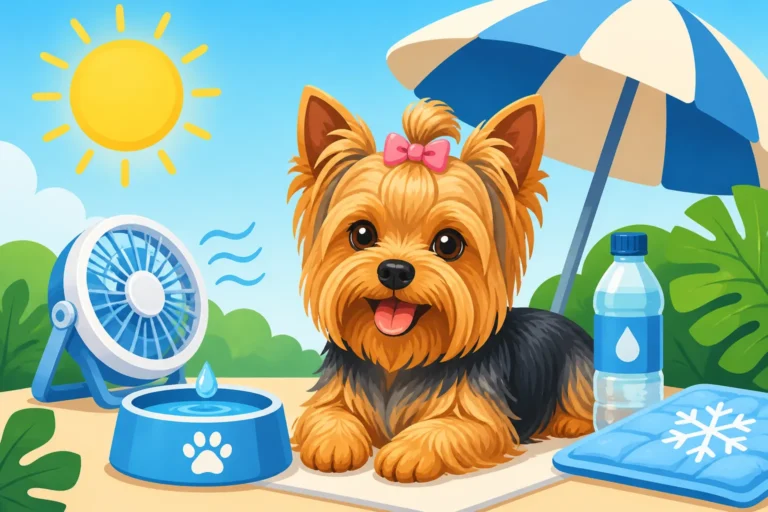
How to Keep a Yorkie Hydrated
One of the most silent yet critical health concerns for our beloved Yorkshire Terriers is dehydration. Because these tiny dogs have such fast metabolisms and can be particular about their routines, it’s all too easy for them to not get enough water, often without us even realizing it until things become serious. This comprehensive guide is here to walk you through everything you need to know about keeping your Yorkie properly hydrated, from understanding their unique needs to spotting subtle signs and implementing practical, everyday solutions.
Why Adequate Hydration is Absolutely Critical for Your Yorkie's Well-being
It’s easy to think of water as just, well, water. But for a little dog like a Yorkshire Terrier, it’s the unsung hero of their entire bodily system. Their small stature means they can dehydrate much faster than larger breeds, and their delicate systems rely heavily on a constant, steady supply of fluids to function properly. We’re talking about everything from their playful energy to the health of their tiny organs.
The Essential Role of Water in Your Yorkie's Body
Water is far more than just a thirst quencher; it’s a vital nutrient that plays countless roles. Imagine your Yorkie's body as a miniature, highly efficient machine – water is the oil that keeps every gear turning smoothly. It’s the primary component of their blood, which transports oxygen and nutrients to every cell. Without enough water, their blood thickens, making this transportation process sluggish and inefficient.
Beyond circulation, water helps regulate body temperature, especially crucial for a small dog that can overheat quickly or get chilled easily. It also plays a key role in digestion, helping to break down food and ensuring waste products are moved efficiently through their system. Adequate hydration also maintains joint lubrication, which is particularly important for breeds prone to conditions like Yorkshire Terrier Patellar Luxation: Signs and Care. And, perhaps most critically, it supports kidney function, flushing out toxins and preventing the buildup of harmful substances. Without enough water, kidneys struggle, potentially leading to serious Yorkshire Terrier Health Problems to Know.
The Dangers of Even Mild Dehydration
Even a slight dip in your Yorkie's hydration levels can have a cascading effect on their health. We’re not just talking about extreme cases; mild dehydration can sneak up on them and lead to a host of problems that can compromise their quality of life. For instance, low water intake can contribute to constipation, making them uncomfortable and potentially leading to more serious digestive issues. It can also cause dry skin and a dull coat, which isn't just a cosmetic problem but can lead to itching and further skin irritation.
More concerning, dehydration can exacerbate or even trigger conditions that Yorkies are already predisposed to. For example, Yorkie Hypoglycemia: Emergency Signs, a common issue for toy breeds, can be made much worse by dehydration, as proper fluid balance is essential for blood sugar regulation. Similarly, issues like bladder stones can become more likely when urine is too concentrated due to insufficient water intake. The impact is significant, reducing their energy, affecting their mood, and increasing their susceptibility to illness, making it harder for them to fight off infections.
Recognizing the Subtle Signs of Dehydration in Your Yorkie
Because Yorkies are so small, and often so stoic, spotting dehydration early can be a real challenge. They can’t tell us they’re thirsty, and their tiny bodies can go from mildly dehydrated to dangerously so quite rapidly. As a diligent pet parent, you need to be a detective, looking for subtle cues that indicate they might not be getting enough to drink. It's often not as dramatic as a collapsed dog, but rather a series of small, easily missed changes.
Key Physical Indicators to Watch For
When checking your Yorkie for dehydration, there are several physical signs that are more reliable than just looking at a dry nose (which isn't always indicative). These require a hands-on approach and a keen eye.
First, check their gums. Healthy Yorkie gums should be pink and moist, much like our own. If they feel tacky or dry to the touch, and appear pale or even a bit dark, it's a strong sign of dehydration. You can also perform the "capillary refill time" test: gently press your finger on their gum until the spot turns white, then release. The color should return to pink within 1-2 seconds. If it takes longer, it indicates poor circulation due to dehydration.
Next, the skin turgor test. Gently pinch a small fold of skin on their back, between their shoulder blades. On a well-hydrated dog, the skin should snap back almost immediately. If it takes a moment to return to its normal position, or if it remains "tented" for a noticeable period, your Yorkie is likely dehydrated. This is a very telling sign.
Finally, observe their eyes. If they appear sunken or dull, it can be a symptom of significant fluid loss. A dry nose, excessive panting without exertion, and a sudden decrease in urination are also red flags. Remember, these signs might not all appear at once, so recognizing even one or two should prompt immediate action. This is part of being aware of Signs Your Yorkshire Terrier Is Sick in general.
Behavioral and Appetite Changes
Beyond the physical, your Yorkie’s behavior can also give you crucial clues. A well-hydrated Yorkie is typically lively, curious, and full of their characteristic spunk. If you notice a sudden shift towards lethargy or an unusual lack of energy, it's worth considering hydration. They might be less enthusiastic about playtime, slower on their walks, or simply seem "off."
Changes in appetite and thirst can be contradictory. Sometimes, a dehydrated Yorkie will avoid food but still not drink water, especially if they’re feeling nauseous or generally unwell. Other times, they might show increased thirst but be unable to keep water down or simply not drink enough to catch up. A loss of appetite, even for their favorite treats, can be a subtle indicator that something isn't right internally, including their hydration status. If they’re refusing water or food, especially alongside any of the physical signs, it’s time to consult your vet. Ignoring these cues can lead to serious health issues, so it's vital to recognize them as potential Yorkie Emergency Symptoms to Never Ignore.
| Sign of Dehydration | Description | Severity Implication |
|---|---|---|
| Dry, Tacky Gums | Gums feel sticky, not smooth and wet; may appear pale. | Mild to Moderate |
| Reduced Skin Elasticity | Skin pinched on the back takes more than 2 seconds to flatten back down. | Moderate to Severe |
| Sunken, Dull Eyes | Eyes appear set deeper into the skull, lack usual brightness. | Moderate to Severe (often accompanies other signs) |
| Lethargy and Weakness | Noticeable decrease in energy, less interest in play, sluggish movement. | Mild to Moderate |
| Loss of Appetite | Refusal of food, even favorite treats. | Variable, but concerning when combined with other signs. |
| Excessive Panting | Panting without recent exertion or in cool environments. | Indicates a struggle to regulate body temperature, often due to dehydration. |
| Decreased Urination | Fewer bathroom breaks, or very dark, concentrated urine. | Moderate to Severe |
Practical Strategies to Encourage Your Yorkie to Drink More Water
Now that we understand the gravity of good hydration, let's talk about how to actually make it happen. Yorkies, being the intelligent and sometimes finicky little characters they are, can require a bit of strategy. It’s not always as simple as just putting down a bowl of water; sometimes we need to be a little more creative to encourage them to meet their daily needs. Remember that a good baseline for How Much Water Should a Yorkie Drink is roughly 1 ounce of water per pound of body weight per day, though this can vary with activity and temperature.
Optimizing Their Water Source and Accessibility
The first step in promoting better hydration is to make water as appealing and accessible as possible. This means thinking about the bowls themselves and where they’re placed.
- Multiple Water Stations: Don’t rely on just one water bowl. Place several bowls in different locations around your home – in their favorite resting spots, near their feeding area, and even a fresh one in your bathroom if they tend to follow you there. This increases the chances they’ll stumble upon water when they feel a pang of thirst.
- Bowl Material and Cleanliness: Some Yorkies are surprisingly picky about their bowls. Stainless steel is often recommended because it’s easy to clean, doesn't harbor bacteria, and doesn't impart any strange tastes. Ceramic bowls are also good, but avoid plastic if possible, as it can scratch, grow bacteria, and sometimes hold odors. Most importantly, keep those bowls spotless! A slimy bowl is unappealing to anyone. Wash them daily with soap and water.
- Fresh Water, Always: This sounds obvious, but it’s crucial. Don’t just top off the old water; completely empty and refill bowls with fresh, cool water several times a day. If your tap water has a strong chemical smell or taste, consider offering filtered water. Many small dogs, Yorkies included, are sensitive to strong odors.
- Elevated Bowls: For some Yorkies, especially older ones or those with neck issues, bending down to a floor-level bowl can be uncomfortable. An elevated feeder might make drinking easier and more enjoyable. You can find a wide selection of these, along with various bowl types, on sites like Chewy.
Making Water More Appealing
If your Yorkie is still a reluctant drinker, it’s time to get a little creative and add some pizzazz to their H2O.
- Ice, Ice Baby: Many Yorkies love playing with and licking ice cubes. Dropping a few into their water bowl can make it more interesting and keep the water cooler longer, especially on a warm day. You can even make ice cubes from diluted chicken or beef broth for an extra enticing treat.
- Pet Drinking Fountains: These can be a game-changer for many dogs, as the running water mimics a fresh stream and can be more enticing than still water in a bowl. The gentle gurgling sound can also pique their curiosity. Brands like PetSafe and Drinkwell offer various styles and sizes, often found on Amazon. Just ensure to keep them clean and change the filters regularly.
- Flavor Boosts (Safe Ones!): A tiny splash of unsalted chicken or beef broth (check the ingredients to ensure no onion or garlic!) can make water irresistible. Some pet stores also sell flavor enhancers specifically designed for dogs, though a little plain bone broth from the human grocery store works just as well. Just don’t overdo it, as you don’t want to discourage plain water intake or add too many calories.
Building Hydration into Their Routine
Sometimes, it’s about making water a part of their daily rhythm, not just an afterthought.
- Post-Exercise Water Breaks: After playtime, a walk, or any energetic activity, your Yorkie will be naturally thirsty. This is the perfect time to offer water. Make it a routine to head straight to the water bowl after coming back inside. This is particularly important for active Yorkies or when considering How to Care for a Yorkie in Summer.
- Mealtime Water: Always offer fresh water alongside their meals. Some dogs like to drink a bit during or after eating.
- Travel Hydration: If you’re traveling, even for a short trip, always bring water from home and a portable water bowl. Changes in water can sometimes upset their stomach, and familiar water is best. Many pet stores sell collapsible silicone bowls that are perfect for on-the-go hydration, a handy item for reducing Yorkie Travel Costs and Carriers.
Beyond the Water Bowl: Alternative Hydration Sources
While fresh water should always be the primary source of hydration, there are wonderful ways to supplement your Yorkie’s fluid intake through their diet. This is especially helpful for those picky drinkers or dogs who might need an extra boost.
High-Moisture Dog Food Options
One of the most effective ways to boost your Yorkie’s hydration is through their food. Dry kibble typically contains only about 10% moisture, while wet or fresh food can be upwards of 75-80% water!
- Canned Wet Food: Switching to or incorporating high-quality canned wet food into their diet can significantly increase their daily fluid intake. Look for reputable brands with real meat as the first ingredient and avoid excessive fillers. When selecting food, consider our guide on the Best Dog Food for Yorkshire Terriers for suitable options.
- Fresh Dog Food: Services like Ollie deliver fresh, human-grade dog food directly to your door. These foods are naturally high in moisture and packed with nutrients, making them an excellent choice for hydration and overall health. Many owners report their dogs showing increased energy and better digestion when on a fresh food diet. The higher moisture content makes it much easier for your Yorkie to stay hydrated without even realizing they're "drinking."
- Adding Water or Broth to Kibble: If you prefer to stick with kibble, you can simply add warm water or a small amount of unsalted, plain bone broth to it before serving. Let it soak for a few minutes to soften the kibble and increase the moisture content. Many Yorkies find softened kibble more palatable, especially if they have Yorkie Dental Disease Prevention concerns or are older.
Hydrating Treats and Supplements
Treats don't just have to be for rewards; they can be another avenue for hydration!
- Fruits and Vegetables: Many fruits and veggies are packed with water and nutrients, and most Yorkies love them in moderation. Small pieces of cucumber, watermelon (without seeds), cantaloupe, or apple (without seeds or core) can be refreshing and hydrating snacks. Always check which human foods are safe for dogs before offering. These can also be great for managing Yorkie Weight: Healthy Range by Age if given sparingly.
- Bone Broth: As mentioned earlier, unsalted bone broth is a fantastic hydrator. You can offer a small amount in a separate bowl, freeze it into lickable treats, or pour it over their food. It’s rich in vitamins, minerals, and amino acids, providing a nutritional bonus. Ensure it's plain bone broth, free from onions, garlic, or excessive sodium.
- Electrolyte Supplements: In cases of illness, intense exercise, or very hot weather, your vet might recommend an electrolyte supplement specifically designed for dogs. These come in powders or liquids that can be added to water to replenish essential minerals lost through sweat or illness. Always consult your vet before adding any supplements.
Environmental Factors and Special Considerations for Hydration
Our Yorkies live in our world, and external factors play a huge role in their hydration needs. Being mindful of these can help you proactively manage their fluid intake. It’s not just about what’s in their bowl, but what’s happening around them.
Weather and Seasonal Changes
The weather outside has a direct impact on how much water your Yorkie needs. Just like us, they need more fluids when it’s hot, but they can also get dehydrated in cooler weather if activity levels are high or indoor air is dry.
- Hot and Humid Weather: During summer months or in warm climates, your Yorkie’s risk of dehydration and heatstroke increases dramatically. They don’t sweat like humans, relying on panting to cool down, which expends more water. Always ensure constant access to fresh, cool water, offer ice cubes, and limit strenuous activity during the hottest parts of the day. A cool, damp towel or a cooling mat can also help prevent overheating. This is a critical component of How to Care for a Yorkie in Summer.
- Cold and Dry Weather: Even in winter, dehydration can be a concern. Indoor heating can dry out the air, leading to increased fluid loss. Plus, dogs might be less inclined to drink icy water outdoors. Offer room-temperature water, and ensure they still have regular access. Monitor their energy levels, as cold weather can sometimes mask lethargy.
Activity Levels and Lifestyle
A Yorkie’s activity level directly correlates with their hydration needs. A couch potato Yorkie will need less water than one that enjoys long walks or lively play sessions.
- Active Yorkies: If your Yorkie is regularly engaging in vigorous play, dog park visits, or long walks, they will need significantly more water. Always bring a portable water bottle and bowl for outings. Offer water breaks every 15-20 minutes during exercise. Consider incorporating higher-moisture food into their diet to ensure they get adequate fluids throughout the day.
- Older Yorkies and Puppies: Puppies and senior Yorkies often have unique hydration needs. Puppies are usually more active and can dehydrate quickly due to their small size and developing systems. Senior Yorkies, on the other hand, might drink less due to decreased thirst drive, mobility issues, or certain health conditions. For older dogs, ensure water is easily accessible without having to strain, and consider water-rich foods. Read more about specific care in our Yorkshire Terrier Senior Care Guide.
Illness and Medications
Certain health conditions and medications can drastically alter your Yorkie’s hydration requirements and put them at a higher risk of dehydration.
- Vomiting and Diarrhea: These are major culprits of rapid fluid and electrolyte loss. If your Yorkie is experiencing gastrointestinal upset, it’s critical to monitor their hydration closely and contact your vet immediately. They might need subcutaneous fluids or other medical interventions to prevent severe dehydration.
- Kidney or Liver Issues: Dogs with kidney disease or liver shunts might have altered thirst patterns or require specific fluid management as part of their treatment plan. Always follow your vet’s advice regarding water intake for these conditions. For more on specific health issues, see Yorkshire Terrier Health Problems to Know.
- Medications: Some medications can increase urination, leading to fluid loss, or decrease thirst. If your Yorkie is on any long-term medication, discuss potential hydration impacts with your veterinarian.
Stress and Anxiety
Believe it or not, stress and anxiety can also impact a Yorkie's drinking habits. A stressed dog might drink excessively or, more commonly, avoid drinking altogether. Changes in routine, new environments, or separation anxiety can lead to a decrease in water intake. If your Yorkie is anxious, ensure they have a quiet, safe space where they feel comfortable drinking, and continue to offer appealing water sources.
Keeping your Yorkie hydrated is an ongoing, daily commitment, but it’s one of the most fundamental ways you can ensure their long-term health and happiness. By understanding their needs, recognizing the signs, and implementing these practical strategies, you'll be well-equipped to keep your little companion thriving.
Disclaimer
The information provided in this article is for general informational purposes only and is not a substitute for professional veterinary advice. Always consult with a qualified veterinarian for any health concerns or before making any decisions related to your Yorkshire Terrier's health or treatment.