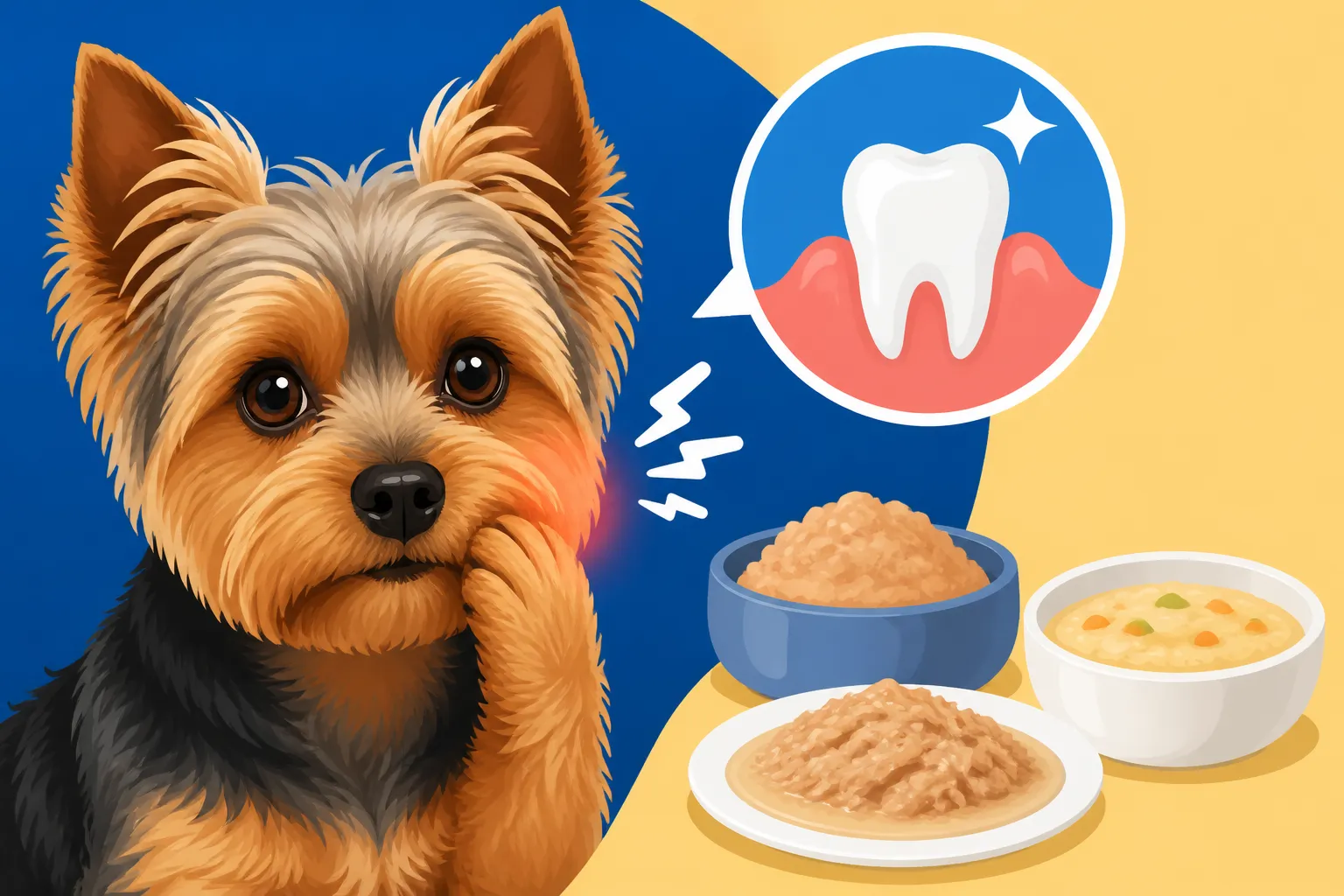
How to Feed a Yorkie with Dental Issues
It’s heartbreaking to watch your precious Yorkshire Terrier struggle with eating, especially when you know it’s because of dental pain. Their tiny mouths and genetic predispositions make them particularly vulnerable to a host of oral health issues, and when those pearly whites start causing trouble, mealtime can become a source of anxiety for both of you. This guide is here to walk you through how to properly feed a Yorkie with dental issues, offering practical strategies and dietary adjustments to keep them comfortable and well-nourished.
Understanding Yorkie Dental Problems and Their Impact on Eating
Yorkshire Terriers, with their adorable small stature, unfortunately, come with a higher risk of dental disease compared to many other breeds. Their crowded teeth, small jawbones, and a tendency for plaque and tartar buildup mean that dental issues often begin early in life and can progress rapidly if not addressed. When your Yorkie experiences dental pain, it's not just an inconvenience; it can severely impact their quality of life, leading to discomfort, malnutrition, and even systemic health problems.
Common Dental Ailments in Yorkies
The dental landscape in a Yorkie's mouth can be a minefield of potential problems. It often starts innocently enough with plaque, a sticky film of bacteria that constantly forms on teeth. If not brushed away, this plaque hardens into tartar, which is difficult to remove without professional veterinary intervention. From there, it's a slippery slope into more serious conditions.
One of the most prevalent issues is gingivitis, which is inflammation of the gums. You might notice redness, swelling, or even bleeding around the gum line. If left untreated, gingivitis can escalate into periodontal disease, a destructive condition where the infection spreads below the gum line, damaging the tissues and bone supporting the teeth. This can lead to loose teeth, painful abscesses, and even bone loss in the jaw. Other common problems include retained deciduous (puppy) teeth, which can cause overcrowding and trap food, and fractured teeth from chewing on hard objects. It's a tough reality, but these little dogs really do draw the short straw when it comes to oral health. For a deeper dive into these issues, you might want to read our comprehensive guide on Yorkshire Terrier Dental Care Guide.
Signs Your Yorkie Has Dental Pain Affecting Eating
Recognizing dental pain in your Yorkie can be tricky because, like many animals, they often try to hide their discomfort. However, there are several key indicators that something might be amiss, especially around meal times. Being vigilant and observant is crucial, as early detection can prevent further suffering and more complex treatments.
Here’s what to look out for:
- Reluctance to Eat or Approaching Food with Hesitation: They might sniff their food but pull away, or even act hungry but then refuse to take a bite. This is a huge red flag.
- Dropping Food or Chewing on One Side: If your Yorkie is picking up kibble and then dropping it, or if you notice them consistently chewing on only one side of their mouth, it’s a clear sign of pain on the other side.
- Whining or Crying During Eating: This is a more obvious sign of acute pain.
- Bad Breath (Halitosis): While some "dog breath" is normal, an unusually foul odor is often indicative of bacterial infection, plaque, and tartar buildup, or periodontal disease. Learn more about Yorkie Bad Breath: When to Worry.
- Excessive Drooling: Drooling more than usual can be a sign of oral discomfort or infection.
- Paw at Mouth or Rubbing Face: Your Yorkie might try to alleviate the pain by pawing at their mouth, rubbing their face against furniture, or frequently licking their lips.
- Changes in Demeanor: Beyond eating, you might notice your Yorkie becoming more irritable, withdrawn, or less enthusiastic about their usual activities.
- Weight Loss: If eating becomes too painful, your Yorkie may start losing weight, which is particularly dangerous for small breeds prone to hypoglycemia.
If you observe any of these signs, don't wait. A visit to the vet is absolutely necessary. They can properly diagnose the issue and recommend appropriate treatment, which might include a professional dental cleaning, extractions, or medication. For more signs that your Yorkie is unwell, check out Signs Your Yorkshire Terrier Is Sick.
Tailoring Food Choices for Yorkies with Dental Issues
Once dental issues are identified, adjusting your Yorkie's diet is often the first step to ensure they continue to get the nutrition they need without exacerbating their pain. The goal is to make eating as comfortable as possible, providing easily digestible and palatable options.
Softening or Modifying Current Diet
One of the simplest and most immediate changes you can make is to soften your Yorkie's existing kibble. This can be a lifesaver, especially if your dog is already accustomed to a particular brand and you want to maintain some consistency in their diet.
- Adding Warm Water or Low-Sodium Broth: Simply soak your Yorkie's regular kibble in warm water or low-sodium chicken/beef broth for 10-15 minutes before serving. This softens the kibble, making it easier to chew without putting pressure on sensitive teeth and gums. Make sure the water isn't too hot, and always let it cool to a comfortable temperature. Many pet parents find success with a bit of bone broth from brands like Ollie, which also offers fresh, human-grade food options.
- Mashing or Blending: For Yorkies with severe pain or missing teeth, even softened kibble might be too challenging. In these cases, you can mash the softened kibble into a paste-like consistency or use a blender to create a gruel. This eliminates the need for chewing almost entirely.
- Transitioning Gradually: If you're switching to a completely new food, remember to do so gradually over 7-10 days to avoid upsetting your Yorkie's sensitive stomach. Start by mixing a small amount of the new food with their old, softened food, slowly increasing the proportion of the new food each day.
Best Food Textures and Forms
When dealing with dental pain, certain food textures and forms will be far more beneficial than others. The focus here is on minimizing chewing effort and maximizing nutrient intake.
- Wet Food (Canned or Pouched): This is often the go-to solution. High-quality wet food is naturally soft, palatable, and requires minimal chewing. It’s also often higher in moisture, which can be beneficial for overall hydration. Look for reputable brands that offer complete and balanced nutrition for small breeds. You can find a wide variety of excellent wet food options for Yorkies on Chewy or Amazon.
- Cooked Soft Foods: If your vet approves and you're comfortable preparing it, homemade soft food can be a great option. This could include boiled chicken (shredded finely), lean ground beef, soft-cooked sweet potato, pureed pumpkin, or soft-scrambled eggs. Always ensure these foods are plain, unseasoned, and cooked thoroughly. Consult your veterinarian before introducing significant homemade diet changes to ensure nutritional completeness.
- Fresh Food Services: Companies like Ollie deliver freshly prepared, human-grade dog food right to your door. Their recipes are often soft and moist, making them an excellent choice for Yorkies with dental sensitivities. They typically come in pre-portioned containers, taking the guesswork out of feeding.
- Prescription Dental Diets (Soft Varieties): Your veterinarian might recommend a prescription dental diet. While many dental diets are formulated as hard kibble to mechanically scrub teeth, some brands also offer softer versions or dental chews specifically designed to support oral health while being gentle on sore mouths. These can be particularly helpful if the dental issue is chronic.
Key Ingredients and Nutritional Needs
Regardless of the texture, the nutritional content of your Yorkie's food remains paramount. Even with dental issues, they need a balanced diet to maintain their energy levels, support their immune system, and promote healing.
- High-Quality Protein: Essential for muscle maintenance and overall health. Look for animal-based proteins as the first few ingredients.
- Appropriate Fat Content: Provides energy and supports skin and coat health. Yorkies have high metabolisms, so adequate healthy fats are important.
- Essential Vitamins and Minerals: A complete and balanced diet should provide all necessary micronutrients. If you're using a homemade diet, your vet might recommend a supplement to ensure no deficiencies.
- Omega-3 Fatty Acids: These can help reduce inflammation, which might be beneficial for gum health. Look for fish oil as an ingredient or discuss supplements with your vet.
Here’s a quick comparison of food textures:
| Food Type | Pros | Cons | Best For |
|---|---|---|---|
| Dry Kibble (Softened) | Familiar taste, cost-effective, easily accessible | Still requires some chewing, may not be enough for severe pain | Mild dental sensitivity, transitionary phase, maintaining kibble habit |
| Wet Canned Food | Very soft, highly palatable, high moisture content | More expensive, can be messy, may not offer dental scrubbing benefits | Moderate to severe dental pain, missing teeth, post-dental surgery |
| Cooked/Fresh Homemade | Can be tailored to specific needs, fresh ingredients, very palatable | Requires preparation time, difficult to ensure nutritional balance | Temporary solution for very severe cases, under strict veterinary guidance |
| Fresh Food Delivery | Nutritionally balanced, very palatable, convenient, fresh | More expensive, requires refrigeration | Chronic dental issues, picky eaters, those seeking human-grade options |
Practical Feeding Strategies and Tools
Beyond choosing the right food, how you present and encourage your Yorkie to eat can make a huge difference in their comfort and willingness to consume enough calories. These strategies can turn a painful chore into a manageable mealtime.
Feeding Techniques for Comfort
Small adjustments to the feeding process can significantly ease your Yorkie's experience, especially if they are in pain or have had recent dental work.
- Elevated Bowls: For some Yorkies, bending down to eat can put uncomfortable pressure on their jaw or neck. An elevated food bowl can make eating more comfortable by bringing the food up to their level. You can find small, elevated feeders specifically designed for toy breeds on Amazon.
- Smaller, More Frequent Meals: Instead of two large meals, offer several smaller meals throughout the day. This reduces the amount of food they need to consume at once, which can be less overwhelming and less painful. It's particularly helpful for preventing hypoglycemia, a common concern in small breeds like Yorkies, especially if they're not eating well. This ties into how much to feed a Yorkie, a topic we cover in depth in How Much to Feed a Yorkshire Terrier.
- Warm Food (Not Hot): Gently warming wet food or softened kibble can enhance its aroma and palatability, encouraging your Yorkie to eat. Always check the temperature to ensure it’s lukewarm and not hot, which could burn their sensitive mouths.
- Hand-Feeding: In some cases, especially if your Yorkie is very reluctant or recovering from surgery, hand-feeding small, soft morsels can provide comfort and reassurance. This personal interaction can encourage them to eat when they might otherwise refuse.
- Quiet and Calm Environment: Ensure mealtime is a stress-free experience. A quiet corner away from household commotion can help your Yorkie focus on eating without feeling rushed or anxious.
Dental Chews and Supplements (with Caution)
While the focus for a Yorkie with active dental issues is on soft foods, it's worth discussing dental chews and supplements in the context of their overall oral health plan. However, extreme caution is necessary.
- Soft, Enzymatic Chews (Vet Approved): If your Yorkie's dental issue is mild (e.g., early gingivitis) and not causing significant pain, your vet might recommend specific soft, enzymatic dental chews. These are designed to help reduce plaque and tartar, but they must be soft enough not to cause further damage or pain. Avoid hard chews, bones, or antlers completely, as these can easily fracture teeth in a small dog like a Yorkie. Always consult your vet before introducing any dental chews.
- Oral Health Water Additives: These can be added to your Yorkie's drinking water to help reduce bacteria and freshen breath. They are a passive way to support oral hygiene but are not a substitute for professional dental care or brushing.
- Supplements for Joint/Immune Support: While not directly for dental issues, a Yorkie experiencing chronic pain or undergoing recovery might benefit from general health supplements, such as omega-3 fatty acids for inflammation or probiotics for gut health. Again, this should only be done under veterinary guidance. For more on appropriate dental products, consider reading Best Dental Chews for Yorkies.
Remember, for a Yorkie with current dental pain, the primary goal is comfort and nourishment. Dental chews and other preventative measures are secondary and should only be introduced with a veterinarian's explicit approval.
Regular Veterinary Care and Professional Cleanings
Making dietary adjustments is an essential part of managing dental issues, but it's crucial to understand that it's rarely a standalone solution. The underlying dental problem needs to be addressed professionally.
- Routine Dental Check-ups: Regular veterinary check-ups are paramount for Yorkies. Your vet can assess the state of their teeth and gums, identify early signs of disease, and recommend preventative measures or timely interventions. Many vets suggest annual dental exams, but for a Yorkie, more frequent checks might be advisable given their predisposition.
- Professional Dental Cleanings (COHAT): A professional dental cleaning, often referred to as a COHAT (Comprehensive Oral Assessment and Treatment), involves a thorough cleaning and examination under anesthesia. This allows the vet to remove tartar above and below the gum line, probe for pockets of infection, take dental X-rays to assess bone health, and address any painful or infected teeth. It's the gold standard for treating periodontal disease and alleviating pain.
- Post-Procedure Care: After a dental procedure, your Yorkie will definitely need a soft food diet for a period of time, as recommended by your vet, to allow gums and any extraction sites to heal. Your vet will provide specific instructions for medication and follow-up care. Understanding Yorkshire Terrier Vet Costs and Health Budget can help you prepare for these essential procedures.
Preventing Future Dental Problems Through Diet and Care
While this article focuses on feeding a Yorkie with dental issues, it’s equally important to consider how diet and daily care can prevent these painful problems from recurring or developing in the first place. Prevention truly is the best medicine when it comes to oral health.
The Role of Kibble and Dental Diets in Prevention
The idea that certain kibbles can clean teeth is widely discussed, but it's important to approach this with a realistic perspective.
- Specialized Dental Kibble: Some dry kibble diets are specifically formulated to help reduce plaque and tartar. Brands like Hill's Prescription Diet t/d, Royal Canin Dental, and Purina Pro Plan Veterinary Diets DH often feature larger kibble sizes or unique textures that encourage chewing and mechanically scrub the tooth surface as the dog bites down. These can be beneficial as part of a comprehensive dental care plan, especially for Yorkies with mild plaque accumulation. However, they are not a substitute for brushing or professional cleanings, and they won't fix existing, severe dental disease.
- Limitations of Regular Kibble: Regular kibble, while crunchy, generally doesn't provide significant dental cleaning action. The pieces are often too small and swallowed too quickly to effectively remove plaque and tartar. Think of it like eating crackers – they don't clean your teeth, right?
- Balancing Soft Food and Prevention: If your Yorkie has a history of dental problems but is currently healthy, your vet might recommend a combination approach: feeding softer, palatable food for primary nutrition, and then offering a few pieces of vet-approved dental kibble as a "toothbrush" treat. Always discuss this balance with your veterinarian to ensure it's appropriate for your individual dog. For more on preventing these issues, check out Yorkie Dental Disease Prevention.
Beyond Diet: Holistic Dental Health
A truly effective dental health strategy for a Yorkshire Terrier extends far beyond just their food bowl. It requires a multi-faceted approach, integrating daily habits and regular professional oversight.
- Daily Tooth Brushing: This is, hands down, the most effective way to prevent plaque and tartar buildup. Ideally, you should aim to brush your Yorkie's teeth daily using a pet-specific toothbrush and toothpaste. Human toothpaste can be toxic to dogs, so stick to veterinary formulations. Even brushing a few times a week can make a significant difference. If you're struggling, our guide How to Brush a Yorkie's Teeth offers step-by-step advice.
- Dental Water Additives: As mentioned earlier, these can be a helpful adjunct. They work by inhibiting bacterial growth in the mouth, contributing to fresher breath and a reduction in plaque formation.
- Appropriate Chew Toys: Select chew toys that are flexible and yield to pressure. Toys that are too hard can cause dental fractures, which are incredibly painful and often require extractions. Look for toys made from softer rubber or flexible nylon that are appropriately sized for your Yorkie's small mouth.
- Regular Veterinary Exams: These check-ups are not just for illness; they're vital for preventative care. Your vet can spot early signs of dental disease and recommend interventions before they become severe. Early detection can save your Yorkie a lot of pain and save you considerable vet bills in the long run. Learn more about How Often Yorkies Need Dental Cleaning to understand the recommended schedule.
- Awareness of Genetic Predispositions: Knowing that Yorkies are prone to dental issues should empower you to be extra diligent. It means you can't just hope for the best; you need to actively manage their oral health from puppyhood onward.
By combining an informed dietary approach with consistent preventative care and regular veterinary oversight, you can significantly improve your Yorkie's quality of life and ensure their mealtimes are always a joy, not a source of pain.
Disclaimer
The information provided in this article is for general informational purposes only and is not intended as a substitute for professional veterinary advice. Always consult with your veterinarian for any health concerns or before making any changes to your Yorkshire Terrier's diet, medication, or care routine.