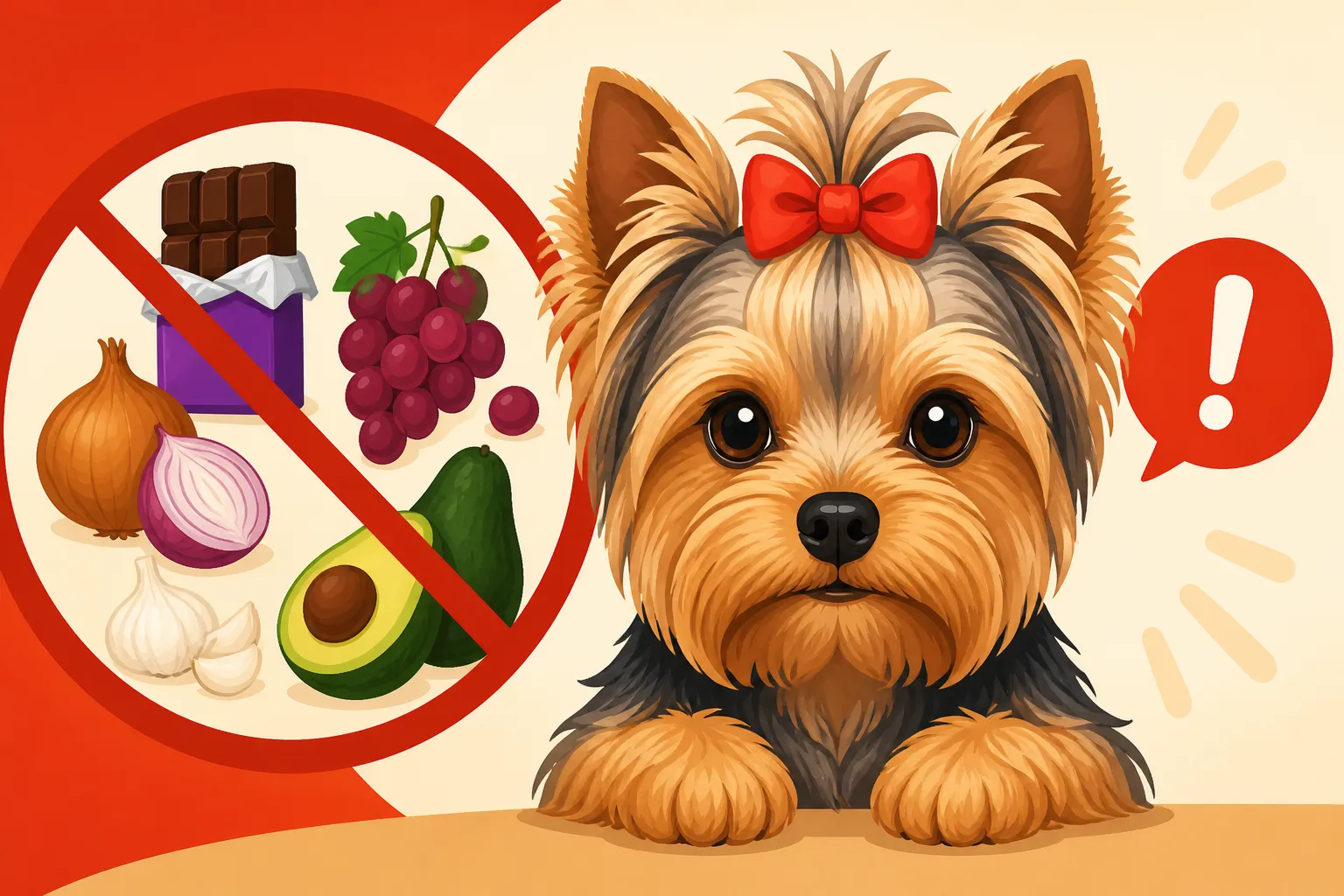
Toxic Foods for Yorkies to Avoid
It’s a heart-stopping moment for any Yorkie parent: you turn your back for a second, and suddenly your tiny, curious companion is sniffing (or worse, nibbling!) something they shouldn't be. These pint-sized pups are notorious for their larger-than-life personalities and often, their insatiable curiosity when it comes to human food. Unfortunately, many common household items that we consider perfectly safe, or even healthy, can be incredibly dangerous, even life-threatening, for our beloved Yorkshire Terriers. This comprehensive guide will walk you through the most common toxic foods for Yorkies to avoid, explaining why they're harmful, what symptoms to look for, and how to keep your little furball safe and sound.
Common Household Foods That Pose Serious Risks to Yorkies
It’s easy to think a tiny taste won’t hurt, especially when your Yorkie is giving you those irresistible puppy-dog eyes, but for such a small breed, even a small amount of certain foods can be catastrophic. Understanding the specific dangers behind these seemingly innocuous items is the first step in preventing a scary emergency.
The Silent Threat of Chocolate and Caffeine
Ah, chocolate. A human delight, but a genuine danger zone for dogs. The primary culprit here is theobromine, a stimulant similar to caffeine. While humans can metabolize theobromine relatively quickly, dogs process it much slower, allowing toxic levels to build up in their system. The darker and more bitter the chocolate, the higher the concentration of theobromine, making baker's chocolate and dark chocolate particularly hazardous. Milk chocolate and white chocolate still pose a risk, just generally requiring larger quantities to reach toxic levels, but for a tiny Yorkie, even a few squares can be too much.
Symptoms of chocolate poisoning can vary depending on the amount ingested and the type of chocolate. Mild signs might include vomiting, diarrhea, increased thirst, and restlessness. In more severe cases, you might observe tremors, seizures, an elevated heart rate, and even heart failure. It’s a frightening scenario to witness, and due to their small size, Yorkies are exceptionally vulnerable. Always keep chocolate, cocoa powder, and even chocolate-flavored items like brownies or cookies well out of paw’s reach.
Caffeine, found in coffee, tea, energy drinks, and some medications, acts similarly to theobromine and can cause equally severe issues. A Yorkie accidentally licking up spilled coffee or getting into a discarded tea bag could experience hyperactivity, increased heart rate, tremors, and seizures. It's crucial to treat all caffeinated products with the same caution you would chocolate, recognizing that every drop counts for such a small dog.
Grapes, Raisins, and Currants: Small but Mighty Dangers
This one often catches people by surprise because grapes and raisins seem like such healthy, natural snacks. However, for reasons still not fully understood by veterinary science, grapes, raisins, and currants are highly toxic to dogs, including Yorkshire Terriers. The scary part is that there's no known "safe" amount, and some dogs can react severely to even a single grape or raisin, while others might consume more without immediate apparent symptoms.
The primary concern with grapes and raisins is their potential to cause acute kidney failure. This means your Yorkie's kidneys could suddenly stop functioning properly, leading to a build-up of toxins in their body. Symptoms typically appear within hours of ingestion and can include vomiting, diarrhea, lethargy, decreased appetite, and abdominal pain. As the kidney damage progresses, your Yorkie might show signs of increased thirst and urination, followed by a decrease in urination as the kidneys fail. Because of the severity and the mysterious nature of the toxin, it’s always an emergency if your Yorkie ingests any amount of these fruits.
This isn't just about fresh grapes or dried raisins; it extends to any product containing them, such as raisin bread, fruit cake, or even grape juice. It's a mystery that leaves many pet parents scratching their heads, but the consensus among vets is clear: keep all grapes, raisins, and currants completely away from your Yorkie. For more information on critical health concerns, you might want to read about Yorkshire Terrier Health Problems to Know.
Allium Family Vegetables: Onions, Garlic, Leeks, and Chives
The Allium family, which includes onions, garlic, leeks, and chives, is a staple in many human cuisines. While they add wonderful flavor to our dishes, they contain compounds called N-propyl disulfide that can cause significant damage to a Yorkie’s red blood cells. This damage leads to a condition known as hemolytic anemia, where red blood cells are destroyed faster than they can be produced, hindering the blood's ability to carry oxygen throughout the body.
The problem with Allium toxicity is that it can be cumulative. Small, repeated exposures can be just as dangerous as a single large dose over time. Whether raw, cooked, dehydrated, or powdered, these vegetables retain their toxic properties. This means that table scraps like leftover pizza with onions, garlic bread, or even baby food with onion powder can be hazardous. Garlic, in particular, is often touted for its health benefits and some believe it's safe in small amounts for dogs, but for a tiny Yorkie, the risk simply isn't worth it.
Signs of Allium toxicity can include lethargy, weakness, pale gums, increased heart rate, rapid breathing, vomiting, diarrhea, and dark, reddish-brown urine. These symptoms may not appear immediately, sometimes taking several days to manifest after ingestion, which can make diagnosis tricky if you don't realize your Yorkie ate something problematic. Always err on the side of caution and ensure these aromatic vegetables are never accessible to your furry friend.
The Deceptive Sweetness of Xylitol
Xylitol is a sugar substitute gaining popularity in human products due to its low-calorie nature and dental benefits. It’s found in an alarming number of products, including sugar-free gum, mints, candies, toothpaste, chewable vitamins, certain peanut butters, and even some baked goods. For humans, it's generally harmless, but for dogs, it is profoundly toxic and can be rapidly fatal.
When a Yorkie ingests xylitol, it causes a sudden and massive release of insulin from their pancreas, leading to a precipitous drop in blood sugar levels, known as hypoglycemia. This can happen within 10-60 minutes of ingestion. Symptoms of xylitol poisoning include vomiting, weakness, staggering, collapse, and seizures due to the severe hypoglycemia. In higher doses, xylitol can also cause acute liver failure, which is often irreversible and deadly.
Because Yorkies are so small, even a single piece of sugar-free gum can contain enough xylitol to cause a severe reaction. Many pet parents don't even realize how many common household items contain this hidden danger. Always check ingredient labels on any human food you might be tempted to share, especially peanut butter. If you see xylitol or "birch sugar," keep it far away from your Yorkie. Understanding conditions like Yorkie Hypoglycemia: Emergency Signs is vital, as this is one of the most immediate effects of xylitol poisoning.
Surprising & Less Obvious Foods to Keep Away From Your Yorkie
While the "big four" are well-known, there are other common foods that might not immediately ring alarm bells but can still pose serious health threats to your small Yorkshire Terrier. Being aware of these lesser-known dangers is crucial for complete pet safety.
Macadamia Nuts: More Than Just a Snacky Treat
Macadamia nuts are a delicious, high-fat snack for humans, but for dogs, they are toxic. While they typically don't cause fatalities, ingestion can lead to a very uncomfortable and distressing set of symptoms for your Yorkie. The exact toxic mechanism is unknown, but these nuts can cause a temporary, non-fatal paralytic syndrome in dogs.
Symptoms of macadamia nut poisoning usually appear within 12 hours of ingestion and can include weakness, particularly in the hind legs, resulting in difficulty walking or standing (ataxia). Your Yorkie might also experience vomiting, tremors, fever, and depression. While most dogs recover fully within 24-48 hours with supportive care, it’s still a scary and unpleasant experience for them. Given their small size, Yorkies can be particularly sensitive, and any amount of macadamia nuts should be considered problematic. Keep all macadamia nuts, and products containing them like cookies or chocolates, completely out of reach.
Alcohol and Raw Yeast Dough: Fermentation Hazards
You might think it's obvious to keep alcohol away from dogs, but sometimes accidental exposure happens. A spilled drink, an unattended glass, or even fermentation in a dog’s stomach can lead to alcohol poisoning. Dogs metabolize alcohol much like humans do, but their smaller body size means even a tiny amount can have a significant effect. Symptoms can range from mild intoxication (staggering, drowsiness) to severe respiratory depression, coma, and even death.
Raw yeast dough is another surprising hazard. If ingested, the warm, moist environment of your Yorkie’s stomach can cause the yeast to ferment, producing alcohol and carbon dioxide gas. This creates a double whammy: alcohol poisoning and a painful, life-threatening bloat (gastric dilation) as the dough expands. The expanding dough can stretch the stomach, putting pressure on other organs and potentially twisting the stomach, a condition known as gastric dilatation-volvulus (GDV), which is a medical emergency.
It's critical to be vigilant with any food containing yeast, especially if it's still rising. Baking ingredients like flour, sugar, and yeast should be stored securely. And of course, ensure no alcoholic beverages are ever left where your curious Yorkie can access them.
Avocado: A Debated Delicacy
Avocado is a superfood for humans, packed with healthy fats and nutrients. However, its safety for dogs is a bit more debated, and for small breeds like Yorkies, caution is strongly advised. Avocados contain a fungicidal toxin called persin, which is found in the fruit itself, the pit, leaves, and bark of the avocado tree. While large amounts of persin can be highly toxic to some animals (like birds, horses, and goats, causing severe cardiovascular problems), dogs are generally considered more resistant.
However, "resistant" doesn't mean "immune." For a small Yorkie, even mild exposure could potentially lead to gastrointestinal upset like vomiting and diarrhea. The biggest risks, though, often come from the pit itself. If ingested, an avocado pit can cause choking or become lodged in your Yorkie's digestive tract, leading to a potentially fatal obstruction that requires emergency surgery. The high-fat content of the avocado flesh can also lead to pancreatitis in sensitive dogs, a painful inflammation of the pancreas.
Given these risks, it's best to avoid feeding your Yorkie any part of an avocado. If you have an avocado tree, ensure your Yorkie doesn't have access to fallen fruit, leaves, or bark.
Bones, Especially Cooked Bones: Choking and Internal Damage
While bones might seem like a natural treat for dogs, especially cooked bones, they can be incredibly dangerous for your Yorkie. Cooked bones become brittle and can easily splinter into sharp fragments. These fragments can cause a multitude of problems, from lodging in your Yorkie's throat and causing choking, to piercing the esophagus, stomach, or intestines. They can also cause blockages in the digestive tract, which is a life-threatening emergency requiring surgery.
Raw bones, while less likely to splinter, still carry risks like bacterial contamination (e.g., Salmonella, E. coli) and potential for dental damage or obstructions, especially if the bone is too hard or small enough to be swallowed whole. For a delicate Yorkie, any bone can be a significant hazard. Instead of real bones, consider offering high-quality, durable chew toys or dental chews specifically designed for small breeds. When thinking about dental health, remember that Yorkshire Terrier Dental Care Guide offers many safe alternatives to bones.
Here’s a helpful table summarizing some of these dangerous foods and their effects:
| Toxic Food Item | Toxic Agent(s) | Potential Effects | Common Sources & Risks |
|---|---|---|---|
| Chocolate | Theobromine, Caffeine | Vomiting, diarrhea, tremors, seizures, heart failure | Dark chocolate, baking chocolate, cocoa powder, chocolate bars, candy, baked goods |
| Grapes/Raisins | Unknown | Acute kidney failure | Fresh grapes, dried raisins, currants, raisin bread, fruit cake |
| Onions/Garlic | N-propyl disulfide | Hemolytic anemia (red blood cell destruction) | Raw, cooked, powdered, dehydrated forms; in many prepared foods, sauces, gravies |
| Xylitol | Xylitol | Rapid hypoglycemia, liver failure | Sugar-free gum, mints, candy, some peanut butters, toothpaste, chewable vitamins |
| Macadamia Nuts | Unknown | Weakness, vomiting, tremors, fever, ataxia | Raw or roasted nuts, often found in cookies, chocolates |
| Alcohol | Ethanol | Intoxication, vomiting, diarrhea, central nervous system depression, coma, death | Alcoholic beverages, raw yeast dough, some fermented fruit |
| Raw Yeast Dough | Yeast (produces ethanol & gas) | Alcohol poisoning, bloat (gastric dilation), stomach torsion | Unbaked bread dough, pizza dough |
| Avocado | Persin (in pit, skin, leaves) | Vomiting, diarrhea; choking/obstruction from pit; pancreatitis from high fat | Avocado fruit, pits, leaves, avocado-containing products |
| Cooked Bones | Physical hazard | Choking, splintering, internal punctures, obstructions | Cooked chicken, beef, pork, and other animal bones |
Preventing Accidental Ingestion and What to Do in an Emergency
An ounce of prevention is worth a pound of cure, especially when it comes to keeping your curious Yorkie safe from toxic foods. But even the most diligent pet parents can face an emergency, so knowing what to do is paramount.
Safeguarding Your Home: A Proactive Approach
The best defense is a good offense. Start by making your home a fortress against opportunistic snackers. This means storing all human foods, especially those known to be toxic, in secure cabinets, high shelves, or airtight containers that your Yorkie can't chew through or knock over. Child-proof latches can be your best friend here! Don't underestimate your Yorkie's ability to climb or jump onto counters, even if they seem too small; they are surprisingly agile.
Consider having a dedicated "Yorkie-safe zone" where treats and food are always appropriate. When cooking or eating, teach your Yorkie to stay in their designated spot or in their crate to prevent counter surfing or snatching dropped food. Educate every member of your household, including children and guests, about the dangers of feeding human food to your Yorkie, especially those specific toxic items. A casual "just a tiny bit won't hurt" can have devastating consequences for a small breed. You can find many secure food storage containers and pet-safe products on Amazon or Chewy to help with your efforts. Investing in these preventive measures can truly keep your Yorkie safe and sound, helping to maximize their Yorkie Lifespan: How to Maximize It.
Recognizing the Signs of Toxicity
Early detection is absolutely critical when it comes to toxic ingestion. Knowing what symptoms to look for can significantly improve the outcome for your Yorkie. While specific signs vary depending on the toxin, some general indicators that something is wrong include:
- Gastrointestinal Distress: Vomiting, diarrhea, loss of appetite, excessive drooling, abdominal pain or discomfort.
- Neurological Symptoms: Lethargy, weakness, disorientation, tremors, seizures, incoordination, hyperactivity.
- Behavioral Changes: Restlessness, anxiety, unusual aggression, depression.
- Other Physical Signs: Increased thirst or urination, changes in gum color (pale or jaundiced), difficulty breathing, collapse.
If you suspect your Yorkie has eaten something toxic, do not wait for severe symptoms to appear. Even subtle changes in behavior or physical state warrant immediate attention, particularly for a small dog like a Yorkie where toxins can quickly overwhelm their system. It’s also important to remember that some symptoms, like those for Allium toxicity, can be delayed. When in doubt, call your vet.
Emergency Action Plan: When Every Second Counts
If you believe your Yorkie has ingested a toxic substance, act quickly but calmly. Your first call should always be to your veterinarian or an emergency veterinary clinic. If it's after hours and your regular vet is closed, locate the nearest 24-hour emergency animal hospital before an emergency strikes – having the number saved in your phone can save precious minutes.
When you call, be prepared to provide as much information as possible:
- What did your Yorkie eat? (Be specific: type of chocolate, number of grapes, brand of gum, etc.)
- How much did they eat? (Estimate as best you can.)
- When did they eat it? (Exact time if possible.)
- What symptoms are they currently showing?
- Your Yorkie's estimated weight.
Crucially, do NOT attempt to induce vomiting at home unless specifically instructed to do so by a veterinarian. Some toxins can cause more damage coming back up, and in some cases, inducing vomiting can be dangerous if your Yorkie is already showing severe neurological symptoms or has ingested something caustic. Your vet will guide you on the best course of action, which might include bringing your Yorkie in for immediate treatment. This might involve inducing vomiting safely, administering activated charcoal to absorb toxins, or providing supportive care. Being prepared for emergencies, and knowing When to Take Your Yorkie to the Vet, is crucial for their well-being. For more details on immediate threats, look up Yorkie Emergency Symptoms to Never Ignore.
Safe Food Alternatives and Healthy Treats for Your Yorkie
Keeping your Yorkie safe doesn't mean they can't enjoy tasty treats! In fact, providing healthy, safe alternatives can help satisfy their curiosity and prevent them from seeking out dangerous human foods. A balanced diet and appropriate treats are cornerstones of how to keep a How to Keep a Yorkshire Terrier Healthy.
Wholesome Snacks Your Yorkie Will Love
Many human foods are perfectly safe and even beneficial for your Yorkie in moderation. These can make excellent, healthy snacks:
- Lean Meats: Cooked chicken (boneless, skinless), turkey, or lean beef, plain and unseasoned, can be a high-value treat.
- Certain Vegetables: Carrots, green beans, peas, cucumber slices, and small pieces of sweet potato (cooked, plain) are often enjoyed by Yorkies. These provide fiber and vitamins without excessive calories.
- Specific Fruits: Apple slices (remove seeds and core, as apple seeds contain cyanide), blueberries, bananas (in very small amounts due to sugar content), and watermelon (seedless, without rind) can be refreshing.
- Plain Yogurt: A tiny dollop of plain, unsweetened yogurt (without xylitol!) can be a probiotic boost.
- Cooked Eggs: Scrambled or hard-boiled eggs, plain and cooked thoroughly, are a great source of protein.
Always introduce new foods slowly and in small quantities to avoid upsetting your Yorkie's sensitive stomach. Remember that treats should only make up a small portion of their daily caloric intake to prevent weight gain. When considering what to feed your Yorkie, refer to a comprehensive Yorkshire Terrier Feeding Guide by Age for overall dietary advice.
Choosing Commercial Treats Wisely
The pet market is flooded with options, and it’s important to be discerning. Always opt for high-quality, reputable commercial treats that are specifically formulated for dogs. Look for brands that clearly list their ingredients and avoid those with excessive fillers, artificial colors, or flavors. When considering treats, you should prioritize ingredients that are beneficial for your Yorkie's health.
A vital step is to meticulously check labels for hidden dangers like xylitol, especially in dental chews or "healthy" snacks. Brands like Ollie, known for their human-grade, fresh dog food, also offer quality treats that are carefully formulated without harmful additives. Many trusted pet food brands available on platforms like Chewy or Amazon offer excellent, safe treat options. When selecting a primary diet, research into the Best Dog Food for Yorkshire Terriers is equally important. Always consider the size and texture of the treat to ensure it's appropriate for your Yorkie's tiny mouth and doesn't pose a choking hazard. For puppies, selecting appropriate, safe treats is part of providing thorough Yorkshire Terrier Puppy Health Guide care.
Disclaimer
This article is intended for informational purposes only and does not constitute veterinary advice. Always consult with a qualified veterinarian for any health concerns or before making any decisions about your pet's care or treatment. In case of suspected poisoning or medical emergency, contact your veterinarian or an emergency animal hospital immediately.