How to Groom a Yorkie’s Nails
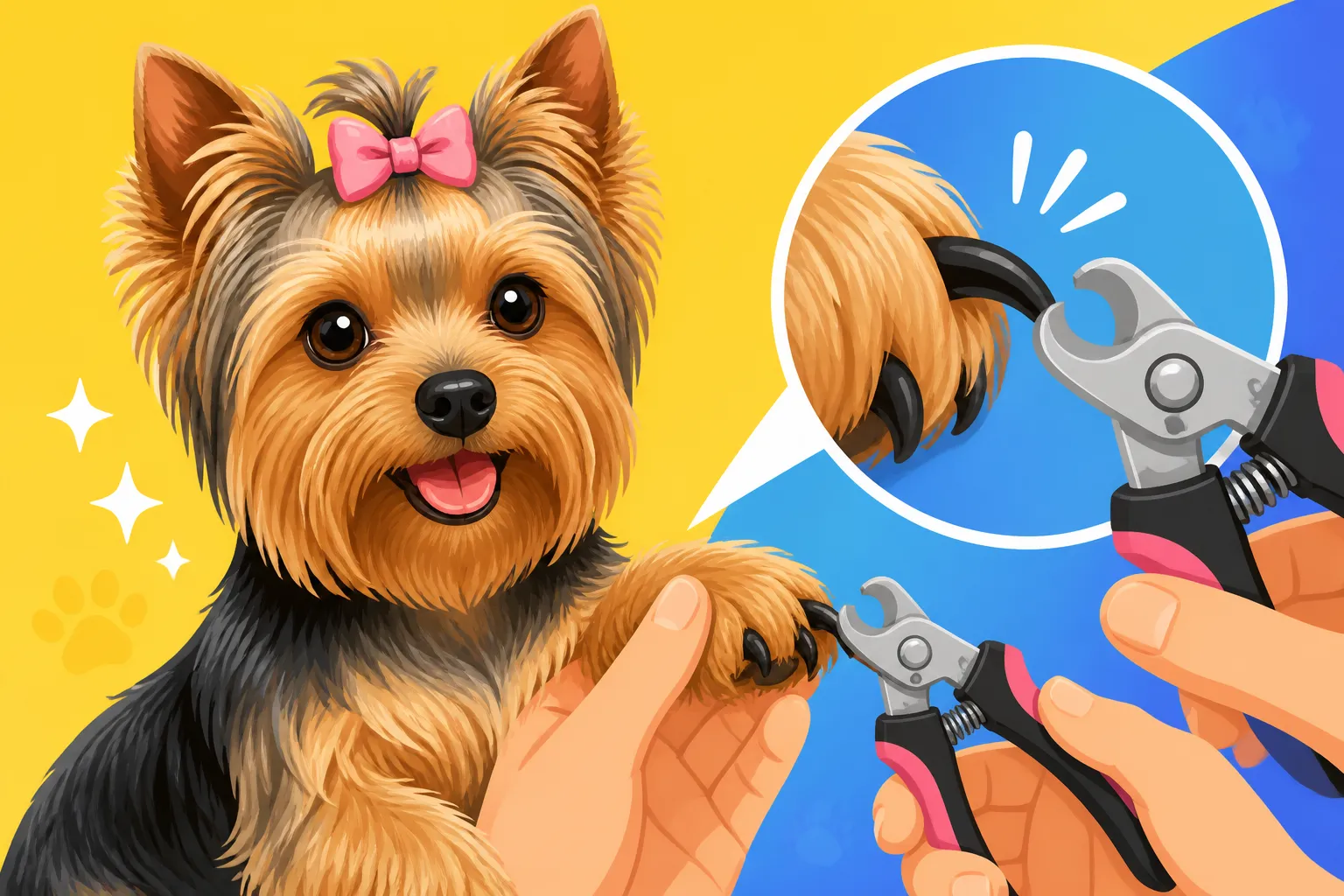
One of the most common worries for Yorkshire Terrier parents is keeping those tiny nails properly trimmed. It might seem like a small detail, but letting your Yorkie’s nails get too long can lead to discomfort, pain, and even serious health issues down the road. This guide is all about demystifying the process, helping you understand why nail care is so important, what tools you’ll need, and how to confidently and safely trim your Yorkie's nails right at home, saving you stress and vet visits.
Understanding Yorkie Nails and Why Regular Trimming is Crucial
Before we dive into the "how-to," it’s really important to understand the "why." Yorkies, with their delicate structures and active personalities, rely heavily on their paw health. Neglecting nail care isn't just about aesthetics; it’s about their overall well-being and mobility.
The Anatomy of a Yorkie's Nail
A Yorkie’s nail, much like our own, has several parts, but one is particularly important to identify: the quick. The quick is a blood vessel and nerve supply that runs down the center of the nail. In clear or light-colored nails, it often looks like a pinkish area, easily visible. However, many Yorkies have dark nails, making the quick much harder to spot, which is where the intimidation often comes in.
Beneath the quick is the nail bed, which is sensitive. Cutting into the quick is painful for your Yorkie and will cause bleeding, creating a negative association with nail trimming. This is why a cautious, incremental approach is always best. The goal is to trim the dead portion of the nail that extends beyond the quick, allowing the quick itself to recede over time with regular trimming. Think of it like a retractable living part of the nail; the more you trim just before it, the more it will pull back, making future trims easier and safer.
The Dangers of Overgrown Nails
You might think long nails just look a bit untidy, but for a tiny breed like a Yorkshire Terrier, overgrown nails can cause a cascade of problems. When a Yorkie's nails are too long, they hit the ground before the paw pads do, pushing the nail back into the nail bed. This puts pressure on the toe joints and bones, leading to discomfort and pain with every step. Imagine wearing shoes that are constantly too small and pushing on your toes – that’s what it feels like for them.
Over time, this constant pressure can lead to splayed feet, where the toes spread out abnormally, and even cause changes in their gait and posture. This can strain their leg muscles, hips, and spine. For a breed already prone to orthopedic issues like Yorkshire Terrier Patellar Luxation: Signs and Care or Yorkie Knee Problems Explained, this added stress is something we absolutely want to avoid. Extremely long nails can also curl under and grow into the paw pad, leading to painful infections, limping, and an overall reluctance to walk or play. This directly impacts their quality of life and can contribute to a host of Yorkshire Terrier Health Problems to Know.
Essential Tools for Yorkie Nail Grooming
Having the right tools makes all the difference. Don’t try to make do with old, dull clippers or tools meant for larger dogs. Yorkies require precision and gentleness.
Choosing the Right Nail Clippers or Grinder
This is perhaps the most critical decision. You have a few main options, each with its pros and cons:
- Scissor-Style Clippers: These look like small scissors with curved blades. They are excellent for small breeds like Yorkies because they offer good control and a clean cut. Many pet parents find them easy to maneuver around tiny paws. Brands like Safari or Resco often offer good quality scissor-style clippers that are perfectly sized.
- Guillotine Clippers: These have a small hole where you insert the nail, and a blade slides across to cut it. While popular for some breeds, they can be a bit bulky for a Yorkie's small nails and can sometimes crush the nail if the blade isn't sharp enough. I generally lean away from recommending these for tiny paws.
- Rotary Grinders (Dremel-style tools): These use a rotating abrasive bit to file the nail down slowly. They are fantastic for preventing accidental quick cuts, especially if your Yorkie has dark nails, and can smooth the nail beautifully, preventing sharp edges. However, they do make noise and vibration, which can be scary for some dogs. You can find excellent pet-specific grinders on sites like Chewy or Amazon. Look for models designed to be quieter or those with variable speeds. The Dremel PawControl is a popular choice for many.
My personal recommendation for most Yorkie owners is to have a good pair of scissor-style clippers for quick trims and a rotary grinder for more precise shaping and quick maintenance, especially if your dog tolerates the sound.
Stocking Up on Necessary Supplies
Beyond the main cutting tool, these items are non-negotiable for a safe and successful grooming session:
- Styptic Powder: This is your absolute emergency go-to. If you accidentally cut the quick, this powder will quickly stop the bleeding. Always have it within arm's reach before you even start. Kwik Stop is a well-known brand.
- High-Value Treats: Positive reinforcement is key, especially with a breed that can be a bit stubborn or anxious. Small, delicious treats will help create a positive association with nail trimming. Ollie makes some great human-grade dog food that can be portioned into tiny, high-value treats perfect for this.
- Good Lighting: You need to see what you're doing! A well-lit room or even a headlamp can help you distinguish the nail from the quick, especially if your Yorkie has dark nails.
- Non-Slip Surface: A bath mat or a towel placed on a table can help keep your Yorkie stable and prevent slips, reducing their anxiety and your struggle.
- Towel or Blanket: Some Yorkies feel more secure when gently wrapped or held, especially if you have a helper. A soft towel can serve as a calming restraint.
Step-by-Step Guide to Trimming Your Yorkie's Nails
Alright, let’s get down to business. Remember, patience and a positive attitude will go a long way in making this a stress-free experience for both of you.
Preparation is Key
This step is often overlooked, but it's vital for success.
- Choose the Right Time: Pick a time when your Yorkie is relaxed, perhaps after a good walk or a play session when they're a bit tired. Avoid doing it when they're hyped up or overly sleepy.
- Gather Your Tools: Lay out your clippers/grinder, styptic powder, treats, and any other supplies within easy reach. You don't want to be scrambling for something mid-trim.
- Create a Calm Environment: Go to a quiet area where you won't be interrupted. Soft music or a calm tone of voice from you can help.
- Positive Association: Before you even touch a nail, let your Yorkie sniff the tools. Give them a treat. Gently touch their paws without doing anything. Repeat this over several days if necessary. The goal is for them to associate the tools and paw handling with good things, not fear. For a comprehensive approach to easing anxiety, you might find tips in guides on Yorkie Training Mistakes to Avoid.
The Clipping or Grinding Process
This is where the magic happens, but it needs to be done carefully.
Using Clippers:
- Hold Your Yorkie Securely: You might need a helper, especially if your Yorkie is squirmy. Gently hold one paw, making sure you have a good grip but aren't causing discomfort.
- Isolate a Toe: Push back any fur around the nail to get a clear view. Hold the paw firmly, isolating the toe you're working on.
- Identify the Quick:
- Light Nails: Look for the pink quick. You want to cut just in front of it, where the nail is clear or white.
- Dark Nails: This is trickier. Look at the underside of the nail. You'll see a small, often hollow, triangle-shaped part at the very end. This is the dead part. As you trim tiny slivers, the center of the cut nail surface will initially look chalky white. As you get closer to the quick, a small dark circle will appear in the center – this is your cue to stop! It's better to cut less than more.
- Make a Quick, Clean Cut: Use your sharp clippers to make one swift, confident cut. Don't squeeze and hold; a fast cut is less likely to split the nail.
- Repeat for Each Nail: Move slowly, taking breaks and offering treats as needed. Don't feel pressured to do all nails at once. If your Yorkie gets stressed, stop and try again later. For more tips on overall care, check out the Yorkshire Terrier Daily Care Routine.
Using a Rotary Grinder:
- Acclimation: This is crucial for grinders due to the sound and vibration. Let your Yorkie hear the grinder running without touching them, giving treats. Gradually introduce touching the grinder to their paw, still off, then briefly on, then to a single nail.
- Hold Securely: Just like with clippers, secure your Yorkie and hold the paw firmly.
- Grind in Short Bursts: Turn the grinder on and gently touch it to the very tip of the nail. Grind for only 1-2 seconds at a time. This prevents heat buildup (which can be uncomfortable) and allows you to gauge your progress.
- Check Your Progress: After a few short bursts, lift the grinder and examine the nail. Again, look for the chalky white center, then the small dark circle that indicates you're nearing the quick.
- Repeat: Work your way around each nail, slowly and patiently. The grinder is particularly good at smoothing the nail, which can be a real benefit.
Post-Grooming Care and Rewards
Once you’re done (or done for now!), it’s time to reinforce that good behavior.
- Inspect Paws: Give their paws a final once-over. Are there any rough edges? Are all nails trimmed appropriately?
- Clean Up: Wipe away any nail dust (from grinding) or stray clippings.
- Lavish Praise and Treats: This is where you go all out! Lots of verbal praise, petting, and those high-value treats. You want them to feel like they just won the lottery for enduring the experience. Consider giving them a small chew toy or a favorite plush toy as a reward. This positive ending helps build good associations for next time. For ideas on the best motivational treats, read up on Best Treats for Training a Yorkie.
Overcoming Common Challenges and Fears
Let's be real: not every Yorkie will calmly offer their paws like a seasoned spa-goer. It's common for them to be nervous or resistant, and that's okay.
Dealing with a Fearful or Squirmy Yorkie
If your Yorkie is putting up a fight, don’t force it. Forcing them will only deepen their fear and make future attempts even harder.
- Desensitization and Counter-Conditioning: This is a long game, but it’s the most effective.
- Step 1: Handle Paws Daily: Start by simply touching their paws gently, praising, and giving treats. Don't even bring out the tools yet. Do this multiple times a day.
- Step 2: Introduce Tools: Once they're comfortable with paw handling, bring out the clippers/grinder. Let them sniff it, give a treat. Touch the closed clippers to their paw, treat. Turn the grinder on nearby (not touching), treat.
- Step 3: Simulate: Gently touch the clippers to a nail without cutting. Treat. Briefly touch the running grinder to a nail (very quickly), treat.
- Step 4: Small Steps: When you finally attempt a trim, aim for just one nail, maybe two. The moment it’s done, stop and celebrate with high-value rewards. Build up slowly over days or weeks. This method is explored further in How to Train a Yorkshire Terrier.
- Use a Harness: For some Yorkies, a comfortable harness can provide a sense of security during handling, and it also gives you a bit more control if they try to squirm away. Remember, harnesses are generally better than collars for Yorkies anyway. Find out why in Why Harnesses Are Better Than Collars for Yorkies.
- Get a Helper: A trusted friend or family member can hold your Yorkie, distract them with treats, or gently soothe them while you focus on the trimming.
- Consult a Professional: If fear is severe and you're making no progress, a professional groomer or veterinary technician can often get the job done quickly and might be able to teach you some handling techniques.
What to Do if You Cut the Quick
It happens to the best of us, especially when you're first learning or dealing with a dark-nailed Yorkie. Don't panic!
- Apply Styptic Powder Immediately: Gently but firmly press the styptic powder (or a styptic pencil) onto the bleeding nail. Hold it there for about 10-15 seconds. The bleeding should stop fairly quickly. If you don't have styptic powder, cornstarch or flour can be used as a temporary substitute, but styptic powder works much better.
- Reassure Your Yorkie: They will likely yelp and pull away. Speak in a calm, soothing voice. Don't punish them for reacting; they're in pain.
- Offer a Distraction/Treat: Once the bleeding stops, give them a high-value treat to try and redirect their attention and re-establish a positive association, if possible.
- Monitor the Nail: Keep an eye on the nail for the next day to ensure the bleeding doesn't resume and there are no signs of infection. If the bleeding is profuse or doesn't stop, or if you notice any signs of infection (swelling, pus, redness), contact your vet immediately. Knowing Yorkie Emergency Symptoms to Never Ignore is always good for peace of mind.
When to Seek Professional Help
While it's empowering to learn how to care for your Yorkie's nails at home, there are times when calling in the pros is the smartest move.
Signs Your Yorkie Needs a Groomer or Vet
You shouldn't feel guilty about seeking professional assistance. It means you're prioritizing your Yorkie's comfort and safety.
- Extreme Fear or Aggression: If your Yorkie becomes highly aggressive, tries to bite, or has a full-blown panic attack every time you attempt nail trimming, it's safer for everyone to let a professional handle it. They have techniques and tools to manage even the most resistant dogs safely.
- Black Nails and No Confidence: If all your Yorkie's nails are black and you simply cannot confidently identify where the quick begins, leading to too many accidental nicks, a professional can reliably trim them down. Regular professional trims can also help the quick recede, making it potentially easier for you in the future.
- Severely Overgrown or Curled Nails: If the nails are so long they've started to curl into the paw pads, or if they're severely splayed, a vet visit is usually warranted. They can assess for pain, infection, and may even sedate your Yorkie for a comfortable and thorough trim if needed.
- Difficulty Holding Your Yorkie Still: Some Yorkies are just incredibly wiggly, especially as puppies or if they're particularly energetic. If you can't keep them stable enough to safely trim, a professional will have the experience and techniques (and often another pair of hands) to manage them. For very young puppies, professional grooming can also be part of a proper Yorkshire Terrier Puppy Health Guide and Yorkie Puppy Care Guide.
Finding a Qualified Professional
When choosing someone to trust with your Yorkie's delicate paws, consider these points:
- Veterinary Technicians: Often the best choice, especially if your Yorkie has very dark nails, a history of quicking, or other health concerns. Vets and vet techs are trained in animal anatomy and can provide medical oversight. They also have access to sedatives if truly necessary.
- Professional Groomers: Look for groomers experienced with small breeds like Yorkies. Ask about their techniques for fearful dogs and how they handle dark nails. Read reviews and ask for recommendations from other Yorkie owners. Many local pet supply stores like PetSmart or Petco have grooming services, but individual groomers may offer a more personalized experience.
- "Nail Trim Only" Services: Many clinics and groomers offer walk-in or appointment-based nail trim services that are less expensive than a full groom. This is a great way to maintain nail health regularly without committing to a full spa day. The cost of these services is often a small part of your Yorkie Grooming Costs Explained budget.
Regular nail trimming is a fundamental part of How to Keep a Yorkshire Terrier Healthy and happy. Don't let fear or inexperience deter you from this essential task. With the right tools, a gentle approach, and plenty of patience and positive reinforcement, you and your little Yorkie can master this routine together.
Disclaimer
The information provided in this article is for general informational purposes only and is not intended as a substitute for professional veterinary advice. Always consult with a qualified veterinarian or professional groomer for any health concerns or before making any decisions related to your Yorkshire Terrier's care and well-being.