Yorkie-Poodle: Yorkshire Terrier Mix Guide
Bringing a new dog into your life is a huge decision, and for many, the charm of a designer breed like the Yorkie-Poodle mix, often called a Yorkipoo, is incredibly appealing. But with mixed breeds, there's always a bit of mystery about what you're truly getting. This comprehensive guide is here to unravel the complexities, shed light on the wonderful traits, and prepare you for the unique joys and challenges of welcoming a Yorkipoo into your home.
Understanding the Yorkie-Poodle Mix: The Best of Both Worlds?
The Yorkie-Poodle mix is a delightful combination, merging the spirited zest of the Yorkshire Terrier with the renowned intelligence and often hypoallergenic coat of the Poodle. This isn't just a random pairing; breeders aim to combine desirable traits from both parent breeds, hoping to create a companion that is affectionate, lively, and potentially easier on allergy sufferers. However, it's crucial to remember that with any mixed breed, the genetic lottery means traits can lean more heavily toward one parent or be a truly unpredictable blend.
The Yorkshire Terrier Parent Influence
The Yorkshire Terrier, or Yorkie, is a small dog with a huge personality. Don't let their dainty size fool you; they were originally bred to hunt rats in clothing mills and mines, giving them a tenacious, confident, and often feisty disposition. They are incredibly loyal to their families, often forming a strong bond with one primary person. Yorkies are known for their beautiful, silky, non-shedding coats, which are more akin to human hair. However, they can be prone to excessive barking, especially if not properly trained, and sometimes possess a stubborn streak. Their high intelligence makes them capable of learning quickly, but their independent nature can make training a delightful challenge.
The Poodle Parent Influence
On the other side of the genetic equation, we have the Poodle, a breed celebrated for its sharp intellect, elegant appearance, and hypoallergenic coat. Poodles come in three sizes—Standard, Miniature, and Toy—and the Toy or Miniature Poodle is typically used in a Yorkipoo cross. Poodles are highly trainable, eager to please, and excel in obedience and dog sports. They are playful, friendly, and thrive on mental and physical stimulation. Their curly, dense coat is also considered non-shedding, making them a popular choice for allergy sufferers. The Poodle's influence often brings a calmer demeanor, a greater eagerness to learn, and that distinctive curly coat to the Yorkipoo mix.
Hybrid Vigor and Genetic Lottery
Many proponents of designer breeds tout the concept of "hybrid vigor," which suggests that mixed breeds are inherently healthier due to a wider gene pool. While this can sometimes be true, it's not a guarantee. A Yorkipoo can indeed inherit the best health traits from both parents, potentially reducing the likelihood of some breed-specific issues that plague purebreds. However, they can also inherit any of the health problems common to both parent breeds. The genetic lottery means you won't know the exact combination of traits until your Yorkipoo puppy starts to develop. One puppy in a litter might have the Yorkie's straight, silky coat, while another might have the Poodle's tight curls. Similarly, their personality can be a dominant mix of one parent or an even blend. This unpredictability is part of the charm and challenge of owning a Yorkipoo.
Temperament and Trainability: What to Expect from a Yorkipoo
When you combine two breeds with such distinct personalities, the resulting temperament of a Yorkipoo can be quite varied. Generally, you can expect a lively, intelligent, and affectionate companion, but individual differences are significant.
Blending Yorkie Sass with Poodle Smartness
A typical Yorkipoo often inherits the friendly and playful nature of both parent breeds. They tend to be very devoted to their families and love being at the center of attention. From the Yorkie, they might get that spirited, confident demeanor that makes them feel like a much bigger dog in a small package. This can manifest as playful bossiness or an eagerness to be involved in everything. From the Poodle, they usually inherit a keen intelligence and a desire to please, which can make them quite receptive to training.
However, beware of the "small dog syndrome" that can occur if a Yorkipoo isn't properly socialized or trained. Their small size might tempt owners to let them get away with behaviors they wouldn't tolerate in a larger dog, leading to excessive barking, nipping, or fear-based aggression. They thrive on companionship and can be prone to separation anxiety if left alone for long periods without proper training. Each Yorkipoo truly has their own unique personality, a testament to their mixed heritage.
Socialization is Key for a Well-Adjusted Yorkipoo
Given the potential for both Yorkie stubbornness and Poodle sensitivity, early and consistent socialization is paramount for a Yorkipoo puppy. Introducing them to a variety of sights, sounds, people, and other friendly dogs from a young age helps them grow into confident, well-adjusted adults. Without it, they can become overly timid or, conversely, overly reactive. Think about puppy classes not just for training, but for the exposure they offer in a controlled environment.
A properly socialized Yorkipoo will likely be a delightful companion, eager to meet new friends and enjoy new experiences. They typically get along well with respectful children and other pets, especially if raised with them. Remember that even with their small size, they have a strong desire to be part of the family unit, and they thrive when given a role and plenty of interaction.
Living with a Yorkipoo in Different Settings
Yorkipoos are generally highly adaptable dogs. Their small size makes them excellent candidates for apartment living, provided they get adequate daily exercise and mental stimulation. They don't require vast yards, but a daily walk around the neighborhood or playtime in a secure park is essential to burn off their energetic tendencies. Without enough activity, they can become bored and destructive, which might include chewing on inappropriate items or barking excessively.
They can be wonderful companions for singles, couples, or families with older, respectful children. For families with very young children, careful supervision is always recommended due to the Yorkipoo's delicate size and sometimes feisty nature. Their need for companionship also makes them great partners for seniors who can provide consistent affection and attention.
Keeping Your Yorkipoo Healthy and Happy: Grooming, Exercise, and Diet
Caring for a Yorkipoo means understanding their specific needs, particularly concerning their coat, energy levels, and sensitive digestive systems.
Navigating the Unique Coat
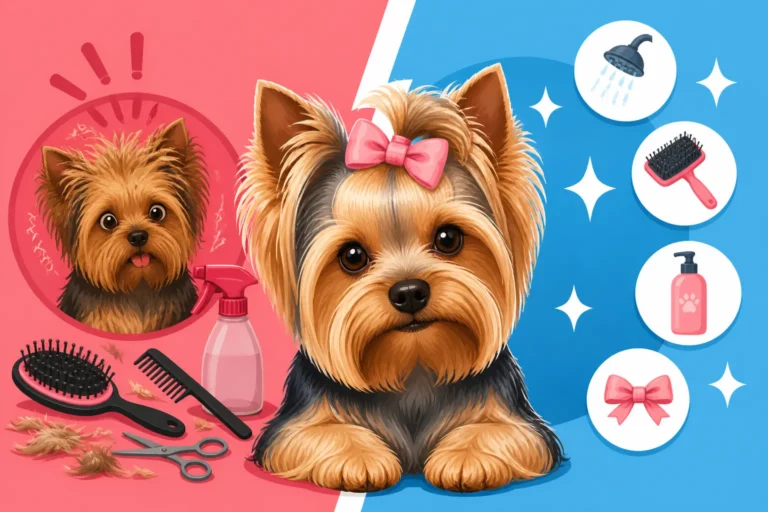
The Yorkipoo's coat is one of its most defining, yet unpredictable, features. It can range from the silky, straight hair of a Yorkie to the curly, coarse texture of a Poodle, or a wavy combination of both. Regardless of the exact texture, their coat is typically low-shedding, which is a big plus for many allergy sufferers. However, "low-shedding" does not mean "low-maintenance." Their coats are prone to matting and tangling, requiring regular attention.
- Daily Brushing: To prevent mats, especially if they have a longer or wavier coat, daily brushing is often necessary. A good slicker brush and a metal comb are essential tools. You can find a wide range of these on reputable pet supply sites like Chewy.
- Professional Grooming: Most Yorkipoos require professional grooming every 4 to 8 weeks, depending on the desired length and coat type. Groomers can help maintain a manageable length, clean ears, trim nails, and express anal glands if needed. Many owners opt for a "puppy cut" or "teddy bear cut" for easier home care. If you're looking to learn more about coat care, you might find our guide on Yorkshire Terrier Grooming Guide helpful, as many principles apply.
- Bathing: Bathe your Yorkipoo every 2-4 weeks using a mild dog shampoo and conditioner to keep their coat healthy and clean. Be sure to rinse thoroughly to prevent skin irritation.
- Eye and Ear Care: Regular cleaning around their eyes can help prevent tear stains. Their ears should also be checked weekly for redness, odor, or excess wax, and cleaned gently with a vet-approved solution.
Exercise, Training, and Diet Considerations
Meeting your Yorkipoo's needs in these areas is crucial for their overall well-being.
Exercise Requirements
Despite their small size, Yorkipoos are energetic little dogs that require a moderate amount of daily exercise. This isn't just about physical activity; it's also about mental stimulation.
- Daily Walks: One or two short walks (15-20 minutes each) per day are usually sufficient. Make sure they are always on a leash, as their terrier instincts might lead them to chase after small animals or investigate interesting scents.
- Playtime: Indoor play sessions with toys, fetch, or puzzle toys can help burn off energy and provide mental engagement.
- Mental Stimulation: Don't underestimate the power of mental games. Teaching new tricks, engaging with interactive toys, or even just rotating their toys can keep their clever minds occupied. For more ideas on keeping a small dog active, check out our article on How Much Exercise Does a Yorkie Need.
Training Your Yorkipoo
Thanks to the Poodle's intelligence, Yorkipoos are generally smart and eager to learn, making them quite trainable. However, the Yorkie's occasional stubbornness means consistency and positive reinforcement are key.
- Potty Training: Like many small breeds, Yorkipoos can be a bit challenging to potty train. Consistency, a strict schedule, and plenty of praise for outdoor successes are vital. Crate training can be incredibly effective. Be patient, as accidents will happen. You might find guidance in our post on Yorkie Potty Training Regression if you hit a snag.
- Basic Obedience: Start with basic commands like "sit," "stay," and "come" early on. Their intelligence means they pick these up quickly.
- Barking: Yorkipoos can be prone to barking, a trait inherited from both sides. Early training to manage barking, especially at new sights or sounds, is important to prevent it from becoming an ingrained habit.
- Leash Training: Use a harness instead of a collar to protect their delicate neck and trachea.
Diet and Nutrition
Proper nutrition is foundational for a Yorkipoo's health.
- High-Quality Small Breed Food: Choose a premium dog food formulated for small breeds. These foods typically have smaller kibble sizes and are nutrient-dense to meet their higher metabolic rate. Brands like Royal Canin or Hill's Science Diet often offer specific small breed formulas. Chewy offers a wide variety of these specialized foods.
- Portion Control: Yorkipoos are small and can easily become overweight, which puts strain on their joints and overall health. Follow feeding guidelines based on their age, weight, and activity level.
- Hypoglycemia Risk: Yorkie puppies, and sometimes even adults, can be prone to hypoglycemia (low blood sugar), especially if they go too long without eating. Feed small, frequent meals, particularly for puppies. Signs of hypoglycemia include lethargy, trembling, and disorientation. Having a glucose supplement or corn syrup on hand can be a lifesaver in an emergency. For details on prevention, read How to Prevent Hypoglycemia in Yorkie Puppies.
- Dental Health: Small breeds are notoriously susceptible to dental disease. Brushing your Yorkipoo's teeth daily, providing dental chews, and considering dental water additives are crucial. Regular professional dental cleanings by a vet are often necessary as they age. Our article How to Prevent Dental Disease in Yorkies offers valuable insights.
| Trait / Breed | Yorkshire Terrier | Poodle (Toy/Miniature) | Yorkie-Poodle Mix (Yorkipoo) |
|---|---|---|---|
| Temperament | Feisty, confident, loyal, stubborn, bold | Intelligent, eager to please, playful, affectionate, sensitive | Lively, intelligent, affectionate, sometimes stubborn, playful |
| Coat Type | Long, silky, fine, human-like hair | Curly, dense, wool-like | Variable: silky, wavy, or curly |
| Shedding | Very low/non-shedding | Very low/non-shedding | Very low/non-shedding |
| Grooming Needs | High (daily brushing, professional trims) | High (daily brushing, professional trims) | High (daily brushing, professional trims) |
| Trainability | Intelligent but can be stubborn | Highly intelligent, very trainable, eager to please | Intelligent, trainable, but may inherit a stubborn streak |
| Exercise Needs | Moderate (short walks, indoor play) | Moderate to high (daily walks, mental stimulation) | Moderate (daily walks, indoor/outdoor play) |
| Common Health Concerns | Patellar luxation, tracheal collapse, dental disease, liver shunt | Patellar luxation, Progressive Retinal Atrophy, Legg-Calve-Perthes disease, dental disease | Combination of above, often including dental issues, patellar luxation |
| Average Lifespan | 13-16 years | 10-18 years | 10-15 years |
Navigating Potential Health Concerns and Maximizing Lifespan
While hybrid vigor can contribute to overall resilience, Yorkipoos are still susceptible to health conditions common to their parent breeds. Being proactive about their health care is the best way to ensure a long, happy life together.
Inherited Health Issues to Be Aware Of
Because a Yorkipoo is a mix of two breeds, they can inherit any of the genetic predispositions of both the Yorkshire Terrier and the Poodle. Being aware of these common issues allows you to monitor your dog and seek veterinary care promptly.
- Patellar Luxation: This condition, common in both parent breeds, involves the kneecap slipping out of place. It can range from mild to severe, sometimes requiring surgery. Keep an eye out for limping or a "skip" in their step. Our article on Yorkshire Terrier Patellar Luxation: Signs and Care details what to watch for.
- Tracheal Collapse: Another condition frequently seen in small breeds like Yorkies, tracheal collapse affects the windpipe, leading to a characteristic honking cough. Using a harness instead of a collar can help prevent putting pressure on the trachea. Learn more about this in Yorkshire Terrier Collapsing Trachea: Signs and Care.
- Dental Disease: Small dogs are highly prone to dental issues, including plaque, tartar buildup, gum disease, and tooth loss. This can lead to pain, infection, and even impact organ health. Regular dental care at home and professional cleanings are non-negotiable.
- Portosystemic Shunt (Liver Shunt): This is a congenital condition, more common in Yorkshire Terriers, where blood bypasses the liver, preventing toxins from being filtered. Symptoms can include stunted growth, neurological issues, and digestive upset.
- Hypoglycemia: As mentioned earlier, low blood sugar can be a concern, especially in small puppies. Ensure consistent feeding.
- Eye Conditions: Both Yorkies and Poodles can be prone to eye problems such as Progressive Retinal Atrophy (PRA) and cataracts. Regular vet check-ups, which include eye exams, are important. Our guide on Yorkie Eye Problems Explained can help you identify symptoms.
- Legg-Calve-Perthes Disease: More common in smaller breeds, this hip joint condition can lead to lameness and pain.
- Allergies: Like many dogs, Yorkipoos can develop environmental or food allergies, leading to skin irritation, itching, and ear infections.
Choosing a reputable breeder who screens their parent dogs for genetic health conditions is the best way to reduce the risk of these inherited diseases. Always ask to see health clearances for the parents.
Expected Lifespan and Wellness Care
A well-cared-for Yorkipoo can live a long and healthy life, typically between 10 to 15 years. Some might even exceed this, especially with excellent veterinary care and a bit of good fortune. Factors influencing their lifespan include genetics, diet, exercise, and preventative health care.
- Regular Veterinary Check-ups: Annual vet visits are essential for vaccinations, parasite prevention, and early detection of any health issues. As they age, your vet might recommend more frequent check-ups. Our Yorkie Vaccination Schedule provides a general timeline.
- Preventative Care: This includes flea, tick, and heartworm prevention, as well as maintaining excellent dental hygiene.
- Weight Management: Keeping your Yorkipoo at a healthy weight is vital to prevent strain on their joints and organs.
- Enrichment: Providing plenty of mental and physical stimulation helps keep them engaged and happy, contributing to their overall well-being.
- Early Intervention: Being vigilant for any changes in behavior, appetite, or physical condition and seeking prompt veterinary attention can make a huge difference in managing health issues effectively. Our guide on How Long Do Yorkshire Terriers Live offers more insights into maximizing a small dog's lifespan, many of which are applicable to a Yorkipoo.
By understanding the unique blend of traits that make up a Yorkipoo and committing to their specific care needs, you'll be well on your way to enjoying many years with your charming and intelligent companion.
Disclaimer
The information provided in this guide is for general informational purposes only and does not constitute veterinary advice. Always consult with a qualified veterinarian for any health concerns or before making any decisions about your pet's medical care.