How to Keep a Yorkshire Terrier Healthy
It’s a natural worry for any Yorkie parent: how do you ensure your tiny companion lives the longest, healthiest, and happiest life possible? These little dogs, full of personality and charm, can be prone to certain health challenges due to their small stature and breed genetics. This comprehensive guide is here to walk you through every aspect of preventative care, from nutrition to vet visits, to empower you with the knowledge to keep your beloved Yorkshire Terrier thriving.
Understanding Your Yorkie's Unique Health Landscape
Bringing a Yorkshire Terrier into your home is an incredible joy, but it also comes with a responsibility to understand their specific needs, especially concerning their health. Unlike larger breeds, Yorkies have particular vulnerabilities that, when understood and managed proactively, can lead to a long and vibrant life. It’s not just about reacting when they’re sick, but building a foundation of wellness.
Breed-Specific Vulnerabilities
Yorkies, despite their robust personalities, are known for certain breed-specific health concerns that every owner should be aware of. This isn't to scare you, but to inform you so you can be vigilant and work with your vet on preventative strategies. One of the most common issues is Yorkshire Terrier Patellar Luxation: Signs and Care, where the kneecap can slip out of place. It sounds painful, and it can be, often showing up as a skip in their step or a sudden limp. Another significant concern, especially in their later years, is Yorkshire Terrier Collapsing Trachea: Signs and Care, which can manifest as a persistent, honking cough. Their small windpipes are delicate and can be prone to collapse under certain stresses or even from pulling on a collar.
Beyond orthopedic and respiratory issues, Yorkies can also face challenges like dental disease due to their crowded mouths, and even portosystemic shunts, a congenital liver condition. Understanding these predispositions means you can discuss them with your veterinarian early on, looking for signs, and implementing preventative measures like appropriate exercise to strengthen joints or regular dental care from a young age. Being informed about Yorkshire Terrier Health Problems to Know allows you to be an advocate for your pet's well-being and potentially catch issues before they become severe.
Early Life Health Foundations
The health foundation your Yorkie receives as a puppy sets the stage for their entire life. From the moment they arrive home, focusing on proper nutrition, socialization, and initial veterinary care is paramount. A healthy start means a stronger immune system, better bone development, and a smoother transition into adulthood. This also involves ensuring they get all their scheduled vaccinations, which protect them from a host of preventable diseases.
Your puppy's first vet visits are not just about shots; they're an opportunity for thorough physical exams, discussions about diet, and advice on puppy-proofing your home. Learning about the Yorkshire Terrier Puppy Health Guide can provide invaluable insight into common puppy ailments, how to recognize them, and when to seek professional help. For instance, Yorkie puppies are particularly susceptible to hypoglycemia (low blood sugar), which can be quite serious. Regular feeding schedules, high-quality puppy food, and watchful eyes are key in these early months. Establishing a strong partnership with a trusted veterinarian from the beginning is perhaps the most critical step in laying a healthy foundation for your furry friend.
Optimal Nutrition for a Thriving Yorkie
Just like humans, what a Yorkie eats profoundly impacts their overall health, energy levels, and longevity. Given their small size and specific metabolic needs, nutrition isn't a "one size fits all" scenario. It requires careful consideration to ensure they receive all the essential nutrients without gaining excess weight or exacerbating potential health issues.
Choosing the Right Food for Each Life Stage
Your Yorkie's dietary needs will change significantly throughout their life, from the rapid growth of puppyhood to the maintenance years of adulthood and the specialized requirements of senior age. For puppies, a high-quality food specifically formulated for small breed puppies is crucial. These foods typically have higher protein and fat content to support their rapid development, along with smaller kibble sizes that are easier for their tiny mouths to chew. When they transition to adulthood, around 10-12 months, you'll need to switch to an adult small breed formula. These formulas help maintain their energy levels and ideal weight without promoting excessive growth.
As your Yorkie enters their senior years, usually around 7-9 years old, their metabolism slows down, and they might become less active. A senior-specific diet, often lower in calories but still packed with nutrients, can help prevent obesity and support aging joints and organs. Brands like Royal Canin and Hill's Science Diet offer breed-specific or small-breed formulas that cater to these different life stages. It's not just about the brand; it's about checking the ingredient list for whole meats, healthy fats, and digestible carbohydrates, while avoiding excessive fillers or artificial additives. Always consult your vet when making significant dietary changes, as they can recommend the Best Dog Food for Yorkshire Terriers based on your individual dog's health profile.
Managing Portions and Preventing Obesity
It's tempting to overfeed our little Yorkies because they're so small and cute, but portion control is vital. Even a small amount of extra food can lead to significant weight gain for a tiny dog, putting them at risk for a host of health problems like joint issues, diabetes, and heart disease. Always follow the feeding guidelines on your dog food bag, but remember these are just starting points. Your individual Yorkie's metabolism, activity level, and age will dictate the exact amount. As a general rule, it's usually better to feed them two or three smaller meals a day rather than one large one, which can help stabilize blood sugar and prevent hypoglycemia, especially in puppies.
Regularly weighing your Yorkie and monitoring their body condition score is more important than just watching the scale. You should be able to easily feel their ribs without seeing them, and they should have a discernible waist when viewed from above. If you're wondering How Much to Feed a Yorkshire Terrier, consider using a measuring cup for accuracy at every meal. Don't eyeball it! Treats should be given in moderation and factored into their daily calorie intake. If you notice your Yorkie starting to pack on a few extra ounces, it's time to adjust their food intake and increase their exercise.
Hydration and Dietary Supplements
Water is just as critical as food for your Yorkie's health. Always ensure they have access to fresh, clean water throughout the day. Dehydration can lead to serious health issues, especially for small dogs who can lose fluids more quickly. Keep multiple water bowls around the house, and consider a pet fountain if your Yorkie prefers moving water. Clean their water bowls daily to prevent bacterial growth.
When it comes to dietary supplements, the general rule is that if your Yorkie is on a high-quality, balanced diet, they might not need many additional supplements. However, there are exceptions. Your vet might recommend supplements like omega-3 fatty acids for coat health and anti-inflammatory benefits, or glucosamine and chondroitin for joint support, especially as they age or if they have conditions like patellar luxation. Probiotics can also be beneficial for gut health, particularly if your Yorkie has a sensitive stomach. Never give supplements without first discussing it with your veterinarian, as excessive amounts of certain vitamins and minerals can be harmful. For instance, while pet insurance plans like those from Healthy Paws can help cover unexpected vet bills, they don't typically cover preventative supplements unless prescribed for a specific medical condition.
The Cornerstone of Preventative Veterinary Care
Regular veterinary care isn't just for when your Yorkie is sick; it's the foundation of their long-term health and well-being. Preventative care helps catch potential issues early, manage chronic conditions, and protect your furry friend from common diseases that can be easily avoided. Think of your vet as your partner in your Yorkie's health journey.
Regular Check-ups and Vaccinations
Annual veterinary check-ups are non-negotiable for a healthy Yorkie. These visits allow your vet to perform a thorough physical examination, checking everything from their teeth and ears to their heart and joints. Many health issues, especially in their early stages, are not obvious to the untrained eye. Your vet can spot subtle changes that might indicate an underlying problem. During these check-ups, your Yorkie will also receive necessary booster vaccinations, protecting them from diseases like rabies, distemper, parvovirus, and adenovirus. The specific vaccination schedule can vary based on your dog's age, lifestyle, and local regulations, so always follow your vet's recommendations.
Beyond the physical exam and vaccines, these appointments are invaluable opportunities to discuss any concerns you might have about your Yorkie's behavior, diet, or overall health. Don't hesitate to ask questions about their weight, potential breed-specific issues, or even grooming tips. Your vet can provide tailored advice and guidance, ensuring your Yorkie receives the most appropriate and up-to-date care. It's about being proactive, not reactive, when it comes to their health.
Parasite Prevention and Control
Parasites, both internal and external, can pose significant threats to your Yorkie's health and comfort. Fleas, ticks, heartworms, and intestinal worms are not just gross; they can cause serious diseases, anemia, and discomfort. Fortunately, there are many effective preventative medications available. Monthly flea and tick preventatives, often given orally or topically, are crucial, especially if your Yorkie spends time outdoors or interacts with other animals. Ticks can transmit diseases like Lyme disease and anaplasmosis, which can have long-lasting effects.
Heartworm prevention is equally important. Heartworms are transmitted by mosquitoes and can cause severe lung disease, heart failure, and even death if left untreated. A simple monthly oral medication can protect your Yorkie from this devastating parasite. Additionally, regular deworming, especially for puppies, and fecal exams during annual check-ups help identify and treat intestinal worms like roundworms, hookworms, and whipworms. Discussing the best year-round parasite prevention plan with your vet is essential to keeping your Yorkie safe. While it's an ongoing expense, compare it to the cost and suffering of treating a full-blown infestation or disease. For instance, a quality pet insurance plan, such as those offered by Healthy Paws, can be a huge relief if your Yorkie were to contract a serious illness or injury from a parasite-borne disease, as treatment can be very costly.
The Importance of Pet Insurance
Let's face it, veterinary care can be expensive. From routine check-ups to emergency surgeries, the costs can add up quickly, especially for a breed like the Yorkie that can be prone to certain genetic conditions. This is where pet insurance can be an absolute lifesaver. Having a good pet insurance policy means you can make medical decisions based on what's best for your Yorkie, rather than being limited by your budget. It provides peace of mind, knowing that if an unexpected illness or accident occurs, you won't be facing an overwhelming financial burden alone.
Policies vary widely, so it's important to research and choose one that fits your needs and budget. Look for plans that cover accidents, illnesses, emergency care, and potentially hereditary conditions common in Yorkies. Some plans, like those from Healthy Paws, offer comprehensive coverage that can help with everything from diagnostic tests for a sudden limp to ongoing treatment for a chronic condition. While preventative care (like routine exams and vaccinations) often isn't covered by standard insurance, the major unexpected costs are. Understanding Yorkshire Terrier Vet Costs and Health Budget before you need it can help you plan for the future, making pet insurance a smart investment for your Yorkie's long-term health.
Daily Grooming and Hygiene Essentials
The Yorkshire Terrier's beautiful, silky coat is one of their most distinctive features, but it's also high-maintenance. Beyond their coat, their small size makes them prone to certain hygiene issues that, if neglected, can lead to discomfort and health problems. A consistent daily and weekly grooming routine is essential for both their appearance and their well-being.
Maintaining a Healthy Coat and Skin
The Yorkie's hair, often compared to human hair, requires regular brushing to prevent matting and tangling. Ideally, you should brush your Yorkie daily, especially if they have a long coat. Use a high-quality pin brush and a metal comb to gently work through their hair, paying close attention to areas behind the ears, under the legs, and around the tail where mats tend to form. Mats can be painful, pulling on their skin, and can even lead to skin infections if moisture gets trapped underneath. A good detangling spray can also be a lifesaver.
Bathing frequency depends on your Yorkie's lifestyle and coat length, but typically every 2-4 weeks is sufficient. Use a shampoo and conditioner specifically formulated for dogs, preferably one that is moisturizing to help maintain their coat's silkiness and prevent dry skin. Always rinse thoroughly to avoid skin irritation. After bathing, gently towel-dry and then use a low-heat blow dryer, brushing as you go, to prevent tangles and ensure their skin is completely dry. Professional grooming every 4-8 weeks can also help keep their coat in top condition, including trims like the popular "puppy cut" or "teddy bear cut" which can make at-home maintenance a bit easier.
Crucial Dental Care Practices
Dental disease is incredibly common in Yorkshire Terriers, primarily due to their small mouths and crowded teeth. It's not just bad breath; dental issues can lead to pain, tooth loss, and even systemic health problems like heart and kidney disease if bacteria from infected gums enter the bloodstream. This is why daily dental care is not just recommended, it's absolutely crucial. The gold standard is brushing their teeth daily with a veterinary-approved toothbrush and toothpaste (never use human toothpaste). Start this practice when they are puppies so they become accustomed to it.
If daily brushing isn't feasible, aim for at least a few times a week. In between brushings, dental chews, water additives, and dental-specific kibble can help reduce plaque and tartar buildup, but they are not a substitute for brushing. Even with diligent home care, most Yorkies will need professional dental cleanings under anesthesia at the vet periodically, typically every 1-2 years. Your vet will assess their dental health during annual check-ups and recommend when a professional cleaning is needed. Investing in Yorkshire Terrier Dental Care Guide practices will save your Yorkie a lot of discomfort and potentially save you significant vet bills down the line.
Ear, Eye, and Nail Maintenance
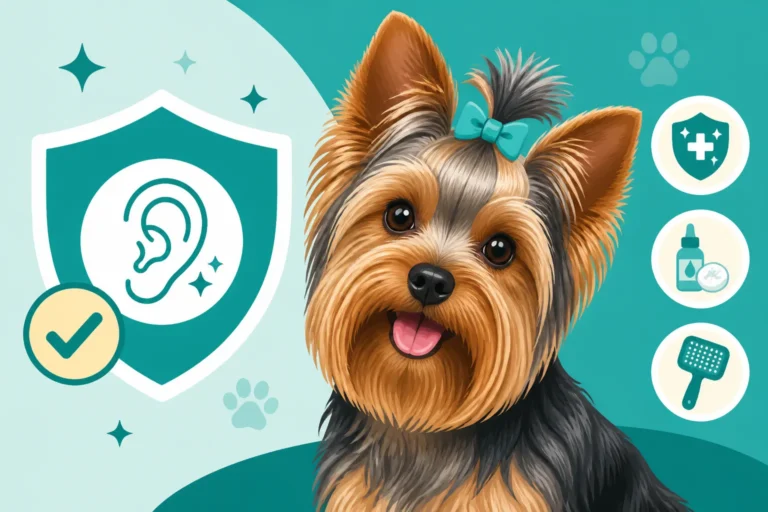
Beyond the coat and teeth, regular checks of your Yorkie's ears, eyes, and nails are essential for their overall hygiene and health. Their ears, often covered by hair, can trap moisture and debris, leading to ear infections. Check their ears weekly for redness, discharge, or any foul odor. Clean them gently with a vet-approved ear cleaner and cotton balls (never use Q-tips, as they can push debris further in). If you notice excessive head shaking, scratching at the ears, or any of the aforementioned signs, consult your vet promptly.
Yorkies can also be prone to tear staining around their eyes. Gently clean this area daily with a soft, damp cloth or a pet-safe eye wipe to prevent buildup and irritation. Keep the hair around their eyes trimmed short to prevent it from poking their eyes, which can cause irritation or even corneal abrasions. Finally, regular nail trims, typically every 2-4 weeks, are vital. Overgrown nails can be painful, make walking difficult, and even lead to orthopedic issues. If you're nervous about trimming them yourself, ask your groomer or vet to show you how, or simply have them do it.
Exercise, Mental Stimulation, and Stress Management
While they may be small, Yorkshire Terriers are energetic and intelligent dogs that need regular physical activity and mental engagement to stay healthy and happy. Neglecting these aspects can lead to behavioral issues, obesity, and even anxiety. It's all about finding the right balance for their tiny but mighty bodies and minds.
Tailoring Exercise to Your Yorkie's Needs
Yorkies are not marathon runners, but they do enjoy and require regular exercise. Daily walks are fantastic for them, offering both physical activity and mental stimulation through new sights and smells. Aim for two short walks a day, perhaps 15-20 minutes each, adjusting the length and intensity based on your Yorkie's age, health, and the weather. Remember, their little legs work harder than yours! Be mindful of extreme temperatures; Yorkies can get too hot quickly in summer and too cold in winter. A small sweater might be necessary on chilly days.
Beyond walks, playtime in a secure yard or indoors is a great way to burn off energy. Fetch with soft toys, gentle tug-of-war, or even just chasing you around the house can be excellent exercise. However, always supervise play, especially with other dogs, to prevent accidental injuries due to their delicate bone structure. It's crucial to understand Yorkshire Terrier Exercise Needs to prevent them from becoming bored or overweight, while also protecting them from overexertion.
Enriching Their Minds with Play and Training
Physical exercise is only half the battle; mental stimulation is equally important for a Yorkie's overall well-being. These smart little dogs thrive on having a job to do, even if that "job" is just learning new tricks or solving a puzzle. Without adequate mental engagement, Yorkies can become bored, leading to destructive behaviors like excessive barking, chewing, or even anxiety. Incorporate daily training sessions using positive reinforcement. Even just 5-10 minutes a day can make a big difference, teaching them new commands or reinforcing old ones.
Puzzle toys, where they have to figure out how to get a treat, are excellent for mental enrichment. Rotate their toys regularly to keep things fresh and exciting. Socialization, even for adult Yorkies, is also a form of mental stimulation. Safe interactions with other well-behaved dogs or new people in controlled environments can boost their confidence and keep their minds active. A well-trained and mentally stimulated Yorkie is typically a happier, healthier, and better-behaved companion.
Recognizing and Reducing Stress
Yorkies, despite their confident demeanor, can be prone to stress and anxiety, especially separation anxiety, given their strong bond with their owners. Recognizing the signs of stress – such as excessive barking, pacing, destructive chewing, inappropriate urination or defecation, or even changes in appetite – is the first step towards helping them. Many of these behaviors can also be signs of medical issues, so a vet check-up is always a good idea if you notice sudden changes.
To reduce stress, establish a consistent routine for feeding, walks, and playtime. Predictability can be very comforting for dogs. If separation anxiety is an issue, gradually increase the time you leave them alone, providing engaging toys or a comforting scent of yours. Creating a safe, quiet space for them when you're gone, like a cozy crate or a designated bed, can also help. Calming supplements or pheromone diffusers can be considered, but always discuss these with your vet first. A stress-free Yorkie is generally a healthier Yorkie, less susceptible to stress-induced physical ailments.
Recognizing Early Warning Signs of Illness
One of the most powerful tools you have as a Yorkie parent is your observational skill. Because they can't tell you when they don't feel well, it's up to us to notice subtle changes in their behavior, appetite, or physical appearance that might signal an underlying health issue. Early detection often leads to more effective and less invasive treatment.
Common Yorkie Health Concerns to Watch For
Yorkies, unfortunately, are predisposed to several health conditions that attentive owners should be aware of. Beyond patellar luxation and collapsing trachea, issues like hypoglycemia (low blood sugar), especially in puppies, can be life-threatening. Symptoms include lethargy, weakness, disorientation, and even seizures. If you suspect hypoglycemia, rubbing corn syrup on their gums and contacting your vet immediately is crucial. Another common ailment is dental disease, as discussed earlier, which often manifests as bad breath, red or bleeding gums, and difficulty eating.
Other concerns include liver shunts, which can cause symptoms ranging from poor growth to neurological issues, and various eye problems like cataracts or dry eye, which can lead to cloudy eyes, redness, or excessive tearing. Digestive upsets, manifesting as vomiting or diarrhea, can also be common in these small dogs, sometimes triggered by dietary indiscretion or stress. Being familiar with these possibilities empowers you to monitor your Yorkie for specific signs and symptoms, ensuring you can seek help swiftly if needed.
| Common Yorkie Health Concern | Key Symptoms to Watch For | Urgency |
|---|---|---|
| Patellar Luxation | Skipping, limping, holding up leg | Moderate |
| Collapsing Trachea | Honking cough, difficulty breathing | Moderate/High |
| Hypoglycemia | Lethargy, weakness, disorientation, seizures | High |
| Dental Disease | Bad breath, red gums, difficulty eating, pawing at mouth | Moderate |
| Liver Shunt | Poor growth, vomiting, neurological signs, seizures | High |
| Cataracts / Dry Eye | Cloudy eyes, redness, excessive tearing, squinting | Moderate |
| Gastrointestinal Upset | Vomiting, diarrhea, lethargy, loss of appetite | Moderate/High |
| Reverse Sneezing | Sudden, snorting inhalations, usually benign | Low |
When to Seek Immediate Veterinary Attention
While some issues can wait for a regular vet appointment, certain symptoms warrant immediate veterinary care. Knowing When to Take Your Yorkie to the Vet can literally save their life. Severe difficulty breathing, persistent vomiting or diarrhea (especially if it contains blood), sudden weakness or collapse, seizures, or any signs of severe pain are all red flags that require an emergency trip to the vet. If your Yorkie is unresponsive, struggling to breathe, or bleeding profusely, do not wait.
Additionally, if your Yorkie has ingested something toxic (like chocolate, certain plants, or medications), or sustained a severe injury, seek emergency care immediately. Trust your gut: if something feels off, or your Yorkie is acting profoundly different from their normal self, it's always better to err on the side of caution and contact your veterinarian or an emergency animal hospital. It's always helpful to have the number of your vet and the nearest emergency clinic readily available, perhaps even posted on your fridge. Pet insurance like Healthy Paws can truly alleviate the stress in these emergency situations by covering a significant portion of the unexpected costs.
Creating a Safe and Nurturing Home Environment
A healthy Yorkie isn't just about good genes and vet visits; it's also about the environment they live in. Your home should be a sanctuary, free from hazards and designed to cater to their small stature, ensuring their physical and emotional safety every single day.
Puppy-Proofing and Hazard Awareness
When you bring a Yorkie puppy home, you essentially need to see your house from their perspective – a tiny, curious explorer's perspective. What might seem harmless to you can be a significant hazard to a small dog. Electrical cords are enticing chew toys but can cause serious burns or electrocution. Small objects like coins, buttons, or children's toys can be easily swallowed, leading to choking or intestinal blockages. Toxic plants (like lilies, sago palms, or even common houseplants like philodendrons) should be removed or placed completely out of reach.
Secure cabinets that contain cleaning supplies, medications, or human foods that are toxic to dogs (chocolate, onions, garlic, grapes, xylitol). Consider baby gates to block off stairs or areas that are unsafe. Even jumping off a couch or bed can cause serious injuries like broken bones or a luxating patella in a small Yorkie. Providing ramps or steps to furniture can minimize these risks. Continually reassess your home as your Yorkie grows and their curiosity evolves, keeping in mind the thorough recommendations from a good Yorkshire Terrier Puppy Health Guide.
Temperature Control and Outdoor Safety
Yorkies, with their single coat of fine hair, are not well-equipped to handle extreme temperatures. In cold weather, they can get chilled very easily. A warm sweater or coat is often necessary for outdoor excursions, and limiting their time outside when temperatures drop below freezing is wise. Indoor heating should keep your home comfortably warm. Conversely, in hot weather, Yorkies can quickly overheat. Their small size means they absorb heat faster and can struggle to cool down. Always provide plenty of fresh water, avoid walks during the hottest parts of the day, and never leave them in a parked car, even for a few minutes. Signs of overheating include excessive panting, lethargy, and drooling.
When venturing outdoors, leash safety is paramount. Yorkies are small and can be easily overlooked by larger dogs or distracted by squirrels. A secure harness is always recommended over a collar, as it protects their delicate trachea and prevents accidental neck injuries. Always keep them on a leash in unfenced areas to prevent them from running into traffic or getting lost. Be mindful of environmental hazards like pesticides, fertilizers, or rodenticides, which can be highly toxic. After walks, especially in grassy or wooded areas, check them for ticks and burrs.
Long-Term Wellness Strategies for Senior Yorkies
Watching your beloved Yorkie gray at the muzzle and slow down is a bittersweet part of pet ownership. As they enter their senior years, typically around 7 to 9 years old, their needs will shift, and adapting your care routine to support their aging bodies and minds becomes incredibly important. This proactive approach ensures their golden years are as comfortable and joyful as possible.
Adapting Care for Aging Yorkies
Senior Yorkies often experience changes similar to aging humans: their senses may dull, their joints might ache, and their energy levels will decrease. Regular veterinary check-ups become even more critical during this stage, often recommended twice a year instead of annually. These visits allow your vet to closely monitor for age-related conditions like arthritis, dental disease, heart conditions, kidney disease, and even cognitive dysfunction. Blood work and urinalysis may be recommended more frequently to catch issues early.
Adjusting their diet to a senior-specific formula, which typically contains fewer calories, more fiber, and ingredients supporting joint and cognitive health, can be beneficial. Consider softer foods or adding water to kibble if dental issues make chewing difficult. Exercise should remain consistent but gentler. Shorter, more frequent walks, or low-impact playtime, are usually best. Provide soft, orthopedic beds to ease pressure on aching joints, and ensure easy access to food, water, and potty areas, possibly adding ramps if they struggle with stairs. For a comprehensive overview, consult a dedicated Yorkshire Terrier Senior Care Guide.
Maintaining Quality of Life in Their Golden Years
The goal for senior Yorkies isn't just to extend their life, but to ensure that life is full of comfort, dignity, and happiness. This means being acutely aware of their changing needs and making adjustments to their daily routine and environment. Keep their minds engaged with gentle puzzle toys and familiar, low-stress interactions. Continue with regular, gentle grooming, being extra careful with sensitive areas. Pay close attention to their mental state; signs of disorientation, changes in sleep patterns, or increased anxiety could indicate cognitive decline, which your vet can help manage.
Most importantly, continue showering them with love and attention. While they may not be as spry, their need for companionship remains strong. Provide a predictable and calm home environment, minimize loud noises or sudden changes that might startle them. Manage any pain they might be experiencing with vet-prescribed medications or supplements. The bond you share with your senior Yorkie is incredibly precious, and by adapting your care to their evolving needs, you ensure their final years are as comfortable, happy, and fulfilling as possible.
Disclaimer
The information provided in this guide is for general informational purposes only and is not intended as a substitute for professional veterinary advice. Always consult with a qualified veterinarian regarding any medical condition or treatment for your Yorkshire Terrier.