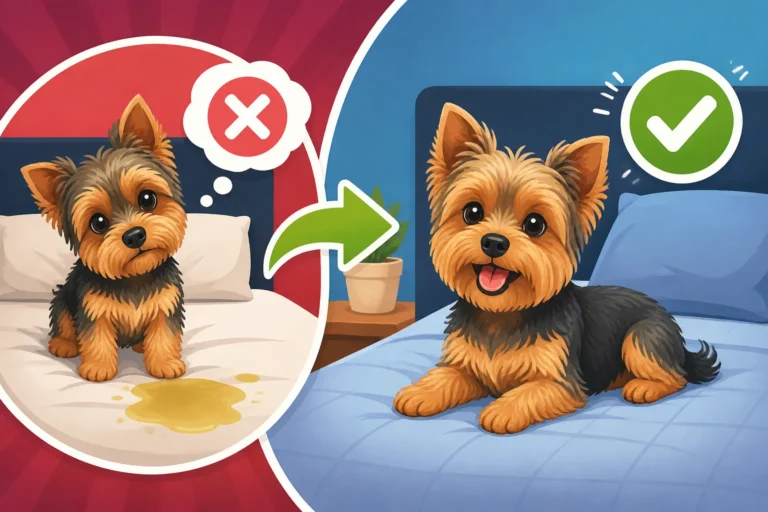
How to Stop Yorkie Accidents at Night
There’s nothing quite as disheartening as waking up in the morning, only to step into a cold, wet puddle left by your beloved Yorkshire Terrier. You've spent so much time and effort on potty training, and yet, those frustrating nighttime accidents still happen. This guide is dedicated to helping you understand the common reasons behind these mishaps and providing actionable, realistic strategies to achieve dry nights for both you and your furry companion.
Understanding Why Yorkies Have Nighttime Accidents
Before you can tackle the problem, it’s crucial to understand why your Yorkie might be having accidents during the night. It's rarely out of spite; more often, it's a combination of physiological, environmental, or behavioral factors that need addressing. Don't beat yourself up thinking you've failed; these tiny dogs have tiny bladders, and sometimes, the puzzle pieces just aren't fitting together yet.
Medical Reasons to Rule Out
The very first step in addressing nighttime accidents is always a trip to your veterinarian. It’s absolutely essential to rule out any underlying health issues that could be contributing to your Yorkie's inability to hold it through the night. Many common conditions can manifest as increased urination or a reduced ability to control bladder function.
One of the most frequent culprits is a urinary tract infection (UTI). Much like in humans, UTIs can cause a frequent, urgent need to urinate, often with little warning. Your Yorkie might strain to pee, have cloudy or strong-smelling urine, or even have accidents more frequently during the day too. Another common issue, especially as Yorkies age, can be kidney disease or bladder stones. These conditions can impair the kidneys' ability to concentrate urine or physically irritate the bladder, leading to more frequent urges. Diabetes is another potential cause, as it increases thirst and, consequently, urination. Even something as seemingly minor as digestive upset or certain medications can lead to increased fluid intake and output. A comprehensive check-up, including a urine analysis and blood work, can provide clarity and ensure you're not missing a treatable medical condition. Ignoring these signs could mean a treatable condition escalates, causing more discomfort for your precious pup. For more insights on general health, you might want to read our comprehensive guide on Yorkshire Terrier Health Problems to Know.
Behavioral and Training-Related Factors
Once medical reasons have been thoroughly ruled out by your vet, it's time to consider behavioral and training aspects. Yorkies, despite their intelligence, can be a bit stubborn when it comes to potty training, and sometimes their small size makes us overlook their training needs compared to larger breeds.
A common issue is simply incomplete potty training. Perhaps your Yorkie learned to go outside during the day, but the extended period overnight is still too long for their small bladder. This is particularly true for puppies, whose bladders simply aren't developed enough to hold it for 7-8 hours straight. Another significant factor can be anxiety or stress. Yorkies are notorious for developing Yorkshire Terrier Separation Anxiety Solutions, and anxiety can lead to submissive urination or simply an inability to control bodily functions due to distress. Changes in routine, new environments, or even loud noises at night can trigger such anxiety. Furthermore, some Yorkies, especially if they weren't properly socialized as puppies, might develop a fear of going outside in the dark, or they might simply prefer the comfort and safety of peeing indoors. This isn't out of malice, but a deeply ingrained preference that needs gentle redirection. Finally, if previous accidents weren't cleaned thoroughly with an enzymatic cleaner, the lingering scent can actually encourage your Yorkie to continue using that spot as a designated "bathroom" area, making true house-training much harder.
Establishing a Solid Nighttime Routine
Consistency is truly king when it comes to any form of dog training, especially potty training. Establishing a predictable and reassuring nighttime routine can significantly reduce the likelihood of accidents by helping your Yorkie understand when and where they should relieve themselves before settling down for the night.
Pre-Bedtime Preparations
The hours leading up to bedtime are critical for setting your Yorkie up for success. It’s not just about one last potty trip; it’s about a gradual wind-down that prepares their little body for sleep.
First and foremost, manage their food and water intake. While you should never restrict water completely unless advised by a vet, you can gradually reduce access a couple of hours before bedtime. For instance, if your Yorkie typically goes to bed at 10 PM, consider picking up their water bowl around 8 PM. This gives them a couple of hours to process any liquids they've consumed and for you to ensure they've had ample opportunities to empty their bladder. Similarly, avoid giving them a large meal right before bed. A late dinner can mean their digestive system is working overtime during the night, increasing the chance of a bowel movement. A final meal should ideally be consumed at least 3-4 hours before lights out. Just before your own bedtime, take your Yorkie out for one last, thorough potty break. This shouldn't be a rushed trip; give them plenty of time, on a leash, in their usual potty spot. Walk them around a bit, encourage them to go, and praise them lavishly when they do. If they don't go, wait a few more minutes, or try again in 10-15 minutes. This last potty trip is paramount to ensuring their bladder is as empty as possible. Our guide on How to Potty Train a Yorkie Puppy offers more detailed steps for effective house training.
Creating a Conducive Sleep Environment
The environment where your Yorkie sleeps plays a huge role in preventing nighttime accidents. A well-prepared sleep space can make all the difference, promoting both comfort and bladder control.
For many Yorkies, crate training is the ultimate solution for nighttime dryness. Dogs are naturally clean animals and generally won't soil their den. A crate, when properly sized (just big enough for them to stand up, turn around, and lie down comfortably, without excessive room to potty in one corner and sleep in another), harnesses this natural instinct. Place the crate in your bedroom or a quiet area where your Yorkie feels safe and secure. The familiarity of your presence can be a great comfort and reduce anxiety. If crate training isn't an option, or your Yorkie is already fully crate-trained but still having accidents outside it, consider a small, enclosed playpen area for the night. This still limits their roaming space but provides a bit more room than a crate. Make sure the sleeping area itself is comfortable but not overly plush with absorbent materials. Use a waterproof liner or a specially designed dog bed with a washable cover to protect your flooring. Many excellent options can be found on platforms like Amazon, offering everything from anti-anxiety beds to simple, easy-to-clean mats. Ensure the area is free from distractions and is a consistent temperature – too cold, and they might wake up more frequently; too hot, and they might be restless. Consistency in their sleeping spot helps them understand it's their safe, clean haven. If you're struggling with crate introduction, consider tips from our guide on How to Crate Train a Yorkie.
Practical Strategies for Prevention
Beyond the routine, there are specific, practical steps you can implement to directly address and prevent those dreaded nighttime accidents. These strategies focus on refining training, managing intake, and addressing emotional well-being.
Effective Potty Training Techniques
Even if your Yorkie seems "potty trained" during the day, nighttime presents a different challenge due to the extended period. Reinforce good habits and make it virtually impossible for them to fail.
One of the most effective techniques is scheduled potty breaks. While we discussed a pre-bedtime break, you might need to consider setting an alarm for an overnight potty break, especially for puppies or senior Yorkies. Start with a conservative timeframe, say, 4-5 hours after their last potty trip, and gradually extend it as your Yorkie proves they can hold it. When you take them out, keep it strictly business: no play, minimal interaction, just potty and back to bed. This helps them understand it's not playtime but a quick relief break. Always use positive reinforcement; when they go potty outside, praise them enthusiastically and offer a high-value treat. Avoid punishment for accidents, as this can make them fear going in front of you, leading to hiding their accidents. Instead, focus on rewarding the desired behavior. If an accident does happen, clean it thoroughly with an enzymatic cleaner (like Nature's Miracle or Rocco & Roxie Supply Co.) to eliminate the scent that might draw them back to the spot. Remember that Yorkies are generally harder to housebreak than some other breeds, so patience and persistence are key. For a comprehensive approach to training, sometimes professional guidance can be beneficial; programs like BAXTER & Bella offer structured online courses that cover various aspects of puppy and dog training, including housebreaking.
Managing Food and Water Intake
We briefly touched on this in routine setting, but let's dive a bit deeper into the specifics of managing intake to reduce nighttime bladder pressure. This isn't about deprivation, but smart timing.
As mentioned, picking up the water bowl a couple of hours before bed is a solid strategy. However, be mindful of situations where your Yorkie might genuinely need water, such as after a long play session or if the weather is particularly warm. In these cases, offer a small amount of water well before bedtime. The goal is to ensure their bladder isn't overly full when they go to sleep, but also to prevent dehydration. If your Yorkie is prone to excessive thirst, that's another reason to consult your vet, as it could signal an underlying health issue. Regarding food, sticking to a consistent feeding schedule is important. Avoid feeding high-sodium treats or human foods that might increase thirst just before bed. If your Yorkie has a sensitive stomach, late-night meals could also lead to digestive upset, causing an urgent need to defecate during the night. The ideal scenario is that their last meal is fully digested and eliminated before their final potty break. This careful management of intake significantly reduces the amount of liquid and waste their body needs to process overnight. For more specific advice on feeding, check out our article on How Much to Feed a Yorkshire Terrier.
Dealing with Anxiety and Stress
Anxiety is a huge factor in many behavioral issues, including nighttime accidents. Yorkies are particularly susceptible to stress and separation anxiety, which can manifest as inappropriate urination or defecation.
If you suspect anxiety is at play, observe your Yorkie's behavior. Do they whine, pace, or tremble when you leave the room or as bedtime approaches? Do they destroy things or try to escape their crate? Addressing the root cause of the anxiety is crucial. Creating a calming pre-bedtime routine can help – a gentle massage, quiet cuddle time, or a calming chew toy (ensure it’s safe for unsupervised use). Some owners find success with calming pheromone diffusers or sprays, which emit synthetic dog appeasing pheromones that can have a soothing effect. Thundershirts or other anxiety vests can also provide a sense of security for some dogs. For severe cases of separation anxiety, professional help from a veterinary behaviorist or certified dog trainer is highly recommended. They can develop a desensitization and counter-conditioning program to gradually help your Yorkie cope with being alone. Remember, a stressed dog is less likely to have full control over their bladder and bowels, so creating a peaceful and secure environment is paramount. You can explore more about this topic in our article on Yorkie Separation Anxiety: Signs and Fixes.
Here's a quick comparison of common reasons and potential solutions:
| Cause of Nighttime Accidents | Common Symptoms (Beyond Accidents) | Initial Action Steps | Long-Term Solutions |
|---|---|---|---|
| Medical Issue (e.g., UTI) | Frequent urination, straining, cloudy/smelly urine, increased thirst, lethargy | Vet visit for diagnosis (urine/blood tests) | Medication (antibiotics), diet changes, ongoing vet care |
| Incomplete Potty Training | Accidents happen at varying times, sometimes during the day, no clear pattern | Reinforce daytime training, consistent schedule, enzymatic cleaner | Crate training, scheduled overnight breaks, positive reinforcement |
| Separation Anxiety | Whining, barking, destruction, pacing when alone, clinginess, trembling | Create calming pre-bed routine, comforting items | Pheromone diffusers, Thundershirt, professional behaviorist consultation |
| Fear of Outside/Dark | Reluctance to go out, rushing potty breaks, holding it until indoors | Leashed potty trips, positive association with outside, treat rewards | Build confidence, ensure safety outside, nightlight for potty area |
| Water/Food Timing | Very full bladder at bedtime, urgent bowel movements in morning | Free access to water until 2 hours before bed, last meal 3-4 hours prior | Consistent feeding schedule, monitor intake, appropriate portion sizes |
| Unsuitable Sleep Area | Accidents despite good training, large sleeping area | Crate training (proper size), waterproof bedding | Consistent sleep spot, easy-to-clean surfaces, crate cover |
When to Seek Professional Help
While many nighttime accident issues can be resolved with consistent training and routine adjustments, there are definitely times when you should bring in the experts. Don't feel like a failure if you reach this point; sometimes, a fresh pair of eyes and professional experience can make all the difference.
Persistent Issues and Red Flags
If you've diligently followed all the advice – ruled out medical causes, established a solid routine, and implemented various training strategies – but your Yorkie is still having nighttime accidents, it's a clear signal that it's time for professional intervention.
Persistent accidents, especially if they are large volume or involve defecation, are red flags. If your Yorkie previously had perfect nighttime bladder control and suddenly starts having accidents, this is another strong indicator that something is amiss, even if your initial vet check came back clear. Sometimes subtle health issues, or even stress-induced physiological responses, can be harder to detect. Changes in their drinking habits, like suddenly consuming vast amounts of water, or obvious signs of discomfort while urinating, should never be ignored. Similarly, if the accidents are accompanied by other worrying behavioral changes – increased aggression, lethargy, loss of appetite, or excessive hiding – these are all reasons to seek immediate professional advice. These combined symptoms could point to more complex medical conditions or deeply rooted behavioral problems that are beyond the scope of at-home remedies. For concerns about sudden changes, refer to our guide on Signs Your Yorkshire Terrier Is Sick.
The Benefits of Expert Guidance
Bringing in a professional, be it a vet specializing in internal medicine or a certified professional dog trainer/behaviorist, can provide invaluable support and tailored solutions. They have the expertise to diagnose complex issues and create individualized plans.
A veterinary specialist might be able to identify rarer medical conditions or offer more advanced diagnostic tools if the initial vet visit didn't yield answers. They can provide specialized treatment plans, dietary recommendations, or even prescribe medications to help manage certain conditions. On the behavioral side, a certified dog trainer or behaviorist can observe your Yorkie's habits and interactions in your home environment, identifying triggers or subtle cues you might have missed. They can offer hands-on training techniques, modify existing routines, and teach you how to effectively communicate with your Yorkie to build confidence and reduce anxiety. For instance, a behaviorist might recommend specific counter-conditioning exercises for a Yorkie with a fear of the dark or provide strategies to manage severe separation anxiety using positive reinforcement methods. They can also provide guidance on proper crate training or introduce alternative confinement options. Often, these professionals work in conjunction with your primary vet, ensuring a holistic approach to your Yorkie's well-being. Investing in professional help isn't a sign of failure; it's a commitment to your Yorkie's health and happiness, and ultimately, to solving a frustrating problem for good. If you're unsure how to find a good vet, our article How to Choose a Vet for a Yorkie can help.
Disclaimer
This article is for general informational purposes only and does not constitute professional advice. Laws, prices and regulations vary by location and change over time. Consult a qualified professional for guidance on your specific situation.