How to Teach a Yorkie to Back Up
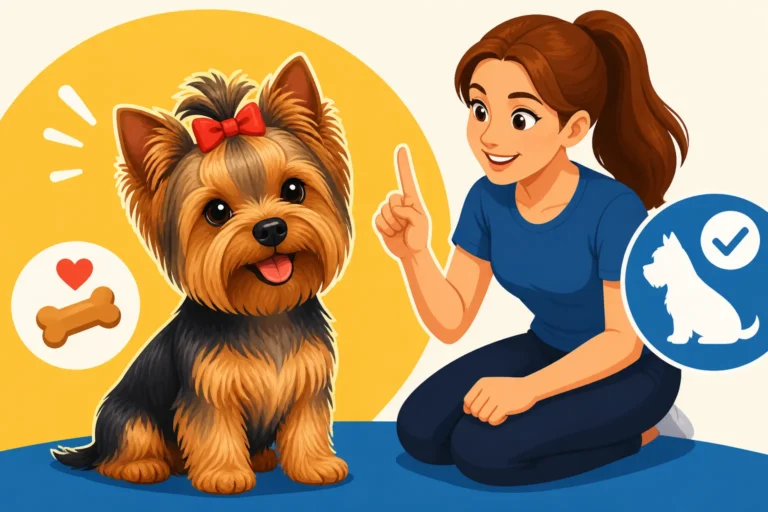
It’s a familiar scene for many Yorkie parents: you’re trying to navigate a narrow hallway, step through a doorway, or just keep your little companion from getting underfoot in the kitchen, and they just stand there, looking up at you expectantly. While their adorable presence is usually a joy, sometimes you desperately wish they knew how to just… back up! Teaching your Yorkshire Terrier the "back up" command isn't just a party trick; it's a wonderfully practical skill that can improve safety, enhance their spatial awareness, and strengthen your bond. This comprehensive guide will walk you through every step, from the initial lure to perfecting this invaluable command.
Why Bother Teaching "Back Up"? More Than Just a Cute Trick
You might wonder if teaching a small dog like a Yorkie to back up is truly necessary. After all, they’re so tiny, you can just pick them up, right? While that’s true in a pinch, relying on picking them up constantly can actually hinder their independence and ability to problem-solve. Teaching "back up" empowers your Yorkie, giving them a clear, consistent command to follow when they need to move out of your way or avoid a situation. It’s about communication and respect, not just convenience.
Enhancing Safety and Spatial Awareness
One of the most immediate benefits of the "back up" command is safety. Think about those moments when your Yorkie is excitedly darting around your feet as you’re carrying a hot cup of coffee or navigating a busy household. A simple "back up" can prevent accidental bumps, trips, and potentially serious injuries for both of you. It teaches them to be more aware of their body in space and how to respond to your cues to avoid hazards. This command can be a lifesaver, keeping their delicate little bodies safe from being accidentally stepped on in a crowded area or when you're simply trying to move from one room to another.
Moreover, it encourages a better understanding of boundaries. If your Yorkie is prone to bolting out the door, a solid "back up" command can be used as a pre-doorway exercise, teaching them patience and control. It’s an integral part of responsible pet ownership, especially with a breed as small and sometimes accident-prone as a Yorkshire Terrier. This command contributes significantly to their overall well-being, by helping them navigate the human world more safely.
Building Confidence and Mental Stimulation
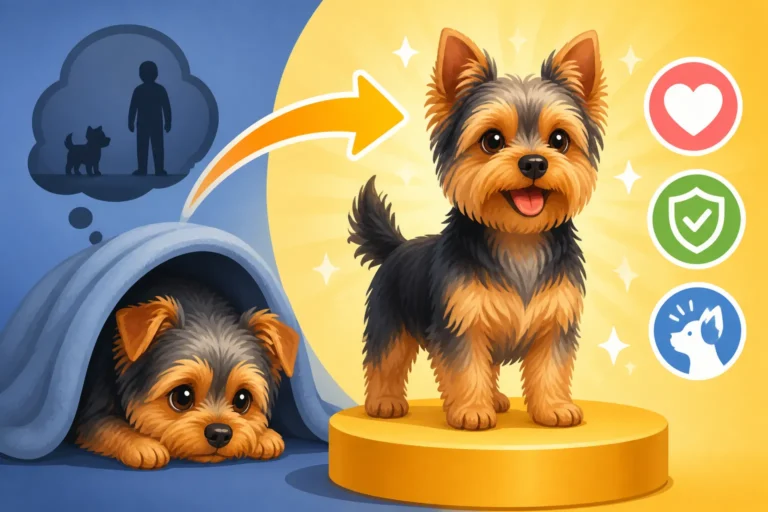
Yorkshire Terriers are bright, intelligent little dogs, and they thrive on mental stimulation. Just like us, they can get bored if their routines are too predictable or if they aren't given opportunities to learn new things. Teaching a trick like "back up" taps into their problem-solving skills and gives them a sense of accomplishment. When they successfully perform the command and receive praise and treats, their confidence soars. This isn’t just about making them feel good in the moment; increased confidence often translates to a more well-adjusted and less anxious dog in various situations.
A mentally stimulated Yorkie is also generally a better-behaved Yorkie. Boredom can lead to undesirable behaviors like excessive barking or destructive chewing. Engaging them in positive, reward-based training sessions for commands like "back up" helps channel their energy constructively. It’s a wonderful way to challenge their minds, reinforcing that learning is fun and rewarding, which can make them more receptive to other training in the future. If you're looking for more ways to keep their minds sharp, explore resources on How to Train a Yorkshire Terrier.
Practical Applications in Daily Life
Beyond safety and mental enrichment, the "back up" command has a surprising number of practical applications in your daily routine. Imagine trying to close a door, and your Yorkie is standing right in the swing path. A quick "back up" solves the problem without you having to physically move them. This applies to car doors, gates, or even when you need them to move away from a cabinet you're opening.
During grooming sessions, especially when trying to trim their nails or brush out tangles, a polite "back up" can help position them better or get them to move slightly for easier access. It's also fantastic for teaching polite greetings – if your Yorkie tends to jump on guests, you can use "back up" to create a respectful distance. Even at the vet's office, being able to command your Yorkie to move slightly for an examination or injection can make the experience smoother for everyone involved. It truly is a versatile command that makes everyday interactions much smoother.
Setting the Stage for Success: Pre-Training Essentials
Before you even start luring your Yorkie backward, a little preparation goes a long way. Training isn't just about showing your dog what to do; it's about creating an environment where they are most likely to succeed and setting them up for positive experiences. With Yorkies, who can sometimes be a bit stubborn or easily distracted, these preliminary steps are especially crucial.
Choosing the Right Motivation
The key to successful positive reinforcement training is finding what truly motivates your individual Yorkie. For most dogs, this means high-value treats – something they absolutely adore and don't get all the time. Think small pieces of cooked chicken, cheese, or their favorite soft training treats. Avoid bland, everyday kibble unless your Yorkie is truly treat-motivated by anything. Experiment to find their ultimate prize. Many excellent options are available, and a quick search on Amazon for "high-value dog training treats" can give you plenty of ideas. Beyond treats, enthusiastic verbal praise ("Good back up!") and gentle petting can also be powerful motivators.
Remember, the reward should be given immediately after the desired action. This instant gratification helps your Yorkie connect their action with the positive outcome. If you delay, they might not understand what they're being rewarded for. Consider varying your rewards too; sometimes a squeaky toy or a quick game of tug can be just as effective as a treat, especially if your Yorkie is starting to fill up. To delve deeper into finding the perfect rewards, check out our guide on Best Treats for Training a Yorkie.
Ideal Training Environment
For initial training sessions, a quiet, distraction-free environment is paramount. This means no other pets, no loud noises, and no exciting smells that might divert your Yorkie's attention. A small, enclosed space like a hallway or a quiet room in your house works perfectly. This controlled setting minimizes sensory overload, allowing your Yorkie to focus solely on you and the task at hand. If you try to teach "back up" in a busy park or during family dinner, you'll likely just frustrate both yourself and your pup.
As your Yorkie starts to grasp the command, you can gradually introduce more distractions, but always start simple. The goal is to build a strong foundation of understanding before asking them to perform in challenging environments. A successful early experience lays the groundwork for future learning and helps avoid developing any Yorkie Training Mistakes to Avoid. Short, frequent training sessions (5-10 minutes) are far more effective than one long, drawn-out session.
Understanding Your Yorkie's Learning Style
Every dog is an individual, and Yorkies are no exception. Some might be visual learners, responding well to hand signals; others might be more auditory, picking up verbal cues quickly. Some are eager-to-please, while others, being terriers, can be a tad stubborn. Patience is your most important tool. Don’t get discouraged if your Yorkie doesn’t get it right away. They might need a different approach, a clearer lure, or just more repetitions.
Positive reinforcement is key here. Never scold or punish your Yorkie for not understanding. This will only make them fearful or resistant to training. Celebrate every tiny success, even if it's just a slight shift backward. Keep the tone light, fun, and encouraging. Programs like BAXTER & Bella, which emphasize positive, force-free methods, often highlight the importance of understanding your dog's perspective and building a strong, trusting relationship through training. This philosophy is especially effective with smaller breeds who can be sensitive to harsh corrections.
Step-by-Step Guide to Teaching "Back Up"
Now that you've got your treats ready and your quiet space set, let's get down to the actual training. We'll start with luring, gradually add the verbal cue, and then work on making the command reliable in various situations. Remember, consistency and clarity are your best friends throughout this process.
Luring the Movement
Luring is often the easiest way to teach a new behavior. It involves using a treat to guide your Yorkie into the desired position or action.
- Start in a Narrow Space: Stand in a hallway or against a wall with your Yorkie facing you, a foot or two away. This naturally encourages backward movement.
- Hold a Treat: Hold a high-value treat between your thumb and forefinger, close to your Yorkie's nose. Let them sniff it, but don't let them have it yet.
- Guide Backward: Slowly move the treat backward, drawing it over their head and slightly behind them, in a way that encourages them to take a step back to follow it. The motion should be subtle, not a big sweep. Your goal is to get their front paws to move backward.
- Mark and Reward: The instant your Yorkie takes even one tiny step backward, say "Yes!" or click a clicker, and give them the treat. Make sure the treat is given while they are still backing up or immediately after the step.
- Repeat: Do this 5-10 times, keeping sessions short and positive. If they don't back up, try a slightly different angle with the lure or move the treat a little slower.
Don't worry about the verbal cue ("Back Up") yet. Right now, you're just teaching them the physical motion and associating it with a reward. It's all about making the connection: moving backward means good things happen! Your Yorkie is intelligent, and they'll quickly figure out that taking those little steps back gets them that yummy treat. This initial luring phase is critical for building a strong understanding of the desired action.
Adding the Verbal Cue and Hand Signal
Once your Yorkie is consistently taking a step or two backward when lured, it’s time to introduce the verbal cue and a hand signal. This is where you start to "fade" the lure, meaning you'll gradually reduce your reliance on the treat to guide them.
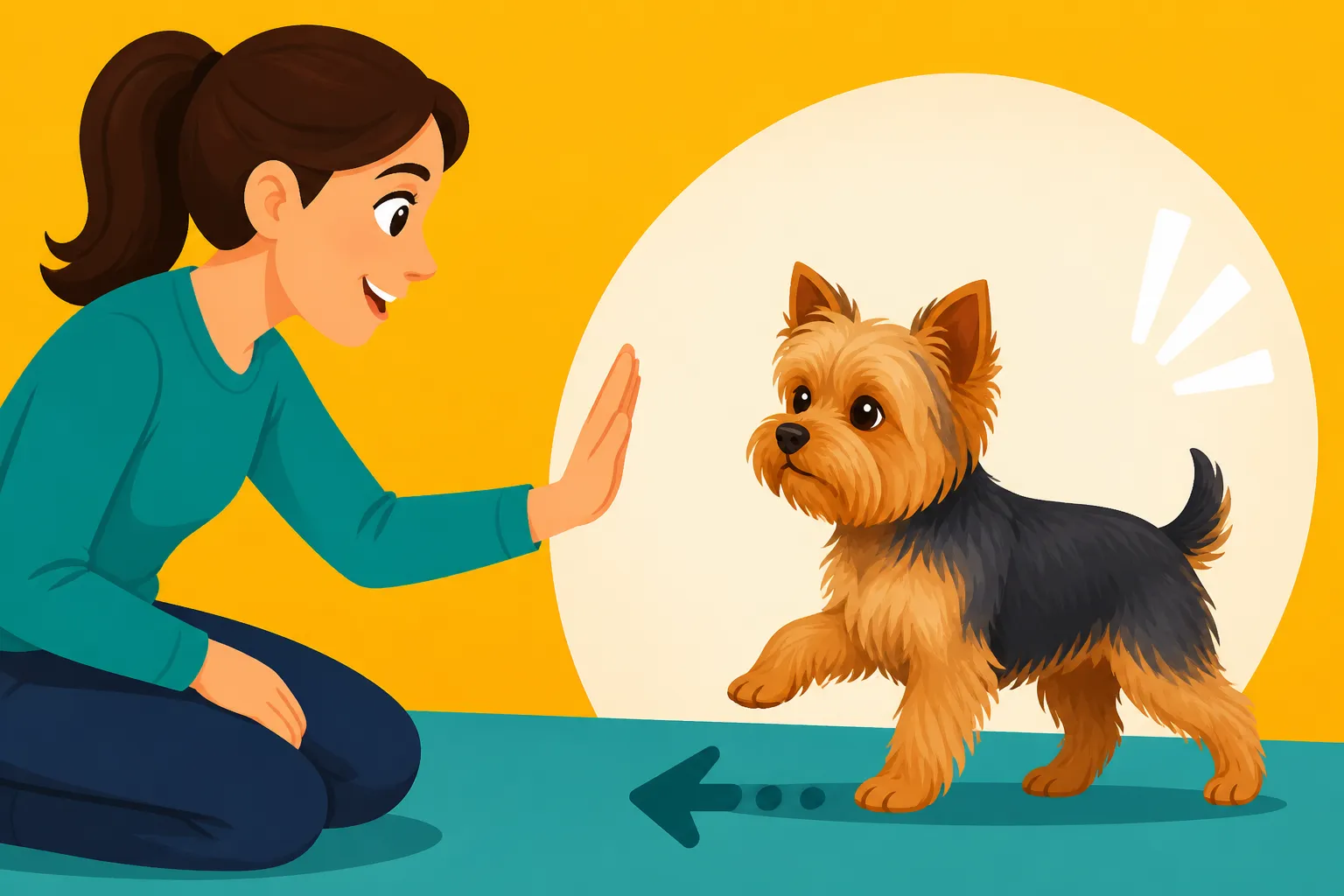
- Introduce the Cue: As you begin to move the treat backward, say "Back Up!" (or "Back," "Reverse," whatever short, clear word you choose) just before they start moving. Pair this verbal cue with a consistent hand signal. A common hand signal is an open palm facing your Yorkie, moving backward.
- Lure Less: Over time, make your hand movement with the treat less pronounced. You want your Yorkie to respond to your verbal cue and hand signal, rather than just chasing the treat. You might start by just moving your empty hand (or a hand with a treat hidden in it, but not visible) as a lure.
- Reward: Continue to mark (with "Yes!" or a clicker) and reward immediately after they perform the backward steps.
- Practice Without Lure: Once they are reliably backing up with the verbal cue and hand signal, try giving the cue and signal without any treat in your hand. If they back up, great! Reward them from your other hand or a treat pouch. If they don't, go back to using a slight lure and try again.
The goal is for your Yorkie to associate the sound of "Back Up!" and the visual of your hand signal with the action of moving backward. This takes repetition and consistency. Don't be afraid to take a step back in your training if your Yorkie seems confused. It's better to reinforce correctly than to push through confusion. You can think of it like teaching a child to read; you don't just jump from letters to full paragraphs. This process is a foundational aspect of Yorkshire Terrier Obedience Training Basics.
Practice and Proofing
Getting your Yorkie to back up in a quiet hallway is one thing; getting them to do it reliably in different environments and with distractions is another. This is called "proofing" the command, and it's essential for making it truly useful.
- Vary Locations: Practice "Back Up!" in different rooms of your house, then move to the backyard, and eventually to slightly more distracting public spaces (like a quiet park corner).
- Introduce Mild Distractions: Start small. Have someone else sit quietly in the room. Then, have them move slightly. Gradually increase the level of distraction.
- Change Your Position: Practice the command while standing further away from your Yorkie, or while you're sitting down. This teaches them to respond regardless of your body language or proximity.
- Reward Variably: Once the command is well-established, you don't need to reward with a treat every single time. Start mixing it up – sometimes a treat, sometimes enthusiastic praise, sometimes a quick game with a toy. This makes the reward less predictable and keeps your Yorkie motivated, as they never know when the really good stuff is coming! This is a core principle of Positive Reinforcement Training for Yorkies.
Consistency truly is paramount. Everyone in the household should use the same verbal cue and hand signal. If one person says "Back" and another says "Go back," your Yorkie will be confused. Regular, short practice sessions, even just a few times a day for a minute or two, will solidify the command. The more you incorporate "Back Up!" into your daily life in a positive way, the more natural it will become for your furry friend.
Overcoming Obstacles and Common Pitfalls
Even with the best intentions and methods, training can hit a snag. Yorkies, despite their small stature, have big personalities and can sometimes be a challenge to train. It's crucial to understand common difficulties and have strategies to navigate them. Don't get discouraged if things don't go perfectly right away; it’s a normal part of the learning process for both of you.
When Your Yorkie Just Sits or Jumps
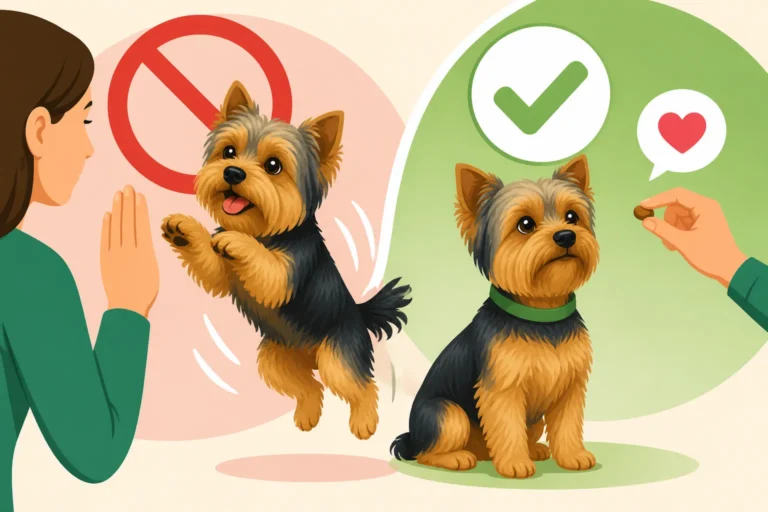
Sometimes, instead of backing up, your Yorkie might just plop down, look at you with those big, innocent eyes, or even jump up in an attempt to grab the treat. This is usually a sign that the lure isn't quite right, or the expectations are too high too soon.
If your Yorkie sits, you might be moving the treat too low or too slowly, making them think "sit" is the desired action. Try moving the treat higher and faster, ensuring it pulls their head up and slightly back, which naturally shifts their weight to their hindquarters and encourages backward movement. If they jump, the treat might be too high. Adjust the lure to be just above their nose, enticing them to step back rather than leap up. Remember, you're aiming for a subtle shift, not a dramatic maneuver.
Another possibility is that they're just not motivated enough by the treat you're using. Go back to basics and find an even higher-value reward. Sometimes a different type of treat, like a tiny piece of real chicken instead of a biscuit, can make all the difference. Patience and observation are key here; watch your Yorkie's body language closely and adjust your lure based on their response. If your Yorkie is prone to jumping or being overly excitable during training, it might be helpful to review strategies for How to Calm a Hyper Yorkie to ensure they're in the right mindset for learning.
Maintaining Consistency and Patience
This can't be stressed enough: consistency and patience are the bedrock of all successful dog training, especially with a breed that can have a "what's in it for me?" attitude like a Yorkie. If you only practice occasionally, or if different family members use different commands or signals, your Yorkie will become confused and progress will be slow or non-existent.
Make a commitment to short, daily training sessions. Even 5 minutes, two or three times a day, is far more effective than an hour-long session once a week. Be consistent with your chosen verbal cue ("Back Up!") and hand signal. Always reward good behavior promptly. If you find yourself getting frustrated, that's a sign it's time to take a break. Your Yorkie can pick up on your mood, and frustration will only hinder their learning. Sometimes, you might feel like your Yorkie is being stubborn or just not listening. In those moments, it’s worth considering Yorkie Not Listening: What to Do as a broader approach to their responsiveness.
Avoiding Frustration
Both you and your Yorkie can get frustrated during training. For you, it might be the lack of immediate progress. For your Yorkie, it could be confusion or not understanding what you want. To avoid this, always end training sessions on a positive note, even if it means asking them to do an easier, known command (like "sit" or "stay") and rewarding them heavily for it. This leaves them feeling successful and eager for the next session.
Keep training fun! If you’re not enjoying it, your Yorkie won’t either. Incorporate play, vary your rewards, and celebrate every small victory with enthusiasm. Remember that training isn't linear; there will be days when your Yorkie seems to have forgotten everything, and days when they're brilliant. Just keep showing up with a positive attitude, and you'll eventually get there. Understanding the Yorkshire Terrier Temperament and Personality can also help you tailor your approach to their unique characteristics, making training more effective and less frustrating for both of you.
Here's a quick troubleshooting table for common "Back Up" training issues:
| Issue | Potential Cause | Solution |
|---|---|---|
| Yorkie Sits Instead of Backs Up | Lure too low or slow; mistaken for "sit" command. | Move treat higher and faster over head; ensure lure encourages backward weight shift. |
| Yorkie Jumps for Treat | Lure too high; dog attempting to grab. | Lower the treat slightly; ensure lure encourages stepping back, not leaping up. |
| Yorkie Stays Put/Confused | Lure not clear enough; treat not motivating enough. | Experiment with different lure motions; try higher-value treats. |
| Yorkie Ignores Command with Distractions | Command not proofed sufficiently; distractions too high. | Go back to a quieter environment; gradually introduce distractions. |
| Inconsistent Performance | Inconsistent cues; infrequent practice; unclear rewards. | Ensure all family members use same cues; short, daily practice; prompt, clear rewards. |
| Loss of Interest | Sessions too long; not fun; treats boring. | Keep sessions short (5-10 min); make it a game; vary treats or rewards. |
Integrating "Back Up" into Everyday Life
Once your Yorkie understands the "back up" command, the real magic happens when you start using it in practical, everyday situations. This is how the command truly becomes ingrained and useful, moving beyond a formal trick to a reliable part of your communication with your beloved pet.
Real-World Scenarios
Think about all the instances where "Back Up!" can make your life easier and safer. When you're carrying groceries and your Yorkie is weaving between your legs, a simple "Back Up!" can clear their path. If they're blocking the dishwasher door while you're loading it, or standing too close to the edge of the sidewalk, the command is invaluable. It’s also great for creating space when you have guests or need to move around them gently.
Consider situations where your Yorkie might be prone to anxiety or fear. If they're hesitant about going into a new room or approaching a new object, using "Back Up!" in conjunction with encouragement can help them understand that they have control and can move away if they feel uncomfortable, before gently approaching again. This command gives them agency in navigating their environment.
Combining with Other Commands
"Back Up!" can also be wonderfully combined with other commands to create more complex and useful behaviors. For example, you might use "Stay, then Back Up!" to teach them impulse control before backing away from an open door. Or, "Sit, then Back Up!" to help them settle into a respectful distance before receiving a treat or attention.
This layering of commands not only strengthens each individual command but also helps your Yorkie think through sequences, which is fantastic for their cognitive development. It’s a bit like building blocks – once they master the basics, you can start putting them together in creative and useful ways. As you continue their training journey, you might even find yourself teaching them other useful commands detailed in our guide on How to Teach a Yorkie Basic Commands.
Making it a Positive Experience Always
The most important aspect of integrating "Back Up!" into daily life is to always keep it a positive experience. Never use the command in anger or as a punishment. It should always be associated with clear communication, safety, and positive outcomes. When your Yorkie responds, even if it's a little clumsy, reward them with praise or a small, unexpected treat.
By consistently reinforcing "Back Up!" with kindness and patience, you'll find that your Yorkie not only becomes proficient at the command but also grows in confidence and trust in you. This command, seemingly simple, builds a deeper bond and a more harmonious home environment, allowing you to navigate life with your Yorkshire Terrier more smoothly and safely.
Disclaimer
Please note that this article is intended for informational purposes only and is not a substitute for professional veterinary advice or professional dog training consultation. Always consult with a qualified veterinarian regarding your pet's health and well-being, and consider working with a certified professional dog trainer for personalized guidance on training techniques, especially if your Yorkie has significant behavioral challenges.