How to Teach a Yorkie to Fetch
It’s a common misconception that fetch is only for "big dog" breeds like Retrievers or Shepherds. Many Yorkie parents just assume their tiny bundles of energy aren't built for, or interested in, a game of fetch. Perhaps you've tried tossing a toy only for your little one to chase it, give it a sniff, and then wander off, leaving you scratching your head with a discarded tennis ball. This can be super frustrating when you're just trying to engage with your furry friend and provide some much-needed mental and physical stimulation. But don't despair! Your Yorkshire Terrier absolutely can learn to play fetch, and it can become one of the most rewarding ways to bond and burn off that famous Yorkie zest. This guide will walk you through everything you need to know, from understanding your Yorkie's unique motivations to step-by-step training tips, ensuring fetch becomes a beloved pastime for both of you.
Understanding Your Yorkie's Unique Play Drive
Yorkshire Terriers might be small, but they pack a huge punch in personality and intelligence. Dismissing them as incapable of learning fetch simply because they aren't traditionally "retrieving" breeds misses out on a fantastic opportunity for engagement. The key is to understand what truly motivates a Yorkie and how to channel those natural instincts into a game that benefits everyone.
Tapping into Natural Instincts
While a Golden Retriever might instinctively bring a ball back, your Yorkie, a true terrier at heart, operates on a different playbook. Terriers were originally bred to hunt small vermin, which means they have an innate prey drive. This drive is a powerful tool you can leverage for fetch! They love the chase, the pounce, and the "capture" of their "prey" – which, in this case, is their toy. What they might not instinctively do is return it. They're more inclined to "kill" it (playfully, of course) and guard their prize.
Our job in teaching fetch is to capitalize on that intense desire to chase and capture, then gently guide them through the "bring it back" and "drop it" stages. It's about making bringing the toy back to you just as, if not more, rewarding than the initial chase. Think of it less as a retrieval exercise and more as a collaborative hunt where you're both celebrating the "catch." This approach taps into their natural instincts without forcing them into a role that doesn't feel inherent to their breed.
Why Fetch is More Than Just a Game for Yorkies
For a small dog with a big personality, fetch isn't just about fun; it’s a crucial component of their overall well-being. Regular games of fetch offer a multitude of benefits that directly address common Yorkie needs and challenges.
Firstly, fetch provides incredible mental stimulation. Yorkies are intelligent and can get bored easily. Boredom often manifests as unwanted behaviors like excessive barking, destructive chewing, or even Yorkie Separation Anxiety: Signs and Fixes. A mentally engaged Yorkie is a happier, calmer Yorkie. The decision-making involved in chasing, picking up, and bringing back a toy keeps their minds sharp and focused.
Secondly, it's a fantastic source of physical exercise. Despite their size, Yorkies have bursts of energy and need consistent activity to stay healthy. Fetch, even in a small apartment, allows them to sprint, pounce, and use their whole body in a vigorous, playful way. This helps maintain a healthy weight and strong muscles, which is especially important for a breed prone to conditions like Yorkshire Terrier Patellar Luxation: Signs and Care. Integrating fetch into their routine is a practical way to ensure they meet their daily Yorkshire Terrier Exercise Needs without needing extensive outdoor adventures, though those are great too!
Finally, playing fetch deeply strengthens the bond between you and your Yorkie. It's a cooperative game that builds trust and communication. When your Yorkie learns to play fetch with you, they're not just retrieving a toy; they're engaging in a shared activity that reinforces your connection. This positive interaction can go a long way in addressing general Yorkshire Terrier Behavior Problems and Solutions and fostering a well-adjusted, confident companion.
Gathering Your Essential Fetch Training Tools
Before you even start tossing that first toy, having the right equipment makes all the difference. Just like a chef needs the right knives, you need the right tools to set your Yorkie up for success in fetch training. It’s not just about any old toy; it's about choosing items that are perfectly suited to your small companion.
Choosing the Right Toys
The type of toy you use is paramount. What works for a Labrador won’t necessarily work for a tiny Yorkie, and using inappropriate toys can actually hinder your training efforts and even cause frustration or injury.
- Size and Weight Matters: This cannot be stressed enough. A toy that's too large or too heavy will be impossible for your Yorkie to pick up comfortably, let alone carry. Look for toys specifically designed for "toy breeds" or "small dogs." Think miniature tennis balls, small plush squeaky toys, or lightweight rubber balls that are no more than 1.5 to 2 inches in diameter. You can find a huge variety of appropriate toys for small breeds on platforms like Amazon.
- Texture and Appeal: Yorkies often have preferences! Some love a squeaker, others prefer crinkly textures, and some are drawn to soft, plush toys they can "worry." Experiment a bit to see what excites your particular Yorkie. A toy that captures their attention will make the chase more enticing.
- Durability: While Yorkies are small, some can be surprisingly strong chewers. You'll want toys that can withstand a bit of enthusiastic mouthing without falling apart, especially once they get into the habit of picking it up. However, prioritize soft materials initially to make picking up comfortable, then gradually introduce slightly more durable options if needed. Look for toys that are easy for them to grasp and hold securely in their mouth.
Treats and Rewards
Positive reinforcement is the absolute cornerstone of successful fetch training for Yorkies. They need clear, immediate, and high-value rewards to understand what you're asking of them.
- High-Value Treats: Forget the everyday kibble. For training, you need something extra special that your Yorkie goes wild for. Small, soft, smelly treats are ideal because they are easy to swallow quickly and deliver a powerful punch of motivation. Think tiny pieces of cooked chicken, cheese, or specific training treats. Brands like Wellness or Zuke's often make excellent small, soft treats. You can find many options for Best Treats for Training a Yorkie that will fit the bill.
- Praise and Affection: Don't underestimate the power of your enthusiastic voice and gentle petting! A genuine "Good dog!" delivered with excitement, combined with a quick scratch behind the ears or a belly rub, can be just as rewarding as a treat for many Yorkies. This builds a positive association with interacting with you during the game. It's an essential part of any effective Yorkshire Terrier Obedience Training Basics regimen.
- Clicker Training (Optional but Recommended): If you're serious about precision and clear communication, a clicker can be an amazing tool. It's a distinct sound that marks the exact moment your Yorkie does something right, followed immediately by a treat. This helps them understand precisely what action earned the reward. Resources like BAXTER & Bella often advocate for clicker training and positive reinforcement, offering great guides and virtual support that can be super helpful for refining your training techniques.
Creating an Ideal Training Space
The environment where you train can significantly impact your Yorkie's ability to focus and learn.
- Start Distraction-Free: Begin your fetch training in a quiet, enclosed space with minimal distractions. A hallway, a small room with the door closed, or a designated playpen area works perfectly. This helps your Yorkie focus solely on you and the toy, without being tempted by other sights, sounds, or smells.
- Keep it Contained: A smaller space is beneficial for teaching the "bring it back" command. If you throw the toy in a large open yard, your Yorkie might run off with their prize and decide to play "keep away" instead of "fetch." A confined area makes it easier for them to return to you, especially when you're initially luring them with treats.
- Gradual Introduction of Distractions: As your Yorkie progresses and reliably performs fetch in a quiet space, you can gradually introduce more distractions. Move to a slightly larger room, then a backyard, then perhaps a quiet park. Always ensure you're setting them up for success, not overwhelming them. This progressive approach helps generalize the command so they can play fetch anywhere.
Step-by-Step Guide to Teaching Fetch to Your Yorkie
Now that you've got your supplies and understand your Yorkie's natural inclinations, let's get down to the nitty-gritty of teaching them to fetch. Remember, patience and positive reinforcement are your best friends here. Break it down into small, achievable steps, and celebrate every tiny success.
Step 1: Sparking the Chase Instinct
This is usually the easiest part for most Yorkies, as it taps directly into their prey drive. Your goal here is simply to get them excited about the toy and encourage them to go after it.
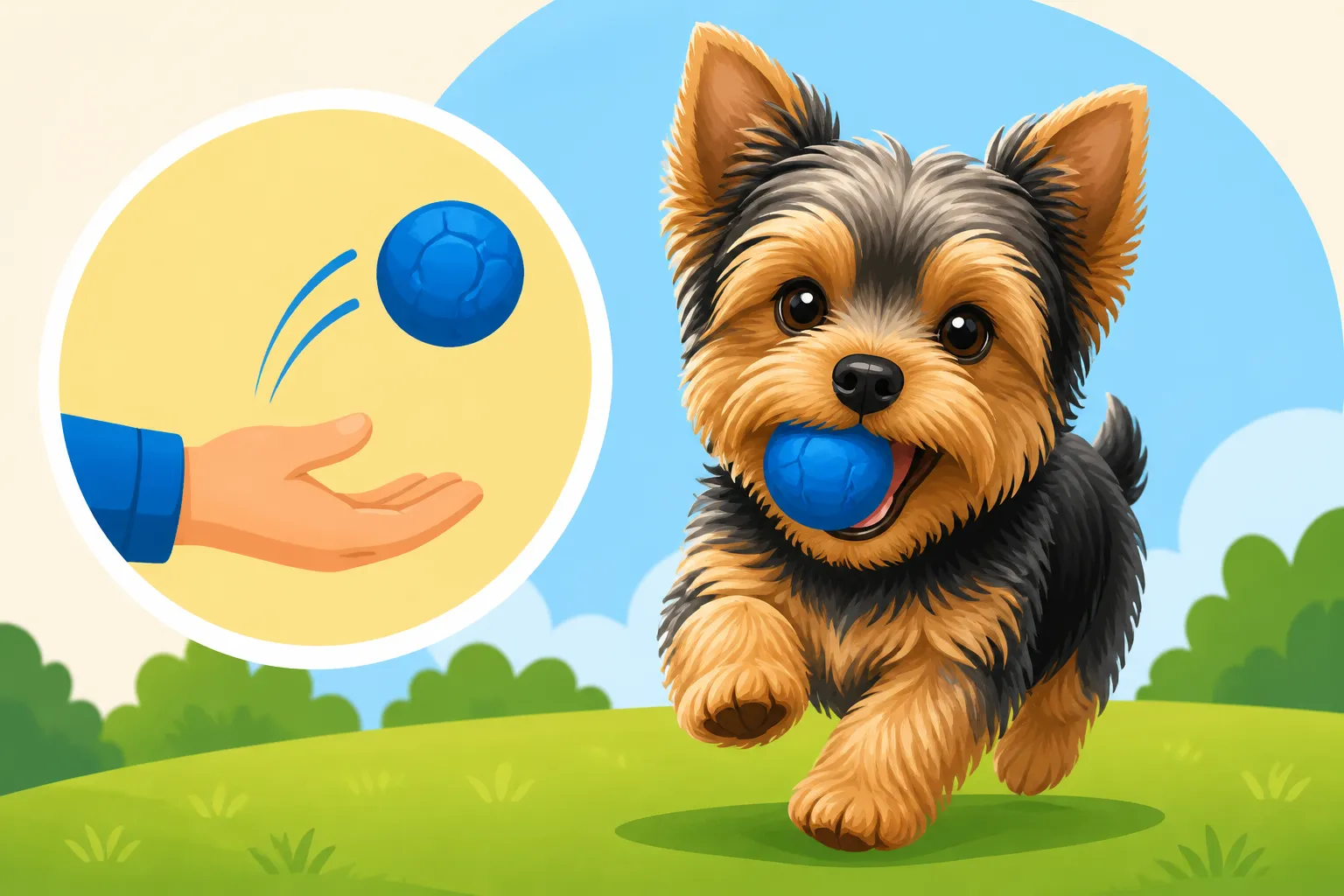
Start by making the toy irresistible. Wiggle it around, drag it across the floor, make squeaky noises, and generally make it look like the most exciting thing in the world. Once your Yorkie is fixated, toss the toy a very short distance – just a foot or two away. The goal is for them to simply go to the toy.
As soon as they move towards it, offer enthusiastic verbal praise ("Yes! Go get it!") and get excited. Don't worry about them picking it up or bringing it back yet. We're just celebrating the chase. If they just sniff it and walk away, try a different toy or make the current one more enticing by wiggling it again. Keep these sessions short and sweet, ending before they lose interest. Repetition in this initial stage builds crucial foundational excitement.
Step 2: Encouraging the Pick-Up
Once your Yorkie reliably chases the toy, the next step is to encourage them to actually pick it up in their mouth. This can sometimes be a sticking point, especially if they prefer to bat at it with their paws.
When your Yorkie goes to the toy, encourage them with a cheerful verbal cue like "Take it!" or "Get it!" If they just nudge it or paw at it, try gently pushing the toy towards their mouth or wiggling it to make it more appealing to bite. The moment their mouth touches the toy, or even better, they pick it up, immediately give huge verbal praise and offer a high-value treat right next to them. If they drop the toy to eat the treat, that's okay for now. We're just reinforcing the act of picking it up.
You can also try holding the toy slightly above their head and luring them to jump and grab it, or gently place it near their mouth. Be patient, some Yorkies are more delicate with toys than others. Celebrate any mouthing or pick-up, even if it's brief. This stage is about associating their mouth on the toy with positive rewards.
Step 3: The "Bring It" or "Come" Command
This is often the most challenging hurdle for Yorkies, as their instinct is to keep their prize. The trick is to make coming back to you with the toy more rewarding than holding onto it. This is where your small, enclosed training space really shines.
Once your Yorkie has picked up the toy, immediately get excited and call them back to you using a command like "Bring it!" or "Come!" (This is also a great opportunity to reinforce their general How to Teach a Yorkie to Come training). If they hesitate, crouch down and show them a high-value treat in your hand. Entice them to come closer.
As soon as they start moving towards you with the toy, continue with your enthusiastic praise. When they get close enough, even if they're still a foot away, give them the treat. Don't worry if they drop the toy to take the treat at first. The goal is to establish that bringing the toy in your direction results in a reward.
Gradually, you'll work on them bringing the toy all the way to your hand. You can do this by holding the treat just out of reach until they are right in front of you, or by taking a step back if they start to turn away. Consistency is key here. Never chase your Yorkie if they run off with the toy; this teaches them it's a fun game of keep-away. Instead, turn your back and ignore them until they bring it closer, then re-engage with enthusiasm.
Step 4: The "Drop It" or "Give" Command
Once your Yorkie reliably brings the toy back to you, the final piece of the puzzle is teaching them to release it. This is essential for a smooth game of fetch and prevents any potential resource guarding. This is also where linking to your How to Teach a Yorkie to Drop It guide can be helpful.
When your Yorkie brings the toy to you, hold a high-value treat near their nose. As they go to sniff the treat, they will naturally open their mouth and drop the toy. The moment the toy touches the ground or your hand, say "Drop it!" or "Give!" and immediately give them the treat.
Repeat this process. It teaches them that releasing the toy not only leads to a delicious treat but also means the fun game can continue because you'll throw the toy again. Avoid pulling the toy out of their mouth forcefully, as this can make them reluctant to bring it back in the future. Make it a positive exchange every single time. If they're struggling, try using two identical toys – when they bring one back, show them the second one. Often, they'll drop the first to get the second, giving you an opportunity to reward the "drop."
Step 5: Increasing Distance and Distractions
Once your Yorkie is consistently performing all four steps in a quiet, confined space, it’s time to gradually make the game more challenging and realistic.
- Increase the Distance: Start throwing the toy a little further each time. If they begin to struggle, go back to a slightly shorter distance where they were successful.
- Introduce Mild Distractions: Move your training sessions to different rooms in your house, then to a quiet backyard, and eventually to a low-traffic park. Always ensure that the distractions are minimal at first. If your Yorkie gets easily distracted, reduce the distractions or increase the value of your treats to keep their focus on the game. Remember, your goal is to set them up for success.
- Keep it Fun: Even as you add challenges, ensure the game remains exciting. Use your enthusiastic voice, joyful praise, and generous rewards. If your Yorkie seems bored or frustrated, take a break and try again later.
By following these steps patiently and consistently, you'll soon have a Yorkie who's a fetch superstar, delighting in every toss and retrieve!
Troubleshooting Common Fetch Training Challenges
Even with the best intentions and a clear plan, teaching fetch can present its own unique set of challenges, especially with a clever and sometimes stubborn Yorkie. It’s important not to get discouraged if your training doesn't go perfectly; understanding common sticking points and how to address them will keep you both on track.
My Yorkie Chases But Doesn't Bring It Back
This is arguably the most frequent complaint from owners trying to teach fetch to their Yorkie. They'll dash after the toy with incredible speed and enthusiasm, pounce on it, and then… that’s it. They might proudly stand over it, carry it to a corner, or even start to chew it, but bringing it back to you feels like a foreign concept. This behavior stems from their terrier instinct to "capture" and "possess" their prey.
Solutions:
- Go Back to Basics in a Small Space: If your Yorkie consistently does this, your training space might be too large. Go back to a very small, enclosed area like a hallway or a small bathroom. This limits their options and encourages them to stay closer to you.
- Make Yourself More Interesting: This is crucial. Never chase your Yorkie when they have the toy. Chasing turns it into a game of "keep away," which is reinforcing the wrong behavior. Instead, get excited, clap your hands, use an enticing tone, and show them a high-value treat. Lure them towards you. If they don't come, turn your back and ignore them for a few seconds. The moment they show any inclination to move towards you, turn back with renewed enthusiasm.
- Use a Long Leash: For very stubborn Yorkies, you can try using a lightweight, long leash during training. When they pick up the toy, gently reel them in while giving your "Bring it!" command and showing a treat. As they get closer, reward them. The leash is a temporary tool to guide them physically until the habit is formed.
- The Two-Toy Method: This is a fantastic technique. Have two identical, highly appealing toys. Throw one. When your Yorkie picks it up, immediately show them the second toy and make it even more exciting. Wiggle it, squeak it, or tap it on the floor. Most Yorkies will drop the first toy to come get the second. The instant they drop the first toy, mark it with "Drop it!" and reward them with praise and the second toy (which you then throw). This teaches them that dropping the toy means more fun, not the end of the game.
My Yorkie Gets Distracted Easily
Yorkies are curious and often have a strong sense of hearing and smell. A leaf blowing, a distant siren, or the smell of yesterday's dinner on the floor can be enough to break their focus during a fetch session. This can be particularly frustrating when you feel like you're making progress.
Solutions:
- Assess Your Environment: If distractions are a constant issue, you've likely introduced too many too soon. Go back to your completely quiet, distraction-free training zone. Ensure there are no other toys, people, or interesting smells competing for their attention.
- Increase Treat Value: Sometimes, the distraction is simply more interesting than your reward. If your Yorkie is easily pulled away by environmental stimuli, boost the value of your training treats. Use something truly irresistible that makes you the most exciting thing in the room. This can override external temptations.
- Shorten Training Sessions: Yorkies, especially puppies, have short attention spans. If your sessions are too long, they'll naturally start seeking other stimulation. Keep sessions to 5-10 minutes, ending on a high note before they get bored. Several short, successful sessions throughout the day are far more effective than one long, frustrating one.
- Build Focus Through Other Exercises: If your Yorkie struggles with general focus, consider incorporating other Yorkshire Terrier Obedience Training Basics into your routine, such as "watch me" or "leave it" commands. A dog with better overall focus will perform better in fetch. BAXTER & Bella offers excellent resources for building a strong foundation in obedience that can indirectly improve focus during games like fetch.
My Yorkie Prefers to Play Keep Away
This is a specific type of "doesn't bring it back" problem, where your Yorkie seems to enjoy having the toy but deliberately avoids letting you get it back, often teasing you by running just out of reach. This is a common Yorkshire Terrier Training Mistakes to Avoid for owners who might inadvertently reinforce this behavior by giving chase.
Solutions:
- Stop Chasing, Start Luring: The golden rule: do not chase them. This is the game they want to play. Instead, make yourself a magnet. Get low, use an excited voice, offer high-value treats, and present the second toy (if using the two-toy method). You want to make coming to you the most rewarding option.
- Practice "Come" and "Drop It" Separately: If your Yorkie struggles with keep away, it might mean their "come" or "drop it" commands aren't solid enough. Work on these commands independently of fetch, in a controlled environment, until they are very reliable. Then, reintroduce them to fetch.
- Control the Space: Again, a small, enclosed space is your friend. It prevents them from having enough room to play keep away effectively.
- End the Game: If your Yorkie continually plays keep away and doesn't respond to luring, simply end the game. Calmly walk away and ignore them. This teaches them that keep away means the fun stops, while bringing the toy back means the fun continues. Wait a few minutes before trying again, or even try again later in the day.
Remember, every Yorkie is an individual. What works for one might need adjustment for another. The key is consistency, patience, and always making training a positive and rewarding experience for your little furry friend.
Making Fetch a Lifelong, Enjoyable Game
Once your Yorkie has mastered the basics of fetch, the goal is to keep the game fresh, engaging, and a regular part of their routine. Fetch isn't just a trick; it's an opportunity for ongoing physical activity, mental stimulation, and deepening your bond.
Keeping Training Sessions Fun and Short
Yorkies, with their spirited personalities, thrive on novelty and can quickly lose interest if things become monotonous or too demanding. To ensure fetch remains a cherished activity:
- Short Bursts of Energy: Keep your fetch sessions brief, typically 5-10 minutes at a time. This aligns with their natural energy bursts and short attention spans. It’s far better to have several short, enthusiastic sessions throughout the day than one long, drawn-out one that ends in boredom or frustration.
- End on a High Note: Always try to end the game when your Yorkie is still eager and successful. This leaves them wanting more and builds positive anticipation for the next session. If they seem to be losing interest or getting distracted, call it a day after one successful retrieve, and you'll both feel good about it.
- Vary the Pace: Don't always throw the toy with the same intensity or speed. Sometimes a gentle roll, sometimes a slightly higher toss, can keep them on their toes and engaged. The unexpectedness can add to the fun.
Incorporating Variety and New Toys
Imagine eating the same meal every single day – you'd get bored, right? The same goes for toys! Introducing variety keeps the game exciting and prevents your Yorkie from getting "toy fatigue."
- Rotate Toys: Don't leave all the fetch toys out all the time. Instead, have a small selection and rotate them. When a "new" toy appears, it often sparks renewed interest.
- Introduce Different Textures and Sounds: Some days a squeaky plush, other days a crinkly ball, another day a small, bouncy rubber toy. This engages different senses and keeps the game novel. You might find your Yorkie has a favorite, but variety is still key to prevent boredom.
- Think Beyond the Throw: While throwing is central to fetch, you can also incorporate variations. Hide a toy and ask them to "find it" before bringing it back, turning fetch into a scent game. Or, use a flirt pole (a wand with a toy at the end) to mimic prey movement and encourage chasing, then reward with a retrieve. You can find excellent selections of various interactive and durable toys for small dogs on Amazon, ensuring you always have new options to keep things exciting. Check out some of the Best Toys for Yorkshire Terriers for more ideas that can spark their interest.
Fetch for Mental and Physical Well-being
Beyond just being a fun pastime, making fetch a regular activity contributes significantly to your Yorkie's overall health and happiness.
- Holistic Health: Regular physical activity from fetch helps prevent obesity, strengthens muscles and joints (which is vital for a breed like the Yorkie), and supports cardiovascular health. It’s a key part of how to keep a How to Keep a Yorkshire Terrier Healthy and vibrant throughout their lives.
- Behavioral Benefits: A well-exercised and mentally stimulated Yorkie is less likely to engage in unwanted behaviors. Fetch helps burn off excess energy and satisfies their innate drive for activity, which can lead to a calmer and more content dog at home. It can even help with things like Yorkshire Terrier Puppy Training Schedule by incorporating play into their learning routine.
- Strengthened Bond: Every game of fetch is an opportunity for positive interaction and communication between you and your Yorkie. This shared activity builds trust, reinforces your leadership in a positive way, and deepens the unique connection you share. It's a joyful way to spend quality time together, creating lasting memories.
By consistently incorporating fun, varied, and positive fetch sessions into your Yorkie's routine, you're not just teaching a trick – you're enriching their life and building an even stronger, happier relationship.
| Fetch Training Stage | Goal | Key Actions | Common Challenges | Solutions |
|---|---|---|---|---|
| 1. Sparking the Chase | Get Yorkie excited and chasing the toy | Wiggle toy, toss short distance, enthusiastic praise | Yorkie ignores toy or walks away | Try different toys, make toy more exciting, use high-value rewards |
| 2. Encouraging Pick-Up | Get Yorkie to pick up toy in mouth | Say "Take it!", reward for mouthing/picking up, lure with toy/treat | Yorkie bats at toy but doesn't mouth/pick up | Guide toy to mouth, reward any mouth contact, make toy easy to grasp |
| 3. The "Bring It" | Get Yorkie to return to you with toy | Call with "Bring it!"/ "Come!", lure with treat, use small space | Yorkie keeps toy, runs away, plays keep-away | Never chase, use small space, high-value treats, two-toy method, long leash |
| 4. The "Drop It" | Get Yorkie to release toy on command | Say "Drop it!"/ "Give!", offer treat in exchange for toy | Yorkie won't release toy, resource guarding | Trade with high-value treat, avoid snatching, make it positive exchange |
| 5. Generalization | Perform fetch reliably in varied settings | Increase distance, introduce mild distractions gradually, keep it fun | Yorkie gets easily distracted, loses interest | Go back to basics, increase treat value, shorten sessions, end on high note |
Disclaimer
This guide is intended for informational purposes only and is not a substitute for professional veterinary advice or certified dog training. Every Yorkshire Terrier is an individual, and training methods may need to be adjusted based on their temperament, health, and previous experiences. If your Yorkie exhibits aggression, severe anxiety, or any health concerns, please consult with a qualified veterinarian or a professional dog trainer.