Nighttime Potty Training for Yorkie Puppies
One of the most common frustrations new Yorkshire Terrier puppy parents face is the struggle with nighttime potty training. It's incredibly disheartening to wake up to a puddle or pile, even after you thought you did everything right during the day. This comprehensive guide will walk you through proven strategies and empathetic advice to help your adorable Yorkie puppy master nighttime bladder control, ensuring more peaceful nights for both of you.
Understanding Yorkie Puppy Bladder Control and Sleep Patterns
Bringing a tiny Yorkshire Terrier puppy home is an absolute joy, but it also comes with the reality of their miniature physiology. Their small size means their internal systems are equally compact, especially their bladders. Understanding these biological realities is the first step toward successful nighttime potty training.
The Tiny Bladder Challenge
Let's be real, a Yorkie puppy's bladder is tiny – think thimble-sized! It's simply not capable of holding urine for extended periods, especially not for a full eight hours, no matter how much we wish they could. This isn't a sign of defiance or a lack of understanding on their part; it's pure biology. A good rule of thumb is that a puppy can generally hold their bladder for about one hour per month of age, plus one. So, a two-month-old Yorkie puppy might manage around three hours, and that's often pushing it. Expecting more than this is setting both of you up for failure and frustration. Their developing bodies are working hard, and their tiny bladders are simply not equipped for long stretches of holding. This is why vigilance and frequent potty breaks are absolutely crucial, especially during those early weeks.
Puppy Sleep Cycles and Potty Needs
Just like human babies, Yorkie puppies don't sleep through the night right away. Their sleep cycles are shorter, and they tend to wake up more frequently. When they wake, their bladders are usually full, and they'll need to relieve themselves almost immediately. Missing these cues or delaying a potty break can lead to an accident. A common misconception is that a puppy should just "hold it" until morning. This can actually be detrimental, causing discomfort, potential health issues like urinary tract infections, and teaching them that their designated sleep area is an acceptable place to eliminate. Your puppy is not trying to annoy you when they stir in the middle of the night; they genuinely need to go. Learning about Yorkshire Terrier Puppy Health Guide can give you more insights into their developmental needs.
Essential Gear and Setup for Nighttime Success
Having the right tools and creating an optimal environment makes all the difference in nighttime potty training. It's not just about discipline; it's about setting your Yorkie up for success.
The Crate as a Potty Training Tool
A properly sized crate is arguably the most effective tool for nighttime potty training your Yorkie puppy. Dogs naturally prefer not to soil their sleeping area, so a crate taps into this instinct. The key word here is "properly sized." If the crate is too large, your puppy might use one end as a bedroom and the other as a bathroom, defeating the whole purpose. The crate should be just big enough for them to stand up, turn around, and lie down comfortably. Many crates come with dividers, allowing you to adjust the size as your puppy grows.
When looking for a crate, you'll find a wide selection on platforms like Amazon. Look for sturdy, wire crates that offer good ventilation and visibility. Plastic crates, sometimes called "airline crates," are also excellent options and provide a cozier den-like feel. Regardless of the type, the principle remains the same: it's a safe, secure, and clean space. Consistency with How to Crate Train a Yorkie is vital for making the crate a positive experience, not a punishment.
Creating a Comfortable Sleep Zone
Beyond the crate itself, the comfort of your Yorkie's sleep zone is paramount. This area should be warm, quiet, and free from distractions. A soft, washable bed or blanket inside the crate will make it inviting. Ensure the bedding is comfortable but not so plush that it absorbs accidents without you noticing. Many Yorkie parents opt for orthopedic or memory foam beds for their tiny companions, but in the early potty training stages, something more easily cleaned is advisable. Consider a waterproof liner under their regular bedding for extra protection.
The crate should be placed in your bedroom or a nearby area for the first few weeks. This proximity allows you to hear your puppy stir or whine during the night, giving you precious time to take them out before an accident occurs. It also provides them with the comfort of knowing you're nearby, reducing potential anxiety. Think of it as their safe little den within your safe big den. Having a calming presence, whether it's through a consistent routine or even products designed to soothe, can contribute significantly to their ability to settle down and potentially help them How to Get a Yorkie to Sleep Through the Night.
Implementing a Solid Nighttime Potty Routine
Successful nighttime potty training isn't magic; it's the result of a consistent, well-planned routine. Your Yorkie puppy thrives on predictability, and establishing clear expectations around bedtime will dramatically improve your chances of dry nights.
Establishing a Strict Evening Schedule
The hours leading up to bedtime are critical. This isn't the time for free-range water access or a late-night snack. A strict evening schedule helps regulate your puppy's system. Here's how to structure it:
- Last Meal: Feed your Yorkie puppy their last meal of the day several hours before bedtime, typically around 5:00 PM or 6:00 PM. This gives their digestive system ample time to process the food.
- Water Cut-off: Limit water intake about 1-2 hours before the final potty break. You don't want to dehydrate them, but you also don't want a full bladder right before bed. Offer water freely throughout the day, just restrict it closer to bedtime.
- Active Play: Engage in some active, but not overly stimulating, play about an hour before bed. A good romp can help them empty their bowels and burn off any residual energy, making them more likely to settle down in their crate.
- Final Potty Break: This is perhaps the most important step. Take your puppy out for their absolute last potty break right before you put them in their crate for the night. Make sure they actually eliminate, both urine and feces if possible. Praise them lavishly when they do. This final outing should be calm and business-like, not playtime.
| Time | Activity | Purpose |
|---|---|---|
| 5:00 PM | Last Meal | Allows digestion before bedtime. |
| 7:00 PM | Water Restriction Begins | Limits liquid intake before sleep. |
| 8:00 PM | Active Playtime | Encourages elimination and burns energy. |
| 9:00 PM | Final Potty Break (outside) | Ensures bladder and bowels are empty before crating. |
| 9:15 PM | Crate for the Night | Initiates sleep cycle in a confined, potty-free space. |
| 12:00 AM | Scheduled Potty Break (initially, then extend) | Prevents accidents due to small bladder capacity. |
Overnight Potty Breaks and Waking Your Puppy
Initially, your Yorkie puppy will need a scheduled potty break during the night. For a young puppy (8-12 weeks), this might mean waking up every 2-3 hours. Yes, it's disruptive, but it's temporary and absolutely essential for success. Set an alarm for yourself. When the alarm goes off:
- Be Quick and Quiet: Don't turn on all the lights or make it a party. Calmly take your puppy straight outside to their designated potty spot. Carry them if you can to prevent accidents on the way.
- No Playtime: This is purely business. Use a verbal cue like "Go potty" and wait patiently.
- Praise and Return: As soon as they eliminate, offer quiet praise and immediately bring them back inside to their crate. No lingering, no extra cuddles. The goal is to reinforce that nighttime potty breaks are for eliminating, then back to sleep.
- Gradual Extension: As your puppy gets older and consistently stays dry between breaks, you can gradually extend the time between outings. For example, if they're staying dry for three hours, try pushing it to 3.5 or 4 hours.
Some pet parents find that having a structured curriculum, like those offered by programs such as BAXTER & Bella, can be immensely helpful for consistency. Their emphasis on positive reinforcement and clear routines aligns perfectly with effective nighttime training. Remember, consistency is key, as any regression can hinder progress, something often discussed in articles about Yorkie Potty Training Regression.
Handling Accidents Gracefully
Accidents will happen, especially in the early stages. It's crucial how you react to them.
- Never Punish: Yelling, scolding, or rubbing your puppy's nose in an accident will only teach them to fear you and hide their elimination, making future training harder. They won't understand why they're being punished, only that eliminating is bad.
- Clean Thoroughly: Use an enzymatic cleaner (like Nature's Miracle or Rocco & Roxie, widely available on Amazon) to completely neutralize the odor. If the scent lingers, your puppy will be drawn back to that spot to "go" again.
- Review Your Routine: An accident is usually a sign that your routine needs adjusting. Was the last potty break too long ago? Was the crate too big? Did you miss a cue? Don't blame your puppy; re-evaluate your strategy.
- Maintain Patience: Potty training takes time and patience, particularly with a small breed like a Yorkie. It can be frustrating, but consistency and positive reinforcement will eventually pay off. Trying to understand Why Yorkies Are So Hard to Housebreak can also provide some perspective and help you stay patient.
Common Challenges and Troubleshooting Nighttime Potty Training
Even with the best intentions and a solid routine, you might encounter bumps in the road. Addressing these common challenges head-on will help you overcome obstacles and achieve dry nights faster.
When Your Yorkie Whines at Night
A whining puppy in the middle of the night can be agonizing. The trick is to distinguish between genuine potty needs and attention-seeking.
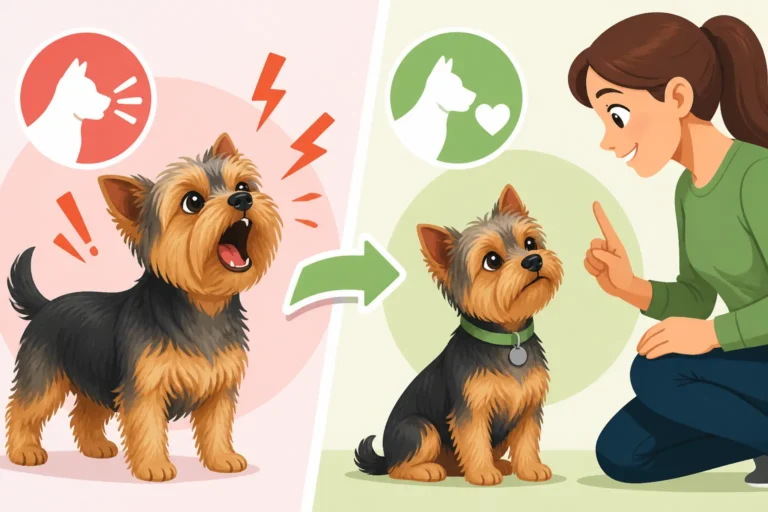
- Potty Whine: A true potty whine is often urgent, persistent, and might be accompanied by restlessness in the crate. If you've just put them down and they start whining intensely after a relatively short period (e.g., an hour or two), it's highly likely they need to go. Always err on the side of caution and take them out for a quick, silent potty break.
- Attention-Seeking Whine: This usually occurs after they've had a recent potty break, especially if you've already taken them out once or twice in the night. The whine might be less urgent, more drawn out, or turn into barking. If you're confident they don't need to eliminate, ignoring this type of whine (as difficult as it is) is crucial. Responding to it teaches them that whining gets your attention and might lead to a cycle of demand barking. You want them to learn that night is for sleeping. This can take incredible willpower on your part, but it’s an important lesson for them.
It’s often recommended to place the crate in your bedroom for the first few weeks, not just to hear their potty cues, but also for them to feel secure knowing you’re there. Once they’re consistently sleeping through the night or only waking for legitimate potty breaks, you can gradually move the crate to another designated spot.
Health Considerations and Setbacks
Sometimes, nighttime accidents aren't just about training; they can be a symptom of an underlying health issue. If your Yorkie puppy, who was previously doing well with potty training, suddenly starts having frequent accidents, especially at night, it's time to consult your veterinarian.
- Urinary Tract Infections (UTIs): These are common in puppies and can cause increased frequency of urination, straining, or accidents. Your vet can diagnose a UTI with a simple urine test and prescribe antibiotics.
- Intestinal Parasites: Worms or other parasites can cause upset stomachs and diarrhea, leading to unexpected nighttime eliminations.
- Dietary Issues: A sudden change in food or a food that doesn't agree with your puppy can cause digestive upset.
- Other Medical Conditions: While less common in very young puppies, conditions like diabetes or kidney issues can also affect bladder control.
If you notice other symptoms like lethargy, loss of appetite, excessive thirst, or changes in the color or consistency of their urine or stool, don't delay a vet visit. These could be signs of more serious issues, as outlined in articles on Yorkie Emergency Symptoms to Never Ignore. Always prioritize your puppy's health and well-being. A veterinary check-up can rule out medical causes and give you peace of mind, allowing you to focus purely on the training aspect.
By staying consistent with your routine, providing the right environment, and being attuned to your Yorkie puppy's unique needs, you'll soon be celebrating dry nights and a well-rested furry companion.
Disclaimer
This article is intended for informational purposes only and is not a substitute for professional veterinary advice. Always consult with a qualified veterinarian for any health concerns or before making any decisions about your pet's health or treatment.