How to Stop a Yorkie from Chewing Furniture
It's incredibly frustrating, isn't it? You walk into the living room, only to find your precious Yorkie, with those innocent-looking eyes, gnawing away at the leg of your favorite coffee table or tearing at the corner of the sofa. It feels like a betrayal, and you're left wondering why they're doing it and, more importantly, how on earth to make them stop. This comprehensive guide is here to help you understand the common reasons behind your Yorkshire Terrier's furniture chewing habits and provide actionable strategies to protect your home and redirect their natural urges.
Understanding Why Your Yorkie Chews Furniture
Before we can tackle the problem, we need to understand why your Yorkie is turning your lovely furniture into their personal chew toy. It's rarely out of spite; more often, it's a natural dog behavior or a sign that something deeper is going on. Pinpointing the root cause is the first step to finding a lasting solution.
Puppy Teething Phase
Ah, the puppy stage! While adorable, it often comes with a period of intense teething. Just like human babies, Yorkie puppies experience discomfort as their sharp little puppy teeth fall out and their adult teeth emerge. This process typically starts around 3-4 months of age and can last until they're about 6-7 months old. Chewing helps to alleviate the pain and pressure on their gums. If your Yorkie is still a youngster, this is a highly probable culprit. They're not trying to be naughty; they're just trying to feel better, and unfortunately, your sturdy furniture often provides the most satisfying counter-pressure. Understanding this phase is crucial for any new owner; our guide on the Yorkie Puppy Biting Phase Explained might offer more insights into developmental stages.
Boredom and Lack of Mental Stimulation
Yorkies, despite their small size, are intelligent and energetic little dogs. If they're not given enough physical exercise or, perhaps more importantly, enough mental stimulation, they will absolutely find ways to entertain themselves. And guess what often becomes an exciting, interactive toy? Your furniture! A boring day can lead to a Yorkie using their powerful jaws to explore textures, make noise, and create their own fun. This isn't just about physical walks; it's about engaging their minds with puzzles, training sessions, or interactive play. If your Yorkie has a lot of pent-up energy, they're more likely to channel it into destructive behaviors like chewing.
Anxiety and Stress
Chewing can be a self-soothing mechanism for dogs, much like how some people bite their nails when anxious. If your Yorkie is experiencing stress or anxiety, they might turn to chewing as a way to cope. One of the most common forms of anxiety in Yorkies is separation anxiety. These little dogs often form incredibly strong bonds with their owners, and being left alone can be a genuinely distressing experience for them. When you leave, they might start chewing on objects that smell like you, or on items near exits, as a way to relieve their stress or even as a desperate attempt to "escape" or get your attention. Other stressors could include changes in routine, new pets, loud noises, or even a recent move. Our article on Yorkshire Terrier Separation Anxiety Solutions could provide helpful tips if you suspect this is the case.
Learned Behavior and Attention-Seeking
Sometimes, our well-meaning reactions can inadvertently reinforce bad habits. Imagine this: your Yorkie starts nibbling at the table leg. You rush over, scold them, pick them up, or even just give them a loud "No!" From your Yorkie's perspective, they just got a whole lot of attention. Even negative attention is attention, and some dogs will repeat behaviors if it consistently gets a rise out of you. They might have learned that chewing on furniture is an effective way to get you to notice them, especially if they feel ignored or under-stimulated otherwise.
Nutritional Deficiencies or Pica
While less common, occasionally, excessive chewing can be linked to nutritional deficiencies or a condition called pica, where dogs feel compelled to eat non-food items. If your Yorkie's diet isn't balanced or if they're not getting enough of certain nutrients, their body might be telling them to chew on things they shouldn't. Pica can also be a sign of underlying medical issues or simply a strong behavioral compulsion. If you've ruled out other common causes and the chewing is persistent and includes ingesting non-food items, it's always wise to consult your veterinarian to ensure there isn't a medical reason for the behavior.
Redirecting Chewing Behavior Effectively
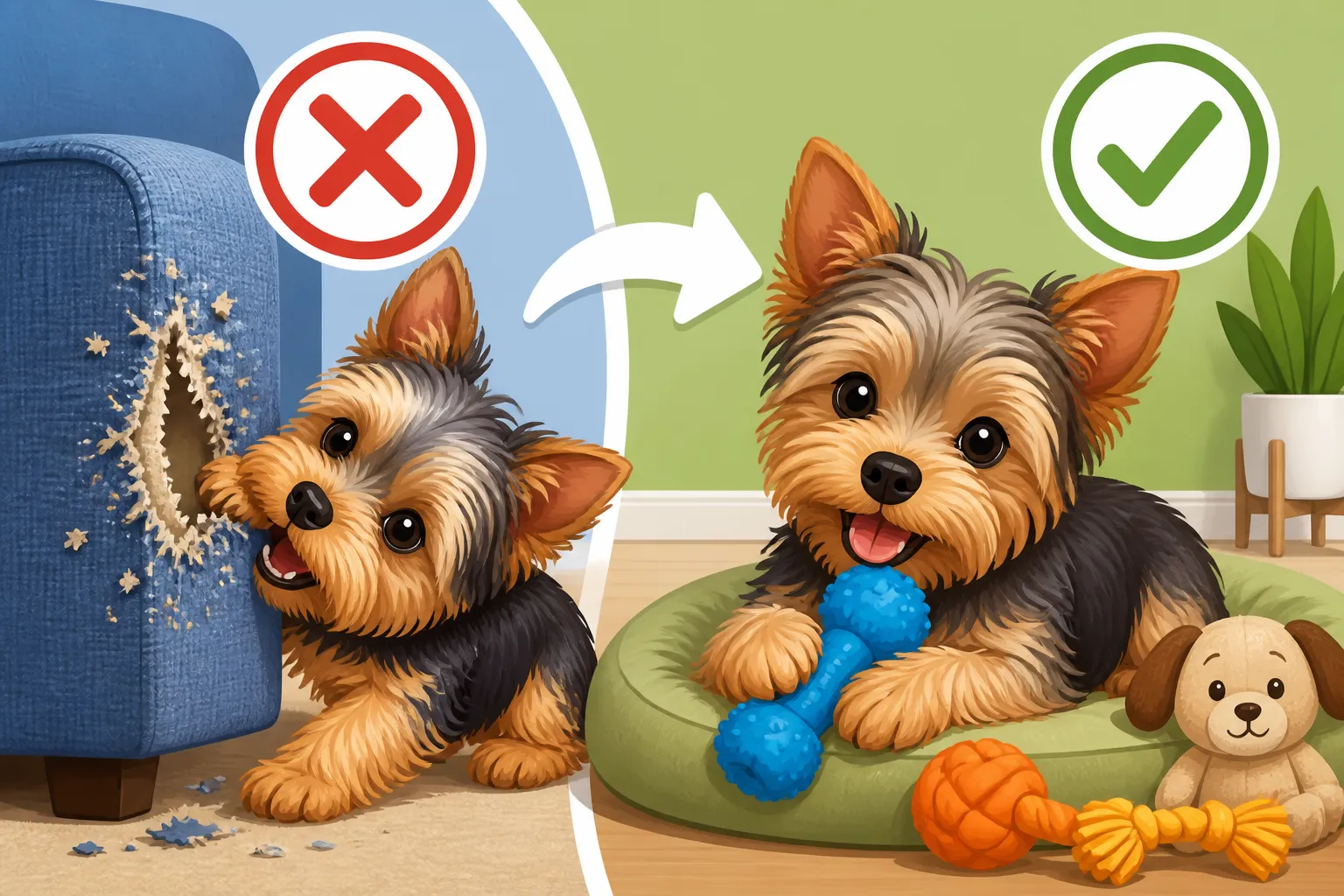
Once you understand why your Yorkie is chewing, the next step is to redirect that natural urge toward appropriate outlets. This isn't about stopping them from chewing entirely, but rather teaching them what is acceptable to chew.
Offering Appropriate Chew Toys
This might sound obvious, but it's astonishing how many owners forget to provide a varied and engaging selection of chew toys. Think about what your Yorkie is getting from chewing your furniture: texture, resistance, perhaps a bit of novelty. You need to replicate that experience with acceptable items. For Yorkies, sturdy but appropriately sized toys are key. Look for toys made from durable rubber, nylon, or natural materials like yak cheese or safe bully sticks. Avoid anything too hard that could damage their small teeth or too small that could be a choking hazard.
For example, classic Kong toys, especially when stuffed with peanut butter or yogurt and frozen, can provide a long-lasting and mentally stimulating chew. Dental chews like Greenies or VeggieDent can also satisfy their urge to gnaw while helping with oral hygiene – a win-win, considering Yorkshire Terrier Dental Disease: Signs and Care is a common issue for the breed. Remember, the goal is to make the chew toys more appealing than your furniture.
Rotating Toys and Keeping Them Interesting
Just like us, dogs can get bored with the same old things day in and day out. Imagine if you only had one book to read for your entire life! To keep your Yorkie engaged, create a rotation system for their chew toys. Have a selection of 5-7 toys, but only offer 2-3 at a time. After a few days, swap them out for different ones. This makes each "new" toy feel exciting again.
You can also enhance toys to make them more enticing. For instance, sometimes I'll rub a little bit of low-sodium chicken broth on a nylon chew, or smear a small amount of dog-safe cream cheese into the crevices of a rubber toy. The novelty and extra flavor can be incredibly motivating. Interactive toys, which release treats as your Yorkie plays with them, are also excellent for keeping their interest piqued.
Introducing Puzzle Toys and Interactive Feeders
Redirecting chewing isn't just about giving them something hard to gnaw on; it's also about engaging their intelligent minds. Puzzle toys and interactive feeders are fantastic for this. Instead of simply putting their food in a bowl, try using a slow feeder bowl, a snuffle mat, or a puzzle toy that requires them to work for their kibble. This turns mealtime into a mental exercise, helping to stave off boredom.
Companies like BAXTER & Bella, known for their online training programs, often emphasize the importance of mental enrichment. Their approach to positive reinforcement extends to using tools that make dogs think, which in turn reduces the likelihood of destructive behaviors fueled by boredom. Even a simple roll of paper towel cardboard, stuffed with some treats and then folded at the ends (under supervision!), can be a fun, temporary puzzle. The key is to provide a challenge that tires them out mentally, satisfying their natural foraging and problem-solving instincts.
| Chew Toy Type | Best For | Pros | Cons | Safety Tips |
|---|---|---|---|---|
| Rubber Toys | All ages, power chewers | Durable, flexible, good for gums, often stuffable | Can be expensive, some dogs lose interest if not stuffed | Choose appropriate size, inspect regularly for damage |
| Nylon Chews | Moderate to heavy chewers | Long-lasting, come in various flavors | Can be very hard, may cause dental wear, not digestible | Ensure it's not too hard, discard when small or sharp |
| Dental Chews | Mild chewers, daily use | Helps with dental health, digestible | Can be consumed quickly, not for heavy chewers | Follow package instructions, supervise closely |
| Bully Sticks | All ages, moderate chewers | Highly palatable, digestible, natural | Can be smelly, can be high calorie, expensive | Choose appropriate size, supervise to prevent choking |
| Interactive/Puzzle Toys | All ages, mental stimulation | Engages mind, slows eating, reduces boredom | Can be messy, some require owner involvement | Choose durable materials, wash regularly |
Environmental Management and Prevention Strategies
While redirecting chewing is essential, you also need to set your Yorkie up for success by managing their environment. This means taking proactive steps to make furniture less appealing or even inaccessible.
Yorkie-Proofing Your Home
Think like a Yorkie! Get down on their level and scan your home for tempting items. If it's within reach and looks chewable, assume they'll try.
- Move Tempting Items: Anything small and valuable that could be chewed should be put away. Remote controls, shoes, magazines, kids' toys – these are all prime targets.
- Block Access: Use baby gates or a playpen to restrict your Yorkie's access to certain rooms when you can't supervise them directly. This is especially helpful during the early stages of training or when you're leaving them alone. A cozy crate can also be a safe haven for your Yorkie, minimizing access to tempting furniture items. Learning to How to Crate Train a Yorkie is vital for many owners.
- Cover Furniture: If there's a specific piece of furniture they're targeting, consider covering it with a heavy blanket or towel when you're not around. This changes the texture and makes it less inviting. Some people even use heavy-duty plastic sheeting temporarily for highly targeted areas.
The goal here isn't to punish your Yorkie, but to prevent them from practicing the unwanted behavior. Every time they chew furniture, it reinforces that habit. By removing the opportunity, you're breaking the cycle.
Using Deterrents and Repellents
Sometimes, a little help from a deterrent spray can go a long way. These sprays typically have a bitter taste that dogs find unpleasant, making the sprayed object less appealing to chew. Common options include bitter apple spray or bitter cherry spray. You can find these at most pet stores or online on platforms like Amazon.
When using a deterrent:
- Test in an Inconspicuous Area: Always test the spray on a small, hidden part of your furniture first to ensure it doesn't stain or damage the material.
- Apply Generously: You need to apply enough for your Yorkie to notice the taste.
- Reapply as Needed: The taste can fade over time, so consistent reapplication, especially after cleaning, is necessary.
- Pair with Positive Reinforcement: Don't just spray and walk away. When your Yorkie approaches the sprayed furniture and chooses not to chew, immediately redirect them to an appropriate chew toy and praise them enthusiastically. This teaches them what to chew instead.
Remember, deterrents are a tool to discourage, not a permanent solution. They work best when combined with ample appropriate chew alternatives and consistent training.
Supervised Play and Controlled Access
This strategy is all about active engagement. When your Yorkie is out in the house, particularly during unsupervised times, they should be in an area where they can't access furniture you don't want them to chew. This might mean having them on a leash near you, even indoors, or confined to a puppy-proofed room or playpen.
During times of direct supervision, engage them in play. Throw a ball, play tug-of-war with an appropriate toy, or practice some obedience commands. This burns off energy and focuses their attention on you and their toys. When you see them even thinking about going for the furniture, immediately interrupt with a cheerful sound or distraction, then offer them one of their approved chew toys. Praise them heavily when they take the toy. This teaches them the right choice in the moment. Our guide on Mental Stimulation Games for Yorkies emphasizes the importance of consistent engagement for a happy, well-behaved Yorkie.
Training and Behavioral Modification Techniques
Environmental management and providing toys are excellent first steps, but for long-term success, you'll need to incorporate training. This is where you teach your Yorkie the "rules" of the house and strengthen your bond through positive communication.
“Leave It” and “Drop It” Commands
These two commands are absolute game-changers for any dog owner, especially when dealing with unwanted chewing. They teach your Yorkie to disengage from something inappropriate and give up something they're holding.
-
Teaching "Leave It":
- Hold a treat in a closed fist. Present it to your Yorkie. They'll likely try to sniff, lick, or paw at it.
- As soon as they back away, even slightly, say "Leave It!" and immediately offer them a different, equally high-value treat from your other hand.
- Repeat this, gradually increasing the duration they have to "leave it" alone.
- Once they understand the concept with a treat in your hand, place a less desirable object (e.g., a normal kibble piece) on the floor. When they go for it, say "Leave It!" and cover it with your hand. When they look at you, reward with a high-value treat.
- Gradually progress to placing an object you don't want them to chew (like a piece of a rag) near them. Say "Leave It!" before they can interact with it, and immediately reward them when they choose to ignore it and look at you.
-
Teaching "Drop It":
- Start with a low-value toy your Yorkie enjoys. Let them pick it up.
- Hold a high-value treat near their nose. The moment they open their mouth to investigate the treat, say "Drop It!"
- As soon as they release the toy, give them the treat and praise them enthusiastically.
- Immediately pick up the toy and re-offer it to them for more play. This teaches them that "dropping it" doesn't mean losing the toy forever, but actually leads to good things (treats and more play!).
- Practice this with various items, always ensuring the reward for dropping is more appealing than the item they're holding.
Consistency is paramount. Everyone in the household needs to use these commands correctly and consistently.
Positive Reinforcement
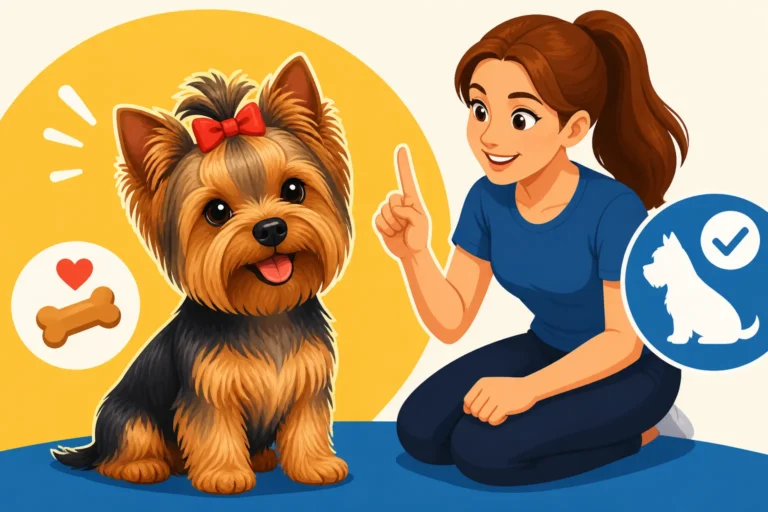
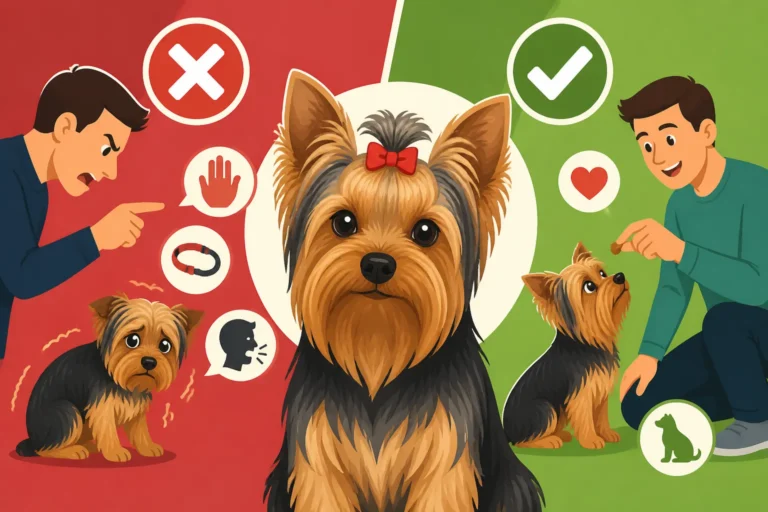
Positive reinforcement is the most effective and humane way to train any dog, especially sensitive breeds like Yorkies. It means rewarding behaviors you want to see, rather than punishing behaviors you don't want.
When you catch your Yorkie chewing their appropriate toy, heap on the praise! Say "Good chew!" in an excited voice, offer them a small, tasty treat, and maybe even engage in a quick play session with that toy. This tells them, "Yes! This is what I want you to do!" If you notice them not chewing the furniture when they easily could, praise that too!
Avoid scolding, yelling, or physical punishment. This can create fear, confusion, and anxiety, which can actually exacerbate destructive behaviors. A Yorkie might simply learn to chew furniture when you're not around, rather than learning not to chew it at all. Instead, focus on redirecting. If you catch them chewing furniture, calmly interrupt with a noise, then immediately offer them an appropriate chew toy. As soon as they take the toy, praise and reward.
Increasing Exercise and Mental Stimulation
A tired Yorkie is a good Yorkie, and a mentally stimulated Yorkie is an even better one! Remember, boredom is a huge driver of destructive chewing. Ensuring your Yorkie gets enough physical activity and mental challenges can drastically reduce their urge to chew inappropriately.
- Daily Walks: Even small Yorkies benefit from regular walks. Two short walks a day (15-20 minutes each) can burn off physical energy and provide valuable sniffing opportunities, which are incredibly enriching for dogs. If your Yorkie is prone to pulling, our guide on How to Stop Yorkie Leash Pulling might be helpful.
- Playtime: Engage in interactive play sessions. Tug-of-war, fetch (with appropriate small toys), or even just a spirited game of chase in a safe, enclosed area can be great for physical exertion.
- Brain Games: Beyond puzzle toys, integrate short, fun training sessions into your daily routine. Teaching new tricks (like "How to Teach a Yorkie to Spin" or "How to Teach a Yorkie to High Five") for 5-10 minutes a few times a day can be just as tiring as a walk. Hide-and-seek with treats or toys is another fantastic mental exercise. These activities can prevent boredom-induced chewing and strengthen the bond between you and your Yorkie.
When to Seek Professional Help
While many chewing issues can be resolved with consistent training and environmental management, there are times when it’s best to call in the experts. Don't feel like a failure if you reach this point; sometimes, a fresh perspective and specialized knowledge are exactly what’s needed.
Persistent Destructive Chewing
If you’ve diligently applied all the strategies mentioned above – providing a variety of appropriate chew toys, consistently using deterrents, puppy-proofing your home, increasing exercise and mental stimulation, and reinforcing good behavior – yet your Yorkie continues to relentlessly chew your furniture, it might be time for professional intervention. This persistence could indicate a deeper behavioral issue that's harder for an untrained individual to diagnose and treat.
A certified professional dog trainer or a veterinary behaviorist can observe your Yorkie's behavior in their home environment, identify specific triggers, and develop a customized training plan that addresses the root cause of the chewing. They can help you fine-tune your techniques, introduce more advanced training methods, and ensure you're not inadvertently reinforcing the unwanted behavior. Sometimes, a subtle change in your interaction or routine can make all the difference.
Signs of Severe Anxiety or Other Issues
Destructive chewing, particularly when it’s severe or happens only when you’re away, can be a symptom of underlying anxiety, most commonly separation anxiety. If your Yorkie exhibits other signs along with chewing when left alone, such as excessive barking, whining, pacing, house-soiling, or trying to escape, these are strong indicators of separation anxiety. You might find our article on Yorkie Separation Anxiety: Signs and Fixes very insightful in identifying these signs.
In such cases, simply stopping the chewing won't resolve the core problem. A veterinary behaviorist is particularly skilled at diagnosing and treating anxiety disorders in dogs. They can combine behavioral modification techniques with potential medical management (e.g., anti-anxiety medication) if necessary, to help your Yorkie cope with being alone. Ignoring these signs can lead to a dog who is constantly stressed and unhappy, so seeking help is an act of kindness and responsibility. Other less common but serious issues like obsessive-compulsive disorder or even certain medical conditions could also manifest as excessive chewing, making a veterinary evaluation paramount.
Disclaimer
This article is intended for informational purposes only and does not constitute veterinary advice. Always consult with a qualified veterinarian or certified professional dog trainer for any health or behavioral concerns regarding your Yorkshire Terrier.