How to Teach a Yorkie to Go Potty
Bringing a Yorkshire Terrier into your home is an absolute joy, but let's be honest, the excitement can quickly turn into frustration when you find little "surprises" on your rug. Yorkies, with their tiny bladders and sometimes stubborn personalities, are notorious for being a bit tricky to house-train. If you’re tired of scrubbing floors and wondering if your adorable furball will ever get it, this comprehensive guide is here to walk you through a realistic, empathetic, and effective strategy for teaching your Yorkie to go potty like a champ.
Setting the Stage: Understanding Your Yorkie's Unique Potty Training Needs
Before we dive into the "how-to," it’s really important to understand why potty training can feel like such an uphill battle with a Yorkie. It’s not about them being defiant (usually!), but rather a combination of physical traits and inherent terrier characteristics that make them a unique challenge. Acknowledging these factors can help you approach training with more patience and a tailored strategy, rather than getting caught in a cycle of frustration.
The Small Bladder Challenge
Let's face it, Yorkshire Terriers are tiny. And with tiny bodies come tiny bladders. This isn't just a cute fact; it's a physiological reality that directly impacts their ability to "hold it" for extended periods. A Yorkie puppy, especially, might need to go potty every hour or two. This isn't them being difficult; it's simply their body working as it should. Expecting them to hold it for hours on end, like a larger breed or an adult dog, is setting both of you up for failure. You’re practically guaranteeing accidents if you don’t factor in their frequent needs.
Think about it: a small dog has a fast metabolism and a small internal system. What goes in, comes out relatively quickly. This means your supervision needs to be constant, and your potty breaks need to be frequent – far more frequent than you might initially assume. This often catches new Yorkie parents off guard, leading to those frustrating puddles on the floor. Understanding this fundamental truth is the first step in successful potty training; it shifts the blame from your dog's "bad behavior" to a natural physical limitation that you, as their caregiver, need to accommodate.
Temperament and Consistency
Yorkies are intelligent, spirited little dogs with a strong personality. They are terriers, after all! This means they can be incredibly smart and quick to learn, but they can also be quite stubborn and set in their ways. If they've had accidents indoors, or if they've learned that peeing inside doesn't have immediate negative consequences (from their perspective), it can be a tough habit to break. Consistency is absolutely paramount when training a Yorkie. Any mixed signals or lapses in your routine can quickly undo progress.
Moreover, Yorkies thrive on routine and clear boundaries. If one day you’re taking them out every hour, and the next day you're busy and stretching it to three hours, they won't understand the difference. They'll revert to what feels natural, which, for a young pup, is often just going whenever and wherever the urge strikes. Their keen intelligence means they can learn quickly, but their terrier tenacity means they'll challenge inconsistencies. This is why everyone in the household needs to be on the same page, following the same rules, and using the same signals to ensure your Yorkie truly grasps what's expected of them. You might also want to read about the broader topic of how to train a Yorkshire Terrier for more context on their temperament and learning style.
Your Step-by-Step Yorkie Potty Training Blueprint
Now that we've got a handle on the unique challenges, let’s get down to the nitty-gritty of how to actually teach your Yorkie where to do their business. This isn't a quick fix, but a structured approach that emphasizes routine, positive reinforcement, and patience. Follow these steps diligently, and you’ll start seeing real progress.
Establishing a Routine and Schedule
The backbone of successful potty training for a Yorkie is a rock-solid routine. Your Yorkie thrives on predictability, and a consistent schedule helps them understand when and where they're expected to relieve themselves. This means waking up at the same time, feeding at the same time, and taking them out at regular intervals throughout the day. For a young puppy, you might be looking at potty breaks every 1-2 hours, immediately after waking up, after playing, after eating or drinking, and before bedtime.
Let's break down a typical day:
- First thing in the morning: The moment your Yorkie wakes up (or even before their paws hit the floor), scoop them up and carry them directly to their designated potty spot outside. Don't let them wander and have an accident on the way.
- After meals/drinks: Within 5-15 minutes of eating or drinking, it's time for another potty break. Digestion is quick in these little guys.
- After naps/playtime: Any time they wake up from a nap or finish a burst of playtime, take them out. Excitement can stimulate their bladder.
- Before bedtime: One last trip outside right before you put them in their crate for the night.
- Throughout the day: Set a timer if you need to, taking them out every 1-2 hours, even if they didn't just do one of the above activities. The key is to prevent accidents by offering opportunities frequently.
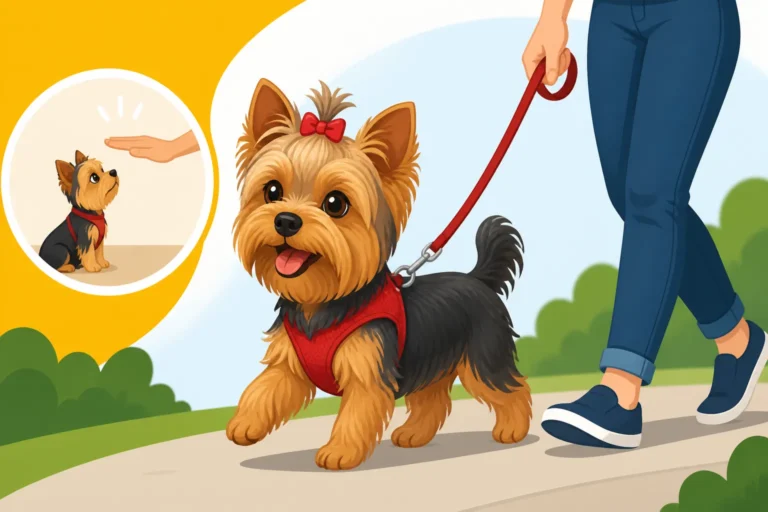
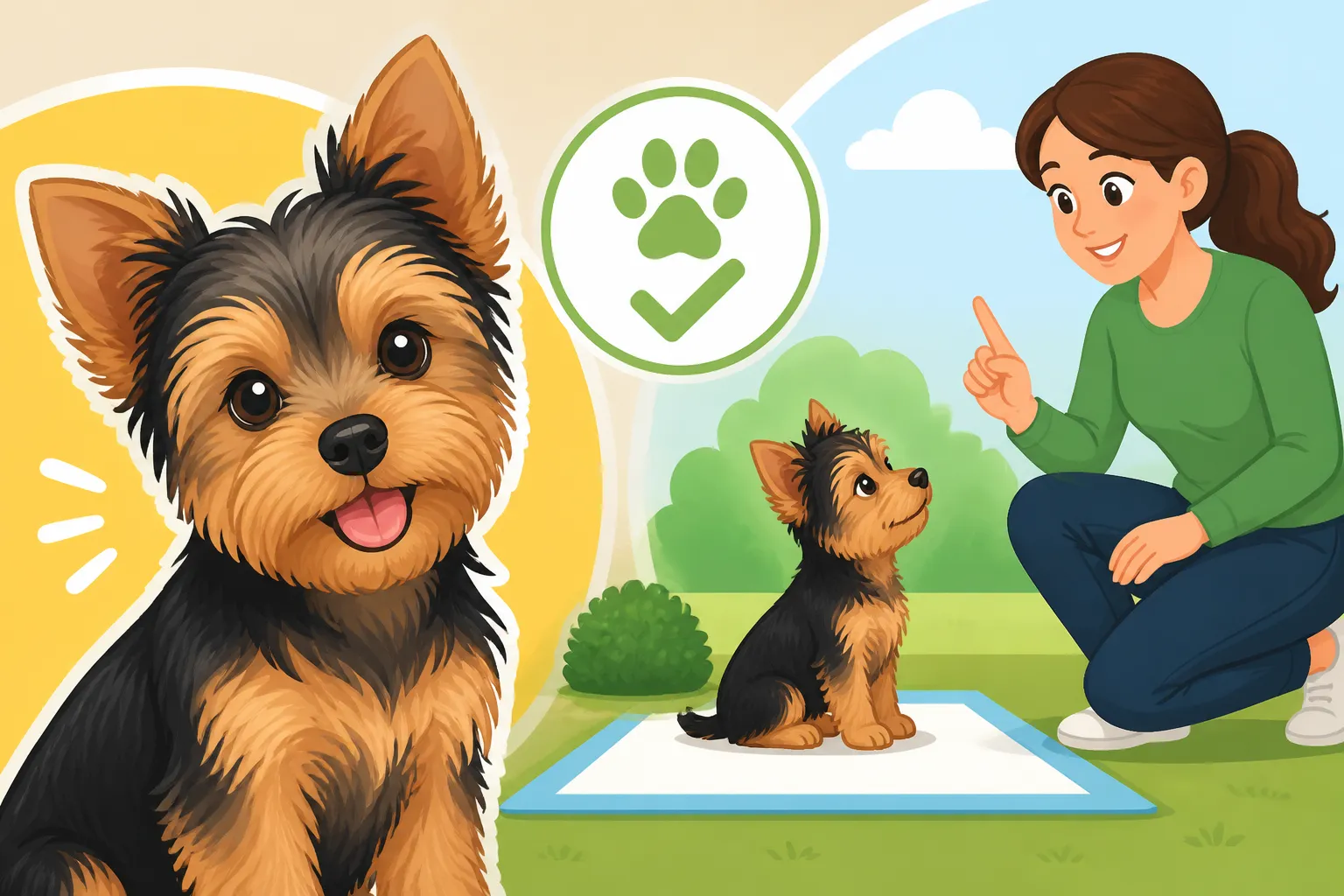
When you take them out, always go to the same spot. This helps them associate that particular area with "potty time." Use a verbal cue like "Go Potty!" or "Hurry Up!" every single time. When they successfully go, praise them lavishly with a happy tone, give them a high-value treat, and perhaps a quick, excited play session. This positive reinforcement makes a huge difference. Never scold them for having an accident outside, even if it feels like they’re doing it on purpose; you only want to reinforce the positive behavior of going in the right spot. For more specific guidance, consider checking out a full Yorkshire Terrier Potty Training Guide.
| Time of Day | Activity | Potty Break Required? | Notes |
|---|---|---|---|
| 7:00 AM | Wake Up | YES | Immediately go outside. |
| 7:15 AM | Breakfast | YES | 5-15 minutes after eating. |
| 7:30 AM | Play Time | YES | After play. |
| 9:30 AM | Nap Time | YES | After waking from nap. |
| 12:00 PM | Lunch | YES | 5-15 minutes after eating. |
| 12:30 PM | Play Time | YES | After play. |
| 2:30 PM | Nap Time | YES | After waking from nap. |
| 5:00 PM | Dinner | YES | 5-15 minutes after eating. |
| 5:30 PM | Play Time | YES | After play. |
| 8:00 PM | Last Call | YES | Right before bedtime. |
| Hourly | Throughout Day | YES | Especially for young puppies. |
Crate Training for Success
Crate training is one of the most effective tools for potty training a Yorkie, or any dog for that matter. Dogs naturally don't want to soil their sleeping area, so a properly sized crate becomes their safe, den-like space where they learn to "hold it" until they can be let out. The key is "properly sized" – the crate should be just big enough for them to stand up, turn around, and lie down comfortably. If it's too large, they might just designate one corner as a bathroom area, defeating the purpose.
Introduce the crate as a positive place, not a punishment. Put cozy bedding, a safe toy, and maybe even a chew bone in there. Feed them meals in the crate. Never force them in or use it for timeouts. When you put your Yorkie in their crate, you know they're unlikely to have an accident. This buys you time between potty breaks. However, remember the small bladder rule: even in a crate, a young Yorkie can only hold it for so long. A general guideline is one hour per month of age, plus one. So, a 3-month-old puppy might hold it for 4 hours. At night, they may be able to hold it longer, but be prepared for middle-of-the-night potty breaks initially. For comprehensive instructions on how to effectively use this tool, consider diving into a guide on how to crate train a Yorkie.
When you take them out of the crate, immediately carry them to their designated potty spot outside. Don't let them explore or get distracted indoors. Once they've successfully gone potty outside, then they can have some supervised freedom in the house. This method helps them associate "being out of the crate" with "going potty outside." Brands like MidWest Homes for Pets offer crates with dividers, which are excellent for growing puppies as you can adjust the space to always be the right size, preventing them from using one end as a bathroom. You can find these on Amazon.
Positive Reinforcement and Rewards
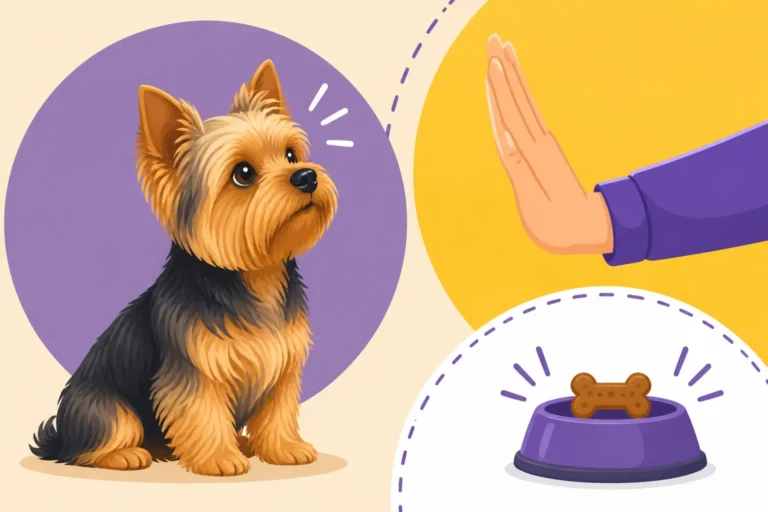
This is where the magic happens! Yorkies respond incredibly well to positive reinforcement. When your Yorkie eliminates in the designated outdoor spot, make a huge deal out of it! Use enthusiastic verbal praise ("Good potty!"), give them a high-value treat immediately, and offer happy pets or a quick game. The timing is crucial – the reward needs to happen within seconds of them finishing their business so they clearly connect the act of peeing/pooping outside with the positive outcome.
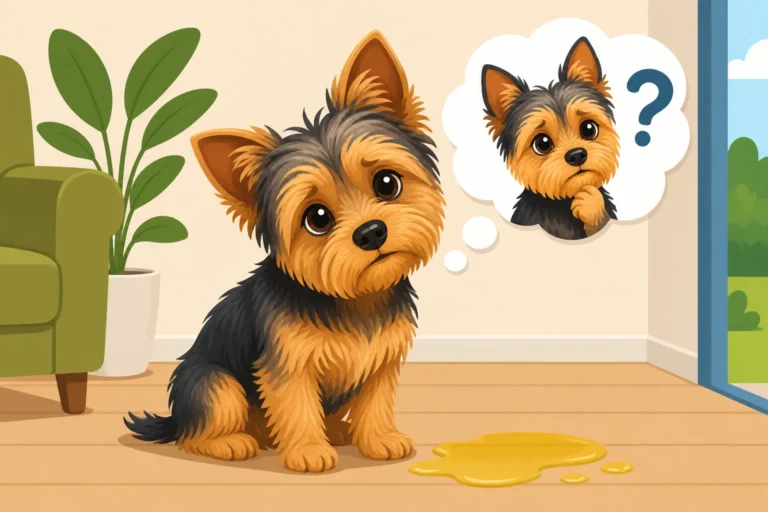
Avoid scolding or punishing your Yorkie for accidents inside. They don't understand "revenge peeing." Scolding them after the fact, even if you find a puddle five minutes later, will only teach them to fear you or to hide their accidents, making the problem worse. If you catch them in the act, a quick, sharp "No!" or clap, then immediately scoop them up and rush them outside to their potty spot. If they finish outside, reward them. If not, just bring them back in and try again soon. The focus should always be on rewarding the desired behavior, not punishing the undesirable one. Consistency in your praise and rewards is key to solidifying the positive association. For specific training techniques using positive reinforcement, some dog training programs like BAXTER & Bella provide excellent online resources.
Managing Accidents Gracefully
Despite your best efforts, accidents will happen. It’s an inevitable part of the potty training process, especially with Yorkies. How you handle these accidents can significantly impact your progress. The most important rule is: never scold your Yorkie for an accident you didn't catch in the act. They won’t understand why you're upset, and it can create fear and anxiety around eliminating, potentially leading them to hide their messes or even eat their poop.
If you find an accident, simply clean it up thoroughly. Use an enzymatic cleaner specifically designed for pet odors, such as Nature's Miracle or Rocco & Roxie Supply Co., which you can find on Amazon. These cleaners break down the urine enzymes, eliminating the scent that might attract your Yorkie back to the same spot. If you merely clean with soap and water, your Yorkie's powerful nose will still detect the scent, marking it as a previous potty area. Remember, every accident is a missed opportunity for you to guide them, not a malicious act on their part. It means you either missed a cue, waited too long, or the schedule needs adjustment. Double down on your routine, increase supervision, and keep those potty breaks frequent.
Advanced Strategies and Troubleshooting Common Potty Pitfalls
Even with the best plan, potty training can hit roadblocks. Yorkies, being the clever little spirits they are, sometimes present unique challenges. Don’t get discouraged if you encounter setbacks; it’s a normal part of the process. Understanding how to troubleshoot these common pitfalls can help you get back on track.
Dealing with Potty Training Regression
It’s truly disheartening when your Yorkie seems to have mastered potty training, only to start having accidents again. This is known as potty training regression, and it can happen for a few reasons. One common cause is a change in routine or a relaxation of vigilance on your part. Perhaps you've started giving them more freedom, or extending the time between potty breaks, and they simply haven't built up the bladder control or understanding to handle it yet. Go back to basics: increase the frequency of potty breaks, resume strict supervision, and reinforce crate training.
Another significant reason for regression can be an underlying medical issue. Urinary tract infections (UTIs) are particularly common in small dogs like Yorkies and can cause frequent urination, discomfort, and accidents. Other issues, such as bladder stones, kidney problems, or even a sudden onset of Yorkshire Terrier Hypoglycemia (though less directly related, general unwellness can impact training), can disrupt their ability to hold it. If your Yorkie suddenly starts having accidents after being reliably potty trained, especially if accompanied by other symptoms like excessive licking, straining, or changes in thirst, a trip to the vet is absolutely essential. Don't assume it's behavioral until a medical cause has been ruled out.
Transitioning from Pads to Outdoors
Many Yorkie owners start with pee pads, especially those living in apartments or during harsh weather. While pads can be a useful tool, they can also complicate outdoor training. The biggest hurdle is that you're essentially teaching your Yorkie that it's okay to pee inside the house, just on a specific surface. Transitioning from pads to exclusively outdoor potty breaks requires a conscious effort. The trick is to gradually move the pad closer and closer to the door, and eventually, right outside. Once it’s outside, you can gradually reduce its size until it’s gone, or simply remove it, relying solely on outdoor trips.
During this transition, you'll need to be extra vigilant. Take your Yorkie outside to their designated spot frequently, using your potty cue and rewarding heavily for success. When indoors, supervise them closely or keep them crated, as you want to prevent any accidents on the now-absent pads. If they try to go where the pad used to be, gently interrupt them and take them outside. Patience is key here, as your Yorkie is essentially learning a new set of rules: "going potty inside, even on a pad, is no longer acceptable." For a deeper dive into this specific challenge, exploring "Pee Pad vs Outdoor Training for Yorkies" can offer more targeted strategies.
Weather and Environmental Challenges
Yorkies are small and delicate, and they can be sensitive to extreme weather conditions. Trying to get a tiny Yorkie to do their business in a blizzard, pouring rain, or scorching summer heat can be a monumental task. They might hold it in or refuse to go out, leading to accidents indoors. This is where creative solutions and proper gear come into play.
In cold or wet weather, a warm, waterproof dog coat can make a huge difference in their comfort level. Look for options on Amazon that provide full coverage. Consider creating a sheltered outdoor potty area if possible, or even using a portable pop-up tent on your porch. For hot weather, ensure the ground isn't too hot for their paws and consider morning or evening potty breaks when it’s cooler. Sometimes, their reluctance isn't stubbornness, but genuine discomfort. Providing a safe, comfortable outdoor experience, regardless of the elements, will encourage them to go where they're supposed to and prevent them from seeking indoor alternatives.
Beyond Basics: Sustaining Potty Training Habits for Life
Potty training isn't just about surviving the puppy stage; it's about instilling lifelong habits. Once your Yorkie is reliably potty trained, it’s still important to maintain the consistency and vigilance that got you there. This means continuing good practices and knowing how to adapt as your Yorkie ages or circumstances change.
Consistency is King
Even with a fully potty-trained adult Yorkie, consistency remains paramount. While you won't need to take them out every hour, sticking to a regular schedule for meals, water access, and potty breaks helps prevent regressions. If you suddenly change their routine, like allowing them unlimited water right before bed after years of limiting it, you might find yourself dealing with an unexpected puddle. Continue to use your verbal potty cue when you take them out, and offer praise for successful elimination.
It's also important that everyone in the household adheres to the same rules. If one family member is lax about letting the Yorkie out, it can confuse your dog and undermine their training. Consistency in their environment matters too; try to keep their designated potty spot consistent. If you move homes, be prepared for a brief retraining period, going back to more frequent breaks and close supervision to establish the new routine. Thinking about the broader aspects of Yorkshire Terrier Daily Care Routine will highlight how potty habits fit into their overall well-being.
Health Checks and Behavioral Changes
Even a perfectly trained adult Yorkie might start having accidents if there's an underlying health issue. As Yorkies age, they can become prone to conditions like kidney disease, diabetes, or even cognitive dysfunction (doggy dementia), all of which can affect bladder control. Regular vet check-ups are crucial for catching these issues early. Your vet can advise on the Yorkshire Terrier Senior Care Guide and potential changes in their health.
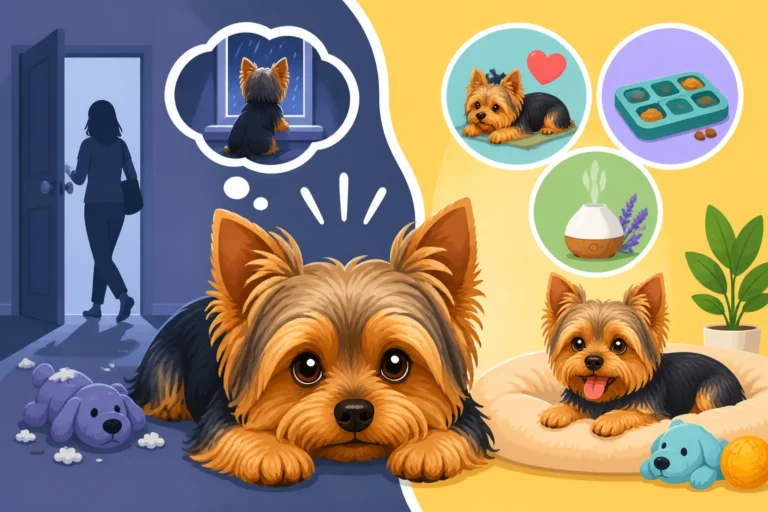
Beyond physical health, behavioral changes can also lead to accidents. Stress, anxiety (like Yorkshire Terrier Separation Anxiety Solutions), or changes in the home environment (a new pet, a new baby, moving) can sometimes manifest as indoor elimination. If your previously trained Yorkie suddenly starts having accidents, rule out medical causes first, then consider any changes in their life that might be causing stress. Sometimes, working with a professional dog behaviorist can help identify and address these underlying anxieties, bringing relief to both you and your Yorkie. Understanding why your Yorkie Not Listening: What to Do might also give clues if behavioral issues are at play.
Disclaimer
This article provides general information and recommendations for teaching a Yorkie to go potty. Every dog is an individual, and results may vary. Always consult with a qualified veterinarian or professional dog trainer for personalized advice regarding your Yorkshire Terrier's health and training needs.