Yorkie Puppy Biting Phase Explained
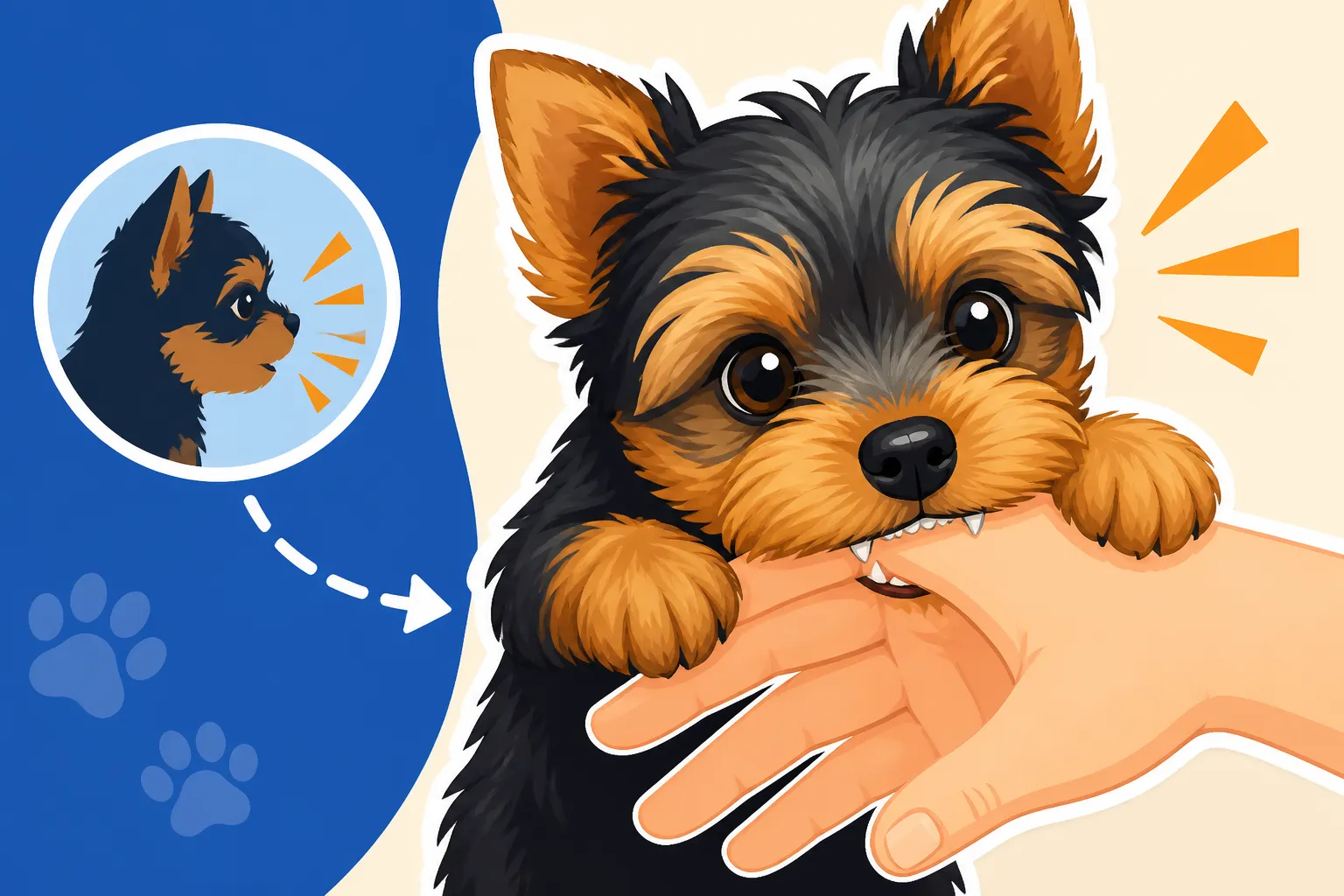
Bringing home a tiny Yorkshire Terrier puppy is often a dream come true, filled with visions of cuddles and playful antics. But for many new Yorkie parents, that dream quickly turns into a nip-and-tuck reality when those adorable shark teeth start making an appearance. It’s incredibly frustrating and even painful when your sweet little fluffball turns into a land shark, making you question if you're doing something wrong. This comprehensive guide will walk you through the normal puppy biting phase, explain why your Yorkie is acting this way, and provide actionable, empathetic strategies to navigate this challenging but temporary period, ensuring you raise a well-mannered adult dog.
Understanding the "Why" Behind Yorkie Puppy Biting
It's easy to take puppy biting personally, especially when those needle-sharp teeth are latching onto your fingers or ankles. But understanding the root causes of this behavior in Yorkshire Terrier puppies can shift your perspective from frustration to proactive training. Your little Yorkie isn't trying to be malicious; they're simply communicating and exploring their world in the most natural way they know how.
Teething and Oral Exploration
Just like human babies, Yorkie puppies go through a significant teething phase. They are born without teeth, and their first set, often called "milk teeth" or deciduous teeth, start to emerge around 3-4 weeks of age. By the time you bring your puppy home, usually between 8-12 weeks, these tiny teeth are fully in and incredibly sharp. This is a crucial period where they use their mouths to explore everything around them, much like a human toddler uses their hands. Everything new and interesting goes straight into their mouth.
As their permanent adult teeth begin to push through, typically starting around 4 months and continuing until 6-7 months, the discomfort intensifies. Their gums become sore and itchy, and the natural instinct is to chew on anything that provides relief. This can be your favorite pair of shoes, the leg of a chair, or, unfortunately, your hands and feet. Providing appropriate outlets for this chewing instinct is paramount during this time, and we'll dive into that a bit later. Without proper guidance, this natural behavior can quickly become a habit that's harder to break.
Play Behavior and Socialization
Biting is a completely normal part of how puppies play with their littermates. When they wrestle and tumble, nips and tugs are a constant. This rough-and-tumble play is essential for developing social skills and learning about boundaries. When one puppy bites another too hard, the bitten puppy will often yelp, disengage, or stop playing, teaching the aggressor that their bite was too much. This feedback mechanism is how puppies naturally learn "bite inhibition"—understanding how much pressure their jaws can exert without causing harm.
If your Yorkie puppy was removed from their litter too early or didn't get enough interaction with other puppies, they might have missed out on some of these crucial lessons. As a result, they may not understand that their human playmates have much more sensitive skin than their furry siblings. They'll try to initiate play with you in the same way they would with another puppy, which means nipping, mouthing, and tugging. It's up to us, as their human caregivers, to step in and teach them the polite way to interact with us.
Lack of Bite Inhibition
Bite inhibition is arguably one of the most important lessons a puppy can learn. It's not about stopping them from biting at all, but rather teaching them how gently they can bite. An adult dog with good bite inhibition, even if startled or stressed, is far less likely to cause serious injury than a dog that never learned this crucial skill. The goal is for your Yorkie to understand that human skin is fragile and that even the slightest pressure with their teeth is unacceptable during interaction.
Without consistent guidance, a Yorkie puppy will continue to use their mouth as their primary tool for interaction. They might not understand that a playful nip to your hand feels very different from a playful nip to another puppy's thick fur. This is where you, as the primary trainer, become responsible for continuing the lessons their littermates started. Early and consistent training during this phase is key to preventing problem biting from becoming ingrained behavior later on. If you're looking for a comprehensive approach to raising your puppy, consider resources like BAXTER & Bella's online training program, which often covers these foundational skills.
Normal Puppy Nipping Versus Problematic Biting
It's common for new Yorkie owners to worry if their puppy's nipping is a sign of aggression or just normal puppy behavior. The good news is, in most cases, it's the latter. However, it's vital to know the difference and understand when to intervene more assertively.
Distinguishing Play Nips from Aggression
Most puppy biting is purely play-related. These nips are often accompanied by other playful body language: a wagging tail, a relaxed body, a play bow, or jumping and darting movements. The bites themselves are usually quick, exploratory, and not intended to cause harm, though they can still hurt due to the puppy's sharp teeth. Your Yorkie might "mouth" you, meaning they put your hand in their mouth without much pressure, or they might nip and then immediately release. This is typical puppy behavior, a sign they're trying to engage you in a game.
Aggressive biting, on the other hand, typically presents with different body language and intent. Signs of aggression in a puppy, even a small Yorkie, might include a stiff body, growling, snarling, raised hackles, a rigid tail (sometimes low and tucked, sometimes high and fast), or a fixed stare. The bites might be prolonged, intended to cause damage, or happen out of fear or resource guarding (protecting food, toys, or even a space). If you observe these signs, especially if they are persistent or seem disproportionate to the situation, it's a red flag that warrants immediate attention. Early intervention is crucial if your puppy is showing true aggression, and in such cases, it's wise to consult a professional dog trainer or veterinary behaviorist.
Age-Related Biting Expectations
The intensity and type of biting change as your Yorkie puppy grows. Here's a general timeline to help set expectations:
- 8-16 Weeks Old (The "Land Shark" Phase): This is often the peak of puppy nipping. Their milk teeth are fully in, and they're exploring everything with their mouths. They're also learning about the world and how to interact. Expect lots of mouthing, playful nips, and attempts to chew on anything they can get their jaws around. This is the prime window for teaching bite inhibition. Your goal here is to redirect and teach them that human skin is off-limits for even gentle mouthing. Consistent training during this time is so important for their future. You can find more tips in our guide on Yorkshire Terrier Puppy Training Schedule.
- 4-6 Months Old (Teething Transition): As adult teeth start to emerge, the focus often shifts from playful nipping to more intense chewing to relieve gum discomfort. They might still mouth you, but their primary urge will be to gnaw on hard, durable objects. This is when having a variety of appropriate chew toys becomes absolutely critical. They might also test boundaries more frequently as they mature.
- 7 Months and Older: By this age, most Yorkies should have developed good bite inhibition and largely grown out of the intense puppy nipping phase, assuming consistent training has been applied. Any biting beyond this point, especially if it's not clearly play-motivated (e.g., in response to fear, resource guarding, or pain), should be taken seriously and addressed with professional guidance. Persistent biting indicates that the lessons on bite inhibition weren't fully absorbed or that underlying behavioral issues are present.
It's a journey, not a sprint. Be patient with your puppy, but also be firm and consistent with your training.
| Age Range | Typical Biting Behavior | Owner Response |
|---|---|---|
| 8-16 Weeks | Frequent, sharp play nips; oral exploration of everything. | Focus on redirection to appropriate chew toys, teaching bite inhibition, using "ouch!" or yelping, and offering a "time-out" when biting becomes too intense. |
| 4-6 Months | Increased chewing due to adult teeth erupting; some play mouthing. | Provide a wide variety of sturdy chew toys. Continue redirection from skin and inappropriate objects. Reinforce "leave it" and "drop it" commands. Manage environment to prevent access to undesirable chew items. |
| 7+ Months | Should be minimal to no painful biting. Occasional gentle mouthing during play, easily redirected. | Reinforce good behavior. Address any new or persistent biting immediately. If biting is aggressive, fear-based, or consistent, seek professional advice from a certified dog trainer or veterinary behaviorist. Consistent training helps prevent Yorkshire Terrier Behavior Problems and Solutions. |
Effective Strategies to Manage Puppy Biting
The good news is that puppy biting is highly manageable with the right approach. Consistency, patience, and positive reinforcement are your best tools in teaching your Yorkie puppy how to interact politely.
Redirection and Positive Reinforcement
One of the most powerful techniques is redirection. When your Yorkie puppy starts to nip at your hands or clothes, immediately and calmly redirect their attention to an appropriate chew toy. Keep a variety of safe, engaging chew toys readily available in every room your puppy spends time in. As soon as their teeth connect with the toy instead of you, offer enthusiastic praise ("Good job!") and a small, high-value treat. This teaches them that chewing on toys earns rewards, while chewing on you gets them nothing, or even ends playtime.
Consistency is absolutely vital here. Every single time your puppy mouths you, redirect. Don't let it slide "just this once." Your Yorkie needs clear, consistent signals to understand what is acceptable. This also applies when they are doing well; reward quiet chewing on a toy often! Positive reinforcement creates a strong association: good behavior (chewing a toy) leads to good things (praise, treats, continued play), while bad behavior (biting you) leads to less desirable outcomes (redirected to a toy, or a brief time-out).
Teaching Bite Inhibition
Beyond redirection, you need to actively teach your Yorkie puppy how to control the pressure of their bite. This is the "ouch!" method. When your puppy bites too hard during play, let out a sharp, high-pitched "ouch!" or "yip!" sound. This mimics the sound a littermate would make and often startles the puppy. Immediately withdraw your hand and stop playing for a few seconds (10-20 seconds is usually enough). You can turn your back or even briefly leave the room.
After a short pause, return and resume play. If they bite too hard again, repeat the "ouch!" and time-out. If they manage to play without biting hard, praise them enthusiastically and continue playing. The goal is for them to associate biting too hard with the sudden end of fun. Once they learn to bite more softly, you can start applying the "ouch!" when even gentle pressure is applied, gradually teaching them that any teeth on skin is off-limits. This method helps your puppy learn to self-regulate their bite pressure, which is an invaluable life skill. You can learn more about general training principles in our guide on How to Train a Yorkshire Terrier.
Managing the Environment
Preventing opportunities for your Yorkie puppy to practice unwanted biting is a key part of your strategy. Puppy-proof your home, removing tempting items they might want to chew on. This includes loose wires, shoes, remote controls, and anything else at puppy-level that could be damaged or dangerous. Supervise your puppy diligently, especially during play sessions or when they're exploring. If you can't actively supervise them, consider using a puppy-proofed area like a playpen or a crate.
Using a crate can be a lifesaver for managing puppy behavior, including biting. A crate offers a safe, personal space for your Yorkie where they can't get into trouble or practice inappropriate chewing. It's not a punishment, but a safe haven. When your puppy is getting overly stimulated, nippy, or just needs a break, a short, calm period in their crate can help them settle down. This also prevents them from practicing bad habits when you can't keep an eye on them. For more details, check out How to Crate Train a Yorkie.
Tools and Resources to Help with Biting
There's a whole world of products and educational resources designed to help you navigate the challenging puppy biting phase. Don't feel like you have to go it alone!
Appropriate Chew Toys
Choosing the right chew toys is absolutely essential. Yorkies have small mouths and powerful little jaws, so you need toys that are durable, safe, and appropriately sized. Avoid toys that are too small and could be swallowed, or too hard and could damage their developing teeth. Look for toys made from natural rubber, durable nylon, or specific dental-grade materials. Brands like KONG, Nylabone, and Benebone offer a great selection of durable chew toys that can withstand intense puppy chewing. You can often find a good variety on Amazon, perfect for experimenting to see what your Yorkie loves.
Rotating your puppy's chew toys can keep them engaged and prevent boredom. Fill hollow toys with peanut butter (xylitol-free!), plain yogurt, or specific puppy pastes and then freeze them for a longer-lasting, soothing chew. Puzzle toys that dispense treats can also be excellent for mental stimulation and redirecting chewing energy. Make sure the toys are always clean and in good condition; discard any that are broken or show signs of falling apart, as these can become choking hazards. For a deeper dive into toy selection, refer to our article on Best Toys for Yorkshire Terriers.
Bitter Sprays and Deterrents
Sometimes, despite your best efforts, your Yorkie puppy might insist on chewing on inappropriate items like furniture legs, electrical cords (a huge safety hazard!), or even your hands. This is where bitter sprays can come in handy as a deterrent. Products like Grannick's Bitter Apple Spray or similar anti-chew sprays have an unpleasant taste that discourages puppies from putting the treated item in their mouths.
Simply spray a small amount on the object your puppy is targeting. Most puppies will take one sniff or lick and decide it's not worth chewing. It's important to remember that these sprays are a tool to deter, not a solution to the underlying chewing need. They work best when used in conjunction with redirection and providing appealing alternative chew toys. Never spray these directly on your puppy or in their face. Always read the product instructions carefully to ensure safe use.
Training Programs and Aids
While self-teaching is certainly possible, especially with consistent effort, sometimes a structured training program can provide the guidance and support needed to tackle puppy biting effectively. Online training platforms, like the aforementioned BAXTER & Bella, offer comprehensive courses that cover everything from basic obedience to specific behavioral issues like nipping. These programs often include video tutorials, live Q&A sessions, and personalized coaching, which can be invaluable for new puppy owners feeling overwhelmed.
Beyond formal programs, there are other aids that can help. Long-lasting, healthy treats are excellent for rewarding calm behavior or successful redirection. Look for treats specifically designed for puppies or small breeds. Investing in a good quality harness and leash can also aid in managing your puppy during walks, preventing them from nipping at passersby or their surroundings. Remember, every piece of training equipment or resource you use should align with positive reinforcement principles to build a trusting relationship with your Yorkie. For treat recommendations, you might find our guide on Best Treats for Training a Yorkie helpful.
Common Mistakes to Avoid When Dealing with Biting
Even with the best intentions, it's easy to fall into common traps when trying to curb puppy biting. Recognizing and avoiding these mistakes will make your training journey smoother and more effective.
Punishment and Negative Reinforcement
It's a natural human reaction to get frustrated and perhaps even angry when a puppy bites you, especially if it hurts. However, punishing your Yorkie puppy, whether through yelling, hitting, muzzle grabbing, or alpha rolls (physically forcing them onto their back), is highly counterproductive. These methods don't teach your puppy what to do instead; they only teach them to fear you or become more anxious. A fearful puppy might learn to bite harder or without warning because they've learned that warning signals (like growling or a soft nip) lead to punishment. They might also associate your hands with pain, exacerbating the problem rather than solving it.
Instead of punishment, focus on managing the environment and reinforcing desirable behaviors. If your puppy is overly mouthy, remove yourself from the situation (a brief time-out for you) rather than physically reprimanding them. The goal is to build a positive relationship based on trust and clear communication, where your Yorkie understands expectations through consistent guidance, not fear.
Ignoring the Behavior
While punishment is harmful, ignoring intense or persistent biting is equally unhelpful. A puppy that is left to bite relentlessly without intervention will not magically grow out of it. They will learn that biting is an effective way to get attention, initiate play, or even control situations. This can lead to an adult dog that continues to use its mouth inappropriately, which is not only frustrating but can also be dangerous, especially with visitors or children.
Every time your Yorkie puppy's teeth touch your skin, it should trigger a response from you, whether it's an "ouch!" and a brief time-out, or immediate redirection to a toy. Your puppy needs consistent feedback to learn boundaries. Think of yourself as their primary educator during this critical developmental stage. Don't be afraid to establish clear rules; your Yorkie, despite their small size, thrives on structure and knowing what is expected of them. For broader puppy care guidance, take a look at our Yorkshire Terrier Puppy Care Guide.
Inconsistent Training
One of the biggest hurdles in puppy training, especially with biting, is inconsistency. If sometimes you allow your Yorkie to nip at your fingers during play, but other times you scold them for it, your puppy will become confused. They won't understand the rules and will continue to test boundaries because the consequences are unpredictable. Every member of the household needs to be on the same page regarding how to respond to puppy biting.
Before bringing your Yorkie puppy home, or as soon as the biting starts, have a family meeting. Discuss the chosen strategy (redirection, "ouch!" and time-out, etc.) and ensure everyone agrees to implement it consistently. This includes children, though younger children may need more supervision and specific instructions on how to interact safely with the puppy. Consistency makes the learning process much faster and less stressful for your Yorkie, allowing them to confidently understand what behaviors are acceptable and which are not. For tips on managing play and energy, consider exploring indoor exercise ideas for Yorkies.
When to Seek Professional Help
While most Yorkie puppy biting is a normal phase that can be managed with consistent training, there are situations where seeking professional guidance is not just helpful, but necessary. Don't hesitate to reach out if you're feeling overwhelmed or if your puppy's biting behavior is concerning.
Persistent or Aggressive Biting
If, despite consistent application of positive reinforcement, redirection, and teaching bite inhibition, your Yorkie puppy's biting remains persistent, intense, or shows no signs of improvement by the time they are 5-6 months old, it's time to call in a professional. "Persistent" means they are still frequently breaking skin, biting without warning, or failing to disengage even after an "ouch!" and time-out.
Furthermore, if your puppy's biting appears to be truly aggressive rather than play-oriented—displaying stiff body language, growling, snarling, or biting to guard resources (like food bowls or toys) or out of fear—you should consult a certified professional dog trainer or a veterinary behaviorist immediately. These professionals have the expertise to assess the underlying causes of aggressive behavior and develop a tailored training plan to address it safely and effectively. Ignoring these signs can lead to more serious problems as your Yorkie matures.
Fear-Based Biting
Fear-based biting is a serious concern, even in a small puppy. A Yorkie puppy that bites out of fear might cower, tuck their tail, tremble, try to escape, and then snap or bite if they feel trapped or cornered. This behavior can be triggered by specific situations, people, or objects they perceive as threatening. Common triggers include loud noises, strangers, children, or even being picked up if they haven't been properly socialized or have had negative experiences.
If you observe your Yorkie puppy exhibiting fear-based aggression, it is crucial to seek professional help. A professional can help identify the triggers, teach you how to read your puppy's subtle body language, and implement desensitization and counter-conditioning protocols. This approach gradually helps your puppy form positive associations with previously feared stimuli, reducing the likelihood of fear-based reactions. Early intervention is key to helping your fearful Yorkie become a more confident and well-adjusted companion. Addressing underlying anxieties can prevent many Yorkie Emergency Symptoms to Never Ignore.
Disclaimer
This article provides general information and recommendations. Every Yorkshire Terrier is unique, and individual results may vary. Always consult with a qualified veterinarian or a certified professional dog trainer for personalized advice regarding your pet's health, diet, and training needs. The author and publisher are not responsible for any adverse effects resulting from the use of the information in this article.