Yorkshire Terrier Obedience Training Basics
Bringing a Yorkshire Terrier into your life is an absolute joy, but let's be honest, those adorable little bundles of fluff come with their own unique set of quirks and challenges. Many new Yorkie parents, and even seasoned ones, often feel overwhelmed by common issues like incessant barking, selective hearing when called, or the infamous potty training struggles. It can be incredibly frustrating when you're trying your best, yet your pint-sized companion seems to have a mind of their own. This comprehensive guide is here to walk you through the basics of Yorkshire Terrier obedience training, helping you understand your Yorkie's intelligent nature and giving you the practical tools and patient strategies needed to foster a well-behaved, happy, and harmonious relationship with your beloved furry friend.
Understanding Your Yorkie's Learning Style
Yorkshire Terriers are far more than just pretty faces; they're intelligent, spirited dogs with a rich history rooted in working dog traits. Understanding their inherent nature is the first step in successful obedience training. You can't train a Yorkie the same way you might a Golden Retriever or a Bulldog; their personality demands a nuanced approach.
The Terrier Mindset and Stubborn Streak
Let's face it, Yorkies often get a bad rap for being "stubborn," and while that can feel true in the moment, it's more accurately described as an independent, self-assured terrier mindset. These little dogs were originally bred to hunt rats in textile mills, which required a fearless, determined, and often tenacious spirit. They had to think for themselves, be quick on their feet, and not back down from a challenge. This deep-seated instinct means your Yorkie isn't necessarily being difficult; they're simply channeling their inner working dog.
What this looks like in your living room is often a dog who evaluates whether a command is worth their time and effort. If there's no clear motivation or if they perceive a better alternative (like sniffing that interesting spot on the rug), their terrier brain might just decide to do its own thing. This isn't defiance for defiance's sake, but rather a strong sense of self-preservation and a need for clear, compelling reasons to comply. It's crucial to acknowledge this trait rather than fighting against it, as it will inform your entire training approach.
Intelligence and Motivation
Despite their independent streak, Yorkshire Terriers are remarkably intelligent. They pick up on routines quickly, understand human emotions, and can learn a vast array of commands and tricks. The key lies in understanding what truly motivates your individual Yorkie. Some are highly food-motivated, practically doing backflips for a tasty treat. Others might be more driven by praise, a favorite squeaky toy, or even just the joy of a good game of fetch.
Because of their intelligence, Yorkies can also become bored easily with repetitive, dull training sessions. Their minds need stimulation, and they thrive on variety and challenge. If training isn't engaging, they'll check out. This is where you, as their dedicated human, come in. Your job is to make training feel like a fun game, a puzzle to solve, or an opportunity to earn something truly valuable to them. Once you tap into their core motivators and keep sessions lively, you'll be amazed at how quickly your clever Yorkie can grasp new concepts and execute commands with precision.
Laying the Foundation: Early Training Principles
The moment a Yorkshire Terrier enters your home, whether as a tiny puppy or an older rescue, training begins. Every interaction, every boundary set (or not set), and every response you give is teaching them something. Establishing strong, positive foundations early on makes a world of difference.
Starting with a Puppy
Bringing home a Yorkie puppy is an exciting time, but it's also a critical period for shaping their future behavior. These early weeks and months are when puppies are most open to learning and forming associations. Don't wait until they're older to start; begin simple training from day one. This includes not just formal commands but also crucial steps like proper socialization and getting them used to various sights, sounds, and experiences. Remember, a well-socialized puppy is a confident adult.
A "Puppy Yorkshire Terrier Health Checklist" is a great resource to ensure your little one is physically ready for training. Start with short, frequent training sessions – 5 to 10 minutes, several times a day – to match their short attention spans. Focus on positive reinforcement, using high-value treats and enthusiastic praise to reward desired behaviors. Consistency from everyone in the household is paramount. If one person allows jumping on the couch and another doesn't, your Yorkie will become confused and training will stall. Early intervention also means addressing any budding "Common Yorkie Puppy Illnesses" promptly, as discomfort can impact their ability to learn.
Consistency and Positive Reinforcement
The backbone of all successful Yorkshire Terrier obedience training is unwavering consistency and the smart application of positive reinforcement. Consistency means that everyone in your home uses the same commands, the same rules, and the same rewards. If "sit" means "sit" for you, it must mean "sit" for your partner and your kids too. Inconsistency is the quickest way to confuse your Yorkie and inadvertently teach them that rules are flexible. This can lead to frustration for both of you, making them think that sometimes, ignoring a command actually works out in their favor.
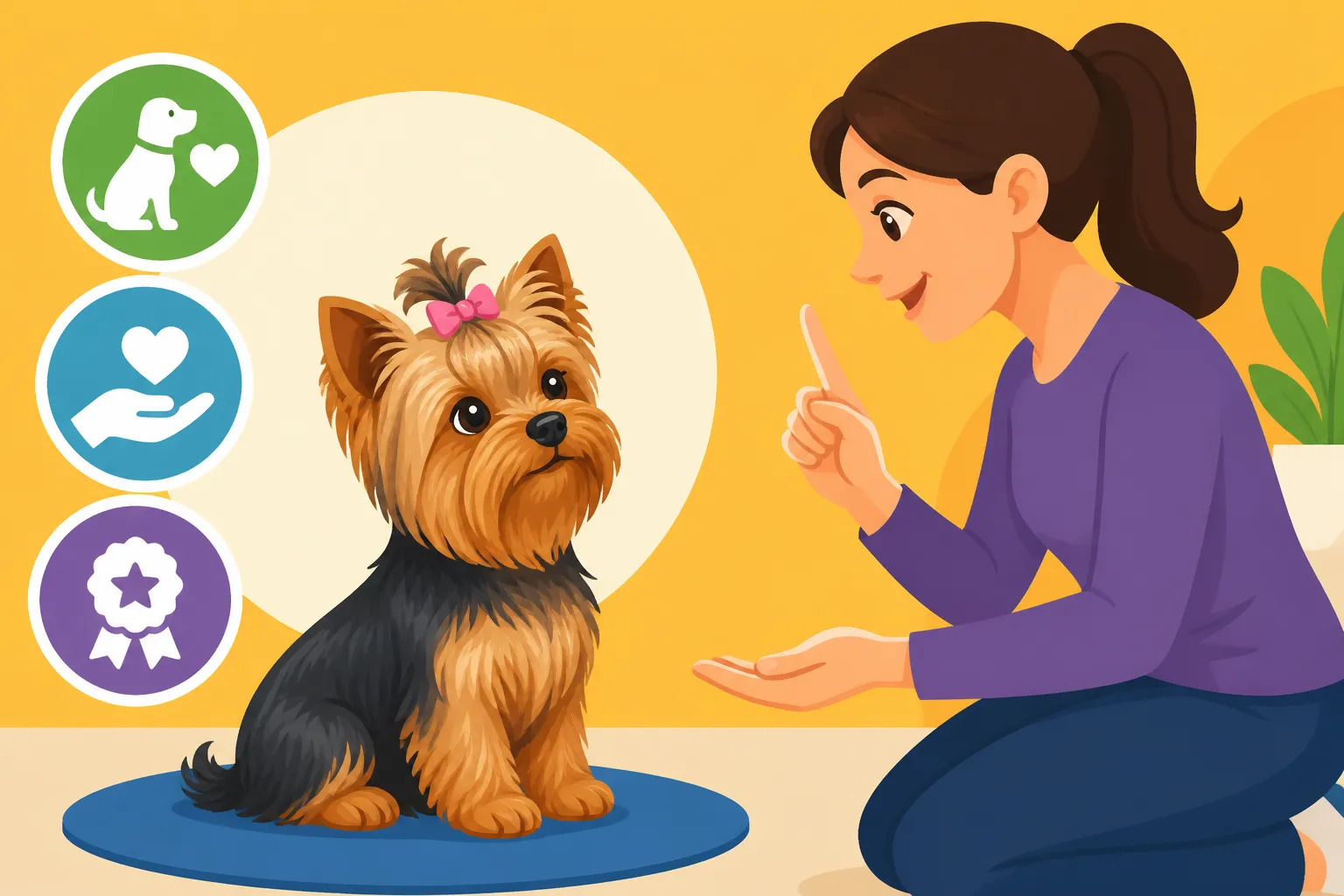
Positive reinforcement is about rewarding behaviors you want to see repeated. For example, if your Yorkie sits when asked, immediately give them a treat, a verbal "good sit!", or a quick scratch behind the ears – whatever they find most rewarding. This creates a positive association: "When I do X, I get Y (something I love!)." Avoid punishment-based methods, which can create fear, damage your bond, and suppress behaviors without teaching your Yorkie what to do instead. Yorkies, like all dogs, respond much better to being shown what's right than being reprimanded for what's wrong. For more insights, delve into "Positive Reinforcement Training for Yorkies."
Essential Basic Commands for Yorkshire Terriers
Mastering a few fundamental commands is crucial for your Yorkie's safety, your peace of mind, and the overall enjoyment of your life together. These aren't just parlor tricks; they're tools for communication and control in various situations.
Sit, Stay, and Come
These three commands are the holy trinity of basic obedience and form the foundation for almost everything else.
Sit:
Teaching "sit" is usually the easiest starting point for most Yorkies. Hold a high-value treat near your Yorkie's nose. Slowly move the treat upwards and slightly back over their head. As their nose follows the treat, their rear end will naturally lower into a sit. The moment their bottom touches the ground, say "Sit!" enthusiastically and immediately give them the treat. Repeat this many times in short sessions. Once they're reliably sitting with the lure, start saying "Sit!" before moving the treat, then gradually fade the lure until your verbal command alone prompts the action. This command is fantastic for polite greetings, waiting for food, or simply getting your Yorkie to settle down for a moment.
Stay:
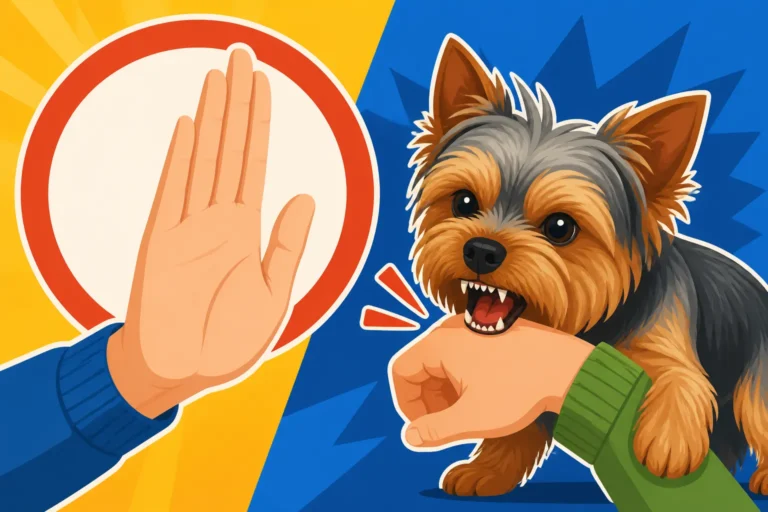
"Stay" is a progression from "sit." Once your Yorkie reliably sits, tell them "Sit!" Then, with your hand held flat like a stop sign, say "Stay." Take a single step back. If they remain, immediately step forward, praise, and reward. If they break the "stay," calmly lead them back to the original spot and try again. Gradually increase your distance and the duration of the "stay" before rewarding. The key here is to build up slowly, ensuring success at each step. A solid "stay" can be a lifesaver, whether you're opening the front door or need them to hold still for a quick picture.
Come (Recall):
This is arguably the most critical command for your Yorkie's safety. A reliable "come" means you can call your Yorkie back from potential danger or an undesirable situation. Start in a quiet, distraction-free environment. Get down on their level, use an excited, happy voice, and say "Come!" while backing away. When they reach you, make a huge fuss, offering multiple treats and praise. Never punish your Yorkie when they come to you, even if they were doing something naughty beforehand; you want them to always associate coming to you with positive outcomes. Practice frequently in different locations with increasing distractions.
Down and Leave It
These commands provide additional layers of control and can prevent unwanted behaviors.
Down:
"Down" is often a bit more challenging than "sit" for many dogs, as it requires a more submissive posture. Start with your Yorkie in a sitting position. Hold a treat in your closed fist and bring it from their nose straight down to the floor between their paws, then slowly slide it away from them. Their body should follow the treat, lowering into a down position. As soon as they are down, say "Down!" and release the treat. Again, repeat this frequently in short bursts, fading the lure as they understand the command. A "down" can be useful for calming an excited Yorkie or keeping them out of the way in busy situations.
Leave It:
This command is invaluable for protecting your Yorkie from harmful objects and teaching them impulse control. Begin by placing a low-value treat on the floor and covering it with your hand. When your Yorkie tries to sniff or lick your hand, keep it covered. The moment they look away from the treat, even for a split second, say "Yes!" and reward them with a different, high-value treat from your other hand. This teaches them that ignoring the undesirable item leads to something even better. Once they reliably disengage from the covered treat, move to an uncovered treat, then gradually increase the value of the "leave it" item and the distractions. "Leave It" is essential for walks to prevent them from eating questionable things off the ground or getting into household dangers.
House Training and Crate Training Fundamentals
These two areas are often the biggest pain points for new Yorkie owners, but with patience and the right strategy, your Yorkie can become a perfectly house-trained companion.
Mastering Potty Training
Yorkies can be notoriously difficult to potty train, and many owners feel like they're fighting a losing battle. Their small bladders, combined with a stubborn streak, often lead to frustration. The secret? Extreme consistency and a vigilant schedule. Forget about waiting for them to tell you they need to go; you need to dictate when they go. Take your puppy out every 1-2 hours initially, immediately after waking up, after eating or drinking, and before bed. For adult Yorkies, aim for at least every 4-6 hours. Take them to the same designated potty spot every time.
When they successfully go potty outside, immediately praise them enthusiastically ("Good potty!") and give them a special high-value treat they only get for this purpose. This creates a strong positive association. If they have an accident inside, do not scold or punish them. Simply clean it up thoroughly with an enzymatic cleaner to eliminate odors that might attract them back to the same spot. Punishment after the fact is ineffective because dogs don't associate it with the act of going potty; they just associate it with you being angry. "How Long Does It Take to Potty Train a Yorkie" is a common question, and the answer is: it varies, but consistency is key. Addressing "Yorkie Potty Training Regression" might also require going back to basics with heightened vigilance.
Making the Crate a Safe Haven
Crate training, when done correctly, is one of the kindest things you can do for your Yorkshire Terrier. It provides them with a safe, secure den, aids immensely in potty training, and prevents destructive behaviors when you can't supervise them. The goal is for the crate to be a positive space, not a punishment. Start by making the crate inviting with a soft bed, a favorite toy, and an open door. Never force your Yorkie into the crate.
Introduce the crate gradually. Toss treats inside and let them go in and out freely. Feed meals inside the crate with the door open, then with the door closed for short periods while you're right there. Gradually increase the time they spend in the crate, always returning before they start to fuss. Associate the crate with positive things like chew toys or special puzzle feeders. If your Yorkie is prone to "Yorkie Separation Anxiety: Signs and Fixes," the crate can actually be a comforting tool, provided it's introduced positively. Remember, the crate should be just big enough for them to stand up, turn around, and lie down comfortably – too big, and they might use one end as a bathroom.
Leash Training and Socialization Importance
Leash training and socialization are vital for integrating your Yorkie into your family and the wider world, ensuring they are comfortable and well-behaved in various environments.
Walking Nicely on Leash
For such tiny dogs, Yorkies can be surprisingly strong pullers, often due to excitement or anxiety. Starting early with leash training is best. Begin by simply getting your Yorkie comfortable wearing a harness. Because of their delicate tracheas, a harness is always recommended over a collar for Yorkies to prevent tracheal collapse or injury. Once they're used to the harness, attach the leash and let them drag it around the house under supervision. Then, practice walking with the leash inside, rewarding them for walking calmly beside you.
When you move outdoors, remember that the world is a giant, fascinating place for a little Yorkie. They'll want to sniff everything! Start in a quiet area. Hold the leash firmly but gently, and if they pull, stop walking immediately. Only resume walking when the leash loosens. This teaches them that pulling gets them nowhere. Keep treats handy and reward them for walking with a loose leash. Short, frequent walks are better than long, overwhelming ones initially. This guidance can be expanded by looking at "Yorkie Leash and Harness Training".
Introducing Your Yorkie to the World
Socialization isn't just about playing with other dogs; it's about exposing your Yorkie to a wide variety of people, places, sounds, and textures in a positive and controlled manner. This helps prevent fear-based aggression or anxiety later in life. For puppies, the critical socialization window is generally between 3 to 16 weeks, but it's important to continue throughout their lives. Take your Yorkie on car rides, walks in the park, visits to pet-friendly stores, and even just sitting on a bench to watch the world go by.
Introduce them to different types of people (men, women, children, people with hats or glasses) and other calm, vaccinated dogs, always ensuring these interactions are positive and stress-free. If your Yorkie seems overwhelmed, remove them from the situation gently. Never force an interaction. The goal is to build positive associations with new experiences. A well-socialized Yorkie is confident and adaptable, less likely to bark excessively at strangers or become fearful in new situations. This also covers "How to Introduce a Yorkie to Other Dogs" properly and safely.
Addressing Common Yorkie Behavior Challenges
Even with the best intentions and consistent training, Yorkies can develop specific behavioral quirks. Understanding the root cause and having a strategy can help you navigate these common hurdles.
Tackling Excessive Barking
Oh, the infamous Yorkie bark! It's one of the most common complaints owners have, and it can be incredibly irritating for both you and your neighbors. Yorkies bark for many reasons: alert barking (they hear something outside), attention-seeking, boredom, anxiety, or even just excitement. The first step is to identify why your Yorkie is barking. Is it at every person walking past the window? Are they barking for food or play? Do they bark when left alone? You might want to refer to "How to Stop Yorkie Excessive Barking" for more detailed advice.
Once you know the trigger, you can address it. For alert barking, try managing their environment by closing curtains or using frosted window film. For attention-seeking barking, never reward it. If they bark for attention, turn your back, walk away, or ignore them completely. The moment they are quiet, then reward them. For boredom, increase mental stimulation with puzzle toys or short training sessions. If anxiety is the cause, you might need to consult a professional behaviorist. Teaching the "Quiet" command, where you reward silence after a bark, can also be very effective.
Managing Nipping and Chewing
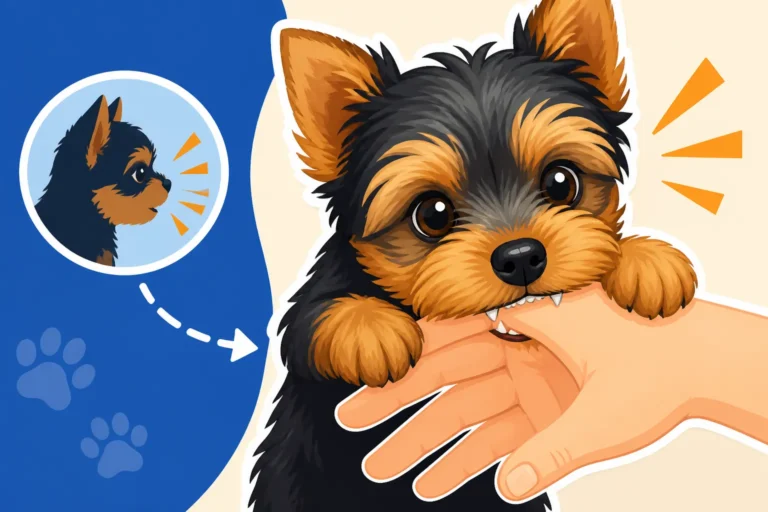
Puppies explore the world with their mouths, so some nipping and chewing are completely normal. However, for a Yorkie, this can become a persistent problem if not managed. When a puppy nips, redirect their attention immediately to an appropriate chew toy. If they continue to nip your hands, let out a high-pitched "ouch!" and withdraw your hand, ending playtime for a few moments. This mimics how littermates teach bite inhibition.
For older Yorkies who chew inappropriately, ensure they have a wide variety of appropriate chew toys available. Rotate them to keep things interesting. Make sure these toys are small enough for their mouths but not so small they could be swallowed. Look for durable options designed for small, strong chewers. Bitter apple spray (available on Amazon) can be applied to furniture legs or other tempting but off-limits items to deter chewing. Boredom is a huge driver of destructive chewing, so ensure your Yorkie gets enough physical exercise and mental stimulation. Consider giving them a treat-dispensing toy to keep them occupied and mentally engaged.
Advanced Training and Continued Learning
Obedience training doesn't stop once your Yorkie knows "sit" and "stay." There's a whole world of learning and bonding to explore, enriching both your lives.
Expanding Their Skillset
Once your Yorkie has mastered the basics, you can move on to more advanced commands and tricks. Think about teaching them "spin," "weave" through your legs, "play dead," or even practical commands like "go to your mat" (a place command). These activities aren't just for show; they provide crucial mental stimulation, which is especially important for intelligent breeds like Yorkies. A mentally challenged Yorkie is often a well-behaved Yorkie.
Consider enrolling in a local obedience class or exploring online training programs like those offered by BAXTER & Bella. Group classes offer the added benefit of controlled socialization in a learning environment, while online resources provide flexibility. Learning new tricks also reinforces your bond and trust, making your Yorkie more responsive to you in general. The more ways you communicate and interact, the stronger your partnership becomes.
Keeping Training Fun and Engaging
The biggest mistake you can make with an intelligent dog like a Yorkie is to make training feel like a chore. If it's boring for you, it's doubly boring for them, and they'll quickly lose interest. Keep training sessions short, generally no more than 10-15 minutes, and always end on a positive note, even if it means asking them to do an easy command they know well and rewarding them lavishly.
Incorporate training into your daily routine. Ask your Yorkie to "sit" before receiving their meal or "stay" before you open the door for a walk. Play training games like hide-and-seek with treats, or practice commands during your daily walks. Use a variety of rewards, including different types of treats, enthusiastic praise, and playtime with a favorite toy. Vary the location of your training sessions to help your Yorkie generalize commands to different environments. This ensures that a "sit" in the living room means the same as a "sit" at the park. Remember, a happy, engaged learner is a successful learner, and this applies to "How to Train an Older Rescue Yorkie" just as much as a puppy.
When to Seek Professional Help
Sometimes, despite your best efforts, you might encounter training plateaus or behavioral issues that feel beyond your capabilities. This is completely normal, and there's no shame in seeking expert guidance.
Recognizing When You Need Extra Support
There are several signs that it might be time to bring in a professional dog trainer or a veterinary behaviorist. If your Yorkie's behavior is causing significant stress in your household, if you feel unsafe or overwhelmed, or if traditional training methods aren't yielding results, it's time for outside help. Persistent aggression (towards people or other animals), severe separation anxiety, compulsive behaviors, or intense fear are all complex issues that often require a specialist's nuanced approach.
Don't wait until the problem becomes entrenched. The sooner you seek help, the easier it often is to modify the behavior. Sometimes, a "Yorkie Training Mistakes to Avoid" situation has occurred, and a professional can help identify and correct it. A good professional can offer personalized strategies, identify underlying medical causes for behavior changes, and teach you how to effectively communicate with your unique Yorkie.
Finding the Right Trainer for Your Yorkie
Choosing the right professional is crucial. Look for trainers who use positive reinforcement methods exclusively. Avoid anyone who suggests harsh corrections, punitive tools (like prong collars or shock collars), or outdated dominance theory. These methods can damage your Yorkie's trust, create fear, and exacerbate behavioral issues, especially in a sensitive breed like the Yorkshire Terrier.
Look for certifications (e.g., CPDT-KA, KPA CTP) and ask for references. Interview potential trainers to ensure their philosophy aligns with yours. A good trainer will teach you how to train your dog, empowering you with the skills and knowledge to continue building a strong relationship. They should be transparent about their methods and goals, and you should feel comfortable and confident in their approach. Your veterinarian can often provide recommendations for reputable local trainers or behaviorists.
Here's a quick overview of some basic commands and their benefits:
| Command | Description | Key Benefits | Training Tip |
|---|---|---|---|
| Sit | Dog places hindquarters on the ground. | Polite greetings, waiting for food, impulse control. | Lure with a treat over the head, rewarding immediately when the bottom touches the floor. |
| Stay | Dog remains in position (sit/down) until released. | Safety, waiting for doors, polite manners in public. | Start with short durations and small distances, gradually increasing. Always release and reward. |
| Come | Dog promptly returns to you when called. | Critical for safety, recall from distractions, strengthens bond. | Make it the most fun thing ever! Use an excited voice, treats, and praise. Never scold when they come. |
| Down | Dog lies on the ground. | Calming, settling, extended stays, good for vet visits or grooming. | Lure with a treat from the nose down to the floor and away. |
| Leave It | Dog disengages from an undesirable item. | Prevents eating harmful objects, protects household items, impulse control. | Reward for looking away from a forbidden item (covered initially), then reward with a different high-value treat. |
| Quiet | Dog stops barking on command. | Reduces nuisance barking, manages alertness, improves peace in the home. | Allow a few barks, then interrupt (e.g., a quiet "shhh"), and reward immediately the moment they are silent. |
| Loose-Leash Walking | Dog walks beside you without pulling. | Enjoyable walks for both, prevents neck/trachea injury, better control in public. | Stop walking the moment they pull. Only resume when the leash is loose. Reward for walking calmly. Use a harness! |
Disclaimer
This article is for general informational purposes only and does not constitute professional advice. Laws, prices and regulations vary by location and change over time. Consult a qualified professional for guidance on your specific situation.