Yorkshire Terrier Puppy Training Schedule
Bringing a new Yorkshire Terrier puppy into your home is an incredibly exciting time, but let's be honest, it can also feel like navigating a tiny, adorable, fuzzy tornado! Many new Yorkie parents quickly realize that these intelligent, often stubborn little dogs need clear guidance and consistent training from day one. Without a structured approach, you might find yourself with a tiny tyrant ruling the roost. This comprehensive guide is designed to help you establish a realistic and effective training schedule, setting both you and your Yorkie puppy up for a lifetime of happy companionship.
Understanding Your Yorkie Puppy's Development Stages
Before we dive into specific training techniques, it's really helpful to understand the different developmental stages your Yorkie puppy will go through. Knowing what to expect at each phase allows you to tailor your training, set appropriate expectations, and avoid unnecessary frustration. Think of it like teaching a child – you wouldn't expect a toddler to grasp algebra, and similarly, a young puppy has different learning capabilities and needs than an older one.
The Early Weeks: From Breeder to Your Home (8-12 weeks)
This is a critical period for your Yorkie puppy. Most reputable breeders will keep puppies with their mother and littermates until at least 8 weeks of age, sometimes even longer for toy breeds like Yorkies who are particularly tiny and delicate. During these initial weeks at home, your puppy is absorbing everything. They are learning about their new environment, their human family, and the basic rules of your house. It’s a time for gentle introductions, establishing trust, and beginning very simple routines.
At this age, their attention span is incredibly short, often just a few seconds, so training sessions need to be frequent, very brief (2-5 minutes tops), and incredibly positive. Focus on foundational elements like potty training, crate conditioning, and beginning to understand their name. Don't expect perfection; consistency and patience are your best friends here. This is also when they start to learn bite inhibition, ideally from their littermates, but you'll need to continue that lesson with gentle redirection if they nip too hard.
The Fear Period and Socialization Window (12-16 weeks)
Around 12 to 16 weeks, your Yorkie puppy enters what's often referred to as a "fear period." This is a time when they might suddenly become afraid of things they previously ignored, or new experiences can make a strong, lasting impression. This period often coincides with a crucial socialization window that typically closes around 16 weeks. This means it's absolutely vital to expose your puppy to as many new, positive experiences as possible during this time, but always in a safe and controlled manner.
Think about introducing them to different people, sights, sounds, and even textures under positive reinforcement. For example, a trip to a pet-friendly store like PetSmart or Petco, carried in your arms, can expose them to new environments without overwhelming them. A good online training program, like the one offered by BAXTER & Bella, can also provide structured guidance on how to safely navigate this critical socialization period, offering video tutorials and support that can be invaluable. It's not about forcing them into scary situations, but rather about creating positive associations with novelty.
Adolescent Antics and Refining Skills (4-6 months)
As your Yorkie puppy moves past 4 months and into adolescence, they'll often experience a "teenage" phase. Just like human teenagers, they might test boundaries, seem to "forget" previously learned commands, and develop a newfound sense of independence (and sometimes stubbornness!). This is usually when their personality really starts to shine through, but it can also be a challenging time for training.
During these months, you'll want to focus on refining the basic commands you started earlier, making them more reliable even with distractions. This is also a great time to introduce more complex skills and begin working on leash manners more consistently. Their physical coordination is improving, and their bladder control is getting stronger, which can make potty training a bit easier, assuming you've been consistent. Remember, consistency remains key – don't let those adorable puppy eyes trick you into letting rules slide!
Setting the Foundation: The First Few Days and Weeks
The moment your Yorkie puppy crosses the threshold of your home, training begins. It's not about formal lessons at this point, but about establishing structure, routine, and a sense of security. This early period lays the groundwork for all future learning and helps your puppy feel safe and confident in their new environment. Many owners underestimate the importance of these initial steps, but they are truly foundational.
Creating a Safe and Stimulating Environment
Your tiny Yorkie puppy needs a designated "safe space" right from the start. This could be a small crate in a quiet area or a playpen. This space should be comfortable, inviting, and consistently used for sleeping and quiet time. Avoid placing their crate in a high-traffic area, as they need peace to rest and feel secure. Make sure to puppy-proof your home rigorously. Yorkies are naturally curious and can get into surprisingly small spaces. Remove any choking hazards, toxic plants, electrical cords, or anything else they might chew.
Providing appropriate toys is also crucial. Look for sturdy, small toys suitable for tiny mouths that can withstand chewing. Puzzle toys are excellent for mental stimulation, which is just as important as physical exercise for a smart breed like a Yorkie. Having a variety of textures and types available on sites like Amazon can keep them engaged and prevent boredom, which often leads to destructive chewing.
Establishing Routine and Trust
Yorkie puppies thrive on predictability. Establishing a consistent daily routine for feeding, potty breaks, playtime, and sleep will help them feel secure and understand what's expected of them. For instance, waking up at the same time each morning, going out to potty, then breakfast, followed by a short play session, then a nap. This rhythm reduces anxiety and makes house training much easier because their bodies learn to anticipate when it's time to relieve themselves.
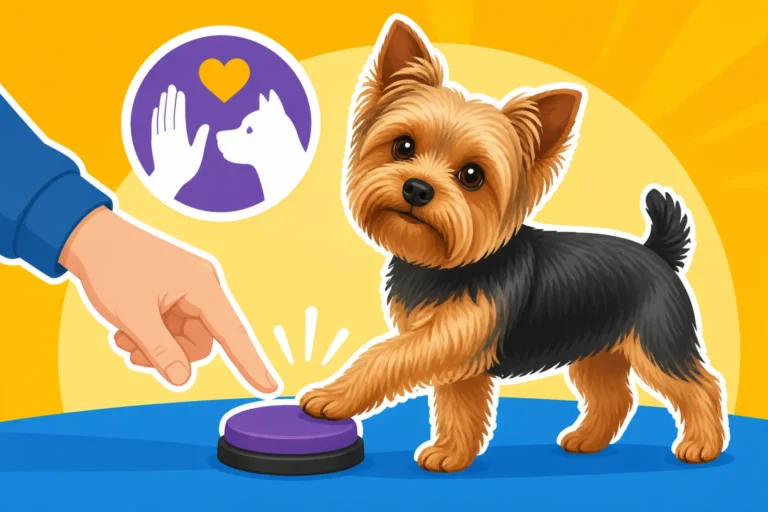
Building trust is paramount. Always use positive reinforcement methods. When your puppy does something you like – whether it's pottying outside, sitting calmly, or coming when called – reward them immediately with praise, a small high-value treat, or a favorite toy. Never punish them harshly or scare them, as this can break their trust and make them fearful, which hinders future training efforts. Gentle handling and a calm, reassuring tone of voice will go a long way in fostering a strong bond with your new furry family member.
Potty Training Perfection: A Step-by-Step Approach
Potty training is often cited as one of the biggest challenges with small breeds like Yorkshire Terriers. They have tiny bladders, and their accidents can be easy to miss. But with patience and consistency, your Yorkie can absolutely become reliably house-trained. The key is to be proactive and make it virtually impossible for them to make a mistake inside the house.
Crate Training for Potty Success
A properly introduced crate is an invaluable tool for potty training your Yorkie. Dogs naturally prefer not to soil their sleeping area, so a crate, when used correctly, leverages this instinct. The crate should be just large enough for your puppy to stand up, turn around, and lie down comfortably. If it's too big, they might use one end as a potty area. You can find excellent crate options for small breeds on Amazon, often with dividers to adjust the size as they grow.
Introduce the crate gradually, making it a positive place. Feed them meals inside, toss treats in, and never use it for punishment. When your puppy is in the crate, they are less likely to have an accident. This helps them learn to "hold it" and build bladder control. Remember, even with crate training, frequent potty breaks are essential, especially for young puppies who can't hold it for long. For a deeper dive into this topic, refer to our guide on Yorkshire Terrier Crate Training Guide.
Consistent Outdoor Potty Breaks and Rewards
Frequency is the name of the game with puppy potty training. Young Yorkie puppies need to go out every 1-2 hours, immediately after waking up, after eating or drinking, after playing, and before bedtime. Carry them outside to their designated potty spot to minimize the chance of an accident on the way. Once they eliminate, praise them enthusiastically and give them a high-value treat immediately. This instant reward helps them connect the act of pottying outside with something positive.
Make sure everyone in the household is on the same page about the potty schedule and uses the same commands (e.g., "Go potty!"). Consistency from every family member is crucial for your Yorkie to understand what is expected. Using a leash, even in your yard, can help focus them on the task at hand rather than getting distracted by smells or sights. Over time, as their bladder control improves, you can gradually extend the time between breaks.
Handling Accidents and Preventing Regression
Accidents will happen, especially in the early stages. The most important thing is how you react. If you catch your Yorkie in the act, calmly interrupt them with a clap or a gentle "No!" and immediately take them outside to their potty spot. If they finish outside, reward them. If you discover an accident after the fact, simply clean it up thoroughly with an enzymatic cleaner (to eliminate odors that might attract them back to the same spot) and resolve to supervise more closely next time. Never scold or punish your puppy for an accident, as they won't understand why they're being punished and it can create fear and anxiety, making them hide their pottying from you.
Potty training regression can occur during adolescence or if there's a change in routine. If your previously house-trained Yorkie starts having accidents, revisit the basics: more frequent trips outside, closer supervision, and reinforcing good habits. Sometimes, underlying health issues can cause sudden accidents, so if regression is persistent, a vet visit is always a good idea. Our article on Why Yorkies Are So Hard to Potty Train offers more detailed solutions.
Essential Obedience Commands for Your Yorkie
Teaching your Yorkie puppy basic obedience commands is not just about showing off tricks; it’s about building a strong communication foundation, ensuring their safety, and strengthening your bond. These commands provide mental stimulation and give your puppy a sense of purpose. Start with short, positive sessions and gradually increase duration and distractions.
Sit, Stay, and Come: Building a Strong Recall
"Sit" is often the first command taught and is fundamental. Hold a treat near your puppy's nose and move it slowly backward over their head. As their nose follows the treat, their rear end will naturally lower into a sit. As soon as their bottom touches the ground, say "Sit!" and immediately reward them. Repeat this many times a day in short bursts. Once they reliably sit, you can start phasing out the treat as a lure and use it only as a reward.
"Stay" builds on "Sit." Once they are sitting, say "Stay," take one step back, pause for a second, then step forward and reward if they remain seated. Gradually increase distance and duration. "Come" or recall is perhaps the most vital command for safety. Start in a small, distraction-free area. Say "Come!" in an excited voice, crouch down, and offer a high-value treat or favorite toy. When they come, praise and reward generously. Never use "Come" to do something unpleasant, like give them a bath or end a fun play session, as this can create a negative association. Learn more about teaching this crucial command in How to Teach a Yorkie to Come When Called.
Leash Training and Polite Walking
Introducing the leash and harness early is important, even before they are fully vaccinated for outdoor walks. Yorkies have delicate tracheas, so a harness is always recommended over a collar for walks to prevent tracheal collapse. Start by letting them wear a lightweight harness for short periods inside, associating it with positive experiences like treats or playtime. Once they're comfortable, attach a leash and let them drag it around under supervision.
Begin short walks around your house or yard. When they pull, stop walking. When the leash slackens, immediately praise and continue forward. This teaches them that pulling gets them nowhere, but a loose leash earns them progress. Keep sessions brief and positive. Avoid forcing them, as this can make them dislike the leash. Many Yorkies are prone to breathing issues, so using a properly fitted harness, like those found on Amazon specifically designed for small breeds, is critical. For more on safe walking, read Why Harnesses Are Better Than Collars for Yorkies.
"Leave It" and "Drop It": Safety First
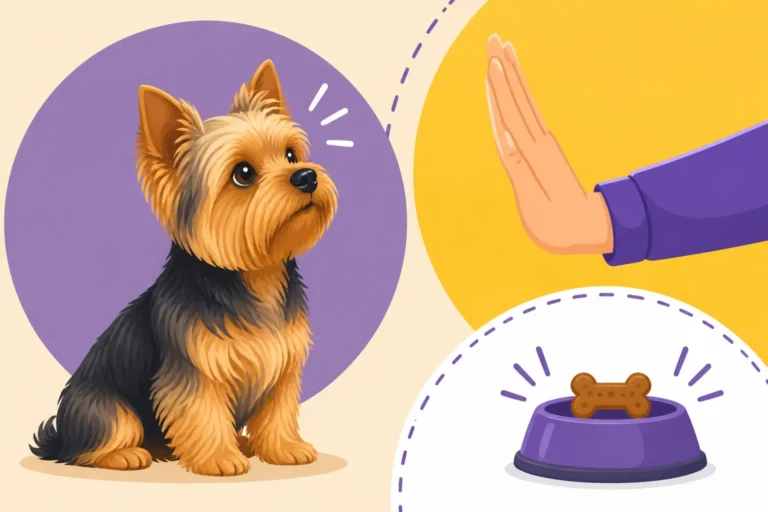
These two commands are crucial for your Yorkie's safety, preventing them from ingesting harmful items or guarding possessions. To teach "Leave It," place a low-value treat on the floor and cover it with your hand. When your puppy tries to get it, say "Leave It!" and keep your hand covered. The moment they look away from the treat, even for a split second, immediately praise and reward with a different, higher-value treat from your other hand. Gradually progress to leaving the treat uncovered, increasing distance and duration before rewarding.
"Drop It" is useful for getting your Yorkie to release something they shouldn't have. Start with a toy they like but aren't obsessed with. Offer a high-value treat near their nose. When they open their mouth to investigate the treat, say "Drop It!" and when they release the toy, immediately give them the treat. Once they reliably drop the toy, pick it up and offer it back to them, making it a positive exchange rather than a confiscation. Practice this frequently with various items.
Socialization Beyond the Basics
Socialization is far more than just letting your puppy meet other dogs. It’s about creating a well-adjusted, confident adult dog who can navigate the world without fear or aggression. For a small breed like a Yorkie, who can easily be overwhelmed, careful and positive socialization is paramount.
Introducing Your Yorkie to People and Other Dogs
Once your Yorkie puppy has completed their initial vaccination series (usually around 16 weeks), it's safe to introduce them to a wider world. Arrange carefully supervised playdates with friendly, vaccinated adult dogs and other puppies of a similar size and play style. Avoid dog parks initially, as they can be overwhelming and potentially dangerous for small puppies. Puppy classes are an excellent way to provide structured, safe socialization with other puppies and people, and many pet stores offer them.
Introduce your puppy to a variety of people, including children, men, women, and people wearing hats, glasses, or uniforms. Always ensure these interactions are positive. Ask people to offer a treat or engage in gentle play. Never force your puppy into an interaction if they seem fearful. The goal is positive exposure, not inundation. For guidance on safe introductions, refer to our article on How to Socialize a Yorkie Puppy.
Exposing Them to New Sights, Sounds, and Experiences
The world is full of novelties, and a well-socialized Yorkie should be comfortable with most of them. Take your puppy on short, positive outings. This could mean a car ride to get a coffee (with them safely in a carrier), walking on different surfaces like grass, concrete, and carpet, or hearing various sounds like doorbells, vacuums, or city noises. Again, ensure these experiences are positive by pairing them with treats and praise.
Consider a puppy outing checklist to ensure you’re covering a wide range of experiences. This might include: riding in the car, visiting a friend's house, walking past a construction site (from a safe distance), hearing children playing, or seeing someone on a bicycle. The more positive experiences your puppy has with new things during their critical socialization window and beyond, the more resilient and confident they will become. Even watching people and dogs from a safe distance, while carried in your arms, can be a form of positive exposure for tiny Yorkies.
Addressing Common Puppy Challenges
Even with the best training schedule, Yorkie puppies can present a few common challenges. These aren't signs of a "bad" dog, but rather normal puppy behaviors that require consistent redirection and understanding. Tackling them early and with the right approach will prevent them from becoming entrenched habits in adulthood.
Nipping, Biting, and Chewing Management
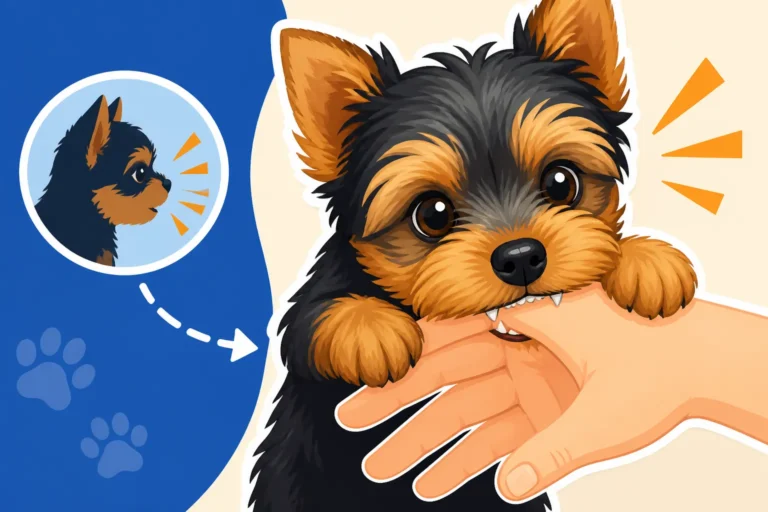
Puppy nipping and biting are normal exploratory behaviors, but for tiny Yorkies with sharp puppy teeth, it can hurt! It's how they learn about their world and how hard they can bite. When your Yorkie puppy nips too hard during play, let out a high-pitched "ouch!" or "yip!" and immediately withdraw attention for 10-20 seconds. This mimics how another puppy would react and teaches them that hard bites end the fun. After a short break, you can resume play.
Redirect chewing onto appropriate toys. Always have a variety of chew toys readily available. If your Yorkie starts chewing on furniture, shoes, or hands, immediately redirect them to an approved chew toy with a cheerful "Here, chew this!" Consider using safe, long-lasting chews or puzzle toys available on Amazon to keep them occupied. Bitter apple spray on inappropriate items can also deter chewing, but it's essential to offer an alternative they can chew on. Our guide on Yorkie Puppy Biting Phase Explained offers further tips.
Managing Excessive Barking
Yorkies are known for being vocal, and their barking can sometimes get out of hand. Early intervention is key. First, identify why your Yorkie is barking. Are they bored? Seeking attention? Alerting you to someone at the door? Once you know the trigger, you can address it. For attention barking, ignore it completely. The moment they are quiet, even for a second, reward them. This teaches them that silence gets attention, not barking.
For alert barking, teach the "Quiet" command. When they bark at a trigger, let them bark a few times, then gently interrupt the barking (e.g., make a quiet shushing sound or cover their mouth for a second if they're comfortable with it), say "Quiet," and immediately reward them with a high-value treat the moment they stop barking. Gradually increase the duration of silence before the reward. Desensitization to triggers, like the doorbell, can also help. Practice ringing the doorbell yourself and immediately rewarding quiet behavior before the dog even has a chance to bark. More insights can be found in How to Stop a Yorkie from Barking.
Preventing Separation Anxiety Early On
Yorkies are highly social dogs and can be prone to separation anxiety if not managed properly from puppyhood. The goal is to teach your puppy that being alone is a normal, non-scary part of life. Start by leaving them alone for very short periods (a few minutes) while you're still in the house, perhaps in their crate with a safe chew toy or puzzle. Gradually increase the time you're out of sight.
Avoid making a big fuss when you leave or return. A calm "see you later" and a quiet return are best. Ensure they've had a potty break and some mental and physical exercise before you leave. Investing in a pet camera can help you monitor their behavior and understand if they are truly experiencing anxiety or just being a typical puppy. Sometimes, professional guidance from a certified dog trainer, like those associated with BAXTER & Bella, can provide tailored strategies for preventing separation anxiety. Our resource on Yorkshire Terrier Separation Anxiety Solutions offers deeper insights.
Beyond the Basics: Advanced Training and Lifelong Learning
Training isn't a one-and-done event; it's a lifelong journey with your Yorkie. As they mature, you can explore more advanced skills and activities that keep their minds sharp and continue to strengthen your bond. Never underestimate the intelligence of these little dogs!
Continuing Education and Dog Sports
Once your Yorkie has mastered basic obedience, consider enrolling in advanced obedience classes, trick training, or even dog sports. Yorkies, despite their size, can excel in activities like agility, rally obedience, or even scent work. These activities provide fantastic physical and mental stimulation, which is crucial for preventing boredom and related behavioral issues. Agility, for example, allows them to run, jump, and weave through obstacles, building confidence and coordination.
Even if formal sports aren't your thing, simply teaching new tricks keeps their minds engaged. "Spin," "weave," "play dead," or "fetch" are all fun ways to continue building on their foundation. The key is to make it enjoyable for both of you, using positive reinforcement and keeping sessions upbeat and short. A well-exercised and mentally stimulated Yorkie is a happy and well-behaved Yorkie.
Maintaining Good Habits and Preventing Behavioral Issues
Consistency throughout your Yorkie's life is paramount. Don't fall into the trap of thinking "they know it now, so I don't have to practice." Regular refreshers of basic commands and polite manners are essential. This could be as simple as asking them to "Sit" before getting their meal or "Stay" when the doorbell rings. These small, daily reinforcements prevent old habits from creeping back in.
Continue to provide plenty of exercise, mental enrichment, and social interaction. A bored Yorkie is more likely to invent their own (often undesirable) entertainment. If new behavioral issues emerge as they age, address them promptly and consider consulting a professional dog trainer or veterinary behaviorist. Early intervention is always more effective than waiting for problems to become deeply ingrained. Our guide on How to Keep a Yorkshire Terrier Healthy emphasizes the importance of a holistic approach to their well-being, including mental health.
Creating a Personalized Training Schedule
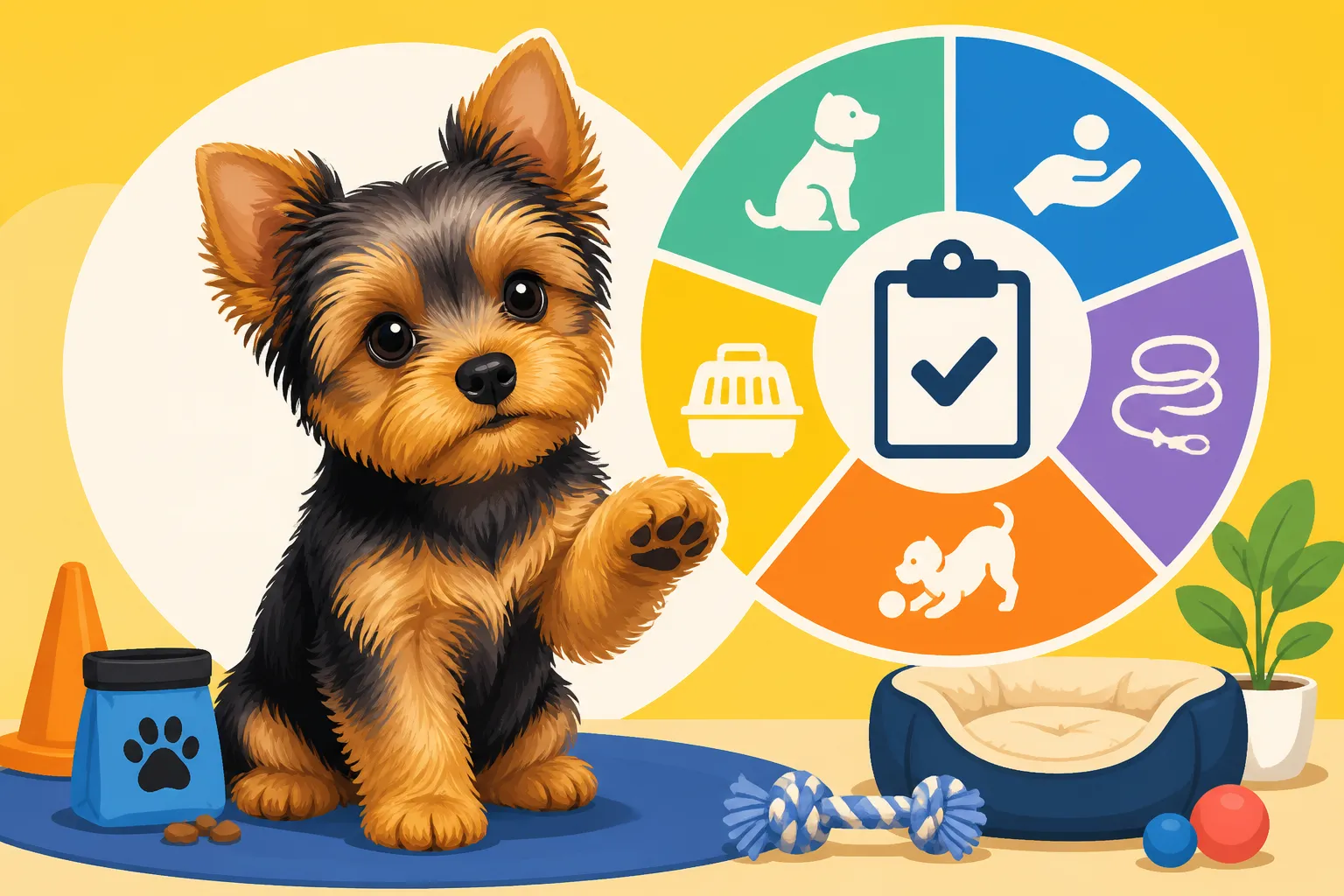
Every Yorkie and every family is unique, so while a general schedule provides a great framework, don't be afraid to adapt it to fit your specific lifestyle and your puppy's individual needs and energy levels. The most important thing is consistency, not rigid adherence to a clock.
Sample Daily Schedule for a Yorkie Puppy
Here’s a sample schedule for a typical 8-12 week old Yorkie puppy. Remember, this is a starting point, and meal times and specific activities will vary.
| Time | Activity | Notes |
|---|---|---|
| 7:00 AM | Wake Up & Immediate Potty Break | Carry puppy outside. Praise and reward. |
| 7:15 AM | Breakfast | Feed in crate or designated area. |
| 7:30 AM | Potty Break | Always after eating! |
| 7:45 AM | Short Play/Training Session (5-10 min) | Focus on 1-2 commands (e.g., Sit). Use treats. |
| 8:00 AM | Potty Break | |
| 8:15 AM | Crate Time/Nap | Offer a safe chew toy. Keep crate near you initially. |
| 10:00 AM | Wake Up & Immediate Potty Break | |
| 10:15 AM | Playtime/Socialization | Gentle interactions, exposure to new sounds. |
| 10:45 AM | Potty Break | |
| 11:00 AM | Lunch | Second meal of the day. |
| 11:15 AM | Potty Break | |
| 11:30 AM | Short Training (5-10 min) | New command or review previous ones. |
| 11:45 AM | Potty Break | |
| 12:00 PM | Crate Time/Nap | Longer nap. |
| 2:00 PM | Wake Up & Immediate Potty Break | |
| 2:15 PM | Supervised Play/Exploration | Allow sniffing, chewing on appropriate toys. |
| 2:45 PM | Potty Break | |
| 3:00 PM | Short Training (5-10 min) | Review and reinforce. |
| 3:15 PM | Potty Break | |
| 3:30 PM | Crate Time/Nap | |
| 5:00 PM | Wake Up & Immediate Potty Break | |
| 5:15 PM | Dinner | Third meal. |
| 5:30 PM | Potty Break | |
| 5:45 PM | Family Playtime | Gentle games, bonding. |
| 6:30 PM | Potty Break | |
| 7:00 PM | Quiet Time/Cuddle | Wind down, gentle petting. |
| 8:00 PM | Potty Break | Last chance before bed. |
| 8:30 PM | Bedtime in Crate | Cover crate if desired. Use a comforting chew. |
| (Middle of Night) | Emergency Potty Break (as needed) | Quietly take out, no play, back to crate immediately. |
This schedule provides frequent potty breaks and integrates short bursts of training and play, followed by crucial nap times. Young puppies sleep a lot! Don't forget that as your puppy gets older, they will need fewer potty breaks, longer playtimes, and fewer naps.
Adapting the Schedule to Your Lifestyle
The sample schedule is a template, not a strict regimen. If you work from home, you might have more flexibility with potty breaks. If you work away from home, you'll need to factor in a dog walker or puppy-sitter for midday breaks, especially in the early months. Yorkie puppies cannot hold their bladders for a full workday.
Consider your Yorkie's individual personality. Some are go-getters, eager for more playtime and training. Others might be more reserved and prefer longer quiet times. Observe your puppy's cues – are they tired? Overstimulated? Do they need to go out? Adjust accordingly. The goal is to create a rhythm that works for everyone in the family, providing structure and security for your puppy while fitting into your life. Consistency, flexibility, and a whole lot of love are the ingredients for a successful training journey with your delightful Yorkshire Terrier puppy.
Disclaimer
The information provided in this article is for general informational purposes only and is not a substitute for professional veterinary advice, diagnosis, or treatment. Always seek the advice of your veterinarian or other qualified health provider with any questions you may have regarding a medical condition or the health and well-being of your pet.