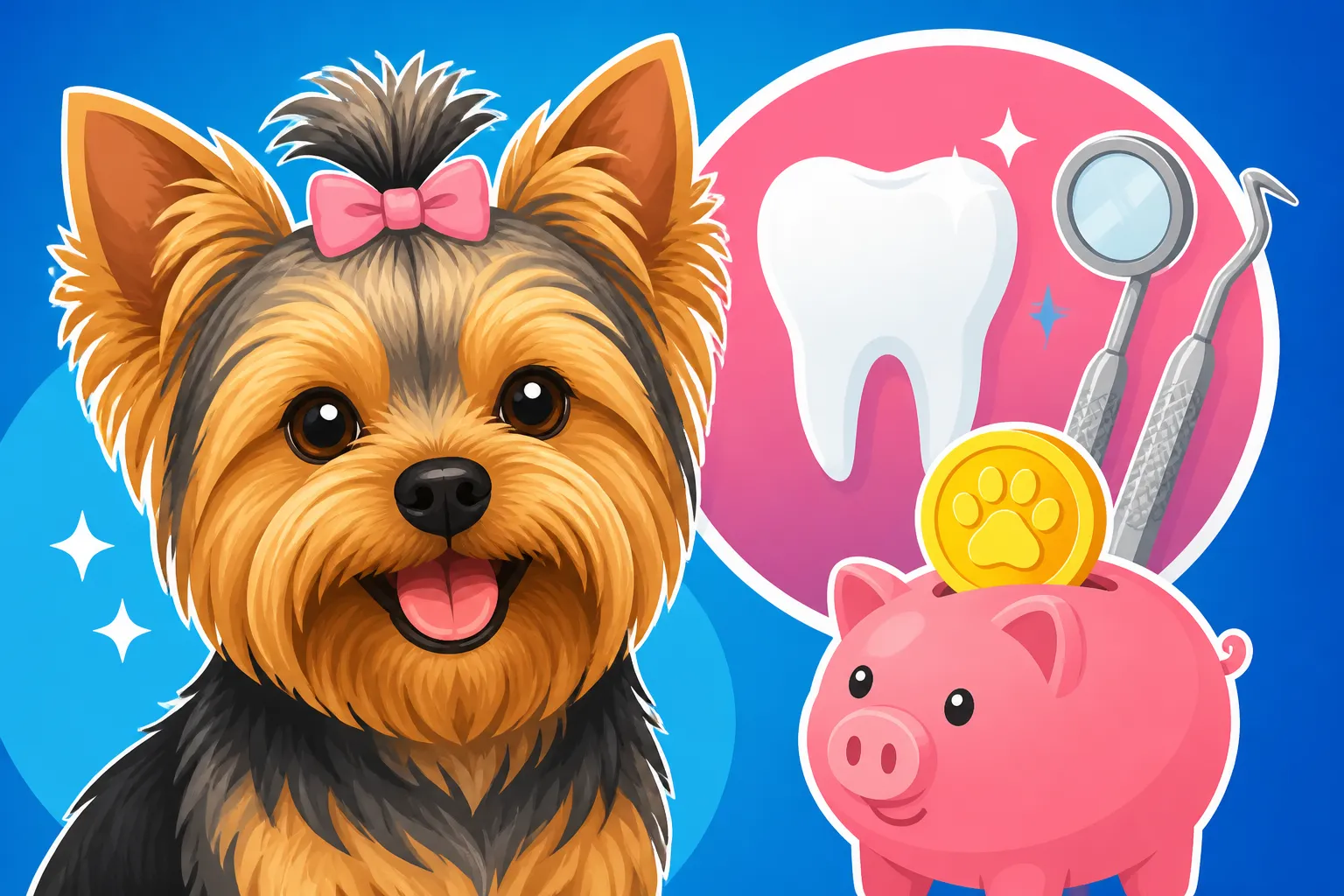
Yorkie Dental Cleaning Cost
One of the most common worries I hear from fellow Yorkshire Terrier parents is about the looming expense of vet bills, especially when it comes to something as crucial as dental care. It’s not just a minor concern; the cost of a professional dental cleaning can feel like a significant hit to the wallet, leaving many of us wondering if we can truly afford the best for our tiny companions. This comprehensive guide is here to shed light on exactly what goes into Yorkie dental cleaning costs, why they vary, and how you can manage them without compromising your beloved pet's health.
Understanding Why Yorkies Need Dental Care
It’s easy to think of dental care for dogs as a luxury, especially when you consider the price tag. But for our precious Yorkshire Terriers, it’s an absolute necessity. These little pups are prone to dental issues, often more so than larger breeds, and understanding why is the first step in appreciating the cost involved in keeping their pearly whites healthy.
The Unique Challenges of Yorkie Dental Health
Yorkshire Terriers, with their compact mouths and often crowded teeth, face a unique set of dental challenges that predispose them to problems like plaque buildup, tartar, and gum disease. Their small jaws mean their teeth are often packed together more tightly, creating tiny crevices where food particles and bacteria can easily get trapped. This crowded arrangement makes it incredibly difficult for owners to clean effectively at home, even with the most diligent brushing routine. Over time, this buildup hardens into tartar, which is a breeding ground for bacteria and irritates the gums, leading to gingivitis. If left unchecked, this can progress to full-blown periodontal disease, a painful and serious condition that can result in tooth loss and even impact their overall health.
Think about it from a proportional perspective: a tiny Yorkie mouth has almost the same number of teeth as a Golden Retriever, just in a much smaller space. This anatomical reality is a major reason why dental issues are so prevalent in the breed. Beyond the crowding, some Yorkies might also have retained puppy teeth, where the adult teeth come in before the baby teeth fall out. This double set of teeth further exacerbates crowding and creates even more spots for plaque to accumulate. These aren’t just cosmetic issues; they cause chronic pain and can severely diminish your Yorkie’s quality of life. This is why a proactive approach to a good Yorkshire Terrier Dental Care Guide is so important.
Consequences of Neglecting Dental Care
Ignoring your Yorkie's dental health isn't just about bad breath – though that's certainly an unpleasant sign. The consequences can be far more severe and deeply impact your dog's well-being. Periodontal disease, which affects a staggering number of small dogs over the age of three, doesn't stay confined to the mouth. The bacteria from infected gums can enter the bloodstream and travel to vital organs like the heart, kidneys, and liver, causing serious, life-threatening conditions. We're talking about things like kidney failure, liver disease, and even heart valve infections, all stemming from what started as simple plaque.
Beyond systemic health issues, imagine the constant discomfort your Yorkie might be in. Dogs are incredibly stoic animals, often hiding their pain until it becomes unbearable. They might stop eating their regular kibble, shy away from playing with their favorite chew toys, or even become irritable. You might notice signs like excessive drooling, pawing at their mouth, or reluctance to let you touch their face. These are clear indicators of pain, and by the time these symptoms become obvious, the dental disease is usually quite advanced. Addressing these issues early can prevent a lifetime of pain for your pup and prevent more expensive, complicated procedures down the line. It really pays to know the Yorkie Dental Disease: Signs and Care to catch problems early.
Breaking Down the Costs of a Professional Dental Cleaning
When your vet recommends a professional dental cleaning, it's often more than just a quick brush-up. It's a comprehensive medical procedure that involves anesthesia, meticulous examination, and thorough cleaning, all designed to ensure your Yorkie's safety and oral health. Understanding each component helps justify the costs, which can feel significant at first glance.
What's Included in the Procedure
A professional dental cleaning for a Yorkshire Terrier is far more intricate than what you might imagine. First and foremost, it requires general anesthesia. This isn't just for comfort; it's essential for the vet to safely and thoroughly clean every tooth surface, including under the gum line, without causing stress or injury to your pet. Prior to anesthesia, your Yorkie will undergo pre-anesthetic blood work to ensure they are healthy enough for the procedure and to help the vet tailor the anesthesia protocol specifically for them. This includes checking organ function and red blood cell count. During the procedure, a dedicated veterinary technician monitors your Yorkie's vital signs—heart rate, breathing, blood pressure, oxygen levels, and temperature—continuously, just like in human surgery.
Once under anesthesia, the vet or technician performs a full oral exam, probing for pockets around teeth and identifying any abnormalities. Full-mouth dental X-rays are usually taken, which are crucial because about two-thirds of dental disease occurs below the gum line and isn't visible to the naked eye. These X-rays reveal issues like bone loss, abscesses, or un-erupted teeth. After the diagnostic steps, specialized ultrasonic and hand scaling instruments are used to meticulously remove plaque and tartar from above and below the gum line. Each tooth surface is cleaned individually, and then polished to smooth the enamel, making it harder for plaque to adhere in the future. If extractions are necessary due to severe disease, these are also performed under the same anesthetic event, which adds to the time and complexity of the procedure. It's truly a thorough process, encompassing diagnosis, deep cleaning, and preventative measures.
Factors Influencing the Price Tag
The cost of a Yorkie dental cleaning can fluctuate quite a bit, and several key factors play a role in this variation. The most significant factor is often the severity of your dog's dental disease. A Yorkie with mild gingivitis and minimal tartar will naturally incur a lower cost than one with advanced periodontal disease requiring multiple extractions, bone grafts, or specialized treatments. The additional time, materials (like dental sutures, bone graft material), and pain management required for these complex cases significantly increase the bill.
Another critical factor is the clinic's location. Veterinary costs, much like human healthcare, tend to be higher in urban areas or regions with a higher cost of living, like major cities in California or New York, compared to rural towns. The level of diagnostic technology available at the clinic also influences the price; clinics with state-of-the-art dental radiography equipment, advanced anesthesia monitoring systems, and specialized dental tools will often have higher fees reflecting their investment in high-quality care. Lastly, the specific medications your Yorkie might need post-procedure, such as antibiotics or pain relievers, will also contribute to the final cost. These factors combine to create a wide range of potential prices for the same basic service. For a detailed overview of what typical vet services cost, you might want to look at our guide on Yorkie Vet Cost Breakdown.
Regional Price Variations for Dental Cleaning
It's no secret that veterinary service costs can differ dramatically depending on where you live. What might be a standard price in one state could be considered a steal or exorbitant in another. For instance, a basic dental cleaning for a Yorkie in a large metropolitan area like Los Angeles or New York City could easily start at $700-$1,000, and that's without extractions. If your Yorkie needs several teeth pulled, that cost can quickly climb to $1,500-$2,500 or even more, depending on the complexity of the extractions. In these high-cost-of-living areas, overheads like rent, staff salaries, and equipment maintenance are much higher, which is reflected in service prices.
Conversely, in smaller towns or rural communities, you might find more affordable options, with basic cleanings potentially starting from $300-$600. These clinics often have lower operating costs, allowing them to offer services at a more modest price point. However, it's crucial to ensure that even at a lower price, the clinic is not cutting corners on essential safety protocols like pre-anesthetic blood work and thorough anesthesia monitoring. Always ask for a detailed estimate upfront and inquire about what is included. Don't be afraid to call around to a few different veterinary practices in your area to compare quotes, but remember that the lowest price isn't always the best value if it compromises the quality of care your Yorkie receives.
Here's a general overview of what you might expect for a routine dental cleaning (excluding extractions), though these are estimates and can vary widely:
| Region | Basic Cleaning (Mild to Moderate) | Cleaning with X-Rays | Cleaning with 1-3 Extractions |
|---|---|---|---|
| Rural/Small Town | $300 – $600 | $450 – $800 | $700 – $1,500 |
| Suburban Area | $500 – $900 | $700 – $1,200 | $1,000 – $2,000 |
| Major Metropolitan | $700 – $1,200+ | $900 – $1,500+ | $1,500 – $3,000+ |
This table is just a guideline. Always get a personalized quote from your veterinarian after an examination.
DIY Dental Care vs. Professional Cleaning: A Cost-Benefit Analysis
When facing the costs of professional dental cleaning, it's natural to wonder what you can do at home to help. There's a lot you can do, and in fact, at-home dental care is critical. However, it’s rarely a complete substitute for professional veterinary attention, especially for a breed as prone to dental issues as the Yorkshire Terrier.
At-Home Dental Maintenance Options and Their Costs
Regular at-home dental care is your first line of defense against plaque and tartar buildup, and it's much more affordable than professional cleanings. The gold standard is daily tooth brushing. You'll need a dog-specific toothbrush (often a small brush with soft bristles or a finger brush) and enzymatic toothpaste formulated for dogs – never human toothpaste, which contains xylitol and fluoride that are toxic to pets. A good starter dental kit from places like Chewy might cost you around $10-$20 and last several months. Learning How to Brush a Yorkie's Teeth effectively can make a huge difference.
Beyond brushing, there are other supplemental products. Dental chews, like those from Greenies or other brands available on Chewy, can help scrape away soft plaque. Look for products with the Veterinary Oral Health Council (VOHC) seal of approval, which signifies they meet standards for plaque and tartar control. These can range from $10-$30 for a bag, depending on the size and brand. Dental water additives or oral rinses are also options, typically costing $15-$25 per bottle. These can help reduce bacteria in the mouth. Some pet parents also explore specialized dental diets; for instance, some brands, like Hill's Prescription Diet t/d, are formulated with a unique kibble shape and fiber matrix designed to clean teeth as the dog chews. Even fresh food companies like Ollie are starting to consider oral health in their formulations, although fresh food alone isn't a substitute for brushing. While none of these replace brushing, they can be helpful additions to a comprehensive Yorkie Dental Disease Prevention strategy. The cost of these at-home methods generally ranges from $20-$50 per month, a small investment compared to professional cleanings.
When DIY Isn't Enough: The Necessity of Vet Care
Despite your best efforts with at-home dental care, there comes a point where professional veterinary intervention becomes necessary. The hard truth is that once plaque has mineralized into tartar, it cannot be removed by brushing or dental chews alone. Tartar is incredibly tough and requires the specialized tools and techniques used during a professional dental cleaning. Trying to scrape it off at home can damage your Yorkie’s gums and teeth, potentially causing more harm than good.
Moreover, while you can see the visible plaque and tartar on the outside of the teeth, you can't assess the health of the teeth below the gum line or detect issues like abscesses, root damage, or bone loss. These are serious problems that can cause immense pain and lead to severe infections, and they can only be diagnosed with full-mouth dental X-rays and a thorough examination under anesthesia. For Yorkies, given their genetic predisposition to dental problems, even with diligent home care, most will require a professional cleaning every one to three years. Ignoring these deeper issues because you're relying solely on DIY methods could lead to more pain for your pet and significantly higher costs for complex treatments down the road. It's a classic case where prevention and timely professional care save both suffering and money. This is exactly why it's so important to understand Yorkie Teeth Cleaning: DIY vs Vet Cost.
How to Budget for Your Yorkie's Dental Health
The costs associated with keeping your Yorkie's teeth sparkling and healthy can seem daunting, but with a little planning, they don't have to be a source of stress. Just like any other aspect of responsible pet ownership, budgeting for dental health is key. There are proactive steps you can take to make these necessary expenses more manageable.
Pet Insurance and Wellness Plans
One of the most effective ways to mitigate unexpected, or even expected, veterinary costs is through pet insurance or a dedicated wellness plan. Traditional pet insurance policies, such as those offered by Healthy Paws, typically cover unexpected illnesses and accidents. While a routine dental cleaning isn't usually covered under a standard accident and illness policy, many providers offer optional "wellness add-ons" that specifically include coverage for routine preventive care, which often encompasses dental cleanings. These wellness plans can help offset a significant portion of the cost of annual or biennial cleanings, sometimes covering up to 70-90% after your deductible.
It's crucial to compare different plans and understand what each covers. Some plans might cover a specific dollar amount for dental cleaning annually, while others might cover a percentage. Look into companies like Healthy Paws or other reputable providers and read the fine print regarding dental care. For example, some policies might only cover dental cleanings if a dental disease is already present, while others specifically cover the preventive aspects. Additionally, some veterinary clinics offer their own in-house wellness plans that often bundle routine exams, vaccinations, and a dental cleaning into a monthly payment scheme, spreading out the cost throughout the year. Investing in a plan early can be a financial lifeline, especially if your Yorkie, like many, develops significant dental issues. It truly helps to research Pet Insurance for Yorkshire Terriers to see what options fit your budget.
Saving Smart: Tips to Reduce Long-Term Costs
Beyond insurance, there are practical strategies to save money on your Yorkie's dental care in the long run. The number one rule is prevention. The more diligent you are with at-home dental care—daily brushing, VOHC-approved dental chews (Best Dental Chews for Yorkies), and potentially dental water additives—the less frequently your Yorkie might need professional cleanings, and the less severe any existing dental disease will be. Regular at-home care can significantly delay the onset or progression of serious dental issues that require expensive extractions.
Another smart tip is to ask your veterinarian if they offer any dental cleaning specials or discounts throughout the year, especially during National Pet Dental Health Month in February. Many clinics use this time to promote awareness and make professional cleanings more accessible. Consider also looking into veterinary schools or teaching hospitals in your area; they often provide high-quality care at a slightly reduced cost, as procedures are performed under the supervision of experienced specialists. Finally, if your vet recommends a cleaning, don't delay it. Postponing a cleaning can allow mild gingivitis to escalate into severe periodontal disease, leading to more painful procedures, longer anesthesia times, and significantly higher bills down the line. Timely intervention is truly the most cost-effective approach to dental health for your Yorkie. For more on this, check out Yorkie Dental Disease: Costs and Prevention.
Finding an Affordable and Reputable Vet for Dental Services
Choosing the right veterinarian for your Yorkie's dental care is just as important as the cleaning itself. You want a clinic that offers high-quality, safe, and effective dental services at a price that won't break the bank. It's a balance of expertise, technology, and transparent pricing.
Questions to Ask Your Veterinarian
When discussing a professional dental cleaning for your Yorkie, don't hesitate to ask your veterinarian detailed questions. Transparency is key to understanding the value you're getting for the cost. Start by asking for a comprehensive estimate that breaks down all the potential charges, including pre-anesthetic blood work, anesthesia, IV fluids, scaling and polishing, dental X-rays, pain medication, and any potential extractions. Inquire about the type of anesthesia used and who will be monitoring your Yorkie throughout the procedure. It's vital to know if a dedicated veterinary technician will be present, exclusively focused on anesthesia monitoring.
You should also ask about the clinic's dental equipment. Do they use modern ultrasonic scalers? Do they have digital dental radiography? Dental X-rays are non-negotiable for thorough dental care, especially in small breeds like Yorkies where much of the disease is hidden. Ask about their pain management protocols before, during, and after the procedure, particularly if extractions are anticipated. Finally, discuss the follow-up care. What are their recommendations for at-home dental care post-cleaning, and when should you schedule the next dental check-up? A reputable vet will be happy to answer all your questions clearly and thoroughly, ensuring you feel confident and informed about your Yorkie's care. Knowing How Often Yorkies Need Dental Cleaning can also help guide your questions.
Exploring Local Low-Cost Options
While it’s always recommended to prioritize quality and safety when it comes to anesthesia and dental procedures, there are legitimate ways to find more affordable options without resorting to unsafe practices. One common route is to look for veterinary practices that specialize in preventative care or high-volume clinics. These clinics sometimes have more streamlined processes and can offer competitive pricing. Always ensure they adhere to the same safety standards, such as pre-anesthetic blood work and dedicated anesthesia monitoring.
Another option to consider is local humane societies or animal welfare organizations. Many of these non-profits offer low-cost veterinary services, including dental cleanings, to make essential care more accessible to pet owners. They often operate on grants and donations, allowing them to subsidize costs while maintaining good medical standards. However, their services might be more basic, and they may not offer advanced procedures like complex extractions or specialized dental imaging. It's worth calling them to inquire about their dental services, pricing, and what is included. You can also explore veterinary colleges, as mentioned earlier, which often have clinics that provide excellent care at a lower cost, as it’s part of their educational mission. Just remember to thoroughly vet any clinic, regardless of price, to ensure your Yorkie is receiving safe and competent care.
Maintaining Optimal Yorkie Oral Health
Once your Yorkie has undergone a professional dental cleaning, the work doesn't stop there. In fact, that's just the starting point for a renewed commitment to their oral hygiene. Maintaining optimal health is a continuous process that involves consistent at-home care and regular veterinary check-ups to prevent the rapid return of plaque and tartar.
Daily Routines for a Sparkling Smile
The single most effective thing you can do to maintain your Yorkie's oral health after a professional cleaning is to establish a daily tooth brushing routine. It might seem like a chore at first, but with patience and positive reinforcement, most Yorkies can learn to tolerate, and even enjoy, having their teeth brushed. Use a small, soft-bristled toothbrush or a finger brush designed for pets, along with enzymatic pet toothpaste. Focus on the outside surfaces of the teeth, especially where the gums meet the teeth, as this is where plaque tends to accumulate most rapidly.
In addition to brushing, incorporate other dental health aids into your daily or weekly routine. VOHC-approved dental chews are excellent supplements, as they help mechanically scrub away plaque and stimulate gum health. Brands like Oravet Dental Chews or Purina DentaLife are widely available at pet stores and online retailers like Chewy. Dental water additives can also be beneficial in reducing bacteria in the mouth. Some pet owners find success with specialized dental diets, which are formulated to reduce plaque and tartar buildup through their unique kibble design. Remember, consistency is key. Just like humans, dogs need regular dental care to prevent disease.
The Role of Regular Vet Check-ups and Follow-up Care
Even with the most diligent at-home care, regular veterinary check-ups are indispensable for maintaining your Yorkie's long-term oral health. Your veterinarian can monitor your Yorkie's mouth for any new signs of plaque buildup, gingivitis, or developing dental disease during annual wellness exams. They can provide guidance on your home care routine, recommend specific products, and identify if another professional cleaning is needed. For many Yorkies, due to their breed-specific predispositions, dental cleanings might be required every 1-2 years, even with excellent home care.
Follow-up care after a professional cleaning is also vital. Your vet might prescribe antibiotics if there were significant infections or extractions, and pain medication to keep your Yorkie comfortable during recovery. Adhering to these post-procedure instructions is crucial for a smooth and successful healing process. During these follow-up visits, your vet can check the healing of any extraction sites and ensure there are no complications. Think of these regular check-ups as ongoing maintenance appointments – catching small issues early means they can be addressed before they become painful, expensive, and debilitating problems for your beloved Yorkie.
Disclaimer
The information provided in this article is for general informational purposes only and does not constitute veterinary medical advice. Always consult with a qualified veterinarian for any health concerns or before making any decisions about your pet's health or treatment.