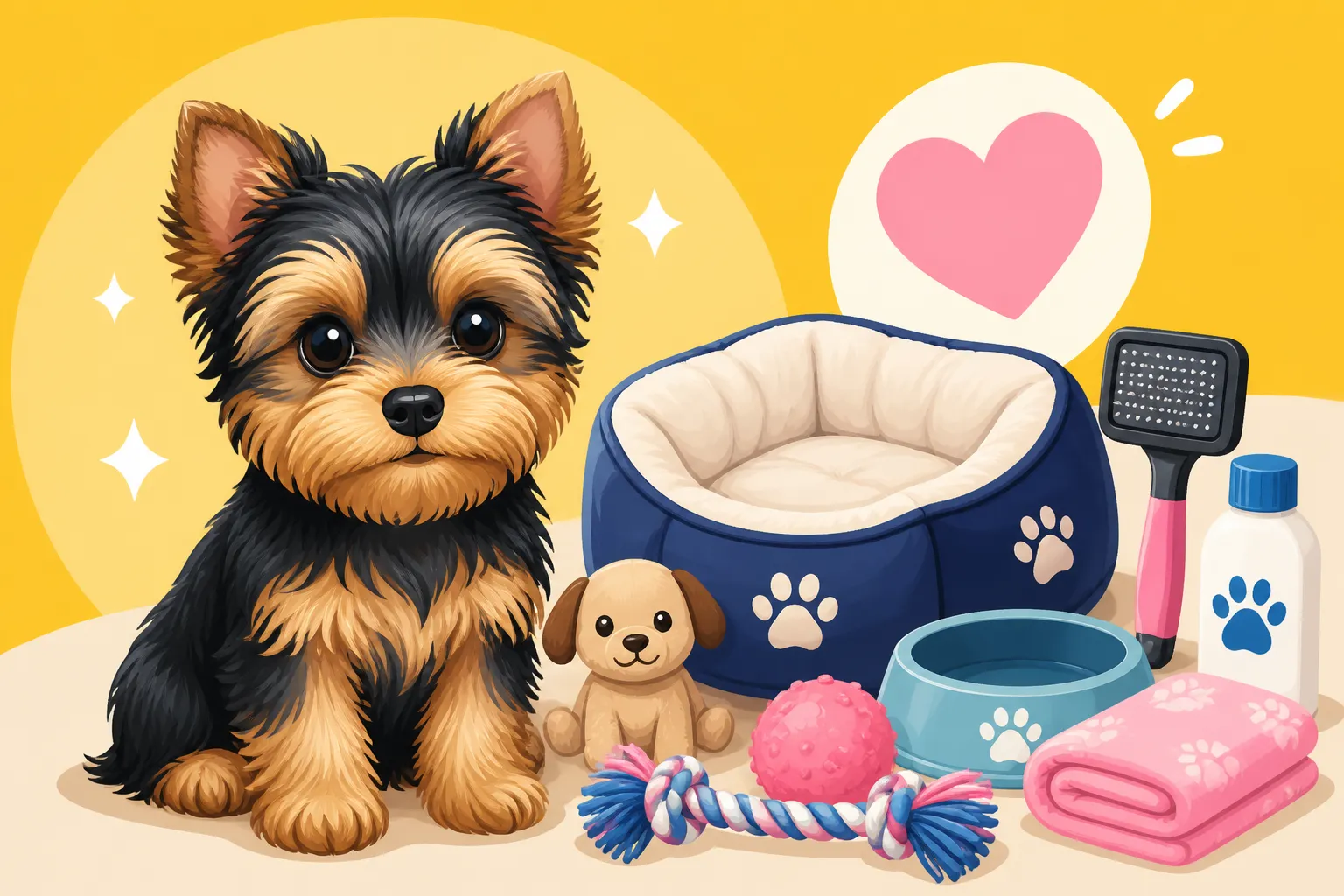
Yorkie Puppy Starter Kit Essentials
Bringing a new Yorkshire Terrier puppy home is an incredibly exciting time, full of joy and anticipation, but let's be real – it can also feel a little overwhelming when you consider all the things your tiny new family member will need. From making sure they have a safe spot to sleep to figuring out the best food, the sheer volume of choices can make your head spin. This comprehensive guide is here to cut through the clutter and help you assemble the absolute essential starter kit for your Yorkie puppy, ensuring a smooth and happy transition for everyone involved.
Creating a Safe and Secure Haven for Your Puppy
One of the most crucial steps in welcoming a Yorkie puppy is to establish a safe, comfortable, and predictable environment. These little dogs, despite their brave demeanor, are sensitive and thrive on routine and security. Setting up a dedicated space will not only help with potty training but also provide them with a sense of belonging in their new home. Think of it as their personal sanctuary, a place where they can retreat and feel secure.
Choosing the Right Crate or Playpen
Yorkie puppies, despite their small stature, benefit immensely from crate training. A crate isn't a punishment; it's a den, a safe space that appeals to their natural instinct to have a secure place to rest. For a Yorkie, a crate around 18-24 inches long is typically sufficient, but it's important to choose one that allows them to stand up, turn around, and lie down comfortably, without too much extra space that might encourage them to use one end as a potty area. Wire crates offer good ventilation and visibility, while plastic travel crates can feel more den-like. Many experienced Yorkie parents also swear by playpens, especially in the early days. A playpen offers a larger, contained area for your puppy to explore, play, and even have their potty pad, preventing them from wandering into potentially hazardous areas of the house.
When selecting a crate or playpen, consider both portability and durability. You might want a collapsible wire crate for easy transport, or a sturdy plastic one if you plan to travel with your pup frequently. For playpens, look for ones with easy-to-clean surfaces and secure latches to prevent escapes. Remember, this will be your puppy's primary safe zone when you can't actively supervise them, so investing in a quality product from a reputable brand, perhaps through a pet supply retailer like Chewy, is a wise decision. For more detailed guidance on sizing and types, you might find our article on the Yorkie Crate Size Guide helpful.
Cozy Bedding and Den Comfort
Once you've chosen the perfect crate or playpen, the next step is to make it irresistibly cozy. A comfortable bed is non-negotiable for a tiny Yorkie puppy. Look for soft, washable bedding that fits snugly within their chosen space. Orthopedic beds, while often associated with older dogs, can offer excellent joint support even for young puppies, making their resting time more restorative. Some puppies enjoy a blanket or two for burrowing, mimicking the comfort of a den. Just be sure any blankets are free of loose threads or small parts that could be chewed off and ingested.
Beyond just a bed, think about creating an inviting atmosphere. A soft toy that smells faintly of their littermates (if you can get one from the breeder) can help ease the transition and provide comfort. A small, puppy-safe chew toy can also be left in the crate to give them something to do if they wake up during the night. The goal is to make their personal space so appealing that they choose to go in on their own. This helps them associate the crate or playpen with positive experiences, making Yorkshire Terrier Crate Training Guide much smoother in the long run.
Puppy-Proofing Your Home Environment
Yorkie puppies are naturally curious and, being so small, can squeeze into surprising places. Before your little one even steps paw inside, it's essential to thoroughly puppy-proof your home. Get down on their level and look for anything that could pose a danger. This includes securing electrical cords, removing toxic plants, putting away small objects that could be choked on, and blocking off access to stairs or dangerous rooms. Child locks on cabinets containing cleaning supplies or medications are also a must.
Remember, anything within reach is fair game for a curious puppy mouth. This might mean temporarily moving low-lying decorations, securing loose rugs, or storing shoes out of sight. A little foresight here can prevent a lot of headaches and expensive vet visits later on. Creating a safe environment is one of the most proactive steps you can take to ensure your puppy's well-being and is a core component of How to Prepare Your Home for a Yorkie.
Nourishment and Hydration Essentials
Proper nutrition is paramount for a growing Yorkie puppy. Their tiny bodies have high metabolic rates and specific dietary needs to support rapid development. Choosing the right food and ensuring they have constant access to fresh water will lay the foundation for a healthy life.
Selecting High-Quality Puppy Food
When it comes to feeding your Yorkie puppy, quality truly matters. Look for a premium puppy food specifically formulated for small breeds, as these will have appropriately sized kibble and a nutrient profile tailored to their needs. The first ingredient should always be a high-quality protein source, such as chicken, lamb, or fish. Avoid foods with excessive fillers, artificial colors, or by-products. Your breeder or rescue organization might recommend a specific brand they've been using, which can help ensure a smooth dietary transition. Brands like Purina Pro Plan Small Breed Puppy or Royal Canin Yorkshire Terrier Puppy formulas are often recommended for their balanced nutrition and small kibble size.
It's wise to stick with the food your puppy was eating at the breeder for at least a week or two, then gradually transition to a new food if you choose. This helps prevent stomach upset. Always consult your vet for personalized dietary advice, especially if your puppy shows signs of sensitivity. You can learn more about finding the right diet in our article, Best Dog Food for Yorkshire Terriers. For those interested in fresh dog food options, some services like Ollie offer tailored meal plans that might appeal, but always check with your vet before making significant dietary changes, especially for a puppy.
Bowls and Feeding Accessories
Your Yorkie puppy will need sturdy, easy-to-clean food and water bowls. Stainless steel is often recommended by veterinarians because it's non-porous, durable, and less likely to harbor bacteria compared to plastic. Ceramic bowls are also an option, but be mindful that they can break. Elevated bowls might seem like a good idea for larger dogs, but for tiny Yorkies, low-profile bowls are usually best to prevent neck strain, especially when they are very young.
Consider investing in a slow-feeder bowl if your puppy tends to gobble down their food too quickly. This can help prevent indigestion and bloat. For water, ensure there's always a fresh supply. Some Yorkie owners even use a water fountain to encourage drinking, as the circulating water can be more appealing. Given their susceptibility to hypoglycemia, it's important that Yorkie puppies eat regularly and stay well-hydrated. Understanding How Much to Feed a Yorkshire Terrier and setting up a consistent Yorkshire Terrier Feeding Guide by Age is crucial for their health.
Understanding Treats and Chews
Treats are invaluable tools for training, rewarding good behavior, and even just showing affection, but moderation is key, especially for a small puppy. Choose small, soft treats that are easy for your Yorkie to chew and swallow. Avoid treats with artificial ingredients or too much fat. For chew toys, select durable, puppy-safe options that won't splinter or be easily ingested. Nylon chews or durable rubber toys can satisfy their natural urge to chew while also helping with teething.
Always supervise your puppy with new treats and chews to ensure they are safe and appropriately sized. While a dental chew might seem like a good idea, some can be too hard for tiny puppy teeth. It's always best to err on the side of caution. Remember, treats should make up no more than 10% of your puppy's daily caloric intake to prevent them from filling up on empty calories and missing out on essential nutrients from their regular food.
Grooming and Hygiene Fundamentals
Yorkshire Terriers are renowned for their long, silky coats, which, while beautiful, require diligent grooming. Establishing a routine early on will make future grooming sessions much easier and more enjoyable for both you and your puppy. Neglecting grooming can lead to painful mats, skin issues, and dental problems.
Brushes, Combs, and Detangling Sprays
The cornerstone of Yorkie grooming is a good brush and comb. A pin brush with rounded tips is excellent for gently detangling their fine hair, while a stainless-steel comb with both wide and narrow teeth is essential for working through knots and ensuring the coat is thoroughly brushed down to the skin. Because their hair is so similar to human hair, it can mat easily, particularly behind the ears, in the armpits, and on their legs. A good detangling spray can make brushing much easier, reducing static and minimizing breakage.
It's crucial to brush your Yorkie puppy daily, even if their coat is short. This not only keeps mats at bay but also acclimates them to the grooming process. Make it a positive experience with lots of praise and gentle handling. Regular brushing also helps distribute natural oils, keeping their skin healthy and coat shiny. You'll find that an early introduction to these tools will make How to Groom a Yorkshire Terrier at Home a much more pleasant experience for everyone.
Bathing Supplies and Techniques
Yorkies typically need a bath every 2-4 weeks, depending on their activity level and coat length. You'll need a mild, tearless puppy shampoo and conditioner specifically formulated for dogs. Human shampoos are too harsh and can strip their skin of essential oils. A rubber mat in the sink or tub can help prevent slipping, and a soft towel for drying is a must. Many Yorkie owners also find a forced-air pet dryer (on a low, cool setting) incredibly helpful for drying their long coats quickly and thoroughly, preventing chills and skin issues.
When bathing, use lukewarm water and avoid getting water or shampoo directly into their ears or eyes. Gently massage the shampoo into their coat, then rinse thoroughly until all suds are gone. Follow with conditioner, letting it sit for a few minutes before rinsing. Always ensure your Yorkie is completely dry to prevent matting and skin irritation.
Dental Care and Nail Trimming Tools
Dental hygiene is often overlooked but is incredibly important for Yorkies. They are prone to dental disease, so starting a routine early is vital. A puppy-sized toothbrush and dog-specific toothpaste (never human toothpaste!) are essential. Aim to brush their teeth daily, or at least several times a week, to prevent plaque and tartar buildup. This is a critical part of Yorkshire Terrier Dental Care Guide.
Nail trimming can be a daunting task for new puppy parents, but it's crucial for their comfort and health. Invest in a small pair of nail clippers designed for small dogs or a Dremel-style grinder. Introduce the clippers gradually, allowing your puppy to get used to the sight and sound before attempting to trim. Trim only the very tip of the nail, being careful to avoid the quick (the pink part that contains blood vessels and nerves). If you're unsure, ask your vet or a professional groomer to show you the proper technique. Neglecting nail trims can lead to painful overgrown nails that affect their gait and can even cause infections.
Walking, Play, and Training Gear
Even though Yorkies are small, they are energetic and intelligent. Providing them with appropriate exercise, mental stimulation, and consistent training from a young age is crucial for their physical and mental well-being. Having the right gear makes these activities safer and more effective.
Harness, Leash, and ID Tags
Forget the collar for walks! For a Yorkie, a harness is absolutely essential. Their delicate tracheas are susceptible to collapse, and a collar can put dangerous pressure on this area, especially if they pull on the leash. A soft, well-fitting harness distributes pressure across their chest and shoulders, protecting their neck. Look for a harness that fits snugly but doesn't chafe. Brands like Puppia and Gooby are popular among small dog owners for their comfortable and secure designs. You can find more recommendations in our guide, Best Harness for a Yorkshire Terrier.
Pair the harness with a lightweight, 4-6 foot leash. Avoid heavy, bulky leashes that can overwhelm a tiny puppy. An identification tag with your contact information (and your vet's, if possible) attached to their harness or a separate collar (worn only for ID purposes, not for leash attachment) is a non-negotiable safety item. Consider microchipping your puppy as well, as a permanent form of identification. Even a small dog can get lost, and an ID tag and microchip significantly increase the chances of a happy reunion.
Engaging Toys for Mental and Physical Stimulation
Yorkies are often described as "big dogs in small bodies," and they thrive on play. A variety of toys is essential to keep them entertained and prevent boredom-induced destructive behaviors. Think about toys that cater to different needs:
- Chew Toys: Durable rubber toys or Nylabones are great for teething and satisfying their urge to chew.
- Interactive Toys: Puzzle toys that dispense treats can provide excellent mental stimulation, making them work for their reward.
- Plush Toys: Soft, squeaky toys are often favorites for carrying around and "killing." Just be sure to remove any small parts that could be chewed off.
- Fetch Toys: Small, soft balls or retrieve toys are perfect for indoor fetch sessions.
Rotate toys regularly to keep things interesting and prevent your puppy from getting bored. Playtime is also an excellent opportunity for bonding and reinforcing positive behaviors. However, always supervise your puppy during playtime, especially with new toys, to ensure their safety.
Training Aids and Potty Solutions
Training a Yorkie puppy requires consistency, patience, and the right tools. Beyond treats, there are several items that can aid in the training process. A clicker can be a fantastic tool for Yorkshire Terrier Puppy Training Schedule, helping to mark desired behaviors with precision. Puppy pads are often a staple, especially for initial Yorkshire Terrier Potty Training Guide or for owners living in apartments. Choose highly absorbent pads with attractant scents to encourage your puppy to use them.
For outdoor potty training, a designated potty spot in your yard is helpful. If you're working on leash manners, a short training leash can be useful initially. Remember that positive reinforcement is always the most effective method for training a Yorkie. Never use harsh punishment, as this can damage your bond and make training more difficult. Consistency in commands, rewards, and your routine will lead to a well-behaved and happy companion.
Health and Wellness Preparations
Your Yorkie puppy's health is paramount, and being prepared for common issues and emergencies can make a huge difference. From basic first aid to planning for future veterinary care, these preparations are essential for responsible pet ownership.
First-Aid Kit and Health Monitoring
Having a basic puppy first-aid kit on hand is incredibly important. Accidents happen, and being able to provide immediate care can be critical. Your kit should include:
- Antiseptic wipes or spray: For cleaning minor cuts and scrapes.
- Gauze pads and bandages: For covering wounds.
- Pet-safe adhesive tape: To secure bandages.
- Tweezers: For removing splinters or ticks.
- Blunt-nosed scissors: For cutting bandages or tape.
- Digital rectal thermometer: To check for fever.
- Styptic powder: To stop bleeding from nail trims that are cut too short.
- Veterinary wrap: A self-adhering bandage.
- Emergency contact information: Your vet's number, emergency vet hospital number, and poison control hotlines.
Beyond the kit, familiarize yourself with what's normal for your Yorkie puppy. Know their typical eating and drinking habits, energy levels, and bathroom routines. This way, you'll quickly notice any changes that could indicate an underlying health issue. Small changes can sometimes be Yorkie Emergency Symptoms to Never Ignore.
Carrier for Travel and Vet Visits
A secure, comfortable pet carrier is an absolute must-have for your Yorkie puppy. Not only is it essential for safe travel to the vet, but it's also invaluable for car trips, flights (if approved by the airline), or simply moving your puppy safely around. Choose a carrier that is well-ventilated, sturdy, and appropriately sized – your puppy should be able to stand up, turn around, and lie down comfortably, but not have so much space that they're jostled around during transport.
Soft-sided carriers are often good for comfort and fitting under airplane seats, while hard-sided carriers offer more protection for car travel. Always secure the carrier in your car to prevent it from sliding around. Introducing your puppy to the carrier early and making it a positive space (e.g., placing treats or favorite toys inside) can help reduce stress associated with travel and vet visits.
Considerations for Pet Insurance
While not a physical item in a starter kit, preparing for potential health costs is a crucial part of bringing home a new Yorkie puppy. Yorkies, like all purebreds, can be prone to certain genetic conditions such as luxating patella, collapsing trachea, and dental issues. Veterinary care can be incredibly expensive, especially for emergencies or chronic conditions. This is where pet insurance can provide immense peace of mind.
Research different pet insurance providers like Healthy Paws to understand their coverage options, deductibles, and reimbursement percentages. Enrolling your puppy early, before any pre-existing conditions develop, will ensure the broadest coverage. Consider it an investment in your Yorkie's long-term health and your financial security. You can delve deeper into this topic by reading our article on Pet Insurance for Yorkshire Terriers. Having this safety net in place means you can focus on getting your puppy the best care without worrying as much about the immediate financial impact.
Essential Yorkie Puppy Starter Kit Checklist
To help you keep track, here's a handy checklist of the essential items to get your Yorkie puppy off to the best start:
| Category | Item | Description | Why It's Essential |
|---|---|---|---|
| Safety & Comfort | Crate/Playpen | 18-24 inch wire or plastic crate; or secure, easy-to-clean playpen | Provides a safe den, aids in potty training, prevents mischief. |
| Puppy Bed/Blanket | Soft, washable bedding that fits the crate/playpen | Comfort, warmth, sense of security. | |
| Pet Carrier | Secure, well-ventilated for vet visits and travel | Safe transport, reduces stress. | |
| Nourishment | Small Breed Puppy Food | High-quality kibble formulated for small breed puppies (e.g., Purina Pro Plan) | Supports growth and development, tailored nutrients. |
| Stainless Steel Food & Water Bowls | Durable, non-porous, easy to clean | Hygienic feeding and hydration. | |
| Small, Soft Training Treats | Appropriate for puppies, healthy, easy to chew | Positive reinforcement for training. | |
| Puppy-Safe Chew Toys | Durable rubber or nylon chews, appropriate size | Satisfies chewing instincts, aids in teething. | |
| Grooming & Hygiene | Pin Brush & Steel Comb | Gently detangles fine Yorkie hair, removes mats | Prevents mats, keeps coat healthy, promotes bonding. |
| Puppy Shampoo & Conditioner | Mild, tearless, dog-specific formulas | Cleans coat gently, prevents skin irritation. | |
| Dog Toothbrush & Toothpaste | Small brush, enzymatic dog toothpaste | Prevents dental disease, fresh breath. | |
| Small Nail Clippers/Grinder | Suitable for small dog nails | Prevents overgrown, painful nails. | |
| Detangling Spray | Reduces static and breakage during brushing | Makes brushing easier and more comfortable. | |
| Ear Cleaner & Cotton Balls | Vet-approved cleaner for routine ear maintenance | Prevents ear infections. | |
| Walking & Play | Puppy Harness (not collar) | Snug-fitting, distributes pressure across chest | Protects delicate trachea, prevents injury. |
| Lightweight Leash | 4-6 foot, comfortable for small dog | Safe and controlled walks. | |
| ID Tags & Microchip | Contact info on tag, vet/breeder microchip | Essential for identification and safe return if lost. | |
| Variety of Toys | Puzzle toys, plush toys, small fetch toys | Mental and physical stimulation, prevents boredom. | |
| Health Preparedness | Puppy First-Aid Kit | Antiseptics, bandages, thermometer, styptic powder, emergency contacts | Preparedness for minor injuries or emergencies. |
| Pet Insurance (consider) | Early enrollment for comprehensive health coverage | Financial protection for unexpected vet costs. |
Disclaimer
The information provided in this article is for general informational purposes only and does not constitute veterinary advice. Always consult with a qualified veterinarian for any health concerns or before making any decisions related to your pet's health and care.