Yorkie Joint Supplements Explained
It's heartbreaking to watch your lively little Yorkshire Terrier start to slow down, hesitating before jumping, or showing a little limp after a walk. Joint issues are a quiet thief of joy for many Yorkies and their devoted human companions, making even simple movements painful. This comprehensive guide will explain everything you need to know about joint supplements for your beloved Yorkie, from understanding their unique needs to choosing and administering the best options to keep them spry and comfortable for as long as possible.
Why Yorkshire Terriers Often Need Joint Support
Yorkshire Terriers, despite their spirited personalities, are a toy breed, and their small stature actually makes them prone to certain orthopedic challenges. Their delicate bone structure and active nature mean their joints can experience a fair bit of wear and tear over their lifespan. It's not just about age, either; some joint conditions can manifest quite early, turning an otherwise playful pup into a hesitant observer.
The reality is that while we wish our little companions could live forever without a single ache, aging and genetics often bring on joint stiffness and pain. Imagine trying to navigate your day with constantly aching knees or hips – that's what many dogs experience. Providing proactive or reactive joint support through supplements is a way to help cushion those joints, reduce inflammation, and maintain cartilage, giving your Yorkie a better quality of life. It’s about being a step ahead, or at least keeping pace, with their needs as they grow and age.
Thinking about their specific build, those adorable little legs are constantly working. Whether they're zipping across the living room, attempting a daring leap onto the couch, or just prancing proudly on their daily walk, their joints bear the brunt. Unlike larger breeds where joint issues might be more visibly dramatic, a Yorkie's discomfort can be subtle – a slight hesitation, a less enthusiastic tail wag, or a preference for lying down rather than standing. Recognizing these subtle cues is the first step in understanding their potential need for support.
Common Joint Issues in Yorkshire Terriers
Yorkies, unfortunately, are genetically predisposed to a few specific joint conditions that pet parents should be aware of. Understanding these can help you and your veterinarian formulate the best plan, which often includes joint supplements.
Luxating Patella: A Frequent Foe
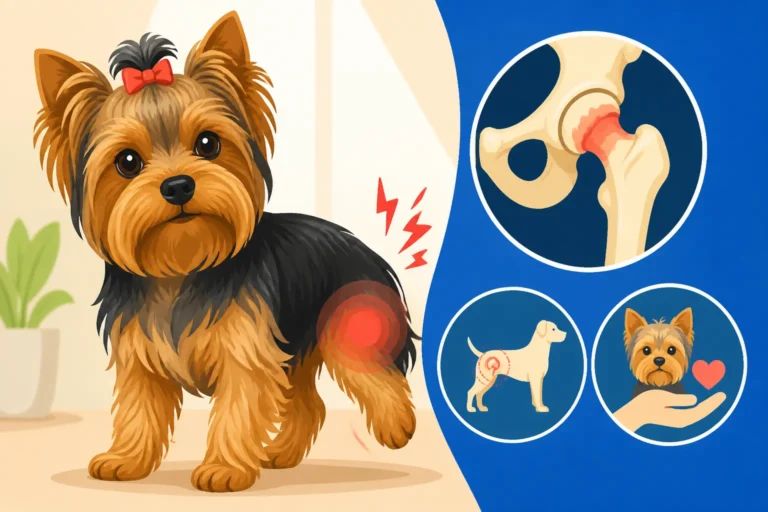
One of the most common orthopedic issues in Yorkshire Terriers is patellar luxation, often simply called "luxating patella" or "slipped kneecap." This is where the kneecap (patella) dislocates or slips out of its normal groove in the thigh bone (femur). It can happen in one or both knees and ranges in severity. You might notice your Yorkie skipping a step, holding a leg up for a few strides, and then seemingly shaking it off as if nothing happened. This sudden limp is often a classic sign.
Over time, this repeated slipping can wear down the cartilage, leading to arthritis and chronic pain. While severe cases might require surgery, many Yorkies with milder luxation can benefit immensely from joint supplements that support cartilage health and reduce inflammation. Learning about Yorkshire Terrier Patellar Luxation: Signs and Care is crucial for any Yorkie owner. Prevention is also key, and understanding How to Prevent Luxating Patella in Yorkies can help you take proactive steps.
Legg-Calve-Perthes Disease: A Hidden Trouble
Another condition that can affect a Yorkie's joints, particularly the hips, is Legg-Calve-Perthes disease. This is a painful condition where the head of the femur (the ball part of the hip joint) degenerates due to a loss of blood supply. Over time, the bone can collapse and flatten, leading to significant pain and lameness. It typically affects small breeds and usually presents in puppies or young dogs, between 5 to 8 months of age.
Symptoms often include limping, pain, muscle wasting in the affected leg, and reluctance to put weight on it. While surgery is often the primary treatment for Legg-Calve-Perthes, joint supplements can play a supportive role in managing pain and inflammation both before and after intervention. For more detailed information, check out Yorkshire Terrier Legg-Calve-Perthes: Signs and Care. Early detection and management are vital to minimize long-term impact on your Yorkie's mobility.
Arthritis and General Joint Wear
Even if your Yorkie avoids the specific conditions mentioned above, they are still susceptible to osteoarthritis as they age. This degenerative joint disease occurs when the cartilage cushioning the joints wears down, leading to bone-on-bone friction, pain, stiffness, and reduced mobility. It's a natural part of aging for many dogs, just like it is for humans. Observing signs like reluctance to climb stairs, slower movements, or difficulty getting up after resting can indicate arthritis.
Joint supplements are a cornerstone of managing canine arthritis, helping to slow its progression, alleviate discomfort, and improve overall joint function. It's a common concern that can significantly impact a Yorkie's senior years, making a good Yorkshire Terrier Senior Care Guide an invaluable resource. Understanding Yorkie Knee Problems Explained can also provide broader context on musculoskeletal issues.
Key Ingredients to Look for in Yorkie Joint Supplements
When you start looking at joint supplements, the sheer number of options and ingredients can feel overwhelming. It’s like standing in the vitamin aisle at the grocery store, wondering where to even begin. But certain ingredients have a proven track record for supporting canine joint health.
The Power Players: Glucosamine and Chondroitin
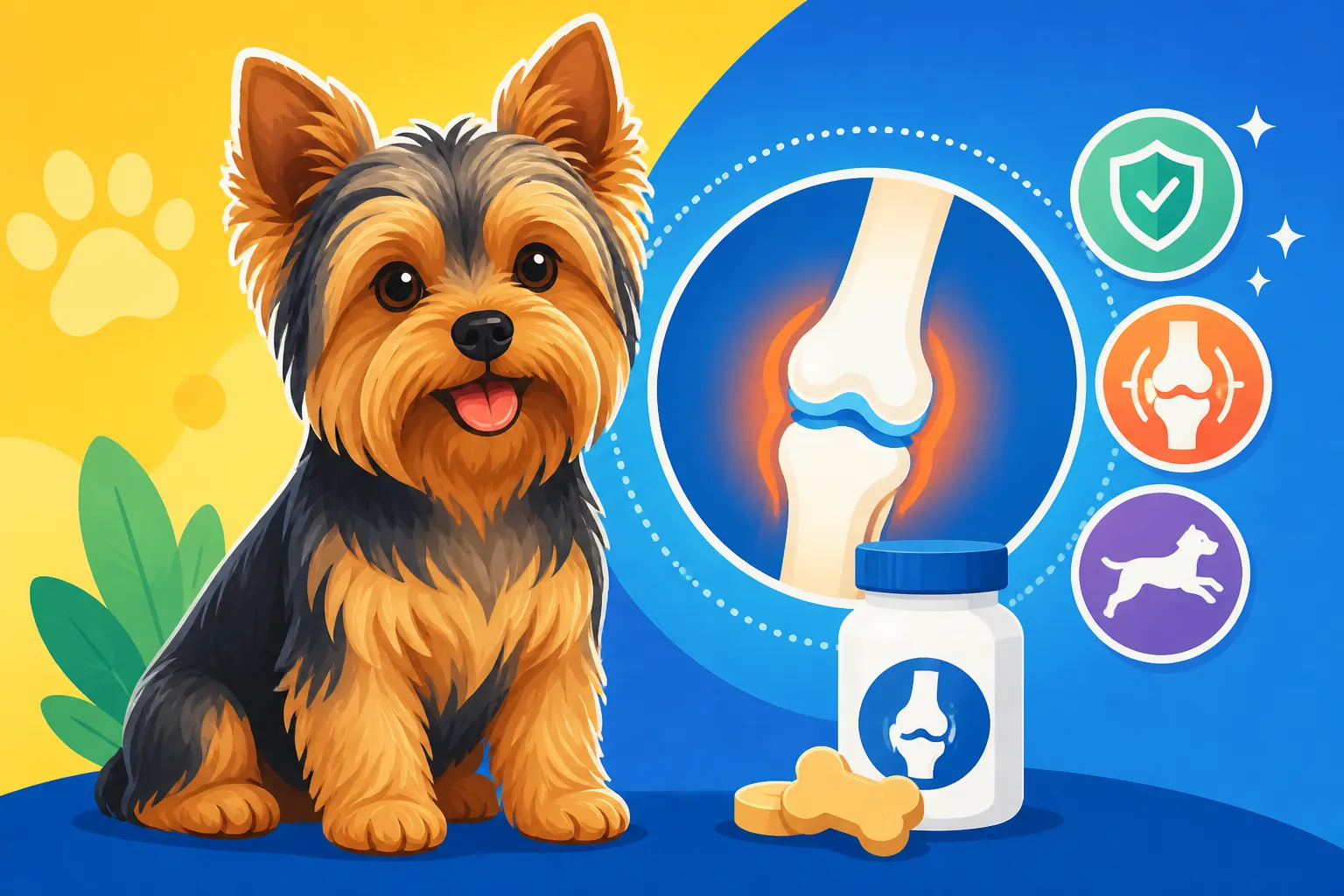
These two are the dynamic duo of joint health, and you’ll find them in almost every reputable joint supplement. Glucosamine is an amino sugar that plays a crucial role in forming and repairing cartilage, the connective tissue that cushions joints. Chondroitin sulfate, on the other hand, is a complex carbohydrate that helps maintain cartilage elasticity and inhibits enzymes that break down cartilage. Together, they work synergistically to support joint structure and function.
Many veterinarians, including those you might consult through a pet insurance provider like Healthy Paws, will recommend a supplement containing both glucosamine and chondroitin for dogs showing early signs of joint discomfort or those predisposed to joint issues. Consistency is key with these ingredients; it takes time for them to build up in your dog’s system and show noticeable effects, so don't expect an overnight miracle.
MSM: For Pain and Inflammation
Methylsulfonylmethane, or MSM, is a natural sulfur compound known for its anti-inflammatory and pain-relieving properties. It can help reduce the discomfort associated with arthritis and other joint conditions by decreasing inflammation and supporting connective tissue repair. Think of it as an extra layer of comfort for those sore joints.
When your Yorkie is limping or showing clear signs of pain, adding MSM to their regimen can often make a noticeable difference in their comfort levels. It’s particularly beneficial for older Yorkies or those with active inflammation.
Omega-3 Fatty Acids: The Natural Anti-Inflammatory
Omega-3 fatty acids, especially EPA and DHA, are powerful natural anti-inflammatories. You usually find these in fish oil supplements. Beyond joint health, Omega-3s offer a host of other benefits, including healthy skin and a shiny coat. For joints, they help to reduce the body’s inflammatory response, which lessens pain and stiffness.
Choosing a high-quality fish oil is important, as some can contain contaminants. Look for products that are molecularly distilled and third-party tested. Integrating Omega-3s can complement the cartilage-building effects of glucosamine and chondroitin beautifully.
Other Beneficial Ingredients
Beyond the core three, you might see other ingredients like hyaluronic acid, which helps lubricate joints; green-lipped mussel, a natural source of glucosamine, chondroitin, and Omega-3s; and antioxidants like Vitamin C and E, which protect joint tissues from damage. Each of these can add an additional layer of support depending on your Yorkie's specific needs.
Here's a quick overview of these key ingredients:
| Ingredient | Primary Benefit | Common Application |
|---|---|---|
| Glucosamine | Supports cartilage formation and repair | Mild to moderate arthritis, preventative care |
| Chondroitin Sulfate | Maintains cartilage elasticity, inhibits breakdown | Mild to moderate arthritis, often paired with Glucosamine |
| MSM | Reduces pain and inflammation | Acute pain, chronic arthritis, post-injury recovery |
| Omega-3 Fatty Acids | Powerful natural anti-inflammatory | General joint health, inflammation reduction, overall well-being |
| Hyaluronic Acid | Lubricates joints | Improving joint mobility, reducing friction |
| Green-Lipped Mussel | Natural source of joint nutrients & anti-inflammatories | Comprehensive joint support, natural option |
Types of Joint Supplements for Yorkshire Terriers
Joint supplements come in a variety of forms, and finding the one your Yorkie will actually take is half the battle! You want something that’s easy to administer and, ideally, tastes good.
Chewable Tablets or Soft Chews
This is perhaps the most popular form, and for good reason. Soft chews often taste like treats, making it incredibly easy to get your Yorkie to take their daily dose. They come in various flavors like chicken, beef, or bacon, making them appealing even to picky eaters. Chewable tablets might be slightly harder or require crushing for some dogs, but many are palatable enough to be taken directly.
The convenience factor here is huge. No fighting, no hiding pills in cheese (unless you want to!), just a simple, tasty way to support their joints. Just be mindful of the calorie count, especially for small dogs like Yorkies, to avoid accidental weight gain, which can put more stress on their joints.
Powders
Joint supplements in powder form can be easily sprinkled over your Yorkie's regular food. This is a great option if your dog is suspicious of chews or tablets, or if you prefer to mix their supplements directly into their meal. Powders absorb well and can be very effective.
The main consideration with powders is ensuring your Yorkie eats their entire meal to get the full dose. Some picky eaters might detect a change in their food and turn up their nose, so you might need to start with a tiny amount and gradually increase it.
Liquids
Liquid joint supplements are another excellent alternative, especially for very small Yorkies or those with dental issues. They can be precisely measured with a dropper and added directly to food, or even given straight into your dog's mouth if they tolerate it.
Liquids tend to absorb quickly into the system, which can be beneficial. Again, palatability is key. Some liquid supplements are flavored, making them more acceptable, while others might have a stronger, less appealing taste. Testing a small bottle before committing to a large one can be a good idea.
How to Choose the Right Joint Supplement for Your Yorkie
Choosing the right joint supplement isn't just about grabbing the first bottle you see. It requires a bit of thought and, ideally, a conversation with your trusted veterinarian.
Consult Your Veterinarian First
This is perhaps the most critical step. Your vet knows your Yorkie's medical history, current health status, and any underlying conditions. They can accurately diagnose joint issues, recommend specific ingredients, and advise on appropriate dosages. What works for a large Golden Retriever won't necessarily be right for your tiny Yorkie. Your vet can tell you if your Yorkie is suffering from something like Yorkie Limping: When to Worry and whether supplements are appropriate.
They can also help you differentiate between various brands and guide you toward those with a good reputation for quality and efficacy. Never start a new supplement regimen without your vet's input, as some supplements can interact with medications or be contraindicated for certain conditions.
Research Reputable Brands and Quality Ingredients
Once you have your vet's recommendations, do your homework. Look for brands that have undergone third-party testing to ensure ingredient purity and potency. The pet supplement industry isn't as tightly regulated as human pharmaceuticals, so quality can vary widely. Websites like ConsumerLab or the National Animal Supplement Council (NASC) often provide seals of approval or testing results that can guide your decision.
Brands like Cosequin, Dasuquin, and Nutramax Laboratories are often recommended by veterinarians for their quality and research. Similarly, when considering insurance like Healthy Paws, you'll find they often cover diagnostics and treatments that might stem from joint conditions, but they also advocate for preventative health, which includes good quality supplements.
Consider Your Yorkie's Specific Needs and Preferences
Does your Yorkie have a history of a sensitive stomach? Then look for supplements without artificial colors, flavors, or unnecessary fillers. Are they a picky eater? A highly palatable soft chew might be your best bet. If they're a senior dog with advanced arthritis, a more comprehensive formula with higher concentrations of active ingredients might be needed. For a young Yorkie showing early signs of issues, a preventative dose might be sufficient.
Think about the overall picture of your Yorkie's Yorkshire Terrier Daily Care Routine. A supplement that fits seamlessly into their day, without adding stress, is more likely to be given consistently.
Administering Joint Supplements and What to Expect
Giving your Yorkie a daily supplement should be a smooth process. It's not just about getting it into them once, but doing it consistently over time.
Dosage and Consistency are Key
Always follow the dosage instructions provided by the manufacturer and, more importantly, by your veterinarian. Dosing for a tiny Yorkie will be significantly different from a larger dog. Overdosing can lead to digestive upset, while underdosing may render the supplement ineffective. Consistency is paramount for joint supplements to work. They are not quick-fix medications; they work by gradually building up in the system and supporting long-term joint health. Missing doses regularly can diminish their effectiveness.
Establish a routine – maybe with their morning meal or as an evening treat – to ensure they get their supplement every day without fail. Think of it as part of their daily wellness, just like their food and walks.
Monitoring for Effectiveness and Side Effects
Once you start a supplement, keep a close eye on your Yorkie. It can take anywhere from a few weeks to a couple of months to notice significant improvements in their mobility or comfort. Look for subtle changes: are they jumping more easily? Are they less stiff after naps? Do they seem generally more comfortable on walks? Tracking these changes, perhaps with a simple journal, can be really helpful.
While most joint supplements are very safe, mild side effects like digestive upset (diarrhea, vomiting, gas) can occur, especially when first starting. If you notice any concerning symptoms or if your Yorkie seems unwell, stop the supplement and contact your vet immediately. This is another area where having pet insurance like Healthy Paws can give you peace of mind, knowing that if a supplement causes an adverse reaction requiring vet care, you'll be supported.
Beyond Supplements: Holistic Joint Health for Yorkies
While joint supplements are incredibly beneficial, they are just one piece of the puzzle when it comes to maintaining your Yorkie's joint health. A holistic approach that combines supplements with other lifestyle factors will yield the best results.
Weight Management is Crucial
Every extra pound your Yorkie carries puts additional strain on their delicate joints. Maintaining a healthy weight is one of the most impactful things you can do to prevent and manage joint issues. Even a little bit of weight loss can make a significant difference in a small dog like a Yorkie. Work with your vet to determine your Yorkie's ideal weight and create a feeding plan if needed.
Portion control, choosing appropriate food, and limiting treats are all part of this. It's tough to resist those puppy-dog eyes, but you're doing them a huge favor in the long run.
Regular, Gentle Exercise
While intense, high-impact exercise can be detrimental, regular, gentle exercise is vital for joint health. It helps strengthen the muscles supporting the joints, improves flexibility, and maintains healthy cartilage. Daily short walks, gentle play sessions, or even indoor games can keep your Yorkie's joints moving without overtaxing them. Think about How to Protect a Yorkie's Joints through safe activity.
Avoid activities that involve a lot of jumping or sudden stops and starts, especially if your Yorkie already has a known joint condition. Swimming can be an excellent low-impact exercise for dogs, if your Yorkie enjoys it.
Comfortable and Supportive Environment
Make sure your home environment is joint-friendly. Provide soft, orthopedic beds that support their joints and keep them off hard floors. Use ramps or steps to help them get onto and off furniture, reducing the impact of jumps. Keep their sleeping and resting areas warm, as cold can exacerbate joint stiffness.
Consider non-slip rugs on slick floors to prevent slips and falls that could injure their joints. For senior Yorkies, adapting their environment is a key part of their Yorkshire Terrier Senior Care Guide. Even simple things, like ensuring their food and water bowls are at a comfortable height, can make a difference.
Regular Veterinary Check-ups
Routine veterinary examinations are essential for monitoring your Yorkie's overall health, including their joint condition. Your vet can detect subtle changes, recommend adjustments to their supplement regimen, or suggest additional treatments if needed. Regular check-ups are also where you can discuss specific concerns, like if you notice your Yorkie Limping: When to Worry, ensuring any issues are caught and addressed early.
A proactive approach with your vet is invaluable, as it ensures your Yorkie gets the most comprehensive and personalized care possible throughout their life.
Disclaimer
The information provided in this guide is for informational purposes only and does not constitute veterinary medical advice. Always consult with a qualified veterinarian for any health concerns or before making any decisions about your pet's health or treatment plan.