Yorkie Liver Shunt: Diet and Care
Discovering your beloved Yorkshire Terrier has a liver shunt can feel utterly overwhelming, like a punch to the gut. Suddenly, everything you thought you knew about their health, especially their diet, is turned on its head, leaving you searching for answers on how to best support your tiny companion. This comprehensive guide is here to demystify liver shunts in Yorkies, offering practical, empathetic advice on managing the condition through tailored diet and vigilant care, helping you navigate this challenging journey.
Understanding Yorkie Liver Shunts: A Closer Look at the Condition
When you hear the term "liver shunt," it’s natural to feel a wave of anxiety, especially when it concerns your pint-sized Yorkie. These aren’t just minor tummy troubles; a liver shunt is a serious congenital or acquired condition that significantly impacts your dog's ability to thrive. It’s a health challenge that many Yorkshire Terrier owners unfortunately encounter, and understanding its nuances is the first step toward effective management.
What Exactly is a Liver Shunt in Yorkies?
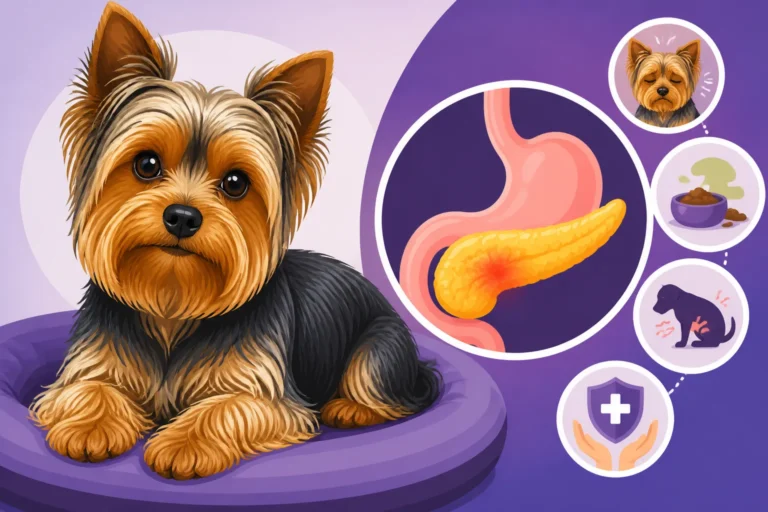
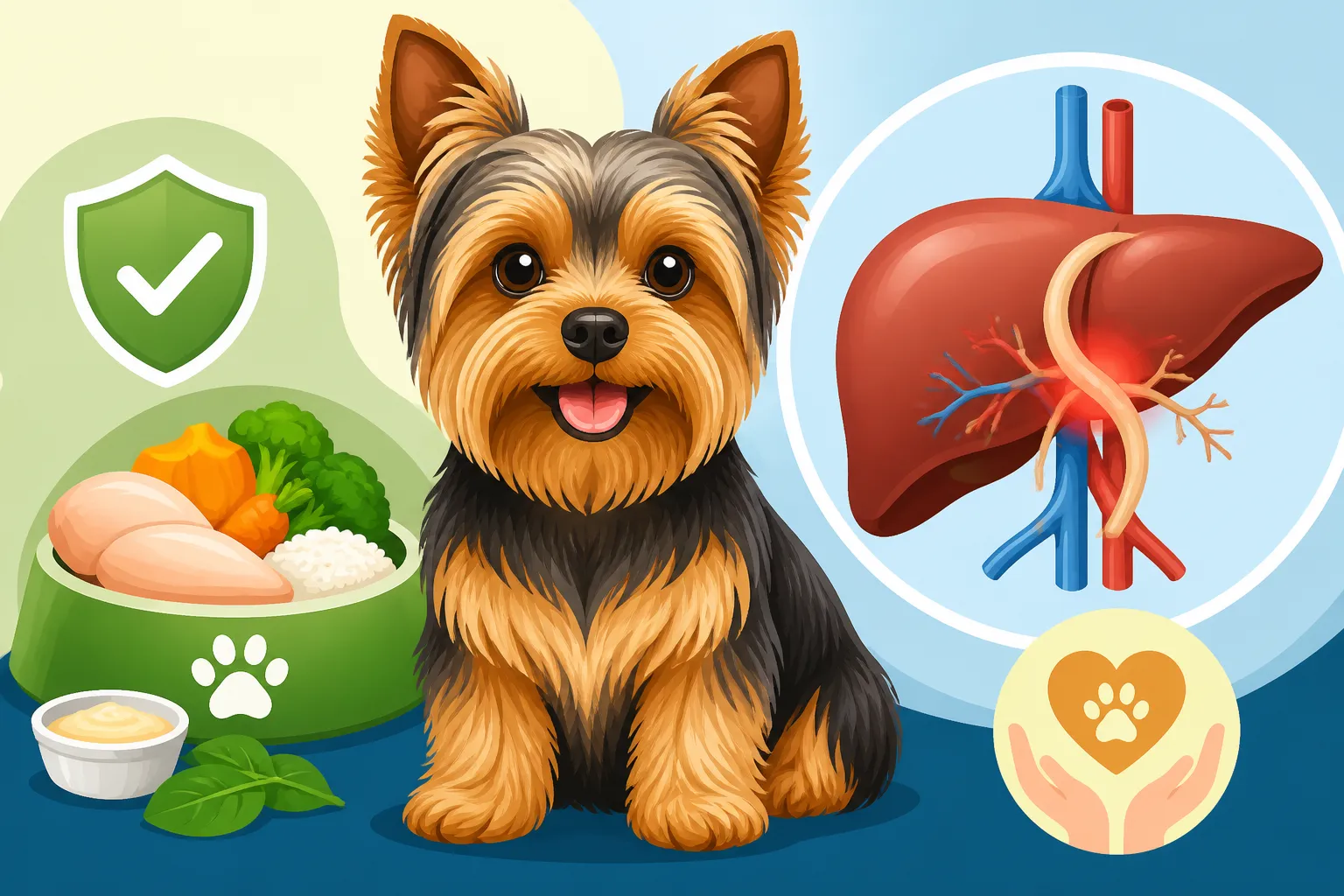
A liver shunt, medically known as a Portosystemic Shunt (PSS), is essentially a detour in your dog's circulatory system. Normally, blood from the intestines, stomach, and pancreas flows through the portal vein directly into the liver. The liver then acts as a vital filtration system, removing toxins and processing nutrients before sending the cleansed blood on to the rest of the body. With a shunt, some of this blood bypasses the liver entirely, flowing directly into the general circulation. This means toxins, such as ammonia, are not filtered out and instead circulate throughout your Yorkie’s body, leading to a variety of health problems, particularly neurological ones.
For Yorkshire Terriers, liver shunts are often congenital, meaning they are born with the condition. This breed, along with Maltese, Poodles, and Miniature Schnauzers, has a well-documented genetic predisposition to this particular health issue. There are two main types: extrahepatic (outside the liver), which are more common in small breeds like Yorkies and are often surgically correctable, and intrahepatic (inside the liver), which are rarer in Yorkies and more challenging to treat surgically. Understanding Common Yorkshire Terrier Genetic Conditions can help you recognize other predispositions your furry friend might have.
Recognizing the Signs and Symptoms
Identifying a liver shunt can be tricky because the symptoms can vary widely in severity and often mimic other conditions. However, vigilance is key, especially given the Yorkie's predisposition. Many owners notice signs early in puppyhood, often between six weeks and two years of age. One of the most common indicators is poor growth or a "failure to thrive" despite an adequate diet. Your Yorkie might seem smaller than their littermates or fail to gain weight properly.
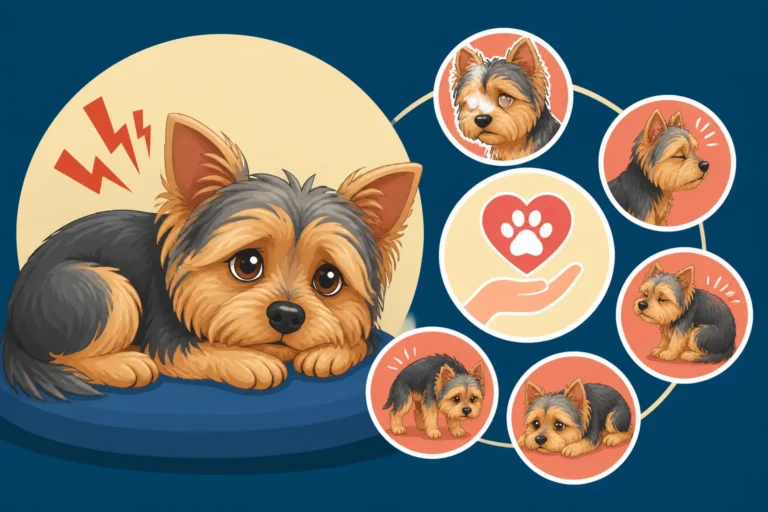
Beyond physical size, neurological symptoms are a hallmark of liver shunts due to the circulating toxins affecting the brain. These can include disorientation, lethargy, aimless wandering, pressing their head against a wall, uncoordinated movements, or even seizures. You might notice these symptoms becoming more pronounced after meals, as that's when toxin levels are highest. Gastrointestinal upsets are also common, such as vomiting, diarrhea, or a decreased appetite. Increased thirst and urination are other signs, as the kidneys work harder to excrete excess toxins. If you ever observe any of these Signs Your Yorkshire Terrier Is Sick, it’s crucial to contact your vet immediately. Early diagnosis, often through blood tests (like a bile acid test) and imaging (ultrasound), is paramount for the best possible outcome.
Tailoring the Diet for a Yorkie with a Liver Shunt
Once a liver shunt is diagnosed, dietary management becomes one of the most powerful tools in your arsenal for keeping your Yorkie healthy and comfortable. It's not just about what they eat, but how that food directly impacts the toxic load on their system. A carefully constructed diet can significantly reduce the amount of ammonia and other toxins circulating in their blood, easing the burden on their compromised liver and improving their overall quality of life.
The Pillars of a Liver-Friendly Diet
The primary goal of a liver-friendly diet for a Yorkie with a shunt is to reduce the production of toxins, especially ammonia, which is a byproduct of protein metabolism. This doesn't mean eliminating protein entirely, as protein is essential for muscle maintenance and various bodily functions. Instead, it means focusing on high-quality, easily digestible protein in controlled amounts. Sources like dairy, eggs, and specific meat proteins are often recommended because they produce fewer toxic byproducts compared to lower-quality proteins or organ meats.
Beyond protein, the diet should also prioritize complex carbohydrates, such as rice, oats, or sweet potatoes. These provide essential energy while being gentle on the digestive system and not contributing significantly to ammonia production. Fats should be included in moderate amounts, as they are a concentrated source of energy and help with nutrient absorption, but excessive fat can exacerbate other digestive issues. A balanced approach ensures your Yorkie gets the necessary nutrients without overloading their system with toxins. It's a fine balance, and working closely with your veterinarian is crucial to get it right.
Recommended Food Choices and Ingredients to Avoid
When it comes to commercial dog food, there are prescription diets specifically formulated for liver conditions. Brands like Royal Canin Hepatic and Hill's Prescription Diet l/d are often recommended by veterinarians. These foods are designed with carefully controlled, highly digestible protein levels, moderate fat, and appropriate carbohydrate sources to support liver health. They also often contain added vitamins, antioxidants, and L-carnitine, which can further aid liver function and overall metabolism. Always consult your vet before making a switch to a prescription diet, as they can recommend the best fit for your Yorkie's specific needs.
If you're considering homemade diets, they can be an option, but they require meticulous planning and veterinary supervision to ensure nutritional completeness and proper balance. Ingredients like boiled chicken or turkey breast, cottage cheese, cooked white rice, and certain vegetables (like green beans or carrots) can form the base. However, it's vital to avoid high-protein treats, organ meats (like liver, which is ironically high in ammonia-producing compounds), and any foods high in sodium or preservatives. Human foods that are generally safe for dogs might still be problematic for a Yorkie with a liver shunt, so always err on the side of caution. Remember that managing a chronic condition like a liver shunt can be costly, but pet insurance from providers like Healthy Paws can help cover the expenses of prescription diets and ongoing care.
| Dietary Component | Recommended | Avoid/Limit | Rationale |
|---|---|---|---|
| Protein Source | High-quality, digestible: chicken breast, turkey breast, cottage cheese, eggs | Red meat, organ meats (liver, kidney), low-quality protein fillers | Reduces ammonia production; easily metabolized. |
| Protein Quantity | Controlled, moderate levels (as advised by vet) | Excessive protein, protein-rich treats | Minimizes ammonia load on the liver. |
| Carbohydrates | Complex carbs: white rice, sweet potato, oats, pasta | Simple sugars, high-fiber cereals in excess | Provides energy without stressing the liver. |
| Fats | Moderate, digestible fats | High-fat foods, greasy treats | Essential for energy and nutrient absorption, but excess can cause issues. |
| Fiber | Moderate, soluble fiber (e.g., pumpkin) | Excessive insoluble fiber | Supports digestive health; helps bind toxins. |
| Supplements | Lactulose, antibiotics, B vitamins, SAMe (vet-prescribed) | Over-the-counter supplements without vet approval | Targets toxin reduction and liver support. |
| Hydration | Fresh, constant access to water | Essential for flushing toxins. |
Supplementation and Hydration
Beyond the primary food choices, certain supplements can play a crucial role in managing a Yorkie with a liver shunt. Lactulose is frequently prescribed; it works as a laxative, helping to bind ammonia in the intestines and facilitate its excretion, preventing it from reaching the bloodstream. Antibiotics, such as metronidazole, might also be used to reduce ammonia-producing bacteria in the gut. Your vet might also recommend specific B vitamins, which are vital for metabolic processes and can become depleted in dogs with liver disease.
Supplements like SAMe (S-Adenosylmethionine) and milk thistle are often discussed for their liver-protective properties, though their efficacy in all cases of shunts can vary. Always discuss any supplements with your veterinarian before introducing them, as improper supplementation can do more harm than good. Maintaining excellent hydration is another critical aspect of care. Ensure your Yorkie always has access to fresh, clean water. Adequate water intake helps the kidneys flush out toxins, supporting the body's natural detoxification processes, especially when the liver is compromised.
Comprehensive Care Strategies Beyond Diet
While diet is foundational, successfully managing a Yorkie with a liver shunt requires a holistic approach that extends far beyond the food bowl. It involves a combination of medical intervention, careful monitoring, and creating an environment that supports their delicate system. This integrated care plan aims to minimize symptoms, prevent crises, and maximize your little one's comfort and lifespan.
Medical Management and Regular Vet Visits
For many Yorkies with liver shunts, medical management becomes a lifelong commitment, especially if surgery isn't an option or is delayed. This typically involves a regimen of medications tailored to your dog's specific symptoms and the severity of their shunt. As mentioned, lactulose helps manage ammonia levels, while antibiotics address gut bacteria. Anticonvulsants may be prescribed if your Yorkie experiences seizures.
Regular and consistent veterinary visits are non-negotiable. Your vet will want to perform routine blood work to monitor liver enzyme levels, ammonia, and bile acids, adjusting medications or diet as needed. These check-ups are also crucial for catching any secondary complications early. Establishing a strong relationship with a veterinarian experienced in internal medicine or small animal surgery is incredibly beneficial. They can guide you through every stage, ensuring you know When to Take Your Yorkie to the Vet and what to look for. The cost of these frequent visits and medications can add up, making a strong case for investing in pet insurance.
Managing Neurological Symptoms and Environment
Neurological symptoms, particularly seizures, can be frightening for both you and your Yorkie. If your dog experiences seizures, it’s vital to remain calm, ensure they are in a safe space away from hazards, and time the duration. Never put your hands near their mouth. After a seizure, they may be disoriented or tired. Creating a calm, predictable home environment with soft bedding and easy access to food and water can help reduce stress, which can sometimes trigger neurological episodes. Keep noise levels low and avoid sudden changes in routine.
For Yorkies with more chronic disorientation or lethargy, consider adjusting their daily routine to allow for more rest. Gentle, short walks might be appropriate, but avoid overexertion, especially after meals. Ensuring easy access to their potty area is also important, as they might not always be able to hold it or navigate quickly. These small adjustments can significantly improve their daily comfort and safety. To learn more about overall wellness, you might find our guide on How to Keep a Yorkshire Terrier Healthy insightful.
Surgical Considerations and Prognosis
For many Yorkies with extrahepatic shunts, surgical correction offers the best long-term prognosis. The goal of surgery is to either completely close the shunt or gradually constrict it over time using a device called an ameroid constrictor. This redirects blood flow through the liver, allowing it to function properly. Surgery can significantly improve or even resolve symptoms, but it's not without risks, especially if your Yorkie is already very ill. Post-surgical care is critical, involving careful monitoring, pain management, and a gradual transition back to a normal or modified diet.
The decision for surgery is a complex one, involving discussions with your vet, a veterinary surgeon, and considering your Yorkie's overall health and the type of shunt. The prognosis varies widely depending on the type of shunt, the dog's age, and the presence of any other complications. Some dogs recover fully and live normal lives, while others may still require some dietary management and medication. Regardless of the path you choose, understanding Yorkshire Terrier Liver Shunt: Treatment Options will empower you to make informed decisions.
Living with a Yorkie Liver Shunt: Long-Term Outlook and Support
Living with a Yorkie that has a liver shunt is a marathon, not a sprint. It requires dedication, patience, and a deep understanding of your dog's unique needs. While the initial diagnosis can be daunting, many Yorkies with liver shunts can lead happy, fulfilling lives with proper management, diet, and ongoing care. Your commitment is truly the biggest factor in their long-term well-being.
The Importance of a Consistent Routine
Establishing a consistent daily routine is paramount for a Yorkie managing a liver shunt. This includes regular meal times (often smaller, more frequent meals are better than one or two large ones to prevent toxin spikes), medication schedules, and predictable potty breaks. Consistency helps their body regulate and reduces stress, which can exacerbate symptoms. Stick to their prescribed diet rigorously; even small deviations can lead to a flare-up of symptoms.
Beyond diet and medication, a consistent exercise routine (gentle walks, supervised playtime) that avoids overexertion is beneficial. Regular grooming can also contribute to their comfort and overall health. Monitoring their behavior, appetite, and energy levels daily will help you quickly identify any subtle changes that might indicate a problem. Keep a journal of their symptoms, medications, and any observations to share with your vet during appointments. This meticulous approach is part of providing the best possible care for your Yorkie, similar to the detailed care involved in a Yorkshire Terrier Puppy Health Guide for young pups.
Emotional Support for Pet Parents
Caring for a dog with a chronic condition like a liver shunt can be emotionally exhausting. It’s okay to feel overwhelmed, anxious, or even heartbroken at times. You're doing an amazing job navigating complex medical needs, and it's natural to worry about your furry family member. Don't hesitate to lean on your support system – friends, family, or even online communities of other pet parents facing similar challenges. Sharing experiences, tips, and frustrations can be incredibly validating and provide a sense of camaraderie.
Remember that every effort you make contributes to your Yorkie's quality of life. Celebrate the good days, and on the tougher ones, remind yourself of the love and comfort you provide. Your Yorkie thrives on your presence and care, and your emotional well-being is just as important for their stability.
Financial Planning for Long-Term Care
The reality of managing a chronic condition is the financial aspect. From prescription diets and daily medications to regular vet visits, specialized blood tests, and potentially surgery, the costs associated with a Yorkie liver shunt can quickly add up. Creating a budget specifically for your Yorkie's health needs can help you prepare. This might involve setting aside a portion of your savings or exploring financing options if a large expense, like surgery, arises.
This is where pet insurance can truly be a lifesaver. Providers like Healthy Paws offer comprehensive plans that can cover a significant portion of veterinary expenses for accidents, illnesses, and even hereditary conditions like liver shunts (provided the condition isn't pre-existing before enrollment). Having that financial safety net can alleviate a huge amount of stress, allowing you to focus on getting your Yorkie the best possible care without constant worry about the bill. Understanding Yorkshire Terrier Vet Costs and Health Budget can help you plan ahead for various health scenarios your Yorkie might encounter.
Disclaimer
The information provided in this article is for general informational purposes only and does not constitute veterinary advice. Always consult with a qualified veterinarian for any health concerns or before making any decisions about your pet's medical care or diet. Individual results may vary, and the effectiveness of any treatment or dietary change should be monitored by a professional.