Yorkie Coughing: Trachea or Something Else
Hearing your precious Yorkshire Terrier suddenly let out a strange cough can be truly alarming, making your heart pound as you wonder if it's just a minor irritation or something far more serious. Is that distinctive honking sound a symptom of the often-feared collapsing trachea, a condition known to plague small breeds like ours, or could it be something entirely different? This guide aims to clear up the confusion, helping you understand the nuances of a Yorkie's cough, identify potential causes, and know exactly when it’s time to call the vet.
Understanding Your Yorkie's Cough: Is It Really a Cough?
Before we dive into the nitty-gritty of why your Yorkie might be coughing, it’s crucial to first determine if what you're hearing is actually a cough. Small dogs, especially those with unique respiratory anatomies like the Yorkshire Terrier, can make a variety of noises that owners sometimes mistake for a cough. Getting familiar with these different sounds will give you a much clearer picture of what might be going on.
Differentiating Coughs from Other Respiratory Sounds
A true cough in a Yorkie typically sounds like a sudden, forceful expulsion of air from the lungs, often accompanied by a hacking or retching motion. It's usually an attempt to clear something from the airway, whether it's mucus, an irritant, or a foreign object. However, other sounds can mimic this, leading to unnecessary worry or, conversely, a delay in addressing a serious issue.
One of the most common imposters is the "reverse sneeze," a sound many Yorkie owners are intimately familiar with. Instead of exhaling, your Yorkie will rapidly inhale air through their nose, creating a loud, snorting, or gasping sound, often described as sounding like they're trying to clear something stuck in their throat. This typically happens in short, rapid bursts and can be triggered by excitement, allergies, or irritation. While it looks and sounds distressing, reverse sneezing is generally harmless and usually resolves on its own within a minute or two. For more on this, you might find our article on Yorkshire Terrier Reverse Sneezing: What It Means very helpful.
Another sound often confused with a cough is gagging or retching. This can occur if your Yorkie has an upset stomach, has eaten too quickly, or is trying to vomit. While a cough often comes from deeper in the chest, gagging originates from the throat and can sometimes lead to vomiting or bringing up foamy saliva. Differentiating these sounds is the first step in accurately diagnosing the underlying problem. Pay close attention to the body language accompanying the sound – is it a deep chest movement, or more focused on the throat?
When to Be Concerned About a Cough
While an occasional cough might just be your Yorkie clearing their throat, there are definitely times when a cough warrants immediate attention. The severity, frequency, and presence of other symptoms are key indicators. A mild, infrequent cough that doesn't seem to bother your dog much might be less concerning than a persistent, harsh cough that leaves them struggling for breath.
If your Yorkie's cough is consistent, meaning it happens regularly throughout the day or night, or if it suddenly worsens in intensity or frequency, it's a red flag. Pay attention to specific triggers: Does it happen after exercise? When they get excited? While eating or drinking? Or only when they lie down? These details are critical clues for your veterinarian.
Accompanying symptoms are equally important. Is the cough coupled with lethargy, a loss of appetite, difficulty breathing, blue-tingish gums, or a runny nose and eyes? Any of these additional signs suggest that the underlying cause is more than a simple irritation and requires professional assessment. Trust your gut; if something feels off, it usually is.
The Infamous Collapsing Trachea in Yorkies
For many Yorkshire Terrier owners, the phrase "collapsing trachea" is a constant worry. This condition is disproportionately common in toy breeds, and understanding it is crucial for early detection and management.
What is Tracheal Collapse and Why Yorkies Are Prone
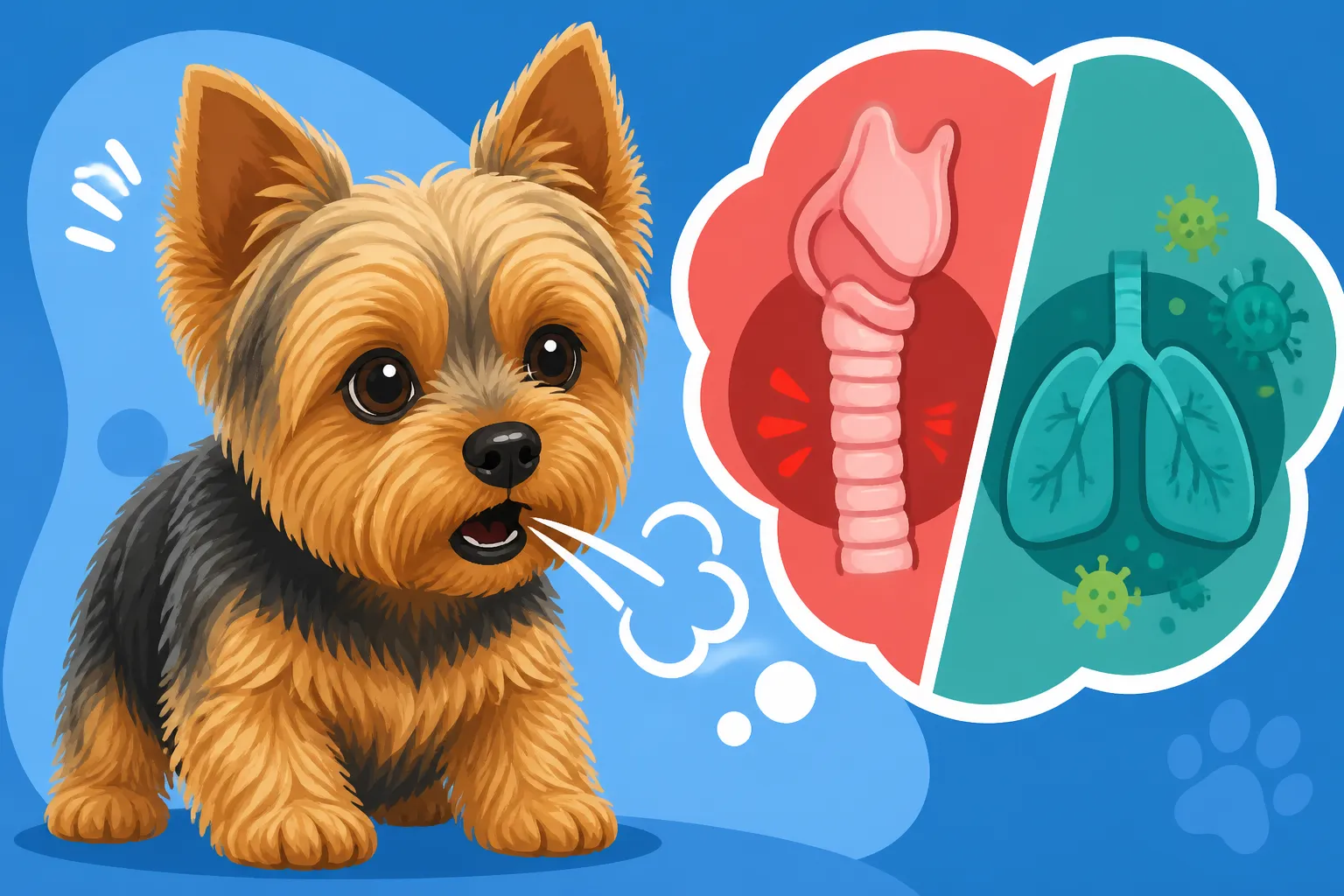
The trachea, often called the windpipe, is a tube made of cartilage rings that carries air from the throat to the lungs. In a healthy dog, these rings are strong and keep the airway open. With tracheal collapse, these cartilage rings weaken and flatten, making the trachea narrow and restricting airflow, especially during inhalation. Imagine trying to breathe through a flattened straw – that's what it feels like for your Yorkie.
Yorkshire Terriers are genetically predisposed to this condition. It’s thought to be due to a hereditary weakness in the cartilage, which means some Yorkies are simply born with a greater likelihood of developing it. Small breed dogs, in general, are more susceptible, and factors like obesity can exacerbate the condition, placing additional strain on an already compromised airway. It's a progressive disease, meaning it tends to worsen over time if not managed. Learning about Yorkshire Terrier Collapsing Trachea: Signs and Care can provide a deeper dive into this condition.
The onset can occur at any age, though it's often diagnosed in middle-aged or senior dogs, or sometimes even in puppies if the weakness is severe enough. The pressure from a collar, obesity, excitement, or even allergies can trigger or worsen episodes. Understanding this predisposition is key to both prevention, such as using a harness instead of a collar, and early intervention. If you're looking for ways to reduce the risk, our article on How to Prevent Collapsing Trachea in Yorkies offers valuable advice.
Recognizing the Signs of Collapsing Trachea
The hallmark symptom of tracheal collapse is a dry, harsh, honking cough that sounds remarkably like a "goose honk." This distinctive sound is often most noticeable when your Yorkie is excited, pulling on their leash, drinking water, eating, or experiencing changes in temperature or humidity. You might also notice it after they've been barking vigorously or during periods of increased activity.
Beyond the signature cough, a Yorkie with a collapsing trachea might display other symptoms. They might show difficulty breathing, which could manifest as rapid, shallow breaths, or even struggle to catch their breath after minimal exertion. You might hear a wheezing sound as they breathe, particularly if the collapse is severe. In more advanced stages, exercise intolerance becomes apparent; your usually playful Yorkie might tire easily, lagging behind on walks or refusing to play. In severe cases, they might appear distressed, with their gums turning a bluish tint due to lack of oxygen, which is an emergency situation.
Observing these signs and noting their triggers is incredibly important for your vet. Many owners find it helpful to record their Yorkie coughing on their phone to show the veterinarian, as the stress of a clinic visit can sometimes prevent a dog from displaying their usual symptoms.
Managing Tracheal Collapse
While tracheal collapse is a chronic condition with no absolute cure, it can be managed effectively to improve your Yorkie's quality of life. The treatment plan usually involves a multi-pronged approach tailored to the severity of the condition. Weight management is often a crucial first step, as excess weight puts added pressure on the trachea. Your vet might recommend a specific diet and exercise routine to help your Yorkie shed those extra pounds.
One of the simplest yet most effective management strategies is to switch from a neck collar to a harness. A harness distributes pressure across the chest and shoulders, completely eliminating pressure on the delicate trachea, which can significantly reduce coughing episodes. Medications are frequently prescribed, including cough suppressants to ease discomfort, bronchodilators to open up airways, and anti-inflammatory drugs to reduce swelling in the respiratory tract. For those dealing with ongoing medical costs, a pet insurance plan can be invaluable. Many pet parents find that having a plan with providers like Healthy Paws helps them afford the best possible care without constant financial worry about medication refills or emergency visits.
Environmental control also plays a significant role. Avoiding irritants like smoke, strong perfumes, aerosol sprays, and excessively dusty environments can help keep your Yorkie’s airways clearer. In some severe cases, surgery may be considered to place prosthetic rings around the trachea to hold it open. This is a specialized procedure and typically reserved for dogs who don't respond to medical management. However, even with surgery, careful post-operative care and ongoing management are essential.
Other Causes of Your Yorkie's Cough
While tracheal collapse is a prime suspect for a Yorkie's cough, it's far from the only possibility. Many other conditions, ranging from mild to serious, can cause coughing in our little companions.
Kennel Cough and Other Respiratory Infections
One of the most common causes of coughing in dogs, regardless of breed, is kennel cough, also known as canine infectious tracheobronchitis. This highly contagious respiratory disease is caused by various bacteria and viruses, with Bordetella bronchiseptica being a primary culprit. It often spreads rapidly in places where dogs gather, like boarding kennels, dog parks, or puppy classes.
The symptoms of kennel cough are quite distinctive: a strong, persistent, hacking cough, often described as sounding like a goose honk (yes, similar to tracheal collapse, which adds to the confusion!). Your Yorkie might gag or retch at the end of a coughing fit, sometimes bringing up a foamy white phlegm. Other symptoms can include a runny nose, sneezing, and lethargy, though many dogs appear otherwise healthy. Treatment typically involves rest, humidifiers, and sometimes cough suppressants or antibiotics to prevent secondary bacterial infections. Most cases resolve within a few weeks, but it's important to consult your vet, especially for a small dog like a Yorkie, as complications can arise. Ensuring your Yorkie is up-to-date on their vaccinations, including the Bordetella vaccine, can help prevent or lessen the severity of kennel cough.
Beyond kennel cough, your Yorkie could be suffering from other respiratory infections, such as those caused by canine influenza virus or other bacteria. These infections can also lead to coughing, along with symptoms like fever, nasal discharge, and reduced appetite. A veterinary diagnosis is essential to determine the specific pathogen and appropriate treatment.
Allergies and Environmental Irritants
Just like people, Yorkies can suffer from allergies, and one of the ways these manifest is through respiratory symptoms, including coughing. Environmental allergens such as pollen, dust mites, mold spores, and even certain cleaning products or air fresheners can irritate your Yorkie's airways, leading to a cough. Smoke, whether from cigarettes, fireplaces, or even cooking, is a significant irritant for any dog, but especially for small breeds with delicate respiratory systems.
An allergy-induced cough might be accompanied by other signs of allergies, such as sneezing, watery eyes, a runny nose, or excessive scratching due to itchy skin. The cough might be more prevalent during certain seasons (pollen allergies) or when exposed to specific triggers (dust, smoke). Identifying and minimizing exposure to these irritants is often the first step in managing an allergic cough. This might involve using air purifiers, frequent cleaning, or avoiding walks during peak pollen times. For a more detailed look at identifying and managing allergic reactions, check out Yorkie Allergies: Signs and Relief.
Your vet can help determine if allergies are indeed the cause and might recommend antihistamines, corticosteroids, or other medications to manage the symptoms. In some cases, allergy testing and desensitization injections might be considered.
Heart Disease
It might sound surprising, but heart disease is a significant cause of chronic coughing in older dogs, including Yorkshire Terriers. As the heart weakens, it can't pump blood as efficiently, leading to fluid buildup in and around the lungs (pulmonary edema). This fluid buildup irritates the airways, triggering a cough. This type of cough is often described as soft and wet, and it tends to worsen when your Yorkie is resting, especially at night or when lying down, as gravity allows fluid to pool more easily in the lungs.
Common heart conditions in Yorkies that can lead to coughing include mitral valve disease, a degenerative condition common in small breeds, and congestive heart failure. Besides coughing, other signs of heart disease might include lethargy, exercise intolerance, difficulty breathing, a distended abdomen, and a decrease in appetite. If your Yorkie is showing a persistent cough, particularly if they are senior, your vet will likely perform a thorough cardiac examination, which may include listening to their heart for murmurs, taking X-rays to check for an enlarged heart or fluid in the lungs, and possibly an ultrasound (echocardiogram) of the heart. Many pet parents find the costs of these specialized diagnostics can be significant, but having pet insurance from a reliable provider like Healthy Paws can greatly ease the financial burden, ensuring your Yorkie gets the vital screenings they need without delay. More general information can be found in Yorkshire Terrier Health Problems to Know.
Early diagnosis and management of heart disease are crucial. Medications like diuretics to remove excess fluid, ACE inhibitors to reduce the heart's workload, and other cardiac drugs can significantly improve a Yorkie's quality of life and prolong their lifespan.
Dental Disease and Oral Issues
While it might seem unrelated, severe dental disease can actually contribute to respiratory problems and coughing in Yorkies. Yorkies are notoriously prone to dental issues, with plaque and tartar buildup leading to gingivitis and periodontal disease. When these conditions become severe, bacterial infections can develop in the mouth.
These oral bacteria can sometimes migrate or spread to the respiratory tract, leading to infections in the sinuses or even the lungs, which can then trigger a cough. The inflammation and infection can irritate the throat and upper airways, causing your Yorkie to cough or gag. Additionally, an abscessed tooth could, in rare cases, create a fistula (an abnormal connection) into the nasal cavity, causing chronic discharge and irritation that leads to coughing.
Regular dental care is paramount for Yorkies, not just for fresh breath but for their overall health. This includes daily brushing, regular professional dental cleanings under anesthesia, and appropriate dental chews. Our guides on Yorkshire Terrier Dental Care Guide and Yorkie Dental Disease Prevention offer comprehensive strategies to keep your Yorkie's pearly whites healthy and reduce the risk of related respiratory issues. If your vet suspects dental disease is playing a role in your Yorkie's cough, they will recommend a thorough dental examination and cleaning.
Bronchitis or Asthma
Similar to humans, dogs can suffer from bronchitis or a form of asthma, which can lead to chronic coughing. Bronchitis is an inflammation of the bronchial tubes, the airways that branch off the trachea into the lungs. This inflammation can be acute (sudden and short-lived, often due to an infection) or chronic (persisting for two months or more). Chronic bronchitis results in a persistent, dry, or sometimes productive cough due to increased mucus production.
Canine asthma, although less common than in humans, involves a hypersensitivity of the airways, leading to constriction and inflammation when exposed to certain triggers. This can result in wheezing, difficulty breathing, and a chronic cough. Both conditions require veterinary diagnosis through physical examination, X-rays, and sometimes more advanced diagnostics to rule out other causes like heartworm disease or fungal infections.
Treatment for bronchitis and asthma often involves identifying and removing environmental triggers, along with medications such as bronchodilators to open airways and corticosteroids to reduce inflammation. Managing these conditions requires ongoing veterinary care to keep your Yorkie comfortable and minimize coughing episodes.
Foreign Objects or Growths
Less common but potentially very serious causes of a Yorkie's cough include the presence of a foreign object lodged in their airway or the development of growths or tumors. Yorkies, being small and curious, might accidentally inhale tiny pieces of toys, grass, seeds, or even small food particles, especially if they are eating too quickly or playing enthusiastically. A foreign object can cause sudden, severe coughing, gagging, and distress as your dog tries desperately to dislodge it. This is usually an emergency situation.
Growths or tumors, whether benign or malignant, can develop in the throat, trachea, or lungs. As these growths enlarge, they can obstruct the airway, leading to a persistent cough, difficulty breathing, and sometimes changes in their bark. This is more common in older Yorkies, and the cough might be accompanied by weight loss, lethargy, or reduced appetite. Diagnosis typically involves X-rays, bronchoscopy (using a tiny camera to look inside the airways), or biopsies. While these are less frequent causes, they underscore the importance of thorough veterinary investigation when a cough persists and other common causes have been ruled out.
When to Seek Veterinary Care
Knowing when to simply monitor your Yorkie and when to rush to the vet can be the difference between a minor issue and a life-threatening emergency. Always err on the side of caution when it comes to your pet's health.
Immediate Concerns and Emergency Situations
Some coughing symptoms are clear indicators of an emergency that requires immediate veterinary attention. If your Yorkie is coughing severely, struggling to breathe, gasping for air, or their breathing sounds labored and noisy, do not wait. Look at their gums: if they appear bluish, purplish, or pale, this signifies a lack of oxygen and is a critical emergency. Any collapse, extreme lethargy, or unresponsiveness alongside coughing also warrants an emergency visit.
In these situations, time is of the essence. Don't try to self-diagnose or wait to see if it improves. Contact your emergency vet clinic immediately and let them know you're on your way. For a more comprehensive understanding of urgent situations, our article on Yorkie Emergency Symptoms to Never Ignore is a vital resource. Even if it turns out to be nothing, it's always better to be safe than sorry, especially with the delicate respiratory systems of Yorkshire Terriers.
Preparing for Your Vet Visit
When you do make that appointment, being prepared can help your veterinarian diagnose the problem much more efficiently. Start by compiling a detailed history of your Yorkie's cough. When did it start? How often does it happen? Is it getting better or worse? Does it happen at specific times, like after exercise, at night, or when eating? Are there any specific triggers you've noticed?
It can be incredibly helpful to take a video of your Yorkie coughing on your phone. Dogs often don't cough when they're at the vet's office due to stress or excitement, so a video can provide your vet with invaluable insight into the sound and severity of the cough. Also, be ready to discuss other symptoms, such as changes in appetite, energy levels, drinking habits, or bathroom routines. Mention any recent changes in their environment, diet, or routine.
Your vet will likely perform a thorough physical examination, listen to your Yorkie's heart and lungs, and may recommend diagnostic tests. These could include chest X-rays to check the trachea, lungs, and heart; blood tests to look for infection or other underlying conditions; or even a heartworm test. Depending on what the initial tests reveal, more advanced diagnostics like an echocardiogram (heart ultrasound) or bronchoscopy might be suggested. Understanding the potential costs of these diagnostics, and how a pet insurance plan like those from Healthy Paws can assist, can help you make informed decisions about your Yorkie's care.
Comparing Yorkie Cough Types
To help you distinguish between the common causes of coughing in Yorkies, here's a quick comparison of typical symptoms. Remember, this table is for informational purposes and is not a substitute for veterinary diagnosis.
| Cough Type | Common Sound/Description | Key Triggers/When It Occurs | Accompanying Symptoms | Severity/Urgency |
|---|---|---|---|---|
| Collapsing Trachea | Dry, harsh "goose honk" cough | Excitement, exercise, pulling on leash, drinking, eating | Wheezing, difficulty breathing, exercise intolerance | Chronic, requires management; emergency if severe distress |
| Kennel Cough | Hacking, "seal-like" cough, often with gag | Exposure to other dogs (boarding, park) | Runny nose/eyes, sneezing, lethargy (sometimes) | Usually self-limiting, vet visit recommended |
| Heart Disease | Soft, wet cough | Worsens when resting/lying down, at night | Lethargy, exercise intolerance, difficulty breathing, distended abdomen | Chronic, requires vet diagnosis & medication; emergency if severe distress |
| Allergies | Varied, sometimes dry or hacking | Exposure to allergens (pollen, dust, smoke) | Sneezing, watery eyes, itchy skin, runny nose | Usually mild, manageable with environmental changes & meds |
| Respiratory Infection | Wet or dry, persistent cough | Varies | Fever, nasal discharge, lethargy, decreased appetite | Requires vet diagnosis & specific treatment |
| Foreign Object | Sudden, violent coughing, gagging, choking | After chewing on small objects, eating quickly | Distress, pawing at mouth, difficulty breathing | Emergency – Seek immediate vet care |
Disclaimer
This article is intended for informational purposes only and does not constitute medical advice. Always consult with a qualified veterinarian for any health concerns or before making any decisions about your pet's health or treatment plan.