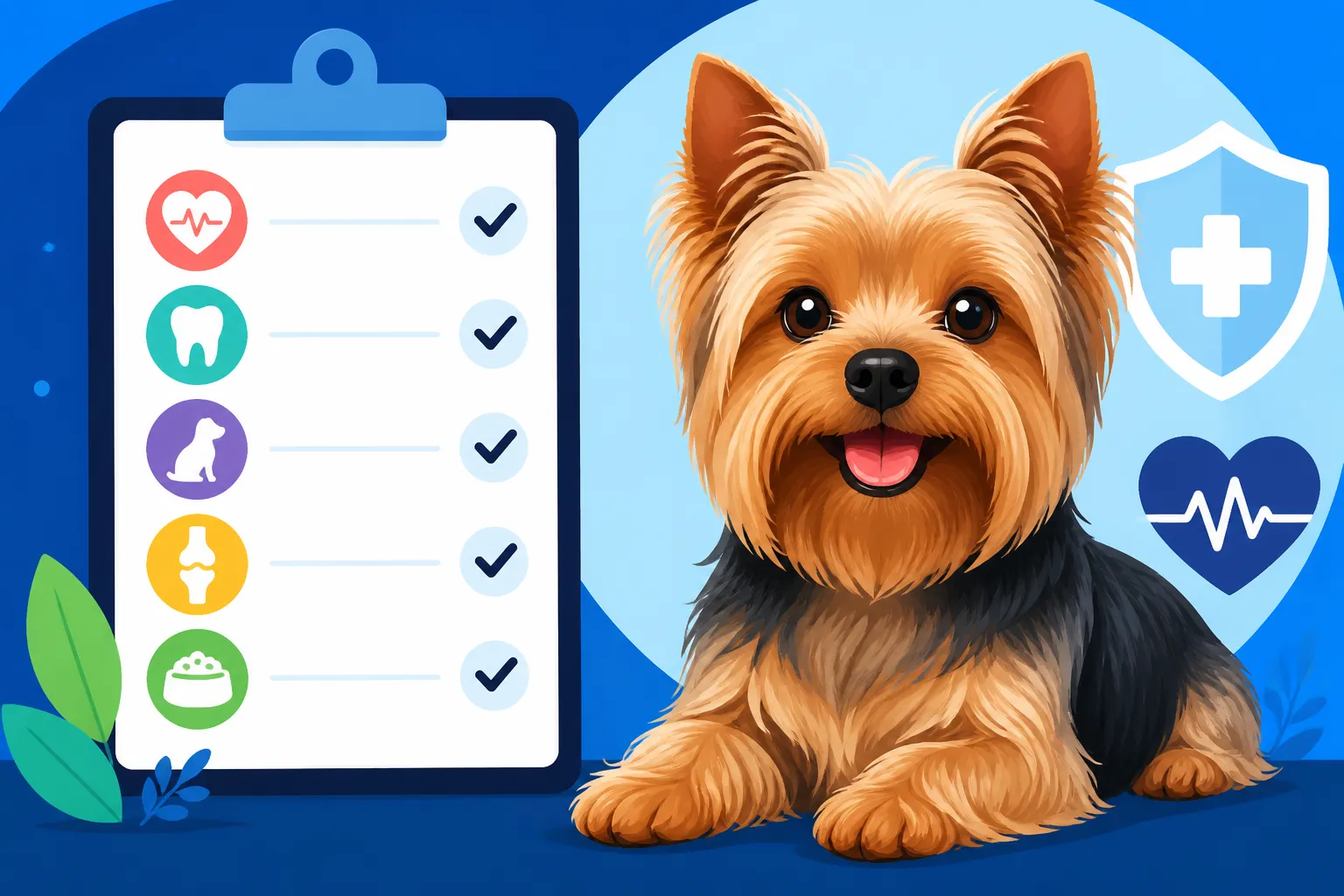
10-Year-Old Yorkshire Terrier Health Checklist
Watching your beloved Yorkshire Terrier gracefully enter their senior years is a bittersweet journey. While their boundless puppy energy might have mellowed, new concerns often bubble up, leaving you wondering if those little coughs or stiff walks are just signs of age or something more serious. It's tough to know exactly what to look for, and the sheer volume of information can be overwhelming. This comprehensive guide is here to provide you with a clear, actionable health checklist for your 10-year-old Yorkie, ensuring you can proactively support their well-being in their golden years.
Understanding Your 10-Year-Old Yorkie's Golden Years
Just like us, dogs experience a decline in certain functions as they age. For a spirited breed like the Yorkshire Terrier, who often maintain a youthful demeanor well into their later years, it can be easy to overlook the subtle shifts that indicate they're officially entering their senior chapter. A 10-year-old Yorkie is definitely a senior citizen in dog years, and their needs change dramatically from their younger, more boisterous selves.
What "Senior" Really Means for a Yorkie
For smaller breeds like Yorkies, "senior" typically kicks in around 8 to 10 years of age, and a 10-year-old is squarely in that category. This isn't just a number; it marks a physiological shift where their bodies become less efficient at repairing themselves and are more susceptible to age-related conditions. Their metabolism might slow down, their immune system isn't as robust, and their organs might not function with the same vigor they once did. This transition doesn't mean they're "old and decrepit," but rather that their care needs a more mindful, preventative approach. It’s about recognizing that while they may still dart around the living room, their capacity for sustained activity or their ability to recover quickly from minor ailments has diminished. Understanding these changes is the first step in providing the best possible care.
Many owners, myself included, have a hard time accepting that our tiny companions are getting older. They often still look so spunky! But ignoring their age can mean missing early signs of conditions that, if caught early, could be managed much more effectively. For a deeper dive into their overall health journey, you might find our article on How Long Do Yorkshire Terriers Live particularly insightful as it touches on various life stages.
Subtle Changes to Look Out For
The signs of aging in a Yorkie can be incredibly subtle at first, often masquerading as just "being a little less playful." You might notice they sleep more deeply or for longer periods, or perhaps they're a bit slower to greet you at the door. Their once enthusiastic tail wags might be a little less vigorous, or they might seem less interested in their usual toys. These aren't necessarily red flags on their own, but when combined, they paint a picture of an aging dog.
Look for changes in appetite or water consumption, which could signal underlying metabolic issues. A decrease in stamina during walks, a slight hesitation before jumping on the couch, or even a change in their preferred sleeping spot to somewhere warmer or easier to access can all be indicators. Sometimes, a previously well-behaved Yorkie might start having accidents in the house, which can be a sign of anything from cognitive decline to a urinary tract infection. Keep a close eye on their grooming habits too; a senior Yorkie might not be as meticulous about self-grooming, leading to matting or skin issues. These tiny details are often the first whispers that their body is changing, and paying attention to them can make a huge difference in catching potential problems early.
Key Health Areas to Monitor in Senior Yorkies
As your Yorkie reaches their senior years, certain health conditions become more prevalent. Being aware of these common issues can help you be vigilant and seek veterinary attention promptly. Proactive monitoring and early intervention are crucial for maintaining their quality of life.
Dental Health Remains Paramount
If there's one thing Yorkie owners hear constantly, it's about dental health, and for good reason. Dental disease is rampant in small breeds, and by 10 years old, many Yorkies are already suffering from significant issues. We're talking about more than just bad breath; severe dental disease can lead to painful infections, tooth loss, and even impact vital organs like the heart and kidneys as bacteria from the mouth enter the bloodstream. You might notice a reluctance to eat hard kibble, excessive drooling, pawing at their mouth, or swollen gums.
Regular professional dental cleanings under anesthesia are often necessary, even for senior dogs, though your vet will assess the risks. In between cleanings, a consistent home dental care routine is non-negotiable. This means daily brushing if possible, or using dental wipes, enzymatic chews, and water additives. For comprehensive advice, our guide on Yorkshire Terrier Dental Care Guide offers invaluable insights. Don't underestimate the impact of a healthy mouth on their overall well-being; chronic pain from dental issues can severely diminish their joy in life.
Joint and Mobility Issues
It's heartbreaking to see a once-spry Yorkie struggle to move, but joint problems are a reality for many senior dogs. Conditions like arthritis, patellar luxation, and even Legg-Calve-Perthes disease can worsen with age, causing pain and stiffness. You might observe limping, difficulty getting up after resting, a reluctance to jump, or even a change in their gait. Cold weather often exacerbates these symptoms, making them even more noticeable.
Pay attention to how they walk, how they stand, and if they yelp or flinch when touched in certain areas. Creating a comfortable home environment with orthopedic beds, ramps, or steps can make a huge difference. Your vet might recommend joint supplements, pain medication, or even physical therapy to help manage their discomfort. Ignoring joint pain isn't an option, as it significantly impacts their ability to enjoy their daily life. Learning about Yorkshire Terrier Patellar Luxation: Signs and Care could be helpful if you suspect this is an issue.
Vision and Hearing Changes
As Yorkies age, their senses can start to decline. Vision impairment is common, often manifesting as cloudy eyes (nuclear sclerosis, a normal aging change) or more serious conditions like cataracts. You might notice them bumping into furniture, hesitating in dimly lit areas, or becoming more reliant on their other senses. Similarly, hearing loss can occur gradually, making them less responsive to their name or commands. They might startle more easily if approached from behind, or sleep through noises that used to wake them.
While a slight cloudiness in the lens is common and doesn't always affect vision significantly, true cataracts can eventually lead to blindness. Keeping familiar routines and not rearranging furniture too much can help a visually impaired Yorkie navigate their home. For hearing loss, relying on hand signals rather than verbal commands can be very effective. Regular eye exams are vital, as some conditions like glaucoma require immediate treatment. Our article on Yorkshire Terrier Cataracts: Signs and Treatment provides more details on this specific issue.
Heart and Respiratory Concerns
Heart disease and respiratory problems are also common in senior Yorkies. Small breeds are particularly prone to collapsing trachea, which can manifest as a persistent, honking cough, especially during excitement or exercise. Heart murmurs are also common and, while some are benign, others can indicate more serious underlying heart conditions that require medication to manage. You might notice your Yorkie tiring easily, panting excessively, or having difficulty breathing.
Listen for changes in their breathing patterns or any new coughs. If your Yorkie is coughing frequently, especially a dry, hacking cough, it's essential to have them checked by a vet promptly. This could be a sign of a collapsing trachea or even early heart failure. Regular veterinary check-ups are critical for detecting these issues early, often through listening to their heart and lungs or recommending chest X-rays. Addressing these problems early can significantly improve their comfort and prolong their life. For more specific information on breathing difficulties, refer to Yorkshire Terrier Collapsing Trachea: Signs and Care.
Comprehensive Health Checklist for Your Senior Yorkie
Staying on top of your 10-year-old Yorkie's health requires a multifaceted approach. It’s not just about reacting to problems, but actively working to prevent them and create an environment that supports their aging body and mind.
Regular Veterinary Care
This is, without a doubt, the cornerstone of senior Yorkie health. While younger dogs might get by with annual check-ups, senior Yorkies truly benefit from semi-annual (every six months) veterinary visits. These more frequent appointments allow your vet to catch subtle changes and potential health issues much earlier. During these visits, expect thorough physical exams, blood work (including a complete blood count and chemistry panel to assess organ function), and urinalysis. These tests can reveal early signs of kidney disease, liver issues, diabetes, or thyroid problems before clinical symptoms even appear.
Don't hesitate to discuss any small changes you've observed, no matter how insignificant they might seem. Your vet is a partner in your Yorkie's care, and providing them with a full picture of your dog's daily habits and any minor concerns is invaluable. Think of these visits as proactive maintenance, ensuring that your little companion's engine is running as smoothly as possible for their age. Understanding Yorkshire Terrier Vet Costs and Health Budget can help you prepare for these essential visits.
Nutrition and Weight Management
A senior Yorkie's nutritional needs are different from those of a younger, more active dog. Their metabolism slows down, making them prone to weight gain, which can exacerbate joint problems and increase the risk of other health issues like diabetes. However, some senior Yorkies might also lose weight if they have underlying health conditions or dental pain. It's a delicate balance. Your vet can help you determine the ideal weight for your Yorkie and recommend a senior-specific diet that's lower in calories but still packed with essential nutrients, often with added joint support or easily digestible proteins.
Monitor their food intake carefully and adjust portion sizes as needed. If your Yorkie is a picky eater, try warming their food slightly or adding a little low-sodium broth to make it more appealing. Ensure they have constant access to fresh water. Overweight Yorkies need a controlled diet and gentle, consistent exercise to shed those extra pounds. Conversely, if your Yorkie is losing weight, it's crucial to investigate the cause with your vet. Small, frequent meals can also help prevent hypoglycemia, a concern for tiny breeds. Our article on How Much to Feed a Yorkie and Monthly Cost can give you more detailed guidance on feeding.
Home Environment Adjustments
Making your home a safe and comfortable haven for your senior Yorkie is essential. Simple modifications can significantly improve their quality of life. Provide soft, orthopedic beds in multiple locations around the house where they like to rest. If they struggle with stairs or jumping onto furniture, consider ramps or pet steps. Non-slip rugs or runners on slick floors can prevent falls, which can be devastating for an aging dog with brittle bones or joint pain.
Ensure their food and water bowls are easily accessible, perhaps elevated slightly if neck pain is an issue. Keep their potty area easily accessible, especially if they have urgency or mobility challenges. A designated, quiet space where they can retreat and rest undisturbed is also beneficial, particularly in busy households. These small adjustments can go a long way in reducing stress and preventing injuries.
Mental and Emotional Well-being
It's easy to focus solely on physical health, but your senior Yorkie's mental and emotional well-being is just as important. Cognitive dysfunction syndrome (CDS), similar to Alzheimer's in humans, can affect older dogs, leading to confusion, disorientation, changes in sleep patterns, and house-soiling. Keep their minds active with gentle, low-impact games, puzzle toys, and short, familiar walks that allow them to sniff and explore.
Maintain a consistent daily routine to reduce anxiety and confusion. Continue to shower them with affection and reassurance. If you notice signs of anxiety (like excessive panting, pacing, or clinginess) or behavioral changes that concern you, discuss them with your vet. Sometimes, medication or specific supplements can help manage CDS symptoms. A happy, mentally stimulated senior Yorkie is a healthier Yorkie. For more specific insights into general senior care, check out our Yorkshire Terrier Senior Care Guide.
Proactive Steps and Support for Your Aging Yorkie
Beyond the regular checklist, there are additional proactive measures and support systems that can significantly enhance your 10-year-old Yorkie's health journey. Being prepared for potential challenges can bring immense peace of mind.
The Role of Supplements and Therapies
For many senior Yorkies, certain supplements can provide valuable support. Glucosamine and chondroitin are popular choices for joint health, helping to maintain cartilage and reduce inflammation. Omega-3 fatty acids can support joint health, skin and coat quality, and even cognitive function. Your vet might also recommend antioxidants to combat cellular aging or probiotics for digestive health, especially if your Yorkie has a sensitive stomach. Always discuss any supplements with your veterinarian before introducing them, as not all supplements are suitable for every dog, and dosages need to be correct.
Beyond supplements, alternative therapies like acupuncture or laser therapy can be beneficial for managing chronic pain, particularly in cases of arthritis or back issues. Gentle massage can also improve circulation and flexibility. These aren't replacements for conventional veterinary care but can be powerful complements to a holistic approach to senior health. Our article on Yorkie Joint Supplements Explained offers a deeper look into these beneficial aids.
Planning for Unexpected Costs
Let's be realistic: senior pet care can get expensive. More frequent vet visits, diagnostic tests, medications for chronic conditions, and potential emergency treatments can add up quickly. Planning ahead for these costs can alleviate a lot of stress during an already emotional time. One excellent way to do this is through pet insurance. Companies like Healthy Paws offer comprehensive plans that can cover a significant portion of unexpected veterinary bills, allowing you to make medical decisions based on what's best for your Yorkie, rather than worrying about the financial strain.
Even if you choose not to get pet insurance, consider setting up a dedicated "senior pet fund." Putting aside a small amount each month can build a safety net for those unforeseen expenses. Having that financial buffer, whether through a provider like Healthy Paws or your own savings, means you can focus on caring for your beloved companion without added financial anxiety. For more detailed financial planning, exploring Pet Insurance for Yorkshire Terriers is highly recommended.
Here's a quick summary of key health considerations for your 10-year-old Yorkie:
| Health Area | Key Concerns | What to Monitor | Proactive Steps |
|---|---|---|---|
| Dental Health | Periodontal disease, tooth loss, infections | Bad breath, pawing at mouth, difficulty eating | Daily brushing, dental chews, professional cleanings (every 6-12 months) |
| Joint Mobility | Arthritis, luxating patella, stiffness | Limping, slow to rise, reluctance to jump | Orthopedic beds, ramps/steps, joint supplements, weight management, gentle exercise |
| Vision & Hearing | Cataracts, nuclear sclerosis, progressive hearing loss | Bumping into things, startling easily, less responsive | Regular eye exams, maintain familiar environment, use hand signals, clear pathways |
| Heart & Respiratory | Collapsing trachea, heart murmurs, early heart failure | Honking cough, excessive panting, tiring easily | Regular vet check-ups (listen to heart/lungs), monitor breathing, avoid neck pressure (use harness), manage weight |
| Organ Function | Kidney disease, liver issues, diabetes, thyroid | Changes in appetite/thirst, urination, lethargy | Semi-annual vet visits, blood work (CBC, chemistry), urinalysis, senior-specific diet |
| Cognitive Function | Cognitive Dysfunction Syndrome (CDS) | Disorientation, confusion, altered sleep, house-soiling | Mental stimulation (puzzle toys), consistent routine, affection, vet consultation for medication/supplements |
| Skin & Coat | Dry skin, lumps, matting | Excessive scratching, new bumps, dull coat | Regular grooming, gentle brushing, appropriate shampoo, monitor for lumps, omega-3 supplements |
| Weight | Obesity, unexplained weight loss | Changes in body condition | Portion control, senior diet, gentle exercise, regular weigh-ins at vet, address dental pain for loss of appetite |
Looking after a 10-year-old Yorkie is a commitment to their golden years, filled with extra care and attention. By being prepared and proactive, you're ensuring they remain happy, comfortable, and cherished members of your family for as long as possible.
Disclaimer
Please remember that the information provided in this article is for general informational purposes only and does not constitute professional veterinary advice. Always consult with a qualified veterinarian for any health concerns or before making any decisions about your Yorkshire Terrier's medical care.