Senior Yorkshire Terrier Health Checklist
It’s a bittersweet moment when you start noticing the tiny, subtle shifts in your once perpetually youthful Yorkshire Terrier – a little slower on walks, a nap lasting a bit longer, or maybe a cloudy haze in those bright, inquisitive eyes. We all want our beloved companions to stay puppy-like forever, but aging is a natural part of life. Understanding these changes and preparing for them is crucial. This comprehensive guide will walk you through an essential health checklist for your senior Yorkie, helping you navigate their golden years with confidence, compassion, and the best possible care.
What Defines a Senior Yorkie?
The term "senior" can feel a bit arbitrary, but for our pint-sized Yorkshire Terriers, it generally refers to a specific period in their life where age-related changes become more prevalent. It’s not just about a number; it's about a shift in their physical and mental well-being that requires a more tailored approach to their care.
When Does a Yorkie Become a Senior
While larger breeds might be considered senior around 5-6 years old, small dogs like Yorkshire Terriers tend to age a little differently and often live longer lives. For a Yorkie, the senior years typically begin around 7 to 9 years of age. This is the point when their bodies start experiencing age-related wear and tear, even if they still act like energetic youngsters sometimes. Think of it like a human hitting their late 40s or early 50s – still full of life, but perhaps a bit more prone to aches, pains, or needing new glasses. This isn't a hard and fast rule, of course; some Yorkies might show signs earlier, while others remain spry well into their double digits. Factors like genetics, diet, and overall lifestyle play a huge role in determining when an individual Yorkie truly transitions into their senior phase. Understanding their lifespan is key, and you can learn more by checking out our guide on How Long Do Yorkshire Terriers Live.
Subtle Signs of Aging in Yorkies
Aging in Yorkies rarely comes with a grand announcement. Instead, it’s a collection of subtle changes that, when observed together, paint a picture of their evolving needs. You might notice your Yorkie isn't quite as enthusiastic about their morning walk, or they might sleep more soundly through noises that used to stir them. Perhaps their fur, which was once a vibrant blue and gold, is starting to show streaks of silver around the muzzle. They might take a bit longer to get up after a nap, or you might spot them hesitating before jumping onto the sofa, something they used to do with effortless grace. These aren't necessarily signs of illness, but rather indicators that their body is changing, and their joints might not be as nimble as they once were. Keeping a keen eye on these small shifts is your first step in providing them with the support they need.
Key Health Concerns for Senior Yorkshire Terriers
As our beloved Yorkies enter their golden years, their susceptibility to certain health issues increases. It’s not all doom and gloom, but being aware of these common challenges allows us to be proactive and seek timely veterinary intervention.
Common Orthopedic Issues
One of the most frequent complaints among older Yorkie owners revolves around their beloved dog's mobility. Those tiny joints, which have carried them through countless adventures, can start to protest. Arthritis is incredibly common in senior dogs, manifesting as stiffness, reluctance to move, or even a noticeable limp, especially after resting. It's essentially the wear and tear on their cartilage, leading to pain and inflammation.
Beyond generalized arthritis, specific conditions like Yorkshire Terrier Patellar Luxation: Signs and Care can become more pronounced or symptomatic in older Yorkies, even if they had a mild case as a younger dog. This is where their kneecap slips out of place, causing discomfort and hindering their movement. You might notice your Yorkie skipping a step or holding a back leg up for a moment before putting weight on it again. For those little legs, even a small amount of joint pain can significantly impact their quality of life. Regular check-ups can help identify these issues early, allowing for management strategies that include medication, supplements, and even physical therapy.
Organ System Deterioration
Just like humans, a Yorkie's internal organs can begin to show signs of decline with age. The heart, kidneys, and liver are particularly vulnerable.
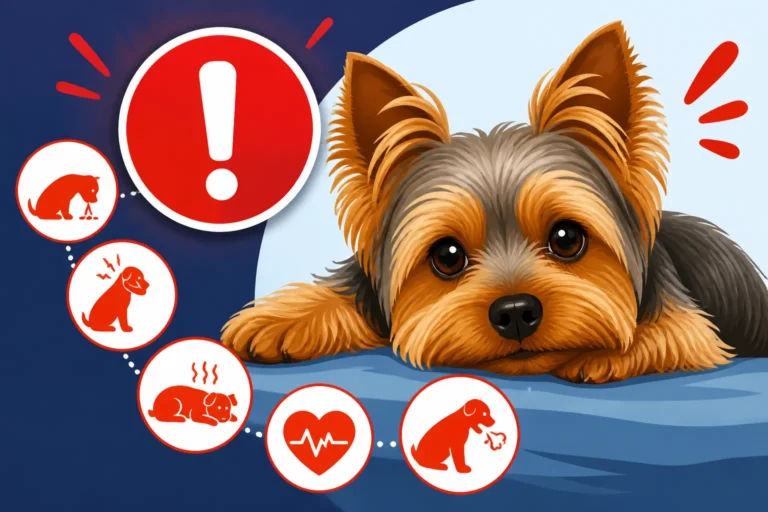
- Heart Disease: Many senior Yorkies develop some form of heart disease, most commonly mitral valve disease, where a valve in the heart weakens and doesn't close properly, leading to a murmur. Signs might include a persistent cough (especially at night), decreased stamina, difficulty breathing, or even fainting spells. Early detection through regular vet exams, listening for heart murmurs, and sometimes imaging like X-rays or ultrasounds, can allow for medication to manage the condition and improve their comfort.
- Kidney Disease: The kidneys are vital for filtering waste from the blood. As they age, their efficiency can decrease. You might notice your Yorkie drinking more water than usual and urinating more frequently. Other signs can include a decreased appetite, lethargy, and weight loss. Blood and urine tests are crucial for diagnosing kidney disease early, and dietary changes and medication can significantly slow its progression and improve your Yorkie's quality of life.
- Liver Issues: While conditions like Yorkshire Terrier Portosystemic Shunt: Signs and Care are often congenital, an older Yorkie might develop acquired liver issues. Symptoms can be vague, including vomiting, diarrhea, loss of appetite, or jaundice (yellowing of the skin or eyes). Your vet will likely recommend blood tests to check liver enzyme levels and potentially further diagnostics if an issue is suspected.
These organ issues can be complex, and consistent veterinary monitoring is key to managing them effectively.
Dental and Oral Health
If there’s one health issue that almost every senior Yorkie owner will contend with, it's dental disease. These tiny dogs are notoriously prone to plaque and tartar buildup, which, if left unchecked, can lead to painful gum disease, tooth loss, and even systemic infections as bacteria from the mouth enter the bloodstream. You might notice unusually bad breath – far beyond typical "dog breath" – or a reluctance to eat hard kibble. They might paw at their mouth, drool excessively, or have visibly red, swollen, or bleeding gums.
Many Yorkies require professional dental cleanings under anesthesia throughout their lives, and this becomes even more critical in their senior years. While anesthesia carries some risks, especially for older dogs, the benefits of removing infection and pain often outweigh them. Vets perform thorough pre-anesthetic blood work and often tailor the anesthesia protocol for senior patients to ensure their safety. Preventing dental problems through regular brushing at home, using dental chews approved by your vet, and scheduling routine professional cleanings can dramatically improve your senior Yorkie's comfort and overall health. For more detailed information, consider reading our guide on Yorkshire Terrier Dental Care Guide.
Cognitive and Sensory Changes
Just like people, older Yorkies can experience a decline in their cognitive function and sensory abilities.
- Vision Loss: Cataracts (clouding of the lens) are common, causing progressive vision impairment. You might notice your Yorkie bumping into furniture, especially in unfamiliar environments or at dusk. Other eye conditions like Yorkshire Terrier Cataracts: Signs and Treatment or dry eye can also affect older Yorkies.
- Hearing Loss: This often happens gradually, so you might first notice your Yorkie isn't responding to their name as readily or seems startled when approached from behind.
- Canine Cognitive Dysfunction (CCD): This is essentially doggie dementia. Signs can be subtle at first, including disorientation (getting stuck in corners, staring blankly), changes in sleep-wake cycles (pacing at night), altered interactions with family members, or house-soiling accidents even in a previously perfectly potty-trained dog. It can be heartbreaking to witness, but there are medications and environmental enrichments that can help manage symptoms and improve their quality of life.
Observing these changes and discussing them with your vet is important. While we can't reverse aging, we can implement strategies to make their world safer, more predictable, and comfortable, such as keeping furniture in consistent locations, using nightlights, or teaching new hand signals if hearing is an issue.
The Essential Senior Yorkie Health Checklist
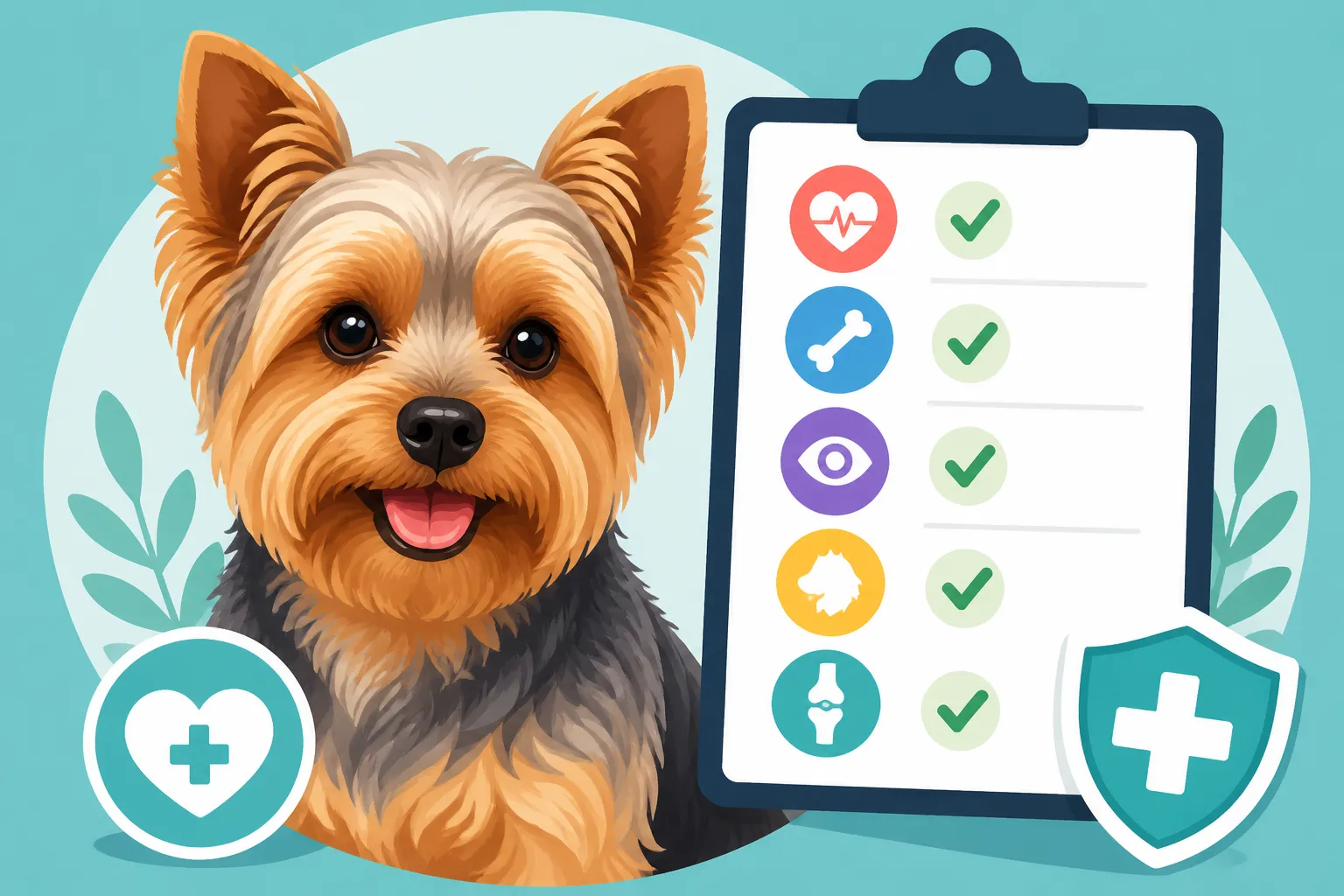
Now that we’ve covered some of the common health hurdles, let’s put together a practical checklist to ensure your senior Yorkie gets the best possible care. This isn’t just a list of "to-dos"; it’s a commitment to recognizing and responding to their changing needs.
Regular Veterinary Check-ups
This is the cornerstone of senior pet care. As your Yorkie ages, those annual vet visits become even more critical, often needing to increase to twice a year. Why? Because diseases in senior pets can progress quickly, and early detection is key to effective management.
During these visits, your vet will perform a thorough physical exam, checking everything from their teeth and eyes to their joints and internal organs. They'll likely recommend routine blood work and urinalysis. These tests are invaluable because they can flag potential issues with kidney function, liver health, blood sugar, and more, sometimes even before your Yorkie shows outward symptoms. For instance, rising kidney values on a blood test might prompt dietary changes to slow progression, rather than waiting until your Yorkie is visibly ill. Discussing any behavioral changes, new lumps or bumps, or shifts in appetite or thirst is vital. This proactive approach helps catch problems when they are most treatable, potentially extending their healthy, happy life. Knowing When to Take Your Yorkie to the Vet is crucial, but for seniors, preventative visits are just as important.
At-Home Monitoring and Care
Your observations at home are just as important as the vet's expertise. You know your Yorkie best, and you're the first line of defense in noticing subtle changes.
- Daily Observations: Pay attention to their eating and drinking habits – any sudden increase or decrease in either. Monitor their bathroom habits: are they urinating more or less? Are their stools consistent? Observe their energy levels, gait, and how they interact with you and other pets. A sudden aversion to being picked up might indicate pain, while increased confusion could point to cognitive decline.
- Grooming: Senior Yorkies might not be able to groom themselves as effectively. Regular brushing prevents matting, which can be painful and lead to skin infections. Keep an eye on their nails; if they become too long, they can affect their posture and make walking uncomfortable. Cleaning tear stains around their eyes and checking their ears for wax buildup or odor is also important. This routine not only keeps them looking sharp but also provides an opportunity for you to check for new lumps, bumps, or skin irritations.
- Comfort: Make sure their sleeping areas are warm, soft, and easily accessible. Orthopedic beds can provide immense relief for aging joints.
These consistent observations allow you to bring specific, actionable information to your vet, making their diagnostic process much more efficient.
Creating a Comfortable Senior Environment
Think about making your home a sanctuary for your aging Yorkie. Their world might be shrinking, and every effort to make it comfortable and safe counts.
- Accessibility: If your Yorkie struggles to jump onto furniture or into bed, consider investing in pet ramps or steps. These can save their joints from unnecessary strain and prevent injuries from missteps. Placing extra beds or soft blankets on the floor in their favorite resting spots ensures comfort wherever they choose to nap.
- Safety: With potential vision or hearing loss, safety becomes paramount. Block off stairs if they're a fall risk. Keep floor clutter to a minimum to prevent trips. If they're disoriented, consider baby gates to restrict them to safer, smaller areas, especially when you can't supervise them directly. For Yorkies with significant vision loss, try to keep furniture arrangements consistent so they can navigate by memory.
- Temperature Regulation: Older Yorkies can be more sensitive to temperature extremes. Ensure they have warm sweaters in winter and cool, shady spots with plenty of water in summer. Their thinner coats and decreased ability to regulate body temperature mean they rely on us more than ever to stay comfortable. You can read more tips in our Yorkshire Terrier Senior Care Guide.
Making these small adjustments can dramatically improve your senior Yorkie's quality of life and reduce their stress.
Proactive Care and Management for Aging Yorkies
It's not enough to simply react to problems as they arise. Proactive management and ongoing care are essential to truly help your senior Yorkie thrive in their later years.
Nutrition and Weight Management
One of the most impactful things you can do for your aging Yorkie is to pay close attention to their diet. Their nutritional needs change as they age; they often require fewer calories to maintain a healthy weight due to decreased activity levels, but they still need high-quality protein and essential nutrients to support muscle mass and organ health.
- Specialized Diets: Many dog food brands offer formulas specifically designed for senior dogs. These often have lower calorie counts, increased fiber to aid digestion, and added joint-supporting supplements like glucosamine and chondroitin. Consult your vet before making a switch, as they can recommend the best food based on your Yorkie's specific health conditions, such as kidney disease or dental issues.
- Portion Control: It’s easy to overfeed a less active senior dog, leading to weight gain, which puts extra strain on their joints and organs. Use a measuring cup to ensure precise portions. Even a few extra pounds on a tiny Yorkie can make a big difference in their mobility and overall health.
- Hydration: Always ensure fresh water is available. If your Yorkie isn't drinking enough, consider adding a little low-sodium broth to their water or incorporating wet food into their diet. Proper hydration supports kidney function and overall well-being. To dive deeper into what your senior Yorkie should be eating, check out our Yorkshire Terrier Feeding Guide by Age.
Exercise and Mental Stimulation
While their zoomies might be a thing of the past, senior Yorkies still need exercise and mental engagement adapted to their capabilities. The goal is to keep them mobile and mentally sharp without overdoing it.
- Tailored Exercise: Instead of long, strenuous walks, opt for shorter, more frequent strolls. A leisurely walk around the block a couple of times a day can help maintain muscle tone, joint flexibility, and healthy digestion. Pay attention to their cues; if they seem tired or stiff, it’s time to head home. Swimming in a heated pool, if available and safe, can also be a wonderful low-impact exercise for aching joints.
- Mental Stimulation: Even if their body is slowing down, their mind still needs to be challenged. Interactive puzzle toys that dispense treats can keep them engaged and prevent boredom. Gentle training sessions, revisiting old tricks, or teaching simple new commands can provide mental enrichment. Spending quality time cuddling, gentle grooming, or just quietly observing the world from a comfortable lap can also be incredibly soothing and stimulating for an older dog. Remember, a bored senior Yorkie can sometimes develop destructive behaviors or become withdrawn.
Managing Chronic Pain and Conditions
Many senior Yorkies will develop chronic conditions that require ongoing management to ensure their comfort and quality of life. This is where a strong partnership with your veterinarian truly shines.
- Medications: For conditions like arthritis, heart disease, or cognitive dysfunction, your vet may prescribe medications. Anti-inflammatory drugs, pain relievers, or supplements like Yorkie Joint Supplements Explained can make a world of difference for joint discomfort. For heart conditions, various medications can help manage symptoms and improve heart function. Always administer medications exactly as prescribed and report any side effects to your vet.
- Supplements: Beyond prescription medications, certain supplements can support senior health. Omega-3 fatty acids can help reduce inflammation and support cognitive function. Probiotics can aid digestion. Again, always consult your vet before adding any new supplements to your Yorkie's regimen to ensure they are safe and appropriate.
- Alternative Therapies: Some owners explore complementary therapies like acupuncture, hydrotherapy, or chiropractic adjustments for chronic pain, especially in conjunction with traditional veterinary care. Discuss these options with your vet to see if they might be beneficial for your Yorkie. The key is consistent, compassionate management to keep your senior Yorkie as comfortable and happy as possible. Recognizing How to Tell If a Yorkie Is in Pain is a critical part of this care.
Financial Planning for Senior Care
Let's be realistic: providing comprehensive care for a senior Yorkie can become more expensive due to increased vet visits, medications, specialized diets, and potential emergency treatments. It’s a fact many of us worry about.
- Budgeting: It's wise to start setting aside funds specifically for your senior Yorkie's care. Consider creating a "senior pet fund" to cover unexpected medical costs.
- Pet Insurance: If your Yorkie isn't already insured, researching pet insurance options before major issues arise might be beneficial. Companies like Healthy Paws offer comprehensive coverage that can help offset the costs of accidents, illnesses, and even some chronic conditions, though pre-existing conditions are typically not covered. While pet insurance might seem like an added expense, it can be a lifesaver when facing a costly diagnosis or emergency. It allows you to make medical decisions based on what’s best for your Yorkie, rather than solely on your wallet. For those wondering, Is Pet Insurance Worth It for a Yorkie is a question many owners consider, and for senior pets, it can provide immense peace of mind.
- Open Communication with Your Vet: Don't be afraid to discuss financial concerns with your veterinarian. They often have various treatment plans, payment options, or can suggest ways to prioritize care that fits your budget without compromising your Yorkie's well-being.
Planning ahead for these potential costs can alleviate a significant amount of stress during what should be a peaceful time for both you and your senior companion.
Here's a quick overview of common senior Yorkie health considerations:
| Health Area | Common Senior Issues | Potential Signs | Management Strategies |
|---|---|---|---|
| Mobility | Arthritis, Luxating Patella, Joint Stiffness | Limping, slow to rise, reluctance to jump/climb | Pain medication, joint supplements, ramps, soft bedding |
| Organ Health | Heart Disease, Kidney Disease, Liver Issues | Coughing, increased thirst/urination, lethargy, vomiting | Regular vet checks, specialized diet, medication |
| Dental Health | Periodontal Disease, Tooth Decay | Bad breath, difficulty eating, pawing at mouth, swollen gums | Regular dental cleanings, home brushing, dental chews |
| Sensory/Cognitive | Cataracts, Hearing Loss, Canine Cognitive Dysfunction | Bumping into things, not responding, disorientation, pacing | Nightlights, consistent environment, cognitive supplements |
| Weight | Obesity, Muscle Loss | Visible fat pads, decreased muscle mass | Senior diet, portion control, tailored exercise |
| Skin/Coat | Dry skin, Lumps/Bumps, Matting | Excessive scratching, new growths, dull coat | Regular grooming, vet checks for growths, supplements |
Disclaimer
This article is intended for informational purposes only and is not a substitute for professional veterinary advice. Always consult with a qualified veterinarian regarding your Yorkshire Terrier's specific health needs, diagnosis, and treatment options.