Yorkshire Terrier Legg-Calve-Perthes: Treatment Options
Discovering your beloved Yorkshire Terrier is suffering from Legg-Calve-Perthes disease can be incredibly distressing, often leaving you feeling helpless and unsure about the best path forward for their pain and mobility issues. It's a challenging diagnosis that impacts their ability to walk and play, making everyday life difficult for both your Yorkie and you. This comprehensive guide is here to walk you through all the available treatment options, from conservative care to surgical solutions, to help your furry friend regain comfort and a happy, active life.
Understanding Legg-Calve-Perthes Disease in Yorkies
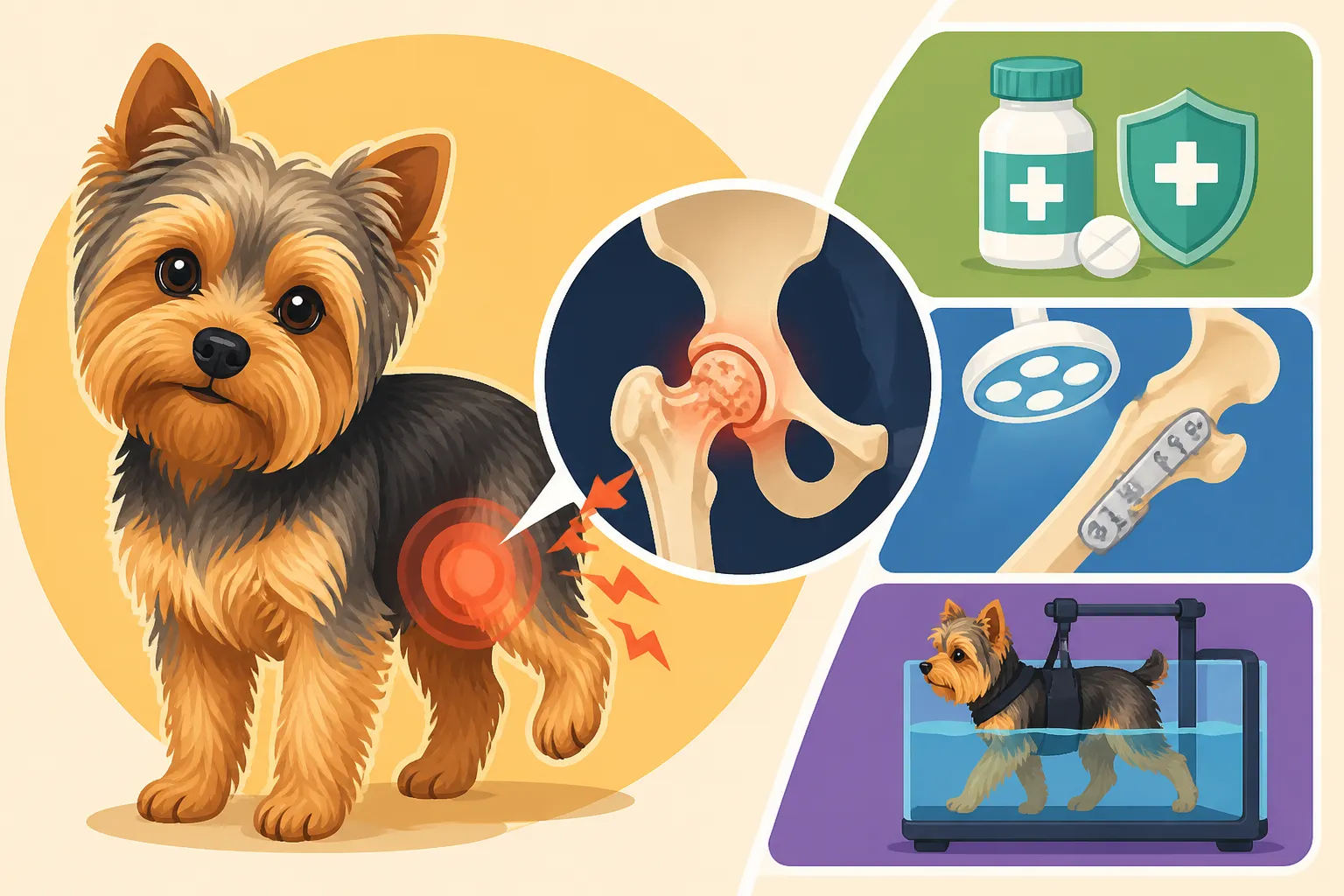
Legg-Calve-Perthes disease, often shortened to LCP, is a debilitating condition that primarily affects small breed dogs, and our tiny but mighty Yorkshire Terriers are unfortunately quite prone to it. It’s not just a fancy name for a sore leg; it’s a serious degenerative disease of the hip joint, specifically the femoral head – the ball part of the ball-and-socket joint that connects the leg to the pelvis. What happens is that the blood supply to this femoral head temporarily stops, causing the bone tissue to die and eventually crumble. Imagine a tiny, critical bone in your Yorkie's hip losing its lifeline; it just can't sustain itself. This leads to intense pain, inflammation, and a significant loss of function in the affected leg.
Why Yorkshire Terriers are Susceptible
It's a frustrating reality that certain breeds, like our cherished Yorkies, seem to draw the short straw when it comes to specific genetic conditions. Legg-Calve-Perthes is largely considered a genetic or hereditary disease, which explains why it's so common in toy breeds. While the exact genetic marker is still being researched, it’s understood that puppies predisposed to LCP will start showing signs, typically between 5 to 8 months of age, when they're still very much in their growth phase. It’s heartbreaking to see a playful puppy suddenly develop a pronounced limp, yelp in pain, or completely avoid putting weight on one of their hind legs. Many new Yorkie parents might initially dismiss a subtle limp as a minor injury from playing too hard, only to find out it's something much more serious after a vet visit. Understanding these Common Yorkshire Terrier Genetic Conditions can help you be more vigilant.
The Impact on Your Yorkie’s Quality of Life
When LCP strikes, it doesn't just cause a bit of discomfort; it profoundly impacts a Yorkie's entire existence. The constant pain can make them withdrawn, irritable, and hesitant to engage in activities they once loved, like chasing toys or going for walks. The affected leg often atrophies, meaning the muscles waste away due to disuse, making it even harder for them to bear weight. This can lead to a compensatory overload on other limbs, potentially causing secondary issues over time. A Yorkie struggling with LCP isn't just physically limited; their emotional well-being takes a hit too. They might avoid being picked up, or even snap if touched in the painful hip area. It's crucial to identify the signs early – such as limping, holding up a leg, pain upon palpation of the hip, or general reluctance to move – and consult your vet. Ignoring these symptoms can lead to irreversible damage and prolonged suffering, diminishing their ability to live a full and happy life.
Conservative Management Strategies
For some Yorkies with Legg-Calve-Perthes, especially in very mild, early-stage cases where the bone damage isn't extensive, conservative management might be considered. This approach focuses on pain relief and preventing further muscle atrophy without resorting to surgery. However, it's really important to set realistic expectations; for many LCP cases, particularly those that are more advanced, conservative care may only offer temporary relief or might not be effective at all in the long run.
Pain Management and Anti-Inflammatory Medications
The cornerstone of conservative management is effectively controlling your Yorkie’s pain and inflammation. Non-steroidal anti-inflammatory drugs (NSAIDs) are commonly prescribed by veterinarians. These medications, like meloxicam or carprofen, work to reduce both pain and swelling, making your Yorkie more comfortable. It’s crucial to administer these exactly as prescribed by your vet, as improper dosage can have serious side effects, especially in small breeds like Yorkies.
For instance, giving your Yorkie a human painkiller can be incredibly dangerous and potentially fatal. Always stick to veterinary-specific medications. Your vet will monitor your dog for any adverse reactions and may adjust the dosage or type of medication. Sometimes, other pain relievers might be used in conjunction with NSAIDs to provide a more comprehensive approach. Remember, these medications address the symptoms, not the underlying bone degeneration, so while they offer relief, they aren't a cure.
Rest, Restricted Activity, and Physical Therapy
Alongside medication, strict rest and restricted activity are paramount. This means no jumping, no running, no stairs, and usually only short, leashed potty breaks. The goal is to minimize stress on the already compromised hip joint, allowing it to potentially heal or at least preventing further damage. This can be challenging with a naturally energetic Yorkie, but it's absolutely vital. Crate rest or keeping them in a small, safe area might be necessary.
Once the initial pain is somewhat controlled, your vet might recommend a gentle physical therapy regimen. This isn't about vigorous exercise but rather controlled movements to maintain muscle mass and joint flexibility. This could include passive range of motion exercises (where you gently move their leg for them), hydrotherapy (swimming in a warm pool to take weight off the joint), or specific strengthening exercises prescribed by a certified canine rehabilitation therapist. These therapies are critical for How to Keep a Yorkshire Terrier Healthy overall and particularly for preserving muscle function during recovery.
Surgical Interventions for Legg-Calve-Perthes
For the majority of Yorkies diagnosed with Legg-Calve-Perthes, especially when conservative measures fail to alleviate pain or if the disease is moderate to severe, surgical intervention is often the most effective and recommended long-term solution. The primary surgical procedure for LCP in small breeds is called a Femoral Head Ostectomy (FHO).
The Femoral Head Ostectomy (FHO) Procedure
An FHO might sound intimidating, but it’s a relatively straightforward and highly successful surgery for small dogs like Yorkshire Terriers. The goal of an FHO is simple: remove the damaged femoral head (the ball part of the hip joint) that is causing all the pain and grinding. Once this bone is removed, the body forms a "false joint" (a fibrocartilaginous joint) where the leg muscles and scar tissue create a cushion, allowing the leg to move without the painful bone-on-bone friction.
During the procedure, your veterinary surgeon will make an incision near the hip, carefully expose the joint, and then remove the head and a small portion of the neck of the femur. It’s a precise operation, and while it might seem drastic to remove part of a bone, for a small dog, the muscles are usually strong enough to support the leg, and the pain relief is often dramatic. Many owners report a significant improvement in their Yorkie's comfort level and mobility within weeks or months after a successful FHO.
What to Expect During and After Surgery
Before the surgery, your Yorkie will undergo pre-anesthetic blood work and a thorough physical exam to ensure they are healthy enough for the procedure. Your vet will discuss the risks, benefits, and what the recovery period entails. On the day of surgery, your Yorkie will be admitted, and the operation will be performed under general anesthesia. Most FHOs are done by experienced general practice veterinarians, though some may refer you to an orthopedic specialist.
After the surgery, your Yorkie will need a significant amount of rest and very controlled exercise to allow the surgical site to heal and the false joint to form correctly. This means strict leash walks, no jumping, and often crate rest for several weeks. Pain medication and anti-inflammatory drugs will be prescribed to manage post-operative discomfort. It’s a dedicated process, but the relief your Yorkie experiences is well worth the effort. Expect follow-up appointments with your vet to monitor healing and guide you through the rehabilitation process. Understanding Yorkshire Terrier Patellar Luxation: Treatment Options or other knee problems can give you insight into joint surgery recovery too, as principles are often similar.
Post-Operative Care and Rehabilitation
Surgery is only half the battle; the post-operative period is arguably just as critical for a successful outcome following an FHO. This phase requires dedication, patience, and strict adherence to your vet's instructions. A well-executed rehabilitation plan can make all the difference in your Yorkie's ability to regain full use of their leg and enjoy a pain-free life.
Pain Management and Wound Care
Immediately after surgery, your Yorkie will be on a carefully managed pain protocol. This often includes a combination of oral pain medications, sometimes muscle relaxers, and NSAIDs. It's vital to stay on schedule with these medications, even if your Yorkie seems to be doing better, to prevent breakthrough pain and encourage comfort during the crucial early healing phase. You'll also need to monitor the incision site daily for any signs of infection, such as redness, swelling, discharge, or if your Yorkie tries to lick or chew at the stitches. An Elizabethan collar (e-collar, or the "cone of shame") will likely be necessary to prevent them from interfering with the wound. Keeping the area clean and dry is paramount to prevent complications. If you notice any concerning changes, it's essential to contact your vet immediately.
Physical Therapy and Controlled Exercise
This is where the real work begins. Physical therapy typically starts very soon after surgery, often within a few days, depending on your vet’s recommendation. Initially, this involves passive range of motion (PROM) exercises, where you gently flex and extend the hip joint to prevent stiffness and maintain mobility. Your vet or a certified canine rehabilitation therapist will demonstrate the correct techniques.
As your Yorkie heals, the exercises will gradually increase in intensity and complexity. This might include short, controlled leash walks, walking up gentle inclines, or even specific balance exercises. Hydrotherapy, like swimming in a warm, shallow pool, is particularly beneficial as it allows for muscle strengthening without putting full weight on the healing joint. Regular, consistent physical therapy is key to rebuilding muscle mass, improving joint function, and ensuring your Yorkie regains maximum mobility. Don't push too hard, too fast; slow and steady wins the race for long-term recovery. For advice on overall wellness, our guide on How to Protect a Yorkie's Joints provides additional context.
The Role of Supplements and Nutrition
During the recovery period, proper nutrition and potentially certain supplements can play a supportive role. Your vet might recommend a high-quality diet that supports healing and maintains a healthy weight, as excess weight can put undue stress on joints. Joint supplements containing ingredients like glucosamine, chondroitin, and MSM can help support cartilage health, though their direct impact on an FHO recovery is more about supporting the surrounding tissues and remaining joints. Omega-3 fatty acids are also beneficial for their anti-inflammatory properties. Always discuss any supplements with your vet before introducing them, as they can interact with medications or not be suitable for every dog. These can be particularly helpful for Yorkie Joint Supplements Explained.
Long-Term Outlook and Prevention
While Legg-Calve-Perthes can be a frightening diagnosis, the long-term outlook for Yorkshire Terriers who undergo appropriate treatment, especially FHO surgery followed by diligent rehabilitation, is generally very positive. These little dogs are incredibly resilient, and many go on to live full, active, and pain-free lives.
Life After Legg-Calve-Perthes Treatment
After a successful FHO and completing their rehabilitation, most Yorkies will be able to run, jump, and play with minimal to no lameness or pain. It's common to see a slight difference in gait compared to their unaffected leg, but this rarely impacts their overall quality of life or ability to enjoy typical dog activities. You might notice the affected leg has slightly less muscle mass, even after recovery, but the primary goal of eliminating pain and restoring function is usually achieved. Regular, moderate exercise will be beneficial for maintaining muscle strength and joint flexibility. However, it's always wise to avoid excessively strenuous activities that could potentially strain other joints.
Ongoing communication with your veterinarian is crucial for monitoring their long-term health. Periodic check-ups will help ensure they continue to thrive and address any new concerns that might arise as they age. Remember that while the surgical solution typically resolves the LCP in the treated hip, careful attention to their overall Yorkshire Terrier Senior Care Guide will be important as they enter their golden years, just as with any dog.
The Importance of Early Diagnosis and Veterinary Care
Catching Legg-Calve-Perthes early can make a significant difference in treatment outcomes and minimize your Yorkie's discomfort. If you notice any signs of limping, pain, or reluctance to move, especially in a young Yorkie, don't delay in seeking veterinary attention. Prompt diagnosis allows for earlier intervention, whether it's considering conservative options or scheduling surgery before the joint damage becomes too extensive. Regular vet check-ups are key to catching potential issues, and knowing When to Take Your Yorkie to the Vet for any concerning symptoms is always a good idea.
Financial considerations for LCP treatment, including vet visits, diagnostics, surgery, and rehabilitation, can be substantial. This is where exploring pet insurance options can provide immense peace of mind. Companies like Healthy Paws are well-regarded for their comprehensive coverage that can help mitigate the costs associated with unexpected illnesses and surgeries like LCP. Having a plan like Pet Insurance for Yorkshire Terriers in place can mean you can make treatment decisions based on what’s best for your Yorkie, rather than solely on your wallet.
Comparison of Treatment Approaches
To help visualize the primary differences, here's a quick comparison of conservative versus surgical (FHO) treatment for Legg-Calve-Perthes in Yorkshire Terriers:
| Feature | Conservative Management | Surgical (FHO) |
|---|---|---|
| Applicability | Mild, very early stages, or owners unable to do surgery | Most common and effective for moderate to severe LCP |
| Primary Goal | Pain reduction, muscle preservation | Eliminate pain, restore function by removing damaged bone |
| Medication Use | NSAIDs, pain relievers (ongoing) | NSAIDs, pain relievers (post-op, then as needed) |
| Activity Restriction | Strict rest for extended periods | Strict rest initially, then controlled rehab |
| Physical Therapy | Potentially beneficial for muscle maintenance | Crucial for successful recovery and mobility |
| Recovery Time | Variable, can be slow, potential for recurrence | ~8-12 weeks for functional recovery |
| Long-Term Outcome | May not fully resolve pain or lameness; higher recurrence | Generally excellent; most dogs become pain-free |
| Cost Implications | Lower upfront, but ongoing medication/therapy costs | Higher upfront (surgery), but definitive solution |
Remember, this table provides a general overview. Your veterinarian is the best person to discuss the specific prognosis and treatment plan for your individual Yorkie. For an overview of potential costs involved in their overall health, you might find our guide on Yorkshire Terrier Vet Costs and Health Budget helpful.
Disclaimer
The information provided in this guide is for general educational purposes only and should not be considered a substitute for professional veterinary advice. Always consult with a qualified veterinarian for any health concerns or before making any decisions related to your Yorkshire Terrier's care.