Yorkshire Terrier Portosystemic Shunt: Treatment Options
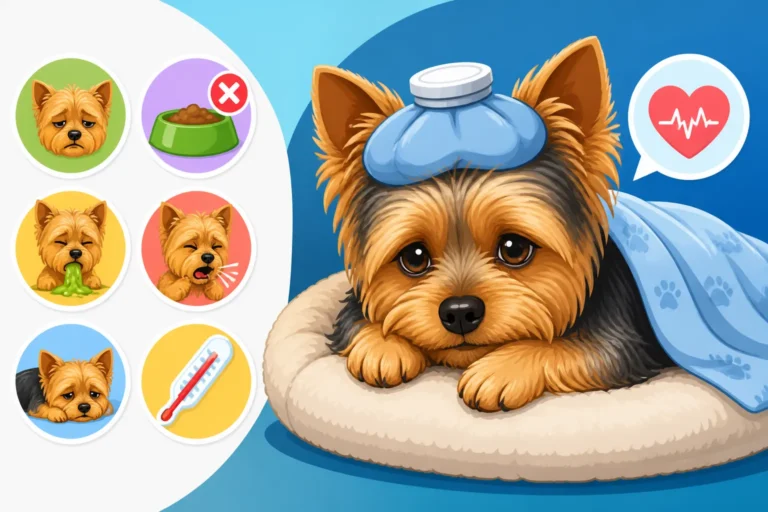
Discovering that your beloved Yorkshire Terrier has a portosystemic shunt (PSS) can feel like a punch to the gut. This complex condition, where blood bypasses the liver instead of being detoxified, can lead to a host of debilitating symptoms and immense worry for any pet parent. It's a scary diagnosis, but the good news is that there are effective treatment options available to help your furry family member live a longer, healthier, and much more comfortable life. This guide will walk you through these crucial treatment paths, helping you understand each step.
Understanding Portosystemic Shunts in Yorkshire Terriers
When a veterinarian delivers the news that your Yorkie has a portosystemic shunt, it's natural to feel overwhelmed. Many pet parents have never even heard of such a condition, yet it's surprisingly common in certain breeds, with Yorkshire Terriers being particularly predisposed due to genetics. It’s important to grasp what a PSS truly is before diving into the various treatment modalities, as this understanding will inform the logic behind each approach.
What Exactly is a PSS and Why Yorkies?
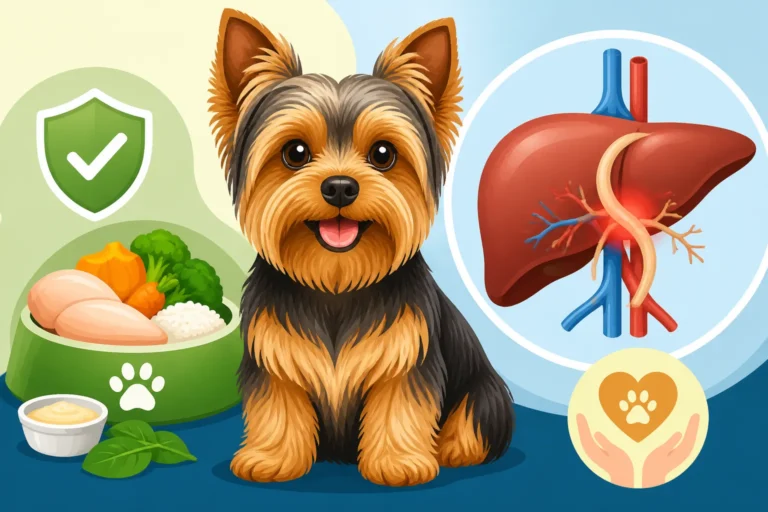
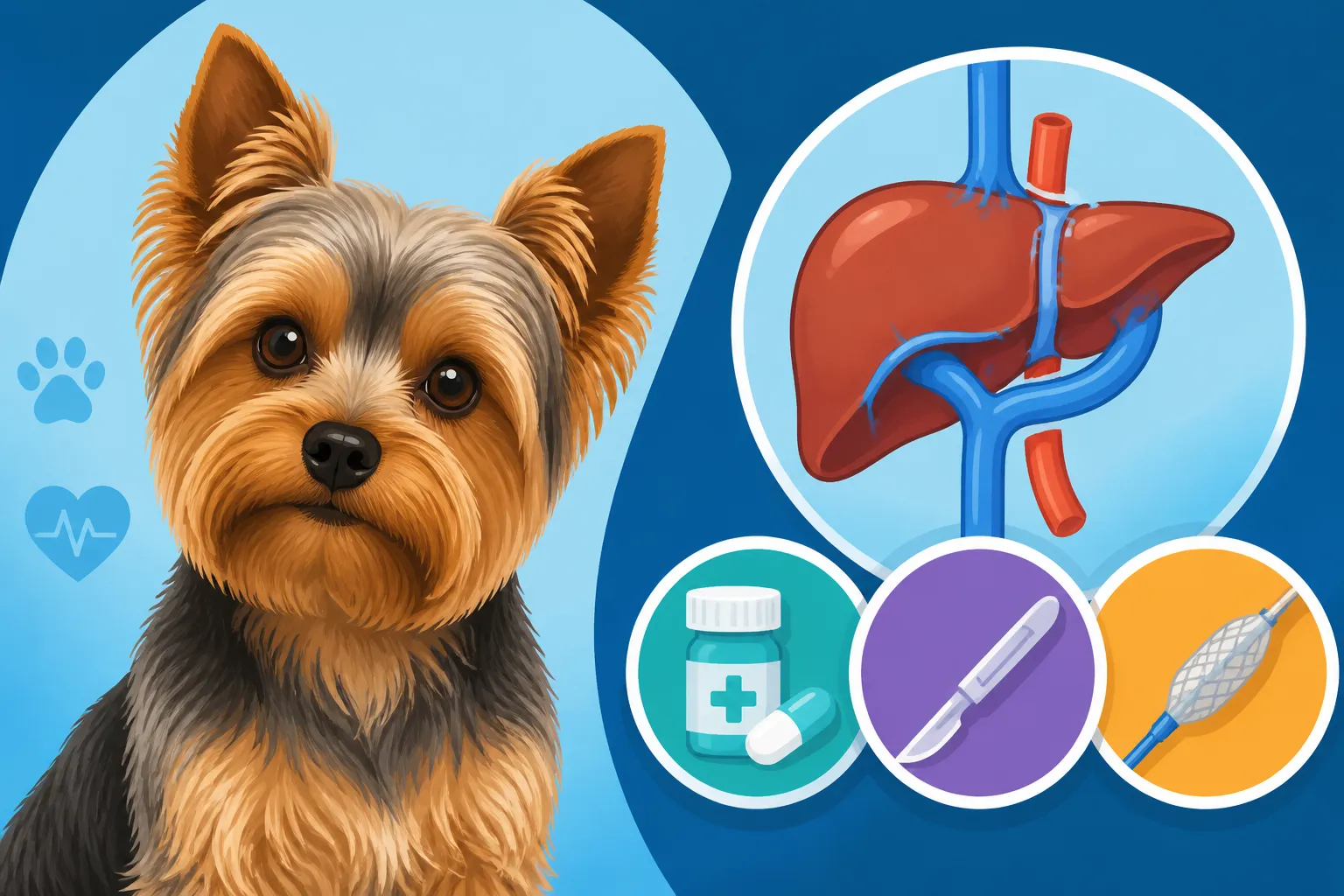
At its core, a portosystemic shunt is an abnormal blood vessel that allows blood from the intestines to bypass the liver and flow directly into the systemic circulation. Imagine your liver as a powerful filtration system for your body. It processes nutrients, removes toxins like ammonia, and produces vital proteins. With a shunt, this crucial detoxification process doesn't happen efficiently. Instead, unfiltered, toxin-rich blood circulates throughout the body, affecting the brain, kidneys, and other organs. This can lead to a range of neurological signs, gastrointestinal upset, and poor growth.
Yorkshire Terriers are, unfortunately, a breed highly susceptible to congenital (present at birth) PSS. This isn't due to anything you did or didn't do; it's a genetic predisposition. While the exact genetic markers are still being researched, it’s understood that certain bloodlines carry a higher risk. You might also hear this referred to as a "liver shunt," which is essentially the same condition. If you're looking for more detailed information on how to identify this serious issue, our guide on Yorkshire Terrier Portosystemic Shunt: Signs and Care can provide further insight into recognizing the symptoms. The presence of a shunt means that your Yorkie’s body isn't getting the metabolic support it needs, leading to the clinical signs you might be observing.
Diagnosing a Portosystemic Shunt
Before any treatment can begin, an accurate diagnosis is paramount. Often, the signs of a PSS are vague initially, and can mimic other conditions. Your vet will likely start with blood tests, looking for elevated liver enzymes, low blood urea nitrogen (BUN), and elevated ammonia levels – key indicators that the liver isn't functioning correctly. A bile acid stimulation test is often the next step, as it's highly sensitive for detecting shunts.
However, the definitive diagnosis and the roadmap for treatment come from advanced imaging. This usually involves an ultrasound, which can often visualize the abnormal vessel. In some cases, a CT angiogram is performed, providing a detailed 3D map of the shunt, its location, and its relationship to other blood vessels. This precise mapping is critical for surgical planning. For those worried about other serious conditions, understanding Common Yorkshire Terrier Genetic Conditions can help put things in perspective as you navigate your Yorkie's health journey. Early and accurate diagnosis is the first crucial step toward effective management and improving your Yorkie's prognosis.
Comprehensive Surgical Treatment Options
For many Yorkshire Terriers diagnosed with a portosystemic shunt, surgery offers the best chance for a significant improvement in quality of life and long-term survival. The goal of surgical intervention is to close or constrict the abnormal vessel, redirecting blood flow back through the liver where it can be properly detoxified. This isn't a simple procedure, and it requires a skilled veterinary surgeon, ideally one specializing in soft tissue or internal medicine.
Traditional Ligation
Traditional ligation involves surgically tying off the abnormal blood vessel (the shunt) directly. This method aims for complete or near-complete closure of the shunt, forcing all blood to pass through the liver. When successful, the results can be dramatic, with many dogs showing rapid improvement in symptoms as the liver begins to process toxins and nutrients correctly. This is often the preferred method if the shunt is an "extrahepatic" shunt, meaning it's located outside the liver, which is the most common type found in Yorkshire Terriers.
However, full ligation isn't without its risks. Rapidly occluding the shunt can sometimes lead to a sudden increase in pressure within the portal vein system (the vessels leading to the liver), potentially causing severe complications such as portal hypertension, ascites (fluid in the abdomen), or even death. Therefore, the surgeon must carefully assess the portal pressure during the procedure to ensure the liver can handle the increased blood flow. If the pressure rises too high, complete ligation might not be possible in a single surgery, or the surgeon might opt for a partial ligation, leaving a small amount of blood flow through the shunt to prevent acute complications.
Cellophane Banding and Ameroid Constrictors
Recognizing the risks associated with immediate, full ligation, veterinary surgeons developed techniques for gradual shunt occlusion, such as cellophane banding and the use of Ameroid constrictors. These methods are designed to slowly close the shunt over several weeks or months, allowing the liver and its internal blood vessels time to adapt to the increased blood flow. This adaptive process significantly reduces the risk of acute portal hypertension.
- Cellophane Banding: With this technique, a piece of sterile cellophane (yes, the same material used in some food packaging, but medically graded!) is placed around the shunt vessel. Over time, the body’s inflammatory response causes scar tissue to form around the cellophane, gradually constricting and eventually closing the shunt. This is a very popular and often successful method for extrahepatic shunts in Yorkies.
- Ameroid Constrictors: An Ameroid constrictor is a small, ring-like device made of casein, a milk protein, encased in a stainless-steel or plastic shell. The device is placed around the shunt. Once inside the body, the casein slowly absorbs bodily fluids and swells, gradually compressing and ultimately occluding the vessel. Like cellophane banding, this gradual closure minimizes the risk of portal hypertension.
Both cellophane banding and Ameroid constrictors have shown excellent success rates in Yorkshire Terriers, providing a safer alternative for many cases where immediate full ligation might be too risky. The choice between these and traditional ligation often depends on the specific characteristics of the shunt, the surgeon's experience, and the overall health of the dog.
Pre-Surgical Preparation and Considerations
Surgery for a PSS is a major undertaking, and meticulous pre-surgical preparation is essential to maximize the chances of a successful outcome and minimize complications. Your veterinary team will implement several strategies to stabilize your Yorkie before they even get to the operating table.
Firstly, dietary management is critical. A special low-protein diet is often prescribed to reduce the amount of ammonia and other toxins produced by the breakdown of protein in the gut. Less protein means fewer toxins for the liver to process, even with a shunt, which can help alleviate neurological symptoms. Secondly, medications like lactulose are frequently used to further reduce ammonia absorption from the intestines. Lactulose works by acidifying the colon, trapping ammonia, and acting as a mild laxative to help expel toxins from the body more quickly. Antibiotics may also be given to decrease the number of ammonia-producing bacteria in the gut.
Beyond managing toxins, your vet will ensure your Yorkie is adequately hydrated and has stable blood sugar levels, as hypoglycemia (low blood sugar) can be a common issue with PSS. They will perform a complete physical exam and comprehensive blood work to assess overall health and identify any other underlying issues that could affect anesthesia or recovery. This preparatory phase can last from several days to a few weeks, depending on the severity of your Yorkie's symptoms and their response to medical management. It's a testament to how seriously this condition is taken, ensuring your little one is as strong and healthy as possible before the big day.
Medical Management for PSS
While surgery is often the preferred treatment for portosystemic shunts, it’s not always an option. Sometimes, the shunt’s location or complexity makes surgical intervention too risky, or a Yorkie’s overall health might prevent them from being a good surgical candidate. In these instances, or as a necessary step before or after surgery, medical management becomes the primary approach. The goal of medical therapy isn't to fix the shunt, but rather to control the symptoms caused by the circulating toxins and improve the dog's quality of life.
Dietary Modifications
One of the cornerstones of medical management for a PSS is strict dietary control. Since the liver can't properly process proteins, a diet specifically designed to be low in protein is crucial. The reasoning here is straightforward: protein digestion produces ammonia, a major toxin that builds up in dogs with shunts. By reducing protein intake, we reduce ammonia production, thereby lessening the burden on the compromised liver and mitigating the clinical signs, especially neurological ones like seizures or disorientation.
However, "low protein" doesn't mean "no protein." Yorkies still need a source of high-quality, digestible protein for muscle maintenance and essential bodily functions. The key is to find the right balance. Commercial veterinary diets formulated for liver disease, such as those from Royal Canin (e.g., Hepatic) or Hill's Prescription Diet (e.g., l/d), are often recommended. These diets typically use easily digestible protein sources and are balanced with other nutrients to support liver health. Our guide on Yorkie Liver Shunt: Diet and Care delves deeper into specific dietary considerations and options, emphasizing the importance of consistency. It's not uncommon for owners to prepare small, frequent meals to help maintain stable blood sugar and nutrient levels throughout the day for their Yorkie.
Medications to Manage Symptoms
In addition to dietary changes, several medications are used to help manage the symptoms of PSS and reduce toxin levels in the body. These drugs directly target the issues caused by the shunt, making your Yorkie more comfortable and preventing severe episodes.
- Lactulose: This synthetic sugar is a superstar in PSS management. It works in two ways: first, it acidifies the colon, which converts ammonia (NH3) into ammonium (NH4+). Ammonium can’t be absorbed back into the bloodstream from the colon, so it’s excreted in the feces. Second, lactulose has a laxative effect, which speeds up the passage of waste and toxins through the digestive system, further reducing their absorption. The dosage is carefully titrated to produce 2-3 soft, but not watery, bowel movements per day.
- Antibiotics: Oral antibiotics, such as metronidazole or amoxicillin, are often prescribed to reduce the population of ammonia-producing bacteria in the gut. By targeting these bacteria, antibiotics help to lower the overall ammonia burden on your Yorkie’s system, directly impacting neurological symptoms.
- Anti-Seizure Medications: For Yorkies experiencing seizures due to hepatic encephalopathy (brain dysfunction caused by liver toxins), anti-seizure medications like phenobarbital or levetiracetam might be necessary. These medications help to control seizure activity, though addressing the underlying cause with diet and lactulose is the primary focus.
- Other Supplements: Some veterinarians may recommend supplements to support liver function, such as S-adenosylmethionine (SAMe) or milk thistle, though their direct impact on PSS symptoms is generally secondary to dietary and drug interventions.
This combination of diet and medication forms a powerful front against the debilitating effects of a portosystemic shunt, buying time and improving the quality of life, especially when surgery isn't an immediate or viable option.
Long-Term Outlook with Medical Management
While medical management can significantly improve a Yorkie's symptoms, it's generally considered a palliative rather than a curative approach for PSS. It addresses the consequences of the shunt, not the shunt itself. The long-term outlook for Yorkies managed solely with diet and medication varies greatly depending on the severity of the shunt, the individual dog's response to therapy, and the diligence of the owner.
Some Yorkies can live for several years with medical management, enjoying a good quality of life with careful monitoring and consistent treatment. These are often cases where the shunt is less severe, or the dog responds very well to the dietary and medication protocols. However, others may continue to experience intermittent or worsening symptoms, such as recurring episodes of hepatic encephalopathy, seizures, or gastrointestinal issues, despite best efforts. The goal is always to maximize comfort and minimize the frequency and severity of these episodes.
It's a demanding commitment, requiring strict adherence to diet, regular medication, and frequent veterinary check-ups to monitor blood values and adjust therapy as needed. For many, this path means understanding that while their Yorkie's life may be extended, it also involves constant vigilance for signs of worsening condition, such as those detailed in Yorkie Emergency Symptoms to Never Ignore. When considering the financial aspects of such long-term care, exploring options like pet insurance from providers such as Healthy Paws can be incredibly beneficial in managing ongoing costs, from special diets to medication refills and regular vet visits.
Post-Treatment Care and Long-Term Outlook
Whether your Yorkshire Terrier undergoes surgery or is managed medically, the journey doesn't end with the initial treatment. Post-treatment care is absolutely crucial for ensuring a smooth recovery and maximizing your Yorkie's long-term health. This period requires patience, dedication, and close collaboration with your veterinary team.
Immediate Post-Operative Care
The days immediately following PSS surgery are critical and demand intensive care. Your Yorkie will likely be kept at the veterinary hospital for several days, possibly even a week or more, to monitor for potential complications. One of the most serious risks after shunt surgery, particularly with full ligation, is the development of portal hypertension. This can manifest as fluid accumulation in the abdomen (ascites) or, more concerningly, lead to acute seizures due to rapid changes in blood flow and pressure to the brain. Your veterinary team will closely monitor vital signs, pain levels, and neurological status.
Pain management is a top priority to ensure comfort and promote healing. Your Yorkie will receive pain medication through injections or continuous infusions. They will also be monitored for signs of nausea or vomiting, and anti-nausea medications will be administered as needed. Feeding will typically start with small, bland meals, gradually transitioning back to a liver-friendly diet. It’s a delicate balance of providing necessary nutrition without overloading their system. This intensive care period is designed to navigate the immediate challenges and set the stage for a successful recovery at home.
Home Care and Dietary Adjustments
Once your Yorkie is discharged from the hospital, the responsibility shifts to you, but with clear guidance from your vet. Home care involves a continuation of the special diet, adherence to medication schedules, and restricted activity to allow surgical sites to heal.
The low-protein, liver-friendly diet will likely continue, at least initially, and possibly long-term, especially if the shunt wasn't completely closed or if your Yorkie shows any residual signs of hepatic encephalopathy. Your vet will advise you on the specific brand and quantity. Medications like lactulose and antibiotics will also continue for a period, with dosages potentially adjusted based on your Yorkie’s recovery and symptom resolution. You'll need to administer these diligently. Remember, consistency is key, and even small deviations can impact recovery.
Activity restriction is important to prevent strain on the incision site. This means no jumping, strenuous play, or long walks for several weeks. Short, leashed potty breaks will be the extent of their outdoor activity. Monitoring the incision for redness, swelling, or discharge is essential, and any concerns should be reported to your vet immediately. This period requires a lot of patience, but showering your Yorkie with gentle attention and following instructions precisely will greatly aid their healing. For long-term health, our guide on How to Keep a Yorkshire Terrier Healthy offers broader advice applicable to a recovering Yorkie.
Prognosis and Lifelong Monitoring
The prognosis for Yorkshire Terriers undergoing successful surgical correction of a PSS is generally good to excellent. Many dogs go on to live full, happy lives with significantly improved symptoms. Studies indicate that Yorkies who undergo surgery typically have a much better long-term prognosis than those managed solely with medication. However, lifelong monitoring is still necessary.
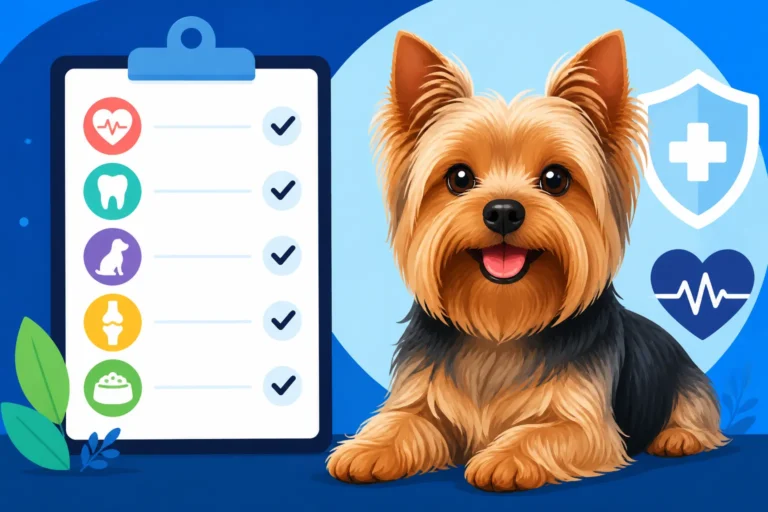
Even after surgery, some Yorkies may develop acquired shunts, which are new, smaller shunts that form due to chronic portal hypertension or other factors. Regular follow-up appointments, including blood tests (especially bile acid stimulation tests or ammonia levels), are crucial to detect any recurrence or new issues early. These check-ups might occur every few months initially, then annually, depending on your dog's stability. Your vet will guide you on the specific schedule.
For families, the financial commitment to PSS treatment can be substantial, encompassing everything from diagnostic tests to surgery and long-term medication. This is where Pet Insurance for Yorkshire Terriers becomes invaluable. Many pet parents find that having a robust policy, perhaps from a provider like Healthy Paws, significantly alleviates the financial stress, allowing them to focus on their Yorkie's recovery and well-being. Thinking ahead about your Yorkshire Terrier Vet Costs and Health Budget can help prepare you for these potential expenses and ensure your beloved companion receives the best possible care throughout their life.
| Treatment Option | Primary Goal | Method | Pros | Cons |
|---|---|---|---|---|
| Traditional Ligation | Immediate, complete shunt closure | Tying off the vessel directly | Fastest resolution of symptoms | Risk of acute portal hypertension |
| Cellophane Banding | Gradual shunt closure (scar tissue) | Cellophane placed around vessel | Lower risk of portal hypertension | Slower resolution, requires waiting |
| Ameroid Constrictor | Gradual shunt closure (casein swelling) | Casein ring placed around vessel | Lower risk of portal hypertension | Slower resolution, requires waiting |
| Medical Management | Symptom control, toxin reduction | Low-protein diet, lactulose, antibiotics | Non-invasive, for non-surgical candidates | Not curative, lifelong commitment, variable long-term prognosis |
Disclaimer
This guide provides general information and should not be considered a substitute for professional veterinary advice. Always consult with a qualified veterinarian regarding your Yorkshire Terrier's specific health concerns and treatment options.