Yorkshire Terrier Patellar Luxation: Treatment Options
It’s truly heartbreaking to see your tiny Yorkshire Terrier suddenly start limping, hopping on three legs, or showing discomfort when they usually bounce around with so much zest. That sudden yelp, the reluctance to put weight on a back leg, or even a persistent stiffness can leave you feeling helpless and worried sick. For many Yorkie parents, these signs often point to a common, albeit concerning, orthopedic issue: patellar luxation. This guide is here to walk you through the various treatment options available, from conservative approaches to surgical interventions, so you can make informed decisions and get your beloved companion back to their happy, active self.
Understanding Patellar Luxation in Yorkshire Terriers
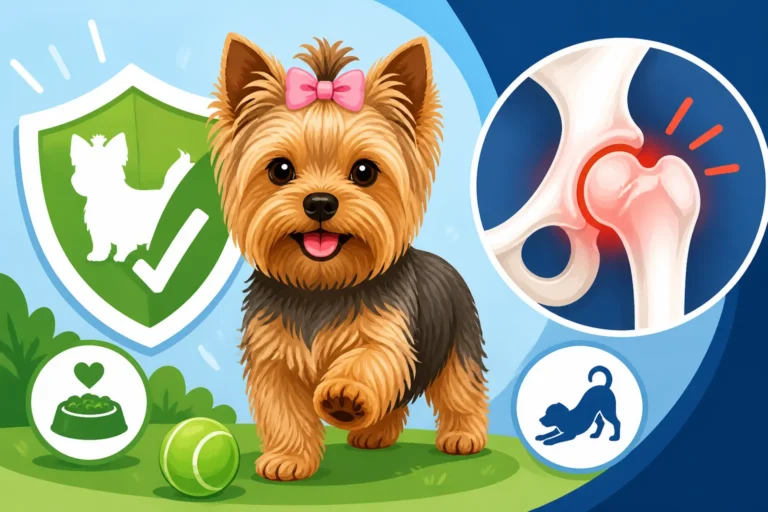
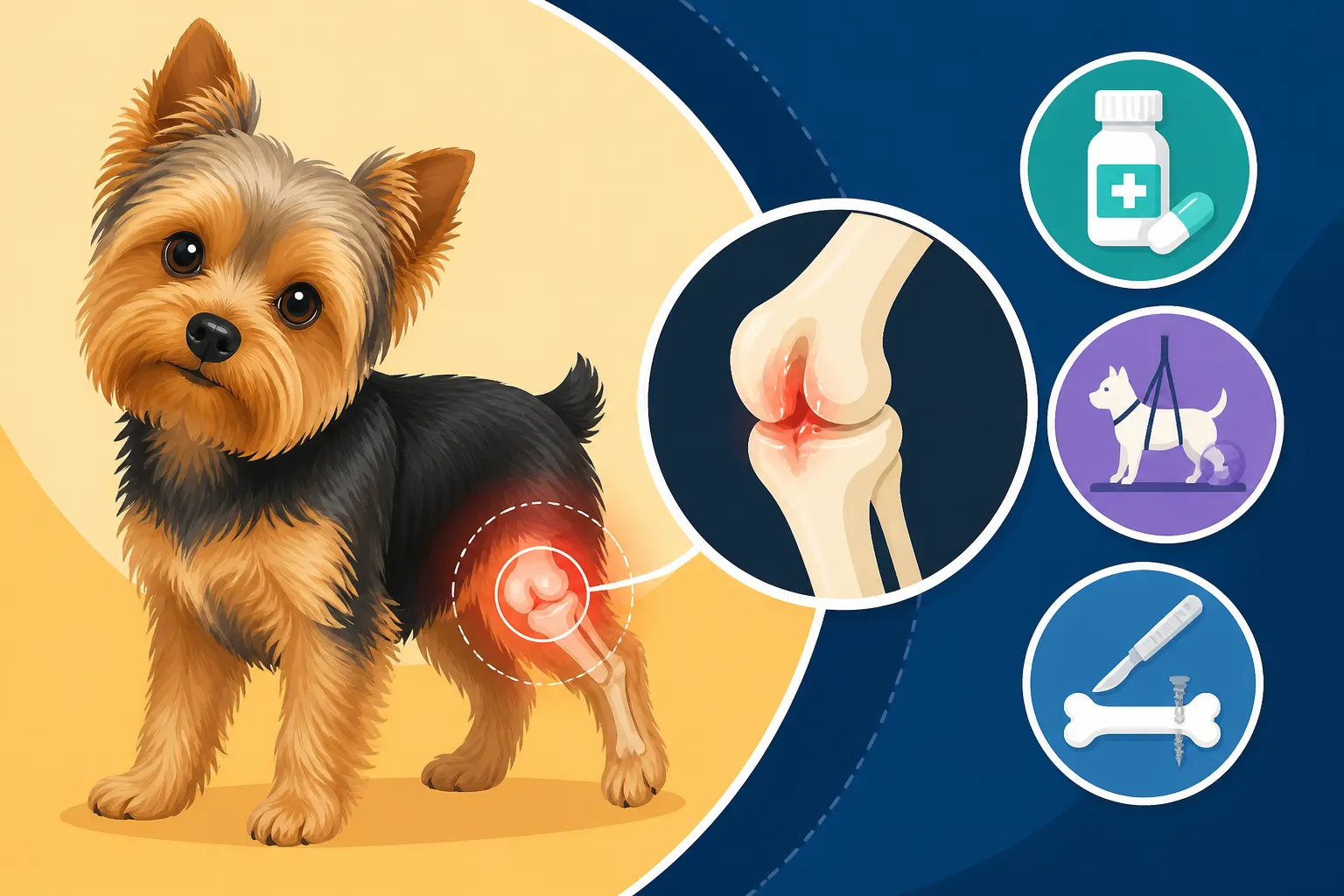
Patellar luxation, often simply called a "slipped kneecap," is a condition where the patella (kneecap) dislocates or moves out of its normal groove in the femur (thigh bone). While it can affect any dog, it's particularly common in small breeds like our precious Yorkshire Terriers, often due to genetics and the unique structure of their tiny legs. Seeing your Yorkie skip, hop, or hold a leg up temporarily is a classic sign that their kneecap might be popping in and out of place.
The Grading System for Patellar Luxation
Veterinarians use a grading system from I to IV to describe the severity of patellar luxation. This grading is crucial because it often dictates the most appropriate course of treatment. It’s not just about how often the kneecap slips, but how easily it moves and how much damage it might be causing to the joint.
- Grade I: This is the mildest form. The kneecap can be manually luxated (pushed out of place) but will spontaneously return to its normal position. Your Yorkie might occasionally skip a step or hold up a leg for a moment, but often shows no significant pain or lameness. It might feel like a minor inconvenience, but it's important to monitor.
- Grade II: In this moderate stage, the kneecap luxates frequently and may stay out of place for longer periods. It can be manually put back into place, or your dog might do it themselves by extending their leg. You'll likely see more noticeable signs of lameness, such as intermittent limping, especially after exercise. This is where many owners start to get really concerned.
- Grade III: This is a more severe form where the kneecap is luxated most of the time. While it can still be manually reduced (put back into place), it will immediately pop out again once released. Dogs with Grade III luxation typically have a persistent crouched or bow-legged stance and more consistent lameness and discomfort. The constant friction can lead to more significant joint changes.
- Grade IV: This is the most severe grade. The kneecap is permanently luxated and cannot be manually returned to its normal position. Dogs with Grade IV patellar luxation often experience severe lameness, pain, and may walk with a severely abnormal gait. The joint structure itself is usually significantly deformed, making movement very difficult.
Understanding these grades helps your vet recommend the best path forward, which might involve anything from watchful waiting to immediate surgical intervention. For a deeper dive into what to look out for, you might find our guide on Yorkshire Terrier Patellar Luxation: Signs and Care helpful.
Factors Influencing Treatment Decisions
When your vet discusses treatment options, they're not just looking at the grade of luxation. They’re considering a whole host of factors that are unique to your individual Yorkie. It’s never a one-size-fits-all approach, and that’s a good thing!
- Your Yorkie's Age and Overall Health: A young, otherwise healthy Yorkie might be a good candidate for surgery, whereas an older dog with other health concerns might benefit more from conservative management. Conditions like heart disease or kidney issues could make anesthesia riskier, for example.
- Severity of Clinical Signs: Even if the luxation is a higher grade, if your Yorkie isn't showing much pain or their quality of life isn't significantly impacted, your vet might lean towards a more conservative approach initially. Conversely, a lower grade with significant pain warrants a more aggressive treatment plan.
- Presence of Other Orthopedic Issues: Sometimes, patellar luxation isn't the only problem. Your Yorkie might also have hip dysplasia, a collapsing trachea, or other conditions that need to be factored into the overall treatment strategy. A comprehensive exam, often including X-rays, helps uncover these.
- Your Lifestyle and Resources: This is a realistic but often overlooked factor. Surgical recovery requires dedicated aftercare and can be costly. If your schedule doesn't allow for intense post-operative care or if financial constraints are a major concern, your vet will work with you to find the best possible compromise. Pet insurance, such as through providers like Healthy Paws, can be incredibly helpful in mitigating the financial impact of such conditions, allowing you to prioritize the best care without undue stress.
Non-Surgical Treatment Options for Patellar Luxation
For Yorkies with Grade I or some Grade II patellar luxation, or for those whose age or health makes surgery too risky, conservative management can often provide significant relief and maintain a good quality of life. The goal here is to reduce pain and inflammation, strengthen supporting muscles, and minimize further joint damage without going under the knife.
Pain Management and Anti-Inflammatory Medications
One of the most immediate concerns is alleviating any discomfort your Yorkie is experiencing. Pain relief is paramount, especially if they are limping or crying out.
- Non-Steroidal Anti-Inflammatory Drugs NSAIDs: These are commonly prescribed by veterinarians to reduce pain and inflammation in the joint. Brands like Carprofen (Rimadyl), Meloxicam (Metacam), and Firocoxib (Previcox) are frequently used. It's crucial to administer these exactly as prescribed, as improper dosage can lead to serious side effects in small dogs. Your vet will monitor your Yorkie's liver and kidney function, especially with long-term use, through regular blood tests.
- Gabapentin: This medication can be added to the regimen for nerve pain or when NSAIDs alone aren't sufficient. It works differently from NSAIDs and can provide additional comfort, particularly for chronic pain associated with joint changes.
- Tramadol: While less commonly used as a primary pain reliever in dogs due to variable efficacy, it might be prescribed in conjunction with other medications for breakthrough pain.
- Cold Laser Therapy: This non-invasive therapy uses specific wavelengths of light to stimulate cellular repair, reduce inflammation, and alleviate pain. Many veterinary clinics offer this, and a series of sessions can be very beneficial for managing chronic joint pain.
Joint Supplements and Nutritional Support
Supporting joint health from the inside out is a cornerstone of conservative management. These supplements aim to promote cartilage health and reduce inflammation.
- Glucosamine and Chondroitin: These are natural components of healthy cartilage. Supplementing with them can help protect existing cartilage, slow down further degeneration, and improve joint lubrication. Brands often combine these for synergistic effects. Look for reputable veterinary-specific brands.
- Omega-3 Fatty Acids: Fish oil, rich in EPA and DHA, has powerful anti-inflammatory properties that can help reduce joint pain and stiffness. It's often recommended for overall joint health and can contribute to a healthy coat, too! Just make sure it's a high-quality, pet-specific supplement to avoid contaminants. Our guide on Yorkie Joint Supplements Explained delves deeper into this.
- Methylsulfonylmethane MSM: Another natural compound that can help reduce inflammation and pain. It's often found in combination joint supplements.
- Weight Management: This is absolutely critical. Even a small amount of excess weight puts tremendous strain on a tiny Yorkie's joints. Working with your vet to achieve and maintain an ideal body weight can dramatically reduce discomfort and slow the progression of arthritis. A tailored diet plan, often involving controlled portions of high-quality kibble or fresh food, is essential. If your Yorkie is carrying a few extra pounds, our article on How to Help an Overweight Yorkie has some great tips.
Physical Therapy and Controlled Exercise
Just like in humans, physical therapy can do wonders for strengthening the muscles surrounding the knee, improving range of motion, and maintaining overall mobility.
- Restricted Activity: Especially during flare-ups or after an initial diagnosis, strict rest might be prescribed to allow inflammation to subside. This often means no jumping, stairs, or rough play for a period.
- Controlled Leash Walks: Once pain is managed, short, controlled walks on a leash can help maintain muscle tone without putting excessive strain on the joint. Avoid off-leash running or sudden stops and starts.
- Hydrotherapy: Swimming or walking on an underwater treadmill provides an excellent low-impact exercise. The buoyancy of the water supports the body, reducing stress on the joints while still allowing for muscle strengthening. This is a fantastic option if available in your area.
- Therapeutic Exercises: A certified canine rehabilitation therapist can teach you specific exercises to perform at home, such as passive range of motion, gentle stretches, and strengthening exercises using balance balls or wobble boards. These are tailored to your Yorkie's specific needs.
- Harness Use: For Yorkies, a harness is generally recommended over a collar, especially if they have any neck or tracheal issues. It helps distribute pressure evenly and prevents strain that could exacerbate other conditions or cause further injury during walks. This is also Why Harnesses Are Better Than Collars for Yorkies is a great read.
Surgical Interventions for Patellar Luxation
When conservative measures aren't enough, or if your Yorkie presents with Grade II, III, or IV patellar luxation causing significant pain and lameness, surgery often becomes the most effective long-term solution. The goal of surgery is to stabilize the kneecap and prevent it from luxating, thereby reducing pain and preventing further degenerative changes like arthritis.
When is Surgery Recommended?
The decision to proceed with surgery is a significant one, and your vet will guide you through it carefully. Generally, surgery is considered when:
- Consistent Pain or Lameness: Your Yorkie is consistently limping, crying out, or showing reluctance to use the affected leg, significantly impacting their quality of life.
- Grade II or Higher Luxation: While some Grade II cases might respond to conservative care, many benefit from surgery, especially if the luxation is frequent. Grades III and IV almost always require surgical correction due to the permanent displacement and structural changes.
- Progression of Arthritis: If X-rays show signs of developing arthritis due to the chronic rubbing of the kneecap, surgery can help prevent further damage.
- Concurrent Issues: Sometimes, patellar luxation is accompanied by other problems, such as a bowed tibia or an angled femur. Surgery can address these underlying issues to prevent future complications.
It’s completely normal to feel overwhelmed by the thought of surgery for your little companion. The financial aspect alone can be daunting, but remember that services like Healthy Paws pet insurance can help cover a significant portion of these unexpected surgical costs, making it easier to say "yes" to the best treatment for your Yorkie. For a comprehensive overview of potential expenses, consider reviewing Yorkshire Terrier Vet Costs and Health Budget.
Types of Surgical Procedures
There isn't just one type of surgery for patellar luxation; rather, a veterinary orthopedic surgeon will often combine several techniques to best address the specific anatomical abnormalities causing the luxation.
- Trochlear Sulcoplasty: This is a fundamental part of most patellar luxation surgeries. The trochlear groove, where the kneecap normally sits, is often too shallow in affected Yorkies. During this procedure, the surgeon deepens this groove (either by cutting a wedge, block, or rasping) so the kneecap has a more defined channel to track within.
- Tibial Tuberosity Transposition TTT: If the patellar ligament (which connects the kneecap to the tibia, or shin bone) is not properly aligned, it can pull the kneecap out of the groove. In a TTT, the surgeon cuts a section of the tibia where the patellar ligament attaches, moves it to a more appropriate position, and then reattaches it with pins. This corrects the alignment of the quadriceps mechanism.
- Fascial Release or Anti-Rotation Sutures: Sometimes, the soft tissues around the knee are too tight on one side or too loose on the other, contributing to the luxation. The surgeon might perform a "release" on the tight side or use strong sutures to tighten the loose side, helping to keep the kneecap in place.
- Femoral Osteotomy: In more severe cases, especially Grade IV or when there's a significant bowing of the femur, the surgeon may need to cut and realign the femur itself. This is a more complex procedure, but it addresses the root cause of the malformation.
The specific combination of procedures will depend entirely on your Yorkie's unique anatomy and the severity of their luxation, as determined by X-rays and a thorough examination.
Post-Operative Care and Recovery
The surgery itself is only half the battle; the recovery period is just as, if not more, critical for a successful outcome. This phase requires dedication, patience, and strict adherence to your vet's instructions.
- Strict Rest and Confinement: Your Yorkie will need strict rest in a crate or small, confined area for several weeks, typically 6-8 weeks, to allow the bone and soft tissues to heal properly. No jumping, running, or playing during this time. Short, controlled leash walks for potty breaks only are usually permitted.
- Pain Management: Your vet will prescribe pain medications and anti-inflammatories to keep your Yorkie comfortable during their recovery. It’s vital to give these exactly as directed.
- Physical Rehabilitation: Once cleared by your vet, often around 2-4 weeks post-op, physical therapy will begin. This might start with gentle passive range of motion exercises at home and gradually progress to controlled walking, hydrotherapy, and strengthening exercises. A certified canine rehabilitation specialist can guide you through this process, which is essential for regaining full function and preventing muscle atrophy.
- Follow-up Appointments: Regular vet checks and X-rays will be necessary to monitor healing progress and ensure the kneecap remains stable.
It's a long road, but with proper care and rehabilitation, many Yorkies make a full recovery and enjoy a pain-free, active life. You might find more specific guidance on this in our article Yorkshire Terrier Patellar Luxation: Treatment Options, although this guide aims to be comprehensive.
Managing Post-Treatment Care and Long-Term Well-being
Whether your Yorkie undergoes surgery or is managed conservatively, the journey doesn’t end when the initial treatment is complete. Long-term care is vital to ensure their continued comfort, mobility, and overall quality of life. This means adopting a proactive approach to their joint health.
Ongoing Physical Rehabilitation and Exercise
For both surgical and non-surgical cases, maintaining appropriate muscle strength and joint flexibility is key.
- Tailored Exercise Routine: Your vet or a rehabilitation specialist will help you develop an exercise plan that’s appropriate for your Yorkie. This might include daily controlled leash walks, gentle stretches, and specific strengthening exercises that you can do at home. The goal is to build strong supporting muscles around the knee without overstressing the joint. Avoid high-impact activities like jumping off furniture or aggressive play with larger dogs, which can put undue strain on their delicate joints. Our article on How to Protect a Yorkie's Joints offers more insights.
- Maintaining a Healthy Weight: This cannot be stressed enough. Excess weight is a burden on any joint, but especially on small, recovering or compromised Yorkie knees. Stick to a balanced diet and monitor their calorie intake carefully. Even a few extra ounces can make a difference.
- Low-Impact Activities: Consider activities like controlled swimming or walking on soft surfaces. These help keep your Yorkie active and engaged without the jarring impact on their joints. Even indoor activities and mental stimulation can tire them out without physical strain, as discussed in Yorkshire Terrier Exercise Needs.
Environmental Modifications for Joint Health
Making a few adjustments around your home can significantly reduce the risk of re-injury or unnecessary strain on your Yorkie's knees.
- Ramps or Stairs: Provide ramps or pet stairs for accessing furniture like sofas and beds. This eliminates the need for jumping, which can put immense pressure on their knees and lead to re-luxation.
- Non-Slip Flooring: If you have hardwood or tile floors, consider placing rugs or runners in high-traffic areas. Slipping and sliding can cause sudden twists and turns that are detrimental to joint health. Even non-slip socks or booties can be helpful if your Yorkie tolerates them.
- Comfortable Bedding: Provide an orthopedic bed that offers good support for their joints. This is especially important for senior Yorkies or those prone to arthritis. A supportive bed can alleviate pressure points and improve comfort during rest.
Long-Term Monitoring and Preventative Measures
Even after successful treatment, regular monitoring is crucial to catch any potential issues early.
- Regular Veterinary Check-ups: Your vet will want to see your Yorkie periodically to assess their joint health, check for signs of arthritis progression, and adjust any ongoing medication or supplement regimens. These check-ups are essential for their overall How to Keep a Yorkshire Terrier Healthy.
- Continue Joint Supplements: Many vets recommend continuing joint supplements like glucosamine, chondroitin, and omega-3 fatty acids indefinitely, especially for dogs predisposed to joint issues. These can help maintain cartilage health and reduce inflammation over the long term.
- Watch for Warning Signs: Stay vigilant for any renewed limping, pain, stiffness, or changes in gait. Early detection of a problem allows for quicker intervention and better outcomes. If you notice any changes, don't hesitate to contact your vet. For instance, if you see your Yorkie shaking, it's worth checking out our article on Why Do Yorkies Shake and Tremble.
- Consider Pet Insurance: As we've discussed, conditions like patellar luxation can incur significant costs over your Yorkie's lifetime, from surgery to ongoing medications and physical therapy. Having pet insurance, like a plan from Healthy Paws, can provide peace of mind and ensure you can always afford the best possible care without financial strain. It’s an investment in your furry family member's health and your peace of mind.
By diligently following your vet's advice and implementing these long-term care strategies, you can significantly improve your Yorkie's quality of life and help them enjoy many more happy, active years, even with a history of patellar luxation.
Comparing Treatment Approaches: A Quick Glance
To help you visualize the different paths your Yorkie's patellar luxation treatment might take, here's a brief comparison of conservative versus surgical approaches. Remember, the best choice always depends on individual factors and your vet's expert recommendation.
| Feature | Conservative Management (Non-Surgical) | Surgical Intervention |
|---|---|---|
| Typical Grade | Grade I, sometimes Grade II | Grade II (severe), Grade III, Grade IV |
| Primary Goal | Pain relief, inflammation reduction, muscle strengthening | Stabilize kneecap, prevent luxation, correct anatomy |
| Key Methods | NSAIDs, Gabapentin, joint supplements, controlled exercise, physical therapy, weight management, laser therapy | Trochlear sulcoplasty, TTT, fascial release, osteotomy |
| Recovery Time | Ongoing management; acute flare-ups require rest | 6-8 weeks strict confinement, followed by rehab |
| Cost | Generally lower initial cost (meds, supplements, therapy) | Higher initial cost (surgery, anesthesia, rehab) |
| Risk | Less invasive, lower immediate risk | Anesthesia risks, surgical complications, infection |
| Long-Term Outlook | Can manage symptoms, may progress to arthritis | Good to excellent for preventing recurrence and reducing pain; often prevents arthritis progression |
| Owner Commitment | Consistent medication, diet, exercise, environmental mods | Strict post-op care, dedicated rehab, long-term monitoring |
It's important to have an open conversation with your veterinarian about which option is truly best for your specific Yorkie, considering their health, the severity of their condition, and your family's circumstances.
Disclaimer
The information provided in this article is for educational purposes only and is not a substitute for professional veterinary advice. Always consult with a qualified veterinarian for any health concerns or before making any decisions about your pet's medical care.