How to Prevent Portosystemic Shunt in Yorkies
Finding out your beloved Yorkshire Terrier might be at risk for a serious health condition like a portosystemic shunt (PSS) can feel incredibly overwhelming and scary. As pet parents, we just want our little furballs to be healthy and happy, and the thought of something complex affecting their liver is enough to make anyone anxious. This guide is here to demystate what a portosystemic shunt is and, most importantly, explore proactive steps and preventive measures you can take to minimize risks and ensure your Yorkie lives its healthiest life.
Understanding Portosystemic Shunt in Yorkshire Terriers
A portosystemic shunt, often simply called a "liver shunt," is a condition that, while it can affect any dog, is particularly common and concerning in smaller breeds like our precious Yorkshire Terriers. It's a serious condition that affects how your dog's blood is filtered, and understanding it is the first step toward prevention and early management.
What is a Portosystemic Shunt (PSS)?
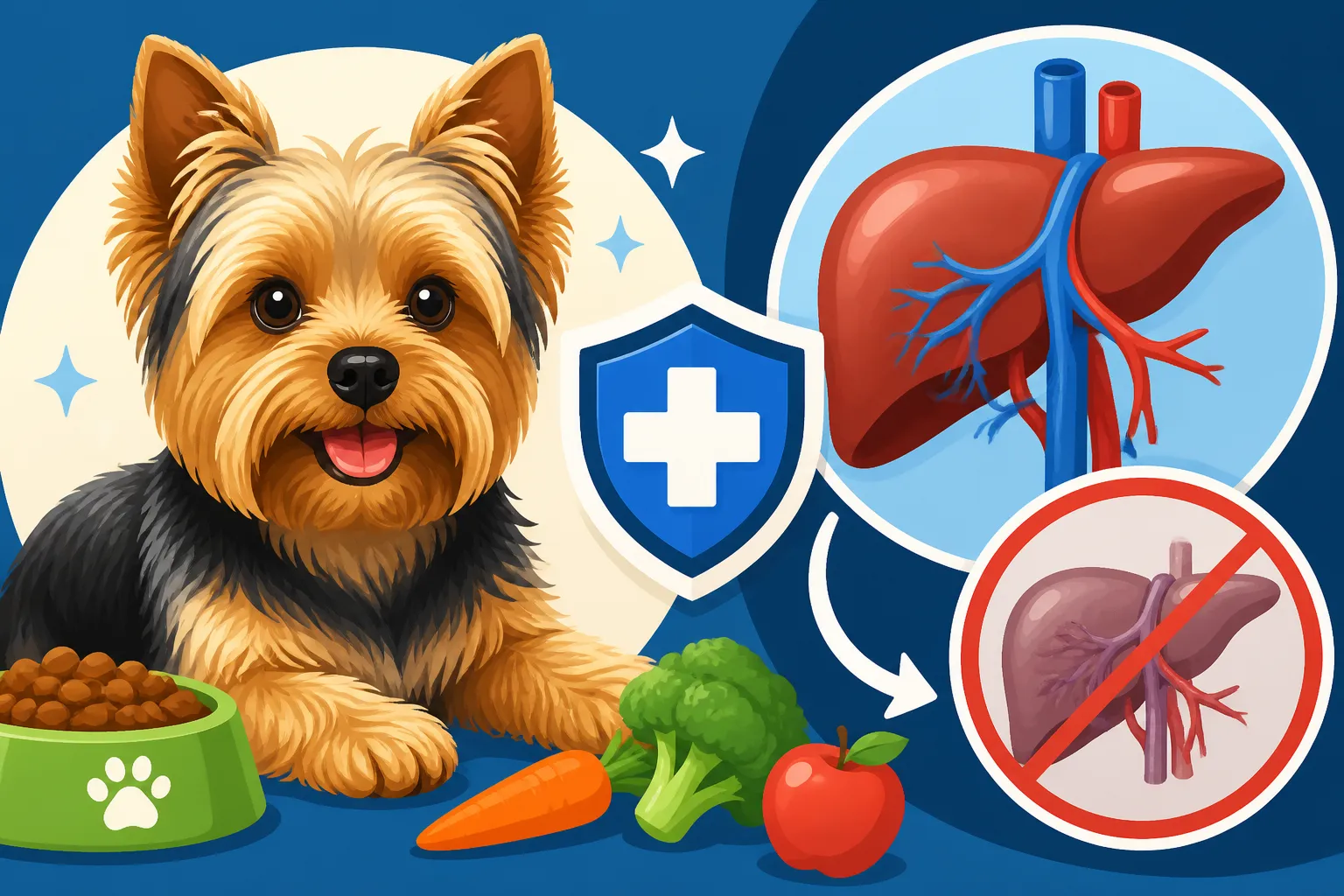
Imagine your Yorkie's liver as the body's super-filter, diligently removing toxins and processing nutrients from the blood that comes from the digestive system. This blood typically travels through the portal vein into the liver. A portosystemic shunt occurs when an abnormal blood vessel, or "shunt," allows blood to bypass the liver entirely. Instead of going through the liver for detoxification and processing, this unfiltered blood goes straight into the main circulation. This means toxins that should be filtered out, like ammonia from protein digestion, build up in the bloodstream, leading to a host of health problems.
For Yorkshire Terriers, the most common type is an extrahepatic shunt, meaning the abnormal vessel is located outside the liver itself. This genetic predisposition in Yorkies makes it a condition that responsible owners and breeders need to be very aware of. It's not just a minor glitch; it can severely impact a dog's health, leading to neurological issues, poor growth, and a generally compromised system because their body isn't getting the clean blood it needs.
Recognizing the Signs of PSS
One of the most frustrating aspects of PSS for owners is that the signs can be quite varied and sometimes subtle, especially in the early stages. Often, symptoms become more apparent when a puppy fails to thrive or an older dog starts showing unusual behaviors. Young puppies might experience stunted growth, appearing smaller than their littermates despite eating well. They might also exhibit poor muscle development.
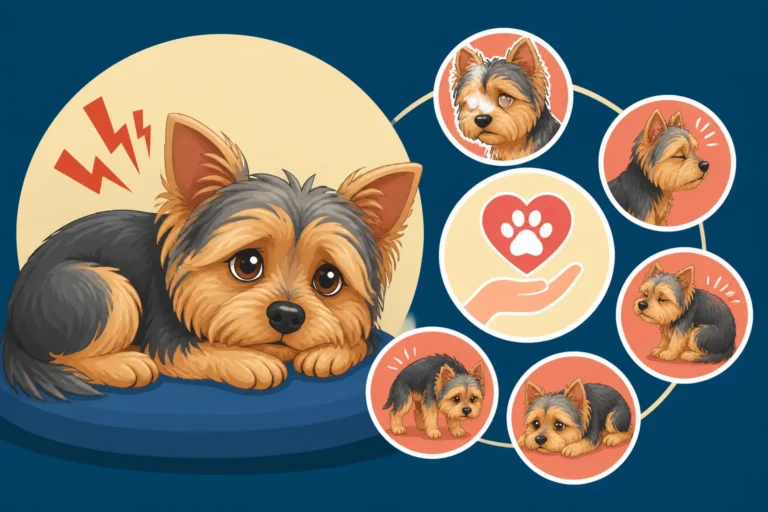
Neurological symptoms are a hallmark of PSS due to the accumulation of toxins in the brain. These can include disorientation, circling, staring blankly, head pressing, or even seizures. You might notice your Yorkie seems "drunk" or uncoordinated, especially after meals when toxin levels can peak. Behavioral changes like lethargy, excessive thirst, increased urination, or even temporary blindness can also occur. Gastrointestinal signs like vomiting, diarrhea, or a decreased appetite are also common. If you notice any of these Signs Your Yorkshire Terrier Is Sick, especially a combination of them, it’s crucial to contact your veterinarian immediately for a thorough check-up. The sooner a potential issue is identified, the better the chances for effective intervention.
Genetic Predisposition and Early Screening
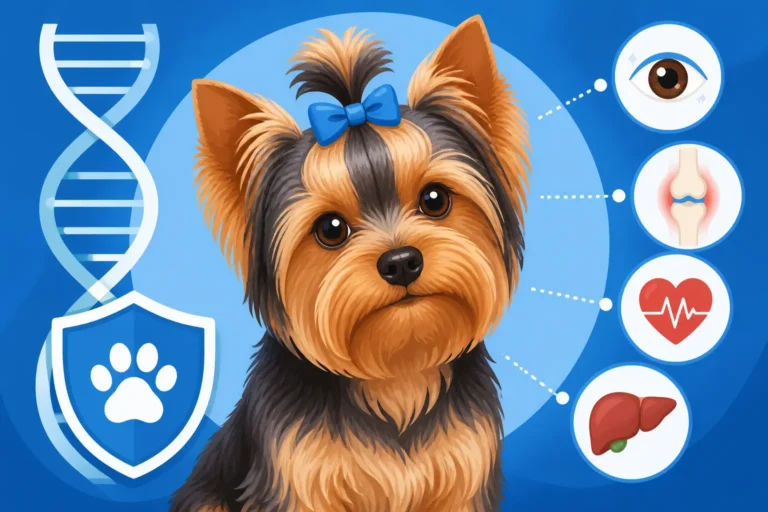
The unfortunate truth is that for Yorkshire Terriers, PSS often has a strong genetic component. This means that certain bloodlines may be more prone to developing the condition. Reputable breeders are keenly aware of this and take steps to avoid breeding dogs that carry or have a history of PSS in their lineage. It's not always a straightforward genetic test like some other conditions, but careful pedigree research and health screening of breeding pairs can significantly reduce the incidence.
For potential puppy owners, this highlights the critical importance of choosing a responsible breeder. They should be transparent about the health history of their breeding dogs and their puppies. Some breeders may even conduct specific screening tests, such as bile acid tests on puppies before they go to their new homes, especially for breeds at higher risk like Yorkies. While these tests aren't definitive for PSS, abnormal results can prompt further investigation. Understanding Common Yorkshire Terrier Genetic Conditions like PSS is vital for anyone considering bringing a Yorkie into their home.
Strategies for Minimizing Risk and Supporting Liver Health
While a true genetic PSS isn't something you can "prevent" in the sense of eliminating the gene, you can certainly take proactive steps, especially through responsible breeding and careful pet ownership, to minimize its occurrence and impact.
The Role of Responsible Breeding Practices
The cornerstone of preventing genetically linked conditions like PSS in Yorkshire Terriers lies squarely with responsible breeding. Ethical breeders don't just breed for looks; they prioritize health and temperament above all else. This means they'll extensively research pedigrees to identify any history of PSS in their lines. They will meticulously screen their breeding dogs for various health conditions, including those that might predispose offspring to PSS.
For PSS specifically, while a definitive genetic test for the shunt itself isn't widely available or straightforward as it is for some other conditions, breeders can utilize specific blood tests to evaluate liver function in potential parent dogs. For instance, bile acid tests can indicate if there's an issue with how the liver is processing substances, which might point to a shunt. Furthermore, an ethical breeder will be open about their health testing protocols and provide health guarantees. They won't just hand over a puppy; they'll educate you on the potential health issues of the breed and how they've worked to mitigate risks. If you're looking for a puppy, always ask about the parents' health history and what screenings have been performed. This due diligence is crucial for both the health of individual dogs and the overall breed.
Nutritional Considerations for Liver Support
For Yorkies, especially those potentially predisposed or even those who might have a sub-clinical shunt, diet plays a huge role in managing liver health. The goal is to provide a diet that supports the liver without overwhelming it, particularly with protein, which produces ammonia as a byproduct of digestion. If a shunt is present, that ammonia can build up. High-quality, easily digestible protein sources are key.
Veterinarians often recommend prescription diets specifically formulated for liver support. Brands like Royal Canin Hepatic or Hill's Prescription Diet l/d are examples of therapeutic foods designed with controlled levels of highly digestible protein, carbohydrates for energy, and supplements that aid liver function, such as L-carnitine and antioxidants. These diets help reduce the metabolic burden on the liver and minimize the production of toxins. It's not about cutting out protein entirely, as protein is vital for muscle and tissue repair; it's about providing the right type and amount. Small, frequent meals can also be beneficial, as they help prevent large fluctuations in blood glucose and reduce the post-meal metabolic load on the liver. Always consult your vet before making significant dietary changes, as they can recommend the best food tailored to your Yorkie's specific needs.
Regular Veterinary Care and Monitoring
Consistent and thorough veterinary care is paramount in both preventing and catching PSS early. For a Yorkshire Terrier puppy, a comprehensive Yorkshire Terrier Puppy Health Guide will include regular check-ups and vaccinations. During these visits, your vet will perform a physical examination, monitor growth, and listen to any concerns you might have about your puppy's behavior or development. For breeds at risk of PSS, your vet might recommend specific blood tests.
A pre-surgical bile acid test is often performed before spaying or neutering in at-risk breeds like Yorkies, around 8-16 weeks of age, though protocols can vary. This non-invasive blood test measures bile acids before and after a meal and can indicate if the liver is not functioning correctly, which could be a sign of a shunt. Even if your Yorkie seems perfectly healthy, these screenings can provide invaluable insight. Regular annual check-ups throughout your Yorkie's life are also crucial for ongoing monitoring. Your vet is your best partner in keeping your Yorkie healthy, and open communication about any changes you observe is vital. Don't hesitate to discuss any odd symptoms or concerns about Yorkie Emergency Symptoms to Never Ignore with them, no matter how small they seem. Planning for these essential vet visits is also important, and considering something like Pet Insurance for Yorkshire Terriers from providers like Healthy Paws can help manage the financial aspect of unexpected diagnostic tests or treatments.
Early Intervention and Management for Potential PSS Concerns
Even with the best preventative measures, sometimes a portosystemic shunt can develop or be present without initial detection. Early intervention is absolutely critical for the best possible outcome.
Diagnostic Tools and Early Detection
If your veterinarian suspects a portosystemic shunt based on clinical signs or abnormal screening tests (like an elevated bile acid test), they will recommend further diagnostics to confirm the diagnosis and pinpoint the shunt's location. The primary diagnostic tools include:
- Advanced Blood Tests: Beyond the bile acid test, your vet might look at blood ammonia levels, blood urea nitrogen (BUN), albumin, and glucose, all of which can be affected by a poorly functioning liver due to a shunt.
- Ultrasound: A non-invasive ultrasound of the abdomen is often the next step. A skilled ultrasonographer can often visualize the abnormal vessel bypassing the liver. This provides crucial information about the shunt's location (intrahepatic or extrahepatic) and size.
- CT Angiography or Portography: These are more advanced imaging techniques that provide a detailed map of the liver's blood vessels. A contrast dye is injected, allowing the shunt to be clearly seen on CT scans or X-rays. This is often the gold standard for surgical planning, as it provides the surgeon with a precise roadmap.
Early and accurate diagnosis is key because it allows for timely intervention, whether medical or surgical. Waiting too long can lead to irreversible liver damage or severe neurological complications, making treatment more challenging and outcomes less favorable.
Medical Management to Alleviate Symptoms
For Yorkies diagnosed with PSS, medical management is often the first course of action, especially if a puppy is too young for surgery, the shunt is not surgically correctable, or if surgery needs to be postponed. The goal of medical management is to reduce the production and absorption of toxins, primarily ammonia, and support liver function.
This typically involves a combination of:
- Prescription Diet: As mentioned earlier, a specialized low-protein, liver-friendly diet is crucial. This limits the amount of protein that can be converted into ammonia.
- Lactulose: This medication is a synthetic sugar that works in two ways. First, it helps trap ammonia in the colon, preventing its absorption into the bloodstream. Second, it acts as a laxative, promoting faster elimination of toxins.
- Antibiotics: Certain antibiotics, like metronidazole, are used to reduce the number of ammonia-producing bacteria in the gut.
- Supplements: Your vet might recommend supplements to support liver health, such as SAMe (S-adenosylmethionine) or milk thistle, though these should only be given under veterinary guidance.
Medical management can significantly improve a Yorkie's quality of life and manage symptoms, but it does not fix the underlying structural issue of the shunt. It's a way to keep your Yorkie stable and comfortable, sometimes indefinitely, but often as a temporary measure before potential surgical correction.
Surgical Options and Post-Operative Care
For most extrahepatic shunts (the common type in Yorkies), surgical correction offers the best long-term prognosis. The goal of surgery is to close or significantly restrict the abnormal blood vessel, forcing blood to flow through the liver as it should. There are a few surgical techniques:
- Ligation: This involves directly tying off the shunt vessel. However, complete ligation can sometimes be dangerous due to sudden increases in blood pressure to the liver, so it's often done gradually using an ameroid constrictor.
- Ameroid Constrictor: This is a small, ring-shaped device placed around the shunt vessel. The casing contains casein, which gradually absorbs bodily fluids and expands over several weeks, slowly closing the shunt. This gradual closure allows the liver to adapt to the increased blood flow.
- Cellophane Banding: Similar to the ameroid constrictor, a cellophane band is placed around the shunt. The cellophane induces an inflammatory reaction, causing scar tissue to form and slowly close the vessel.
Post-operative care is just as critical as the surgery itself. Your Yorkie will require careful monitoring, pain management, and often continued medical management (diet, lactulose, antibiotics) for several weeks or months. Regular follow-up bile acid tests are essential to ensure the shunt has closed effectively. While surgery carries risks, a successful procedure can lead to a remarkable improvement in a Yorkie's health and a much better long-term outlook, allowing them to lead a normal, healthy life. This is one of those situations where the Yorkshire Terrier Vet Costs and Health Budget can really add up, making pet insurance a sound investment.
Lifestyle Factors and Holistic Approaches
While PSS is a structural anomaly, a holistic approach to your Yorkie's overall health and well-being can still play a supportive role, especially in managing symptoms or ensuring optimal recovery if a shunt is found and treated.
Stress Reduction and Environmental Enrichment
A calm, predictable environment can significantly benefit any dog, and especially one with a health condition like PSS. Stress can have a physiological impact, potentially affecting organ function and overall immune response. Ensuring your Yorkie has a safe, quiet space to retreat to, a consistent routine, and minimal exposure to overwhelming situations can contribute to their general well-being. This is particularly important for Yorkies who might be prone to Yorkshire Terrier Separation Anxiety Solutions or are easily agitated.
Environmental enrichment, such as puzzle toys, short training sessions, and appropriate playtime, provides mental stimulation without overexertion. Mental engagement can help keep their minds active and distract them from any discomfort. For a breed that often exhibits high energy and intelligence, finding appropriate outlets for this energy is key. Regularly engaging your Yorkie's mind and body can contribute to a more balanced and happier pet, which, in turn, supports their physical health.
Supplementation and Herbal Support (with Caution)
The world of canine supplements offers many options, and some are marketed for liver support. While these can seem appealing, it’s crucial to approach supplementation with extreme caution and always, always consult your veterinarian before introducing anything new to your Yorkie's regimen. What might be beneficial for one dog or condition could be detrimental to another, especially with complex liver issues.
Common supplements sometimes suggested for liver health include:
- S-Adenosylmethionine (SAMe): This compound plays a vital role in liver function and detoxification. It's often prescribed by vets to support liver cell regeneration and protect the liver from damage.
- Milk Thistle (Silymarin): An herbal supplement known for its antioxidant and anti-inflammatory properties, often used to support liver health.
- Antioxidants: Vitamins E and C can help protect liver cells from oxidative stress.
However, the liver is responsible for metabolizing many substances, including supplements. Giving the wrong supplement or an incorrect dosage can actually put additional strain on an already compromised liver. Some herbal remedies can also interact negatively with medications your Yorkie might be taking. Your vet can advise on safe and effective supplements, if any, that are appropriate for your individual Yorkie’s health status.
Understanding Long-Term Outlook and Owner Commitment
The long-term outlook for a Yorkie with a portosystemic shunt varies greatly depending on several factors: whether it's diagnosed early, the type and location of the shunt, whether surgical correction is possible and successful, and the owner's commitment to ongoing care. With successful surgery, many Yorkies go on to live full, healthy lives with no further complications. However, some may require lifelong dietary management and medication.
Owners of Yorkies with PSS need to be prepared for a significant commitment of time, effort, and financial resources. This includes regular vet visits, potentially expensive diagnostics and surgery, meticulous dietary control, and consistent medication administration. Monitoring your Yorkie for any recurring symptoms is also crucial. Support groups for owners of dogs with liver shunts can be an invaluable resource for shared experiences and advice. Ultimately, ensuring your Yorkie receives the best possible care, whether through prevention, early detection, or dedicated management, is a true act of love and commitment.
| Action Type | Preventative Actions | Early Detection Strategies |
|---|---|---|
| Breeding | Vet-screen breeding pairs; research pedigrees | Bile acid testing on puppies (8-16 weeks) |
| Diet | High-quality, balanced diet (vet-approved) | Specialized low-protein diet if PSS suspected/diagnosed |
| Vet Visits | Regular puppy and annual wellness exams | Prompt vet visit for any concerning symptoms |
| Monitoring | Observe growth, energy, general well-being | Monitor for specific PSS symptoms (neurological, GI) |
| Financial Plan | Consider pet insurance early on | Budget for potential diagnostics and treatment costs |
Disclaimer
The information provided in this article is for general educational purposes only and should not be considered a substitute for professional veterinary advice. Always consult with a qualified veterinarian for any health concerns or before making any decisions related to your pet's health and treatment.