Is a Dorkie Right for You: Pros and Cons
Deciding to bring a new furry family member into your home is a huge commitment, and when you start looking at designer breeds like the Dorkie, it can feel even more complex. You're trying to figure out if this unique mix of a Dachshund and a Yorkshire Terrier will truly fit into your life, your home, and your heart, especially with all the differing opinions out there. This comprehensive guide will meticulously break down the pros and cons of Dorkie ownership, giving you the realistic insights you need to determine if this charming crossbreed is the perfect companion for you.
Understanding the Dorkie Breed: A Mix of Dachshund and Yorkshire Terrier
The Dorkie is a delightful and increasingly popular hybrid dog, combining the distinctive traits of two beloved breeds: the courageous and sometimes stubborn Dachshund, and the feisty yet affectionate Yorkshire Terrier. Like all mixed breeds, Dorkies can inherit a varied combination of characteristics from both parents, making each individual dog a unique surprise. Understanding the foundational traits of each parent breed is crucial for predicting what a Dorkie might be like.
The Dachshund Influence
The Dachshund, often affectionately called a "wiener dog," is known for its long body, short legs, and bold personality. Originally bred in Germany to hunt badgers, these dogs possess a strong prey drive, incredible bravery, and a remarkable sense of determination. They come in various coat types – smooth, longhaired, and wirehaired – and sizes, which can influence the Dorkie's appearance and grooming needs. Temperamentally, Dachshunds are intelligent, lively, and can be quite stubborn, often having their own ideas about how things should be done. They tend to be very devoted to their families but can be wary of strangers and sometimes vocal, traits that can certainly pass down to a Dorkie. Their elongated backs, while endearing, also make them prone to certain spinal issues, an important health consideration for potential Dorkie owners.
The Yorkshire Terrier Heritage
On the other side of the family, we have the Yorkshire Terrier, a tiny dog with a huge personality. Originally hailing from Yorkshire, England, these spirited terriers were bred to catch rats in clothing mills. Despite their small stature, Yorkies are known for their confidence, intelligence, and often their bossy demeanor. They are incredibly loyal and form strong bonds with their human companions. Their signature long, silky, hypoallergenic-like coat is a defining feature, and it requires consistent grooming. When considering a Dorkie, traits like the Yorkie's alertness, potential for barking, and sometimes delicate constitution are important factors. You can learn more about the general temperament and personality of their Yorkie parent. The genetics from the Yorkshire Terrier can also contribute to a Dorkie’s potential health concerns, such as dental issues and patellar luxation.
Common Dorkie Characteristics
When you blend these two distinct personalities and physical traits, you get a Dorkie. Most Dorkies will be small dogs, typically ranging from 5 to 12 pounds, though this can vary depending on the size of the Dachshund parent. Their appearance can be quite diverse: some might have the longer body of a Dachshund with the silky coat of a Yorkie, while others might have a more balanced build with a wiry or smooth coat. Common coat colors include black and tan, blue and tan, or shades of brown and gold. Their ears might stand erect like a Yorkie's, flop over like a Dachshund's, or even be a charming mix. Generally, Dorkies are described as intelligent, playful, and affectionate dogs who love being part of their family's activities. However, their specific behavioral traits are often a lottery, drawing from the wide spectrum of their parent breeds.
The Upsides of Bringing a Dorkie into Your Life: Pros
Dorkies offer a multitude of wonderful qualities that make them fantastic companions for the right individuals or families. Their blend of traits often results in a dog that is both endearing and engaging, full of life and love.
Affectionate and Loyal Companionship
One of the most appealing aspects of Dorkies is their strong desire for companionship. Both Yorkshire Terriers and Dachshunds are known for forming deep bonds with their owners, and Dorkies typically inherit this trait. They thrive on human interaction and will often be found cuddling on the couch, following you from room to room, or happily greeting you at the door.
Imagine coming home after a long day, and your Dorkie, with its expressive eyes and wagging tail, is right there, eager to shower you with affection. They become true shadows, reveling in being part of every family activity, whether it's watching TV or going for a short walk. This deep loyalty means they can be incredibly comforting pets, offering unwavering devotion and a constant source of joy. For individuals living alone, a Dorkie can fill the home with warmth and life, providing a constant, loving presence. Their desire for connection makes them excellent emotional support animals for many.
Adaptability to Various Lifestyles
Despite their spirited nature, Dorkies are surprisingly adaptable to various living situations. Their small size makes them ideal for apartment living or homes without large yards, as long as their exercise needs are met with daily walks and indoor playtime. They don't require vast spaces to run and are often content with a cozy spot indoors.
Consider a young professional living in a bustling city apartment in, say, Chicago. A Dorkie can easily fit into this urban lifestyle. A few brisk walks around Lincoln Park or along the lakefront, combined with interactive play sessions at home, can keep them happy and healthy. Likewise, for an older couple looking for a less demanding pet, a Dorkie's moderate exercise needs and love for indoor comfort can be a perfect match. They adjust well to routine changes, as long as their primary caregivers are consistent and present. This flexibility makes them suitable for first-time dog owners who might not have experience with larger, more demanding breeds.
Manageable Exercise Requirements
While Dorkies are energetic little dogs, their exercise requirements are generally quite manageable, especially when compared to larger, high-energy breeds. They typically need about 30-60 minutes of daily activity, which can be broken down into a couple of short walks and some indoor playtime.
For example, a morning stroll around the neighborhood of Alexandria, Virginia, followed by an afternoon game of fetch in the living room, and perhaps another short walk before bedtime, would be ample for most Dorkies. They enjoy exploring new scents on walks, but they aren't built for strenuous, long-distance runs. This makes them a great fit for people who enjoy regular, moderate activity but aren't looking for a canine marathon partner. Their compact size also means that indoor games with toys purchased from retailers like Chewy can be a fantastic way to burn off energy on a rainy day, preventing boredom and destructive behaviors. Maintaining a balanced exercise routine is key to keeping a Yorkshire Terrier healthy.
Unique and Charming Personality
Dorkies often possess a captivating blend of the Dachshund's bold curiosity and the Yorkshire Terrier's spirited confidence, resulting in a truly unique personality. They can be incredibly playful, intelligent, and humorous, constantly finding ways to entertain their families with their antics.
One day, your Dorkie might be showing off its hunting instincts by "digging" vigorously at a blanket, mimicking its Dachshund heritage. The next, it might be prancing around with the self-assured swagger of a Yorkie, demanding attention and cuddles. They are often quite vocal, using barks, yips, and even "talkative" sounds to communicate their desires or alert you to perceived threats – a trait that can be both endearing and, as we'll discuss, a potential challenge. Their expressive faces and lively dispositions ensure there's rarely a dull moment with a Dorkie around. Many owners fall in love with these mixed breeds precisely because of their distinct character and the surprising combinations of traits they display.
Potential Challenges and Considerations: Cons of Dorkie Ownership
While Dorkies bring immense joy, it's crucial for prospective owners to be aware of the potential challenges that come with this mixed breed. A realistic understanding of these downsides can help you prepare and ensure a harmonious life together.
Training and Behavioral Quirks
Training a Dorkie can be a rewarding experience, but it often requires patience, consistency, and a good sense of humor due to the strong-willed nature inherited from both parent breeds. Both Dachshunds and Yorkies can be stubborn, intelligent, and prone to "small dog syndrome" if not properly socialized and trained.
Potty training, in particular, can be a common hurdle for Dorkie owners. They might be slower to grasp house-training concepts, leading to more accidents than owners of some other breeds might experience. This isn't due to a lack of intelligence, but often a mix of stubbornness and their small bladder size. Consistent routines, frequent potty breaks, and positive reinforcement are essential. Ignoring proper training can lead to a Dorkie who believes they are the boss, potentially exhibiting excessive barking, leash pulling, or even nipping if not corrected. Early socialization, exposing them to various sights, sounds, people, and other dogs from a young age, is vital to prevent fear-based aggression or over-protectiveness. For more in-depth guidance, you might find resources on how to train a Yorkshire Terrier helpful, as many principles apply.
Health Predispositions and Concerns
As a hybrid breed, Dorkies can inherit health issues common to both Dachshunds and Yorkshire Terriers. This means they can potentially be susceptible to a wider range of conditions. While not every Dorkie will develop these problems, being aware of them is important for responsible ownership and budgeting for veterinary care.
One significant concern from the Dachshund side is Intervertebral Disc Disease (IVDD), a spinal condition that can lead to pain, nerve damage, and even paralysis. Owners need to be mindful of activities like jumping off furniture or going up and down stairs, which can strain their delicate backs. From the Yorkshire Terrier side, issues like patellar luxation (slipping kneecaps), Legg-Calve-Perthes disease (a hip joint disorder), and tracheal collapse (a breathing issue) are sometimes seen. Dental problems are also prevalent in small breeds like Yorkies, making regular Yorkie Dental Disease Prevention essential. Hypoglycemia, or low blood sugar, especially in smaller Dorkie puppies, is another potential concern that requires careful feeding management. It's vital to choose a reputable breeder who screens parent dogs for genetic conditions. Understanding Yorkshire Terrier Health Problems to Know will provide a broader context for potential Dorkie health issues.
Here's a quick comparison of some common health predispositions:
| Health Concern | Primary Parent Breed Influence | Description |
|---|---|---|
| Intervertebral Disc Disease (IVDD) | Dachshund | Spinal disc degeneration, can cause pain or paralysis. |
| Patellar Luxation | Yorkshire Terrier | Slipping kneecaps, leading to limping or difficulty walking. |
| Tracheal Collapse | Yorkshire Terrier | Weakening of the windpipe, causing coughing and breathing difficulties. |
| Dental Disease | Both | Plaque and tartar buildup, common in small breeds, leading to gum disease and tooth loss. |
| Hypoglycemia | Yorkshire Terrier | Low blood sugar, especially in puppies; can cause lethargy, weakness, and seizures. |
| Legg-Calve-Perthes Disease | Yorkshire Terrier | Degeneration of the femur head in the hip joint, causing lameness. |
Grooming Needs and Coat Care
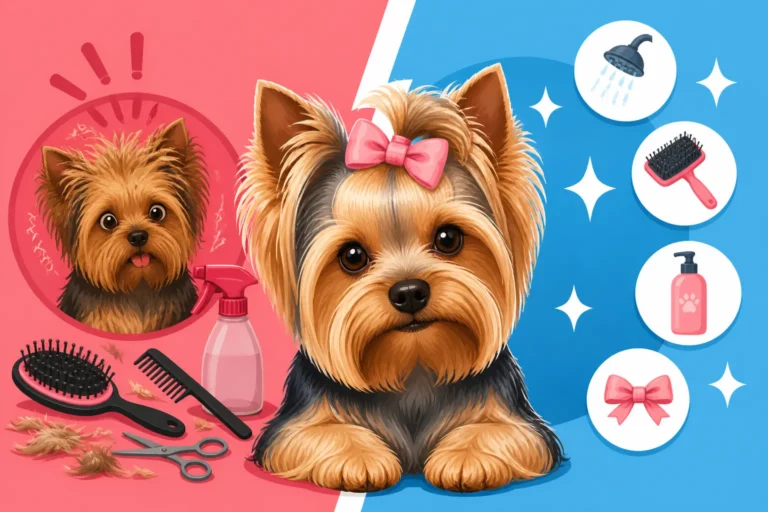
The Dorkie's coat can be a wild card, inheriting traits from either parent, which in turn dictates their grooming requirements. If your Dorkie gets more of the long, silky Yorkshire Terrier coat, it will require significant daily brushing to prevent matting, tangles, and skin irritation. Without consistent care, these mats can become painful and may require professional shaving.
On the other hand, a Dorkie that favors the Dachshund's short, smooth coat will have much lower grooming needs, perhaps just a weekly brush and occasional bath. A wirehaired Dachshund-influenced coat might fall somewhere in between. Regardless of coat type, all Dorkies will need regular nail trims, ear cleaning, and dental care. Cleaning around their eyes to prevent tear stains may also be necessary, similar to a Yorkie. If your Dorkie has a longer coat, investing in quality grooming tools and potentially professional grooming services (which can add to the Yorkie Grooming Costs Explained) will be an ongoing commitment. Products found on sites like Chewy, from brushes to specialized shampoos, can help keep their coats in top condition.
Vocal Tendencies and Small Dog Syndrome
Both Yorkshire Terriers and Dachshunds are known for their vocalizations, and the Dorkie often inherits this trait. They can be prone to excessive barking, whether it's at strangers passing by, perceived threats outside the window, or simply to get your attention. This can be a significant challenge, especially for those living in apartments or close-knit communities where noise can be an issue.
Furthermore, if not properly socialized and trained, Dorkies can develop what's often termed "small dog syndrome." This is where a small dog, often over-coddled or not given consistent boundaries, develops a bold, sometimes aggressive, or overly bossy demeanor towards larger dogs or even people. They might snap, growl, or act fearfully aggressive, believing they need to compensate for their size. It's a behavioral issue, not an inherent trait of small dogs, and it stems from a lack of proper training and socialization. Early intervention and consistent, positive reinforcement training are key to preventing these behaviors and fostering a confident, well-adjusted Dorkie.
Making an Informed Decision: Is a Dorkie Your Ideal Companion?
After exploring the unique blend of characteristics, both positive and challenging, that Dorkies bring to the table, it's time to reflect on whether this charming crossbreed truly aligns with your lifestyle and expectations. No dog is perfect for everyone, and understanding if a Dorkie's quirks will complement your home environment is the most important step.
Evaluating Your Lifestyle and Expectations
Before committing to a Dorkie, take an honest look at your current living situation and what you envision for your future with a dog. Are you prepared for the potential training challenges, especially with house-training a stubborn little canine? Do you have the time and patience for consistent positive reinforcement? If you're a first-time dog owner, are you willing to invest in puppy classes or professional guidance to manage their spirited personalities?
Consider your home environment:
- Space: Do you live in an apartment or a house with limited yard space? A Dorkie's size makes them well-suited for smaller dwellings, but they still need daily walks and indoor play.
- Time Commitment: Are you home often enough to provide companionship and attention? Dorkies thrive on human interaction and can be prone to separation anxiety if left alone for extended periods.
- Grooming: Are you willing to commit to regular brushing and potentially professional grooming, especially if your Dorkie inherits a long, silky coat?
- Noise Tolerance: How tolerant are you of barking? If you value a quiet home, a Dorkie's vocal tendencies might be a point of contention.
- Financial Preparedness: Have you considered the potential vet costs associated with breeds prone to specific health issues? A robust Yorkshire Terrier Vet Costs and Health Budget can vary greatly, and a Dorkie may inherit tendencies from either parent. Pet insurance is often a wise investment.
A Dorkie might be an excellent choice if you're looking for an affectionate, loyal companion who thrives on being part of the family. They are often ideal for individuals, couples, or families with older, respectful children who understand how to interact with a small dog. Their moderate exercise needs suit those who enjoy daily walks but aren't seeking a high-endurance canine partner.
Finding a Reputable Dorkie Breeder or Rescue
If you've weighed the pros and cons and decided a Dorkie is the right fit, the next crucial step is to find a responsible source for your new companion. Because Dorkies are a crossbreed, they are not recognized by major kennel clubs like the AKC, meaning there isn't a standardized breed club to regulate breeding practices. This makes finding an ethical breeder even more critical to avoid supporting puppy mills or irresponsible backyard breeders.
A reputable Dorkie breeder will:
- Prioritize Health: Be transparent about the health of the parent dogs, providing health clearances for common issues like IVDD in Dachshunds and patellar luxation in Yorkshire Terriers. They should be open to discussing the Common Yorkshire Terrier Genetic Conditions relevant to their side of the lineage.
- Allow Visits: Welcome you to visit their facility to see the puppies with their mother in a clean, humane environment.
- Provide Information: Be knowledgeable about both parent breeds and the Dorkie mix, answering all your questions honestly.
- Ask Questions: Interview you to ensure you are a suitable owner for one of their puppies, demonstrating their commitment to finding good homes.
- Offer Guarantees: Provide a health guarantee for their puppies.
Alternatively, consider adopting a Dorkie from a rescue organization. Many breed-specific rescues for Dachshunds and Yorkshire Terriers, as well as general small dog rescues, often have Dorkies looking for their forever homes. Adopting a rescue dog can be incredibly rewarding, giving a second chance to a dog in need and often providing you with a companion whose temperament is already understood by the rescue staff. You can also save on costs, as adoption fees are typically lower than breeder prices. Websites like Petfinder or Adoptapet can help you search for Dorkies in your local area, such as a rescue in Los Angeles or a shelter in Miami.
Preparing Your Home for a Dorkie
Bringing a Dorkie home means making some essential preparations to ensure their safety and comfort. Because of their small size and potential for back issues, puppy-proofing is paramount.
- Hazard Removal: Secure electrical cords, put away toxic chemicals, and store small objects that could be choked on. Dorkies, with their terrier curiosity, will explore!
- Safe Spaces: Set up a comfortable crate or a designated safe area using a playpen. This provides them with a den where they can feel secure. A well-chosen bed or carrier from Chewy can make this space inviting.
- Elevated Surfaces: Consider ramps or pet stairs for furniture, especially couches and beds, to prevent your Dorkie from jumping off and potentially injuring their back. This is particularly important if they inherit the Dachshund's longer spine.
- Feeding Supplies: Purchase appropriate food bowls – elevated bowls can sometimes be beneficial for dogs with longer backs – and research the Best Dog Food for Yorkshire Terriers (or Dachshunds) to ensure you have a high-quality food ready.
- Grooming Kit: Assemble a basic grooming kit including a soft brush, nail clippers, ear cleaner, and dog-specific shampoo. If you suspect a long coat, add a fine-toothed comb and detangling spray.
- Training Tools: Have a harness and leash ready. Harnesses are generally recommended over collars for Dorkies, especially those with Dachshund lineage, to protect their necks and spines. You might find guidance on Why Harnesses Are Better Than Collars for Yorkies.
- Toys: Stock up on a variety of toys for mental stimulation and play. Interactive toys from brands like Kong or Outward Hound available on Chewy can keep them engaged.
A Dorkie can be a wonderful, affectionate, and entertaining addition to the right home. By understanding their unique traits and preparing for their specific needs, you can set the stage for a long and happy life together with your charming Dachshund-Yorkie mix.
Disclaimer
This article is for general informational purposes only and does not constitute professional advice. Laws, prices and regulations vary by location and change over time. Consult a qualified professional for guidance on your specific situation.