Yorkshire Terrier vs Miniature Schnauzer: Which Is Better
Deciding on a new furry family member is a huge step, and it’s completely normal to feel a little overwhelmed by all the choices out there. Many prospective dog parents find themselves weighing the pros and cons of adorable, feisty breeds like the Yorkshire Terrier and the charming, spirited Miniature Schnauzer. This guide is here to help you navigate their distinct personalities, care requirements, and what makes each breed truly special, so you can make the best decision for your home and heart.
A Tale of Two Terriers: Breed Overviews
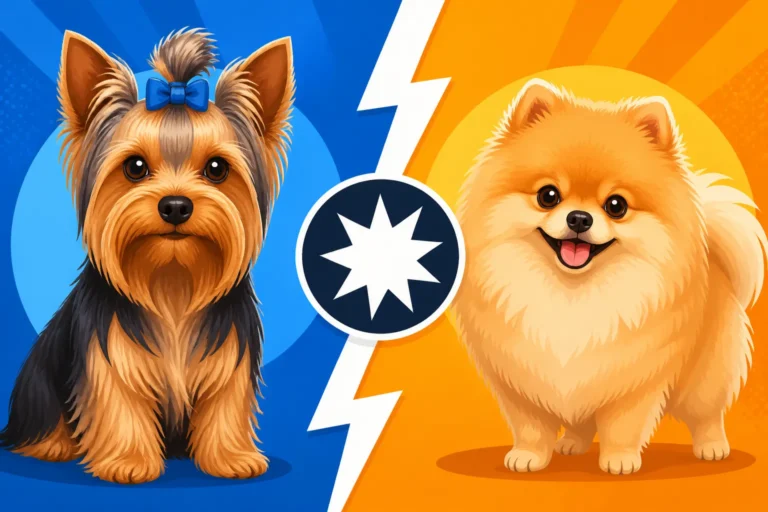
When you’re trying to pick between a Yorkshire Terrier and a Miniature Schnauzer, it’s like comparing two very different, yet equally endearing, tiny packages of personality. Both are small dogs with strong terrier instincts, but their origins, appearance, and overall demeanor set them distinctly apart. Understanding these foundational differences is key to seeing which one might be the better fit for your life.
The Dainty Darling: Yorkshire Terrier Characteristics
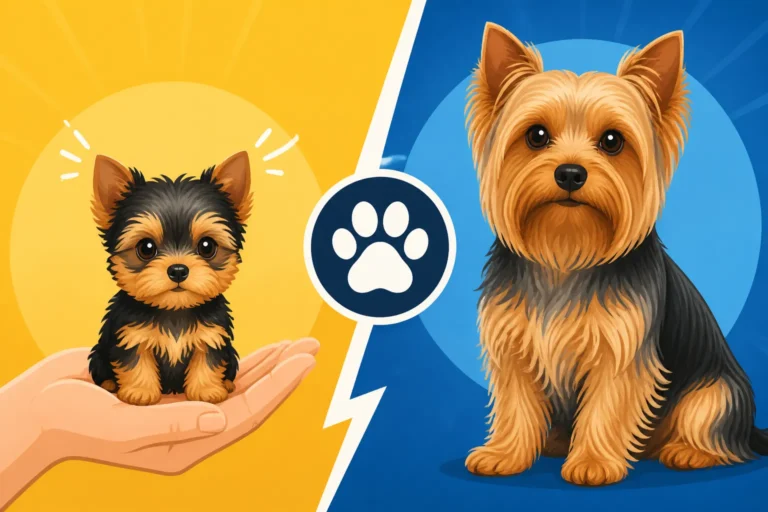
Ah, the Yorkshire Terrier, often affectionately called a "Yorkie." These little dynamos originally hailed from Yorkshire, England, developed to catch rats in clothing mills and mines. Despite their small stature, usually weighing between 4 to 7 pounds, they carry themselves with an air of self-importance and adventure that belies their size. Their most distinctive feature is that long, silky, often steel-blue and tan coat that can sweep to the floor if left untrimmed. This isn't just a pretty coat, though; it’s more like human hair than typical dog fur, which means it requires a specific kind of care.
Yorkies are known for their lively, inquisitive, and sometimes feisty personalities. They are incredibly devoted to their families, often forming a strong bond with one primary person, but they can be wary of strangers or other dogs if not properly socialized. They possess a surprising amount of energy for their size, enjoying playtime and short walks, but they are also perfectly content to cuddle on the couch. Don't let their elegant appearance fool you; these are true terriers at heart, full of pluck and determination.
The Spirited Schnauzer: Miniature Schnauzer Characteristics
Now, let's talk about the Miniature Schnauzer. Hailing from Germany, this breed was developed to be a small farm dog, adept at ratting and guarding. They are a sturdy, square-built dog, typically weighing a bit more than a Yorkie, ranging from 11 to 20 pounds. Their defining look includes a wiry, double coat (usually salt and pepper, black and silver, or solid black), bushy eyebrows, and a distinguished beard. Unlike the Yorkie's flowing locks, the Schnauzer's coat is coarser to the touch.
Miniature Schnauzers are known for their outgoing, intelligent, and spirited nature. They are often described as "big dogs in a small body" because of their fearless attitude and alert demeanor. They are incredibly loyal and protective of their families, making them excellent watchdogs – sometimes to a fault with their tendency to bark. They thrive on human companionship and are quite playful, enjoying active games and regular exercise. Their intelligence also means they pick up on training quickly, though their independent streak can sometimes make them a little mischievous.
Temperament and Lifestyle Compatibility
Choosing a dog isn't just about how cute they are; it's about finding a companion whose personality and needs genuinely align with your daily life. Both Yorkshire Terriers and Miniature Schnauzers are fantastic breeds, but they bring very different energies and temperaments to a household. Thinking about what you truly want in a companion will help clarify which breed will thrive best with you.
Living with a Yorkshire Terrier: What to Expect
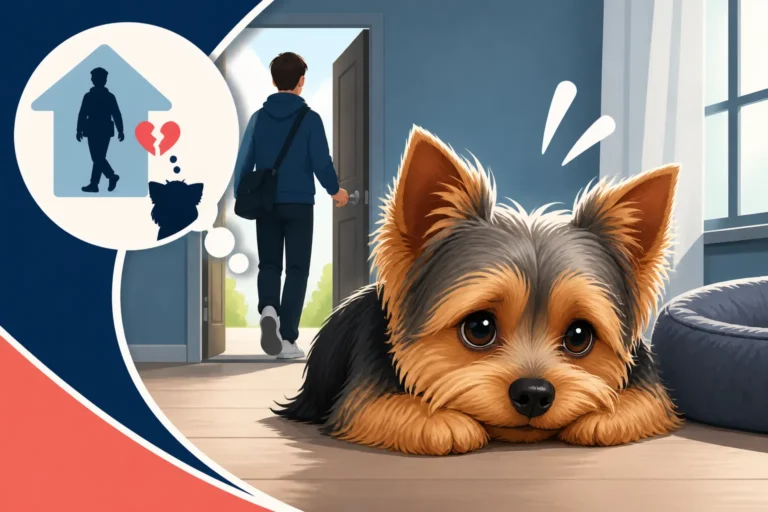
If you bring a Yorkshire Terrier into your home, prepare for boundless devotion and a dog that wants to be involved in everything you do. They are known for their deep affection for their owners, often following them from room to room. This strong bond, while endearing, can sometimes lead to Yorkshire Terrier Separation Anxiety Solutions if they're left alone for long periods. They thrive in homes where they get plenty of human interaction and aren't left to their own devices too often.
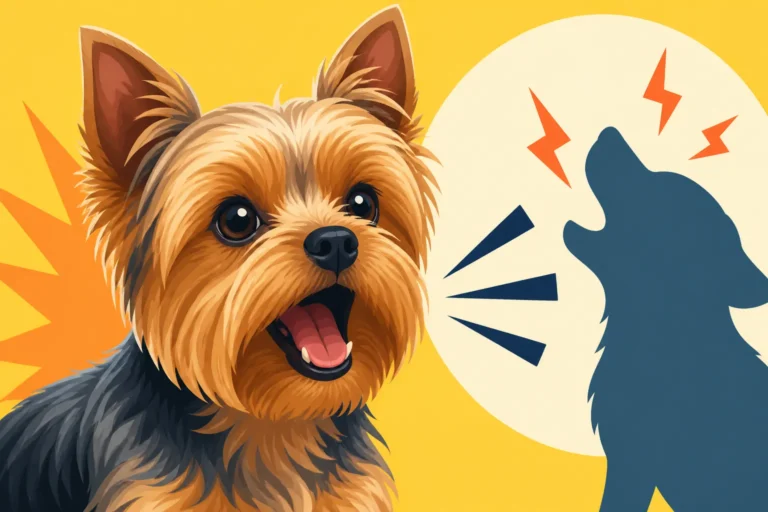
Yorkies are generally good with older, respectful children, but their small size makes them vulnerable to accidental injury by very young, rambunctious kids. They can live happily in apartments, provided they get enough mental stimulation and short bursts of exercise daily. When it comes to other pets, early socialization is key. While some Yorkies get along fine with cats and other dogs, their terrier instincts can sometimes lead to a desire to chase smaller animals. One common frustration for new Yorkie owners is their propensity to bark. They are excellent alarm systems, notifying you of every leaf blowing by or person walking past the window, which can be a challenge if you live in close quarters. For more insights, consider reading about Yorkshire Terrier Temperament and Personality.
Living with a Miniature Schnauzer: What to Expect
Miniature Schnauzers are known for their robust personalities and their ability to blend into various family dynamics. They are playful, curious, and incredibly intelligent, often described as having a zest for life. This breed generally does very well with children and other dogs, especially if introduced early and properly socialized. Their sturdy build makes them a bit more tolerant of playful interactions than the more delicate Yorkie. They adore being part of family activities, whether it's a game of fetch in the yard or a quiet evening by your side.
Like Yorkies, Miniature Schnauzers are excellent watchdogs and are prone to barking, sometimes excessively, at anything they deem unusual. This instinct, combined with their strong territorial nature, means consistent training is crucial. They are highly adaptable and can thrive in both apartments and larger homes, as long as their exercise needs are met. They have a lower prey drive compared to some other terriers, but it's still present, so supervision around small, furry pets is always wise. Overall, if you're looking for a confident, intelligent, and engaged companion, a Miniature Schnauzer might be an excellent choice.
Comparing Energy Levels and Exercise Needs
While both breeds are small, their exercise requirements differ somewhat. Understanding these distinctions is vital for providing a happy, healthy life for your chosen companion.
Yorkshire Terriers, despite their small size, have surprising bursts of energy. They love to play fetch indoors or romp around a securely fenced yard. A couple of short walks (15-20 minutes each) per day, perhaps around your neighborhood or a nearby park, are usually sufficient to keep them content. They also benefit greatly from mental stimulation, like puzzle toys or short training sessions. Because they are so small, it's easy to accidentally over-exercise them, especially on hot days, so always be mindful of their tiny paws and delicate respiratory systems. They're often happy to accompany you on errands in a dog carrier or stroller, making them excellent companions for those who like to be out and about.
Miniature Schnauzers, on the other hand, generally require more consistent and vigorous exercise. They were bred as working dogs, and that intelligent, energetic spirit remains. They typically need at least two moderate walks a day, each lasting 30 minutes or more, combined with active play sessions. They excel at dog sports like agility, obedience, and even earthdog trials, which tap into their natural terrier instincts. Without adequate exercise, a Miniature Schnauzer can become bored, which can lead to destructive behaviors like excessive barking or chewing. If you enjoy daily jogs, long walks, or want a dog that can keep up with more active outdoor adventures, the Miniature Schnauzer might be a better match.
Grooming, Health, and Training Differences
Beyond personality, the practical aspects of owning a dog—like how much grooming they need, their typical health issues, and how easy they are to train—are major considerations. Both Yorkies and Miniature Schnauzers require dedicated care, but the specifics can vary greatly.
Coat Care and Grooming Routines
Grooming is one of the most significant differences between these two breeds. A Yorkie's long, silky coat is stunning, but it's also high-maintenance. It's often compared to human hair because it grows continuously and requires daily brushing to prevent mats and tangles. Many owners opt for a shorter "puppy cut" to make grooming more manageable, but even then, regular brushing is essential. Without it, knots can quickly form, pulling on their delicate skin and causing discomfort. Bathing every 1-2 weeks with a good quality shampoo and conditioner is usually recommended to keep their coat clean and healthy. You'll also need to regularly clean their eyes to prevent tear stains and trim the hair around their eyes to keep it out of their vision. Professional grooming every 4-6 weeks is often a must for many Yorkie owners. For more in-depth care tips, check out our Yorkshire Terrier Grooming Guide.
The Miniature Schnauzer's coat is quite different. They have a double coat: a wiry, harsh outer coat and a soft undercoat. Traditional grooming for a show Schnauzer involves hand-stripping, a technique where dead hairs are pulled out by hand, which maintains the coat's texture and color. For pet Schnauzers, most owners choose to have them clipped every 6-8 weeks. Clipping, while easier, will soften the coat texture over time. Regardless of whether they are stripped or clipped, Miniature Schnauzers need regular brushing (2-3 times a week) to prevent matting, especially in their beard and leg furnishings. Their distinctive beard and eyebrows also need to be kept clean of food debris.
Common Health Concerns and Lifespan
Like all purebreds, both Yorkies and Miniature Schnauzers have predispositions to certain health issues. Being aware of these can help you better prepare for their care and communicate effectively with your veterinarian.
Yorkshire Terriers are generally a healthy breed, with a How long do Yorkshire Terriers live averaging 13-16 years. However, they are prone to several conditions. Key health concerns for Yorkies include Yorkshire Terrier Patellar Luxation: Signs and Care (a slipping kneecap), Yorkshire Terrier Collapsing Trachea: Signs and Care (a weakening of the windpipe common in toy breeds), dental disease, and portosystemic shunt (a liver condition). Hypoglycemia (low blood sugar) can also be a concern, especially in puppies and smaller individuals. Regular vet check-ups and a healthy diet are crucial. Given their small mouths, Yorkshire Terrier Dental Care Guide is paramount to prevent early tooth loss and related health problems.
Miniature Schnauzers also enjoy a good lifespan, typically 12-15 years. They are known for their robustness, but they too have their breed-specific health challenges. Some common conditions include pancreatitis, bladder stones, eye problems like cataracts and progressive retinal atrophy, and von Willebrand's disease (a bleeding disorder). They can also be prone to certain skin conditions and allergies. Responsible breeders screen for these genetic issues, so always choose a reputable source for your puppy.
Trainability and Intelligence
When it comes to training, both breeds are intelligent, but their approach to learning can differ.
Yorkshire Terriers are smart, but they can also be notoriously stubborn and independent, a classic terrier trait. This means that while they can learn quickly, they might decide they don't want to if there isn't sufficient motivation. Consistency, patience, and positive reinforcement are absolute musts. Yorkshire Terrier Potty Training Guide can be particularly challenging for Yorkies, often taking longer than with other breeds, and they may be prone to accidents if not given ample opportunities to relieve themselves outdoors or on pee pads. Despite these challenges, with the right approach, Yorkies can learn a wide array of commands and even tricks. Engaging them with fun, reward-based training sessions is key to success. If you're looking for guidance, our guide on How to Train a Yorkshire Terrier can offer valuable tips.
Miniature Schnauzers are highly intelligent and generally eager to please their owners, making them quite trainable. They pick up on commands quickly and excel in obedience training. Their independent terrier spirit means they do best with a confident leader who uses positive reinforcement methods. Without proper training and mental stimulation, their intelligence can lead them to develop "bad habits" or become overly vocal. They thrive on having a job to do, even if it's just learning new tricks or participating in dog sports. Their energy and focus make them excellent candidates for agility and other competitive activities.
Cost of Ownership and Long-Term Commitment
Bringing a dog into your life is a long-term commitment, not just emotionally, but financially. While both Yorkies and Miniature Schnauzers are smaller breeds, their specific needs can lead to varying costs. It’s important to budget for both the initial purchase or adoption and the ongoing expenses throughout their lives.
Initial Costs and Breeder Considerations
The initial cost of a puppy from a reputable breeder for both breeds can vary widely based on location, breeder reputation, lineage, and whether the dog is show-quality or pet-quality. Generally, you can expect to pay anywhere from $1,500 to $3,500 for a well-bred Yorkshire Terrier puppy. For a Miniature Schnauzer, the range is often similar, perhaps slightly less on average, from $1,000 to $3,000. It's crucial to find a breeder who prioritizes health testing and provides proper socialization for their puppies. Never choose a breeder based solely on price; a cheaper puppy might come with significant health or behavioral problems down the road.
Adoption is always a wonderful alternative. Rescues specializing in Yorkshire Terriers or Miniature Schnauzers, or even local all-breed shelters, often have dogs looking for their forever homes. Adoption fees typically range from $150 to $500, which usually includes initial vaccinations, spay/neuter, and sometimes microchipping.
Ongoing Expenses: Food, Grooming, and Vet Care
The day-to-day and year-to-year costs are where you'll see more sustained financial outlay.
Food: Both breeds are small, so their food consumption won't break the bank. However, quality matters. Feeding a high-quality kibble or fresh dog food is vital for their health. For a Yorkie, a small bag of premium dog food might last a month or more, costing around $30-$60. Miniature Schnauzers, being slightly larger, might cost $40-$70 per month. Brands like Royal Canin often have breed-specific formulas, and you can find a great selection of foods for small breeds on platforms like Chewy. If you’re unsure what to pick, our guide on the Best Dog Food for Yorkshire Terriers might help.
Grooming: This is where the Yorkie often incurs higher costs if you opt for professional services due to their long, continuously growing hair. Expect professional grooming costs for a Yorkie to be around $60-$100 every 4-6 weeks. While Miniature Schnauzers also require professional grooming (clipping every 6-8 weeks), the cost might be slightly less, perhaps $50-$90, depending on the groomer and region. If you're willing to learn to do some grooming at home, you can save money, but you'll still need to invest in quality brushes, combs, clippers, and shampoos. You can often find great deals on grooming supplies on Chewy, making at-home care more accessible.
Veterinary Care: Routine vet visits, vaccinations, and parasite prevention are standard for both. However, given their breed-specific health predispositions, it's wise to budget for potential issues. For instance, Yorkies are prone to Yorkie Dental Disease Prevention, which can lead to expensive dental cleanings and extractions if not managed. Miniature Schnauzers, as mentioned, can be prone to pancreatitis. Pet insurance is a valuable consideration for both breeds to help mitigate unexpected vet costs. You can learn more about general expenses in our Cost of Owning a Yorkshire Terrier Per Month article.
Summary Comparison: Yorkie vs. Miniature Schnauzer
To give you a quick overview, here's a table summarizing some key differences:
| Feature | Yorkshire Terrier | Miniature Schnauzer |
|---|---|---|
| Size/Weight | 4-7 lbs (Toy) | 11-20 lbs (Small) |
| Coat Type | Long, silky, fine, single coat (like human hair) | Wiry, harsh double coat with soft undercoat |
| Grooming Needs | High (daily brushing, professional grooming) | Moderate to High (regular brushing, professional clipping/stripping) |
| Temperament | Affectionate, feisty, independent, devoted | Alert, intelligent, spirited, loyal, outgoing |
| Energy Level | Moderate (short bursts, loves cuddles) | Moderate to High (needs regular, vigorous exercise) |
| Trainability | Intelligent but stubborn; can be challenging | Highly intelligent, eager to please, good for obedience |
| Barking Tendency | High (excellent alarm dogs) | High (excellent watchdogs) |
| Child Friendliness | Better with older, respectful children | Generally good with children, more sturdy |
| Common Health | Patellar luxation, collapsing trachea, dental disease, hypoglycemia | Pancreatitis, bladder stones, eye issues, von Willebrand's disease |
| Lifespan | 13-16 years | 12-15 years |
Ultimately, the "better" dog isn't about one breed inherently being superior to the other. It's about finding the perfect canine puzzle piece that fits seamlessly into your unique life picture. If you're looking for a dainty, devoted lap companion with an elegant look and are prepared for diligent daily grooming and a bit of a stubborn streak in training, the Yorkshire Terrier might steal your heart. They are truly Are Yorkshire Terriers Good Family Dogs for many.
However, if you're seeking a robust, spirited, intelligent dog with a "big dog" personality in a small package, who thrives on more activity and mental engagement, and whose grooming is a bit more forgiving than a Yorkie's long locks, then the Miniature Schnauzer could be your ideal match. Both breeds bring immense joy and companionship, so take your time, consider your lifestyle, and you'll find the perfect furry friend.
Disclaimer
Please remember that this article offers general information and advice. Every dog is an individual, and specific needs may vary. Always consult with a qualified veterinarian for personalized health advice and a professional dog trainer or behaviorist for tailored training guidance for your specific pet.