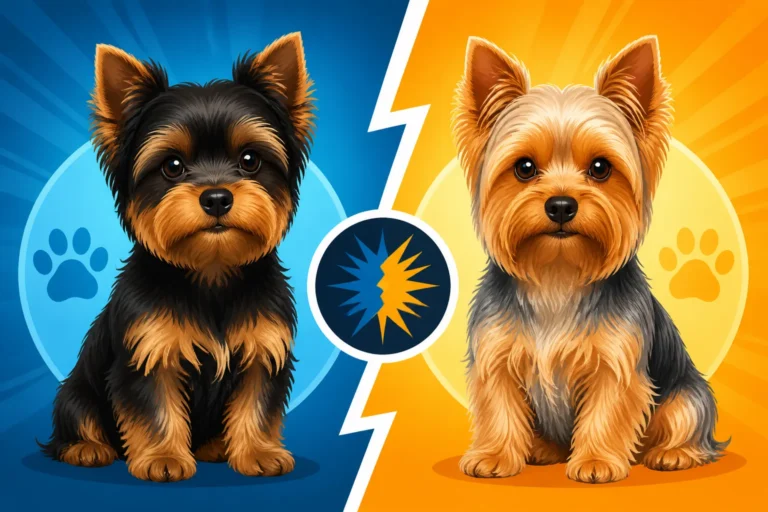
Yorkshire Terrier vs Havanese: Which Is Better
Deciding between two wonderful toy breeds like the Yorkshire Terrier and the Havanese can feel like trying to choose your favorite child – impossible and full of "what ifs." Many prospective dog parents find themselves torn, wondering if the spirited Yorkie's independence or the charming Havanese's devoted clinginess is the right fit for their home and heart. This comprehensive guide is here to untangle the nuances of both breeds, helping you understand their unique personalities, care requirements, and how they might integrate into your daily life so you can make an informed decision with confidence.
Understanding the Yorkshire Terrier: A Spirited Companion
Ah, the Yorkshire Terrier. When you think of a Yorkie, you might picture a tiny dog with a fancy bow in its hair, prancing around with an air of sophisticated confidence. And while that image isn't entirely wrong, it only scratches the surface of what makes this breed so captivating. Yorkshire Terriers pack a huge personality into their small frames. They are true terriers at heart, which means they’re feisty, intelligent, and often quite vocal. Don't let their dainty appearance fool you; these little dynamos were originally bred in 19th-century England to catch rats in textile mills, and they still carry that tenacious, fearless spirit.
A Yorkie’s self-assured demeanor can be incredibly endearing. They’re often described as bossy and spirited, enjoying being the center of attention and ruling the roost with surprising assertiveness. This isn't to say they aren't affectionate; quite the opposite! Once a Yorkie decides you're their person, they are incredibly loyal and loving, often following you from room to room. Their spirited nature means they're always up for an adventure, whether it's a brisk walk around the block or a lively game of fetch in the living room. Understanding their unique traits is key to a harmonious relationship, as their bold personality requires consistent training and boundaries.
Meet the Havanese: The Charming 'Velcro Dog'
On the other side of the coin, we have the Havanese, the national dog of Cuba. These charming little fluff balls are often referred to as "Velcro dogs" for a very good reason: they absolutely adore their humans and want to be right by their side, always. If you're looking for a dog that will enthusiastically greet you at the door, snuggle up on the couch, and generally be your shadow, the Havanese might just be your perfect match. They were bred to be companion dogs for Cuban aristocracy, and that role of devoted friend is something they take very seriously.
Havanese possess a naturally cheerful and outgoing disposition. They are playful and intelligent, often making excellent little entertainers with their comical antics. Unlike some other small breeds, Havanese are generally quite adaptable and thrive in various living situations, as long as they have plenty of human company. Their playful nature combined with their strong desire for companionship means they form incredibly strong bonds with their families. They tend to be less "terrier-like" in their assertiveness, opting more for a gentle, charming approach to get what they want.
Key Differences in Temperament and Behavior
When comparing the Yorkshire Terrier and the Havanese, their temperaments are perhaps where you'll find the most significant distinctions. Both are small, adorable, and deeply loving, but how they express that love and interact with the world around them can be quite different.
Energy Levels and Playfulness
Yorkshire Terriers, despite their size, are bursting with energy. They love to play, chase, and explore. A typical Yorkie might have bursts of frantic activity, tearing around the house with a favorite toy, followed by a cozy nap curled up next to you. They have a higher prey drive due to their history as ratters, meaning squirrels, birds, and even neighborhood cats might trigger their chase instinct. This can translate to an energetic walking companion and a vigilant guardian of your home, often alerting you with barks to anything they deem unusual. You can learn more about their activity needs in our guide on Yorkshire Terrier Exercise Needs.
The Havanese also has a playful side, but their energy tends to be more consistent and less intense than a Yorkie's. They enjoy games, puzzle toys, and walks, but they are equally content to cuddle up for a long afternoon nap. Their playfulness often involves engaging with their humans, preferring interactive games like fetch or hide-and-seek rather than independent exploration. They generally have a lower prey drive compared to Yorkies, making them perhaps a bit calmer in environments with small critters. A Havanese might engage in "zoomies" around the house, but it’s usually more a joyful expression than an intense burst of hunting instinct.
Trainability and Intelligence
Both breeds are intelligent, but their willingness to please, and therefore their trainability, can differ. Yorkshire Terriers are smart, no doubt about it. They can learn commands and tricks quickly, but their independent and sometimes stubborn "terrier brain" means they often need consistent, positive reinforcement. They're quick thinkers and can sometimes use their intelligence to outsmart their owners if training isn't firm and engaging. Potty training, in particular, can be a marathon for some Yorkies due to their small bladders and independent streak. Consistency and patience are paramount. Dive deeper into training tips with our guide on How to Train a Yorkshire Terrier.
Havanese are also very intelligent and eager to please, which generally makes them more amenable to training. They thrive on positive reinforcement and genuinely enjoy learning new things, especially if it means spending quality time with their favorite person. Their desire to be involved with their family makes them highly motivated students. This eagerness to please can make them slightly easier to housebreak than Yorkies, though all small breeds can present challenges in this area. Havanese are often seen excelling in dog sports like obedience and agility, showcasing their smarts and cooperative nature.
Socialization and Family Dynamics
Yorkshire Terriers can be fiercely loyal to their families, but they can also be wary of strangers or other dogs if not properly socialized from a young age. Their protective instincts can lead to excessive barking or even nipping if they feel threatened or if they haven't learned appropriate boundaries. They are known for "small dog syndrome," where they act bigger than they are. With consistent socialization, they can get along well with respectful children and other pets, but their fragility means interactions need supervision. Our article on Yorkshire Terrier Temperament and Personality offers more insights.
Havanese, conversely, are typically outgoing and friendly with everyone they meet, including strangers, children, and other pets. They generally don't have the same "small dog syndrome" tendency as Yorkies and prefer to charm their way into friendships rather than assert dominance. Their gentle nature makes them particularly good with children, provided the children are taught how to interact respectfully with a small dog. However, their strong attachment to their families means they are prone to separation anxiety if left alone for long periods. If you're often away, you might want to read up on Yorkshire Terrier Separation Anxiety Solutions, as both breeds can experience this, though it's more prevalent in the Havanese.
Grooming, Health, and Lifespan Considerations
Beyond personality, the practical aspects of caring for these breeds – their luxurious coats and potential health concerns – are crucial factors in your decision-making process.
Coat Care and Maintenance
Both the Yorkshire Terrier and the Havanese boast beautiful, long, silky coats that are often cited as hypoallergenic because they shed minimally. However, "minimal shedding" does not mean "minimal grooming." In fact, quite the opposite!
A Yorkshire Terrier's coat is fine and silky, similar to human hair. If kept long, it requires daily brushing to prevent mats and tangles. Many Yorkie owners opt for a "puppy cut" or a shorter style to make grooming more manageable. Regular bathing, usually every 1-2 weeks, is also necessary to keep their coat clean and free from oil buildup. Their facial hair, especially around the eyes, needs particular attention to prevent tear stains and irritation. Investing in good quality grooming tools, perhaps from a trusted retailer like Chewy, is essential. Take a look at our comprehensive Yorkshire Terrier Grooming Guide for detailed instructions.
The Havanese also has a double coat that is soft, silky, and can grow quite long. It's not as fine as a Yorkie's, and tends to be wavy rather than straight. Like the Yorkie, if kept long, the Havanese coat demands daily brushing to prevent matting, especially behind the ears, under the legs, and where a harness might rub. Many Havanese owners also opt for shorter, more practical cuts. Regular bathing and professional grooming appointments every 4-6 weeks are typically needed. Both breeds require diligent dental care, including daily brushing, as small dogs are prone to dental disease. Our article on Yorkshire Terrier Dental Care Guide applies to many small breeds.
Common Health Concerns
Both breeds are generally healthy, but like all purebreds, they are predisposed to certain genetic conditions. Awareness of these can help you choose a responsible breeder and provide preventative care.
For Yorkshire Terriers, some common health issues include patellar luxation (slipping kneecaps), tracheal collapse (a weakening of the windpipe), portosystemic shunt (a liver condition), and dental disease. Hypoglycemia (low blood sugar) can also be a concern, especially in puppies and smaller individuals. Regularly monitoring for signs of discomfort or changes in behavior is crucial. You can find more details in our guide on Yorkshire Terrier Health Problems to Know.
Havanese are generally robust, but they can be prone to patellar luxation, elbow and hip dysplasia (though less common than in larger breeds), eye conditions like cataracts and retinal atrophy, and sometimes deafness. Cardiac issues, such as mitral valve disease, can also occur. Both breeds benefit from a high-quality diet, which you can often find from brands like Purina Pro Plan or Royal Canin on Chewy, tailored to small breeds to help maintain their overall health.
Lifespan Expectations
Both the Yorkshire Terrier and the Havanese are long-lived breeds, often bringing joy to their families for well over a decade.
Yorkshire Terriers typically live between 11 to 15 years, with many living even longer with excellent care. Factors like genetics, diet, exercise, and preventative veterinary care play a significant role. Our article on How Long Do Yorkshire Terriers Live explores this in depth.
Havanese generally have a similar lifespan, often ranging from 12 to 15 years, with some individuals living up to 16 or even 17 years. Their robust health and companion nature contribute to their longevity. Regular vet check-ups are key for both breeds to catch any potential issues early. For tips on maximizing health, consider our article How to Keep a Yorkshire Terrier Healthy.
Which Breed Fits Your Lifestyle?
Choosing between a Yorkie and a Havanese ultimately comes down to what you're looking for in a companion and what your lifestyle can accommodate. Let's break down some common scenarios.
Apartment Living and Space Requirements
Both Yorkshire Terriers and Havanese are excellent choices for apartment living due to their small size and relatively moderate exercise needs. Neither breed requires a large backyard, though they certainly enjoy having outdoor space for play.
A Yorkshire Terrier adapts well to apartment life, provided they get their daily walks and indoor play sessions. Their compact size means they don't need much room to burn off energy. However, their tendency to bark at perceived threats or unfamiliar sounds can be a consideration if you live in close quarters with neighbors. It's a trainable trait, but one to be mindful of. For more on this, see Yorkshire Terrier as Apartment Dogs.
The Havanese is also perfectly suited for apartment living. They are generally not excessive barkers, though they will alert you to visitors. Their primary requirement is human companionship, so as long as they are with you, they are happy. Their adaptable nature makes them content with indoor play and a few short walks a day. The main concern for a Havanese in an apartment setting is ensuring they don't suffer from separation anxiety if left alone frequently.
Suitability for First-Time Owners and Families
For first-time dog owners, the choice between these two can depend on your confidence level and willingness to commit to training.
Yorkshire Terriers can be a bit challenging for first-time owners due to their strong-willed, independent nature. They require consistent training and socialization to prevent "small dog syndrome" behaviors like excessive barking or bossiness. If you're ready to embrace a dog with a big personality and invest time in firm, positive training, a Yorkie can be a wonderfully rewarding companion. Our article, Are Yorkshire Terriers Good Family Dogs, explores their fit with different family dynamics.
Havanese are often considered an excellent choice for first-time dog owners. Their eagerness to please, affectionate nature, and general good temperament make them easier to train and integrate into a family. They are known for being gentle with children and generally get along well with other pets, making them a superb option for families with kids. However, the commitment to their social needs is high; they thrive on interaction and can become distressed if left alone for extended periods.
Cost and General Care Snapshot
Beyond the initial puppy price, the ongoing costs of owning either a Yorkie or a Havanese are quite similar, largely revolving around grooming, food, and veterinary care. Here’s a quick comparison of general care needs:
| Feature | Yorkshire Terrier | Havanese |
|---|---|---|
| Temperament | Spirited, confident, tenacious, sometimes stubborn. Highly loyal. | Cheerful, affectionate, outgoing, eager to please. Devoted. |
| Grooming Needs | High (daily brushing for long coat, regular professional grooms). | High (daily brushing for long coat, regular professional grooms). |
| Shedding | Low (hypoallergenic coat). | Low (hypoallergenic coat). |
| Exercise Needs | Moderate (daily walks, indoor play, bursts of energy). | Moderate (daily walks, indoor play, enjoys interaction). |
| Trainability | Intelligent but can be stubborn; requires consistent positive reinforcement. | Highly intelligent, eager to please, generally easier to train. |
| Socialization | Essential from young age to prevent wariness of strangers/other dogs. | Generally outgoing and friendly; thrives on social interaction. |
| Apartment Suitability | Excellent, but barking can be a factor. | Excellent, but needs constant companionship. |
| Family with Kids | Can be good with older, respectful children; supervise due to fragility. | Excellent, gentle and playful with respectful children. |
| Prone to | Patellar luxation, tracheal collapse, liver shunt, dental disease. | Patellar luxation, eye conditions, some hip/elbow issues. |
| Lifespan | 11-15 years | 12-15 years |
| Vocalization | More prone to barking. | Less prone to excessive barking. |
When it comes to food, both breeds do best on high-quality small-breed specific kibble. Brands like Hill's Science Diet and Merrick, available on Chewy, offer excellent options formulated for the nutritional needs of small dogs.
Ultimately, both the Yorkshire Terrier and the Havanese are fantastic breeds for the right owner. If you're looking for a bold, independent spirit in a tiny package that will keep you entertained with its feisty antics, the Yorkie might be your soulmate. If you dream of a constant companion, a cheerful "Velcro dog" that thrives on being part of every family activity and offers unconditional affection, the Havanese is likely calling your name. Spend time with both breeds if you can, talk to owners and breeders, and consider which personality truly resonates with your own.
Disclaimer
The information provided in this article is for general informational purposes only and is not a substitute for professional veterinary advice. Always consult with a qualified veterinarian for any health concerns or before making any decisions about your pet's care.