Yorkie-Chihuahua: Yorkshire Terrier Mix Guide
Bringing a new furry friend into your life is always an adventure, and when you're looking at a mixed breed like the Yorkie-Chihuahua, often affectionately called a "Chorkie," it can feel like you're navigating a delightful mystery. You're probably wondering what kind of personality and physical traits to expect when you combine two such spirited and beloved small breeds. This guide is here to shed light on everything you need to know about the charming Yorkie-Chihuahua mix, from their potential looks and temperament to their unique care requirements, helping you decide if this delightful little dynamo is the perfect addition to your family.
Understanding the Yorkie-Chihuahua Mix The Chorkie
The world of designer dogs has exploded in popularity, and for good reason! People are often looking for a specific blend of traits, and the Yorkie-Chihuahua mix, or Chorkie, is a fantastic example of blending two distinct personalities and looks. When you bring a Chorkie into your home, you're not just getting a dog; you're getting a unique companion whose characteristics can be a delightful surprise, borrowing from the best of both worlds.
Origins and Parent Breeds
To truly understand a Chorkie, we need to look at its incredible parentage. On one side, you have the Yorkshire Terrier, a feisty, confident, and often vocal terrier known for its long, silky, hypoallergenic coat and bold personality. Yorkies were originally bred in 19th-century England to catch rats in textile mills, so don't let their dainty size fool you—they're tenacious and full of spunk. Their protective nature and deep bond with their owners make them fantastic companions.
Then, there's the Chihuahua, one of the smallest dog breeds in the world, originating from Mexico. Chihuahuas are renowned for their sassy, loyal, and often spirited demeanor. They can be fiercely devoted to their chosen person, sometimes to the exclusion of others, and they possess an incredibly big personality packed into a tiny body. They come in both long-haired and short-haired varieties, adding another layer of genetic possibility to the Chorkie mix. The combination of these two breeds creates a dog that is almost guaranteed to be full of character, small in stature, and big on affection.
Physical Characteristics
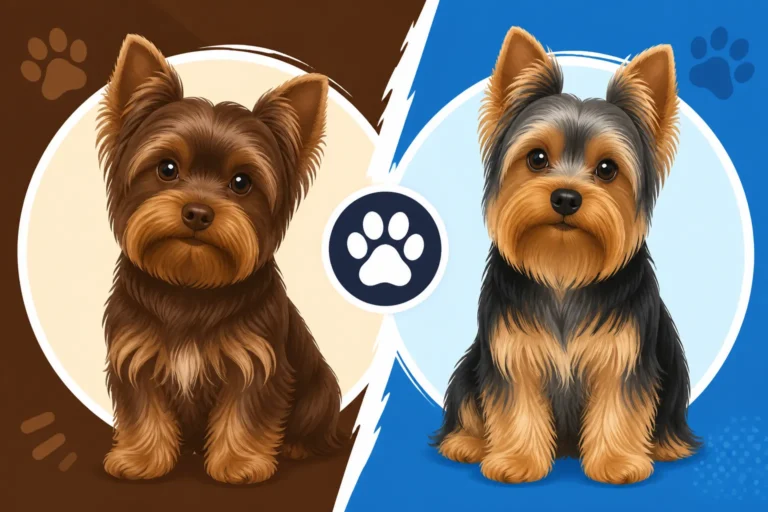
Predicting the exact physical appearance of a Chorkie can be quite fun, as they can inherit any combination of traits from their Yorkshire Terrier and Chihuahua parents. There's no single "standard" look, which is part of their charm! You might find a Chorkie with the long, silky hair of a Yorkie, or the shorter, smoother coat of a Chihuahua, or even a delightful medium-length blend of the two. Their coat colors can range widely, from the classic blue and tan of a Yorkie to various shades of fawn, black, chocolate, or cream seen in Chihuahuas. Some might even have parti-colored coats.
Their ears are another interesting variable. They could be upright and pointy like a typical Chihuahua, or fall in a soft V-shape, sometimes with a slight flop, reminiscent of a Yorkie. Eye color is usually dark, and their expressions are often intelligent and alert, reflecting their keen minds. They typically have a delicate bone structure, so handling them with care is always important. It's truly a genetic lottery, and each Chorkie is a beautiful, one-of-a-kind creation.
Size and Weight Expectations
When it comes to size, one thing is almost guaranteed with a Chorkie: they're going to be small. Both Yorkshire Terriers and Chihuahuas are toy breeds, so their offspring will follow suit. Generally, a full-grown Yorkie-Chihuahua mix will weigh between 3 to 8 pounds and stand about 6 to 9 inches tall at the shoulder. However, there can be some variation based on the size of the parent dogs.
It's crucial to be aware of their delicate size, especially if you have young children or other larger pets at home. Their small stature also makes them susceptible to certain health conditions that are common in toy breeds, such as hypoglycemia, which is low blood sugar. This requires careful attention to their feeding schedule and ensuring they don't go too long without food. Because they are so small, many Chorkie owners find themselves carrying their dogs in carriers or bags, which can be an excellent way to ensure their safety in crowded places.
Temperament and Training Your Chorkie Companion
The temperament of a Chorkie is perhaps one of its most fascinating aspects, as it’s a true amalgamation of its feisty and affectionate parents. Expect a dog with a big personality in a small package, full of love, loyalty, and a good dose of stubbornness! Understanding their potential behavioral quirks will set you up for success in training and integration into your home.
Personality Traits
Chorkies often inherit the bold, confident, and sometimes bossy nature of both Yorkies and Chihuahuas. They are typically very intelligent and alert, making them excellent watchdogs, though this can sometimes translate into excessive barking. They tend to bond very closely with one or two primary family members and can be quite affectionate and cuddly with those they trust. Don't be surprised if your Chorkie wants to be your constant shadow, following you from room to room, and demanding lap time. This intense loyalty is one of their most endearing qualities.
However, their small size and protective instincts can sometimes lead to "small dog syndrome," where they overcompensate for their stature by acting aggressively or fearfully towards larger dogs or strangers. This isn't inherent in the breed, but rather a result of insufficient socialization and consistent training. They're often brimming with energy and curiosity, and despite their dainty appearance, they love to play and explore. You might find your Chorkie has a mischievous streak, enjoying games of hide-and-seek or energetically chasing toys around the house. Their vibrant personalities make every day interesting! For a deeper dive into the parent breed's characteristics, you might want to read more about the Yorkshire Terrier Temperament and Personality.
Training Challenges and Tips
Training a Chorkie, like training any small dog, requires patience, consistency, and a positive reinforcement approach. While intelligent, they can also be notoriously stubborn, a trait often seen in both parent breeds. Potty training is often cited as a particular challenge for Chorkies. Their small bladders mean they need frequent potty breaks, and they can be sensitive to cold or wet weather, preferring to do their business indoors. Establishing a strict schedule, using high-value treats, and lavish praise for outdoor successes is key. Some owners also find success with pee pads, especially for apartment living or inclement weather.
Socialization from a young age is paramount to prevent potential aggression or excessive fear. Introduce your Chorkie puppy to a variety of sights, sounds, people, and other well-behaved dogs in a controlled and positive manner. This will help them grow into confident, well-adjusted adults. Barking can also be a common issue, as both Chihuahuas and Yorkies are known for being vocal. Early training to manage barking, teaching a "quiet" command, and addressing the root cause (e.g., boredom, territoriality) is essential. For comprehensive training advice, our guide on How to Train a Yorkshire Terrier offers many transferable strategies. Always use a gentle hand; harsh corrections can make these sensitive dogs fearful or defiant.
Socialization Needs
Given their predisposition to strong bonds and potential for territoriality, adequate socialization is crucial for your Chorkie. A well-socialized Chorkie is a joy to be around, comfortable with new experiences and people. Without it, you might find yourself with a dog that barks excessively at guests, is anxious in new environments, or even shows aggression towards other dogs, especially larger ones.
Start socialization early, ideally during the critical puppy development phase between 8 and 16 weeks of age. Enroll them in puppy classes where they can interact safely with other puppies and learn basic obedience. Take them on short, positive outings to pet-friendly stores, parks, and friends' homes. Always ensure these experiences are positive and never force them into situations that make them uncomfortable. Use plenty of treats and praise to create positive associations. Exposure to different textures, sounds, and even car rides will help them build confidence. A well-socialized Chorkie is much more adaptable and happier in the long run. Our article on How to Socialize a Yorkie Puppy can provide further insights applicable to your Chorkie.
Health and Care for Your Chorkie Companion
Like all breeds, mixed or purebred, Chorkies have specific health considerations and care requirements to keep them happy and thriving. Their small size makes them prone to certain conditions inherited from their parent breeds, so understanding these is crucial for proactive care.
Common Health Concerns
Chorkies can inherit any of the genetic health issues common to Yorkshire Terriers and Chihuahuas. Being aware of these potential problems allows you to work with your veterinarian on preventative measures and early detection. Some of the more common concerns include:
- Patellar Luxation: This is a condition where the kneecap slips out of place, common in small breeds. You might notice your Chorkie skipping or limping. More information can be found in our guide on Yorkshire Terrier Patellar Luxation: Signs and Care.
- Collapsing Trachea: Due to their delicate respiratory systems, some Chorkies may inherit a weakened trachea, leading to a distinctive honking cough, especially when excited or pulling on a leash. Consider using a harness instead of a collar to minimize pressure on their throat. Our article on Yorkshire Terrier Collapsing Trachea: Signs and Care delves deeper into this condition.
- Dental Disease: Small dogs are notoriously prone to dental issues, including plaque buildup, tartar, gum disease, and tooth loss. Regular dental care, including brushing at home and professional cleanings, is paramount. Check out Yorkshire Terrier Dental Disease: Signs and Care for more details.
- Hypoglycemia (Low Blood Sugar): Particularly in puppies or very small adult Chorkies, hypoglycemia can be a serious risk. They need frequent, small meals to maintain stable blood sugar levels. Signs include lethargy, weakness, disorientation, and even seizures. Our guide on Yorkshire Terrier Hypoglycemia: Signs and Care explains emergency steps.
- Portosystemic Shunt (Liver Shunt): This is a congenital condition where blood bypasses the liver, preventing toxins from being filtered. Symptoms can include stunted growth, poor appetite, and neurological issues.
- Eye Problems: Both parent breeds can be prone to various eye conditions, such as dry eye or cataracts.
Working closely with your veterinarian is essential for managing these potential health challenges. Regular check-ups are vital for early diagnosis and treatment. For a broader understanding of breed-specific health concerns, you can explore Yorkshire Terrier Health Problems to Know.
Here’s a quick overview of potential health concerns:
| Health Concern | Common in Yorkies | Common in Chihuahuas | Potential in Chorkies |
|---|---|---|---|
| Patellar Luxation | High | High | High |
| Collapsing Trachea | High | Moderate | High |
| Dental Disease | High | High | High |
| Hypoglycemia | High | High | High |
| Portosystemic Shunt | High | Low | Moderate |
| Hydrocephalus | Low | Moderate | Moderate |
| Legg-Calve-Perthes Disease | Moderate | Low | Moderate |
| Retinal Atrophy | Moderate | Moderate | Moderate |
Grooming Requirements
The grooming needs of your Chorkie will largely depend on which parent's coat they inherit. If they lean more towards the Yorkie's long, silky hair, expect significant grooming. This type of coat requires daily brushing to prevent mats and tangles, as well as regular trims around the face, paws, and sanitary areas. Many owners opt for a "puppy cut" to keep their long-haired Chorkies more manageable.
If your Chorkie has a shorter, smoother Chihuahua-like coat, their grooming needs will be much lower, perhaps only requiring weekly brushing to remove loose hair and maintain shine. Regardless of coat type, all Chorkies need regular nail trims, ear cleaning, and dental care. Small dogs are notorious for dental issues, so daily tooth brushing with dog-specific toothpaste is highly recommended. Many excellent grooming tools and dental care products are available online, for instance, on Chewy, which can make at-home care much easier. For a detailed guide on maintaining a silky coat, you can refer to our Yorkshire Terrier Grooming Guide.
Nutritional Needs
Due to their small size and potentially fast metabolism, Chorkies have specific dietary needs. They typically require high-quality small-breed dog food that is nutrient-dense and appropriate for their age and activity level. Look for formulas specifically designed for "toy breeds" or "small breeds." Because of the risk of hypoglycemia, especially in puppies, it's often recommended to feed them several small meals throughout the day rather than one or two large ones.
Always monitor their weight to prevent obesity, which can exacerbate joint problems. Consult your veterinarian for specific feeding guidelines tailored to your individual Chorkie. Fresh water should always be available. When choosing food, consider brands like Royal Canin or Hill's Science Diet, both of which offer small breed formulas. You can often find a wide selection of these specialized foods on Chewy, ensuring your Chorkie gets the proper nutrition without you having to run all over town. Our guide on the Best Dog Food for Yorkshire Terriers provides excellent advice that applies well to Chorkies.
Exercise and Mental Stimulation
Despite their small stature, Chorkies are active and intelligent dogs that require regular exercise and mental stimulation to stay happy and well-behaved. They aren't content to simply lounge on the couch all day, although they certainly enjoy cuddle time! Daily walks, typically two 15-20 minute walks, are usually sufficient to meet their physical exercise needs. Remember their tiny legs can tire quickly, and they can be sensitive to extreme weather, so adjust walks accordingly.
Beyond physical exercise, mental stimulation is equally important for these smart little dogs. Interactive toys, puzzle feeders, and short training sessions throughout the day can keep their minds engaged and prevent boredom, which can lead to undesirable behaviors like excessive barking or chewing. Consider teaching them new tricks, engaging in indoor fetch, or even enrolling them in agility classes for small dogs. A bored Chorkie is a mischievous Chorkie, so keeping them mentally stimulated is key to a harmonious household.
Is a Yorkie-Chihuahua Mix the Right Fit for Your Home?
Deciding whether a Chorkie is the right companion for you involves considering your lifestyle, living situation, and what you're looking for in a canine friend. These little dogs are packed with personality and charm, but they also come with specific needs that prospective owners should be aware of.
Living Environment
Chorkies are wonderfully adaptable to various living situations. Their small size makes them an excellent choice for apartment dwellers or those with smaller homes, as they don't require vast amounts of space. However, "apartment-friendly" doesn't mean "couch potato." They still need regular outdoor exercise and playtime, even if it's just a secure balcony or a nearby park. If you have a yard, ensure it's securely fenced to prevent escapes, as their small size can make them expert escape artists through tiny gaps!
Consider your local climate as well. Due to their delicate size, Chorkies can be sensitive to extreme temperatures. In cold weather, they may need sweaters or coats to stay warm, and in hot weather, their exercise should be limited to cooler parts of the day to prevent overheating. Their strong attachment to their owners means they thrive indoors, often preferring to be wherever their humans are.
Compatibility with Families and Other Pets
Chorkies can be wonderful family dogs, but their compatibility often depends on careful introductions and the age of children in the household. Because of their small, delicate build, they are generally better suited for families with older, respectful children who understand how to interact gently with a tiny dog. Toddlers or very young children, no matter how well-meaning, might accidentally injure a Chorkie or cause them undue stress, leading to nipping or fear-based behaviors. Supervision is always critical.
When it comes to other pets, Chorkies can get along with other dogs and even cats, especially if they are introduced properly and socialized from a young age. However, their bold and sometimes bossy nature means they might try to dominate larger dogs, despite their size. They can also be quite possessive of their owners. Introductions should always be slow and supervised to ensure harmony. Remember, their loyalty to their primary person can be fierce, and they may be less welcoming of other pets vying for that attention.
Time Commitment and Lifespan
Owning a Chorkie is a significant time commitment. These are highly social and affectionate dogs that thrive on human companionship. They generally do not do well when left alone for long periods, and prolonged solitude can lead to separation anxiety, excessive barking, or destructive behaviors. If you work long hours or travel frequently, a Chorkie might not be the best fit unless you have arrangements for their care, such as a dog walker or doggy daycare. Our article on Yorkie Separation Anxiety: Signs and Fixes offers helpful strategies for managing this common issue.
The lifespan of a Yorkie-Chihuahua mix typically ranges from 12 to 15 years, and sometimes even longer, especially with good care. This means you're committing to over a decade of love, companionship, and responsibility. Regular veterinary care, a high-quality diet (easily sourced from retailers like Chewy), proper grooming, and plenty of love will help your Chorkie live a long, healthy, and happy life. Investing in their health and well-being from the start ensures you'll have many wonderful years with your spunky companion. You can learn more about general lifespan expectations in our article, How Long Do Yorkshire Terriers Live.
Disclaimer
Please remember that this guide provides general information about the Yorkie-Chihuahua mix. Individual dogs may vary significantly in temperament, appearance, and health due to genetic lottery, environment, and specific lineage. Always consult with a qualified veterinarian for personalized advice regarding your dog's health and care.