Do Yorkshire Terriers Get Along with Other Dogs
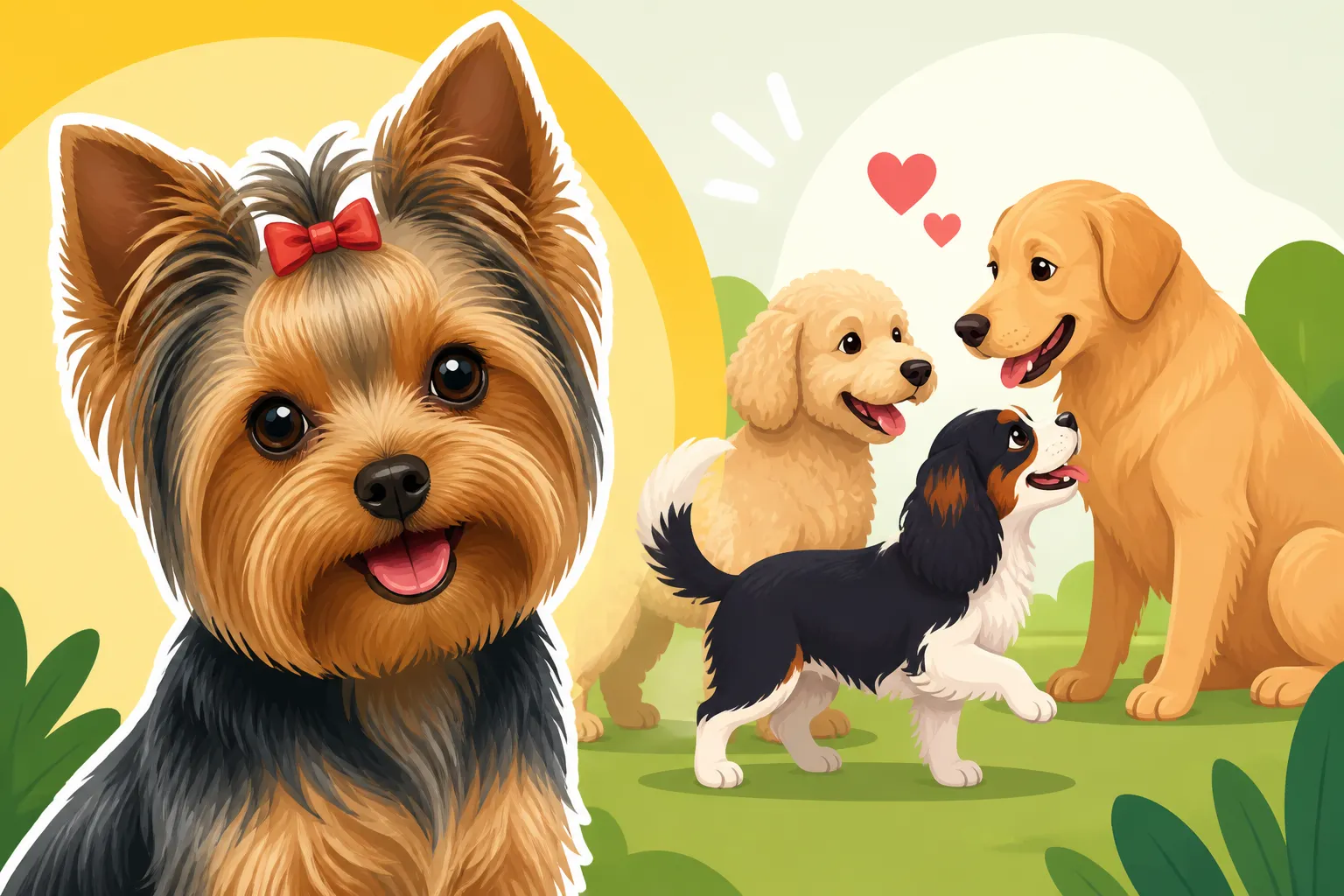
Bringing a Yorkshire Terrier into a home that already has other canine companions, or wondering how your beloved Yorkie will react to meeting new doggy friends, can be a real source of anxiety for many pet parents. These little dogs, despite their diminutive size, often carry a huge personality, and figuring out if they'll be a gentle playmate or a tiny terror on four legs with other pups is a completely valid concern. This guide is here to walk you through the nuances of Yorkie-on-dog relationships, offering practical advice to help foster harmonious multi-dog households and happy interactions.
Understanding the Yorkshire Terrier Temperament Towards Other Dogs
Yorkshire Terriers are renowned for their bold, confident, and sometimes feisty personalities. While incredibly loyal and loving to their human families, their interactions with other dogs can sometimes be a mixed bag. It’s not simply a matter of size; it’s about their deep-rooted instincts and how they perceive their place in the canine world.
The Terrier Instinct and Its Impact
Let's remember, at their core, Yorkshire Terriers are terriers. This means they were originally bred for hunting vermin, specifically rats, in textile mills and mines. This history instilled in them a courageous, tenacious, and often stubborn nature. They're not afraid to stand their ground, even against much larger adversaries. When this instinct kicks in during interactions with other dogs, it can manifest in a few ways.
For instance, you might find your Yorkie, despite being a fraction of the size, trying to assert dominance over a much larger dog at the dog park. They might bark incessantly, chase, or even nip if they feel challenged or ignored. Conversely, their ingrained prey drive might cause them to see smaller, faster-moving animals (including very small dogs they don't know) as something to "hunt." It's not malice; it's instinct. Understanding this helps us approach their interactions with empathy and a strategic plan. They truly believe they are big dogs in a small dog's body, and this bravado can sometimes lead to unexpected, and occasionally tense, encounters.
Early Socialization: A Crucial Foundation
The single most impactful thing you can do to help your Yorkshire Terrier get along with other dogs is to start with robust and positive socialization from an early age. A puppy's critical socialization window is generally between 3 and 16 weeks old. During this time, every positive exposure lays groundwork for a well-adjusted adult dog.
Think of it this way: if a Yorkie puppy only ever interacts with humans or dogs within their immediate, predictable family, they won't learn the nuanced communication signals that other dogs use. This can lead to fear, defensiveness, or over-excitement when they finally do encounter unfamiliar dogs. Enroll your Yorkie puppy in well-run puppy classes where they can safely interact with other vaccinated puppies of various breeds and sizes. Arrange supervised playdates with calm, vaccinated adult dogs you trust. Exposure to different sights, sounds, smells, and interactions with other friendly dogs helps them build confidence and appropriate social skills. For more detailed guidance, check out our article on How to Socialize a Yorkie Puppy. Without this early foundation, even the most well-meaning Yorkie can struggle to navigate the complex world of canine communication later in life.
"Small Dog Syndrome" and How to Avoid It
It’s a common sight: a tiny dog barking furiously at a passing Great Dane, or snapping at a person while being carried in a purse. This isn't inherently a Yorkie trait; it's a behavioral pattern often dubbed "small dog syndrome," and it’s largely a product of how humans treat small breeds. Because Yorkies are so tiny and adorable, owners sometimes inadvertently allow behaviors they wouldn't tolerate in a larger dog.
For example, letting your Yorkie bark continuously at the mail carrier, or picking them up every time another dog approaches, can teach them that aggression or fear is an acceptable and effective way to deal with perceived threats. This can quickly escalate into real behavioral problems, making them appear aggressive or fearful towards other dogs when they're actually just reacting based on learned helplessness or perceived authority. It's crucial to remember that a Yorkie needs just as much training, boundaries, and confidence-building as any large breed. Failing to provide this can lead to a dog who feels constantly overwhelmed or feels the need to overcompensate for their size. We delve deeper into this phenomenon in our guide: Yorkie Small Dog Syndrome Explained.
Factors Influencing Yorkie-on-Dog Relationships
While temperament and early socialization play huge roles, several other factors can significantly influence how well your Yorkshire Terrier gets along with other dogs. Understanding these can help you manage interactions and create a safer, happier environment for all involved.
Individual Personality and Past Experiences
Just like people, every dog is an individual. You could have two Yorkies from the same litter, raised in similar environments, who have completely different personalities when it comes to other dogs. One might be a social butterfly, eager to greet every canine they meet, while the other might be reserved, preferring to observe from a distance, or even be reactive. These individual differences are paramount.
Beyond inherent personality, a dog's past experiences with other dogs shape their current behavior. A Yorkie who had a traumatic experience with an aggressive dog as a puppy might become fearful or defensive around all unfamiliar dogs. Conversely, one who grew up in a multi-dog household with positive interactions is more likely to be comfortable and confident. If you're considering adopting a rescue Yorkie, especially an adult, inquire about their history with other dogs. Their prior life experiences will heavily dictate their starting point, and require patience and understanding to overcome any past traumas. This is why it's so important to be patient and observant, tailoring your approach to your Yorkie's unique disposition and history.
Size Disparity and Safety Concerns
The significant size difference between a Yorkshire Terrier and many other dog breeds presents unique challenges and safety considerations. A playful bump from a Labrador Retriever might be harmless to another large dog, but it could cause serious injury to a delicate Yorkie. This isn't just about physical vulnerability; it also impacts how Yorkies interact emotionally.
Sometimes, larger dogs don't even realize how fragile a small Yorkie can be, leading to accidental injuries during play. This means that owners of Yorkies need to be extra vigilant during introductions and playdates, particularly with boisterous or untrained larger dogs. Choosing appropriate playmates and supervising interactions are critical. When out and about, consider using a well-fitting harness rather than a collar for your Yorkie, especially when around other dogs, to prevent tracheal collapse or neck injuries if they pull or are pulled on. Our article on Why Harnesses Are Better Than Collars for Yorkies offers more insight into this safety measure. It's not about being overprotective, it's about being proactive to ensure your tiny companion's safety.
Spaying/Neutering and Hormonal Influences
The decision to spay or neuter your Yorkshire Terrier can have a noticeable impact on their behavior, including their interactions with other dogs. Intact male dogs, in particular, may exhibit more territorial marking, increased roaming, and a higher propensity for dominance-related aggression towards other males. Their hormones drive them to compete for mates and territory, which can lead to tense standoffs with other intact males, or even alter their interactions with spayed females.
Similarly, intact female Yorkies might experience mood swings or become more irritable around other dogs when they are in heat, potentially leading to conflicts. Spaying or neutering generally helps to reduce these hormonally driven behaviors, often leading to a calmer, more consistent temperament. While it's not a magic bullet for all behavioral issues, it can certainly contribute to more harmonious interactions with other dogs, making them less prone to territorial disputes or reproductive-related stress. Discuss the timing of this procedure with your veterinarian, as it can affect overall health and development too.
Strategies for Successful Multi-Dog Households
Creating a peaceful multi-dog home where your Yorkie and other canine residents coexist happily is absolutely achievable, but it requires thoughtful planning, consistency, and a deep understanding of dog behavior. It's about setting everyone up for success right from the start.
Gradual Introductions and Neutral Territories
Bringing a new dog into a household, or introducing your Yorkie to a new canine friend, should never be rushed. Hasty introductions in confined spaces can be overwhelming and lead to negative first impressions. The key is gradual exposure in a neutral territory.
A neutral territory is any place where neither dog feels possessive or territorial, like a park, a quiet street they don't frequent, or a friend's backyard. Start with parallel walks on separate leashes, maintaining enough distance so they can acknowledge each other without feeling pressured to interact. This allows them to get used to each other's scent and presence. Keep these initial meetings short and positive, ending before either dog shows signs of stress. Slowly decrease the distance over several sessions, allowing for sniffing and brief, supervised interactions. Once they seem comfortable, you can move to a controlled indoor environment, still with leashes on initially. Always offer plenty of praise and high-value treats to create positive associations. Our guide on How to Introduce a New Yorkie Puppy to a Resident Dog offers a detailed step-by-step process for this crucial stage.
Establishing Clear Pack Hierarchy and Boundaries
Dogs thrive on structure and clear communication. In a multi-dog household, you, the human, need to be the consistent and benevolent leader of the pack. This isn't about dominance in an aggressive sense, but about providing clear guidance and expectations for all your dogs. Without a clear hierarchy, dogs may try to establish their own, which can lead to conflict.
Implement consistent rules for all dogs. For example, all dogs should wait politely for food, enter/exit doors calmly, and understand that certain resources (like your lap or favorite sofa) are shared at your discretion, not theirs. Provide separate feeding areas to prevent resource guarding, a common issue where dogs become possessive over food, toys, or even attention. This means not only separate bowls but potentially feeding them in different rooms or crates. Teach them to "leave it" and "drop it" to prevent squabbles over toys. By clearly defining boundaries and being consistent, you reduce competition and stress, allowing all dogs to relax and understand their place within the family unit. More on managing possessive behaviors can be found in our article on How to Stop Yorkie Resource Guarding.
Providing Adequate Resources and Personal Space
Imagine having to share everything with a roommate, including your bed, food, and all your favorite belongings. That's essentially what dogs face in a multi-dog household if owners don't provide sufficient individual resources. For a small breed like a Yorkie, this personal space is even more critical.
Each dog needs their own dedicated space where they can retreat and feel safe, undisturbed by other pets. This could be a crate (covered with a blanket for a den-like feel), a dog bed in a quiet corner, or even a different room. Each dog should also have their own food and water bowls, and a selection of toys that they don't have to constantly compete over. It's often helpful to provide various types of enrichment, like puzzle toys or chew items, to keep them individually engaged. Many pet product retailers, like Chewy, offer a wide array of options for different sized dogs, from durable chew toys to cozy beds, ensuring each of your furry family members has their special items. Ensuring everyone has access to their own "stuff" and a personal sanctuary drastically reduces potential friction and promotes a sense of security for each dog.
Common Challenges and Troubleshooting
Even with the best intentions and careful planning, living with multiple dogs, especially when one is a Yorkshire Terrier, can present its own set of challenges. Knowing how to recognize and address these issues promptly is key to maintaining peace and preventing small problems from escalating.
Managing Barking and Reactivity
Yorkies are known for being vocal, and their barking isn't always a sign of aggression; it can be due to excitement, fear, attention-seeking, or territorial instincts. However, excessive barking at other dogs, whether on walks or through a window, can be disruptive and stressful for everyone involved. A Yorkie's high-pitched bark can also annoy larger, calmer dogs, potentially leading to growls or snaps from the bigger dog.
When your Yorkie barks excessively at other dogs, it's important to identify the underlying cause. Are they afraid? Overly excited? Trying to assert themselves? Once you understand the motivation, you can address it. For example, if it's fear-based, work on positive desensitization and counter-conditioning, gradually exposing them to other dogs at a distance while rewarding calm behavior. If it's excitement, teach a "quiet" command and redirect their energy. Avoid punishing barking, as this can increase anxiety. Instead, reward quiet moments and use management techniques like privacy film on windows or changing walking routes to avoid triggers. Our article on How to Stop a Yorkie from Barking At Other Dogs provides actionable strategies to tackle this common issue.
Preventing and Addressing Aggression
While Yorkies are small, they are certainly capable of aggression, which can be a serious concern in a multi-dog household. Aggression can manifest as growling, snapping, lunging, or even biting. It's crucial to understand that aggression is almost always a communication of fear, insecurity, pain, or resource guarding, rather than an inherent desire to be "mean."
Early signs of discomfort or potential aggression should never be ignored. Pay attention to body language: a stiff body, direct stare, tucked tail, or bared teeth are all red flags. If you observe any of these signs, immediately and calmly separate the dogs before the situation escalates. Identify the triggers: Is it over food? Toys? Your attention? A specific space? Once triggers are identified, implement management strategies to avoid them. For instance, feed dogs in separate rooms or use gates to create personal space. Never force interactions between dogs who are showing signs of aggression. Trying to "make them get along" can actually worsen the problem and lead to more serious altercations. If you are seeing consistent or escalating aggressive behavior, it's time to seek professional help. For more context on the various forms of aggressive behavior, our resource on Yorkie Aggression: Causes and Solutions can be a valuable read.
When Professional Help is Needed
It's completely normal for dog owners to feel overwhelmed when faced with persistent behavioral issues, especially aggression or severe fear. Sometimes, despite your best efforts, you simply can't solve complex inter-dog dynamics on your own, and that's okay. Recognizing when you need to call in the cavalry is a sign of responsible pet ownership.
You should consider consulting a certified professional dog trainer or a veterinary behaviorist if:
- Aggression is escalating, frequent, or results in injuries.
- Your Yorkie is exhibiting severe fear or anxiety around other dogs, impacting their quality of life.
- You feel unsafe or overwhelmed managing the interactions between your dogs.
- There's a significant breakdown in communication or trust between your dogs.
- Your attempts to modify behavior have been unsuccessful.
A professional can provide an unbiased assessment of the situation, identify underlying causes that you might have missed, and develop a tailored training and management plan. They can teach you effective communication techniques and help you implement strategies that promote safety and harmony in your home. For particularly challenging situations, especially if a previous injury has occurred, a veterinary behaviorist can also assess for any underlying medical conditions or recommend medication to help manage anxiety or reactivity in conjunction with behavioral modification. If you have two Yorkies fighting often, our article How to Stop Two Yorkies from Fighting offers further insight into resolution techniques.
Living Harmoniously: Tips for Long-Term Success
Achieving and maintaining a harmonious environment for your Yorkshire Terrier and other dogs in your life is an ongoing journey, not a destination. It requires continued effort, observation, and a commitment to understanding and meeting the needs of all your furry family members.
Continued Socialization and Positive Reinforcement
Even after your Yorkie has proven to be a good canine citizen, continued, positive socialization is essential. Just like people, dogs' social skills can get rusty if not regularly practiced. This doesn't mean forcing interactions with every dog you meet, but rather seeking out controlled opportunities for your Yorkie to engage with other well-behaved dogs.
Regular, positive interactions help reinforce good manners and keep your Yorkie confident and comfortable in various social settings. Continue to use positive reinforcement – praise, gentle petting, and tasty treats – when your Yorkie behaves calmly and appropriately around other dogs. Reward polite greetings, shared sniffing opportunities, and relaxed coexistence. This consistent reinforcement helps build strong, positive associations with other dogs and maintains their social fluency. Remember that every experience, good or bad, shapes their perception. Prioritizing positive encounters will continue to build their confidence and reinforce their positive social skills.
Structured Play and Supervision
Playtime between dogs, especially when there's a size difference, needs careful supervision. What looks like innocent play to us might be escalating into something more serious for the dogs, or one dog might be getting overwhelmed. Structured play helps ensure that interactions remain fun, safe, and mutually enjoyable for everyone.
Observe play carefully. Look for balanced play bows, reciprocal chasing, and appropriate "time-outs" where dogs disengage briefly before re-engaging. If one dog is constantly being chased, pinned down, or showing signs of stress (lip-licking, yawning, turning away), it’s time to intervene and give them a break. Keep play sessions short and positive, especially at first. Use baby gates or separate rooms to create structured breaks if play gets too intense. Always have a variety of toys available, perhaps even rotating them to keep interest high and prevent resource guarding. For example, Chewy offers a diverse selection of toys, from soft plushies to more durable options, which can cater to different play styles and prevent boredom. By structuring play and being present as a supervisor, you can prevent potential conflicts and ensure that play remains a positive outlet for energy and social bonding.
Here's a quick reference for common dog interaction scenarios:
| Scenario | Best Approach | Key Considerations | Potential Challenges |
|---|---|---|---|
| New Yorkie Puppy to Resident Adult Dog | Gradual, supervised introductions in neutral territory. | Ensure resident dog is calm and well-socialized. Puppy's immune system. | Resident dog overwhelmed, puppy fear, accidental injury due to size difference. |
| Adult Yorkie to New Adult Dog (Same Sex) | Very gradual introductions. Prioritize neutral ground. | Individual personalities are key. Potential for dominance clashes. | Heightened territoriality, competition for resources. |
| Adult Yorkie to New Adult Dog (Opposite Sex) | Generally smoother, but still require supervision. | Spaying/neutering can reduce hormonal influences. | Intact dogs may display more interest/tension. |
| Yorkie at Dog Park | Observe from a distance first. Choose quiet times. | Only go if your Yorkie is confident and well-socialized. Monitor larger dogs closely. | Overwhelm, accidental injury, bullying from other dogs, Yorkie's reactivity. |
| Walks with Other Dogs | Maintain appropriate distance. Keep leashes loose. | Reward calm behavior. Avoid nose-to-nose greetings on-leash. | Leash reactivity, pulling, barking. |
Recognizing and Respecting Individual Needs
It's easy to fall into the trap of treating all dogs the same, especially when they're both members of your family. However, even in a multi-dog household, each dog has unique physical, mental, and emotional needs. What one dog loves, another might tolerate, and a third might find stressful.
Your Yorkie, for instance, might thrive on short, frequent walks and indoor play, while a larger, more energetic breed might need longer, more strenuous runs or hikes. One dog might love puzzle toys, while another prefers a good chew. Ensure that you're dedicating individual time to each dog, whether it's one-on-one cuddle sessions, separate training exercises, or different types of enrichment activities. Providing varied toys and treats, perhaps sourced from a broad selection like Chewy provides, helps cater to individual preferences. This not only strengthens your bond with each pet but also helps prevent feelings of jealousy or competition among them. By understanding and respecting these individual needs, you foster an environment where all your dogs feel seen, valued, and ultimately, happy and secure. This individualized attention is critical for maintaining overall well-being and preventing behavioral issues stemming from unmet needs.
Disclaimer
The information provided in this article is for general informational purposes only and is not intended as a substitute for professional veterinary advice. Always consult with a qualified veterinarian or certified professional dog trainer for any health concerns or before making any decisions about your dog's care or training.