Teacup vs Standard Yorkshire Terrier
It's completely understandable to feel a bit lost when you start looking into getting a Yorkshire Terrier and immediately encounter terms like "Teacup" Yorkie. The internet is flooded with adorable tiny puppies, often marketed with alluring names, and it can be incredibly confusing trying to figure out if these really are different types of the breed or just clever marketing. This guide is here to cut through that confusion, explaining the official breed standards and shedding light on the real differences, implications, and ethical considerations between a standard Yorkshire Terrier and those marketed as "teacups," so you can make an informed decision for a happy, healthy companion.
Understanding the Yorkshire Terrier Breed Standard
Before we dive into the world of "teacups," it's absolutely crucial to understand what a standard Yorkshire Terrier truly is. When we talk about breed standards, we're not just discussing an ideal look; we're talking about a blueprint that ensures the health, temperament, and integrity of the breed.
The Official Blueprint of a Standard Yorkie
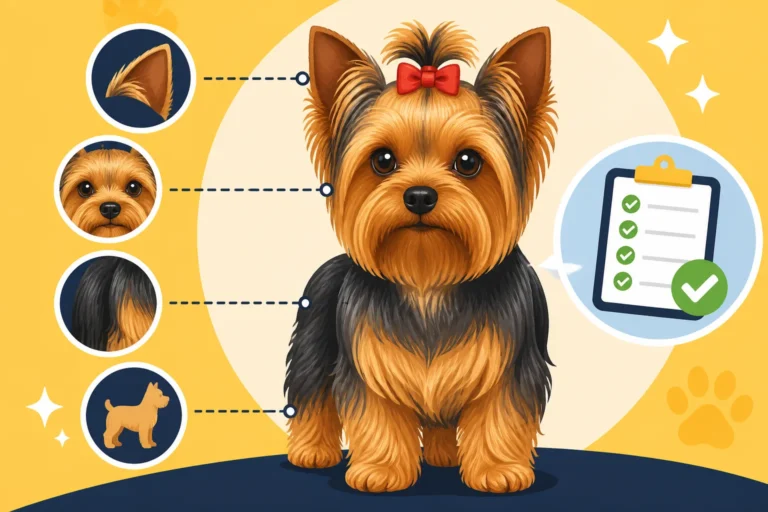
The American Kennel Club (AKC) sets the standard for the Yorkshire Terrier, and it's quite specific. A standard Yorkie is a small dog, but there’s an acceptable range. The most defining characteristic in terms of size is weight: a purebred Yorkshire Terrier, according to the AKC, should weigh no more than seven pounds. There's no minimum weight specified, but typically, they fall within a range of four to seven pounds for a healthy adult. When you think about it, even seven pounds is a tiny dog! Imagine a bag of sugar, and that's roughly the weight of a full-grown Yorkie.
Beyond weight, the standard also describes their appearance: a compact, well-proportioned body, an elegant carriage, and a distinct coat. The coat should be long, silky, and fine, falling evenly on either side of a part down the back. Color-wise, it's a specific blue and tan, where the blue is a dark steel blue, not silver-blue, and the tan is a rich, golden tan. Their ears are typically small, V-shaped, and carried erect, giving them an alert and intelligent expression. These aren't arbitrary guidelines; they describe a dog bred for specific traits, including physical soundness that allows them to thrive.
Why Breed Standards Matter for Health and Temperament
Breed standards are more than just cosmetic. They're a vital tool for responsible breeders to maintain genetic health and predictable temperaments within a breed. When a breeder adheres to the AKC standard, they are typically prioritizing health, longevity, and a stable disposition. This means carefully selecting breeding pairs to avoid passing on genetic predispositions to illness or extreme physical traits that could cause suffering. For instance, breeding within the established weight range helps ensure the dog's skeletal structure can properly support its body and that its internal organs are of an appropriate size for its frame.
A reputable breeder focuses on producing puppies that not only look like a Yorkshire Terrier but also act like one – intelligent, spirited, and affectionate, without excessive nervousness or aggression. They will screen their breeding stock for common Yorkshire Terrier health problems to know, such as patellar luxation, liver shunts, and certain eye conditions. This diligent approach significantly reduces the chances of a puppy inheriting debilitating conditions, ultimately leading to a healthier, happier pet for you. Ignoring these standards, especially regarding size, often leads to dogs with a host of complex health issues, which can be heartbreaking and costly for owners.
The "Teacup" Yorkshire Terrier: A Marketing Term, Not a Breed
This is where a lot of confusion, and unfortunately, a lot of heartache, comes into play. The term "teacup" has become incredibly popular in recent years, but it's essential to understand its true meaning – or lack thereof.
Deconstructing the "Teacup" Designation
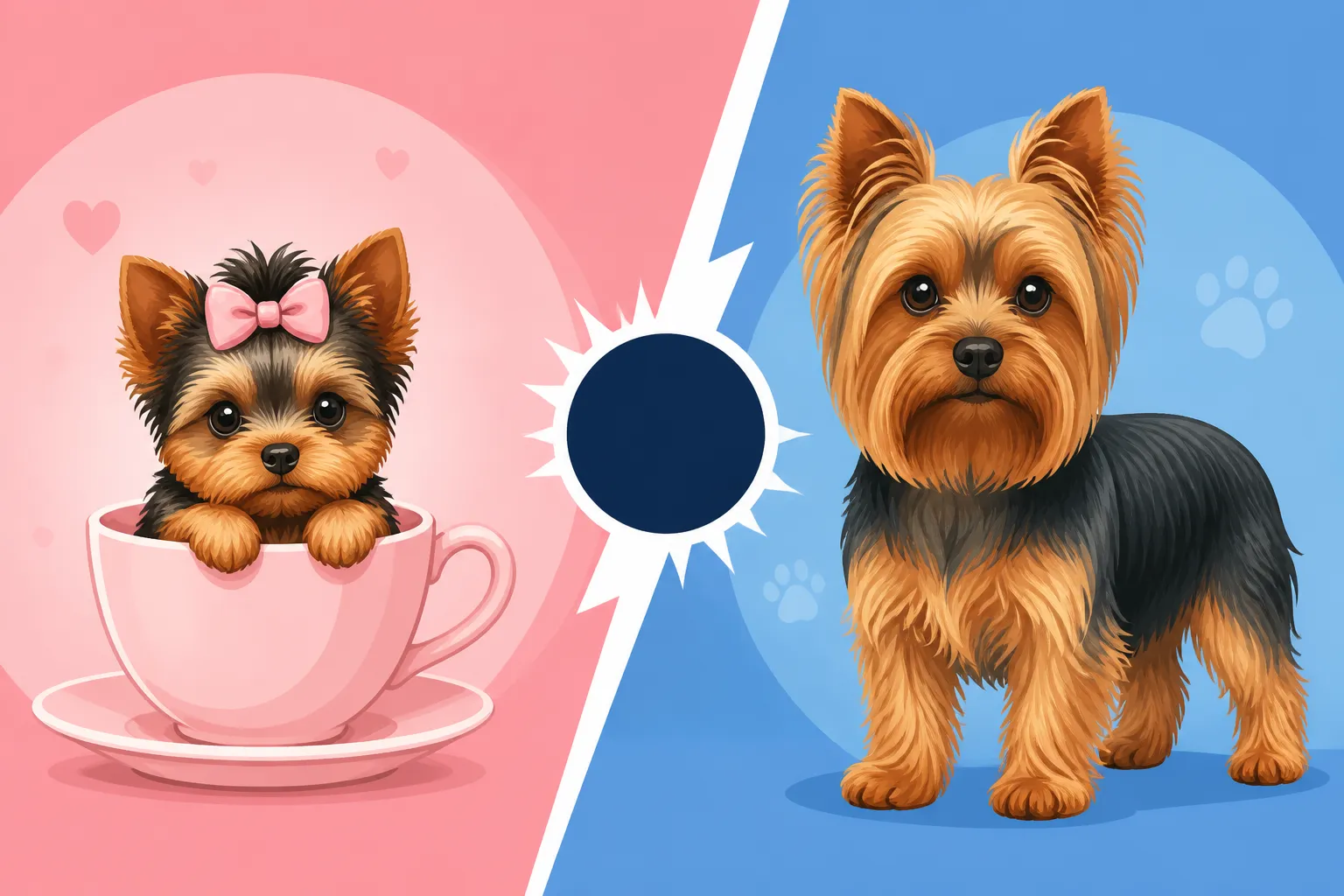
Let's be absolutely clear: there is no recognized breed called a "Teacup Yorkshire Terrier" by any legitimate kennel club, including the AKC. "Teacup" is purely a marketing term. It's used by some breeders, often less scrupulous ones, to describe Yorkshire Terriers that are significantly smaller than the accepted breed standard, typically weighing under three or four pounds as adults. These are simply undersized Yorkshire Terriers, not a distinct variety or type of the breed.
The idea behind the "teacup" moniker is to capitalize on the desire for an even smaller, more portable pet. While the image of a tiny dog fitting into a teacup is undeniably cute and has a certain appeal, the reality behind how these extremely small dogs are produced can be concerning. They are often the runts of litters, or they are specifically bred by pairing two smaller-than-standard Yorkies, sometimes without proper health screening, in an attempt to consistently produce tiny offspring. This pursuit of extreme miniaturization can lead to a host of health problems that far outweigh the perceived cuteness of their size.
The Perils of Pursuing Extreme Miniaturization
The drive to create increasingly smaller dogs often comes at a severe cost to the animal's health and well-being. When breeders prioritize size above all else, they often compromise on genetic health, robust bone structure, and organ development. These tiny puppies are far more delicate and susceptible to a myriad of health issues. For example, they are prone to severe and sometimes fatal episodes of hypoglycemia (low blood sugar), which can be an emergency for your Yorkie puppy. Their bones are exceptionally fragile, making them susceptible to fractures from even minor falls or bumps.
Internal organs, such as the heart, liver, and kidneys, may not have developed properly, leading to lifelong complications. Their skulls can be underdeveloped, sometimes resulting in an open fontanel (a soft spot on the head, similar to a newborn baby), which leaves the brain vulnerable. Dental problems, an already common issue in standard Yorkies, become even more pronounced in these tiny mouths. The desire for a "teacup" pet inadvertently encourages breeding practices that disregard the long-term health and quality of life for these animals, making their journey often challenging and costly.
Size and Structural Differences that Truly Impact Life
While both standard and "teacup" Yorkies share the general appearance of the breed, their size differences are not just a matter of aesthetics; they profoundly impact their health, care, and quality of life.
Standard Yorkie Size: A Balanced Physique
A standard Yorkshire Terrier, adhering to the AKC weight limit of seven pounds, is already a small, compact dog. This size has been carefully maintained over generations to ensure a healthy, functional structure. Their bones are delicate but robust enough to support their body weight and allow for normal activity. Their internal organs have adequate space to develop and function properly. This balanced physique means they can enjoy a relatively normal doggy life – running, playing, and exploring without immediate fear of catastrophic injury.
When you bring home a standard Yorkie puppy from a reputable breeder, you can have a reasonable expectation of their adult size. You can plan for appropriate dog beds, carriers, and even clothes, if that's your thing. This predictability also extends to their energy levels and exercise needs; they're spirited and enjoy walks and playtime but aren't so fragile that every moment is fraught with danger. This is part of how to keep a Yorkshire Terrier healthy throughout its life.
The Undersized Reality of So-Called "Teacups"
"Teacup" Yorkies, by definition, fall below this healthy weight range, often weighing between two and four pounds as adults. This extreme miniaturization is not a natural evolution of the breed but an intentional reduction in size that pushes the limits of canine physiology. These dogs are essentially genetically predisposed to being smaller, which often means their entire system is scaled down to a potentially unhealthy degree. Their diminutive size can make everyday interactions a hazard. A simple jump off a couch can result in a broken leg, and even a playful nudge from another pet or a child can cause serious injury.
Furthermore, predicting the exact adult size of a "teacup" puppy can be even more challenging. Sometimes breeders will label a small-for-its-age puppy as a "teacup," only for it to grow larger than expected, still falling short of the standard, but no longer fitting the "teacup" ideal. This unpredictability can be frustrating for owners who specifically sought out an extremely tiny dog, but more importantly, it underscores the lack of controlled, ethical breeding behind such designations.
Beyond Size: Coat, Bone Structure, and Fragility
It's not just the scale of the dog that's different; the quality of their physical attributes can vary significantly too. The magnificent, silky, blue and tan coat is a hallmark of the Yorkshire Terrier. While many "teacups" may still have this gorgeous coat, the overall health of their skin and hair can sometimes be compromised due to underlying health issues or poor nutrition often seen in poorly bred dogs.
More critically, the bone structure of a "teacup" Yorkie is often significantly more fragile. Their bones can be thinner and less dense, making them highly susceptible to fractures. Their skulls might be very delicate, sometimes with open fontanels, which are soft spots on the top of the head that fail to close completely. This leaves their brain inadequately protected, making them extremely vulnerable to head trauma. Even the small act of being accidentally stepped on or dropped can be fatal. This fragility impacts every aspect of their life, from how they play to how they are handled, requiring constant vigilance and a much more controlled environment than a standard Yorkie.
| Feature | Standard Yorkshire Terrier | "Teacup" Yorkshire Terrier |
|---|---|---|
| Weight (Adult) | 4-7 pounds (AKC standard: max 7 lbs) | Typically 2-4 pounds (unofficial) |
| Height | Around 7-8 inches at the shoulder | Often under 6 inches at the shoulder |
| Lifespan | 11-15 years | Often significantly shorter (6-10 years typical, but can be less) |
| Temperament | Brave, confident, playful, adaptable | Can be more anxious, fragile, prone to "small dog syndrome" |
| Health Risks | Patellar luxation, tracheal collapse, dental disease, liver shunts | Higher incidence and severity of standard issues, plus severe hypoglycemia, hydrocephalus, open fontanels, extreme fragility, organ failure |
| Care Needs | Regular grooming, moderate exercise, consistent training, quality diet | Intensive monitoring (especially for blood sugar), extremely careful handling, specialized environment, higher vet costs |
| Breeding Ethics | Focus on health, temperament, breed standard | Focus on extreme smallness, often at expense of health |
| Official Rec. | Recognized by AKC and other kennel clubs | Not a recognized breed or size category |
Temperament and How Size Shapes Personality
It’s easy to assume that a smaller dog is just a miniature version of its larger counterpart, but in the case of "teacup" Yorkies, their extreme size can sometimes subtly—and not so subtly—influence their behavior and overall disposition.
The Bold, Feisty Heart of a Standard Yorkie
Standard Yorkshire Terriers are known for their big personalities packed into a small frame. They are incredibly spirited, brave, and often fearless, a remnant of their ratting dog ancestry. They're intelligent and eager to please, making them trainable, though their terrier stubbornness can sometimes shine through. They thrive on companionship and are incredibly loyal to their families. A well-socialized standard Yorkie is typically confident, playful, and affectionate, enjoying adventures and cuddles in equal measure. They're curious and love to be involved in whatever their humans are doing.
However, even a standard Yorkie needs proper socialization and training to prevent what's often called "small dog syndrome" – where a small dog becomes overly yappy, aggressive, or demanding because they aren't properly trained or set boundaries. With a firm, consistent, and positive approach, a standard Yorkie can be a wonderfully balanced and charismatic companion. They might be small, but they don't see themselves that way, and treating them like a "real" dog, rather than a fragile ornament, helps foster a healthy and happy temperament. If you're wondering about their typical disposition, reading up on the Yorkshire Terrier Temperament and Personality can give you a deeper insight.
Behavioral Challenges Stemming from Extreme Smallness
For "teacup" Yorkies, their extreme fragility can inadvertently shape their temperament. Imagine living in a world where everything is gigantic, and every accidental bump or fall could cause serious injury. This constant vulnerability can lead to increased anxiety or fearfulness in some of these tiny dogs. They might be more prone to shaking or trembling, not just from cold or excitement, but also from chronic stress or medical conditions like hypoglycemia. This is often why Yorkies shake and tremble, and in these tiny dogs, it can be amplified.
Owners, out of a natural instinct to protect such a delicate creature, might inadvertently exacerbate these issues by coddling them excessively or limiting their exposure to the world. This can prevent crucial socialization, leading to a dog that is overly timid, reactive, or even prone to fear-based aggression. Potty training can also be more challenging; their tiny bladders mean they need to go outside far more frequently, and accidents can be harder to detect. The sheer delicacy of a "teacup" can make it difficult for them to engage in normal doggy play, further isolating them and potentially impacting their behavioral development. It's a tricky balance to strike between protecting them and allowing them to develop into well-adjusted dogs.
Health and Longevity: A Tale of Two Sizes
When it comes to the health of your beloved companion, the distinction between a standard and "teacup" Yorkshire Terrier becomes critically important. The differences in size have profound implications for their overall well-being and how long they can expect to live.
Common Health Concerns for Well-Bred Standard Yorkies
Even a standard Yorkshire Terrier, when well-bred and cared for, can be prone to certain health issues, just like any purebred dog. These are often genetic conditions that responsible breeders actively screen for. Some of the more common concerns include Yorkshire Terrier Patellar Luxation: Signs and Care, which is when the kneecap slips out of place, and Yorkshire Terrier Collapsing Trachea: Signs and Care, a weakness in the windpipe that can cause a distinctive cough. Dental disease is also prevalent in small breeds due to their crowded mouths, emphasizing the importance of a good Yorkshire Terrier Dental Care Guide. Liver shunts (Portosystemic Shunts) can also be a concern, affecting how blood flows through the liver.
While these conditions sound daunting, many are manageable with early diagnosis and appropriate veterinary care. A standard Yorkie from a reputable breeder is generally robust enough to undergo necessary treatments, including surgery if required, and often lives a long, full life. Regular vet check-ups, a balanced diet, proper exercise, and preventative care like dental hygiene are key to managing these potential issues and ensuring your standard Yorkie thrives. It's all part of understanding Yorkshire Terrier Health Problems to Know.
The Compounded Health Risks of "Teacup" Breeding
The health risks for "teacup" Yorkies are not just more frequent, but often more severe and life-threatening. The intentional breeding for extreme smallness can lead to a cascade of medical problems. Hypoglycemia, or dangerously low blood sugar, is a major concern, especially in puppies, and even in adults who miss a meal. Their tiny bodies have very little energy reserve, and they can crash quickly, requiring immediate intervention to prevent seizures, coma, or even death. This is truly one of the most frightening aspects of owning such a small dog, and understanding Yorkie Hypoglycemia: Emergency Signs is vital.
Beyond this, their fragile bone structure means a higher risk of fractures from everyday activities. Their internal organs may be underdeveloped or malformed, leading to conditions like hydrocephalus (water on the brain), liver shunts, or heart defects that are more pronounced and difficult to treat in such a small dog. Many "teacups" suffer from chronic issues that necessitate frequent vet visits, specialized diets, and ongoing medication. An open fontanel, as mentioned before, leaves their brain dangerously exposed. The cumulative effect of these health challenges means that "teacup" Yorkies often live with chronic pain or discomfort and require an extraordinary level of vigilant care.
Understanding Lifespan Disparities
The impact of these health differences is starkly evident in lifespan. While a standard Yorkshire Terrier can typically live a healthy life of 11 to 15 years, many "teacup" Yorkies have a significantly shorter lifespan. It's not uncommon for them to live only 6 to 10 years, and some may not even make it past puppyhood or early adulthood due to the severity of their congenital conditions or their extreme fragility.
This is a heartbreaking reality for many owners who fall in love with these tiny creatures. The shortened lifespan is a direct consequence of the compromises made in breeding for extreme size. It means less time with your beloved companion, and often, more years spent managing chronic illness and dealing with the emotional and financial strain of continuous medical care. It's an important consideration when evaluating How Long Do Yorkshire Terriers Live and recognizing that some factors significantly reduce that potential.
Daily Care and Lifestyle Demands
The choice between a standard and "teacup" Yorkshire Terrier also brings with it significant differences in the practical aspects of daily care and how they fit into your lifestyle. What might be routine for one can be an emergency for the other.
Routine Care for a Thriving Standard Yorkie
Caring for a standard Yorkshire Terrier involves a dedicated routine, but it's generally manageable for most committed dog owners. Their long, silky coat requires daily brushing to prevent mats and tangles, and regular trips to a professional groomer or consistent at-home grooming for trims, baths, and nail care. A high-quality diet, appropriate for small breeds, is essential, typically fed in two small meals a day to help prevent blood sugar drops, especially in younger dogs. Brands like Royal Canin and Hills Science Diet offer breed-specific or small-breed formulas that can be found at retailers like Chewy.
Exercise needs are moderate; a few short walks a day or playtime in a secure yard are usually sufficient to keep them happy and physically conditioned. Mental stimulation through training and toys is also important for their intelligent minds. Socialization from a young age is crucial to ensure they grow into well-adjusted adults, comfortable with new people, places, and other dogs. This routine, while requiring commitment, allows a standard Yorkie to thrive and integrate well into most family environments.
The Intensive Care Regiment for Miniature Yorkies
For "teacup" Yorkies, daily care often transcends routine and enters the realm of intensive, specialized attention. Due to their extreme fragility, owners must be constantly vigilant. Their environment needs to be meticulously puppy-proofed, perhaps even more so than for a standard puppy, with no high surfaces they can jump or fall from, and careful management of other pets or small children who might inadvertently injure them. They might need ramp access to furniture, or even require being carried most of the time to avoid potential falls or impacts.
Feeding becomes critical to prevent hypoglycemia; some owners find themselves needing to offer frequent, tiny meals throughout the day, or even overnight, depending on the individual dog's needs. Stress can also trigger health issues in these delicate pups, so maintaining a calm, predictable environment is vital. Grooming is also a delicate affair, as their fragile bones mean they must be handled with extreme care during brushing and bathing. Many "teacup" owners invest in specialized small-breed products, easily found on sites like Chewy, to help with their unique grooming and feeding requirements.
Activity Levels and Safety Considerations
A standard Yorkie enjoys activity and exploration. They can go on walks, play fetch, and even participate in dog sports like agility or obedience. While they are small, they are sturdy enough for these activities, assuming they are healthy. Their exercise needs are manageable and contribute positively to their physical and mental health. However, even for standard Yorkies, using a harness instead of a collar is often recommended to protect their delicate tracheas.
For "teacup" Yorkies, activity levels are often severely restricted by necessity. Their fragility means that even normal puppy play can be dangerous. A fall from a sofa or a rough landing after a jump can result in a serious, life-threatening injury. Owners often feel compelled to carry them almost everywhere or restrict them to very small, padded areas. This can lead to a dog that is less physically active, potentially leading to muscle weakness or boredom. Their safety is a constant, overriding concern, impacting where you can take them, how you interact with them, and how much freedom they can truly experience. You might also want to look into Why Harnesses Are Better Than Collars for Yorkies regardless of size, but especially for smaller ones.
Financial Commitments and Ethical Decisions
Bringing any dog into your life is a significant financial commitment, but the differences between a standard and "teacup" Yorkshire Terrier can drastically alter the financial landscape, and raise important ethical questions.
Initial Costs and Ongoing Expenses Compared
The initial purchase price of a Yorkshire Terrier from a reputable breeder adhering to breed standards typically ranges from $1,500 to $3,000, depending on location, lineage, and breeder reputation. This price reflects the breeder's investment in health testing, proper nutrition for the mother and puppies, veterinary care, and early socialization. These dogs are generally robust and come with health guarantees.
"Teacup" Yorkies, ironically, often command an even higher initial price tag, sometimes ranging from $2,500 to $5,000 or more. This inflated price is purely a marketing tactic, leveraging the novelty and perceived rarity of their extreme smallness. It does not reflect superior breeding or health. In fact, it often indicates the opposite: a breeder focused on profit rather than welfare. Beyond the purchase price, consider the ongoing costs. A standard Yorkie will have predictable expenses for food, grooming, routine vet visits, and supplies. While these add up, they are generally manageable within a typical pet budget.
Investing in Health: Pet Insurance and Vet Care
Here's where the financial difference truly becomes stark. While all Yorkies can benefit from pet insurance, it becomes almost a necessity for "teacup" varieties. Standard Yorkies will have their share of vet costs over their lifespan, for vaccinations, check-ups, and potentially managing common breed-specific issues like patellar luxation or dental disease. Thinking about your Yorkshire Terrier Vet Costs and Health Budget is always wise.
For "teacup" Yorkies, these costs are often magnified exponentially. The frequent episodes of hypoglycemia, the higher risk of fractures requiring emergency surgery, the potential for complex congenital organ issues, and the need for specialized ongoing care can quickly lead to astronomical veterinary bills. Emergency visits, specialist consultations, and surgical procedures for conditions that are more prevalent and severe in these tiny dogs can drain savings rapidly. Many owners of "teacup" Yorkies report spending thousands of dollars within the first year alone, trying to manage critical health conditions. Pet insurance, if you can find a policy that covers pre-existing conditions (which is rare if the health issue is identified early), is certainly something to consider. Products from Chewy or similar retailers, like joint supplements or special dental chews, can contribute to preventative care but won't replace critical vet care.
The True Cost of a "Teacup": Beyond the Price Tag
The true cost of a "teacup" Yorkie extends far beyond the financial. It encompasses the emotional toll of watching a beloved pet struggle with chronic health problems, the constant anxiety over their fragility, and the heartbreaking reality of a potentially much shorter lifespan. Choosing to purchase a "teacup" Yorkie, even with the best intentions, inadvertently supports breeding practices that prioritize an unhealthy aesthetic over the welfare of the animal.
Ethical breeding focuses on producing healthy, well-adjusted dogs that exemplify the breed standard. This means ensuring good genes, appropriate size, and sound temperament. Opting for a standard Yorkshire Terrier from a reputable breeder is an investment not just in a pet, but in a future companion with a much higher likelihood of a long, healthy, and happy life, free from the severe struggles often faced by their "teacup" counterparts.
Making an Informed Decision
Ultimately, the decision of which type of Yorkshire Terrier is right for you rests on understanding the facts and aligning them with your capacity for care, both emotionally and financially. This choice has lasting implications for both you and your future furry family member.
What to Look for in a Responsible Breeder
When you're ready to welcome a Yorkshire Terrier into your home, finding an ethical and reputable breeder is paramount. A responsible breeder will never use the term "teacup" to market their puppies. They will focus on health, temperament, and adherence to the breed standard. Here’s what to look for and the questions to ask:
- Health Testing: Ask for proof of health screenings for both parent dogs, particularly for common Yorkie ailments like patellar luxation, liver shunts, and eye conditions. They should be transparent about the health history of their lines. This is a critical step in ensuring you don't encounter unforeseen Common Yorkshire Terrier Genetic Conditions.
- See the Parents: A good breeder will allow you to meet both parent dogs, or at least the mother. This gives you insight into their temperament and general health, and helps you gauge the potential adult size of your puppy.
- Health Guarantee: They should offer a written health guarantee for their puppies, typically covering genetic conditions.
- References: Ask for references from previous puppy buyers and their veterinarian.
- Knowledge and Passion: A responsible breeder is passionate about the breed, knowledgeable about its history, health, and temperament, and willing to answer all your questions thoroughly. They should also ask you plenty of questions to ensure their puppy is going to a good home. For more detailed advice, check out How to Find a Reputable Yorkie Breeder.
- No "Teacups": Again, avoid any breeder marketing "teacup," "micro," or "pocket" Yorkies. These are red flags.
Reputable Avenues for Bringing a Yorkie Home
Instead of searching for elusive "teacups," focus on avenues that connect you with healthy, well-adjusted standard Yorkshire Terriers.
- AKC Marketplace: The American Kennel Club website is an excellent resource for finding breeders who adhere to AKC standards. You can search by breed and location.
- Local Breed Clubs: Regional Yorkshire Terrier clubs are fantastic resources. Members are often dedicated to preserving and promoting the health of the breed and can provide breeder referrals.
- Yorkshire Terrier Rescue Organizations: Don't overlook the option of adopting. Many breed-specific rescues exist nationwide, and while you might not get a puppy, you could give a loving home to an adult Yorkie in need. Rescue dogs often come with a known history and have received veterinary care.
- Word of Mouth: Sometimes the best recommendations come from friends, family, or even your veterinarian.
By choosing a standard Yorkshire Terrier from a reputable source, you are not only setting yourself up for a more joyful and predictable ownership experience but also supporting ethical breeding practices that prioritize the well-being of these wonderful dogs. It’s about choosing health and longevity over an aesthetically driven, potentially harmful trend.
Disclaimer
The information provided in this article is for general informational purposes only and does not constitute veterinary advice. Always consult with a qualified veterinarian for any health concerns or before making any decisions about your pet's health or treatment.