Yorkshire Terrier vs Similar Toy Breeds
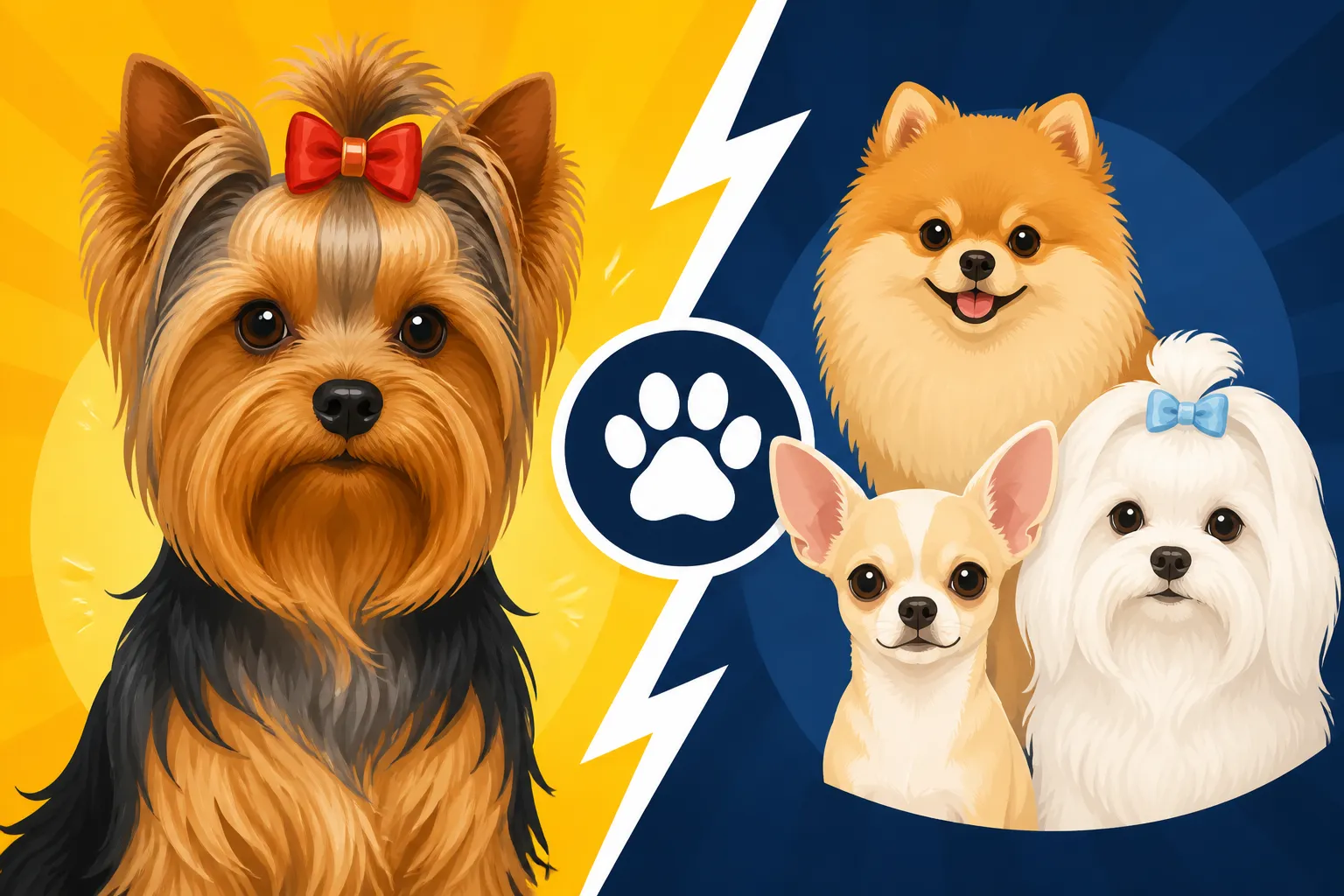
Choosing a new furry family member can feel like navigating a complex maze, especially when you're drawn to the charm and spirit of toy breeds. Many potential owners find themselves falling in love with the idea of a tiny companion but struggle to differentiate between breeds that, at first glance, might seem similar. This comprehensive guide will help you understand the unique characteristics of the Yorkshire Terrier and how they compare to other popular toy breeds like the Maltese, Shih Tzu, Chihuahua, and Pomeranian, helping you make an informed decision for your household.
Understanding the Yorkshire Terrier's Core Traits
The Yorkshire Terrier, or Yorkie as they're affectionately known, often steals hearts with their miniature size, lustrous coat, and undeniable feistiness. But there's so much more to this breed than just their adorable looks. Originating from working-class towns in Yorkshire, England, these tiny dynamos were bred to catch rats in clothing mills, which tells you a lot about their innate spirit. They might be small, but they carry the heart of a much larger dog, full of confidence, intelligence, and a surprising amount of courage.
The Yorkshire Terrier Temperament and Personality
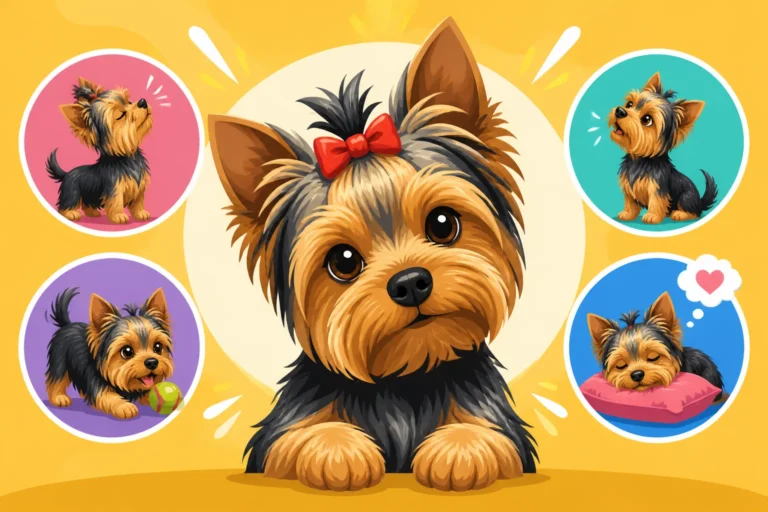
Yorkies are often described as "terrier-like" in their demeanor, meaning they are alert, vocal, and possess a strong prey drive, despite their diminutive stature. They tend to be confident and can sometimes even be a bit bossy, often ruling the roost with other pets, regardless of size. This isn't a meek little lap dog that will sit quietly all day; they thrive on interaction, playtime, and being involved in family activities. They form incredibly strong bonds with their human companions, often becoming a shadow, following their beloved owner from room to room.
However, this strong bond can sometimes lead to issues like separation anxiety if not properly addressed from a young age. They can be prone to excessive barking, especially when left alone or if they sense an unfamiliar presence, making them excellent, albeit noisy, watchdogs. Training is crucial, as their intelligence can lead to stubbornness. Establishing yourself as the benevolent leader early on is key to a well-behaved Yorkie. For a deeper dive into what makes them tick, explore our guide on Yorkshire Terrier Temperament and Personality.
Signature Appearance and Size
When you picture a Yorkshire Terrier, you likely envision their distinctive long, silky, blue and tan coat. This isn't just a pretty feature; it's a defining characteristic of the breed standard. Their hair is more akin to human hair than typical dog fur, which means they shed minimally and can be a good choice for some allergy sufferers, though no dog is truly 100% hypoallergenic. They typically weigh between 4 to 7 pounds and stand about 7-8 inches tall at the shoulder.
Their compact size makes them ideal for apartment living, but don't let their small frame fool you into thinking they don't need exercise. They still require daily walks and playtime to burn off energy. Their delicate bone structure also makes them prone to certain injuries, so careful handling is paramount, especially around small children or larger pets. Understanding their physical attributes is essential for their care and well-being. You can learn more about their typical physical traits in our article on Yorkshire Terrier Size, Weight, and Appearance.
Essential Grooming and Care Needs
The Yorkie's beautiful coat, while stunning, demands significant attention. Daily brushing is a must to prevent tangles and mats, especially if you opt for a long, flowing coat. Many owners choose to keep their Yorkies in a shorter "puppy cut" or "teddy bear cut" to minimize daily grooming time. Regular bathing, typically every 2-3 weeks, with a high-quality shampoo and conditioner designed for silky coats is also necessary. Beyond their coat, dental care is extremely important for Yorkies. They are highly susceptible to dental disease, so daily teeth brushing and regular professional cleanings are non-negotiable.
Nail trims, ear cleaning, and attention to tear staining are also part of their routine care. If grooming feels overwhelming, professional grooming appointments every 4-6 weeks can be a lifesaver. Products from reputable brands, easily found on sites like Chewy, can make at-home grooming much simpler. For comprehensive advice on keeping their coat in top condition, refer to our detailed Yorkshire Terrier Grooming Guide.
Maltese vs. Yorkshire Terrier: A Tale of Two Silky Coats
When you consider toy breeds with flowing, luxurious coats, the Maltese often comes to mind alongside the Yorkie. While both are undeniably adorable and popular choices, they have distinct differences in temperament, grooming demands, and even subtle physical traits that set them apart.
Temperament and Personality Differences
The Maltese is renowned for its gentle, affectionate, and playful nature. They are often described as true lapdogs, content to cuddle and bestow affection on their owners. While they can be spirited and enjoy a good romp, their energy level is generally lower than that of a Yorkie. Maltese dogs tend to be less tenacious and vocal than their terrier cousins, often adapting more easily to quiet households. They thrive on companionship and can be prone to separation anxiety if left alone for extended periods, similar to Yorkies, but their overall disposition is typically calmer. They are known for being very charming and can be quite agreeable, making them excellent companions for those seeking a sweet-natured friend.
Yorkies, as we've discussed, possess a bold and independent streak characteristic of terriers. They are more likely to be the "leader" of the household, even with much larger dogs, and their watchdog tendencies mean they're quicker to alert you to any perceived threats with a bark. While both breeds are intelligent and eager to please their owners, the Maltese might be slightly more docile during training sessions, whereas a Yorkie might require a firm, consistent approach to prevent stubbornness from taking root.
Grooming and Coat Maintenance Comparison
Both the Maltese and the Yorkshire Terrier boast long, silky coats that are non-shedding, making them appealing to individuals with allergies. However, there are key differences in their coat types and care. The Maltese typically has a pure white, single-layered coat that can grow quite long, often reaching the floor. This coat requires daily brushing to prevent mats and tangles, as well as regular baths to keep it sparkling white. Tear staining can be a more prominent issue for Maltese due to their lighter facial fur, requiring diligent cleaning around the eyes.
The Yorkie's coat, on the other hand, is a distinctive blue and tan. While also long and silky, it has a slightly different texture that some owners find a bit easier to manage if kept short. For both breeds, if you opt for a show-length coat, professional grooming or a significant time commitment to at-home care is essential. Without regular attention, mats can quickly form, leading to discomfort and potential skin issues. Many owners of both breeds choose shorter "puppy cuts" for practicality, which reduces daily brushing to a few times a week, making it more manageable for busy households. Using detangling sprays and leave-in conditioners from brands like Chewy can be particularly helpful for both breeds' delicate coats.
Health Considerations
When it comes to health, both breeds share some common predispositions due to their small size, such as patellar luxation (slipping kneecaps) and dental disease. However, each breed also has its unique concerns.
Maltese are generally a robust breed, but can be prone to "white shaker dog syndrome," a neurological condition causing tremors, as well as certain eye conditions and liver shunts. Their average lifespan is typically 12-15 years.
Yorkshire Terriers, in addition to patellar luxation, are known for being susceptible to tracheal collapse, portosystemic shunt (liver shunt), and Legg-Calve-Perthes disease (a hip joint disorder). Hypoglycemia can also be a concern, especially in puppies and very small adults. Their average lifespan is also typically 11-15 years. Regular vet check-ups and a proactive approach to their specific health risks are vital for both breeds. Understanding common health issues is crucial, and you can learn more about specific Yorkie concerns in our article on Yorkshire Terrier Health Problems to Know.
Shih Tzu vs. Yorkshire Terrier: The Regal Lapdog vs. the Spirited Terrier
The Shih Tzu and Yorkshire Terrier both fall into the toy group and are beloved for their small size and affectionate personalities. However, their historical roles and inherent temperaments create distinct differences in their daily behaviors and care requirements.
Personality and Lifestyle Compatibility
The Shih Tzu, originally bred as companion dogs for Chinese royalty, truly embodies the "lapdog" ideal. They are known for being exceptionally affectionate, outgoing, and friendly, often greeting everyone with a wagging tail. Their temperament is generally more relaxed and docile compared to the energetic Yorkie. Shih Tzus are typically less demanding in terms of exercise and are often content with short strolls and indoor play, making them superb companions for seniors or those with a less active lifestyle. They tend to be less prone to excessive barking than Yorkies, though they will certainly voice their opinion when they deem it necessary.
Yorkies, with their terrier heritage, bring a more spirited and active presence to the home. They possess a higher energy level and a more independent, sometimes feisty, personality. While they adore cuddling, they also crave mental stimulation and playtime. They are more adventurous and often keen to explore their surroundings, making them a better fit for owners who enjoy interactive play and might even consider dog sports. Their natural watchdog instincts mean they can be more reactive to sounds and strangers, making them excellent alert systems but also requiring consistent training to manage barking. If you're wondering if a Yorkie is a good fit for you, consider reading Is a Yorkshire Terrier Right for You.
Coat Type and Grooming Needs
Both breeds are celebrated for their long, flowing, hypoallergenic-friendly coats, but there are some textural distinctions. The Shih Tzu's coat is generally double-layered, dense, and luxuriant, with a heavier undercoat. This full coat requires diligent daily brushing to prevent matting, as well as regular professional grooming. Their facial hair grows upwards, necessitating a "top knot" or regular trimming around the eyes to prevent irritation. Shih Tzus are known for accumulating tear stains easily, particularly on lighter-colored coats, which adds another layer to their grooming routine.
The Yorkshire Terrier has a single-layered, fine, silky coat that is more similar to human hair. While it doesn't have the same dense undercoat as a Shih Tzu, it is still prone to tangling and matting if not brushed daily. Many Yorkie owners opt for a short puppy cut to reduce grooming time significantly. Both breeds require regular bathing, nail trims, and ear cleaning. For a Yorkie, maintaining that distinctive blue and tan sheen is a point of pride for many owners, often achieved with specialized shampoos and conditioners.
Training Aptitude and Socialization
Shih Tzus are generally eager to please and intelligent, but they can have a stubborn streak, particularly when it comes to potty training. Consistent, positive reinforcement methods work best. Their sociable nature usually makes them good candidates for early socialization with other dogs and people, though they can be wary of rambunctious play due to their small size.
Yorkies are highly intelligent and can learn quickly, but their terrier stubbornness means they often require a more patient and consistent approach to training. Early socialization is paramount to prevent them from becoming overly dominant or fearful, especially around larger dogs. Potty training can be a challenge for both breeds due to their tiny bladders, but with patience and consistency, success is achievable. For tips on integrating your Yorkie, check out our guide on How to Socialize a Yorkshire Terrier.
Chihuahua vs. Yorkshire Terrier: Big Personalities in Tiny Packages
The Chihuahua and the Yorkshire Terrier are arguably two of the smallest dog breeds in the world, and both pack an incredible amount of personality into their miniature frames. While they share a reputation for being pint-sized powerhouses, their origins, temperaments, and physical characteristics reveal noticeable differences.
Temperamental Traits and Energy Levels
Chihuahuas are famous for their fiery personalities and unwavering loyalty to their chosen person. They can be quite bold, sassy, and sometimes even assertive, often displaying a "big dog" attitude despite their size. They are known for being intensely devoted, often forming a strong bond with one individual, and can be wary or even snippy with strangers and other dogs if not properly socialized. Chihuahuas are intelligent and can be quite playful, enjoying bursts of energy followed by long cuddle sessions. They are also known for being quite vocal, quick to bark at anything they deem suspicious.
Yorkies, too, are loyal and spirited, but their terrier heritage often translates into a more active and curious nature. They are generally more tenacious and adventurous, always ready for an outing or a game. While they also bond strongly with their families, they can sometimes be a bit more independent than the intensely "velcro" Chihuahua. Yorkies tend to have a higher overall energy level and thrive on mental and physical engagement. Both breeds require consistent training and early socialization to channel their strong personalities into desirable behaviors.
Appearance and Physical Characteristics
The most striking physical difference between these two breeds lies in their coat types and head shapes. Chihuahuas come in two distinct coat varieties: smooth coat (short hair) and long coat. Their long-coated variety features soft, flowing hair that can be feathered on the ears, legs, and tail, but it's generally not as silky or fine as a Yorkie's coat. Chihuahuas also have a distinctive "apple head" or "deer head" skull shape, with large, expressive eyes and erect ears. They typically weigh between 2 to 6 pounds, making them, on average, slightly smaller than Yorkies.
Yorkshire Terriers, as established, are known for their single-layered, long, silky blue and tan coat. Their head is flatter on top than a Chihuahua's apple head, with small, V-shaped ears that stand erect. Their fine hair necessitates a different grooming approach compared to a Chihuahua's coat. Both breeds are undeniably tiny, but the Yorkie's elegant, flowing coat and more refined features give them a distinct aesthetic.
Health Concerns and Care Needs
Both Chihuahuas and Yorkshire Terriers, due to their small size, share certain health vulnerabilities. Patellar luxation, dental disease, and hypoglycemia are common concerns across both breeds. Chihuahuas are also predisposed to hydrocephalus (water on the brain), open fontanels (soft spots on the skull), and collapsed trachea. Care must be taken with their delicate heads. Their average lifespan is impressive, often ranging from 14-16 years, with some living even longer.
Yorkies share the risk of tracheal collapse and liver shunts, among others. Their fine bone structure also makes them more susceptible to fractures if dropped or mishandled. Both breeds can be prone to shivering, often due to being cold, excited, or nervous. Keeping them warm with sweaters, especially in colder climates, is often necessary. Access to high-quality, small-breed specific food, perhaps from a selection on Chewy, is important for both to maintain their energy and health. For specific health considerations, refer to Yorkshire Terrier Common Genetic Conditions.
Pomeranian vs. Yorkshire Terrier: Fluff vs. Flow
The Pomeranian and the Yorkshire Terrier represent two very different aesthetics within the toy breed group. One is a cloud of fluff, the other a cascade of silk. Beyond their visual distinctions, their temperaments and care requirements also differ, making them suitable for different types of households.
Comparing Temperament and Sociability
Pomeranians are known for their vivacious, extroverted, and often outgoing personalities. They are intelligent, curious, and can be quite playful, enjoying games and attention. Poms are generally very confident and can sometimes be quite bossy, even with much larger dogs, similar to Yorkies. They are often described as "big dogs in little bodies." They are usually friendly with strangers once properly introduced and can be quite adaptable to different living situations, as long as they get enough attention. Pomeranians are vocal and make excellent watchdogs, often barking at anything new or unusual.
Yorkies, while equally confident and sometimes bossy, tend to be a bit more "terrier-like" in their focus, often demonstrating a strong prey drive and a more determined, independent streak. While Poms might be generally more outgoing with strangers, Yorkies often reserve their deepest affection for their immediate family. Both breeds thrive on being the center of attention and can develop undesirable behaviors if left alone too often or not given sufficient mental and physical stimulation. Both require early and consistent socialization to ensure they are well-adjusted and polite members of society.
Coat Differences and Grooming Regimens
Here's where the most obvious difference lies. The Pomeranian boasts a magnificent double coat, consisting of a soft, dense undercoat and a long, straight, harsh outer coat. This voluminous coat gives them their signature fluffy appearance, often described as a "furball." While Poms don't shed excessively year-round, they do undergo seasonal "blowouts" where they shed heavily. Daily brushing is essential to prevent mats and keep their coat healthy and free of loose hair.
The Yorkshire Terrier, as discussed, has a single, fine, silky coat that grows long and resembles human hair. It's a low-shedding coat, which is a major draw for allergy sufferers. While Yorkies don't have the same dense undercoat as Poms, their fine hair is very prone to tangling and matting if not brushed daily. Bathing and conditioning are crucial for maintaining the silkiness of the Yorkie's coat. Professional grooming is a common choice for both breeds, especially if maintaining a full coat. For a Pom, careful brushing prevents tangles in their dense fluff, while for a Yorkie, it keeps their fine hair flowing smoothly.
Exercise Needs and Training Considerations
Pomeranians, despite their small size, are energetic and surprisingly sturdy. They enjoy daily walks, playtime, and can excel in dog sports like agility. Their intelligence makes them generally easy to train, though their independent streak can sometimes lead to stubbornness. They respond well to positive reinforcement and consistency.
Yorkies also have a good amount of energy and benefit from daily walks and interactive play sessions. Their terrier nature means they enjoy activities that engage their minds, such as puzzle toys or scent work. Training a Yorkie requires patience and consistency due to their strong will. They are highly intelligent, but can be a bit more challenging to potty train than some other breeds. Both breeds benefit greatly from early puppy classes and ongoing training to channel their intelligence and energy positively. For guidance on potty training, our Yorkshire Terrier Potty Training Guide can be a valuable resource.
Other Notable Toy Breeds: A Quick Comparison
While the Maltese, Shih Tzu, Chihuahua, and Pomeranian are some of the most frequently compared breeds to the Yorkshire Terrier, the toy group is vast and full of delightful companions. Here are a few other breeds that might cross your radar, offering a brief comparison to the Yorkie.
Cavalier King Charles Spaniel
The Cavalier King Charles Spaniel is known for its sweet, gentle, and affectionate nature. They are quintessential lapdogs, eager to please, and generally more docile and less vocal than a Yorkie. Cavaliers have a beautiful, medium-length silky coat that requires regular brushing (though less intensive than a full-coated Yorkie or Maltese). They are excellent with children and other pets, making them fantastic family dogs. Health-wise, they are known for specific heart conditions (mitral valve disease) and syringomyelia. While a Yorkie is a spirited terrier, a Cavalier is a soft, loving spaniel, a key distinction in temperament.
Bichon Frise
The Bichon Frise is a cheerful, playful, and charming companion, famous for its powder-puff white coat. Like Yorkies, they are considered hypoallergenic and shed minimally. However, their coat is curly and dense, requiring frequent brushing and professional grooming to prevent matting. Temperamentally, Bichons are generally more outgoing and less "terrier-like" than Yorkies, possessing a bubbly, always-happy disposition. They can be prone to separation anxiety, similar to Yorkies, but their overall demeanor is typically more boisterous and less feisty. Dental disease is a significant concern for Bichons, as it is for Yorkies.
Papillon
The Papillon, named for its butterfly-like ears, is an intelligent, athletic, and elegant toy breed. They are highly trainable and excel in dog sports like agility, often matching or even surpassing a Yorkie's energy levels. Their coat is long and silky, similar to a Yorkie's, but typically not as prone to matting and usually less demanding in terms of daily grooming. Papillons are generally friendly and outgoing, though they can be reserved with strangers. They are typically less vocal than Yorkies and possess a delicate elegance that distinguishes them from the feisty terrier spirit. Like Yorkies, they are prone to patellar luxation.
Havanese
The Havanese is Cuba's national dog, known for its long, silky double coat and affectionate, outgoing personality. They are incredibly social and thrive on companionship, often referred to as "velcro dogs." Like Yorkies, they are low-shedding and considered hypoallergenic. Their coat requires regular brushing to prevent mats, similar to a Maltese. Temperamentally, Havanese are generally more gentle and less assertive than Yorkies, with a playful but not overly demanding energy level. They are intelligent and eager to please, making them relatively easy to train, but can be prone to separation anxiety if not managed.
| Breed | Average Weight | Average Height | Temperament Highlights | Coat Type/Grooming Needs | Common Health Concerns |
|---|---|---|---|---|---|
| Yorkshire Terrier | 4-7 lbs | 7-8 inches | Confident, spirited, loyal, vocal, tenacious | Long, silky, single layer, daily brushing, low shed | Patellar luxation, tracheal collapse, dental disease |
| Maltese | 4-7 lbs | 7-9 inches | Gentle, affectionate, playful, sweet, lapdog | Long, silky, single white layer, daily brushing, low shed | Patellar luxation, dental disease, white shaker syndrome |
| Shih Tzu | 9-16 lbs | 8-11 inches | Affectionate, outgoing, regal, friendly, calmer | Long, dense double coat, daily brushing, low shed | Brachycephalic syndrome, eye issues, dental disease |
| Chihuahua | 2-6 lbs | 5-8 inches | Fiery, loyal, bold, devoted to one person, sassy | Short (smooth) or long, various colors, moderate shed | Patellar luxation, hydrocephalus, open fontanel |
| Pomeranian | 3-7 lbs | 6-7 inches | Vivacious, extroverted, confident, playful, vocal | Double coat, fluffy, seasonal shedding, daily brushing | Patellar luxation, tracheal collapse, dental disease |
| Cavalier King Charles Spaniel | 13-18 lbs | 12-13 inches | Gentle, affectionate, eager to please, good with kids | Medium-long, silky, feathered, moderate shed | Heart conditions, syringomyelia, eye problems |
| Bichon Frise | 12-18 lbs | 9-12 inches | Cheerful, playful, charming, outgoing, cuddly | Curly, dense double coat, daily brushing, low shed | Dental disease, allergies, bladder stones |
| Papillon | 5-10 lbs | 8-11 inches | Intelligent, agile, elegant, friendly, energetic | Long, silky, single layer, less intensive brushing, low shed | Patellar luxation, dental disease, eye conditions |
| Havanese | 7-13 lbs | 8.5-11.5 inches | Social, affectionate, outgoing, playful, intelligent | Long, silky double coat, daily brushing, low shed | Patellar luxation, eye disorders, chondrodysplasia |
Making the Right Choice: Factors to Consider
Deciding which toy breed is the perfect fit for your life involves more than just admiring their cute faces. It requires an honest assessment of your lifestyle, living situation, and what you're truly looking for in a canine companion. Each breed, including the beloved Yorkshire Terrier, comes with its own set of characteristics that may or may not align with your expectations.
Lifestyle and Activity Levels
Consider how active your household is. If you're someone who enjoys daily walks, interactive play, and perhaps even some dog park adventures, a Yorkshire Terrier or a Papillon might be a fantastic fit. Their energy levels and zest for life can keep you entertained and encourage you to stay active. For example, a brisk 20-minute walk around the neighborhood or a game of fetch in the living room can satisfy a Yorkie's daily exercise needs. If you're a homebody who prefers quiet evenings and gentle companionship, a more laid-back Shih Tzu or Cavalier King Charles Spaniel might be more your speed. They are typically content with shorter outings and more dedicated snuggle time on the couch.
It's crucial to match the dog's intrinsic energy requirements with your own capacity and willingness to provide them. An under-exercised Yorkie, for instance, might develop behavioral issues like excessive barking or destructive chewing out of boredom. Conversely, trying to force a low-energy breed into a highly active routine might stress them out.
Grooming Commitment and Budget
The glorious coats of many toy breeds don't maintain themselves. You need to be realistic about the time, effort, and potential cost involved in grooming. As discussed, a Yorkshire Terrier requires daily brushing if their coat is kept long, along with regular bathing. This is a significant daily commitment. If you opt for professional grooming, which many owners do for breeds like Yorkies, Maltese, and Shih Tzus, those costs can add up quickly. A typical grooming session for a toy breed can range from $50 to $100 or more, depending on your location and the services included. These appointments are usually needed every 4-6 weeks.
If you're not prepared for daily brushing or the ongoing expense of professional grooming, a breed with a shorter, lower-maintenance coat, like a smooth-coat Chihuahua, might be a better option. However, even short-haired dogs need regular baths and nail trims. Investing in quality grooming tools from an online retailer like Chewy can help with at-home maintenance, but it won't eliminate the need for regular care. Our article on How Much to Budget for a New Yorkie Puppy can give you an idea of these ongoing costs.
Family Dynamics and Other Pets
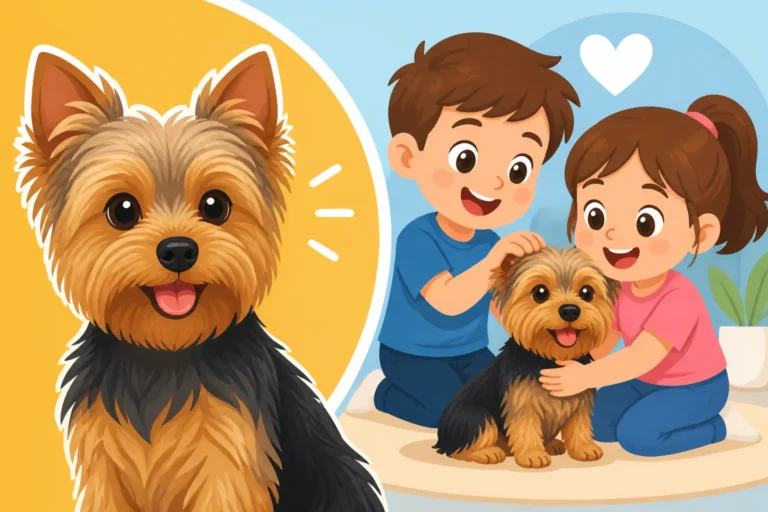
The presence of children or other pets in your home is a major factor. While many toy breeds are adaptable, some are inherently better suited for certain environments. Yorkshire Terriers, with their small size and sometimes assertive personalities, can be a delicate choice for homes with very young children. Their small bones are fragile, and rough handling by a toddler could lead to injury. While a well-socialized Yorkie can certainly coexist peacefully with older, respectful children, it requires careful supervision and teaching kids how to interact gently.
Breeds like the Cavalier King Charles Spaniel or Bichon Frise are often lauded for their excellent temperament with children and other pets, being generally more tolerant and less prone to snappy behavior. Chihuahuas can also be protective of their owners and may not appreciate competition from other pets or boisterous children. When introducing any new toy breed to existing pets, slow, supervised introductions are key to ensuring a harmonious household. Consider what kind of energy your existing pets bring to the home, and how a new, small addition would fit into that dynamic.
Training Challenges and Patience
All dogs benefit from training, but some breeds present more unique challenges. Toy breeds, including Yorkies, can sometimes be notoriously difficult to potty train due to their small bladders and tendency to "sneak" accidents. They also often develop "small dog syndrome" if not properly trained and socialized, leading to behaviors like excessive barking, resource guarding, or nipping.
If you're a first-time dog owner or have limited experience with training, choosing a breed known for its eagerness to please and trainability, such as a Papillon, might be less overwhelming. Yorkies are intelligent and can learn quickly, but they require a firm, consistent, and positive training approach from day one. You need patience and dedication to overcome potential hurdles. This includes addressing common Yorkie behaviors like Yorkshire Terrier Separation Anxiety Solutions or How to Stop a Yorkie from Barking.
Integrating Your New Toy Breed into the Family
Bringing any new dog into your home is an exciting time, but with a toy breed, there are specific considerations to ensure their safety, well-being, and smooth integration into your family life. These little dogs are robust in spirit but fragile in body, requiring a thoughtful approach to their environment and daily interactions.
Creating a Safe and Secure Environment
Before your new companion even steps paw inside, "puppy-proof" your home as if you were preparing for a crawling baby. Toy breeds are incredibly curious and can squeeze into small spaces or reach things you might not expect. Electrical cords, toxic houseplants, small choke hazards, and accessible cleaning supplies should all be secured. Consider using baby gates to block off stairs or areas where your tiny friend might get underfoot or escape.
Their small size also makes them susceptible to temperature extremes. In colder climates, a warm sweater or coat is often necessary for outdoor excursions. In warmer weather, ensure they have access to shade and fresh water, as they can overheat quickly. Providing a safe, cozy crate from a brand like MidWest Homes for Pets, available on Chewy, is also crucial. It serves as their den, a secure space where they can retreat and feel safe, which is especially important for breeds prone to anxiety. You can learn more about this in our guide on Yorkshire Terrier Crate Training Guide.
Proper Socialization and Training from Day One
Early and consistent socialization is perhaps the most critical step for any toy breed, especially one with a strong personality like a Yorkie. Introduce your puppy to a variety of sights, sounds, people, and other well-vaccinated, calm dogs in a positive and controlled manner. This helps prevent fear, aggression, or "small dog syndrome," where they learn to compensate for their size with excessive barking or bossiness.
Enroll in puppy classes as soon as your vet gives the all-clear for vaccinations. These classes provide structured socialization opportunities and teach essential obedience commands. Training should always be positive, consistent, and reward-based. Short, frequent training sessions are more effective for toy breeds with shorter attention spans. Remember, a well-trained dog is a happy dog, and an untrained tiny dog can quickly become a nuisance or even a danger to themselves. Building a strong foundation from the start will set your Yorkie up for a lifetime of good behavior.
Nutrition and Health Monitoring
Proper nutrition is paramount for toy breeds, given their fast metabolisms and propensity for hypoglycemia, especially as puppies. Choose a high-quality small-breed specific dog food that provides balanced nutrition. The kibble size should also be small enough for their tiny mouths and teeth. Follow feeding guidelines carefully and avoid free-feeding, which can lead to obesity or picky eating. Regularly monitor their food intake and energy levels. If you notice any sudden changes in appetite or unusual lethargy, contact your vet immediately. Brands often offer specialized small-breed formulas, which you can easily find on Chewy.
Routine veterinary care is non-negotiable. Toy breeds are prone to dental issues, so regular dental check-ups and cleanings are crucial. Stay up-to-date on vaccinations and preventative parasite control. Be aware of breed-specific health concerns, such as patellar luxation or tracheal collapse in Yorkies, and discuss preventative measures with your vet. A proactive approach to their health can significantly extend their lifespan and quality of life. For a deeper understanding of their care, refer to our How to Keep a Yorkshire Terrier Healthy article.
Daily Interaction and Play
Toy breeds thrive on interaction and being a part of the family. They are not content to be left alone for long periods. Dedicate time each day for play, cuddles, and mental stimulation. Puzzle toys, short games of fetch, or even simply carrying them with you as you move around the house can fulfill their need for companionship. Many toy breeds are prone to separation anxiety, so building a routine that includes time alone, gradually increasing the duration, can be helpful.
Their intelligence means they need mental exercise as much as physical. Teaching new tricks, rotating toys, or engaging in short training sessions can keep their minds sharp and prevent boredom. Remember, while they are small, they are still dogs with natural instincts and needs. Providing a rich, engaging environment tailored to their size and temperament will ensure your toy breed flourishes as a cherished member of your family.
Disclaimer
The information provided in this guide is for general informational purposes only and does not constitute professional veterinary advice. Always consult with a qualified veterinarian for any health concerns or before making any decisions about your pet's health or treatment.