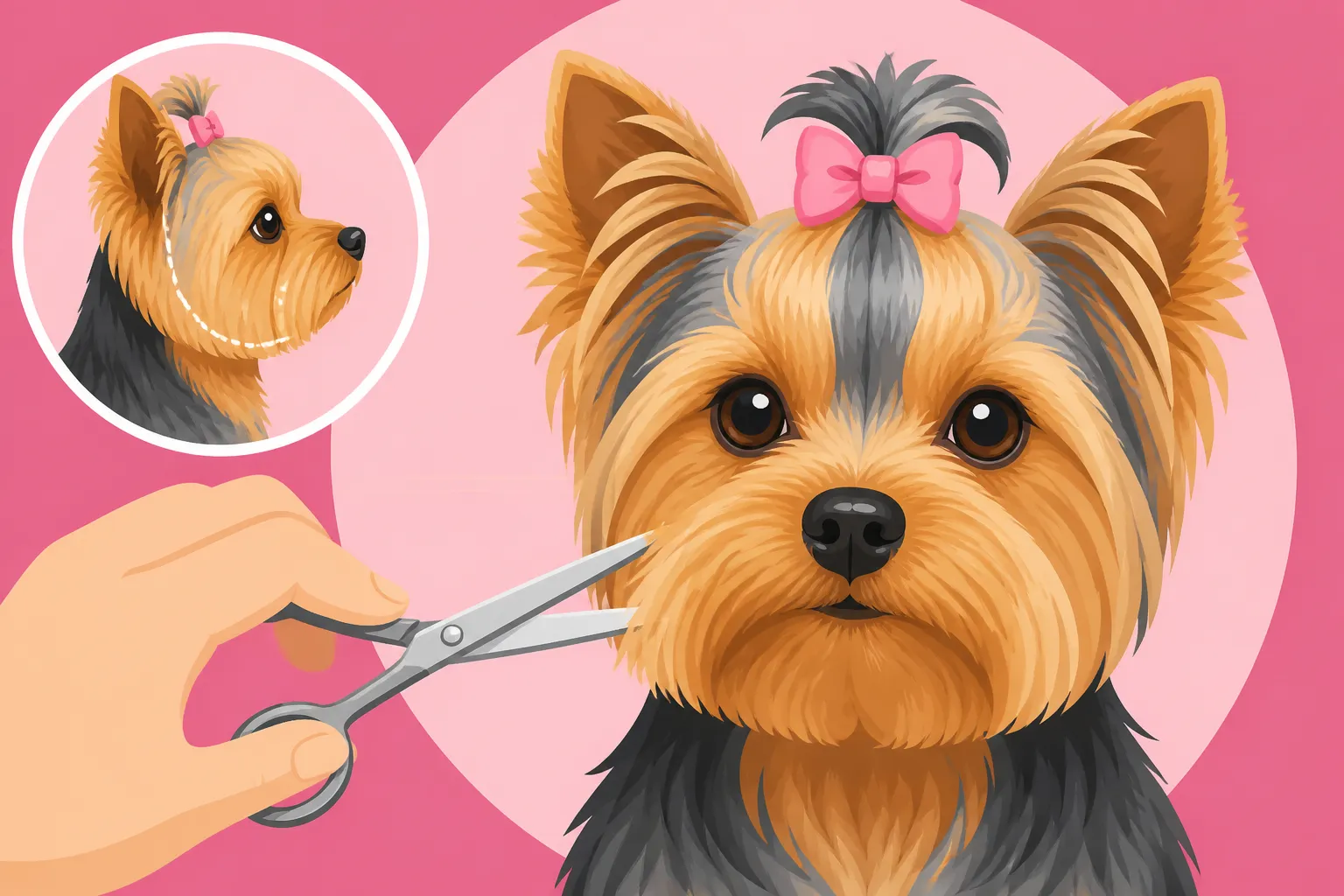
How to Do a Yorkie Face Trim
One of the most common struggles Yorkshire Terrier parents face is dealing with that adorable, yet sometimes unruly, facial hair. Left untended, those silky strands can get in their eyes, cause tear stains, accumulate food debris, and even make it hard for your little companion to see or eat comfortably. This comprehensive guide will walk you through everything you need to know about giving your Yorkie a proper face trim right at home, ensuring they stay healthy, happy, and looking their absolute best.
Why a Face Trim is Essential for Your Yorkshire Terrier's Well-being
It might seem like a small detail, but regularly trimming your Yorkie's face is far more than just about aesthetics. It’s a vital part of their overall health and comfort, preventing a host of common issues that can lead to discomfort or even serious health problems down the line. Many new Yorkie owners underestimate how quickly that fine, silky hair can grow and become problematic.
Keeping Vision Clear and Preventing Irritation
Imagine trying to navigate the world with hair constantly poking you in the eyes or obscuring your view. That's often the reality for Yorkies whose facial hair isn't regularly trimmed. Their long, fine hair, especially around the eyes, can easily grow into their visual field, making it difficult for them to see clearly. This isn't just an inconvenience; it can be downright dangerous. They might trip, bump into things, or miss cues from you.
Beyond obstruction, that stray hair can irritate the delicate eye tissues, leading to redness, excessive tearing, or even corneal abrasions if the hair repeatedly rubs against the eye. This constant irritation can also be a contributing factor to various Yorkie Eye Problems Explained. Preventing this kind of discomfort is a huge reason why a good face trim is non-negotiable for a Yorkie owner. You want them to be able to explore their world without unnecessary hindrances.
Maintaining Hygiene and Preventing Stains
Yorkies are prone to tear stains, those reddish-brown streaks beneath their eyes, and untrimmed facial hair exacerbates this issue significantly. When hair around the eyes becomes saturated with tears, saliva, and even bits of food, it creates a moist breeding ground for bacteria and yeast, which causes the discoloration and can also lead to skin irritation or infection. This matted, damp hair also traps odors, which isn't pleasant for anyone involved.
Similarly, the long hair around their muzzle and beard area can quickly become a magnet for food and drink. After a meal, it’s not uncommon to find a Yorkie’s beard caked with remnants of their dinner. This isn't just messy; it’s a hygiene nightmare. If not cleaned immediately and thoroughly, this food-laden hair can harbor bacteria, leading to skin infections, unpleasant smells, and even potential dental issues if it constantly rubs against their gums. Regular trims make it much easier to keep this area clean, reducing the occurrence of Yorkie Tear Stains: When to Worry and other hygiene-related issues.
Promoting Comfort and Overall Health
A well-groomed face is a comfortable face. When your Yorkie's facial hair is kept tidy, they can breathe easier, eat more cleanly, and interact with the world without constant irritation. Imagine the relief of having a clear line of sight, free from annoying strands tickling your nose or getting stuck in your mouth. This enhanced comfort contributes directly to their overall happiness and reduces stress.
Beyond the immediate comfort, regular face trims are a proactive measure in preventing more significant health concerns. Matted hair, for instance, can pull on the skin, causing pain and creating hidden hotspots for skin infections. Severe matting around the mouth can even restrict jaw movement, making eating difficult. By being diligent with your grooming, you're not just making your Yorkie look good; you're actively contributing to their physical and psychological well-being. It's an act of love that prevents a lot of potential Yorkshire Terrier Health Problems to Know.
Gathering Your Yorkie Face Trimming Tools
Before you even think about picking up a pair of scissors, it’s crucial to have all your necessary tools laid out and ready. Trying to scramble for equipment mid-trim can make an already delicate process stressful for both you and your Yorkie. Having the right tools also ensures a safer, more efficient, and more professional-looking trim. Don't underestimate the importance of quality grooming tools for your little companion.
Essential Grooming Instruments
To achieve a clean and safe face trim, you'll need specific tools designed for canine grooming, particularly for small breeds with fine hair like Yorkies. Resist the urge to use human scissors, as they aren't designed for pet hair and can be dangerous due to their sharp, pointed tips and lack of blunt ends.
Here’s a breakdown of what you'll need:
- Small, Blunt-Nosed Grooming Scissors: These are absolutely paramount. The blunt, rounded tips are a critical safety feature, significantly reducing the risk of accidental pokes or cuts to your Yorkie’s eyes or delicate skin around the face. Look for stainless steel options for durability and sharpness. Brands like Andis or Wahl offer excellent small grooming shears, which you can often find on retailers like Chewy or Amazon.
- Fine-Toothed Metal Comb: A good quality metal comb with both fine and medium teeth is essential for thoroughly brushing out the hair before trimming and for guiding the hair as you cut. It helps remove tangles and ensures an even trim.
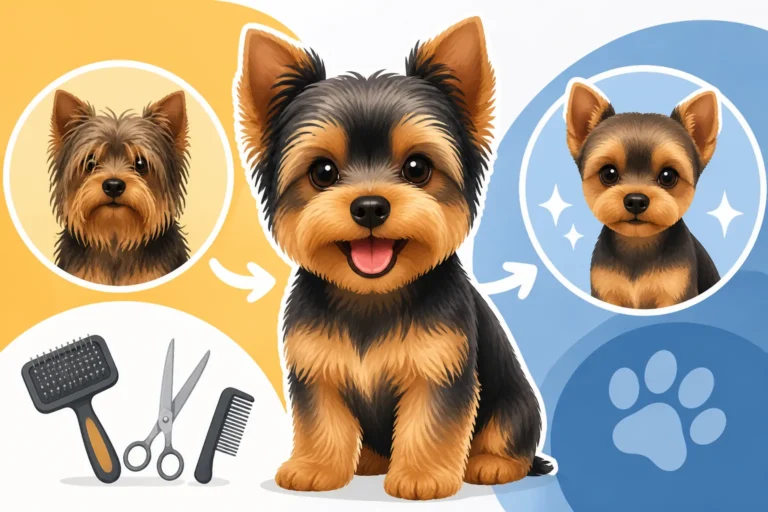
- Pin Brush or Slicker Brush: For overall detangling and fluffing of the face and head before the finer combing. A small Best Brush for a Yorkshire Terrier will make a big difference in preparing the coat.
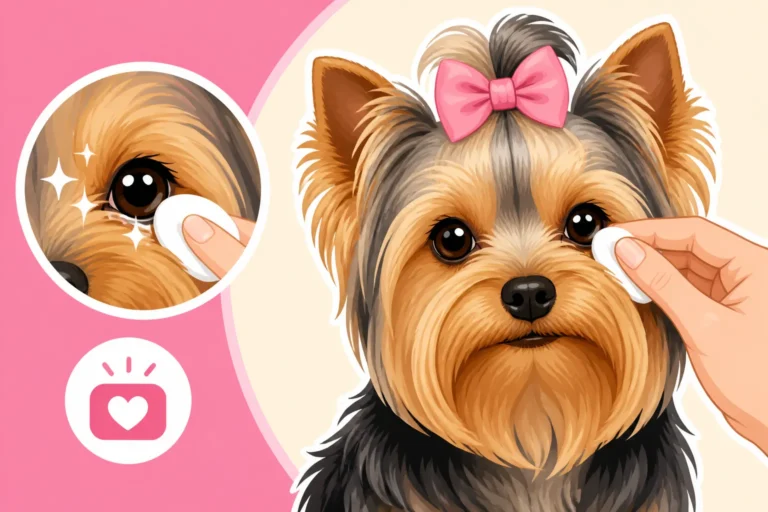
- Grooming Wipes or Warm, Damp Cloth: These are invaluable for cleaning tear stains and any accumulated gunk from around the eyes and muzzle before you begin trimming. You can find gentle pet-safe grooming wipes from brands like Earthbath or Burt's Bees.
- Clippers (Optional, for experienced users): Some experienced groomers or owners might use very small, quiet clippers with a #10 blade for areas like between the eyes or on the cheeks. However, for a beginner, scissors are generally safer for facial trimming. If you do consider clippers, ensure they are specifically designed for pets and are low-noise to avoid startling your Yorkie.
- High-Value Treats: Keep plenty of your Yorkie’s favorite small, soft treats on hand. These are crucial for positive reinforcement, rewarding good behavior, and distracting them during the process.
- Good Lighting: You need to clearly see what you're doing. Work in a well-lit area, preferably with natural light or a bright, adjustable lamp.
Pre-Trim Preparations for a Smooth Experience
Preparation is key to a successful and stress-free face trim. A well-prepared Yorkie is a calmer Yorkie, and a calm Yorkie is a safer Yorkie to groom. Skipping these steps can lead to a frustrating experience for both of you.
- Bath Time (If Needed): While not always necessary immediately before every face trim, if your Yorkie's facial hair is greasy, sticky, or matted, a bath will make it much easier to comb and cut. Clean hair cuts more smoothly and allows you to see the true length and texture. If a full bath isn't practical, at least gently clean the face with a warm, damp cloth or grooming wipes, paying special attention to tear stains and food residue around the mouth. For a good cleaning, check out our guide on How to Bathe a Yorkie.
- Thorough Brushing and Combing: This is a non-negotiable step. Use your pin brush or slicker brush to gently remove any large tangles or mats from the head and face. Then, use your fine-toothed metal comb to meticulously comb through every strand of hair you intend to trim. This includes around the eyes, over the muzzle, and on the ears. Any mats left in the hair will make cutting difficult and uneven, and can even cause the scissors to snag, pulling on their delicate skin.
- Create a Calm Environment: Choose a quiet time when your Yorkie is relaxed. Make sure there are no distractions like other pets, loud noises, or excitable children. A non-slip mat on your grooming table or counter can provide stability and comfort for your Yorkie.
- Practice Short Sessions: If your Yorkie is new to face trims, start with very short sessions. Even just a minute or two of calmly holding them, touching their face, and offering treats can build a positive association. Gradually increase the duration as they become more comfortable. This is similar to the approach for How to Train a Yorkshire Terrier in other areas.
| Tool Category | Specific Tools | Purpose |
|---|---|---|
| Cutting Tools | Small, Blunt-Nosed Grooming Scissors | Safely trim hair around sensitive areas like eyes, muzzle, and ears. |
| Small Pet Clippers (optional, for experienced users) | Close trims on cheeks or between eyes, ensuring a quiet model. | |
| Combing & Brushing | Fine-Toothed Metal Comb | Detangle, remove small mats, and guide hair for even cutting. |
| Pin Brush / Slicker Brush | General detangling and fluffing of the facial hair before fine combing. | |
| Cleaning & Hygiene | Pet-Safe Grooming Wipes / Warm, Damp Cloth | Clean tear stains, food debris, and gunk from the face. |
| Safety & Comfort | High-Value Treats | Reward good behavior, provide positive reinforcement, distraction. |
| Good Lighting (natural or adjustable lamp) | Crucial for clear visibility of delicate areas. | |
| Non-slip Mat | Provides stability and comfort for the Yorkie on the grooming surface. |
Step-by-Step Guide to Trimming Your Yorkie's Face
Now that you have your tools and your Yorkie is prepped, it's time for the actual trim. Remember to be patient, take breaks if needed, and always prioritize your Yorkie's safety and comfort. This isn't a race; slow and steady wins the grooming game.
Trimming Around the Eyes and Bridge of the Nose
This is arguably the most critical and sensitive part of the face trim. Extreme caution is needed here to avoid injuring your Yorkie's eyes. You’ll want to stand or sit directly in front of your Yorkie, so you have a clear, straight view of their face.
First, use your fine-toothed comb to gently comb all the hair forward, away from their eyes and down over the bridge of their nose. This helps you identify exactly which hairs are too long and where the natural line of the eye is. Hold the hair gently but firmly with your fingers, creating a barrier between the hair and their eye. With your blunt-nosed scissors, trim only the tips of the hair that extend beyond the outer corner of the eye or are clearly obscuring their vision. Cut in very small increments, no more than a few millimeters at a time. The goal is to create a clean line that follows the natural curve of their eyebrow and keeps hair out of their direct line of sight.
Next, focus on the hair on the bridge of the nose, between the eyes. Again, comb the hair upwards and away from the eyes. Using the blunt-nosed scissors, carefully trim any excess hair that would fall into their eyes or cover the tear ducts. Make sure to angle the scissors away from their eyes, always pointing them towards the top of their head. If your Yorkie has significant tear staining, this area can become matted, and it’s important to gently work through it with your comb before attempting to cut. If you're cleaning up tear stains as well, our guide on How to Clean Yorkie Tear Stains might be helpful. Consistency is key here; frequent, small trims are much safer than trying to do a major overhaul all at once.
Shaping the Muzzle and Beard Area
The muzzle and beard area often accumulate food and moisture, making regular trimming essential for hygiene and neatness. This area is less sensitive than around the eyes but still requires care.
Start by combing the hair on their muzzle downwards. Identify the desired length, usually just below the chin, or to a length that prevents it from dipping into their food or water bowl. With your blunt-nosed scissors, trim in a straight or slightly rounded line across the bottom of their muzzle, from one corner of the mouth to the other. You can hold their muzzle gently with your non-dominant hand to keep them steady, making sure not to cover their nostrils. You want to ensure they can eat comfortably without their hair constantly getting wet and dirty. Brands like Ollie, which often provide fresh dog food, can sometimes lead to messier eating for long-haired dogs, making this trim even more crucial for hygiene.
For the hair on the sides of the muzzle, comb it forward and then trim any wispy pieces that protrude or get caught in their mouth. The goal is to create a tidy, clean-cut look that frames their face nicely and prevents excessive hair from interfering with their eating or drinking. If your Yorkie has a distinct "beard," you can maintain its length or shorten it to your preference, always ensuring it's kept clean and free from food debris. Regular maintenance of this area also helps prevent issues like Yorkie Bad Breath: Causes and Fixes, as bacteria can build up in damp, food-laden hair.
Tidy Up the Ears and Forehead
Trimming the hair on and around your Yorkie's ears and forehead gives their face a polished, finished look and helps prevent matting in these often-overlooked areas.
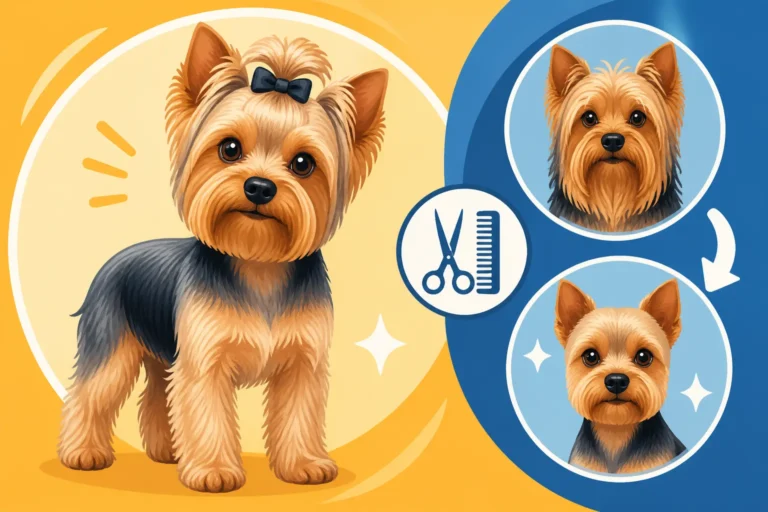
For the ears, many Yorkie owners prefer a "puppy cut" or "kennel cut" style on the ears, which involves trimming the hair very short on the outer edges and tips. To do this, hold the ear firmly but gently between your fingers. Using your blunt-nosed scissors, carefully trim the hair on the outside of the ear, following the natural curve of the leather. Be extremely cautious not to cut the ear leather itself. You can also carefully trim the hair on the inside of the ear flap, being mindful of the delicate skin. The aim is to remove any long, wispy hairs that collect dirt or get matted, especially at the tips. This neatens their overall appearance and helps their ears stand up if they are naturally erect. For those who want to maintain the longer, flowing coat on the body, a tidy face and ears provide a lovely contrast.
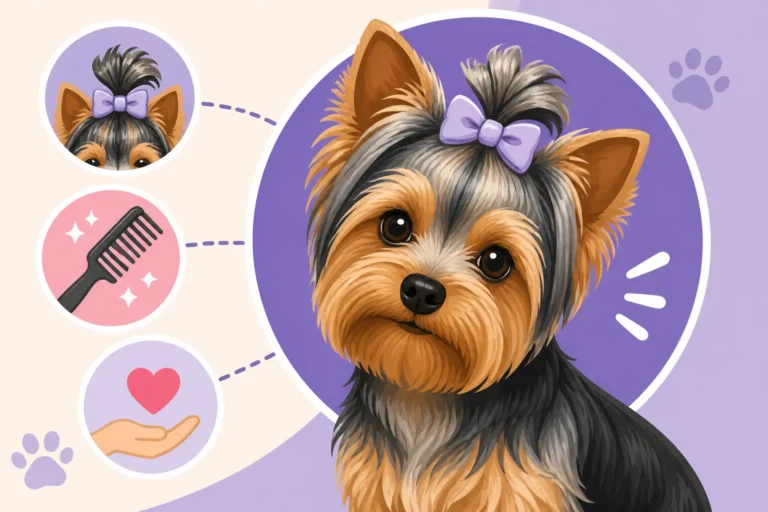
On the forehead, comb the hair forward and then sweep it back. Any hair that falls into their eyes, even after the initial eye area trim, should be carefully addressed. Many owners opt for a classic "top knot" to keep forehead hair out of the eyes, but a simple trim just above the eyebrow line can also be effective. If you’re not doing a top knot, gently comb the hair down towards their nose, then comb it slightly to the side. With your blunt-nosed scissors, trim the hair to a length that clears their eyes, creating a slight arch over the brows. Remember, less is more when you're first starting out. You can always trim more, but you can't put hair back once it’s cut. This attention to detail around the face helps achieve that charming, bright-eyed Yorkie expression we all adore.
Important Safety Tips and Aftercare for Face Trimming
Trimming a Yorkie's face is a delicate task that requires patience, a steady hand, and a primary focus on safety. One wrong move can lead to injury, so it's essential to approach the task with the utmost care. After the trim, proper aftercare ensures their comfort and maintains the results of your hard work.
Prioritizing Your Yorkie's Safety During the Trim
Safety should always be your number one concern when grooming, especially around such sensitive areas as the eyes, nose, and mouth. These small dogs can be squirmy, and their delicate skin is easily nicked.
- Always Use Blunt-Nosed Scissors: We cannot stress this enough. The rounded tips are a life-saver, preventing accidental pokes to the eye or skin. This is not the place for sharp, pointed scissors designed for human hair.
- Use Your Non-Dominant Hand as a Barrier: Whenever you are trimming near an eye, place your fingers from your non-dominant hand directly between the scissors and your Yorkie’s eye. This creates a physical shield, ensuring that even if your Yorkie suddenly jerks, the scissors won’t reach their eye.
- Hold the Hair, Not the Skin: When trimming, gently pull the hair slightly away from the skin before cutting. This helps prevent accidentally cutting the skin, which can be easily mistaken for hair, especially in areas with loose skin like around the eyelids or muzzle.
- Take Small Snips, Not Large Chunks: Only cut a few strands of hair at a time, taking very small snips. This gives you more control and reduces the risk of cutting too much or causing injury if your Yorkie moves unexpectedly.
- Ensure Good Lighting: You absolutely need to see clearly. Work in a brightly lit area to avoid shadows and ensure you can distinguish hair from skin.
- Stay Calm and Confident: Your Yorkie can sense your stress. If you're nervous, they'll be nervous. Speak to them in a soothing voice, offer constant praise, and maintain a calm, reassuring demeanor. If you find yourself getting frustrated, take a break.
- Never Force It: If your Yorkie is excessively squirming, whining, or showing signs of extreme distress, stop the trim immediately. Pushing them through it can lead to negative associations with grooming and increase the risk of injury. Take a break, try again later, or split the trim into multiple short sessions. If it’s always a struggle, you might consider professional grooming, as sometimes a neutral party can make a difference. Always know when it's time to consider options like When to Take Your Yorkie to the Vet for any grooming-related issues or if you need professional guidance.
- Distraction is Your Friend: For anxious Yorkies, a little smear of peanut butter (xylitol-free!) on a Lickimat or Kong can work wonders as a distraction. Some owners also find that background white noise or calming music helps.
Post-Trim Care and Ongoing Maintenance
Once the trim is complete, a little aftercare and a consistent maintenance routine will keep your Yorkie's face looking great and feeling comfortable.
- Reward and Praise: Immediately after the trim, give your Yorkie plenty of praise and high-value treats. You want them to associate the grooming experience with positive outcomes. A good play session or cuddle can also reinforce this.
- Clean Up Any Loose Hairs: Use your comb or a damp cloth to remove any trimmed hairs that might be clinging to their face. These stray hairs can irritate their eyes or nose if left behind.
- Check for Irritation: Gently inspect their eyes and skin for any redness or irritation. If you notice any, apply a pet-safe soothing balm if appropriate, or consult your vet if it's severe or persists.
- Daily Face Wipes: Even with a trim, daily cleaning around the eyes and muzzle with pet-safe grooming wipes or a damp cloth will help prevent tear stains and food buildup. This is especially important for areas prone to Yorkie Eye Discharge: Causes.
- Brushing Between Trims: Lightly brush their facial hair daily with a fine-toothed comb to prevent tangles and mats from forming. This makes the next trim much easier. For more extensive tips, refer to the Yorkshire Terrier Grooming Guide.
- Establish a Schedule: Depending on how fast your Yorkie's hair grows, aim for a face trim every 2-4 weeks. Consistency is key to preventing the hair from becoming unruly and problematic again. Keeping up with grooming prevents issues like severe matting, which can lead to expensive visits to professional groomers, as highlighted in Yorkie Grooming Costs Explained.
- Consider Professional Help: If you consistently struggle with trimming your Yorkie's face, or if they become overly anxious or aggressive, don't hesitate to seek help from a professional groomer. They have the experience and specialized tools to handle challenging situations safely and effectively. Sometimes it's simply better for both you and your beloved companion.
By following these guidelines, you can confidently give your Yorkie a face trim that keeps them healthy, clean, and looking their absolute best, strengthening the bond you share through positive, gentle care.
Disclaimer
The information provided in this guide is for general educational purposes only and should not be considered a substitute for professional veterinary advice. Always consult with a qualified veterinarian or professional groomer for any specific health concerns, treatment options, or before making any decisions related to your pet's care. Grooming tools can be sharp; exercise extreme caution and prioritize your pet's safety at all times.