Yorkshire Terrier Tracheal Collapse: Signs and Care
It's incredibly distressing to hear your beloved Yorkshire Terrier struggling to breathe, especially when that distinctive, harsh "honking" cough starts. Tracheal collapse is a heartbreaking and all-too-common reality for many Yorkie parents, leaving us feeling helpless and worried about our furry friends. This comprehensive guide is here to unravel the complexities of Yorkshire Terrier tracheal collapse, from recognizing the subtle signs to understanding available care and treatment options, so you can better advocate for your little companion.
Understanding Tracheal Collapse in Yorkshire Terriers
Bringing a tiny, spirited Yorkshire Terrier into your life is a joy, but it also comes with the responsibility of understanding their unique health vulnerabilities. Among the most concerning for many Yorkie owners is tracheal collapse, a condition that can significantly impact their quality of life. It’s not just an occasional cough; it can be a serious, progressive issue that requires careful management.
What Exactly Is Tracheal Collapse?
Imagine your dog's windpipe, or trachea, as a rigid, sturdy tube made of cartilage rings, much like a vacuum cleaner hose. This tube connects the throat to the lungs, allowing air to pass freely. In a healthy dog, these rings are strong and maintain an open airway. However, with tracheal collapse, these C-shaped cartilage rings weaken and flatten over time. Instead of staying firm and open, they soften and can collapse inward, especially during inhalation or exhalation. This partial or complete obstruction of the airway leads to varying degrees of breathing difficulties. It can happen anywhere along the trachea, from the neck region (cervical trachea) to deep within the chest (thoracic trachea), and can affect one small segment or a much larger portion. The severity of the collapse determines how much air can pass through, directly correlating with the symptoms your Yorkie might experience.
Why Yorkies Are Particularly Susceptible
It often feels unfair that such a tiny breed carries such a heavy predisposition to certain conditions, and tracheal collapse is definitely one of them. Yorkshire Terriers, along with other toy breeds like Pomeranians, Chihuahuas, and Miniature Poodles, are disproportionately affected by this condition. The primary reason is largely genetic and structural. Yorkies are bred to be small, and unfortunately, this often comes with a genetically weaker tracheal cartilage. Their cartilage rings are often not as robust or well-formed as those in larger breeds, making them more prone to softening and collapse. It's not usually something that happens overnight; it's a degenerative process that can worsen with age. Factors like obesity can exacerbate the condition, placing additional strain on an already compromised airway, but even lean, well-cared-for Yorkies can develop it due to their inherent breed characteristics. Understanding this predisposition is key to early detection and management. For more on other breed-specific concerns, you might want to read about Yorkshire Terrier Health Problems to Know.
Common Misconceptions About Tracheal Collapse
When dealing with a condition as complex as tracheal collapse, it’s easy for misinformation to spread. One common misconception is that it's solely caused by pulling on the leash. While using a collar and leash can certainly aggravate an existing collapsed trachea and should be avoided (a harness is always recommended for Yorkies, as discussed in Why Harnesses Are Better Than Collars for Yorkies), it’s not the root cause. The underlying issue is the genetic weakness of the cartilage. Another myth is that it's always an elderly dog's problem. While it often manifests or worsens with age, some Yorkies can show signs of tracheal weakness even in their middle years. People also sometimes believe that surgery is a guaranteed fix. While surgical options like tracheal stents or external rings can be life-changing for some dogs, they are not without risks and are typically reserved for severe cases where medical management has failed. They require significant aftercare and a committed owner, and even then, some dogs may still have residual coughs or complications.
Recognizing the Signs and Symptoms
The first step in helping your Yorkie with tracheal collapse is recognizing that something isn't right. These tiny dogs are often stoic, but their breathing issues can become quite apparent once you know what to look for. It’s crucial to pay close attention to any changes in their respiratory patterns or general demeanor.
The Classic "Honking Cough"
This is perhaps the most tell-tale sign of tracheal collapse, and it's something many Yorkie owners describe in a very specific way. It’s not a soft cough or a gentle hack; it’s a dry, harsh, sudden cough that sounds remarkably like a goose honking. This distinctive sound often occurs when your Yorkie gets excited, drinks water too quickly, pulls on their collar (which is why collars are a big no-no for these pups), or exerts themselves. The "honk" happens because the collapsed tracheal rings momentarily block the airflow, and the dog is trying to force air through the narrowed passage. You might notice your Yorkie's head and neck extending forward as they try to alleviate the obstruction. The cough might come in short, frequent bursts, or it could be a longer, more pronounced episode. While a cough can be a symptom of many things, a persistent, honking cough in a Yorkie should always raise a red flag. If you're wondering, Why Is My Yorkie Coughing could offer more insights into different cough types.
Other Respiratory Distress Indicators
Beyond the characteristic honking, there are several other signs of respiratory distress that indicate your Yorkie's trachea might be collapsing. You might notice increased respiratory effort, where their chest and abdomen move more dramatically than usual when they breathe. Their breathing might sound wheezy or raspy, particularly after exercise. In more severe cases, their gums or tongue might take on a bluish tint (cyanosis) due to a lack of oxygen, which is an immediate emergency. Exercise intolerance is also common; a Yorkie who once loved to play and run might now tire quickly, refusing to walk or becoming winded after minimal activity. They might seem lethargic or withdrawn, simply because breathing is taking up so much energy. Sometimes, you might even hear a "reverse sneeze," where they rapidly inhale air, though this can be caused by other issues too. These subtle shifts can easily be overlooked, so careful observation of your Yorkie’s daily habits is paramount. If you suspect any kind of issue, it's wise to know When to Take Your Yorkie to the Vet.
Behavioral Changes to Watch For
Tracheal collapse doesn't just affect your Yorkie physically; it can also lead to significant behavioral changes. Dogs in discomfort or struggling to breathe will often try to conserve energy. This can manifest as a decrease in playfulness, an unwillingness to engage in walks, or simply sleeping more than usual. They might become anxious or restless, especially during coughing fits, pacing or trying to find a comfortable position. You might notice them stretching their neck out more frequently, almost as if trying to straighten their airway. Some dogs might become irritable or snap when touched around the neck or chest area because they are in pain or anticipating another coughing attack. A loss of appetite can also occur, as eating might become uncomfortable or difficult, especially if they are also struggling to breathe. Any sudden or gradual change in your Yorkie's normal vibrant personality warrants a vet visit, as these behavioral cues are often their way of communicating distress.
Diagnosing Tracheal Collapse
Diagnosing tracheal collapse accurately is crucial for effective treatment. It's not always a straightforward process, as the signs can mimic other respiratory conditions. Your veterinarian will need to conduct a thorough examination and may recommend several diagnostic tests to confirm the diagnosis and assess the severity.
Initial Vet Examination and History
When you bring your Yorkie in with concerns about coughing or breathing difficulties, your vet will start with a comprehensive physical examination. They’ll listen to your dog’s heart and lungs, palpate their neck area (gently feel the trachea), and observe their breathing pattern. Sometimes, simply pressing lightly on the trachea can elicit the characteristic "honking cough," giving the vet a strong clue. This initial assessment also involves gathering a detailed history from you. Be prepared to answer questions about when the cough started, what triggers it, its frequency and severity, and any other symptoms you’ve noticed, such as changes in activity level, appetite, or overall behavior. The vet will also ask about your Yorkie's lifestyle, including their diet, exercise routine, and whether they wear a collar or harness. This initial conversation is vital for narrowing down the possibilities and guiding further diagnostic steps. For a broader understanding of breathing issues, check out Yorkie Breathing Problems Explained.
Diagnostic Imaging: X-rays and Fluoroscopy
Once a collapsed trachea is suspected, diagnostic imaging is the next step to confirm it. Standard X-rays (radiographs) are often the first line of defense. Multiple views of your Yorkie’s neck and chest will be taken during both inhalation and exhalation. While X-rays can show the narrowing of the trachea, especially if it's severe, they don't always capture the dynamic nature of the collapse (how it changes with breathing). This is where fluoroscopy comes in. Fluoroscopy is essentially a moving X-ray, providing a real-time video of your dog's trachea as they breathe. This allows the veterinarian to see the tracheal rings collapse and expand, identifying the exact location and severity of the collapse. This dynamic imaging is invaluable for confirming the diagnosis and ruling out other conditions that might look similar on static X-rays. While it might sound intimidating, these procedures are generally safe and often provide the clearest picture of what's happening internally.
Endoscopy and Other Advanced Tests
In some cases, especially when the diagnosis remains unclear or before considering surgical intervention, your vet might recommend more advanced diagnostic tests. Tracheobronchoscopy, or endoscopy of the trachea and bronchi, involves inserting a small, flexible camera down your Yorkie’s windpipe while they are under light anesthesia. This allows the vet to directly visualize the tracheal rings, assess the integrity of the airway, and determine the exact degree of collapse. It can also help to identify any inflammation, foreign bodies, or other abnormalities in the airway. This procedure provides the most definitive diagnosis for tracheal collapse. Additionally, other tests might be performed to rule out co-existing conditions, such as heart disease (which can cause coughing), lung infections, or allergies. These could include blood tests, urinalysis, and sometimes even an echocardiogram to assess heart function. A thorough diagnostic workup ensures that the treatment plan is tailored to your Yorkie's specific needs, addressing all contributing factors. When considering these advanced procedures, pet insurance providers like Healthy Paws can be a valuable resource to help manage potential costs.
Managing Tracheal Collapse: Treatment Options
Once your Yorkie has received a diagnosis of tracheal collapse, the next step is to explore treatment options. The approach will depend on the severity of the condition, your dog's overall health, and their response to initial therapies. It’s a journey, not a quick fix, and often involves a combination of strategies.
Conservative Medical Management
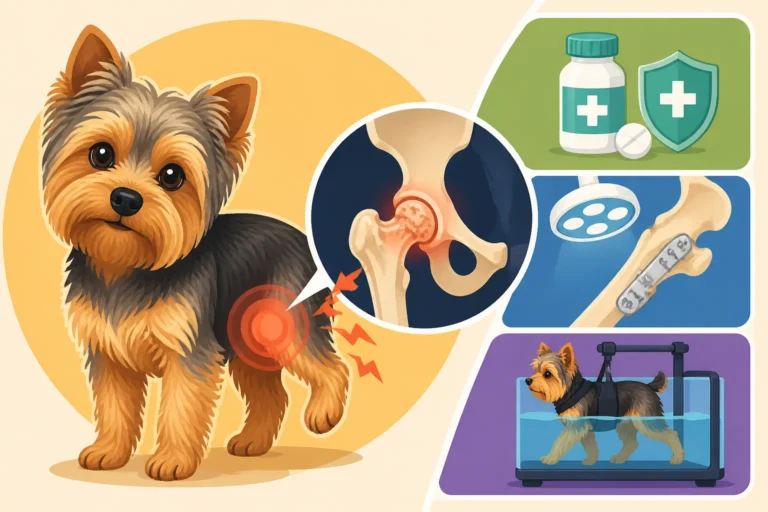
For many Yorkies with mild to moderate tracheal collapse, conservative medical management is the first and often most effective course of action. This approach focuses on reducing symptoms and inflammation to improve breathing comfort. Medications commonly prescribed include cough suppressants (like hydrocodone or butorphanol) to reduce the frequency and intensity of the honking cough, anti-inflammatory drugs (like corticosteroids) to decrease swelling in the airways, and bronchodilators to help open up the air passages. Sometimes, sedatives are used to calm anxious dogs, as stress can exacerbate coughing episodes. Antibiotics might be prescribed if a secondary infection is present. Environmental control is also a huge part of this: avoiding irritants like smoke, dust, and strong perfumes, and keeping your home's air clean. Weight management is also critical; even a few extra pounds can put significant pressure on the trachea. Consistent, careful medication administration and vigilant monitoring at home are key to the success of conservative management. This is also where a good pet insurance plan from a provider like Healthy Paws can alleviate some of the financial stress of ongoing medication costs. More specific details on how these conditions are addressed can be found in Yorkshire Terrier Tracheal Collapse: Treatment Options.
Surgical Interventions: Stents and Rings
When medical management is no longer sufficient to maintain a good quality of life, surgical interventions may be considered. These are typically reserved for severe cases where the collapse is significantly impacting breathing and daily activities. There are two main surgical approaches:
- Tracheal Stent Placement: This procedure involves inserting a self-expanding mesh stent (a small, flexible tube) into the collapsed portion of the trachea to hold it open. It's often performed through minimally invasive techniques. While stents can dramatically improve breathing and are a viable option for many dogs, they come with potential complications, including stent fracture, granulation tissue formation (scar tissue) around the stent, or migration of the stent.
- External Tracheal Ring Placement: This involves surgically placing rigid plastic rings around the outside of the collapsed trachea to support and reinforce the airway. This is a more invasive surgery than stent placement and is typically used for collapse in the cervical (neck) region.
Both procedures require a highly skilled veterinary surgeon and a dedicated commitment to post-operative care, which may include medication and activity restriction. It's a significant decision, and your vet will thoroughly discuss the pros, cons, risks, and expected outcomes specific to your Yorkie's situation. The recovery can be lengthy, and lifelong management will still be required. It’s also important to remember that surgery addresses the mechanical issue but doesn't fix the underlying cartilage weakness, so some coughing or residual breathing issues might persist.
Lifestyle Adjustments and Supportive Care
Regardless of whether your Yorkie undergoes medical or surgical treatment, significant lifestyle adjustments and supportive care at home are absolutely essential for managing tracheal collapse. First and foremost, switch from a collar to a harness immediately. Even the slightest pressure on the neck can trigger a coughing fit or worsen the collapse. Secondly, maintain a healthy weight for your Yorkie. Obesity is a major contributor to breathing difficulties in dogs with tracheal issues. Regular, gentle exercise in a controlled environment is important, but avoid intense activities, especially in hot or humid weather, which can exacerbate respiratory distress. Manage their environment to minimize allergens and irritants: consider an air purifier, keep your home smoke-free, and avoid strong cleaning chemicals. Using elevated food and water bowls can also help make swallowing more comfortable and reduce coughing during meals. Finally, learn to recognize your Yorkie's stress signals and create a calm, predictable routine. Stress and excitement can trigger coughing spasms. These small, consistent changes make a huge difference in improving your Yorkie's comfort and quality of life. Thinking about other related conditions, you might find useful information in topics like How to Prevent Tracheal Collapse in Yorkies or Yorkie Coughing: Trachea or Something Else.
Preventing and Living with Tracheal Collapse
While tracheal collapse often has a genetic component, there are proactive steps you can take to minimize its severity and manage the condition effectively. Living with a Yorkie who has tracheal collapse means embracing a proactive, supportive approach to their care.
Proactive Measures and Risk Reduction
Prevention is always better than cure, and while you can't change your Yorkie's genetics, you can certainly reduce the risk factors and potential triggers for tracheal collapse. One of the most critical steps is maintaining an ideal body weight for your Yorkie. Extra pounds put additional strain on their respiratory system, making it harder for air to pass through an already narrowed trachea. Regular, moderate exercise keeps them fit without overexerting them. As mentioned, ditch the neck collar for good and switch to a well-fitting harness that distributes pressure across their chest and shoulders. Avoid exposing your Yorkie to cigarette smoke, harsh chemicals, or strong perfumes, as these irritants can inflame the airways and trigger coughing. Managing excitement levels is also important; teach your Yorkie calming cues and try to keep their environment peaceful. When bringing a new Yorkie into your family, especially from a breeder, inquire about the health history of the parents, specifically regarding respiratory issues, although unfortunately, genetic testing for tracheal collapse isn't widely available yet. Proactive care can significantly improve their long-term outlook.
Creating a Comfortable Environment for Your Yorkie
Living with a dog prone to breathing difficulties means intentionally designing a home environment that supports their comfort and minimizes stressors. Start with air quality: consider using an air purifier, especially in rooms where your Yorkie spends a lot of time, to reduce dust, pollen, and other airborne irritants. Ensure your home is free of smoke from cigarettes, fireplaces, or candles. During warmer months, keep your Yorkie cool to prevent overheating, as heat and humidity can worsen respiratory distress; air conditioning or cooling mats can be very helpful. In winter, ensure they are warm enough, but avoid excessively dry air, which can irritate airways; a humidifier might be beneficial. Provide comfortable, easily accessible resting spots where they can relax without exertion. If they have trouble getting on furniture, consider pet stairs or ramps. Keep their water bowl full and easily reachable, and ensure the water is fresh. Creating a calm, predictable routine can also reduce anxiety, which in turn can lessen the frequency of coughing episodes. Sometimes, even small changes like playing soft music can contribute to a more relaxed atmosphere.
Long-Term Outlook and Quality of Life
The long-term outlook for a Yorkie with tracheal collapse varies greatly depending on the severity of the condition, the effectiveness of treatment, and the owner's commitment to ongoing care. For many dogs with mild to moderate collapse, a combination of medical management and diligent lifestyle adjustments can lead to a good quality of life. They may still have occasional coughing spells, but they can remain active and happy. For those with severe collapse who require surgery, the outcome can be positive, though it often comes with its own set of challenges and the need for continued vigilance. It’s crucial to understand that tracheal collapse is often a progressive condition, meaning it can worsen over time. Regular veterinary check-ups are essential to monitor your Yorkie's condition and adjust their treatment plan as needed. Staying informed and working closely with your vet will empower you to make the best decisions for your furry family member. With proper care and dedication, many Yorkies with tracheal collapse can still enjoy many happy, fulfilling years. Budgeting for ongoing care, including vet visits, medications, and potential emergency treatments, is important, and understanding your Yorkshire Terrier Vet Costs and Health Budget can help prepare you for the financial aspect of this journey.
Living with a Yorkshire Terrier who has tracheal collapse certainly presents its challenges, but it's a manageable condition with the right knowledge and dedication. By understanding the signs, getting an accurate diagnosis, and implementing a comprehensive care plan, you can significantly improve your Yorkie's comfort and extend their happy, healthy life. Your furry companion relies on you to be their advocate, and with the insights provided here, you're well-equipped to do just that.
Disclaimer
This article provides general information about Yorkshire Terrier tracheal collapse and is not a substitute for professional veterinary advice. Always consult with a qualified veterinarian for any health concerns or before making any decisions about your pet's medical care. Individual cases may vary, and only a veterinarian can provide an accurate diagnosis and appropriate treatment plan for your specific pet.