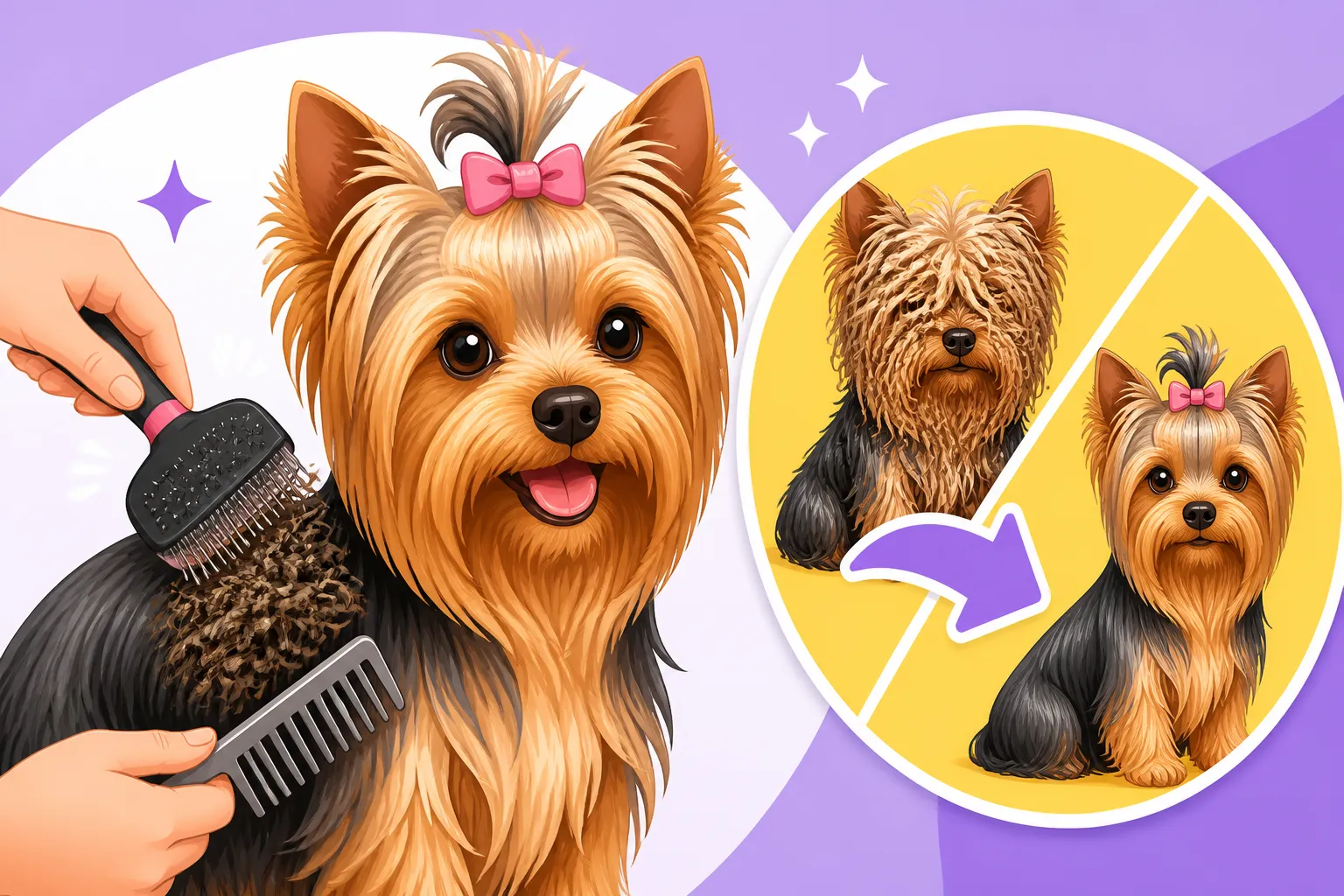
How to Detangle a Matted Yorkie Coat
Seeing your adorable Yorkie's beautiful silky coat turn into a tangled, matted mess can be utterly heartbreaking and frustrating. It’s not just an aesthetic issue; mats can be incredibly painful for your little companion, leading to skin problems and discomfort, and even hide underlying issues. This comprehensive guide is here to walk you through the gentle, effective steps to detangle your Yorkie's matted coat safely and keep it looking its absolute best, saving you and your furry friend a lot of stress.
Understanding Why Yorkie Coats Mat So Easily
It’s a common frustration for Yorkie parents: one day their fur baby's coat is flowing beautifully, and the next, there's a stubborn knot that seems to have appeared out of nowhere. The truth is, Yorkshire Terriers have a unique coat type that makes them particularly susceptible to matting, and understanding why is the first step in preventing and managing it.
The Unique Nature of Yorkie Hair
Unlike many other dog breeds that have a double coat of fur, Yorkshire Terriers boast a single coat of fine, silky hair that's remarkably similar to human hair. This is why they are often considered hypoallergenic, as they shed minimally compared to furred breeds. However, this beautiful, fine texture comes with a trade-off: it's incredibly prone to tangling and matting. Each strand is so delicate and long that it can easily intertwine with others, especially when subjected to friction, moisture, or neglect. Think of it like a very long, delicate human hair; without regular brushing and care, it quickly becomes a tangled mess. This constant growth, rather than shedding, means that any stray hairs quickly become part of the problem, weaving themselves into existing tangles and creating a dense, painful mat right against the skin.
Common Causes of Matting
Mats don't just happen overnight by magic; they’re usually the result of a combination of factors that, over time, cause the hair to knot together. Recognizing these triggers can help you be more vigilant in your daily care routine.
One of the biggest culprits is friction. Areas where your Yorkie’s coat rubs against something repeatedly are prime matting spots. This includes under their collar or harness, behind their ears, in their armpits, between their legs, and along their belly where they might lay down. Even their adorable little top knot, if not properly secured, can create friction on their forehead. Imagine a tiny dog exploring the world; every rub, every snuggle, every roll on the carpet creates an opportunity for their fine hair to knot.
Moisture is another significant contributor. A wet coat that isn't thoroughly and carefully dried after a bath, a romp in the dewy grass, or a walk in the rain is a recipe for disaster. As the water evaporates, it causes the hair strands to shrink and tighten, pulling them closer together and making them more likely to bind. If your Yorkie loves to play outside, especially in damp conditions, ensure you're drying their coat completely and brushing them out afterward. A quick towel-dry isn't enough; you need to blow-dry and brush carefully to ensure every strand is separated and fully dry.
Naturally, a lack of regular brushing is perhaps the most obvious cause. Even a day or two without a thorough brush-out can allow small tangles to form. These seemingly innocent knots quickly gather more loose hair, dirt, and debris, growing larger and tighter until they become impenetrable mats. It’s a snowball effect: a small tangle you miss one day becomes a substantial mat the next. This is why consistent, daily grooming, even for just a few minutes, is non-negotiable for a Yorkie owner. For more detailed insights, check out our comprehensive guide on How to Brush a Yorkie's Coat.
Essential Tools for Tackling Mats Safely
Before you even think about approaching a matted Yorkie coat, you need to gather the right arsenal of tools. Trying to detangle without the proper equipment can be frustrating for you and incredibly painful for your dog. Investing in quality grooming tools will make the process much smoother and safer for your tiny companion. You can find a wide range of these products on online retailers like Chewy or Amazon.
The Must-Have Brushes and Combs
These are your primary weapons against tangles and mats. Each has a specific role, and using them in conjunction is key to success.
First up, a good pin brush is your starting point for general brushing and very light tangles. It features widely spaced metal pins with rounded tips, designed to glide through the coat and gently separate strands without pulling too harshly. While it won't tackle deep mats, it's excellent for the initial pass, working through the outer layers, and fluffing the coat.
Next, and arguably the most crucial tool for detangling, is a steel comb. You'll want one with both wide-set and fine-set teeth. The wide-toothed end is your ally for larger, more stubborn tangles, helping you gently tease them apart without causing excessive pain. Once those larger knots are loosened, you can switch to the fine-toothed end to check for smaller tangles closer to the skin and ensure no hidden knots remain. Always ensure the comb's teeth are smooth and free of sharp edges that could scratch your Yorkie's delicate skin.
Finally, a slicker brush can be useful for finishing touches, especially if your Yorkie has a "fluffier" cut. Its fine, bent wires are great for removing dead hair and dander and giving the coat a smooth, polished look after detangling. However, use it with extreme care on matted areas, as its stiff bristles can pull and cause discomfort if not used gently on small, manageable sections.
Detangling Sprays and Conditioners
These products are absolute game-changers when dealing with mats. They aren't just a nice-to-have; they are essential for minimizing friction and making the detangling process less painful.
Detangling sprays, often formulated with silicones or other conditioning agents, work by lubricating the hair strands. This allows the brush or comb to glide through more easily, reducing pulling and breakage. When you spray a mat, it helps to loosen the tightly bound hairs, making them more pliable and easier to separate. Look for sprays specifically designed for long, silky coats or for detangling. Some popular brands offer excellent detangling solutions, and you can usually find a good selection on platforms like Chewy or Amazon.
Leave-in conditioners can also serve a similar purpose, providing extra moisture and slip to the coat. Applying a small amount directly to a mat and letting it soak in for a few minutes can dramatically soften the knot, making it easier to work through. The goal here is to create as much "slip" as possible, allowing the individual hair strands to separate with less resistance.
Safety Shears and Mat Splitters (Use with Extreme Caution!)
While we always aim to detangle, sometimes a mat is so severe and close to the skin that cutting is the only humane option. This is where safety shears and mat splitters come into play, but they must be used with the utmost caution.
Safety shears typically have blunt tips to reduce the risk of accidentally poking your dog's skin, which is very thin and delicate, especially on a small breed like a Yorkie. If you must cut, only do so as a last resort and with extreme care. Always try to get a comb between the mat and the skin first, pulling the skin taut, to create a protective barrier. Then, carefully snip into the mat, rather than across it, in the direction of hair growth. Never, ever cut across a mat without knowing exactly where your dog's skin is.
Mat splitters are specialized tools with a sharp blade or blades designed to cut through a mat with minimal effort. They are used by inserting the tool into the mat and gently sawing through it, breaking the mat into smaller, more manageable sections. Again, just like with shears, extreme caution is necessary. The blade is sharp and can easily injure your dog's skin if not used correctly. If you're unsure about using either of these tools, or if the mat is large, tight, and close to the skin, it is always best to seek professional grooming help. Your groomer has the expertise and specialized tools to handle severe matting safely without causing injury or unnecessary stress to your Yorkie.
Here's a quick reference table for your grooming arsenal:
| Tool | Primary Use | Key Feature | Caution |
|---|---|---|---|
| Pin Brush | General brushing, light tangles, outer coat | Rounded metal pins | Ineffective on dense mats, can still pull if forced |
| Steel Comb | Detangling, checking for small knots, close to skin | Wide & fine teeth | Ensure smooth teeth, don't drag on skin |
| Slicker Brush | Removing loose hair, fluffing, finishing | Fine, bent wires | Can scratch skin or pull severely if used aggressively |
| Detangling Spray | Lubricates hair, reduces friction, softens mats | Conditioning agents | Avoid getting into eyes/ears |
| Safety Shears | Cutting severe mats (last resort) | Blunt tips | HIGH RISK of skin injury; seek professional help if unsure |
| Mat Splitter | Breaking large mats into smaller sections | Internal sharp blades | HIGH RISK of skin injury; seek professional help if unsure |
A Gentle, Step-by-Step Approach to Detangling
Okay, you've got your tools, and you're ready to tackle those pesky mats. Remember, patience is your best friend here. This isn't a race; it's about making your Yorkie comfortable and keeping them safe. Rushing can cause pain, fear, and even lead to accidental injury, making future grooming sessions a nightmare.
Preparing Your Yorkie and Your Workspace
Setting the right environment is crucial for a successful and stress-free detangling session. Think of it as creating a mini-spa for your Yorkie, albeit one that involves untangling knots!
First, choose a calm and quiet spot where both you and your Yorkie can feel relaxed. A well-lit area is essential so you can clearly see the mats and your dog's skin. A sturdy, elevated surface like a grooming table or even a kitchen counter (with a non-slip mat) is ideal, as it brings your Yorkie to a comfortable height, saving your back and giving you better control. Before you even bring your Yorkie into the space, make sure all your tools are clean, organized, and within easy reach. You don't want to be fumbling around mid-tangle.
Next, prepare your Yorkie. A calm dog is much easier to work with. If your Yorkie is prone to anxiety during grooming, consider a short play session beforehand to burn off some energy, or offer a special long-lasting chew toy or a lick mat to distract them. Many Yorkies respond well to positive reinforcement, so have a stash of their favorite tiny, high-value treats ready. This isn't just bribery; it's about building a positive association with grooming. Start by gently petting and reassuring them. Speak in a soothing voice, letting them know they're safe and you're there to help.
The Detangling Method: Working Slowly and Systematically
This is the core of the process, and it requires precision and patience. The key principle is to work small sections at a time, always starting from the outer edges of the mat and working your way inward.
-
Lightly Spray the Mat: Before touching any mat with a comb, generously apply a good quality detangling spray directly onto the matted area. Allow it to soak in for a few minutes. This lubricates the hair strands, making them much easier to separate and reducing static. This step is non-negotiable for effective and humane detangling.
-
Finger Power First: With the detangling spray working its magic, use your fingers to gently try and pull apart the most superficial parts of the mat. Sometimes, a loose tangle can be unraveled with just your fingertips. Be extremely gentle, always working with the hair, not against it. If you encounter resistance, stop immediately.
-
Section by Section with the Comb: Now, take your steel comb, starting with the wide-toothed end. The trick here is called "line brushing" or "pinning the skin." Use one hand to hold the skin at the base of the mat, as close to your Yorkie's body as possible. This prevents the pulling sensation from reaching their delicate skin and makes it much more tolerable. With the other hand, gently comb out just a few strands from the very edge of the mat, working outwards. Imagine you're shaving off tiny layers from the mat. Slowly, patiently, work your way through the mat, one small section at a time. If you hit a snag, don't pull! Instead, back off, apply more detangling spray, and try to tease it apart with your fingers or just a few teeth of the comb.
-
Gradually Go Deeper: As the mat begins to loosen, you can start to work slightly deeper, always holding the skin to prevent pulling. Once the wide-toothed comb glides through a section, switch to the fine-toothed end to ensure all smaller tangles are gone and the hair is completely free. This method is slow, painstaking, but it is the safest and least painful way to detangle a matted coat without causing your Yorkie distress or injury. Remember, if you feel any significant resistance, or your Yorkie shows signs of discomfort (whining, trying to escape, nipping), take a break.
-
When to Consider Cutting (Extreme Last Resort): If a mat is so tight and close to the skin that you absolutely cannot get a comb between it and the skin, and it's causing your dog pain, carefully consider trimming it out. As mentioned, use blunt-tipped safety shears. The only safe way to do this at home is to try and slide the fine-toothed end of your comb under the mat, between the mat and the skin. Once the comb is there, acting as a barrier, you can then very carefully snip into the mat, parallel to the comb's teeth, breaking it into smaller pieces. Never cut across a mat without a barrier. If this sounds too risky, or the mat is very large, please seek professional help. A professional groomer can often shave out severe mats with clippers designed to safely get under tight knots, preventing unnecessary pain or accidental nicks. For severe cases, seeing a professional groomer is always the best advice.
Post-Detangling Care
Once the last mat is gone, the work isn't quite finished. Proper post-detangling care ensures your Yorkie's skin and coat recover and feel their best.
First, your Yorkie will likely benefit from a soothing bath. Detangling can pull at the skin, and mats can often hide dirt, debris, and even skin irritation. Use a high-quality, moisturizing dog shampoo and conditioner. We often recommend brands available on Chewy or even specific lines like Isle of Dogs or Chris Christensen that cater to long, silky coats. Focus on gently massaging the shampoo into the coat, ensuring it reaches the skin, and then rinse thoroughly. Applying a good conditioner after shampooing will help restore moisture to the hair, making it softer and less prone to future tangles. Our guide on How to Bathe a Yorkie provides more detailed steps.
After the bath, thorough drying is absolutely essential. Use a towel to blot away excess water, then use a dog-specific blow dryer on a cool or low-heat setting. As you dry, continuously brush your Yorkie's coat with a pin brush to ensure every strand is separated and dries straight and tangle-free. This "fluff drying" technique helps prevent new tangles from forming as the hair dries. Never let a Yorkie's coat air dry, especially after a detangling session, as this can easily lead to re-matting.
Finally, lots of positive reinforcement! Your Yorkie just endured a potentially uncomfortable experience, and they deserve praise. Offer their favorite treats, plenty of verbal encouragement, and gentle cuddles. This helps reinforce the idea that grooming, even the tough parts, leads to good things, making them more cooperative in the future.
Preventing Future Matting: A Daily Routine
The best way to deal with mats is to prevent them from forming in the first place. Consistency is key when it comes to maintaining a Yorkie's beautiful coat. Establishing a proactive daily grooming routine will save you countless hours of detangling and keep your Yorkie happy and comfortable.
Daily Brushing is Non-Negotiable
For a Yorkie, daily brushing isn't just a suggestion; it's a necessity. Their fine, human-like hair will tangle with even minimal activity, and those small tangles quickly escalate into painful mats if ignored. Aim for at least 5-10 minutes of dedicated brushing every single day.
The most effective technique is line brushing. Instead of just brushing the top layer, you need to systematically brush small sections of hair, ensuring you get down to the skin. To do this, part your Yorkie's hair (like you would a human's) and brush the hair underneath, starting from the roots and working outwards. Then, move to the next section, overlapping slightly. This ensures that every single strand of hair is free from tangles. Pay extra attention to common friction areas: behind the ears, under the chin, in the armpits, on the belly, and where harnesses or collars rub. These are the "hot spots" for mat development. Incorporating this into your daily routine is one of the most effective ways to prevent issues. For more in-depth advice on coat maintenance, our Yorkshire Terrier Coat Care and Haircuts guide offers a wealth of information.
Regular Baths and Conditioning
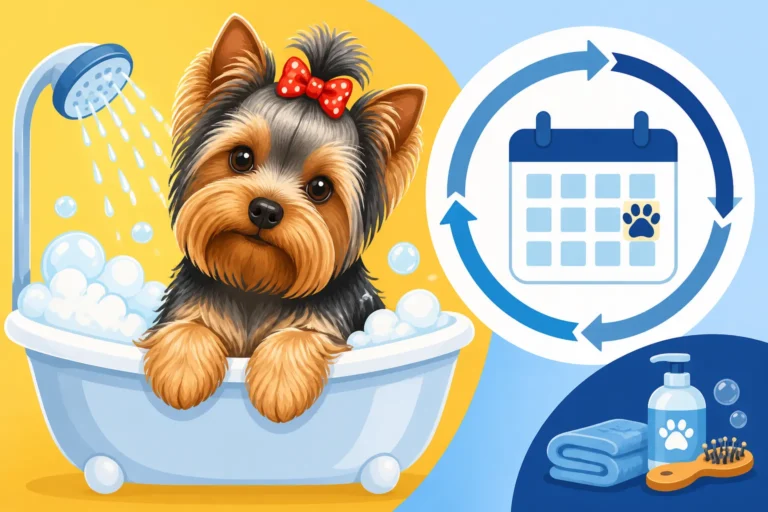
While daily brushing is paramount, regular bathing and conditioning play a vital supporting role in preventing mats and keeping the coat healthy. The frequency of bathing depends on your Yorkie's lifestyle, but generally, a bath every 2-4 weeks is sufficient.
Always use a high-quality dog shampoo specifically formulated for long or silky coats. Avoid harsh detergents that can strip the natural oils from the hair, leading to dryness and more breakage. After shampooing, a good conditioner is crucial. It helps to smooth the hair cuticles, add moisture, and provide slip, making the coat more manageable and less prone to tangling. Some dog parents swear by regular conditioning treatments for their Yorkies, similar to human hair masks, to maintain that luxurious silky feel. After bathing, always follow the thorough drying and brushing technique mentioned earlier – never let a Yorkie air dry, especially if they have a long coat, as it's an open invitation for mats to form. Our article on Best Shampoo for Yorkshire Terriers can help you choose the right products.
Professional Grooming and Haircuts
Even with the most diligent home care, professional grooming is an invaluable part of maintaining a Yorkie's coat. A professional groomer has the expertise, specialized tools (like professional clippers often found on Amazon, but best left to the pros), and experience to handle even the trickiest coats safely.
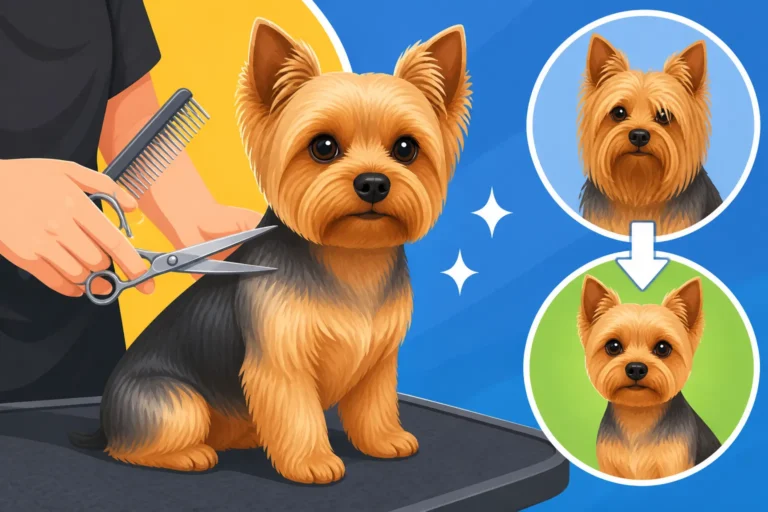
Regular appointments with a groomer, typically every 4-6 weeks, can help manage coat length and identify any developing issues before they become severe. Groomers can perform detailed cleanups, trim sanitary areas, and ensure nails and ears are properly cared for. They also offer various haircut styles that can significantly reduce the risk of matting. For instance, a "puppy cut" or "kennel cut" keeps the coat relatively short all over, making it much easier to maintain at home and drastically cutting down on matting potential. If you’re struggling with maintaining a long coat, asking your groomer about a shorter, more manageable style, like the one discussed in Yorkie Puppy Cut: What to Know, can be a huge relief for both you and your Yorkie. They can also offer advice on products and techniques specific to your dog's coat type. For complex cases or persistent skin issues, a professional can also alert you to potential health concerns, allowing you to discuss them with your vet.
Diet and Overall Health for a Healthy Coat
Believe it or not, what goes into your Yorkie’s body directly impacts the health and quality of their coat. A well-nourished dog is more likely to have a strong, shiny, and less tangle-prone coat.
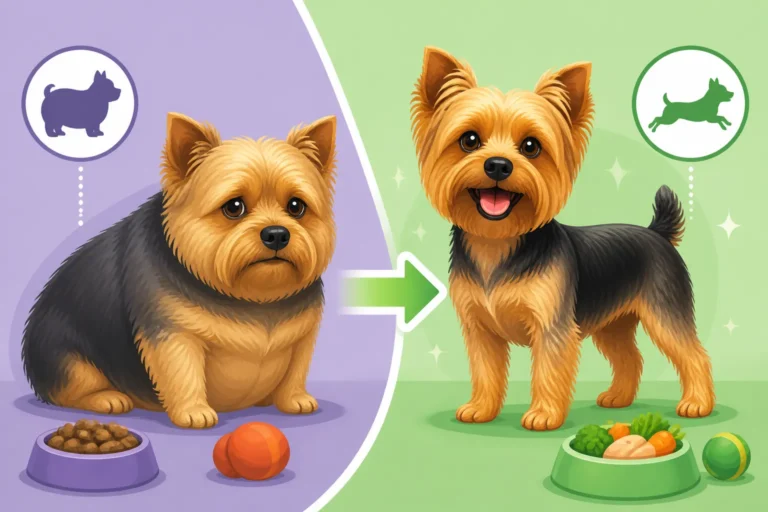
Ensure your Yorkie is eating a high-quality dog food that provides a balanced diet rich in essential fatty acids, particularly Omega-3 and Omega-6. These nutrients are vital for skin health and coat luster. Brands like Ollie, known for their fresh, human-grade dog food, emphasize ingredients that support overall health, including a healthy coat. Similarly, a high-quality kibble or wet food from a reputable brand (often found on Chewy) can also provide these benefits. Look for foods with real meat as the first ingredient and avoid excessive fillers or artificial additives.
A healthy coat isn't just about food; it's about overall wellness. Ensuring your Yorkie is generally healthy, gets adequate exercise (which contributes to good circulation), and is free from parasites like fleas and ticks (which cause itching and can lead to matting from scratching) all play a part. Regular vet check-ups are also crucial to rule out any underlying health issues that might manifest as poor coat condition. For a deeper dive into nutrition, explore our guide on Best Dog Food for Yorkshire Terriers and general health, see How to Keep a Yorkshire Terrier Healthy.
Taking a holistic approach, combining consistent home grooming, professional care, and a nutritious diet, will give your Yorkie the best chance at a beautiful, mat-free coat and a comfortable, happy life.
Disclaimer
The information provided in this article is for general informational purposes only and is not a substitute for professional veterinary or grooming advice. Always consult with a qualified veterinarian for any health concerns or before making any changes to your pet's diet or care routine. If your Yorkie's matting is severe or accompanied by skin irritation, pain, or unusual behavior, seek professional veterinary and grooming assistance immediately to avoid potential injury or health complications.