How to Help a Picky Yorkie Eat
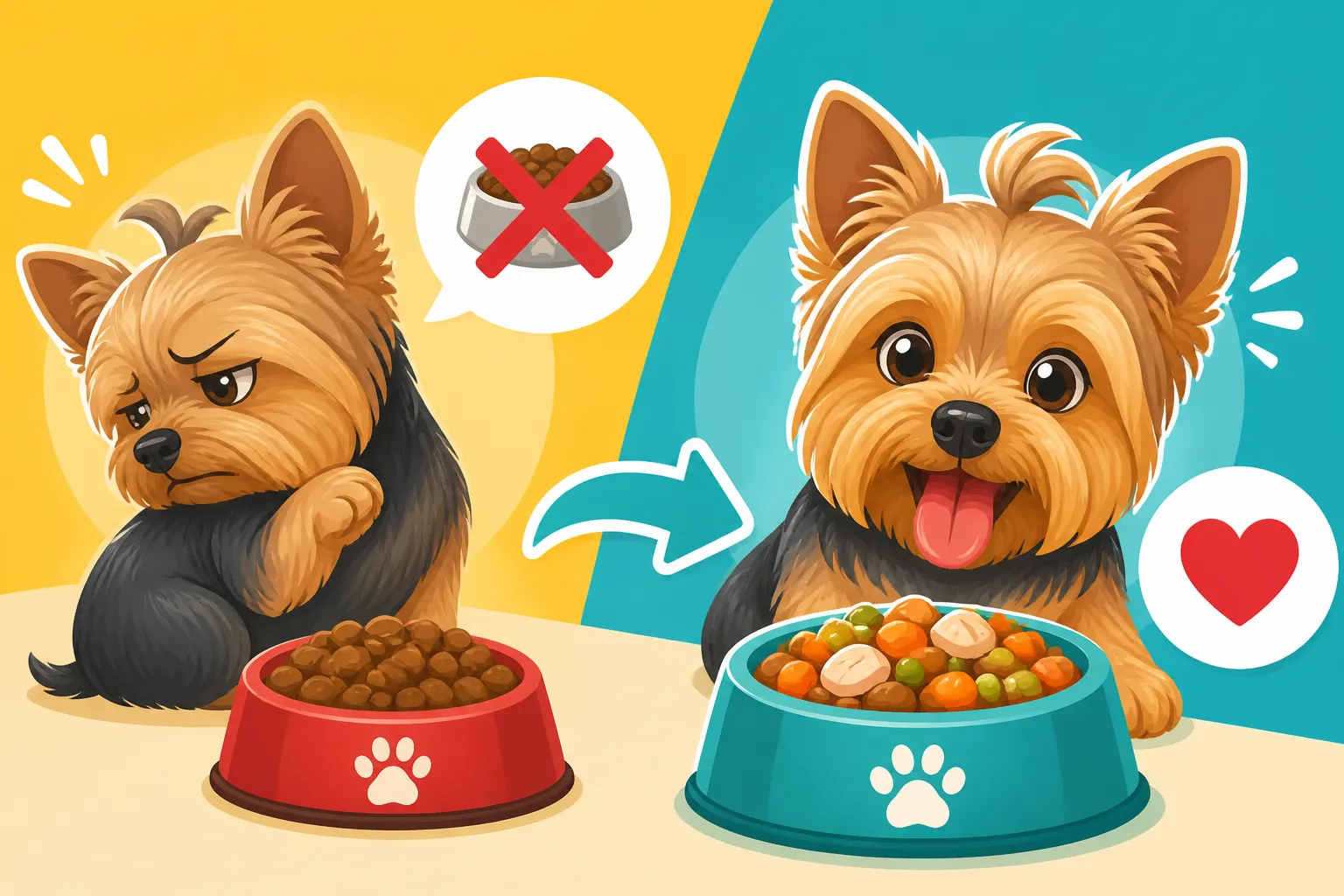
It’s incredibly disheartening and frankly, quite stressful when your little Yorkshire Terrier, with all their big personality, decides that their food bowl is an enemy. You stand there, a perfectly good meal laid out, and they just sniff, turn their nose up, and wander away, leaving you worrying if they’re getting enough nutrition. This can be a common frustration for many Yorkie parents, and it often feels like a puzzle trying to figure out what they will eat. This comprehensive guide is here to walk you through understanding why your beloved Yorkie might be a picky eater and, more importantly, offer practical, empathetic strategies to get them excited about mealtime again.
Understanding Why Your Yorkie is a Picky Eater
Before we can even begin to tackle the "how" of getting your Yorkie to eat, we first need to understand the "why." Pinpointing the root cause of pickiness is like being a detective; sometimes it's obvious, and other times it requires a bit more investigation. It's easy to jump to conclusions, but remember, your Yorkie isn't trying to spite you; there's usually a reason behind their reluctance to eat.
Medical Reasons for Appetite Loss
One of the most important things to rule out first when your Yorkie becomes a picky eater or suddenly loses interest in food is an underlying health issue. Given their small size, Yorkies can be particularly susceptible to various health conditions that might manifest as a reduced appetite. It's not uncommon for a dog to stop eating or become extremely selective when they're not feeling well.
For instance, dental problems are a huge culprit. Imagine trying to eat your favorite crunchy snack with a terrible toothache; it's just not going to happen! Yorkies are prone to Yorkshire Terrier Dental Disease Signs and Care early on, and painful gums, loose teeth, or infections can make chewing excruciating. Similarly, gastrointestinal issues like an upset stomach, pancreatitis, or even parasites can make food unappealing or cause discomfort after eating. More serious conditions such as Yorkshire Terrier Liver Shunt Signs and Care or kidney disease can also drastically impact appetite. If your Yorkie's pickiness is sudden, accompanied by other symptoms like lethargy, vomiting, diarrhea, or changes in drinking habits, or if they just seem generally unwell, a vet visit is absolutely non-negotiable. They can help diagnose and address any underlying Yorkshire Terrier Health Problems to Know.
Behavioral and Environmental Factors
Sometimes, the reason for pickiness isn't medical but purely behavioral or environmental. Think about it: our dogs pick up on our routines, our moods, and the overall atmosphere of the home. A Yorkie, being a sensitive and intelligent breed, can react strongly to changes or stressors. For example, a recent move, a new pet, or even a shift in your work schedule can cause anxiety, which can suppress appetite. Dogs thrive on routine, and a disruption can throw them off.
Furthermore, if mealtime is chaotic, with loud noises, other pets, or too many distractions, some Yorkies might feel overwhelmed and simply choose not to eat. On the flip side, some dogs, particularly clever little Yorkies, learn very quickly that if they refuse their kibble, something better might come along. This often happens when we, out of love and concern, offer treats, human food, or a different meal option every time they turn their nose up. While well-intentioned, this can inadvertently train your Yorkie to be a master manipulator of mealtime.
Small Dog Syndrome and Learned Pickiness
Ah, "Small Dog Syndrome" – it's a real thing, even if it's not a formal medical diagnosis! It refers to behavioral issues that small dogs, including our beloved Yorkies, can develop when their owners treat them differently than they would a larger dog. This often means indulging behaviors that wouldn't be tolerated in a Rottweiler, simply because "they're so small and cute!" While it comes from a place of love, this can unfortunately lead to a Yorkie thinking they're the boss, and that includes dictating what and when they eat.
When it comes to food, this can manifest as a learned pickiness. If every time your Yorkie rejects their meal, you offer a rotating buffet of alternatives, special toppings, or hand-feed them, they quickly learn that holding out guarantees a better offer. They're smart cookies, our Yorkies! This isn't necessarily a fault in their character, but a direct result of their environment and the training (often unintentional) they've received. Breaking this cycle requires consistency and a bit of tough love, reminding them gently that while they are cherished, you are in charge of their nutritional well-being. This learned behavior is one of the most common reasons a Yorkie might be consistently picky, and it can be frustrating to reverse without a solid plan.
Practical Strategies to Entice Your Picky Yorkie
Once you’ve ruled out any health concerns with your vet and have a better understanding of potential behavioral factors, it’s time to implement some practical strategies. Turning mealtime into an enjoyable, non-stressful experience for both of you is key. Remember, patience and consistency are your best friends here.
Elevating Mealtime Experience
Making mealtime a positive, low-stress event can work wonders for a picky eater. Think about it from your Yorkie's perspective. If the bowl is just plopped down and ignored, or if there's too much going on, it might not feel like a special occasion. One easy change can be using an elevated feeder. Many Yorkies, especially as they get older, find it more comfortable to eat from a bowl that's raised to their height, rather than craning their neck down to the floor. This can reduce strain on their neck and joints, making eating a more pleasant experience. You can find many stylish and functional options on sites like Chewy or Amazon.
Another powerful strategy is to make mealtime a ritual. Instead of leaving food out all day, which can actually encourage pickiness, establish specific feeding times. Present the food, give them about 15-20 minutes, and then pick it up, even if they haven't touched it. This teaches them that food is available at set times and won't be there indefinitely. This consistent approach helps establish a routine, which our Yorkies thrive on, reducing anxiety around food availability and reinforcing that this is the meal, not a suggestion for a better one later. Consider moving their feeding area to a quiet, calm spot away from heavy foot traffic or other pets, allowing them to eat in peace.
Food Selection and Preparation Hacks
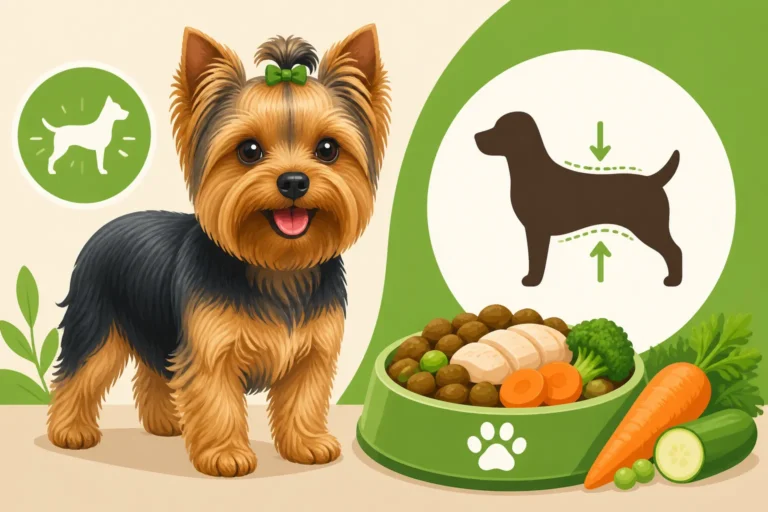
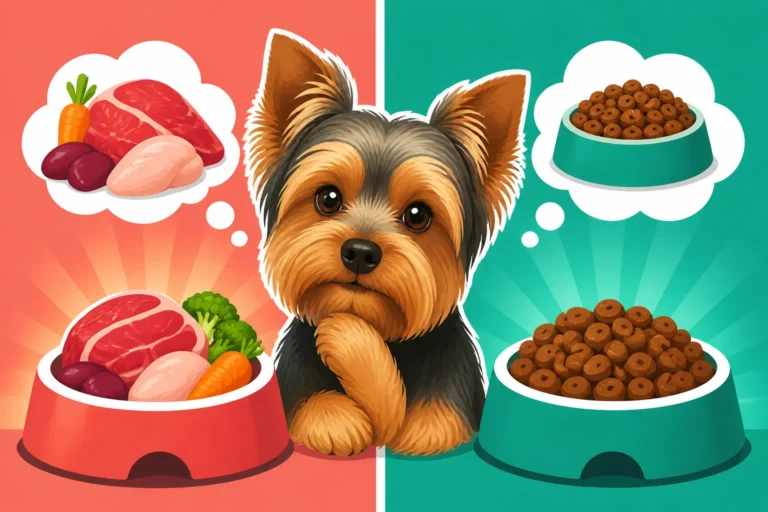
Choosing the right food is paramount, and sometimes, a little creativity in preparation can make all the difference. For a truly picky Yorkie, sticking to one type of food they genuinely enjoy, rather than constantly switching, is often best. However, if you're still searching for that magic bullet, consider different formats. While dry kibble is common, some Yorkies prefer wet food for its palatability and aroma. High-quality fresh food options, like those from Ollie, can also be a game-changer for extremely picky eaters due to their human-grade ingredients and minimal processing. These often look and smell much more appealing than traditional kibble.
If you’re sticking with kibble, try some simple "hacks" to boost its appeal. Warm a small amount of low-sodium chicken or beef broth (ensure it's onion- and garlic-free!) and pour it over their kibble to soften it and release more aroma. A tiny dollop of plain yogurt, a sprinkle of nutritional yeast, or a small amount of cooked, lean protein like shredded chicken or boiled egg can act as an irresistible topper. Just be mindful of calories and ensure any additions are safe and vet-approved, especially if your Yorkie has a sensitive stomach. Remember, a little goes a long way with these tiny pups! You might also find helpful information in guides about Best Dog Food for Yorkshire Terriers.
Establishing a Consistent Feeding Routine
Consistency is not just a virtue; it's a cornerstone of good canine care, especially when dealing with selective eaters. Yorkies, like most dogs, thrive on predictability. Random feeding times or leaving food out all day can lead to a dog who feels no urgency to eat, knowing the food will always be there. This often exacerbates picky eating habits, turning mealtime into a casual suggestion rather than a necessary event.
Instead, establish a strict feeding schedule and stick to it. For adult Yorkies, two meals a day, usually morning and evening, is ideal. For puppies, it might be three to four smaller meals. Present the food at the same time each day, in the same location, and give your Yorkie a designated window to eat – typically 15 to 20 minutes. After that time is up, pick up the bowl, regardless of whether they’ve eaten or not. Do not offer any other food, treats, or human scraps until the next scheduled meal. While it might feel harsh at first, this teaches your Yorkie that food is available at specific times, and if they don't eat it, it will be gone. This strategy, combined with proper portion control as outlined in guides like How Much to Feed a Yorkshire Terrier, can profoundly reshape their eating habits. Consistency creates security, and a secure dog is often a more confident eater.
When to Seek Veterinary Advice
While many cases of picky eating are behavioral and can be resolved with consistent training and food adjustments, it’s crucial to know when to involve a professional. Ignoring signs that point to a health issue can have serious consequences for such a small breed. Trust your gut; if something feels off, it probably is.
Red Flags and Emergency Signs
It's one thing for your Yorkie to be a bit finicky about their kibble, but it's an entirely different situation if they completely refuse food for an extended period or show other alarming symptoms. If your Yorkie hasn't eaten anything at all for 24 hours, or if a puppy hasn't eaten for 12 hours, this is a red flag warranting immediate veterinary attention. Their small size makes them particularly vulnerable to rapid drops in blood sugar (Yorkie Hypoglycemia Emergency Signs) if they aren't eating regularly.
Beyond outright food refusal, look for other signs that might accompany their pickiness. Are they unusually lethargic, sleeping more than usual, or uninterested in play? Are they vomiting, experiencing diarrhea, or straining to urinate? Changes in thirst, weight loss, difficulty chewing, drooling excessively, or any signs of pain are also critical indicators that need prompt veterinary assessment. If you notice any of these symptoms, don't wait for your scheduled appointment; seek emergency care. Guides like Yorkie Emergency Symptoms to Never Ignore can help you identify these crucial warning signs.
Diagnostic Process and Treatment Options
When you bring your picky Yorkie to the vet, be prepared to give a detailed history. Your vet will want to know when the pickiness started, what foods you’ve tried, if there are any other symptoms, and any recent changes in their environment or routine. They’ll likely start with a thorough physical examination, checking their teeth, gums, abdomen, and overall demeanor.
Depending on the findings, your vet might recommend diagnostic tests such as blood work, urinalysis, fecal exams, or even X-rays or ultrasounds. These tests help to identify underlying medical conditions like organ disease, infections, inflammation, or dental issues that might be causing the lack of appetite. Once a diagnosis is made, treatment will vary. It could range from medication for an infection, a dental cleaning, dietary changes for a sensitive stomach, or even more involved treatments for serious conditions. For cases where pickiness is purely behavioral after ruling out medical causes, your vet might offer advice on feeding strategies or even refer you to a veterinary nutritionist or a certified professional dog trainer for behavioral modification.
| Strategy Type | Approach Description | Potential Benefits | Key Considerations |
|---|---|---|---|
| Medical Check | Full vet examination, blood work, dental check. | Rules out underlying health issues, ensures no pain. | Essential first step, potentially costly, requires vet visit. |
| Routine & Environment | Fixed meal times, quiet feeding spot, pick up uneaten food. | Creates predictability, reduces anxiety, teaches value of food. | Requires consistency, might take time, no free-feeding. |
| Food Modification | Wet food, fresh food (e.g., Ollie), warm broth, healthy toppers. | Increases palatability, aroma, hydration. | Monitor calories, ensure toppers are safe and vet-approved. |
| Behavioral Training | Ignore begging, no human food scraps, positive reinforcement for eating. | Breaks learned pickiness, reinforces good habits. | Requires patience, can be tough initially, consistency is key. |
| Mealtime Tools | Elevated bowls, slow feeders (if eating too fast then picky after). | Improves comfort, can manage eating pace. | Ensure proper size for Yorkie, clean regularly. |
Long-Term Management and Prevention
Successfully helping a picky Yorkie eat isn't a one-time fix; it's an ongoing commitment to their health and well-being. Once you've established a good routine and found foods they enjoy, the goal is to maintain those positive habits and prevent future regressions into pickiness. It's about building a sustainable and healthy relationship with food.
Maintaining a Healthy Diet and Lifestyle
The foundation of a non-picky eater is a healthy, balanced diet. Even when your Yorkie is eating well, it's wise to stick to high-quality dog food appropriate for their life stage and size. Brands like Royal Canin or Hill's Science Diet often offer breed-specific or small-breed formulas that cater to a Yorkie’s unique nutritional needs, including their small mouths and higher metabolism. Regularly checking in with your vet about their ideal weight and ensuring their food portions are correct (referencing a How Much to Feed a Yorkshire Terrier guide can be helpful) is also crucial. Overfeeding can ironically lead to pickiness because they’re never truly hungry.
Beyond diet, a stimulating and active lifestyle contributes greatly to a healthy appetite. Regular, appropriate exercise, like short walks around the neighborhood or indoor play sessions, helps burn calories and builds up a healthy hunger. Mental stimulation, through puzzle toys or training sessions, also reduces boredom and stress, which can sometimes manifest as a lack of interest in food. Remember to keep an eye on their general health, including scheduling regular vet check-ups. A healthy body and mind are far less likely to become finicky about mealtime.
Avoiding Future Picky Eating Habits
Once you've navigated the picky eating phase, your goal is to prevent it from resurfacing. The key here is consistency and setting clear boundaries around food. Continue with your established feeding schedule, offering meals at the same time each day and picking up the bowl after the designated eating period. Avoid leaving food out all day. This reinforces the idea that mealtime is a specific event, not an all-day buffet.
It’s also crucial to be mindful of treats and human food. While a small, occasional treat is fine, excessive treats or frequently giving in to begging for human food can quickly derail progress. Yorkies are small, and even tiny amounts of extra food can fill them up or make them hold out for something better. If you use treats for training, opt for small, low-calorie options and factor them into their daily caloric intake. If you're concerned about potential health issues that could lead to pickiness, remember to keep up with routine dental care as outlined in Yorkshire Terrier Dental Care Guide and monitor for any subtle changes in behavior. By staying consistent and firm with healthy boundaries, you can help ensure your Yorkie remains a happy, enthusiastic eater for years to come.
Disclaimer
This article is intended for informational purposes only and is not a substitute for professional veterinary advice, diagnosis, or treatment. Always seek the advice of your veterinarian or other qualified animal health provider with any questions you may have regarding a medical condition or treatment plan for your pet.