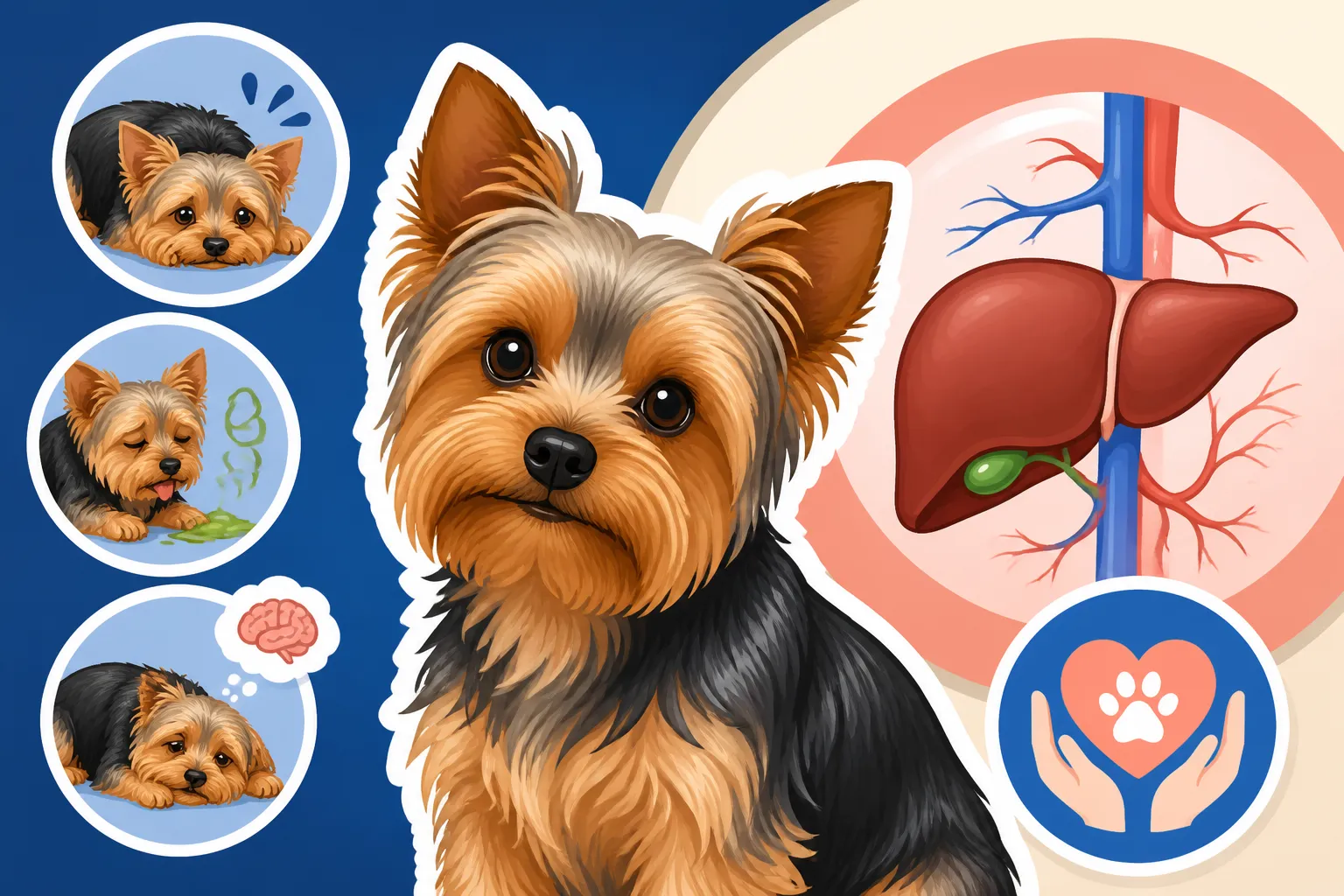
Yorkshire Terrier Portosystemic Shunt: Signs and Care
Oh, my heart goes out to anyone who's heard the words "portosystemic shunt" regarding their beloved Yorkshire Terrier. It's a heavy diagnosis, often coming after weeks or months of vague symptoms that leave you scratching your head, worried sick about your little companion. Many Yorkie parents feel completely overwhelmed, wondering what this complicated medical term even means and if their tiny pup can possibly overcome such a serious condition. This comprehensive guide is here to unravel the complexities of portosystemic shunt in Yorkshire Terriers, helping you understand its signs, how it’s diagnosed, and the crucial care and management options available.
Understanding Portosystemic Shunt in Yorkshire Terriers
When we talk about a portosystemic shunt, or PSS, in a Yorkshire Terrier, we're discussing a pretty significant vascular anomaly that impacts how your dog’s body processes blood. It's not just a minor issue; it’s a condition where blood that should be going to the liver for detoxification and processing ends up bypassing it entirely. Imagine your liver as the body's super-efficient filter and processing plant. When that filter isn't getting all the blood it needs, toxins build up, and essential nutrients aren't absorbed correctly, leading to a cascade of health problems.
What Exactly is a Portosystemic Shunt?
Normally, blood from your Yorkie's intestines, pancreas, and spleen flows through a large vein called the portal vein directly into the liver. The liver then works its magic: it filters out toxins, processes nutrients from food, metabolizes medications, and produces vital proteins. It’s an incredibly busy and essential organ! In a dog with a portosystemic shunt, however, an abnormal blood vessel, or "shunt," diverts this blood directly from the portal vein into the systemic circulation, effectively bypassing the liver. Think of it like a detour road that bypasses a city's main waste treatment plant; all the unfiltered traffic (blood with toxins and unprocessed nutrients) ends up directly in the city's main arteries (the rest of the body).
For Yorkshire Terriers, these shunts are almost always "congenital," meaning your pup was born with it. It’s a developmental issue, not something they acquire later in life due to injury or disease, although acquired shunts can occur in other breeds. Because the liver isn't receiving this blood, it often remains underdeveloped and small. The body then gets flooded with toxins like ammonia, which normally would be converted into harmless urea by the liver. This toxin buildup is what causes many of the noticeable, and often alarming, symptoms we see in affected Yorkies. Understanding the basics of this condition is the first step in knowing how to approach proper care and give your little one the best chance at a healthy life.
Why Yorkies Are Prone to PSS
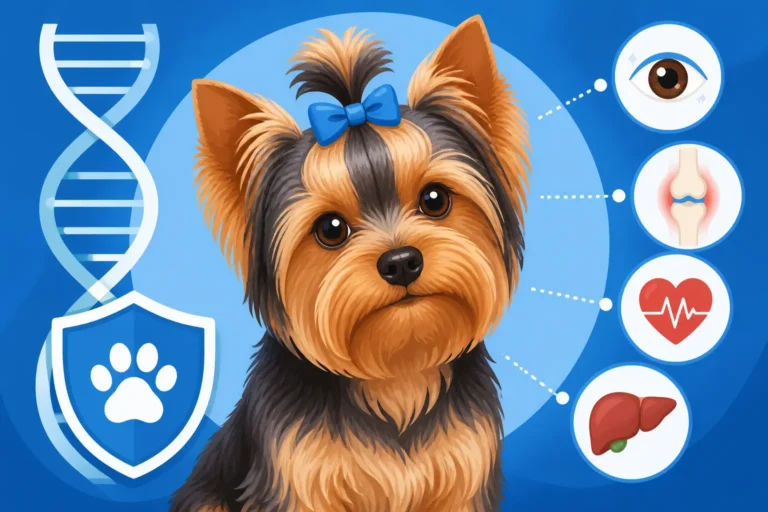
It’s an unfortunate reality that Yorkshire Terriers are among the breeds most genetically predisposed to developing congenital portosystemic shunts. While it can happen in any breed, and even in mixed breeds, Yorkies just seem to draw the short straw more often when it comes to this particular condition. We often see it pop up in small breeds, but Yorkies really stand out. This genetic link means it’s not something you, as a pet parent, could have prevented through diet or lifestyle choices; it’s just how some of them are born. This predisposition means that if you have a Yorkie puppy showing any signs of illness or failure to thrive, a PSS should definitely be on your vet's radar.
The exact genetic marker for PSS in Yorkshire Terriers isn't always clear-cut, making it tricky for breeders to entirely eradicate. However, responsible breeding practices play a huge role in minimizing the incidence. Ethical breeders often screen their breeding dogs and certainly don't breed any dog that has been diagnosed with a shunt or has produced puppies with the condition. Even with the best intentions, it can still happen, which is why awareness for owners is so crucial. If you're looking into Common Yorkshire Terrier Genetic Conditions, PSS is certainly one of the major ones to be aware of, right alongside other issues like patellar luxation or collapsing trachea that often affect this delightful breed.
Recognizing the Subtle and Overt Signs of PSS
One of the most challenging aspects of a portosystemic shunt is that its symptoms can be incredibly varied and sometimes quite subtle, especially in the early stages. They often mimic other conditions, making diagnosis tricky. However, once you know what to look for, you might start connecting the dots. These signs stem directly from the liver's inability to do its job, leading to toxins accumulating in the bloodstream and affecting almost every organ system, particularly the brain.
Behavioral and Neurological Symptoms
The neurological symptoms are often the most concerning and heartbreaking to witness. When toxins, especially ammonia, bypass the liver and reach the brain, they cause a condition known as hepatic encephalopathy. This is essentially brain dysfunction caused by liver failure. Your otherwise bright and lively Yorkie might start acting "drunk" or confused. You might notice them walking in circles aimlessly, pressing their head against a wall or furniture (head-pressing), or staring blankly into space as if lost in thought. Sometimes they become unusually lethargic, lacking their typical spunky energy, or seem disoriented, struggling to recognize familiar surroundings or even you.
In more severe cases, especially after a protein-rich meal, these toxins can trigger seizures. These aren't just minor tremors; they can be full-blown grand mal seizures that are terrifying to witness in such a tiny dog. You might also notice temporary blindness or an uncoordinated gait. It’s a truly frightening experience to see your Yorkie suffer from these symptoms, and it’s important to remember these aren’t just "bad behavior" but rather critical signs that something is seriously wrong with their internal systems. If you're ever asking, "Why Is My Yorkie Shaking" or experiencing seizures, especially with other odd behaviors, a PSS needs to be considered. For a general overview of worrisome symptoms, check out our guide on Signs Your Yorkshire Terrier Is Sick.
Gastrointestinal and Growth-Related Indicators
Beyond the alarming neurological signs, a PSS can profoundly impact your Yorkie's digestive system and overall growth. Many affected puppies are often the "runt" of the litter, failing to grow at the same rate as their siblings. They might be smaller, appear sickly, and just never quite thrive, no matter how much you feed them. This stunted growth is a classic sign because the liver isn't processing nutrients effectively, so the body isn't getting what it needs to develop.
You might also observe persistent gastrointestinal upset. This can manifest as intermittent vomiting, diarrhea, or a general lack of appetite. Some Yorkies become incredibly picky eaters, turning their nose up at food, or they might even seem more interested in eating non-food items (pica). Ironically, foods that are higher in protein, which would normally be great for growth, can actually worsen their neurological symptoms because protein digestion produces more ammonia. You might also notice your Yorkie drinking and urinating more frequently than usual (polydipsia and polyuria). In very severe, chronic cases, while less common than the neurological signs, jaundice (a yellowing of the skin, gums, or whites of the eyes) can sometimes develop, indicating significant liver compromise. Always pay close attention to these seemingly minor issues as they can be crucial clues for conditions like PSS.
Diagnosing a Portosystemic Shunt
Getting an accurate diagnosis for a portosystemic shunt is absolutely critical and often involves a combination of initial screening tests and more advanced imaging techniques. Because the symptoms can be so varied and sometimes subtle, your vet will need to piece together clues from your Yorkie's history, a physical exam, and specific lab tests. Early diagnosis can truly make a world of difference in the outcome for your little one.
Initial Veterinary Evaluation and Bloodwork
When you first bring your Yorkie puppy home, or if you notice any of the concerning signs, a thorough veterinary evaluation is essential. During a routine check-up, especially for a puppy, your vet might pick up on a small size, poor coat quality, or unusual lethargy that could be early indicators. It's why regular Yorkshire Terrier Puppy Health Guide check-ups are so important. Initial blood tests are usually the first step to investigate liver function. Routine blood panels might reveal several clues: elevated liver enzymes, which indicate liver stress; low blood urea nitrogen (BUN), as the liver isn't converting ammonia to urea efficiently; and low albumin, a protein produced by the liver. Ammonia levels in the blood might also be elevated, though this test can be tricky to perform accurately and quickly.
The most definitive initial diagnostic test for PSS is often the bile acid stimulation test. This test measures bile acid levels in your Yorkie's blood before and after a small meal. Bile acids are produced by the liver, stored in the gallbladder, and then released into the intestines to aid in fat digestion. Normally, after a meal, bile acids are reabsorbed from the intestines and sent back to the liver for reprocessing. If there's a shunt, these bile acids bypass the liver, leading to abnormally high levels in the systemic circulation after a meal. A significantly elevated post-meal bile acid level is a strong indicator of a PSS and will prompt your vet to pursue further, more definitive diagnostics. This test is non-invasive and provides a crucial piece of the puzzle.
Advanced Imaging and Confirmation
While blood tests provide strong indicators, they don’t show the shunt itself. To definitively confirm a PSS and determine its location and type, advanced imaging is necessary. The most common next step is often an abdominal ultrasound. A skilled ultrasonographer can sometimes visualize the abnormal vessel, assess the size and appearance of the liver, and look for other abnormalities. However, especially with very small or unusually located shunts, an ultrasound might not always be conclusive.
For a definitive diagnosis and, crucially, for surgical planning, your vet will likely recommend more advanced imaging like CT angiography (Computed Tomography Angiography) or MRI (Magnetic Resonance Imaging). These sophisticated scans provide incredibly detailed, three-dimensional images of your Yorkie’s circulatory system, allowing the veterinary specialist to precisely map out the shunt vessel, its connections, and its relationship to other organs. This information is invaluable for a surgeon. Another diagnostic technique, though less common now with CT availability, is portography, where a contrast dye is injected directly into the portal system to visualize the blood flow and the shunt. These advanced diagnostics, while incredibly effective, can be quite costly. This is where having pet insurance like Healthy Paws can truly be a lifesaver, helping to alleviate the financial burden of these essential, specialized tests.
Managing and Treating PSS
Once a portosystemic shunt is diagnosed, the conversation shifts to management and treatment. There are generally two main pathways: medical management or surgical correction. The choice depends on several factors, including the type and location of the shunt, your Yorkie’s overall health, the severity of symptoms, and, of course, the financial and emotional capacity of the pet parents. The goal is always to improve your Yorkie’s quality of life and longevity.
Medical Management and Diet
Medical management is often the first step, especially if your Yorkie is too unstable for surgery, or if the shunt is an acquired type (which is rare in Yorkies but sometimes occurs secondary to other severe liver disease), or if surgery isn't an option for other reasons. The cornerstone of medical management is a specialized diet designed to reduce the production of toxins. This typically means a low-protein, easily digestible prescription diet. The idea is to provide just enough protein for essential bodily functions without creating an excessive amount of ammonia when it’s digested. Brands like Hill's Prescription Diet l/d (Liver Diet) or Royal Canin Hepatic are often recommended. You can find more information on suitable nutrition in our Yorkie Liver Shunt: Diet and Care article.
Alongside diet, specific medications are crucial. Lactulose is a synthetic sugar that works wonders by decreasing ammonia absorption from the gut. It does this in two ways: it creates an acidic environment in the colon, which traps ammonia, and it also acts as a mild laxative, helping to excrete toxins more quickly. Antibiotics, such as metronidazole, are often prescribed to reduce the population of ammonia-producing bacteria in the intestines. Your vet might also recommend liver support supplements or B vitamins to aid overall liver health. It’s important to understand that medical management is not a cure; it’s about managing the symptoms and making your Yorkie as comfortable and stable as possible, often for the rest of their life.
Surgical Correction Options
For congenital portosystemic shunts, surgical correction is usually the preferred and most definitive treatment, offering the best long-term prognosis. The goal of surgery is to close off the abnormal blood vessel, redirecting blood flow back through the liver where it belongs. This allows the liver to grow, develop, and perform its vital filtering functions. There are a few different surgical techniques, each with its own advantages and considerations.
One common method is called surgical ligation, where the abnormal vessel is tied off. However, completely closing the shunt immediately can sometimes be dangerous, leading to a sudden increase in blood pressure in the portal vein (portal hypertension), which can be fatal. To mitigate this risk, specialized devices are often used for a more gradual closure. An "Ameroid constrictor" is a popular choice; it’s a C-shaped ring placed around the shunt vessel. The casein protein inside the ring slowly absorbs body fluids and swells over several weeks or months, gradually constricting and eventually closing the shunt. This slow closure allows the liver time to adapt to the increased blood flow. Cellophane banding is another similar technique, where a band of cellophane is placed around the shunt, inducing an inflammatory reaction that gradually closes the vessel. Post-operative care is critical and intensive, often requiring several days of hospitalization in an ICU for close monitoring for complications like post-ligation seizures or portal hypertension. These procedures can be complex and expensive, again underscoring how financial protection from pet insurance like Healthy Paws can be invaluable.
Prognosis and Long-Term Care
The journey with a Yorkie diagnosed with a portosystemic shunt doesn't end after diagnosis or even after successful surgery. Long-term care, vigilant monitoring, and a dedicated approach from pet parents are essential for ensuring the best possible outcome. The prognosis varies significantly depending on whether the shunt is treated surgically or managed medically, and how early the condition was detected and addressed.
Post-Surgery Recovery and Potential Complications
Following shunt surgery, your Yorkie will require intensive post-operative care, often spending several days in a veterinary intensive care unit (ICU). This period is crucial for monitoring for immediate complications, the most serious of which are post-ligation seizures and portal hypertension. Post-ligation seizures can occur due to the sudden increase in blood flow to the brain as toxins are cleared, or due to rapid changes in blood chemistry. These seizures require immediate medical intervention and careful management. Portal hypertension, an increase in blood pressure within the portal vein system, can also occur if the shunt is closed too quickly or if the liver is unable to handle the redirected blood flow. Symptoms can include abdominal swelling, vomiting, and diarrhea.
Even after discharge, your Yorkie will still need a period of careful recovery at home, often involving continued medications (like anticonvulsants or antibiotics) and a strict low-protein diet until the liver function normalizes. Regular follow-up appointments, including repeat bile acid stimulation tests, are necessary to ensure the shunt has successfully closed and liver function is improving. It takes time for the liver to regenerate and start functioning optimally, so patience and consistent care are paramount. Knowing How to Care for a Senior Yorkie may provide insights into general long-term care aspects, though PSS care is very specific.
Living with a Medically Managed Yorkie
For Yorkies who cannot undergo surgery, perhaps due to multiple shunts, their overall health status, or financial constraints, living with a medically managed PSS means a lifelong commitment to careful management. This pathway offers symptom control and improved quality of life, but it doesn't cure the underlying condition. Your Yorkie will require a strict, lifelong prescription diet, focusing on low protein content to minimize ammonia production. It’s vital to stick to this diet religiously and avoid any unapproved treats or table scraps.
Daily medications, primarily lactulose and possibly antibiotics, will also be a permanent part of their routine. These medications help reduce the toxin load and manage hepatic encephalopathy. You’ll need to be incredibly vigilant for any return or worsening of symptoms, especially neurological signs like disorientation or seizures, as this could indicate that the medical management needs adjustment. Regular check-ups with your veterinarian, including periodic blood tests to monitor liver function and ammonia levels, are essential for tracking progress and making necessary adjustments to their care plan. While it requires dedication, many Yorkies can live a comfortable life for years under strict medical management, proving that How to Keep a Yorkshire Terrier Healthy involves commitment and a good vet team.
Prevention and Responsible Breeding
While PSS is a congenital condition, meaning it’s present from birth, there are important steps that can be taken to minimize its occurrence and ensure that affected puppies receive the earliest possible intervention. This involves the crucial role of ethical breeders and the proactive approach of prospective and current pet parents. Understanding these aspects contributes significantly to the overall health and wellbeing of the Yorkshire Terrier breed.
The Role of Ethical Breeders
Ethical and responsible breeders are the frontline defense against inherited conditions like portosystemic shunt. A reputable breeder will prioritize the health and genetic soundness of their breeding stock above all else. This means thoroughly screening potential breeding pairs for any history of PSS in their lineage. While a single, easily identifiable genetic marker for PSS in Yorkies isn't available, breeders can look at the health history of the sire, dam, and their relatives. Any dog that has been diagnosed with a PSS, or has produced puppies with the condition, should ideally not be bred.
Furthermore, some responsible breeders of high-risk breeds like Yorkshire Terriers may proactively perform bile acid stimulation tests on entire litters of puppies before they go to their new homes. This early screening can catch shunts before symptoms even appear, allowing for early intervention and a much better prognosis. Transparency is key: an ethical breeder will be open about the health history of their dogs and will provide a health guarantee. They will also educate prospective owners about the potential health issues in the breed, including PSS. Always ask detailed questions about health clearances and puppy screening when How to Find a Reputable Yorkie Breeder.
Early Intervention and Puppy Care
For pet parents, the best prevention after choosing a responsible breeder is early intervention. This means being acutely aware of the subtle signs of PSS from the moment your Yorkie puppy comes home. As mentioned earlier, persistent small size compared to littermates, dullness, episodes of disorientation, or unusual neurological signs are red flags that should never be ignored. Even intermittent vomiting or diarrhea, if it’s more than just a passing puppy tummy ache, warrants veterinary attention. Don’t dismiss a "runt" as just being small; sometimes, it’s a symptom of a deeper issue.
If you observe any suspicious symptoms, don't hesitate to contact your vet. Prompt veterinary attention can lead to an early diagnosis, which significantly improves the chances of successful surgical correction and a good long-term outcome. During your puppy's initial vet visits, discuss your concerns and ensure your vet is aware of the Yorkie’s predisposition to PSS. They may recommend a bile acid stimulation test as a routine screening for high-risk puppies, even if no overt symptoms are present. Being proactive and knowledgeable is the best way to ensure your tiny companion has the healthiest, happiest start to life. Remember, When to Take Your Yorkie to the Vet isn't just for emergencies, but also for ongoing health monitoring and early detection of potential problems.
Here’s a comparative look at the main approaches to managing Portosystemic Shunt in Yorkshire Terriers:
| Feature | Medical Management | Surgical Correction (Ligation/Ameroid) |
|---|---|---|
| Primary Goal | Symptom control, toxin reduction, quality of life | Definitive closure of the shunt, redirecting blood flow |
| Ideal Candidate | Unsuitable for surgery, acquired shunts, awaiting surgery | Congenital shunts, otherwise healthy enough for surgery |
| Treatment Duration | Lifelong | Usually one-time procedure, followed by recovery/monitoring |
| Dietary Restrictions | Strict, lifelong low-protein prescription diet | Often strict initially, may relax over time |
| Medications | Lifelong lactulose, antibiotics, liver support | Post-op medications (e.g., pain, anticonvulsants), may taper |
| Cure Potential | No, manages symptoms only | Yes, often provides a cure or significant improvement |
| Prognosis | Variable, depends on severity and compliance | Good to excellent if successful, especially with early detection |
| Risks | Progression of liver damage, continued symptoms | Post-ligation seizures, portal hypertension, anesthetic risks |
| Cost | Ongoing food/medication costs | High initial cost for surgery, diagnostics, ICU care |
| Follow-up | Regular vet visits, blood tests | Intensive post-op monitoring, follow-up imaging/blood tests |
Disclaimer
The information provided in this article is for general informational purposes only and is not intended as a substitute for professional veterinary advice. Always consult with a qualified veterinarian for diagnosis, treatment, and any questions regarding your Yorkshire Terrier's health.