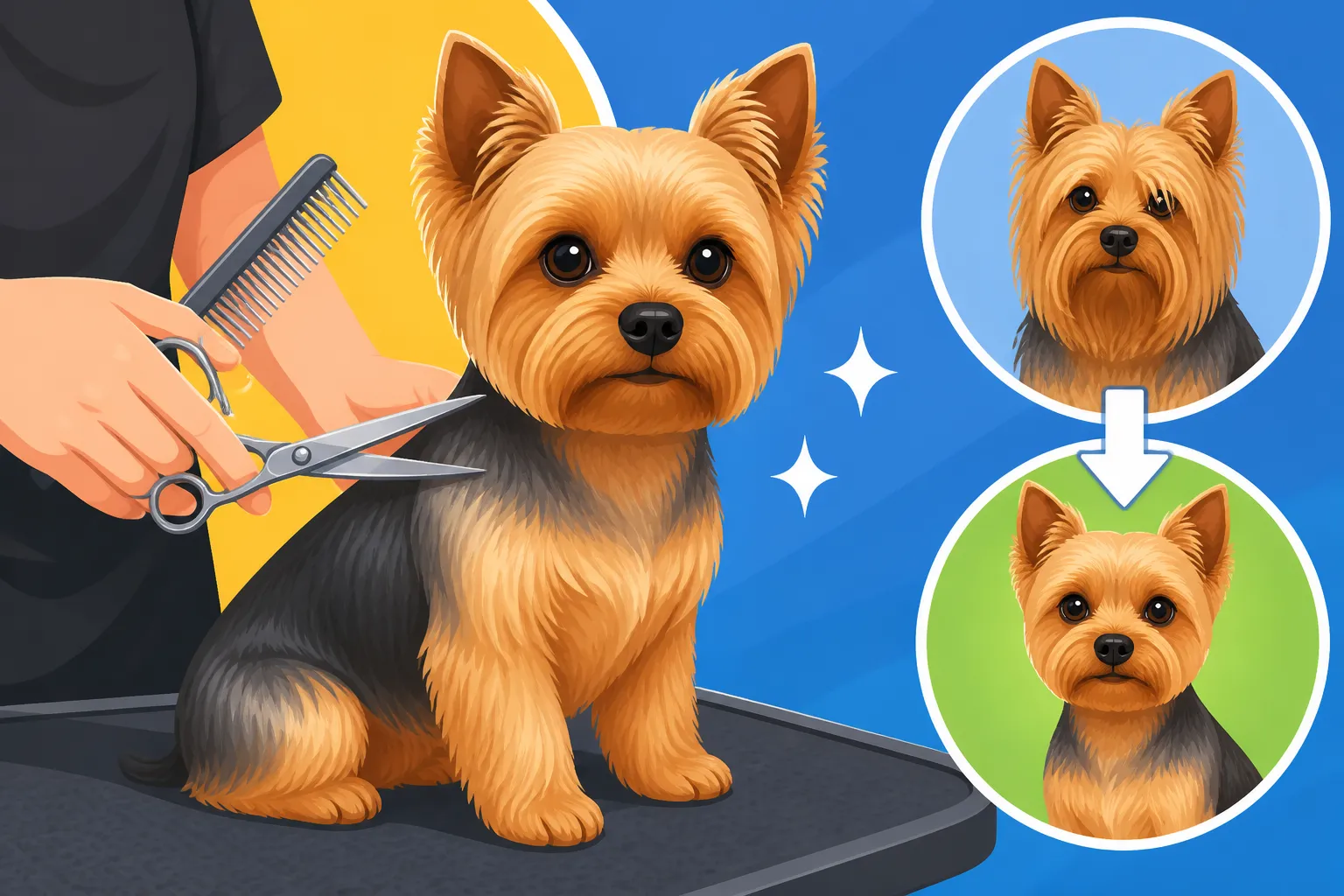
How to Give a Yorkie a Short Cut
As a Yorkshire Terrier parent, you know the struggle: that glorious, silky coat, while beautiful, is a magnet for dirt, tangles, and mats. You spend hours brushing, bathing, and detangling, only for your little fluffball to run through a puddle or roll in the grass, bringing you right back to square one. It’s enough to make even the most dedicated Yorkie owner sigh in exasperation. If you've been dreaming of a simpler, cleaner, and more comfortable life for both you and your furry companion, a short cut might be the perfect solution. This comprehensive guide will walk you through everything you need to know to confidently give your Yorkie a stylish and practical short cut at home, ensuring they look adorable and feel fantastic.
Why a Short Cut is a Great Choice for Your Yorkie
Opting for a short cut isn't just about aesthetics; it brings a wealth of benefits for both your Yorkie's comfort and your peace of mind. While the long, flowing locks are the breed's signature, they're not always the most practical choice for every dog or owner. Sometimes, practicality and comfort simply win out, and there's nothing wrong with that!
Benefits for Maintenance and Comfort
Let's be real: daily grooming of a long-haired Yorkie can feel like a part-time job. Mats form out of seemingly nowhere, especially behind the ears, under the armpits, and on the legs. These aren't just unsightly; they can be incredibly painful for your dog, pulling at their skin and even leading to skin infections if left unchecked. A short cut dramatically reduces the surface area for mats to form, making your life and your Yorkie's far more comfortable.
Imagine your Yorkie running through the yard, their long coat sweeping up every leaf, twig, and speck of mud. A short cut means less debris getting caught in their fur, translating to fewer impromptu baths and less vigorous brushing sessions. This also means less hair around their eyes and mouth, which can sometimes interfere with their vision or get irritatingly wet when they drink. Plus, during warmer months, a shorter coat can make a huge difference in keeping your tiny companion cool and preventing overheating, especially if they love to be outdoors.
Practicality and Lifestyle Considerations
Beyond the immediate comfort, a short cut offers immense practicality for many Yorkie owners. If your Yorkie is an active adventurer who loves hiking, playing at the dog park, or generally being rambunctious, a short coat is far more forgiving. You won't have to worry as much about burrs, sticky sap, or tangled undergrowth getting hopelessly embedded in their precious mane. It allows them to truly embrace their inner terrier spirit without the constant concern of coat damage.
For busy owners, the reduced grooming time is a game-changer. While you'll still need to brush your Yorkie, the frequency and intensity will be significantly less than with a full-length coat. This frees up precious time you can spend playing fetch, going for walks, or simply cuddling on the couch. Moreover, while Yorkshire Terriers are considered a low-shedding breed, a shorter cut can minimize the few loose hairs that do escape, which can be a relief for allergy sufferers in the household. It's about finding a balance between the breed's natural beauty and a lifestyle that works for everyone.
Essential Tools for Giving Your Yorkie a Short Cut
Before you even think about turning on those clippers, having the right arsenal of grooming tools is paramount. Just like a chef needs the right knives, a groomer (even a home groomer!) needs the right equipment to ensure a safe, efficient, and good-looking cut. Skimping on tools can lead to frustration for you and an uncomfortable experience for your Yorkie.
Clipper Selection and Blade Sizes
Choosing the right clippers is the foundation of a successful short cut. For a small breed like a Yorkie, you want clippers that are relatively quiet to avoid startling them, but also powerful enough to go through their silky, fine hair without snagging. Professional-grade clippers like those from Andis or Wahl are often recommended for their durability and performance. You can usually find a great selection of these on sites like Chewy or Amazon, often with different kit options.
When it comes to blades, this is where the "short cut" really takes shape. Blades are numbered, and the higher the number, the shorter the cut. For a typical short body cut on a Yorkie, a #7F blade (meaning "finish" blade, which leaves a smooth, finished look) is a popular choice, leaving about 1/8th of an inch of hair. If you want it a little longer but still very short, a #5F blade (leaving about 1/4th of an inch) might be preferable. For very close work, like the sanitary area or paw pads, a #10 blade (leaving about 1/16th of an inch) is standard. Always have a blade coolant on hand and periodically check the blade temperature against your wrist – hot blades can burn your dog's delicate skin.
Scissor Types and Grooming Products
While clippers do most of the heavy lifting for a short cut, scissors are indispensable for those crucial finishing touches and sensitive areas. You'll want a good pair of blunt-nosed scissors, often called "safety scissors," for trimming around the face, eyes, and paws where a clipper might be too risky. These have rounded tips to prevent accidental pokes. Thinning shears are also incredibly useful for blending any lines left by the clippers, particularly where the shorter body hair meets slightly longer leg or head hair, creating a more natural, seamless look.
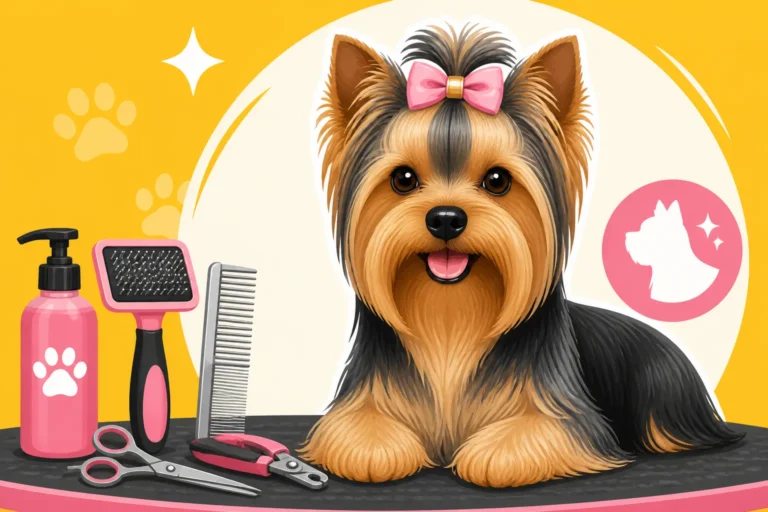
Beyond cutting tools, don't forget the preparatory and finishing products. A high-quality dog shampoo is essential for a clean coat before grooming. Brands like Earthbath or BioSilk make excellent dog shampoos that are gentle on their skin and leave their coat feeling soft. You can often find these readily available on Amazon or Chewy. A good sturdy grooming comb and a pin brush will help detangle and smooth the coat. Don't forget nail clippers and a small bottle of styptic powder (just in case you trim a nail too short and cause a tiny bleed), along with ear cleaner and gentle eye wipes. Having everything organized and within reach before you start will make the process much smoother.
Step-by-Step Guide to a DIY Yorkie Short Cut
Alright, it's time to roll up your sleeves and get down to business! Giving your Yorkie a short cut at home might seem daunting, but by breaking it down into manageable steps and focusing on safety and precision, you'll be amazed at what you can achieve. Remember, practice makes perfect, and your Yorkie's hair always grows back!
Preparing Your Yorkie for Grooming
This is perhaps the most crucial step, and one that many first-time home groomers overlook. You absolutely must start with a clean, dry, and completely tangle-free coat. Trying to clip dirty or matted hair will dull your blades instantly, pull at your dog's skin, and result in an uneven, shoddy cut. Think about it: trying to cut tangled hair with dull scissors is frustrating, and it's even worse for a dog with clippers.
Begin by giving your Yorkie a thorough bath. Use a good quality dog shampoo, lathering gently but completely, and rinse until the water runs clear. Pay extra attention to areas prone to dirt, like their belly and paws. If you need a refresher on the bathing process, check out our guide on How Often to Bathe a Yorkshire Terrier and Best Shampoo for Yorkshire Terriers. After the bath, towel dry them vigorously, then use a hairdryer on a cool or low heat setting, brushing their coat as you dry to ensure it's completely straight and fluffy. A thoroughly brushed and dried coat allows the clipper blades to glide smoothly. For more tips on drying, our post on How to Dry a Yorkie After a Bath has some great advice. Finally, brush every inch of their body with a fine-tooth comb to ensure there are absolutely no knots or mats hiding anywhere. Our article on How to Brush a Yorkie's Coat can guide you further on proper brushing techniques.
Mastering the Clipper Work
Now for the main event: clipping the coat. Ensure your Yorkie is standing comfortably on a non-slip surface, like a grooming table with a non-slip mat, or even a secure bathroom counter. Have all your pre-selected clipper blades and coolant ready. Start with the body, using your chosen blade (e.g., #7F or #5F for a short body cut). Always hold the clipper flat against your Yorkie's skin, moving with the grain of the hair for a smoother, natural finish. If you want an even shorter, clipper-close look, you can go against the grain, but be extra cautious and slow.
Begin at the back of the neck and work your way down the spine, then move to the sides. Use long, even strokes, overlapping each pass slightly to avoid lines. Gently stretch the skin taut in areas like the flanks to ensure a clean cut. When you get to the legs, you can either continue with the same blade for a uniform short look or switch to a longer guard comb or even scissors if you prefer the legs to be a little fluffier. Be incredibly careful around sensitive areas like the armpits and groin. For the sanitary area (under the tail and around the genitals), switch to a #10 blade and proceed with extreme caution, only clipping what's absolutely necessary and making sure not to nick the skin. Regularly check your clipper blades for heat and apply coolant or swap them out if they get too warm. If you're looking for guidance on clipper selection, consider our article on Best Clippers for Grooming a Yorkie.
Finishing Touches with Scissors
Once the majority of the body is clipped, it's time for the detail work with your blunt-nosed scissors and thinning shears. This is where you refine the cut and address the areas where clippers can be tricky or unsafe.
Start with the face. Yorkies are known for their expressive faces, and a short cut often includes a tidy facial trim. Carefully use your blunt-nosed scissors to trim the hair around their eyes, ensuring it doesn't obstruct their vision or irritate their eyes. Some owners prefer a "teddy bear" face, which means leaving the hair a bit longer and rounded around the muzzle, while others prefer a cleaner, shorter look. Gently hold their chin to keep their head still and trim the hair on their muzzle and chin to match the overall length you desire. For detailed tips on eye area grooming, refer to our guide on How to Keep a Yorkie's Face Clean or How to Trim Around a Yorkie's Eyes. Next, move to the paws. Lift each paw and carefully trim any hair growing between the paw pads to prevent slipping and debris accumulation. Then, trim the hair around the edges of the paws, giving them a neat, rounded appearance. Our article on How to Groom a Yorkie's Paws provides more insight into this. Finally, address the ears. You can trim the fringes of their ears to create a clean, sharp line, or leave them slightly longer if that's your preference. For comprehensive ear care, check out How to Clean a Yorkie's Ears. Use your thinning shears to soften any noticeable lines where the clipper-short body hair meets the slightly longer hair on the legs or head, creating a beautifully blended finish.
Maintaining Your Yorkie's Short Cut Between Grooms
Just because your Yorkie has a short cut doesn't mean you can throw out your grooming tools! While certainly less demanding than a full-coat regimen, a short cut still requires consistent upkeep to keep your Yorkie looking their best and feeling comfortable. Regular maintenance is key to prolonging the life of the cut and ensuring their skin and coat remain healthy.
Daily Brushing and Bathing Routine
Even with a short coat, regular brushing every few days is highly recommended. Short hair can still get minor tangles, especially if your Yorkie loves to play. Brushing helps to remove loose hairs, distributes natural skin oils, and stimulates circulation, which contributes to a healthy coat and skin. A good pin brush or a soft slicker brush works wonders on a short Yorkie coat. While you won't need the extensive daily brushing detailed in guides like Daily Grooming Routine for a Long-Haired Yorkie, a quick once-over every couple of days will keep their coat in top condition. Our post on Best Brush for a Yorkshire Terrier can help you pick the perfect one.
Bathing frequency can also be slightly less often with a short cut, perhaps every 2-4 weeks, or as needed if they get particularly dirty. The biggest advantage here is the drying time – a short coat dries significantly faster, making bath time less of a lengthy ordeal for both of you. Remember to use a high-quality dog shampoo that is gentle on their skin. Beyond direct grooming, a balanced diet plays a significant role in coat health, even for a short cut. Consider high-quality dog foods, checking out options on Chewy or fresh meal services like Ollie to ensure they're getting the nutrients for a vibrant coat. For a deeper dive into nutritional needs, our Yorkshire Terrier Feeding Guide by Age offers comprehensive advice.
Addressing Common Challenges and Troubleshooting
Despite your best efforts, you might encounter a few hiccups along the way. Don't worry, even professional groomers have off days! If your first short cut isn't perfectly even, don't panic. Hair grows back, and you'll learn with each attempt. The key is to move slowly and methodically, making sure the blade is always flat against the skin. Uneven cuts often happen when the clipper isn't held consistently or if the coat wasn't perfectly brushed out beforehand.
Clipper irritation or "clipper burn" can happen if blades get too hot, are dull, or if you press too hard. Always monitor blade temperature, use coolant, and give your Yorkie breaks. If you notice any redness or irritation, a soothing pet-safe balm or aloe vera gel can help. If your Yorkie is particularly anxious during grooming, keep sessions short, use lots of positive reinforcement with treats and praise, and consider breaking up the grooming into multiple stages. Sometimes, a short cut reveals minor skin issues that were hidden by longer hair, so keep an eye out for any dryness, flakiness, or redness, and consult your vet if you have concerns. Ultimately, the goal is to make grooming a positive experience. If you find yourself consistently struggling, there's no shame in seeking a professional groomer's help for a clean start or just for periodic touch-ups.
Disclaimer
The information provided in this article is for general informational purposes only and is not a substitute for professional veterinary advice. Always consult with a qualified veterinarian or professional groomer for any health concerns or before making significant changes to your pet's grooming routine. Home grooming carries inherent risks, and caution should always be exercised.