How to Feed a Yorkie Puppy
Bringing home a Yorkshire Terrier puppy is an incredibly exciting time, filled with tiny paws, boundless energy, and an overwhelming sense of joy. But let's be real: those adorable little bundles of fluff also come with a heap of questions, especially when it comes to feeding. Worrying if you're giving them the right food, at the right time, and in the right amounts can be truly stressful, especially with their delicate systems. This comprehensive guide is here to alleviate those anxieties, walking you through every aspect of nourishing your Yorkie puppy so they can grow into a happy, healthy adult.
Understanding Your Yorkie Puppy's Unique Nutritional Needs
Yorkshire Terrier puppies aren't just smaller versions of adult dogs; they have distinct nutritional requirements that are absolutely critical for their development. Their rapid growth rate, combined with their small stature and high metabolism, makes their diet a delicate balance. Ignoring these specific needs can lead to serious health issues down the line, so understanding them is your first step to being a great Yorkie parent.
The Demands of Rapid Growth
Imagine a tiny creature, barely the size of your hand, developing bones, muscles, organs, and a sparkling personality all at once. That's your Yorkie puppy! This incredible period of rapid growth demands a higher caloric intake and a more concentrated balance of nutrients compared to an adult dog. They need ample protein to build strong muscles, a good fat content for energy and healthy skin/coat development, and specific vitamins and minerals for bone density and immune system function. Think of it like building a miniature skyscraper – you wouldn't skimp on the steel and concrete, right? Similarly, their diet must provide all the essential building blocks. Without this targeted nutrition, their development can be stunted, or they might not reach their full growth potential in a healthy way.
Metabolism and Hypoglycemia Risk
One of the most significant concerns for Yorkie puppies, especially those under six months of age, is their incredibly fast metabolism coupled with their small size. These little guys burn through energy reserves at an astonishing rate. Unlike larger breeds, they don't have large glycogen stores in their livers, which are crucial for maintaining stable blood sugar levels. This makes them particularly susceptible to hypoglycemia, or dangerously low blood sugar. When a Yorkie puppy goes too long without food, or doesn't get enough easily digestible calories, their blood sugar can plummet. This isn't just a minor inconvenience; hypoglycemia can quickly become a life-threatening emergency, leading to lethargy, disorientation, tremors, seizures, and even coma. This is why consistent, frequent feedings of high-quality food are not just recommended, but absolutely essential for a Yorkie puppy's survival and well-being. Understanding Yorkie Hypoglycemia: Emergency Signs is paramount for any new Yorkie owner.
Small Size, Big Requirements
It might seem counterintuitive, but these tiny dogs actually require a diet denser in nutrients per pound of body weight than many larger breeds. Their small stomachs mean they can only eat a limited amount at one time, so every bite needs to pack a powerful nutritional punch. This isn't the time for generic, low-quality kibble. A Yorkie puppy's food needs to be specifically formulated for small breed puppies, designed with appropriate kibble size, calorie density, and nutrient ratios to support their unique physiology. Their small mouths and delicate teeth also mean the kibble should be appropriately sized to prevent choking and encourage chewing, which helps with dental health even at a young age.
Choosing the Best Food for Your Growing Yorkie Puppy
Walking down the dog food aisle or browsing online can be completely overwhelming. There are countless brands, formulas, and buzzwords, making it hard to know what's truly best for your precious Yorkie puppy. The good news is, armed with a little knowledge, you can confidently select a diet that will give them the best start in life.
Deciphering Dog Food Labels
The dog food label is like a nutritional roadmap, but you need to know how to read it. The first thing to look for is an AAFCO (Association of American Feed Control Officials) statement. This indicates that the food meets minimum nutritional requirements for a specific life stage. For your puppy, it should clearly state, "Formulated to meet the nutritional levels established by the AAFCO Dog Food Nutrient Profiles for growth and reproduction," or "All Life Stages." Avoid anything that doesn't have this statement, as it hasn't been scientifically validated for complete and balanced nutrition.
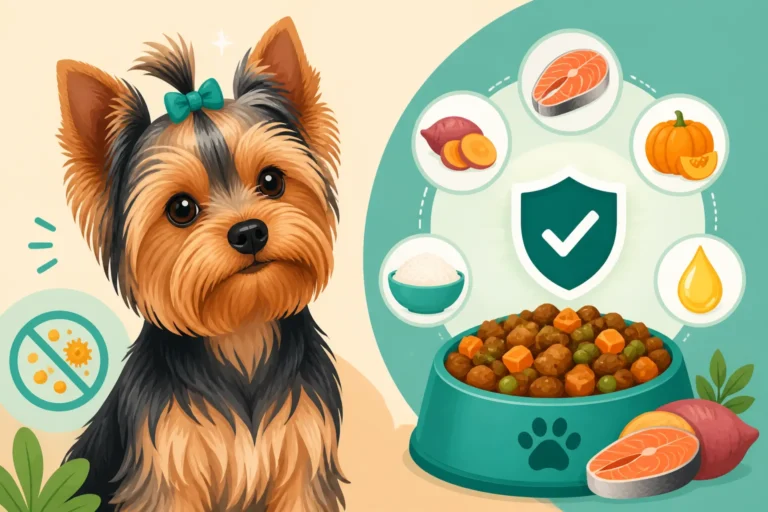
Beyond AAFCO, pay close attention to the ingredient list. Ingredients are listed by weight, so the first few ingredients are the most abundant. You want to see real, identifiable meat as the first ingredient, such as "chicken," "lamb," or "salmon," not vague terms like "meat meal" or "poultry by-product." Look for whole grains (if not grain-free, which is another discussion entirely) like brown rice or oatmeal, and healthy fats such as chicken fat or salmon oil. Avoid artificial colors, flavors, and preservatives, which offer no nutritional value and can sometimes trigger sensitivities. If you're wondering Best Puppy Food for Yorkies, focusing on these label cues will guide you.
Key Ingredients to Look For
When selecting your Yorkie puppy's food, specific nutrients are particularly beneficial:
- High-Quality Animal Protein: This is non-negotiable. Look for deboned chicken, lamb, turkey, or fish as the primary ingredient. Protein is essential for muscle development, tissue repair, and overall growth. Puppies need more protein than adult dogs to fuel their rapid development.
- Healthy Fats (Omega-3 and Omega-6 Fatty Acids): These are vital for brain and eye development, healthy skin, and a shiny coat. Ingredients like salmon oil, flaxseed, and chicken fat are excellent sources. DHA (docosahexaenoic acid), an omega-3 fatty acid, is especially important for cognitive development in puppies.
- Complex Carbohydrates: These provide sustained energy. Sweet potatoes, brown rice, barley, and peas are good sources. For Yorkies, maintaining stable blood sugar is crucial, and complex carbs help with this.
- Vitamins and Minerals: Ensure the food is fortified with a full spectrum of essential vitamins and minerals, including calcium and phosphorus in the correct ratio for bone growth, and antioxidants to support a developing immune system. Many premium puppy foods, like those from Merrick or Blue Buffalo, are carefully formulated to include these in optimal proportions. Brands available on platforms like Chewy often provide detailed nutritional breakdowns, making it easier to compare options.
Wet vs. Dry Food Considerations
Both wet and dry dog foods have their pros and cons for Yorkie puppies:
- Dry Kibble:
- Pros: Helps clean teeth (though not a substitute for brushing), more economical, can be left out longer without spoiling, and often higher in calorie density. The crunchy texture is also satisfying for puppies.
- Cons: Less moisture content, which means you need to ensure your puppy is drinking enough water. Some picky eaters might find it less appealing.
- Recommendation: A high-quality small-breed puppy kibble is generally the foundation of a Yorkie puppy's diet. Look for brands known for their quality ingredients and appropriate kibble size.
- Wet Food:
- Pros: High moisture content (great for hydration), very palatable (ideal for picky eaters), and softer, making it easier for tiny puppy teeth to chew.
- Cons: More expensive, spoils quickly once opened, and doesn't offer the same dental benefits as kibble.
- Recommendation: Wet food can be an excellent topper to entice a picky eater or to add extra hydration and flavor. It can also be a good option for puppies struggling with dental issues or transitioning off milk. Just ensure it's specifically formulated for puppies and not adult dogs.
Many owners opt for a mixed diet, offering kibble as the main meal with a spoonful of wet food or a fresh food topper, like those from Ollie, to boost appeal and nutritional variety. This can be a great way to get the best of both worlds.
Crafting an Optimal Feeding Schedule for Your Yorkie Puppy
Establishing a consistent feeding schedule is one of the most crucial things you can do for your Yorkie puppy's health, particularly because of their susceptibility to hypoglycemia. It’s not just about what they eat, but when and how often. A structured routine provides stability, helps with potty training, and prevents those dangerous blood sugar dips.
Establishing Routine for Young Puppies
For very young Yorkie puppies, especially those between 8 and 12 weeks old, frequent meals are absolutely non-negotiable. Their tiny bodies need a steady supply of energy. Most experts recommend feeding a Yorkie puppy of this age three to four times a day, spaced evenly throughout their waking hours. For example, if your puppy wakes up around 7 AM and goes to bed around 10 PM, you might aim for meals at 7 AM, 11 AM, 3 PM, and 7 PM. This consistent intake helps keep their blood sugar stable and provides the continuous fuel needed for their incredibly fast growth and high energy levels. It’s also important to make sure they're eating the full portion given, or at least a good majority of it, at each meal. If your puppy is reluctant to eat, gently encourage them or consult your vet, as this could be a sign of an underlying issue or potential hypoglycemia.
Adjusting Schedules as They Grow
As your Yorkie puppy matures, their metabolism will stabilize slightly, and their stomachs will grow, allowing them to handle larger meals less frequently.
Here’s a general guideline for adjusting their feeding schedule:
- 8-12 Weeks: 3-4 meals per day.
- 3-6 Months: 3 meals per day.
- 6-12 Months: Transition to 2 meals per day.
This transition should always be gradual. If you're moving from four meals to three, for example, distribute the total daily food amount across the three meals. Watch your puppy closely for any signs of hunger or digestive upset. Every puppy is an individual, so what works for one might need slight adjustments for another. Always monitor their energy levels and stool quality during these transitions. A consistent Yorkie Feeding Schedule by Age will make a world of difference in their overall well-being.
Importance of Consistent Meal Times
Consistency isn't just a suggestion; it's vital. Feeding your Yorkie puppy at roughly the same times each day helps regulate their digestive system, making house training much easier (they'll typically need to go potty shortly after eating). It also reduces anxiety, as they learn when to expect food, minimizing stress-related behaviors. Furthermore, strict meal times teach them that food isn't always available, which can help prevent resource guarding and make them less prone to begging throughout the day. If you free-feed (leaving food out all day), it's much harder to monitor their intake, which can lead to overeating or, conversely, not eating enough if they're picky, increasing the risk of hypoglycemia. Scheduled meals allow you to keep a close eye on their appetite, which is a key indicator of their health.
Here's a sample feeding schedule by age:
| Age of Yorkie Puppy | Meals Per Day | Sample Schedule (approx.) | Notes |
|---|---|---|---|
| 8-12 Weeks | 3-4 | 7 AM, 11 AM, 3 PM, 7 PM | Crucial for preventing hypoglycemia; always have high-quality kibble readily available or use frequent meals. |
| 3-6 Months | 3 | 7 AM, 1 PM, 7 PM | Metabolism is still high; consistent meals are key. |
| 6-12 Months | 2 | 8 AM, 6 PM | Transitioning to adult schedule; monitor appetite and weight. |
| 12+ Months | 2 | 8 AM, 6 PM | Adult feeding schedule. |
Remember, these are general guidelines. Your vet can provide tailored advice based on your puppy's specific needs, activity level, and growth rate.
Mastering Portion Control and Monitoring Your Puppy's Health
Giving your Yorkie puppy the correct amount of food is just as important as feeding them the right food at the right time. Overfeeding can lead to obesity and associated health problems, while underfeeding, especially in small breeds, can quickly lead to hypoglycemia and nutritional deficiencies. It’s a delicate balance that requires observation and regular monitoring.
Determining the Right Amount
The "right" amount of food isn't a one-size-fits-all answer. It depends on several factors:
- Age and Weight: Puppy food bags typically have feeding charts that provide a guideline based on your puppy's current age and anticipated adult weight. Always start with these recommendations.
- Activity Level: A super energetic Yorkie puppy that zips around all day will naturally burn more calories than a more laid-back one. Adjust accordingly, but slowly.
- Metabolism: Just like people, dogs have different metabolisms. Some Yorkies are naturally lean, others tend to put on weight more easily.
- Food's Calorie Content: Different brands and formulas have varying calorie densities. Always check the specific food you're using.
When you bring your puppy home, look at the feeding guide on their current food bag. If you’re switching foods, make sure to follow the new food’s recommendations. It’s a good idea to measure their food precisely using a kitchen scale or a dedicated measuring cup, rather than just eyeballing it. For instance, a Royal Canin Yorkshire Terrier Puppy dry food bag might recommend a certain fraction of a cup per day for a puppy weighing 2-4 lbs. If you have any doubt, always consult your veterinarian. They can help you determine How Much to Feed a Yorkshire Terrier for optimal growth.
Signs of Underfeeding or Overfeeding
Being observant is key to mastering portion control. Your puppy's body condition will tell you if you're on the right track:
-
Signs of Underfeeding:
- Ribs, spine, and hip bones are easily visible and felt without much padding. You should be able to feel their ribs with a thin layer of fat, but not see them clearly.
- Lack of energy or lethargy. This can also be a sign of hypoglycemia, especially in young puppies.
- Failure to gain weight or even weight loss. Regular weigh-ins are crucial.
- Dull coat.
- Constipation or very small, hard stools.
-
Signs of Overfeeding:
- Difficulty feeling ribs or spine. They might feel "padded" or covered in a thick layer of fat.
- Lack of a noticeable waist. When looking down at your puppy, you should see a slight tuck in behind their ribs. From the side, their belly shouldn't sag.
- Lethargy or reluctance to play. While puppies nap a lot, they should also have bursts of high energy.
- Excessive gas or loose stools.
- Rapid weight gain. This is especially concerning in puppies, as it can strain developing joints and set them up for obesity later in life.
If you suspect your puppy is under or overweight, don't drastically change their food intake overnight. Make small, incremental adjustments over several days and monitor their response. For concerns about rapid weight gain, you might consider reading How to Help an Overweight Yorkie.
Regular Weight Checks and Vet Consultations
Regularly weighing your Yorkie puppy is perhaps the most objective way to monitor their growth and ensure you're feeding them correctly. Puppy weight should generally follow a steady upward curve. Many vets recommend weekly or bi-weekly weigh-ins for young puppies. You can use a small pet scale at home or ask your vet if you can pop in for a quick weigh-in between appointments. Keep a log of their weight to track their progress.
Your veterinarian is your best resource for personalized feeding advice. During puppy check-ups, they will assess your Yorkie's body condition score, discuss their growth trajectory, and help you adjust their diet as needed. Don't hesitate to ask them about portion sizes, specific food recommendations, or any concerns you have about your puppy's eating habits or Yorkie Weight: Healthy Range by Age. They can provide invaluable guidance, especially when navigating the various stages of growth.
Tackling Common Yorkie Puppy Feeding Challenges
Even with the best intentions and the perfect food, you might encounter a few bumps in the road when feeding your Yorkie puppy. These little personalities can be particular, and their delicate systems sometimes throw curveballs. Understanding and proactively addressing common feeding challenges will make the experience much smoother for both of you.
Dealing with Picky Eaters
Yorkies, despite their small size, can have surprisingly strong opinions, especially when it comes to their food. A picky eater can be incredibly frustrating and, for a Yorkie puppy, potentially dangerous due to the hypoglycemia risk. If your puppy is suddenly uninterested in food, first rule out any underlying health issues with a vet visit. Once health is cleared, consider these strategies:
- Make Mealtime Exciting: Sometimes it's about presentation. Try adding a small amount of warm water or low-sodium chicken broth to their kibble to soften it and release more aroma. A spoonful of wet puppy food (like Purina Pro Plan wet puppy food, available on Chewy) mixed in can also work wonders. Some pet parents even try fresh food delivery services like Ollie, which offer human-grade, pre-portioned meals that are often highly palatable.
- Establish a Routine (and Stick to It): Offer food at scheduled times, leave it down for 15-20 minutes, and then pick it up, even if they haven't eaten much. Do not offer treats or other food until the next scheduled meal. This teaches them that food is available at specific times, and if they don't eat it, it goes away. It takes consistency and a strong will on your part, but it usually pays off.
- Avoid Constant Food Switching: While tempting to find "the perfect food," constantly changing brands or flavors can sometimes make a puppy pickier or upset their delicate stomach. If you do switch, do it gradually (more on that later).
- Exercise First: A good play session before mealtime can stimulate appetite. Just ensure they're rested a bit before eating, especially if they've been very active.
Managing Dietary Sensitivities
Yorkies, like many small breeds, can be prone to sensitive stomachs or food allergies. Signs of dietary sensitivities often include vomiting, diarrhea, excessive gas, itchy skin, recurring ear infections, or paw licking. If you notice these symptoms, it's crucial to consult your vet.
- Elimination Diet: Your vet might recommend an elimination diet to pinpoint the culprit. This involves feeding a novel protein source (one your dog hasn't eaten before, like duck or venison) and a single carbohydrate source for several weeks, then gradually reintroducing ingredients to see what triggers a reaction.
- Limited Ingredient Diets (LID): Many commercial dog foods are formulated as Limited Ingredient Diets, containing fewer ingredients to reduce the chance of triggering an allergic reaction. Brands like Natural Balance or Zignature offer excellent LID options for puppies.
- Novel Proteins: Some Yorkies do well on foods featuring novel proteins like venison, duck, or even kangaroo, as these are less likely to have been exposed to commonly allergenic proteins like chicken or beef.
- Probiotics: Sometimes, a sensitive stomach isn't a true allergy but an imbalance in gut flora. Your vet might suggest a puppy-safe probiotic supplement to help rebalance their digestive system. You can also look for puppy foods that include prebiotics and probiotics.
Always make dietary changes under the guidance of your veterinarian to ensure your puppy is still receiving complete and balanced nutrition.
Preventing Resource Guarding Around Food
Resource guarding is when a dog becomes possessive of their food, toys, or even people, showing aggression (growling, snapping, biting) if someone approaches. While more common in adult dogs, some puppies can start to show signs. It’s important to address this early and prevent it from escalating.
- "Trade Up" Method: As your puppy eats, approach them and toss a high-value treat (like a tiny piece of cooked chicken or cheese) near their bowl. Do this several times. The goal is for them to associate your approach with something good happening, rather than fear of you taking their food. They learn that your presence means more good things, not less.
- Hand-Feeding: Occasionally hand-feed a portion of their meal. This builds trust and shows them that good things come from your hands, not just from the bowl.
- Avoid Punishing: Never punish your puppy for growling or guarding. This can make the behavior worse, teaching them to hide their warnings and go straight to biting.
- Create a Safe Eating Space: Ensure your puppy has a quiet, undisturbed area where they can eat without feeling threatened by other pets or small children. Using a crate or a designated feeding area can help.
- Supervise Children: Teach children to never bother a dog while it's eating. This is a fundamental safety rule for all dogs, especially puppies who are still learning.
If resource guarding is severe or you feel unsafe, immediately seek help from a professional certified dog trainer or a veterinary behaviorist. Early intervention is crucial for this type of behavior.
Transitioning from Puppy to Adult Food
Your Yorkie puppy won't be a puppy forever! As they reach maturity, their nutritional needs change, and it’s important to transition them to an appropriate adult dog food. Making this switch correctly is key to avoiding digestive upset and ensuring they continue to receive optimal nutrition.
When and How to Make the Switch
Generally, most Yorkshire Terriers are ready to transition from puppy food to adult food around 9 to 12 months of age. Some smaller Yorkies might mature slightly faster, while others might take a little longer. The key indicators are that they’ve reached their adult size, their rapid growth has slowed significantly, and their metabolism isn't quite as frenetic as it was when they were tiny pups. Your vet can confirm the best timing based on your individual Yorkie’s development.
The transition process itself should always be gradual. An abrupt change in diet can lead to stomach upset, diarrhea, and vomiting, which is the last thing you want for your delicate Yorkie. A slow transition allows their digestive system to adjust to the new ingredients and nutrient profile.
Gradual Introduction for Digestive Health
The recommended method for switching food is to do it over 7 to 10 days, slowly increasing the amount of new food while decreasing the old food. Here’s a typical schedule:
- Days 1-2: 75% old food, 25% new food
- Days 3-4: 50% old food, 50% new food
- Days 5-6: 25% old food, 75% new food
- Days 7-10: 100% new food
Throughout this process, keep a close eye on your Yorkie’s stool consistency and overall demeanor. If you notice any signs of digestive upset (like loose stools or vomiting), slow down the transition. Go back to the previous ratio for a few more days before trying to increase the new food again. Some sensitive pups might need an even longer transition period, perhaps 10-14 days. If your pup continues to experience issues, consult your vet; the new food might not be suitable for them. You might find more detailed information in How to Switch a Yorkie's Food.
Choosing an Appropriate Adult Formula
Just as with puppy food, choosing the right adult formula is crucial. Look for a high-quality small breed adult dog food. Why small breed? Because these formulas are designed with appropriately sized kibble, and they usually have a calorie density suited for the slightly lower metabolic needs of adult small breeds compared to their puppy stage, but still higher than large adult dogs.
Key things to look for in an adult food for your Yorkie:
- Real Meat First Ingredient: Continue to prioritize a named meat source (chicken, lamb, salmon) as the first ingredient.
- Balanced Nutrients: Ensure it's a complete and balanced diet, still bearing that all-important AAFCO statement for adult maintenance.
- Age-Appropriate: Avoid "all life stages" food unless specifically recommended by your vet, as the nutrient levels might be too high for a maturing adult Yorkie.
- Consider Specific Needs: If your Yorkie developed any sensitivities as a puppy, continue to look for limited ingredient diets or novel protein sources. If they have dental issues, consider foods designed to support dental health. Brands like Hill's Science Diet, Royal Canin, or even fresh food options from Ollie can offer excellent adult formulas tailored to small breeds. When shopping on sites like Amazon or Chewy, you can easily filter by breed size and life stage to find suitable options.
Hydration: An Often Overlooked Component of Puppy Health
We spend so much time talking about food, but water is equally, if not more, vital for your Yorkie puppy's health. Especially for small breeds prone to conditions like kidney issues or bladder stones, proper hydration cannot be stressed enough. It plays a role in every bodily function, from digestion and nutrient absorption to temperature regulation and organ function.
Why Water Intake is Crucial
Water does so much for your little Yorkie. It helps transport nutrients to cells, aids in flushing out toxins from the kidneys, lubricates joints, and helps regulate body temperature. For Yorkie puppies, adequate hydration is particularly important because:
- Digestive Health: Water is essential for proper digestion and helps prevent constipation. If a puppy isn't drinking enough, their stool can become hard and difficult to pass.
- Kidney Function: Good water intake helps keep the kidneys healthy, allowing them to efficiently filter waste products from the blood. This can be especially important given the predisposition of Yorkies to certain genetic conditions that can affect kidney or liver function.
- Preventing Dehydration: Puppies are more susceptible to dehydration than adult dogs, especially if they're playing hard, during hot weather, or if they experience any vomiting or diarrhea. Dehydration can quickly become serious for a small puppy.
- Supporting Metabolism: Water is involved in all metabolic processes, ensuring their tiny engines run smoothly and efficiently.
Understanding How Much Water Should a Yorkie Drink is a good starting point, but always prioritize constant access.
Ensuring Constant Access to Fresh Water
Providing continuous access to fresh, clean water is non-negotiable for your Yorkie puppy. Here’s how to ensure they stay well-hydrated:
- Multiple Water Bowls: Place several water bowls around your home, especially in areas where your puppy spends a lot of time (e.g., near their food bowl, in their play area, near their crate). This makes it convenient for them to drink whenever they feel thirsty.
- Cleanliness is Key: Wash water bowls daily with soap and hot water. Algae, bacteria, and dust can accumulate quickly, making the water unappetizing or even unhealthy. Stainless steel or ceramic bowls are often preferred over plastic, which can harbor bacteria.
- Fresh Water Daily: Always provide fresh water. Don't just top up old water; completely empty, clean, and refill the bowls every day.
- Travel Water: When you take your Yorkie puppy out, always carry a travel water bottle and a collapsible bowl. Even short outings can lead to thirst, especially on warmer days.
- Consider a Water Fountain: Some Yorkies are enticed by the running water of a pet drinking fountain, which can encourage them to drink more. The filtration systems in these fountains also help keep the water clean.
Recognizing Dehydration Signs
It's vital to know the signs of dehydration in your Yorkie puppy so you can act quickly if needed. Remember, for a tiny puppy, dehydration can escalate rapidly.
Look out for these symptoms:
- Lethargy or weakness: Your puppy seems unusually tired or less energetic.
- Sunken eyes: Their eyes might appear recessed or dull.
- Dry, sticky gums: Healthy gums should be moist and pink. If they're tacky or pale, it's a red flag.
- Loss of skin elasticity: Gently pinch the skin on their back or neck. If it doesn't snap back into place quickly (within a second or two), they might be dehydrated.
- Reduced urination: You might notice fewer wet spots from potty breaks.
- Panting: Excessive panting, even when not hot or exercising, can be a sign.
If you suspect your Yorkie puppy is dehydrated, contact your veterinarian immediately. They may need subcutaneous fluids to quickly rehydrate them, especially given their small size and vulnerability. Don't try to force-feed water; this could be dangerous. Your vet will provide the safest and most effective course of action.
Disclaimer
The information provided in this guide is for general educational purposes only and should not be considered a substitute for professional veterinary advice. Always consult with your veterinarian for any health concerns or before making any significant changes to your Yorkshire Terrier puppy's diet, care, or medical treatment. Individual needs may vary.