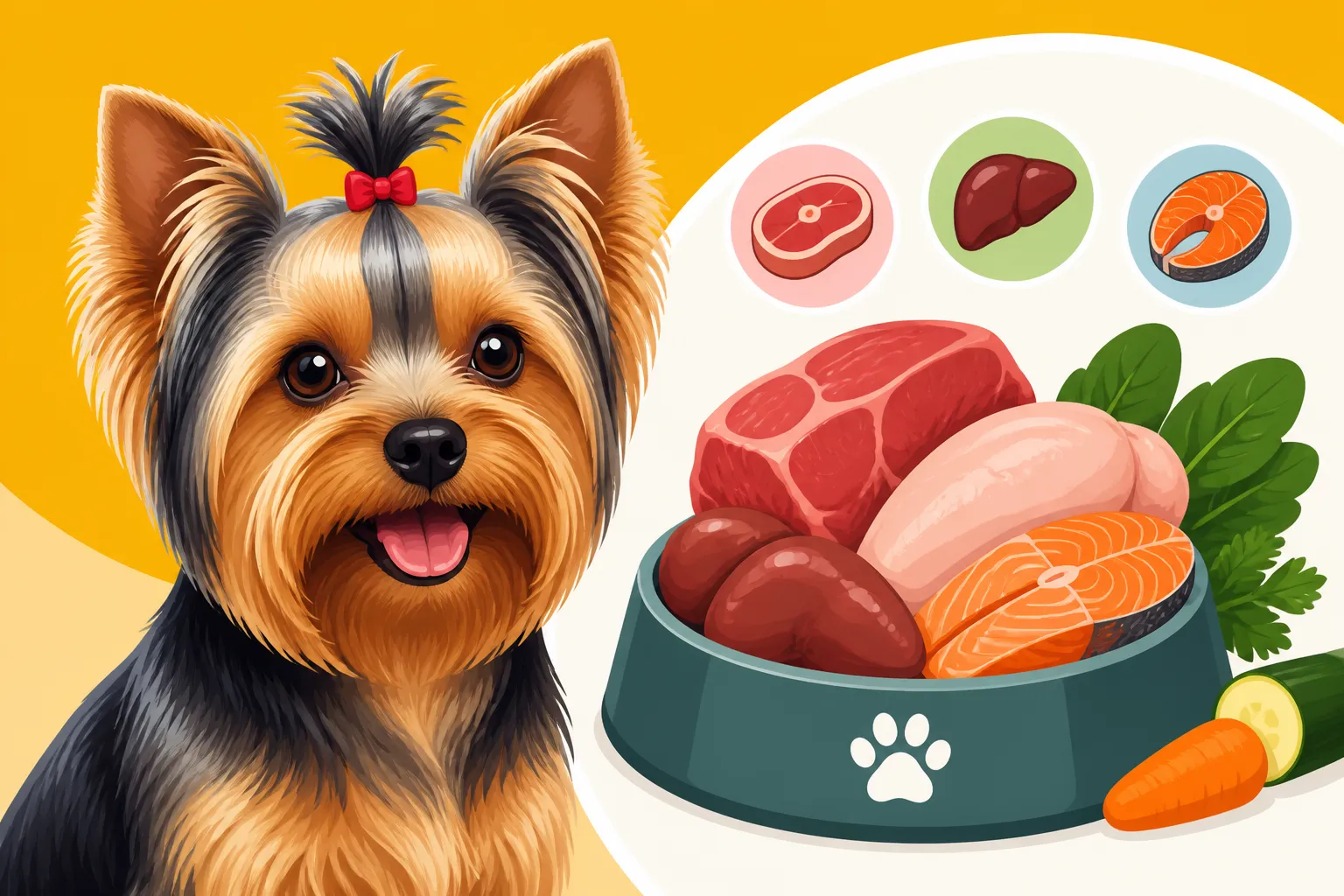
Yorkshire Terrier Raw Diet
It’s understandable to feel overwhelmed when researching the best diet for your beloved Yorkshire Terrier. With so much conflicting information out there, especially around "raw feeding," it can be tough to know if you’re making the right choice for your little companion’s health and longevity. This comprehensive guide will cut through the noise, explaining exactly what a raw diet entails for Yorkies, its potential benefits and risks, and how to approach it safely and knowledgeably.
Understanding the Raw Diet for Yorkshire Terriers
When we talk about a raw diet for Yorkshire Terriers, we’re generally referring to a diet composed primarily of uncooked meat, bones, and organs, often supplemented with fruits, vegetables, and other natural ingredients. This approach aims to mimic the ancestral diet of canids, which would have consisted of prey animals in their natural, unprocessed state. The idea is that dogs, even tiny ones like our Yorkies, are genetically designed to thrive on such a diet, rather than heavily processed kibble.
What Constitutes a Raw Diet
A truly balanced raw diet, sometimes referred to as BARF (Biologically Appropriate Raw Food or Bones And Raw Food), is more than just throwing some raw chicken at your pup. It's a carefully calculated mix of various components to ensure complete nutrition. The exact ratios can vary, but generally, it involves a substantial percentage of muscle meat, a smaller portion of edible bones, and an even smaller amount of organ meats. The remaining portion typically consists of a variety of fresh vegetables and fruits, sometimes with added supplements like fish oil for Omega-3s.
For a small breed like a Yorkshire Terrier, the size and type of bones are particularly important – you wouldn't give a large marrow bone to a tiny Yorkie, for instance. Instead, small, soft, edible bones like chicken necks or wings are often used, always under supervision to prevent choking or injury. The muscle meat can come from various sources like chicken, beef, lamb, turkey, or even more exotic proteins, offering a diverse range of nutrients. Organ meats like liver and kidney are vital as they are packed with vitamins and minerals that muscle meat alone can’t provide. Many raw feeders meticulously plan their Yorkie's meals, often purchasing ingredients from local butchers or specialty pet stores that cater to raw feeders.
Common Misconceptions About Raw Feeding
There are quite a few myths swirling around raw feeding that can make new Yorkie parents hesitant. One big one is that all raw diets are inherently dangerous due to bacteria like Salmonella. While it's true that raw meat can harbor bacteria, dogs' digestive systems are different from humans'. They have a much shorter digestive tract and highly acidic stomach acid, which are designed to handle bacteria more effectively. However, proper hygiene is paramount to prevent cross-contamination in your home, just as you would with any raw meat you prepare for yourself.
Another misconception is that raw bones are always dangerous. Cooked bones can splinter and cause severe internal damage, which is why they should never be fed. Raw, edible bones, however, are flexible and digestible, providing crucial calcium and phosphorus. The key is edible bones – those that are appropriately sized and soft enough for your Yorkie to chew and digest safely. Some people also believe that a raw diet is automatically balanced, but this couldn't be further from the truth. A poorly constructed raw diet can be severely lacking in essential nutrients, leading to serious health issues down the line. It's crucial to consult with a holistic vet or experienced raw feeding nutritionist to ensure your Yorkie's diet is complete and balanced. This is a critical step in learning How to Keep a Yorkshire Terrier Healthy.
Benefits and Risks of a Raw Diet for Your Yorkie
Switching to any new diet, especially one as fundamentally different as raw feeding, comes with its own set of potential advantages and disadvantages. For our precious Yorkshire Terriers, weighing these out carefully is essential. We want the best for their tiny bodies and vibrant personalities, so understanding both sides of the coin is paramount.
Potential Benefits
Many proponents of raw feeding for Yorkies report a multitude of positive changes in their dogs. One of the most frequently cited benefits is a noticeable improvement in coat health. Owners often describe their Yorkies developing softer, shinier, and healthier coats, with reduced shedding and less dry skin. This makes sense when you consider the high moisture content and bioavailable nutrients in raw food, which are much easier for a dog's body to absorb compared to dry kibble.
Digestive health is another area where raw diets shine for many Yorkies. If your little one suffers from a sensitive stomach, chronic diarrhea, or frequent vomiting, you might find that a raw diet leads to firmer, less odorous stools and a more regular digestive rhythm. This is attributed to the simpler, more natural ingredients and the absence of fillers, artificial colors, and preservatives often found in commercial kibble. Yorkies prone to Yorkshire Terrier Dental Disease can also benefit from the mechanical action of chewing raw, meaty bones, which helps scrape plaque and tartar from their teeth, promoting better oral hygiene. Beyond these, owners frequently observe increased energy levels, better weight management (especially important for tiny breeds where every ounce counts for Yorkie Weight: Healthy Range by Age), and even a reduction in certain allergy symptoms. The logic is that a species-appropriate diet fuels their body more efficiently, allowing them to thrive.
Inherent Risks and Challenges
Despite the glowing testimonials, raw feeding isn't without its challenges and risks, and it's vital to be realistic about them. The primary concern, as mentioned, is bacterial contamination. While dogs have robust digestive systems, the risk of pathogens like Salmonella and E. coli still exists, both for your Yorkie and for humans in the household, particularly young children, the elderly, or immunocompromised individuals. Strict hygiene practices – washing hands, sanitizing surfaces, and proper food handling – are non-negotiable.
Another significant risk is nutritional imbalance. Crafting a balanced raw diet requires extensive knowledge and commitment. It’s not simply about feeding raw meat; it needs precise ratios of muscle meat, organs, and bones, along with fruits and vegetables, to ensure your Yorkie receives all necessary vitamins, minerals, and macronutrients. Without proper balance, your Yorkie could develop deficiencies or excesses that lead to serious long-term health problems. This is particularly concerning for growing Yorkie Puppy Health Guide. For example, too much bone can cause constipation or impact the gut, while too little calcium can lead to bone deformities. Choking or internal injury from inappropriate bones is also a real danger, especially for small dogs. Lastly, convenience and cost can be deterrents. Raw ingredients can be more expensive than kibble, and preparing meals can be time-consuming. You'll need freezer space, careful meal planning, and a dedication to sourcing quality ingredients.
Here’s a quick comparison of raw vs. kibble to help you visualize the differences:
| Feature | Raw Diet (BARF/Prey Model) | Commercial Kibble (Dry Food) |
|---|---|---|
| Ingredients | Uncooked meat, organs, bones, fruits, vegetables | Processed grains, meat meals, by-products, additives |
| Moisture Content | Very High (70-80%) | Low (5-10%) |
| Processing | Minimal (chopping, grinding) | Extensive (extrusion, high heat) |
| Nutrient Bioavailability | Generally High, natural enzymes present | Variable, some nutrients lost in processing |
| Hygiene Risk | Higher due to raw meat bacteria | Lower due to cooking and dry state |
| Preparation Time | High (meal prep, portioning) | Low (scoop and serve) |
| Cost | Often Higher | Generally Lower |
| Dental Benefits | Chewing raw bones can aid dental health | Minimal, some specific dental kibbles available |
| Digestion | Often leads to smaller, firmer stools | Variable, can cause larger, softer stools |
Safely Implementing a Raw Diet for Your Yorkie
Deciding to go raw for your Yorkshire Terrier is a significant commitment, and doing it safely is paramount. It's not a decision to be taken lightly or implemented haphazardly. The goal is to nourish your Yorkie, not put them at risk. This means understanding the proper steps, from transitioning to sourcing and hygiene.
Gradual Transition and Meal Planning
You can't just switch your Yorkie from kibble to raw overnight. Their digestive system needs time to adjust to a completely different type of food. A gradual transition helps prevent digestive upset like diarrhea or vomiting. Start by replacing a very small portion of their regular food with raw, increasing the raw component slowly over a week or two. Some owners find mixing raw with kibble works, while others prefer to feed raw meals at separate times from kibble meals. Observe your Yorkie closely for any signs of distress or allergic reactions during this period.
Once fully transitioned, meticulous meal planning is essential. As tiny dogs, Yorkies have unique nutritional requirements, and imbalances can occur quickly. A common recommendation is the 80/10/5/5 rule: 80% muscle meat, 10% edible bone, 5% liver, and 5% other secreting organs (like kidney or spleen). The remaining small portion would be a variety of dog-safe fruits and vegetables for fiber and additional vitamins. For a Yorkie, this means incredibly small, precise measurements. You’ll need a good kitchen scale. It’s also wise to rotate protein sources (chicken, beef, lamb, turkey) to ensure a broad spectrum of nutrients and prevent the development of sensitivities. Websites like Ollie, known for its fresh, human-grade pet food, offer a variety of customized meal plans that often incorporate raw or gently cooked components, which can be a good starting point for busy owners looking for convenience and balance. Remember that a Yorkie puppy's needs will differ from an adult's, so adjust proportions and caloric intake as per a Yorkshire Terrier Feeding Guide by Age.
Sourcing Ingredients and Maintaining Hygiene
The quality and source of your raw ingredients are critical. Always opt for human-grade meat and organs. You can purchase these from local butchers, farmers' markets, or reputable grocery stores. Look for sources that provide information on how the animals were raised and processed. For convenience, many pet supply retailers, like Chewy, now offer a wide selection of frozen raw pet food options from various brands that formulate complete and balanced meals, taking some of the guesswork out of it. These pre-prepared raw foods can be an excellent option, especially when you're first starting, as they are typically balanced and ready to serve. Just make sure to read labels carefully to ensure they meet your Yorkie’s needs.
Hygiene is non-negotiable when handling raw meat. Treat your Yorkie's raw food just as you would raw meat for your family:
- Storage: Keep raw food frozen until ready to use, then thaw in the refrigerator, not on the counter.
- Preparation: Use a designated cutting board, knives, and bowls for raw meat.
- Cleaning: Thoroughly wash all utensils, bowls, and surfaces with hot, soapy water immediately after use.
- Handling: Wash your hands thoroughly before and after handling raw food.
- Feeding: Don't leave raw food out for extended periods. If your Yorkie doesn't finish it within about 30 minutes, discard it.
- Waste Disposal: Dispose of uneaten food and feces promptly and hygienically.
These practices minimize the risk of bacterial contamination for both your Yorkie and your family. If you're wondering How Much to Feed a Yorkshire Terrier on a raw diet, remember it's highly dependent on their weight, activity level, and age.
Addressing Common Raw Feeding Concerns
Even after learning the basics, you might still have lingering questions and concerns about feeding your Yorkshire Terrier a raw diet. That's perfectly normal! It’s a big shift from conventional feeding, and you want to ensure you're making the absolute best choices for your little one. Let’s tackle some of the most frequent worries.
Nutritional Adequacy and Supplementation
One of the biggest anxieties for new raw feeders is whether their Yorkie is getting all the necessary nutrients. This is a valid concern because, as discussed, an improperly formulated raw diet can lead to significant health problems. The good news is that a well-researched and varied raw diet can be nutritionally complete. The key here is "well-researched." Simply feeding chicken breast and rice won't cut it. You need the right balance of muscle meat, bone, and organs, as these provide the crucial vitamins and minerals that Yorkies need to thrive. For instance, liver is a powerhouse of Vitamin A, while kidney offers a good dose of B vitamins.
Many raw feeders choose to add supplements to their Yorkie's diet to ensure complete coverage, especially when starting out or if their dog has specific health needs. Common supplements include fish oil (for essential Omega-3 fatty acids, great for skin and coat), a good probiotic (for gut health, which is vital for digestion and immunity), and sometimes a multivitamin specifically designed for raw-fed dogs. Calcium and phosphorus ratios are particularly important, as these are critical for bone health, especially in small breeds like Yorkies who can be prone to conditions like Yorkshire Terrier Patellar Luxation. Consulting with a veterinarian who is knowledgeable in canine nutrition or a certified canine nutritionist is highly recommended to help you formulate a truly balanced diet and decide if supplementation is necessary. They can help you tailor the diet to your individual Yorkie’s needs, taking into account their age, activity level, and any existing health conditions.
Cost and Time Commitment
Let’s be honest, raw feeding can seem daunting when it comes to both your wallet and your schedule. It’s true that quality raw ingredients can be more expensive than a bag of conventional kibble. The price per pound for human-grade meats, organs, and bones often adds up, and for a small dog like a Yorkie, while they eat less in volume, the relative cost can still feel higher. However, many owners find ways to manage costs by buying in bulk from local farms or co-ops, looking for sales, or utilizing subscription services that deliver pre-portioned, balanced raw meals to their door. Brands like Ollie, mentioned earlier, or even selecting raw food options available through Amazon, can offer convenience, but it's worth comparing prices and ingredients carefully.
Beyond the monetary cost, there’s the time commitment. Unlike scooping dry kibble into a bowl, raw feeding typically involves:
- Shopping: Sourcing specific cuts of meat, organs, and bones.
- Preparation: Portioning, grinding (if you choose to grind bones or meat), and mixing ingredients.
- Storage: Ensuring adequate freezer space for bulk purchases and prepared meals.
- Hygiene: Diligent cleaning after every meal prep and feeding session.
For a busy individual, this can feel like a lot. However, many raw feeders develop efficient routines, preparing meals in large batches once a week or month and freezing them. This "meal prep" approach can significantly reduce the daily time commitment. For some, the perceived health benefits for their Yorkie are well worth the extra effort and expense, considering it an investment in their dog’s long-term health, potentially reducing future vet bills by preventing some Yorkshire Terrier Health Problems to Know.
Practical Challenges and Troubleshooting
You might encounter a few bumps in the road when first starting a raw diet for your Yorkie. For example, some Yorkies can be notoriously picky eaters. If your Yorkie is typically fussy and you've had trouble getting them to eat even Best Dog Food for Yorkshire Terriers in the past, transitioning to raw might present its own challenges. You might need to experiment with different protein sources or textures. Gently warming the raw food (never cooking it!) can sometimes make it more appealing by releasing aromas. For a Picky Yorkie, patience and persistence are key.
Another challenge can be managing the occasional digestive upset, especially during the transition period. Loose stools are common initially as your Yorkie’s gut adjusts. If this persists, or if you notice Yorkie Emergency Symptoms to Never Ignore like lethargy, severe vomiting, or prolonged diarrhea, it's crucial to consult your vet immediately. Sometimes, a temporary reduction in bone content or the addition of digestive enzymes can help. Ensuring your Yorkie is properly hydrated is also vital, though raw food itself contains a lot of moisture.
Finally, navigating social situations where friends or family might be skeptical of your feeding choices can be a challenge. Be prepared to politely explain your rationale and the precautions you take. Ultimately, the decision rests with you and your vet, based on what you believe is best for your beloved Yorkshire Terrier.
Disclaimer
The information provided in this guide is for informational purposes only and is not intended to be a substitute for professional veterinary advice. Always consult with a qualified veterinarian or a certified canine nutritionist before making any significant changes to your Yorkshire Terrier's diet, especially when considering a raw food diet, to ensure it meets their specific nutritional needs and health requirements.