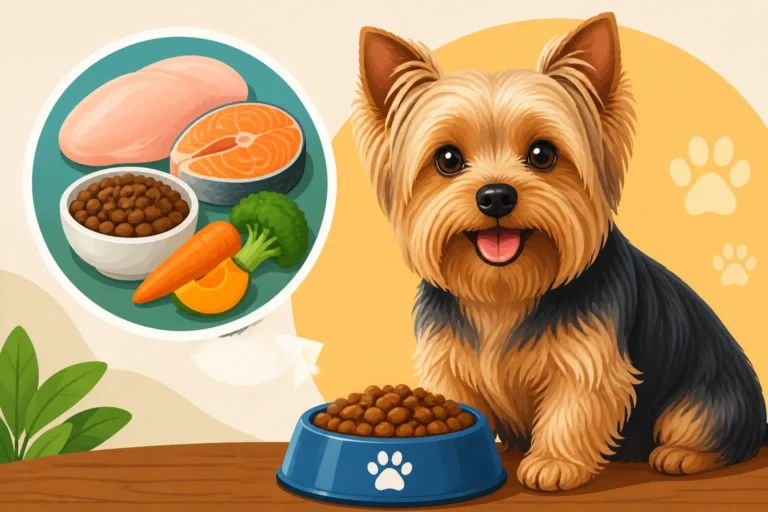
Yorkshire Terrier Homemade Food
Many Yorkie parents feel a pang of worry every time they scoop kibble into their beloved pet's bowl. You want to know exactly what your little companion is eating, free from mystery ingredients and fillers, especially if they have sensitivities or are a picky eater. While fantastic fresh-cooked delivery services like Ollie are becoming popular, sometimes you crave even more control. This comprehensive guide will walk you through everything you need to know about preparing delicious, nutritious, and safe homemade food for your Yorkshire Terrier, giving you peace of mind and your Yorkie a happy, healthy mealtime.
Why Consider Homemade Food for Your Yorkie?
It's completely understandable to feel concerned about what's in your Yorkie's bowl. With so many commercial dog food options on the market, it can be overwhelming to decipher ingredient lists, worry about recalls, or find a formula that truly suits your sensitive little one. The thought of taking nutrition into your own hands often stems from a deep desire to provide the absolute best, ensuring every bite contributes positively to their health and happiness.
The Allure of Fresh Ingredients
The appeal of fresh, whole foods for humans extends naturally to our furry family members. When you prepare meals for your Yorkshire Terrier at home, you get to hand-pick every single component, ensuring high-quality proteins, fresh vegetables, and beneficial grains without any mystery additives. This contrasts sharply with many commercial pet foods, which can sometimes contain rendered animal by-products, artificial colors, or preservatives that many pet parents actively seek to avoid. Think about it: when you cook for yourself, you know precisely what’s going into your body. The same principle applies here, allowing you to provide a diet that feels truly wholesome, transparent, and undeniably fresh.
For a small breed like a Yorkshire Terrier, every ingredient matters even more. Their tiny digestive systems can be quite sensitive, and filler-heavy kibble might lead to uncomfortable digestive upset, excessive gas, or even irritating skin issues. By opting for homemade, you're embracing a diet that is often much easier to digest, leading to better nutrient absorption and overall vitality. You might quickly notice a shinier, healthier coat, more consistent energy levels throughout the day, and smaller, firmer stools, all of which are wonderful indicators of a well-nourished and thriving pup.
Beyond the physical benefits, there's an incredibly rewarding aspect to preparing your Yorkie's meals. It transforms mealtime from a mundane routine into a genuine act of care and can even become a wonderful bonding experience. The sheer joy of seeing your little companion eagerly devour a meal you’ve lovingly prepared, knowing it’s packed with goodness and tailored just for them, is truly unmatched. This hands-on approach gives you a deeper, more intimate connection to their health and well-being.
Addressing Specific Health Needs
One of the most compelling advantages of a homemade diet is the unparalleled ability to tailor it precisely to your Yorkie's individual needs. Many Yorkshire Terriers are unfortunately prone to various health issues, including Yorkshire Terrier Health Problems to Know, which often manifest as food sensitivities or allergies to common ingredients like chicken, corn, or soy. With homemade meals, you have complete and total control over what goes into their bowl. If your Yorkie has a particularly sensitive stomach, you can easily select novel proteins like lean ground turkey or fish and gentle, easily digestible carbohydrates like sweet potato or rice, completely bypassing potential irritants often found in mass-produced kibble. This level of customization is simply impossible to achieve with most off-the-shelf dog food options.
Consider a Yorkie who is constantly scratching, chewing at their paws, or developing persistent skin rashes—classic signs of Yorkie Allergies: Signs and Relief. Switching to a limited-ingredient homemade diet, always under veterinary guidance, can often be a truly life-changing solution. You can systematically introduce ingredients one by one, pinpointing exactly what works for your pup and, more importantly, what doesn’t, thereby significantly mitigating allergic reactions. For instance, if you suspect beef causes an issue, you can simply substitute it with lamb or duck without the frustrating search for an entirely new specialty kibble. The flexibility is a huge stress reliever for pet parents.
Beyond managing allergies and sensitivities, homemade food can be immensely beneficial for addressing and supporting other specific health conditions. For Yorkies prone to Yorkie Dental Disease Prevention, a homemade diet can allow for the inclusion of certain textures or specific dental-supporting supplements more easily than with kibble. If your beloved senior Yorkie needs fewer calories to maintain a healthy weight but requires more joint support, you can precisely adjust the fat content and add ingredients like green-lipped mussel powder or turmeric directly into their meals. This incredible precision empowers you to actively support your Yorkie's long-term health and address concerns proactively, rather than constantly reacting to new symptoms.
Essential Nutrients and Ingredients for Yorkie Homemade Meals
Embarking on the homemade food journey for your Yorkie is exciting, but it’s crucial to understand that simply combining a few "healthy" ingredients isn't enough. Creating a truly complete and balanced diet requires careful attention to macronutrient ratios and essential micronutrients. This is a critical step that ensures your tiny companion gets everything they need to thrive.
Balancing Macronutrients for Tiny Tummies
Crafting a balanced homemade diet for your Yorkie isn't just about throwing a few wholesome ingredients together; it absolutely demands careful consideration of their macronutrient needs. Just like us, dogs require a specific ratio of proteins, fats, and carbohydrates to thrive. For an active, energetic small breed like a Yorkie, high-quality protein is paramount for maintaining healthy muscle mass, supporting organ function, and promoting overall health. Excellent choices include lean meats such as thoroughly cooked and boneless chicken, turkey, beef, and lamb. You can also incorporate small amounts of cooked organ meats like liver, fed sparingly, for an incredible nutrient boost.
Healthy fats are equally crucial, serving as a concentrated energy source, supporting luscious skin and coat health, and facilitating the absorption of fat-soluble vitamins. Good sources include omega-3 rich fish oils (like salmon oil), cooked egg yolks, and even tiny amounts of certain plant-based oils like flaxseed oil. It’s vitally important to remember that Yorkies can be prone to conditions such as pancreatitis, so the fat content in their diet needs to be managed with great care. A general guideline is to keep fat levels moderate, but always, always consult with your veterinarian or a certified canine nutritionist to determine the ideal levels for your specific dog, as individual needs can vary.
Carbohydrates provide sustained energy and essential fiber for digestive health. Excellent options include thoroughly cooked sweet potatoes, brown rice, rolled oats, pureed pumpkin, and green beans. These ingredients should always be cooked until soft to ensure optimal digestion for your Yorkie's delicate system. While it's a common misconception that all dogs require a lot of grains, some Yorkies do perfectly fine with them, while others might thrive on lower-carb vegetable options. The true key is balance and ensuring a good variety of nutrients over time, preventing any single deficiency. Remember, even with homemade food, your Yorkie still needs a specific Yorkie Feeding Schedule by Age to help maintain stable blood sugar levels and consistent energy, especially when they are growing puppies.
Key Vitamins and Minerals
This is perhaps the most challenging aspect of homemade feeding and where many well-meaning pet parents can inadvertently fall short. While fresh ingredients are fantastic, they don't automatically provide all the necessary vitamins and minerals in the precise ratios required for a dog, especially a small breed like a Yorkie with unique metabolic needs. A diet consistently lacking in essential micronutrients can unfortunately lead to serious, long-term health issues that might not become apparent until much later. This is precisely why input from a veterinary nutritionist is invaluable; they can help you formulate a truly complete and balanced meal plan that leaves no stone unturned nutritionally.
Common deficiencies that can arise from unbalanced homemade diets often include calcium (which is critical for strong bones and can lead to severe issues if lacking), phosphorus (which needs to be perfectly balanced with calcium), and vital trace minerals such as zinc, copper, and iodine. For instance, simply feeding cooked chicken and rice, while seemingly healthy on the surface, will be severely lacking in calcium, potentially leading to demineralization of bones and other skeletal problems over time. To effectively combat these potential gaps, a high-quality canine-specific vitamin and mineral supplement designed for homemade diets is not just recommended, but often absolutely necessary. Brands like Balance IT or Dr. Harvey's offer excellent formulations that are specifically designed to fill these nutritional gaps, and you can often find them readily available on trusted platforms like Amazon or Chewy.
And let's not forget the crucial role of probiotics and prebiotics! A healthy gut microbiome is fundamental for overall immunity, efficient nutrient absorption, and even a good mood. Incorporating small amounts of plain, unsweetened yogurt (if your Yorkie doesn't show signs of lactose intolerance), kefir, or a canine-specific probiotic supplement can significantly support their digestive health. Vegetables like asparagus or bananas can also provide beneficial fiber, acting as natural prebiotics. Embracing this holistic approach ensures you’re not just providing a meal, but a comprehensive nutritional strategy that supports every aspect of your furry friend's health.
Ingredients to Absolutely Avoid
While you’re enthusiastically focusing on what wonderful ingredients to include in your Yorkie’s homemade meals, it’s equally, if not more, critical to know what to absolutely exclude. There's a surprisingly long list of human foods that are toxic or harmful to dogs, and tiny Yorkies are particularly susceptible due to their small size and rapid metabolism. Things like chocolate (even a tiny piece), xylitol (a common artificial sweetener found in sugar-free gum, candies, and some peanut butters), grapes and raisins, onions, garlic, and macadamia nuts are absolute no-gos. Even a small amount of these can cause severe illness, kidney failure, or even be fatal. It’s absolutely crucial to educate yourself thoroughly on Toxic Foods for Yorkies to Avoid before you even think about starting a homemade diet journey.
Cooked bones are another major hazard that many people overlook. While raw bones can be part of some raw feeding diets (which require very specific knowledge and strict safety protocols), cooked bones become incredibly brittle and can easily splinter. These splinters pose a serious choking risk, can cause painful internal damage, perforations, or dangerous blockages in your Yorkie’s delicate digestive tract. Always meticulously remove all bones from any meat before cooking and serving it to your pup. Additionally, high-fat foods, overly salty items, and excessive dairy can all cause severe gastrointestinal upset or even trigger life-threatening pancreatitis in Yorkies, so these should be avoided entirely or given only in extremely limited, veterinarian-approved quantities.
Finally, be acutely aware of certain common household pantry items that might seem completely innocuous to us. Yeast dough, for instance, can tragically rise in a dog's stomach, causing painful bloating, severe discomfort, and potentially even alcohol toxicosis. Alcohol itself, even in minuscule amounts found in leftover drinks or fermented foods, is highly toxic to dogs. Coffee, tea, and other caffeinated products can cause hyperacidity, heart problems, and seizures. To prevent any accidental ingestion of harmful ingredients, it's always best to prepare and store your Yorkie’s food separately from your own meals. When in any doubt about an ingredient, it’s always, always safer to err on the side of caution and simply skip it entirely.
| Category | Recommended Ingredients | Notes |
|---|---|---|
| Proteins | Lean ground chicken, turkey, beef, lamb (cooked, boneless), cooked white fish, eggs. | Always cook thoroughly. Remove all bones. Organ meats (like liver) can be fed sparingly as a nutrient boost. |
| Carbohydrates | Cooked sweet potato, brown rice, oatmeal, quinoa, pumpkin (plain, pureed). | Cook all until soft for easy digestion. Avoid raw grains. Excellent sources of energy and dietary fiber. |
| Vegetables | Green beans, carrots, peas, spinach, zucchini, broccoli (steamed, finely chopped). | Offer a wide variety for diverse vitamins, minerals, and antioxidants. Ensure they are soft and easy to chew/digest for tiny mouths. |
| Healthy Fats | Fish oil (e.g., salmon oil), flaxseed oil, cooked egg yolks. | Essential for a healthy, shiny coat and sustained energy. Introduce carefully and in moderation to help prevent issues like pancreatitis. |
| Supplements | Canine-specific vitamin/mineral supplement, probiotics, joint support. | CRITICAL for a truly balanced homemade diet. Always consult a vet or nutritionist for proper formulation guidance. Brands like Balance IT are specifically designed for homemade meals. |
| Hydration | Fresh, clean water at all times. | Absolutely vital for overall health and bodily functions. Ensure constant access to fresh water, especially with a fresh food diet which may contain more moisture than dry kibble. |
Getting Started with Homemade Yorkie Food: Recipes and Preparation
The idea of making your Yorkie’s food can feel a bit daunting at first, especially when you’re worried about getting the nutritional balance just right. But with a few simple recipes and a little bit of planning, it becomes a truly manageable and enjoyable part of your routine. The key is to start simple and scale up as you gain confidence.
Sample Homemade Recipes for Your Yorkie
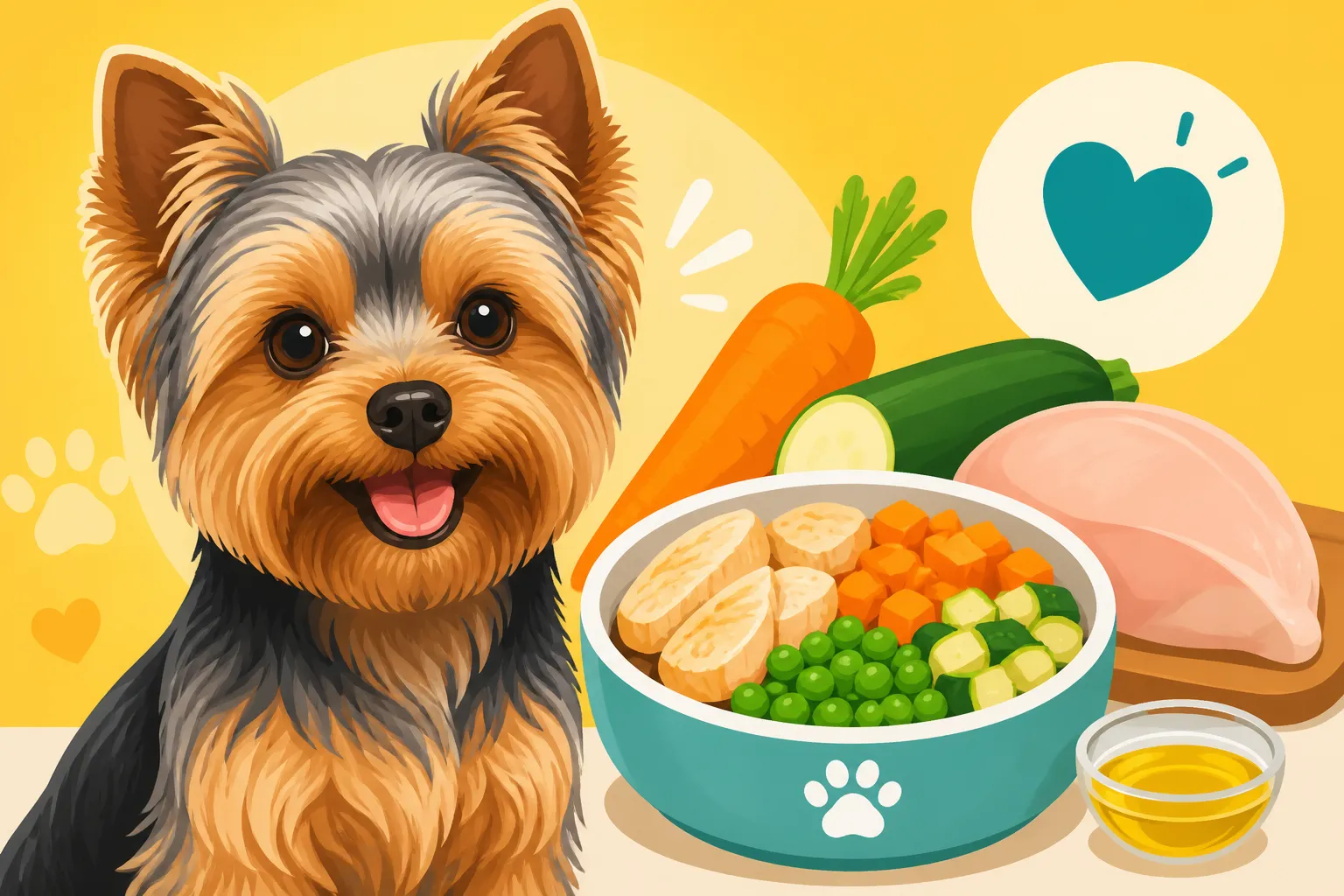
Let's dive into some practical cooking! Remember, these are general recipe ideas and should ideally be reviewed by your veterinarian or a certified canine nutritionist to ensure they precisely meet your Yorkie's specific needs, especially concerning their individual caloric intake and overall nutrient balance. A fantastic starter recipe typically involves a lean protein, a complex carbohydrate, and a healthy mix of vegetables. For example, a basic chicken and sweet potato meal could include 2 parts thoroughly cooked lean ground chicken (ensuring absolutely no skin or bones), 1 part mashed cooked sweet potato (peeled), and 1 part finely chopped and steamed green beans or carrots. Ensure all ingredients are completely cooked through and cooled to a safe temperature before serving them to your furry friend.
Another popular and often well-tolerated option for Yorkies, particularly those with suspected chicken sensitivities, is a delicious turkey and rice blend. You could prepare this using 2 parts cooked ground turkey (extra lean is best), 1 part cooked brown rice, and 1 part plain, pureed pumpkin (make sure it’s not pie filling, just plain pumpkin puree, which is fantastic for digestion) or cooked, diced zucchini. The pumpkin is not only great for digestive health but also adds a lovely palatability that many Yorkies adore. Always commit to using human-grade ingredients, much like you would meticulously select for your own family meals, guaranteeing the highest quality for your beloved pet.
For adding wonderful variety to your Yorkie's diet, consider trying a fish-based meal. You could use cooked white fish (such as cod or tilapia, ensuring all bones are meticulously removed and double-checked) mixed with thoroughly cooked quinoa and a vibrant medley of finely chopped, steamed broccoli and peas. As you introduce new proteins and carbohydrates, remember to do so slowly and observe your Yorkie closely for any adverse reactions, which might manifest as changes in stool or appetite. The ultimate goal isn't just to make food; it's to create a rotating menu that provides a broad spectrum of nutrients over time, which should always be complemented by a good, veterinarian-approved canine-specific vitamin and mineral supplement, as we discussed earlier. You may also consider adding a small drizzle of Best Fish Oil for Yorkshire Terriers once the food has cooled to room temperature for an extra boost of omega-3s.
Meal Prep and Storage Tips
One of the most common concerns, and quite frankly, valid frustrations, with homemade dog food is the perceived time commitment involved. However, with a bit of smart meal prepping, it actually becomes incredibly manageable and can easily fit into your busy schedule. Think of it exactly like batch cooking for yourself or your family; you can dedicate a focused hour or two once a week to cook larger quantities of protein, carbohydrates, and vegetables. Cooked meats, once cooled, can be safely portioned and stored in airtight containers in the refrigerator for up to 3-4 days or frozen for a longer period, typically up to a month. Vegetables, once cooked and cooled, also store exceptionally well in the fridge or freezer.
For freezing your Yorkie's homemade meals, silicone ice cube trays or small, individual sealable containers work absolutely wonderfully for pre-portioning. This clever method allows you to easily thaw out individual meal components or even complete meals as needed, minimizing waste and maximizing convenience. Always remember to thaw any frozen food thoroughly in the refrigerator overnight or gently warm it to room temperature before serving; never serve piping hot or partially frozen food to your Yorkie. Labeling your containers clearly with the date and contents is a smart and essential practice to ensure freshness, safety, and proper rotation of your stored meals. You can find excellent quality and durable meal prep containers and various storage solutions readily available on platforms like Amazon.
When you’re considering How Much to Feed a Yorkshire Terrier, it’s crucial to remember that caloric needs can vary significantly based on their age, current activity level, and their unique individual metabolism. A good starting point is to consult your veterinarian to help you accurately calculate your Yorkie's specific daily caloric requirement. Once you have this number, you can then divide your batch-prepared food into appropriate daily portions. It might feel like a bit of a learning curve initially, adjusting to new routines and measurements, but once you get into a consistent rhythm, it truly becomes second nature. This diligent approach ensures your Yorkie gets fresh, wholesome, and perfectly portioned meals without the daily stress of cooking from scratch.
Transitioning and Monitoring Your Yorkie's Diet
Deciding to switch your Yorkie to a homemade diet is a fantastic step, but the transition itself needs to be handled with care. Rushing the process can easily undo all your good intentions by causing stomach upset. Patience is truly a virtue here, ensuring your little one adapts smoothly and happily.
Making the Switch: A Gradual Process
Suddenly changing your Yorkie's diet, especially from a commercially processed kibble to fresh, homemade food, can almost certainly cause digestive upset, regardless of how healthy the new food actually is. Their delicate digestive systems need ample time to adjust to new ingredients, different textures, and a completely new nutrient profile. The absolute key here is a slow, gradual transition over a period of 7-10 days, allowing their gut bacteria and enzymes to adapt. Start by replacing a very small portion of their current food with the new homemade meal. For instance, on day 1 and 2, feed them a ratio of approximately 75% old food and just 25% new homemade food.
As the days progress, slowly and steadily increase the percentage of homemade food while simultaneously decreasing the old food. On days 3 and 4, you might aim for a 50/50 split. By days 5 and 6, try to increase it to 75% homemade and 25% old food. Finally, by day 7-10, your Yorkie should be comfortable and happily eating 100% homemade food. Throughout this entire transition period, it’s imperative to keep a close eye on their stool consistency, their appetite, and their overall demeanor. Any signs of diarrhea, vomiting, or a significant lack of interest in eating should prompt you to slow down the transition even further or immediately consult your veterinarian. This gradual approach is absolutely crucial for any diet change, not just switching to homemade. For more detailed guidance on How to Switch a Yorkie's Food, be sure to check out our comprehensive guide.
This careful, measured approach also serves an important secondary purpose: it allows you to identify any potential sensitivities your Yorkie might have to specific new ingredients. If your Yorkie develops an upset stomach, for example, when you introduce cooked carrots, you’ll know to remove them and try a different, gentler vegetable next time. This level of personalized feedback is one of the true beauties of feeding a homemade diet – you have the flexibility to make immediate, informed adjustments. Moreover, if you find your Yorkie is being a bit of a finicky eater during this process, our tips on How to Help a Picky Yorkie Eat might come in handy to ensure they’re enticed by their delicious new meals. Don't rush it; patience is truly key to a smooth and successful transition for your little furry friend.
Observing Your Yorkie for Health and Happiness
Once your Yorkie is fully settled into their new homemade diet, the monitoring doesn't stop; in fact, continuous observation becomes even more essential. Pay extremely close attention to their energy levels, the quality and shine of their coat, the clarity of their eyes, the consistency and frequency of their stools, and their overall enthusiasm for their meals. These are all vital and often overlooked indicators of their health and how well the new diet is truly suiting them. A healthy Yorkie on a properly balanced homemade diet should ideally exhibit a wonderfully shiny coat, bright and alert eyes, regular, solid stools, and plenty of zest and playful energy for life.
Always keep a vigilant eye out for any subtle changes that might indicate an imbalance or an emerging issue with their new diet. Are they scratching more than usual or licking their paws excessively? Is their once-shiny coat now looking dull or dry? Are their stools consistently softer or harder than ideal? These could be critical signs that the diet needs further adjustment or that an underlying issue needs to be addressed. For example, if your Yorkie is known to be prone to a Yorkshire Terrier Food For Sensitive Stomach, you might need to try different proteins or carbohydrates, or adjust fiber levels, to find the perfect combination that keeps their tummy settled and happy. Regular check-ups with your trusted veterinarian are absolutely non-negotiable, and perhaps even more critical when feeding a homemade diet, to ensure all nutritional requirements are consistently being met and to catch any potential deficiencies early.
Consider keeping a detailed food diary, especially during the initial weeks and months following the transition. Document exactly what you feed, precise portion sizes, and any notable observations about your Yorkie’s health, behavior, or energy levels. This comprehensive record can be an incredibly helpful tool for both you and your veterinarian to fine-tune the diet, ensuring it continues to support your Yorkie's optimal health and promote a long, vibrant life. Your Yorkie's health and well-being are a continuous journey, and their diet serves as a fundamental cornerstone of that journey, demanding your ongoing care and attention.
Disclaimer
The information provided in this article is for educational and informational purposes only and is not intended as a substitute for professional veterinary advice. Always consult with your veterinarian or a certified canine nutritionist before making any significant changes to your Yorkshire Terrier's diet, especially when preparing homemade meals, to ensure complete and balanced nutrition tailored to their individual health needs.