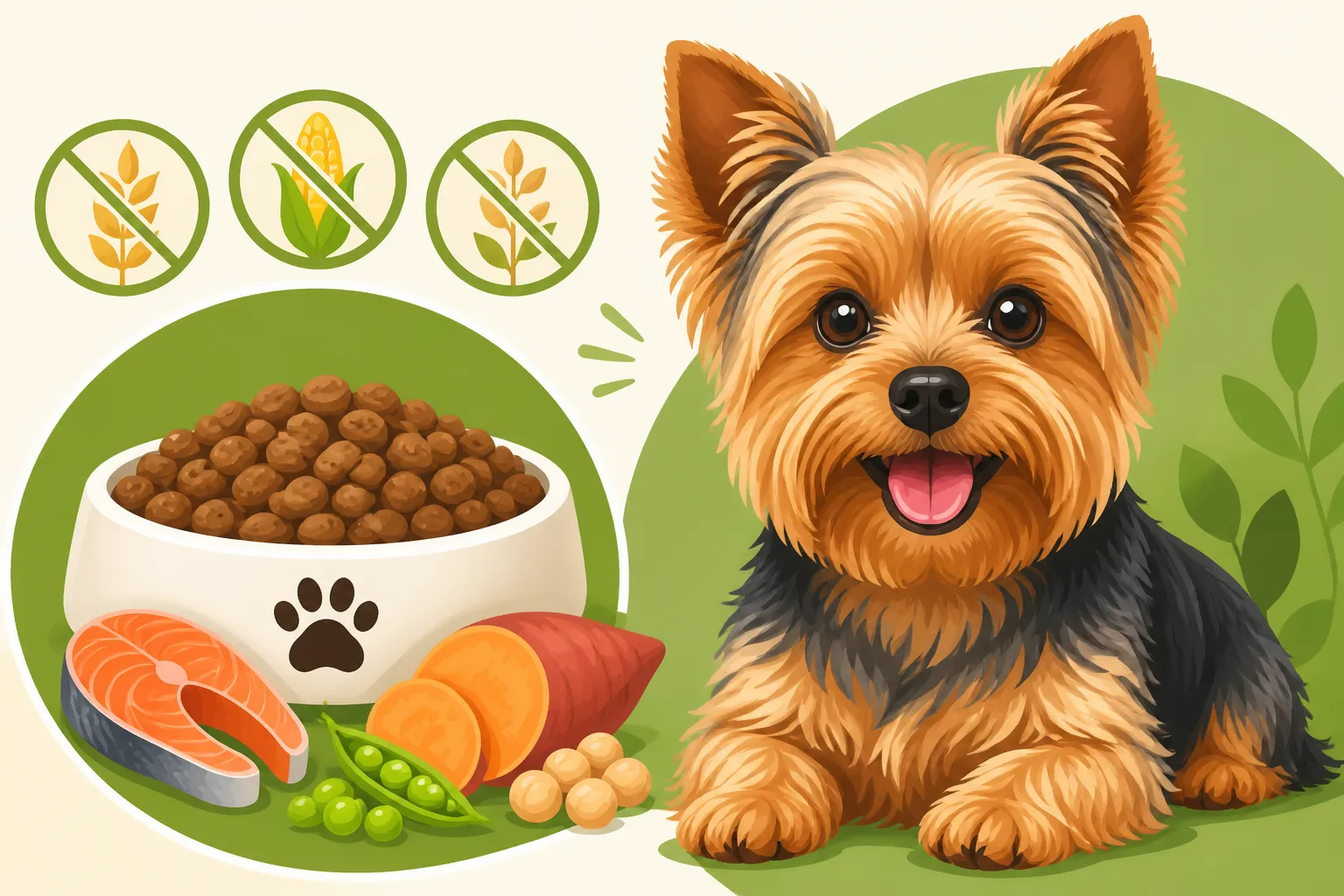
Yorkshire Terrier Grain-Free Food
It's incredibly common for Yorkshire Terrier owners to feel overwhelmed by the sheer volume of dog food choices out there, especially when terms like "grain-free" are constantly being marketed as the ultimate healthy option. We all want what's best for our tiny companions, and navigating the nuances of canine nutrition can be a real headache, leaving many of us wondering if we're making the right decisions. This guide is here to cut through the confusion and provide you with a realistic, in-depth look at grain-free food for Yorkshire Terriers, helping you understand its implications for your beloved pup's health.
Understanding Grain-Free Diets for Yorkshire Terriers
The world of pet food has seen a massive shift over the last decade, with "grain-free" becoming a buzzword that often implies superior health benefits. But for our little Yorkshire Terriers, understanding what this truly means, and if it's genuinely necessary, is critical. It's not just about removing grains; it's about what replaces them and the broader impact on your Yorkie's delicate system.
What "Grain-Free" Really Means
When you see a dog food bag proudly proclaiming "grain-free," it simply means that common cereal grains like corn, wheat, soy, rice, barley, and oats have been excluded from the ingredient list. For many pet parents, this sounds inherently healthier, especially if they've heard about gluten sensitivities in humans or the idea that dogs shouldn't eat grains. However, it's crucial to understand that "grain-free" absolutely does not mean "carbohydrate-free."
In fact, carbohydrates are an essential part of a balanced diet, providing energy. In grain-free formulas, these grains are typically replaced by other carbohydrate sources, such as potatoes, sweet potatoes, lentils, peas, tapioca, and chickpeas. These ingredients provide similar caloric value and often higher protein or fiber content than the grains they replace. For example, a food might swap out brown rice for sweet potato. Both are complex carbohydrates, but the sweet potato might offer different vitamins or fiber profiles. The key takeaway here is that your Yorkie is still getting carbohydrates, just from different sources. It's a fundamental misunderstanding to assume a grain-free diet is automatically a low-carb diet; that's generally not the case at all.
The Rise of Grain-Free Popularity and Misconceptions
The surge in popularity of grain-free dog food largely mirrored human dietary trends, like the paleo and gluten-free movements. Many pet owners, wanting to extend these perceived health benefits to their furry family members, naturally gravitated towards grain-free options. Pet food manufacturers, ever responsive to consumer demand, were quick to market these diets with promises of improved digestion, shinier coats, and reduced allergies. It tapped into a common desire to feed our dogs "more naturally," mimicking what we imagine their wild ancestors ate.
However, several significant misconceptions arose from this marketing push. One prevalent myth is that grains are mere "fillers" with no nutritional value. This isn't true; whole grains can provide valuable fiber, B vitamins, and essential minerals. Another common belief is that grains are a primary cause of allergies in dogs. While dogs can have grain allergies, they are actually quite rare. The vast majority of canine food allergies are to protein sources like chicken, beef, dairy, or lamb, not grains. If your Yorkie is experiencing symptoms like itching, ear infections, or digestive upset, it's much more likely to be a protein allergy than a grain allergy. Thinking that removing grains will automatically fix all allergy-related issues can lead to a lot of frustration and potentially delay finding the true cause of your Yorkie's discomfort. It's easy to get swept up in these trends, but for something as vital as your Yorkie's health, relying on solid facts and veterinary advice is always the best path.
Potential Benefits and Risks of Grain-Free Food for Yorkies
Deciding on the right food for your Yorkshire Terrier is a huge responsibility, and it’s natural to want to explore every option. While grain-free might sound appealing, it's essential to weigh the potential benefits against the very real, and sometimes serious, risks, especially for a small breed like a Yorkie.
When Grain-Free Might Be Beneficial
Let's be clear: genuine grain allergies in dogs are uncommon. However, in the rare instance that a veterinarian has diagnosed a specific grain allergy or sensitivity in your Yorkie, a properly formulated grain-free diet could indeed be beneficial. For example, if your Yorkie has undergone an elimination diet under veterinary supervision and it was determined that corn or wheat was triggering an adverse reaction, then a grain-free diet could alleviate symptoms like chronic itching, skin rashes, or persistent digestive upset such as diarrhea or vomiting. In such cases, the improvement in digestion or coat health would be directly tied to removing the identified allergen.
It's important that this decision isn't just based on a hunch or on general advice, but on concrete diagnostic evidence. A vet might recommend a limited ingredient diet (LID) which happens to be grain-free as part of an elimination trial to pinpoint food sensitivities. For some Yorkies with very sensitive stomachs, a carefully chosen, high-quality grain-free food might lead to better stool consistency or reduced gas, but again, this is highly individual and not a universal benefit. If your Yorkie is showing Signs Your Yorkshire Terrier Is Sick, especially digestive issues, it's always best to consult your vet first before making any drastic dietary changes. They can help identify if it's truly a food sensitivity or another underlying health issue.
The DCM Connection: A Serious Consideration
This is where the discussion around grain-free diets gets serious, and it's something every Yorkie owner needs to be aware of. In recent years, the U.S. Food and Drug Administration (FDA) has been investigating a potential link between certain grain-free dog foods and a heart condition called Dilated Cardiomyopathy (DCM). DCM is a disease of the heart muscle that leads to an enlarged heart, which can struggle to pump blood effectively, potentially leading to heart failure.
The FDA's investigation has focused on what they term "BEG diets" – boutique pet food brands, exotic ingredients (like kangaroo or bison), and grain-free formulas. The concern stems from diets that heavily feature legumes (like peas, lentils, chickpeas) and potatoes as primary ingredients, often replacing grains. While the exact mechanism isn't fully understood, some theories suggest these ingredients might interfere with the absorption of essential nutrients like taurine, an amino acid crucial for heart health. Certain breeds are genetically predisposed to taurine-deficient DCM, but the FDA’s investigation highlighted cases in breeds not typically known for this, including smaller dogs. While Yorkshire Terriers are not typically a breed with a high predisposition to DCM, their small size and specific nutritional needs make this a concern that cannot be ignored. The potential risk of DCM is significant enough that many veterinary cardiologists and general practitioners now advise caution or avoidance of grain-free diets unless medically necessary and carefully managed.
Other Potential Drawbacks and Considerations
Beyond the serious DCM concerns, there are other practical and health-related drawbacks to consider when thinking about grain-free food for your Yorkie.
Firstly, nutritional imbalance can be a real issue. Formulating a truly balanced and complete diet for dogs is a complex science. If a grain-free food isn't meticulously developed by veterinary nutritionists, it could lack essential nutrients or have them in incorrect ratios, potentially leading to deficiencies over time. This is particularly concerning for a small breed like the Yorkshire Terrier, which has specific dietary needs.
Secondly, grain-free options often come with a higher price tag. The perception of premium ingredients and specialized formulation can drive up costs, meaning you might be paying more for a diet that isn't necessarily better, and could even carry risks. This can impact your long-term budget for your pet's care.
Finally, the availability and consistency of truly high-quality grain-free options can be challenging. Many smaller brands, while well-intentioned, might not have the extensive research and development backing that larger, more established brands do. Always scrutinize ingredient lists, look for AAFCO statements, and prioritize brands that invest in nutritional expertise. Remember, not all grain-free foods are created equal, and choosing wisely is paramount. If you're looking for general advice on Best Dog Food for Yorkshire Terriers, it's often to prioritize quality over fads.
How to Choose the Right Food for Your Yorkshire Terrier
Choosing the perfect food for your Yorkshire Terrier feels like a monumental task, doesn't it? With so many options, so much conflicting advice, and new trends popping up all the time, it's easy to feel lost. But for your little Yorkie's long-term health, making informed decisions about their diet is one of the most important things you can do.
Consulting Your Veterinarian is Paramount
Before you make any significant changes to your Yorkie's diet, especially considering grain-free options, speaking with your veterinarian is absolutely non-negotiable. They are your best resource and have a comprehensive understanding of your individual dog's health history, genetic predispositions, and specific needs. Your vet can perform diagnostic tests if allergies or sensitivities are suspected, which is far more reliable than simply guessing. For example, if your Yorkie has persistent skin issues or chronic ear infections, your vet can help determine if it's a food allergy or another issue like environmental allergies or even something like Yorkie Ear Infections: Prevention.
Your veterinarian can guide you on whether an elimination diet is necessary and, if so, what kind of specialized food to use. They might recommend a prescription grain-free diet from brands like Purina Pro Plan Veterinary Diets or Royal Canin Veterinary Diet if it's truly indicated for a specific medical condition. These prescription diets are rigorously formulated and tested to ensure nutritional completeness and safety, unlike many over-the-counter grain-free options that might not have the same scientific backing. Trust their expertise; they've seen countless cases and can offer tailored advice for your unique companion. Don't hesitate to ask them anything and everything about How to Choose a Vet for a Yorkie if you're looking for the best professional care.
Key Nutritional Considerations for Yorkies
Yorkshire Terriers might be small, but their nutritional needs are mighty and quite specific. Ignoring these can lead to a host of health problems.
First and foremost, small breed specific formulas are often recommended. These kibble pieces are appropriately sized for tiny mouths, making them easier to chew and digest. More importantly, they are usually formulated with a higher calorie density per serving, which is crucial because Yorkies have faster metabolisms and smaller stomachs, meaning they need more energy in less food.
Next, consider appropriate protein levels. Active small dogs like Yorkies generally thrive on moderate to high-quality protein sources to support their muscle mass and energy levels. Look for a named animal protein (like "chicken meal" or "salmon") as the first ingredient. These proteins provide essential amino acids for growth and repair.
Healthy fats are vital for a Yorkie's iconic silky coat and overall skin health. Look for ingredients rich in Omega-3 and Omega-6 fatty acids, often derived from fish oil, flaxseed, or chicken fat. These contribute to that beautiful shine we all adore and help maintain a healthy skin barrier, preventing dryness and irritation, which can sometimes be mistaken for allergies.
Finally, calorie density and avoiding artificial ingredients are key. Yorkie puppies are particularly susceptible to Yorkie Hypoglycemia: Emergency Signs (low blood sugar), so consistent energy intake is paramount. A high-quality food will provide sustained energy. Always aim to avoid artificial colors, flavors, and excessive fillers, regardless of whether you choose a grain-free or grain-inclusive diet. These unnecessary additives offer no nutritional benefit and can sometimes trigger sensitivities. A comprehensive Yorkshire Terrier Feeding Guide by Age will detail how these needs change as your Yorkie grows from a puppy into an adult and then a senior.
Decoding Dog Food Labels and Ingredients
Learning to read a dog food label effectively is like having a superpower in the pet aisle. It allows you to make truly informed choices, cutting through marketing fluff and getting straight to the nutritional facts.
When you're scrutinizing a label, the first ingredient should ideally be a named meat source, such as "deboned chicken," "lamb meal," or "salmon." This indicates that meat forms a significant portion of the recipe. Be cautious of ingredients like "meat by-products" or generic "meat meal" as primary ingredients, as their quality can vary widely.
Understanding carbohydrates is especially important when considering grain-free. While grains are absent, the label will list their replacements: sweet potatoes, peas, lentils, chickpeas, or tapioca. These are not inherently bad, but it's important to understand their proportion. A high concentration of legumes and potatoes at the top of the ingredient list (which often happens in grain-free foods) is precisely what the FDA's DCM investigation raised concerns about.
Always look for the AAFCO (Association of American Feed Control Officials) statement. This is a small but mighty declaration, usually found near the nutritional analysis. It will state something like: "[Brand Name] Dog Food is formulated to meet the nutritional levels established by the AAFCO Dog Food Nutrient Profiles for [life stage, e.g., 'all life stages,' 'growth,' or 'adult maintenance']." This statement confirms that the food is complete and balanced, either through feeding trials or by meeting nutrient profiles. Without an AAFCO statement, you simply don't have assurance of its nutritional adequacy.
When thinking about specific brands, options like Ollie offer fresh, human-grade food that can be customized to your dog's needs, often with grain-free options available. Always ensure any custom plan aligns with your vet's recommendations. For readily available commercial brands, many high-quality dog food companies sold on platforms like Chewy or Amazon offer grain-inclusive diets with excellent reputations for nutritional science. If you do opt for grain-free, choose brands that clearly state they employ veterinary nutritionists and conduct feeding trials.
Here’s a simplified comparison of typical ingredients you might find in different types of dog food:
| Category | Typical Grain-Inclusive Food | Typical Grain-Free Food |
|---|---|---|
| Protein Source | Chicken, Beef, Salmon, Lamb (often as first ingredient) | Chicken, Beef, Salmon, Lamb (often as first ingredient) |
| Carbohydrate Source | Brown Rice, Barley, Oats, Corn, Wheat | Sweet Potatoes, Peas, Lentils, Chickpeas, Tapioca, White Potatoes |
| Fats | Chicken Fat, Salmon Oil, Flaxseed | Chicken Fat, Salmon Oil, Flaxseed |
| Fiber/Vitamins | Beet Pulp, Carrots, Apples, Spinach, various vitamins and minerals | Beet Pulp, Carrots, Apples, Spinach, various vitamins and minerals |
| Common Additives | Preservatives (e.g., mixed tocopherols), probiotics | Preservatives (e.g., mixed tocopherols), probiotics |
| AAFCO Statement | Should be present | Should be present |
Note: This table provides general examples; specific ingredient lists vary greatly by brand and product line.
Making the Switch and Monitoring Your Yorkie's Health
So, you've consulted your vet, done your homework, and perhaps decided to try a new food for your Yorkshire Terrier, whether it's grain-free or a different formulation. The transition period is crucial, especially for tiny dogs like Yorkies who can have sensitive digestive systems. And once they're on the new food, diligent monitoring is key to ensuring their continued health and happiness.
Gradual Transition Strategies
Changing your Yorkie's food abruptly is a recipe for disaster. Their digestive system needs time to adjust to new ingredients and different nutrient ratios. A sudden switch can easily lead to an upset stomach, manifesting as vomiting, diarrhea, or a loss of appetite, which for a small breed can quickly become concerning.
The recommended approach is a slow, gradual transition over 7 to 10 days. Here's a typical schedule:
- Days 1-2: Mix 75% old food with 25% new food.
- Days 3-4: Mix 50% old food with 50% new food.
- Days 5-6: Mix 25% old food with 75% new food.
- Days 7-10: You can transition to 100% new food, assuming your Yorkie is tolerating it well.
During this period, pay close attention to your Yorkie's stool consistency, appetite, and energy levels. If you notice any signs of digestive upset, slow down the transition further, giving them more time at a particular ratio. For very sensitive Yorkies, you might even extend the process over two weeks. This careful approach helps their gut microbiome adapt and reduces stress on their system. For more detailed guidance on portioning, consult a How Much to Feed a Yorkshire Terrier guide relevant to their age and activity level, especially when introducing a new food.
What to Watch For: Signs of Good Health or Trouble
Once your Yorkie is fully on their new diet, your role as their keen observer continues. Monitoring their health and behavior can tell you a lot about how well they're thriving on the new food.
Positive signs that the food is a good fit include:
- Healthy, shiny coat: This is often one of the first indicators of good nutrition.
- Good energy levels: Your Yorkie should be their usual playful self, not lethargic.
- Regular, well-formed stools: They should be firm, moist, and easy to pick up, without excessive straining or looseness.
- No excessive itching or scratching: A healthy diet contributes to healthy skin.
- Clear, bright eyes and clean ears: Healthy eyes should be free of excessive discharge, and ears should be clean and odorless. If you're seeing persistent Yorkie Eye Problems Explained, it might be more than just diet.
- Healthy appetite: They should be eager to eat their meals, but not excessively hungry or constantly begging.
Warning signs that the food might not be suitable, or that something else is amiss, require immediate attention:
- Digestive upset: Frequent vomiting or diarrhea are red flags. While occasional issues can happen, persistent problems warrant a vet visit. If your Why Is My Yorkie Vomiting persists, don't delay.
- Lethargy or weakness: A significant drop in energy levels is always a concern for a small breed like a Yorkie, as it could indicate something serious, including Yorkie Hypoglycemia: Emergency Signs.
- Changes in appetite: Refusing to eat, or eating significantly less than usual, could signal discomfort or a deeper health problem.
- Skin issues: New or worsening itching, redness, hot spots, or hair loss could indicate an allergic reaction or nutritional deficiency.
- Excessive gas or bloating: While some gas is normal, excessive or painful bloating is not.
- Weight loss or gain: Unintended changes in weight can point to insufficient or excessive calorie intake, or underlying health conditions.
Remember, Yorkshire Terriers are prone to certain Common Yorkshire Terrier Genetic Conditions, so any new or worsening symptoms should be discussed with your vet. A diet is just one piece of the puzzle in How to Keep a Yorkshire Terrier Healthy, but it's a foundational one. If you notice any of these worrying signs, don't hesitate to contact your veterinarian. They can help determine if the food is truly the culprit or if further investigation is needed to ensure your precious Yorkie gets back to feeling their best.
Disclaimer
The information provided in this article is for educational and informational purposes only and does not constitute veterinary advice. Always consult with a qualified veterinarian for any health concerns or before making any dietary changes for your Yorkshire Terrier. Individual nutritional needs can vary, and what works for one dog may not be suitable for another.