Yorkshire Terrier Patellar Luxation: Signs and Care
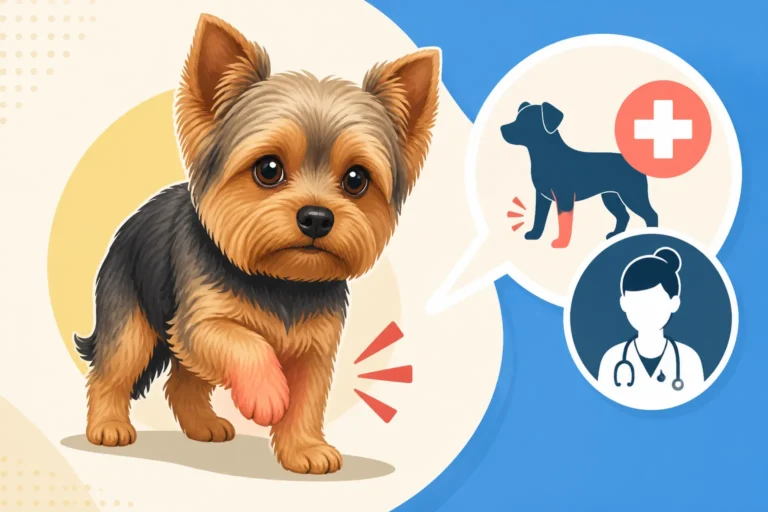
It's incredibly distressing to see your beloved Yorkshire Terrier suddenly skip a step, hold up a paw, or limp. These tiny dogs, full of boundless energy and personality, often face a common orthopedic challenge known as patellar luxation, or a "slipping kneecap." It’s a condition that can range from a minor annoyance to a debilitating issue, leaving many Yorkie parents worried about their furry friend's comfort and long-term mobility. This comprehensive guide is here to walk you through everything you need to know about Yorkshire Terrier patellar luxation, from understanding its origins and recognizing the subtle signs to exploring care options and ensuring your little companion lives their happiest, most comfortable life.
Understanding Patellar Luxation in Yorkshire Terriers
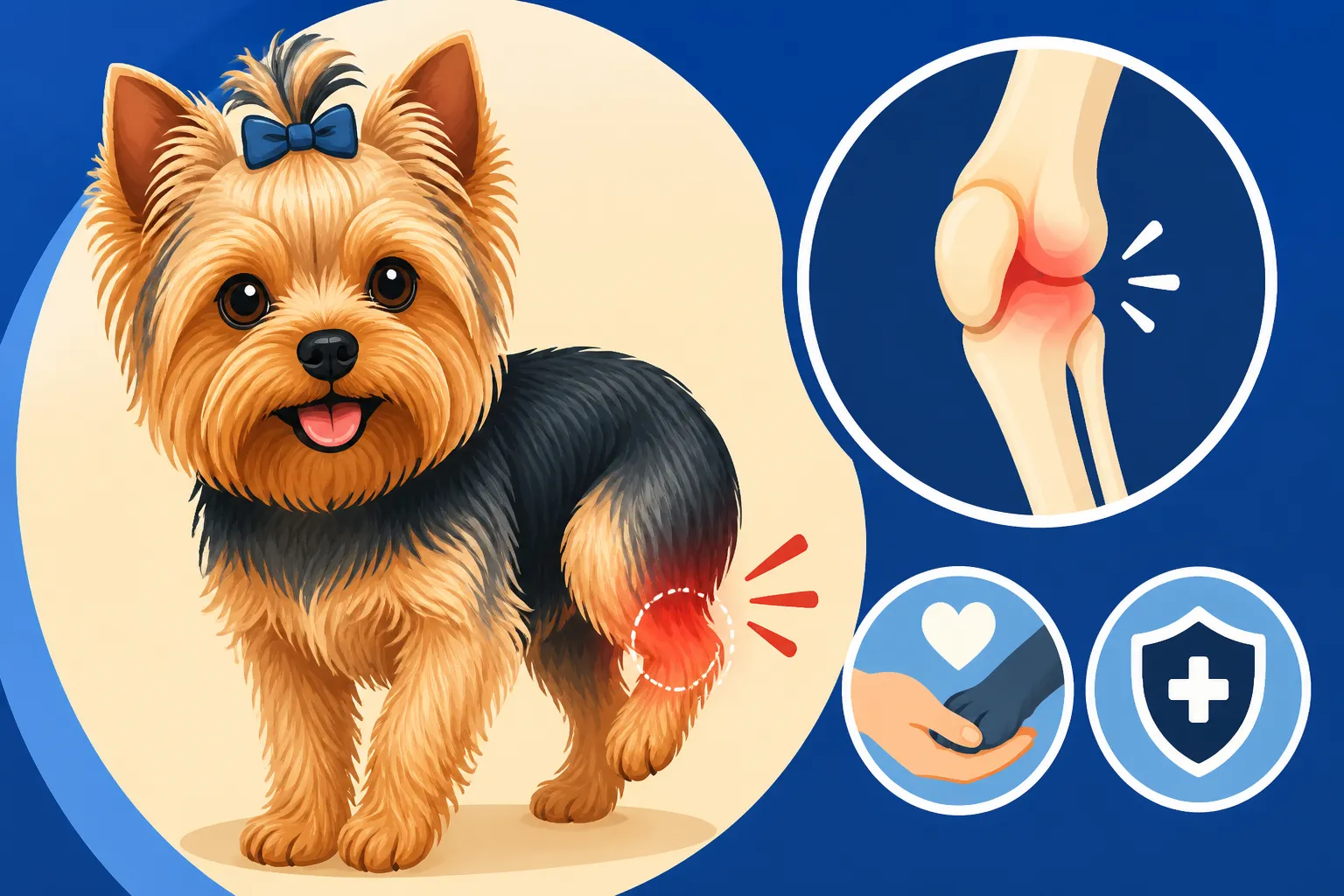
Patellar luxation is one of those terms that sounds incredibly complicated, but at its heart, it's quite straightforward. It refers to a condition where the kneecap (patella) dislocates, or "luxates," from its normal position in the groove of the thigh bone (femur). For Yorkshire Terriers, this is a particularly prevalent issue, often causing their characteristic "skipping" gait that can be both alarming and heartbreaking for owners to witness.
What Exactly is Patellar Luxation?
Imagine your knee joint: it's a complex system designed for smooth movement. The patella, or kneecap, is a small, oval-shaped bone nestled in the quadriceps tendon, sitting right in front of the knee joint. It's supposed to glide smoothly up and down within a specific groove on the end of the femur, called the trochlear groove. This mechanism helps extend the knee and provides leverage. When patellar luxation occurs, the kneecap pops out of this groove, either to the inside of the leg (medial luxation) or to the outside (lateral luxation).
When the patella luxates, the dog might experience a sudden inability to bear weight on the affected leg. They'll often hold the leg up for a few steps, then shake it or extend it straight back, trying to "pop" the kneecap back into place. Once it's back in the groove, they resume normal walking as if nothing happened. This intermittent nature is what makes it so confusing for many owners, who might initially dismiss it as a momentary stumble or quirk. However, repeated luxation can lead to inflammation, pain, and degenerative changes in the joint over time.
Why Yorkies Are Prone to This Condition
It’s an unfortunate reality that certain breeds are just more predisposed to specific health issues, and patellar luxation is definitely high on that list for our tiny Yorkie friends. The primary reason for this heightened susceptibility is genetics. Yorkshire Terriers, like many other small and toy breeds such as Chihuahuas, Pomeranians, and Shih Tzus, are genetically predisposed to developing this condition. It's often inherited, meaning if a parent dog had luxating patellas, their offspring have a higher chance of developing it too. This is why reputable breeders take great care to screen their breeding dogs for orthopedic issues.
The anatomical structure of a Yorkie's hind leg also plays a significant role. They can have shallower trochlear grooves, weaker ligaments, or misaligned leg bones (like a bowed femur or tibia) that make it easier for the kneecap to slip out. Over time, the repeated slipping can even wear down the edges of the trochlear groove, making the problem worse and leading to more frequent and severe luxations. Understanding this inherent vulnerability helps owners be more vigilant about signs and proactive about care. For more general information on common health concerns, you might want to read our article on Yorkshire Terrier Health Problems to Know.
Types and Grades of Patellar Luxation
Patellar luxation isn't a one-size-fits-all condition; it comes in different forms and varying degrees of severity. Most commonly, Yorkies suffer from medial patellar luxation (MPL), where the kneecap slips towards the inside of the leg. Lateral patellar luxation (LPL), where it slips to the outside, is less common in small breeds but can occur. Beyond the direction, veterinarians grade the severity of luxation from 1 to 4, which helps determine the best course of action.
- Grade 1: This is the mildest form. The patella can be manually luxated by a vet but will return to its normal position spontaneously. Your Yorkie might occasionally skip a step, but they usually don't show much pain or persistent lameness. It might not even be noticed by an owner in the very early stages.
- Grade 2: The patella luxates more frequently, either spontaneously or when the leg is flexed, and may stay luxated for longer periods. It can be manually returned to its groove. Dogs with Grade 2 luxation will often show the characteristic "skip" or intermittently hold the leg up. They might be reluctant to jump or go up stairs.
- Grade 3: The patella is luxated most of the time but can be manually returned to its normal position. However, it will re-luxate almost immediately once released. Dogs with Grade 3 patellar luxation often have a persistent crouched or bow-legged stance, significant lameness, and may have difficulty straightening their leg.
- Grade 4: This is the most severe grade. The patella is permanently luxated and cannot be manually returned to the trochlear groove. The trochlear groove is often completely flat or even convex. Dogs with Grade 4 luxation are typically in a permanently crouched position, often unable to extend their knee, and usually experience chronic pain and significant difficulty walking. They often have very abnormal gaits.
Understanding these grades is crucial because they directly impact the recommended treatment, from conservative management to surgical intervention.
Recognizing the Signs and Symptoms
Catching patellar luxation early can make a big difference in managing the condition and preventing further damage to the joint. It's all about being a keen observer of your Yorkie's unique movements and habits.
Early Indicators to Watch For
Sometimes, the earliest signs are so subtle that they can be easily missed or mistaken for clumsiness. One of the most common early indicators is the "skip." Your Yorkie might be trotting along happily, then suddenly lift one hind leg for a step or two, then put it down and continue as if nothing happened. This is usually the kneecap slipping out and then quickly popping back into place. It's often painless at this stage, so your dog might not even whine or show discomfort.
You might also notice a slight change in their willingness to perform certain actions. Perhaps they hesitate before jumping onto the couch, or they take the stairs more slowly than usual. They might shake their hind leg vigorously, almost like they're trying to get a stone out of their paw, which is actually them attempting to manipulate the kneecap back into its groove. These fleeting moments are important clues. Keep an eye out for these intermittent lameness episodes, especially after periods of rest or strenuous play. Early detection means you can discuss options with your vet sooner.
Advanced Symptoms and Pain Levels
As patellar luxation progresses to higher grades, the symptoms become more pronounced and persistent. The skipping might turn into more frequent and prolonged lameness. Your Yorkie might hold the affected leg up for longer periods, showing reluctance to bear weight on it at all. When the kneecap is continuously out of place, it causes constant discomfort and can lead to inflammation and arthritis. You might notice them vocalizing – a yelp or whimper – when they try to move the leg in a certain way, indicating pain.
Their posture and gait can also change dramatically. Dogs with more advanced luxation might develop a crouched stance, or their hind legs might appear bowed or "knock-kneed" as they try to compensate for the instability. They may struggle significantly with tasks that were once easy, like climbing stairs, jumping on and off furniture, or even just getting up from a lying position. Muscle atrophy can also become visible in the affected leg due to disuse. These are clear signals that your Yorkie needs veterinary attention promptly.
Distinguishing Patellar Luxation from Other Leg Issues
It's important to remember that while patellar luxation is common, other conditions can cause similar lameness in small breeds, making a veterinary diagnosis essential. For instance, Legg-Calve-Perthes disease (LCPD) is another orthopedic condition often seen in small dogs, including Yorkies, where the head of the femur degenerates, causing pain and lameness in the hip joint. The symptoms can be similar to patellar luxation, involving limping and leg-holding, but the source of the pain is different. You can learn more about this in our guide on Yorkshire Terrier Legg-Calve-Perthes: Signs and Care.
Hip dysplasia, though more commonly associated with larger breeds, can also affect small dogs and lead to hind leg lameness. A skilled veterinarian can differentiate these conditions through a thorough physical examination, palpation, and diagnostic imaging like X-rays. It's crucial not to self-diagnose based solely on symptoms, as proper diagnosis dictates the correct treatment path. If you notice your Yorkie limping, whether intermittently or constantly, a vet visit is always the first step.
Here's a quick overview of patellar luxation grades:
| Grade of Luxation | Description | Symptoms Typically Observed | Treatment Approaches |
|---|---|---|---|
| Grade 1 | Patella can be manually luxated but returns spontaneously. | Occasional skipping, no consistent pain or lameness. | Conservative management (weight control, supplements, observation). |
| Grade 2 | Patella luxates spontaneously or with flexion, remains out briefly. | Intermittent lameness, skipping, reluctance to jump/use stairs. | Conservative initially; surgery often recommended if signs progress. |
| Grade 3 | Patella is luxated most of the time but can be manually reduced. | Persistent lameness, crouched/bow-legged stance, difficulty extending leg. | Surgical correction highly recommended. |
| Grade 4 | Patella is permanently luxated and cannot be manually reduced. | Severe lameness, inability to extend knee, chronic pain, abnormal gait. | Surgical correction, often with a more complex prognosis. |
Diagnosis and Veterinary Consultation
When you suspect your Yorkie might have patellar luxation, the most critical step is a visit to your veterinarian. They are equipped to accurately diagnose the condition and recommend the best course of action.
Initial Vet Examination
Your vet will start with a comprehensive physical examination. This isn't just a quick look-over; they'll carefully observe your Yorkie's gait as they walk, run, and stand. They'll also perform a hands-on orthopedic examination, which involves gently manipulating the knee joint. During this process, they'll try to push the kneecap out of its groove to assess if it luxates, and if so, how easily it moves and in which direction (medial or lateral). They'll also check for any clicking sounds, swelling, or pain responses during palpation.
This physical exam is incredibly important for grading the luxation and understanding the degree of instability. A skilled vet can often identify the grade of patellar luxation during this initial assessment alone. They'll also check other joints, like the hips, to rule out other orthopedic issues that might be contributing to your Yorkie's lameness. Don't be surprised if your vet wants to see your Yorkie walk around a few times, as this helps them assess the natural movement and any compensatory gaits.
Diagnostic Imaging and Tests
While a physical exam can tell a lot, diagnostic imaging, primarily X-rays, often provides crucial additional information. X-rays allow the vet to visualize the bones and joints, confirming the presence of patellar luxation and assessing any underlying skeletal abnormalities that might be contributing to the problem. They can look at the depth of the trochlear groove, the alignment of the femur and tibia, and check for signs of osteoarthritis that may have developed due to chronic luxation.
In some more complex cases, or if other conditions are suspected, your vet might recommend advanced imaging techniques such as an MRI (Magnetic Resonance Imaging) or a CT (Computed Tomography) scan. These offer a more detailed view of the soft tissues, ligaments, and cartilage, which can be invaluable, especially if surgery is being considered. Blood tests might also be part of the overall workup to ensure your Yorkie is healthy enough for any potential anesthetic procedures. Understanding the full picture helps in determining the most effective treatment plan.
When to Seek a Specialist
For mild cases of Grade 1 or even some Grade 2 patellar luxation, your regular veterinarian might be perfectly capable of managing the condition and advising on conservative care. However, if your Yorkie is diagnosed with a more severe luxation (Grade 3 or 4), or if conservative treatments for a lower grade aren't yielding results, your vet will likely recommend consulting with a board-certified veterinary orthopedic surgeon.
Orthopedic specialists have advanced training and experience in complex bone and joint conditions. They can offer a more nuanced understanding of the surgical options available, discuss the potential outcomes, and perform the intricate procedures required to correct the luxation. They might also suggest specific rehabilitation programs. Don't view a referral as a sign of your regular vet's inadequacy; rather, it’s an indication that they want your Yorkie to receive the absolute best possible care from someone specializing in exactly this type of problem. Consider this an investment in your dog's long-term comfort and mobility.
Care and Management Options
Once patellar luxation is diagnosed, your vet will discuss various care and management options. These can range from non-surgical approaches for milder cases to surgical intervention for more severe or persistent problems.
Conservative Management for Mild Cases
For Yorkies with Grade 1 or even some asymptomatic Grade 2 patellar luxation, surgical intervention might not be immediately necessary. In these situations, your vet will likely recommend a conservative management plan focused on supporting joint health and minimizing stress on the knee.
- Weight Management: This is paramount. Excess weight puts additional strain on all joints, especially compromised ones. Keeping your Yorkie at a healthy weight is one of the most effective ways to reduce the frequency and severity of luxation episodes and slow the progression of arthritis. Your vet can help you determine the ideal weight for your individual dog and suggest a diet plan. Our guide on How to Keep a Yorkshire Terrier Healthy can offer further insights into overall wellness.
- Joint Supplements: Supplements containing glucosamine, chondroitin, and MSM (methylsulfonylmethane) are often recommended to support cartilage health and reduce inflammation. Omega-3 fatty acids, like those found in fish oil, also have anti-inflammatory properties that can be beneficial. Brands like Nutramax Dasuquin or Cosequin are often recommended by vets. You can explore more about these options in Yorkie Joint Supplements Explained.
- Controlled Exercise and Physical Therapy: While rigorous, uncontrolled exercise might exacerbate the problem, targeted, controlled exercise is crucial for building strong muscles around the knee joint. This can include short, leash-walks on even surfaces, swimming (if your Yorkie enjoys it and it's supervised), and gentle range-of-motion exercises. A veterinary physical therapist can design a specific rehabilitation program to strengthen supporting muscles, improve flexibility, and reduce pain. This might involve underwater treadmills, therapeutic exercises, and massage.
- Anti-inflammatory Medications: For periods of increased pain or inflammation, your vet might prescribe non-steroidal anti-inflammatory drugs (NSAIDs) or other pain relievers to keep your Yorkie comfortable. These are typically used short-term or on an as-needed basis.
The goal of conservative management is to maintain comfort, prevent further damage, and improve the quality of life without invasive procedures. It requires dedication and consistency from the owner.
Surgical Interventions for Severe Cases
When patellar luxation reaches Grade 2 with persistent symptoms, or any Grade 3 or 4, surgery is often the most effective, and sometimes the only, long-term solution. The aim of surgery is to realign the kneecap and deepen the trochlear groove so the patella can track properly.
There are several surgical techniques an orthopedic surgeon might employ, often in combination:
- Trochlear Deepening (Sulcoplasty): This procedure involves deepening the trochlear groove in the femur where the kneecap sits. If the groove is too shallow, the patella has nowhere to sit securely. Techniques include wedge recession (removing a wedge of bone, deepening the groove, and replacing the wedge) or block recession (removing a block, deepening, and replacing).
- Tibial Crest Transposition: The tibial crest is a bony prominence on the tibia where the patellar ligament attaches. If this crest is misaligned, it can pull the patella out of its groove. In this surgery, the surgeon cuts the tibial crest, moves it to the correct alignment, and then reattaches it with pins or wires. This changes the angle of pull on the patella.
- Patellar Ligament Release (Fascia Release): Sometimes, the soft tissues on one side of the knee are too tight, pulling the patella out of alignment. The surgeon may make incisions in these tissues to release the tension and allow the patella to sit centrally.
- Capsular Overlap: To further stabilize the joint capsule and prevent recurrence, the joint capsule on the opposite side of the luxation may be tightened.
The specific combination of procedures will depend on the individual Yorkie's anatomy and the severity of their luxation. The success rate for these surgeries is generally very high, especially when performed by an experienced orthopedic specialist. You can learn more about specific surgical approaches in Yorkshire Terrier Patellar Luxation: Treatment Options.
Post-Operative Care and Rehabilitation
Surgery is just the beginning; the post-operative period and rehabilitation are equally critical for a successful outcome. This phase requires immense patience and commitment from the owner.
- Pain Management: Your Yorkie will be sent home with pain medication (NSAIDs, possibly opioids or other analgesics) to keep them comfortable during the initial recovery. It’s vital to administer these as prescribed.
- Restricted Activity: This is non-negotiable. For several weeks, your Yorkie will need strict rest. This means no running, jumping, climbing stairs, or rough play. Leash walks for potty breaks only, often with support from a sling or towel under their belly, will be permitted. Crate rest is often recommended to prevent your dog from overdoing it. A carrier like a K9 Sport Sack Air is great for giving them a change of scenery without allowing them to put weight on the recovering leg, especially for their size.
- Wound Care: You'll need to monitor the surgical incision for any signs of infection (redness, swelling, discharge). Your vet will give you instructions on how to keep it clean and dry, and when to bring your Yorkie in for suture removal. An Elizabethan collar (cone) is usually necessary to prevent licking and chewing at the incision.
- Physical Therapy: Often starting a few days to a week after surgery, guided physical therapy is crucial. This might include passive range-of-motion exercises performed by you (under vet guidance), gentle massage, and gradually increasing controlled exercises. A certified canine rehabilitation therapist can be invaluable in designing and supervising this program, ensuring proper muscle development and full return to function. This is a journey, not a sprint, and adhering to the rehab schedule is key to your Yorkie's full recovery.
The recovery period can last several months, with full bone healing typically taking 8-12 weeks. Regular follow-up appointments with your vet and surgeon will monitor progress and adjust the rehabilitation plan as needed.
Living with Patellar Luxation and Long-Term Care
Even after successful treatment, managing a Yorkie with a history of patellar luxation involves ongoing care to support their joint health and prevent future issues.
Creating a Joint-Friendly Home Environment
Making your home a safe haven for your Yorkie, especially one prone to or recovering from patellar luxation, is a critical part of their long-term well-being. Think about surfaces: slippery floors like tile, hardwood, or laminate can be treacherous, increasing the risk of slips, falls, and re-injury. Placing non-slip rugs or runners in high-traffic areas, especially where your Yorkie jumps on and off furniture, can make a huge difference.
Consider their access to furniture. Yorkies, despite their small size, love to be on the couch or bed with their people. However, repeated jumping on and off can put significant stress on their knees. Investing in pet ramps or steps can provide a safe way for them to access their favorite elevated spots without strain. Furthermore, ensure they have supportive, orthopedic dog beds that provide good cushioning and support for their joints. A comfortable rest area is just as important as a safe play area. Our article on How to Protect a Yorkie's Joints offers more specific tips on this.
Ongoing Support and Preventative Measures
Long-term care for a Yorkie with patellar luxation involves a multifaceted approach, even if they've had surgery. Continuing a healthy lifestyle is key:
- Diet and Weight Control: Reiterate the importance of maintaining an ideal weight. Continue feeding a high-quality diet appropriate for their age and activity level, avoiding overfeeding.
- Regular, Moderate Exercise: While avoiding excessive jumping and twisting motions, consistent, low-impact exercise like daily walks helps strengthen the muscles supporting the knee. Keep walks on even ground and avoid strenuous activities like dog park wrestling, which could lead to re-injury.
- Continued Joint Supplementation: Many vets recommend keeping dogs with a history of patellar luxation on joint supplements for life. These can help slow down the progression of arthritis, which is a common long-term complication even after successful surgery.
- Routine Veterinary Check-ups: Regular vet visits are essential to monitor joint health, catch any signs of recurring luxation or developing arthritis early, and adjust their care plan as needed. These check-ups are also a good time to discuss any new concerns you might have.
- Pet Insurance Consideration: Orthopedic surgeries can be expensive, and while you can't go back in time to get insurance for a pre-existing condition, considering pet insurance like Healthy Paws for future unforeseen medical needs, or even for a healthy puppy, can provide peace of mind. It’s always wise to be prepared for potential costs, and a good insurance plan can help manage the financial burden of future care. You might find our guide on Yorkshire Terrier Vet Costs and Health Budget helpful for financial planning.
By being proactive and consistent with these measures, you can significantly improve your Yorkie's quality of life and minimize the impact of patellar luxation.
Quality of Life and Prognosis
The good news is that with proper diagnosis and management, most Yorkshire Terriers with patellar luxation can lead full, happy, and comfortable lives. The prognosis is generally excellent, especially for dogs who undergo surgical correction for Grade 2, 3, or 4 luxation. Many dogs return to near-normal function after surgery and a diligent rehabilitation program.
It's important to set realistic expectations. While surgery can stabilize the knee, it doesn't guarantee your Yorkie will never develop arthritis in that joint, especially if the luxation was severe or present for a long time. However, by managing their weight, providing supplements, and ensuring regular, low-impact exercise, you can significantly slow down the progression of arthritis and manage any discomfort. Your dedication to their ongoing care is the biggest factor in ensuring their long-term well-being. Seeing your little Yorkie scamper around with confidence again, free from pain, is truly one of the most rewarding aspects of pet parenthood.
Disclaimer
The information provided in this article is for general informational purposes only and is not a substitute for professional veterinary advice. Always consult with a qualified veterinarian for any health concerns or before making any decisions related to your pet's health and treatment.