How to Keep a Yorkie’s Coat Long and Silky
Keeping a Yorkshire Terrier's coat long and silky can feel like a never-ending battle against mats, breakage, and dullness. It’s a common frustration for many Yorkie parents, especially when you envision that beautiful, flowing signature coat but instead find yourself fighting tangles daily. This comprehensive guide is here to walk you through every step, from daily brushing to diet, ensuring your beloved Yorkie sports a healthy, radiant, and undeniably silky mane.
Understanding the Yorkshire Terrier Coat
Before we dive into the nitty-gritty of care, it’s crucial to understand what makes a Yorkie's coat so unique. It’s not just "dog fur"; it's much more akin to human hair, and that distinction is key to its proper maintenance. Ignoring this fundamental difference is often where many of us first go astray, leading to those frustrating tangles and a less-than-lustrous appearance.
Unique Hair-Like Texture
Unlike many other breeds that possess a dense, double-layered coat designed for insulation, Yorkshire Terriers sport a single coat of fine, silky hair. This hair grows continuously, rather than shedding seasonally in clumps like fur. Imagine if your own hair grew indefinitely without regular trims; it would quickly become a tangled, unmanageable mess, right? The same principle applies to your Yorkie. This continuous growth means it requires constant attention to prevent it from becoming matted or damaged.
This distinct texture is one of the reasons Yorkies are often considered a good choice for people with allergies, as they shed minimally compared to fur-bearing dogs. However, what they gain in allergen-friendliness, they demand in grooming commitment. The individual strands are delicate, fine, and prone to static electricity, which can make them cling together and form knots almost instantly. A simple rub against furniture, a romp in the yard, or even just a good night's sleep can introduce new tangles that, if left unattended, quickly escalate into serious mats.
The delicate nature of their hair also means it's susceptible to environmental factors. Dry air, harsh sunlight, or even the friction from a collar can cause damage, leading to split ends or breakage. This isn't just an aesthetic problem; damaged hair can become uncomfortable for your Yorkie, pulling at their skin and increasing the likelihood of painful mats. Therefore, understanding this unique hair-like texture is the first step toward embracing a grooming routine that truly supports its health and beauty.
Common Coat Challenges
The exquisite beauty of a long, flowing Yorkie coat comes with its own set of challenges. Without proper care, this luxurious hair can quickly become a source of discomfort for your dog and frustration for you. The most prevalent issues Yorkie owners face are matting, breakage, and a general lack of luster or dullness. These problems are interconnected, often exacerbating each other, and understanding their root causes is crucial for prevention.
Matting is perhaps the most dreaded enemy of the long-haired Yorkie. These are tightly packed knots of hair that can form anywhere on the body but are particularly common in areas of high friction, like behind the ears, in the armpits, on the belly, and where harnesses or clothing rub. Once a mat forms, it can quickly pull on the skin, causing pain, irritation, and even skin infections if moisture gets trapped underneath. A small tangle can turn into a dense, felt-like pad in a matter of hours, especially after a bath if the coat isn't thoroughly brushed and dried. Dealing with severe mats often requires careful cutting or even shaving by a professional groomer, which, while necessary, can disrupt the dream of a long, silky coat.
Breakage and dullness, while less immediately painful than mats, signify an underlying issue with the coat's health. Breakage occurs when the delicate hair strands snap due to dryness, friction, or harsh brushing. This results in a frizzy, uneven coat that struggles to grow long. Dullness, on the other hand, indicates a lack of natural oils, moisture, or even a deficiency in their diet. A dull coat might also feel coarse or brittle to the touch, rather than soft and silky. These issues not only detract from the Yorkie's characteristic elegant appearance but can also signal that your dog's skin isn't as healthy as it could be. Addressing these challenges requires a holistic approach, encompassing everything from daily grooming habits to their nutritional intake.
Daily Grooming Rituals for a Silky Coat
Achieving and maintaining that stunning, long, and silky Yorkie coat isn't just about occasional baths; it's a daily commitment. Think of it like caring for a prized cashmere sweater – gentle handling and regular upkeep are paramount. Your daily grooming ritual will be the cornerstone of preventing tangles, distributing natural oils, and ensuring the hair remains strong and lustrous.
The Art of Daily Brushing
Daily brushing is non-negotiable for a long-haired Yorkie. This isn't just a quick run-through; it's a deliberate process that requires patience and the right tools. The primary goal is to prevent tangles from forming and to gently remove any debris, loose hairs, and distribute the natural oils from the skin down the hair shaft. This distribution of oils is what gives the coat its natural shine and helps protect the hair from becoming brittle. Skipping even one day can mean dealing with multiple new knots, especially if your Yorkie has been active.
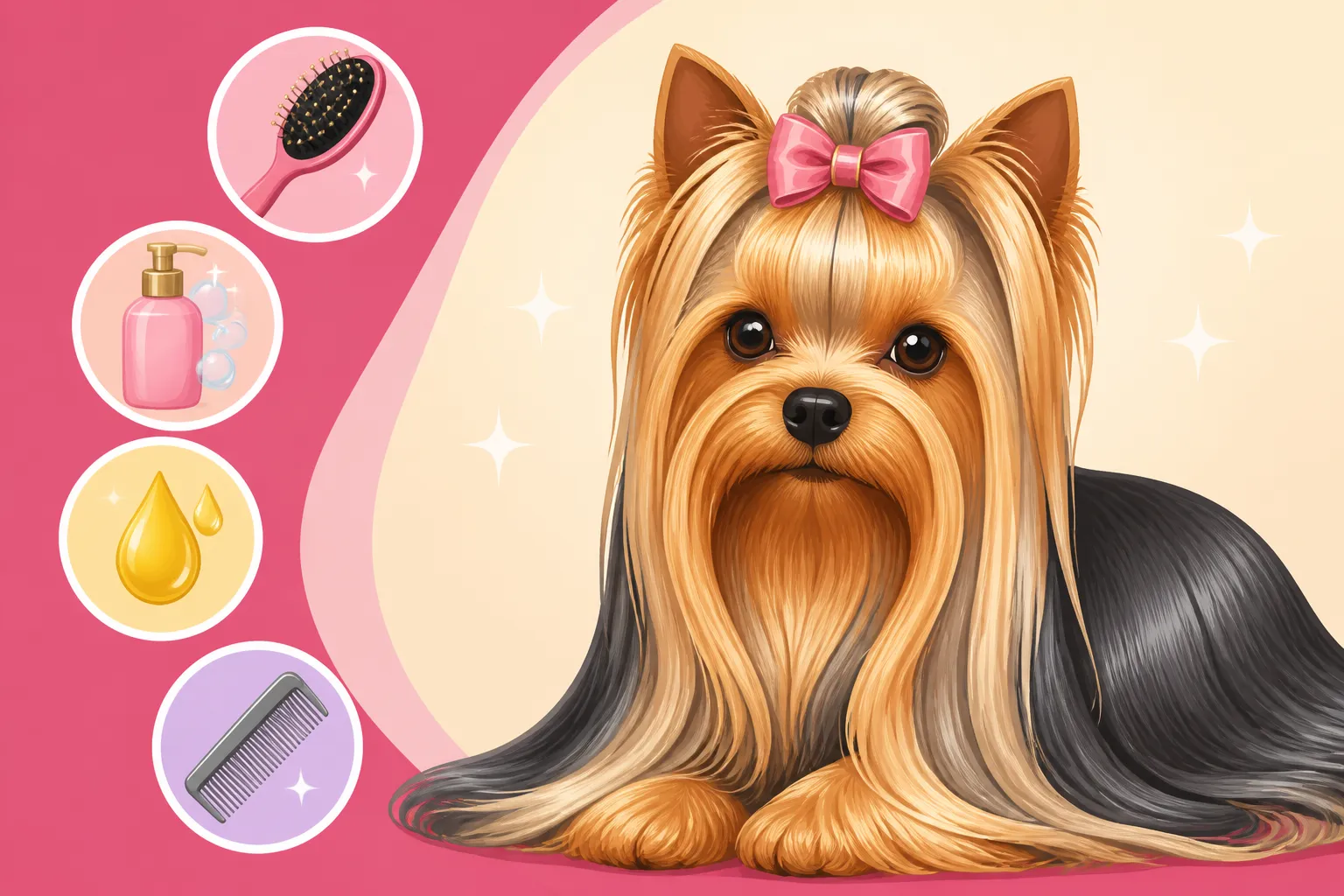
To perform effective daily brushing, you'll need a good quality detangling spray, a pin brush, and a fine-toothed metal comb. Start by lightly misting sections of your Yorkie’s coat with a detangling spray; this lubricates the hair, making it easier for the brush to glide through and minimizing breakage. Brands like Chris Christensen's Ice on Ice or The Coat Handler's Conditioner can work wonders here, creating a smooth surface. Then, using your pin brush, carefully brush the coat in small sections, starting from the ends and working your way up to the roots. Always hold the hair at the base with one hand while brushing with the other – this technique, called "line brushing," prevents pulling on the skin and allows you to thoroughly separate each strand.
Pay particular attention to areas where mats are notorious for forming. These include the hair behind the ears, under the armpits, on the belly, and the "skirt" around their legs. After brushing with the pin brush, follow up with your fine-toothed metal comb to ensure every tangle has been removed. If you encounter a knot that won't easily comb out, don't force it. Instead, apply a bit more detangling spray, gently work the knot apart with your fingers, and then try combing again. This meticulous approach to How to Brush a Yorkie's Coat might seem time-consuming at first, but it quickly becomes a bonding ritual and saves you immense grief from dealing with severe mats later.
Essential Grooming Tools
Having the right tools is just as important as the technique itself. Imagine trying to paint a masterpiece with a broken brush – it's simply not going to work out! For a long, silky Yorkie coat, your toolkit should be thoughtfully assembled to cater to its delicate nature. Investing in quality tools from a reputable pet supply store or online retailer like Amazon or Chewy makes a significant difference in the ease and effectiveness of your grooming sessions.
Your primary brushing tools will be a high-quality pin brush and a steel comb. A good pin brush, often with rounded pins to protect the skin, is excellent for working through the coat gently without snagging. Avoid slicker brushes for long coats unless you're using them very sparingly for specific detangling, as their stiffer bristles can sometimes cause breakage on fine Yorkie hair. A fine-toothed or greyhound comb made of stainless steel is indispensable for checking for any missed tangles after brushing and for working out smaller knots. Make sure the comb has both wider and narrower spaced teeth for different coat densities and areas.
Beyond brushes and combs, a high-quality detangling spray is a lifesaver. As mentioned earlier, it coats the hair, reducing friction and making brushing smoother. Consider a leave-in conditioner or a special coat oil for added hydration and shine, which can be applied sparingly after brushing, especially to drier ends. Additionally, blunt-nosed scissors are a must-have for carefully trimming away any small, irreparable mats that cannot be brushed out, or for safely trimming hair around the eyes or sanitary areas. Remember, only use these for minor touch-ups or emergencies, and always prioritize safety to avoid accidental nicks. Nail clippers and ear cleaner also belong in your general grooming kit, as overall hygiene contributes to a healthy appearance, but they aren't directly for coat maintenance.
Protective Styling
Once you’ve put in the effort to brush and maintain that beautiful long coat, you’ll want to protect it from damage and keep it out of your Yorkie’s eyes. This is where protective styling comes into play. It's not just about aesthetics; it’s about practicality and preserving the integrity of the hair.
One of the most iconic and practical protective styles for a long-haired Yorkie is the top knot. This involves gathering the hair on top of their head and securing it with a small, coated elastic band or a dog-safe clip. The top knot serves multiple purposes: it keeps hair out of their eyes, preventing irritation and allowing them to see clearly, and it protects the delicate hair on their head from friction and breakage. Learning how to create a neat and comfortable Yorkie Top Knot: What to Know is an essential skill for any owner aiming for a long coat. Always use bands specifically designed for pet hair, as human hair ties can snag and damage their fine strands.
For Yorkies with exceptionally long show coats, or for those prone to extreme matting, hair wraps can be a game-changer. These involve sectioning off portions of the coat, applying a light oil or conditioner, and then carefully wrapping the hair in tissue paper or special dog-friendly wrappers, secured with an elastic. This technique completely protects the hair from the elements, friction, and dirt, allowing it to grow to incredible lengths without damage. While more time-consuming, it's highly effective. Lastly, consider clothing and appropriate harnesses. A soft sweater or coat can protect your Yorkie's body hair from cold weather, dirt, and the friction of rubbing against surfaces. Crucially, a well-fitting harness, rather than a collar, is vital. A collar can cause significant breakage and matting around the neck area. This is one of the many reasons Why Harnesses Are Better Than Collars for Yorkies is such an important topic for coat health.
Bathing and Conditioning for Optimal Health
While daily brushing forms the backbone of coat care, bathing and conditioning are equally vital for cleaning, moisturizing, and enhancing the silkiness and shine of your Yorkie’s hair. However, bathing a Yorkie is not a casual affair; it's an art that, when done incorrectly, can lead to more tangles and a damaged coat. The goal is to cleanse thoroughly without stripping natural oils or causing further stress to their delicate hair.
Choosing the Right Shampoos and Conditioners
Selecting the correct grooming products for your Yorkshire Terrier is paramount. You wouldn't use dish soap on your own hair and expect it to be luscious, would you? The same goes for your Yorkie's precious coat. Generic dog shampoos often contain harsh detergents that can strip the natural oils from their hair and skin, leading to dryness, irritation, and breakage.
Always opt for shampoos specifically formulated for long-haired breeds or those with sensitive skin, ensuring they are pH-balanced for dogs. Look for ingredients like oatmeal, aloe vera, and natural oils (coconut, argan) that provide moisture and soothe the skin. Brands like Earthbath or Isle of Dogs offer excellent choices that are gentle yet effective. The shampoo should cleanse without leaving residue, which can weigh down the hair and make it appear dull. A good shampoo lifts dirt and grime while respecting the natural delicate balance of the coat.
Following up with a high-quality conditioner is perhaps even more critical than the shampoo for achieving that coveted silky texture. Conditioner replenishes moisture, smooths the hair cuticles, reduces static, and makes the coat much easier to brush after drying. Choose a conditioner that is deeply moisturizing and specifically designed for detangling and preventing breakage. Some conditioners can even be diluted and used as a leave-in treatment between baths for extra softness. Look for formulations that offer deep hydration and strength, helping to prevent those dreaded split ends. The right conditioner can transform a dull, tangled mess into a soft, manageable cascade.
Proper Bathing Techniques
The actual bathing process for a Yorkie with a long coat requires a careful, methodical approach to prevent matting and minimize stress on their delicate hair. A rushed or incorrect bath can undo all your hard work with daily brushing and leave you with a tangled nightmare.
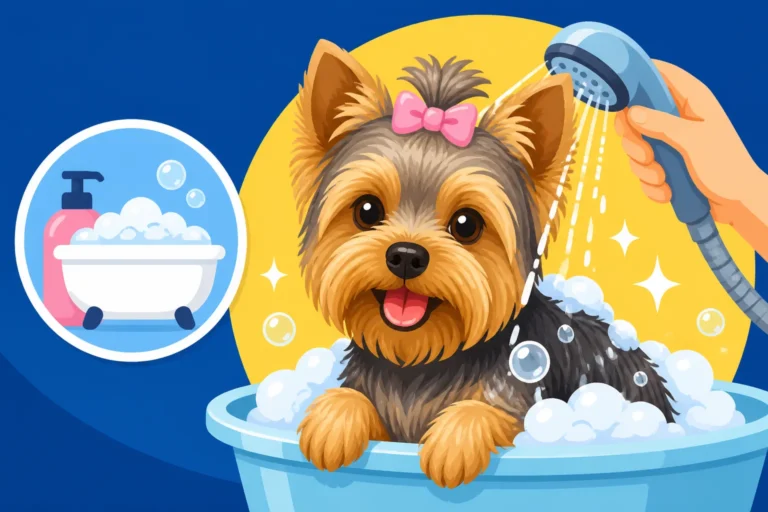
Before you even think about water, give your Yorkie a thorough pre-bath brush. This is a non-negotiable step. Any tangles or mats present before the bath will only tighten and worsen when wet, becoming nearly impossible to remove without cutting. Once brushed, gently place cotton balls in their ears to prevent water from entering, and apply a drop of ophthalmic ointment or a special protective eye wipe around their eyes to shield them from shampoo. Use lukewarm water – never hot – and thoroughly wet their coat from head to tail, ensuring the water penetrates right down to the skin.
When applying shampoo, dilute it slightly with water first to ensure even distribution and easier rinsing. Gently massage the shampoo into the coat, always working in the direction of hair growth. Avoid circular scrubbing motions, which can tangle the hair. Focus on lifting dirt rather than creating friction. Once lathered, rinse thoroughly, and then rinse again. Shampoo residue left in the coat can cause irritation, dullness, and attract dirt faster. Repeat the shampoo and rinse process if necessary, especially if your Yorkie was particularly dirty. Finally, apply a generous amount of conditioner, working it gently into the coat, ensuring it covers every strand. Let it sit for a few minutes (as per product instructions) before rinsing thoroughly until the water runs clear and the coat feels silky smooth. How Often to Bathe a Yorkshire Terrier really depends on their lifestyle, but generally, every 2-4 weeks is a good guideline to maintain coat health without over-drying.
Post-Bath Care and Detangling
The steps you take immediately after the bath are just as important as the bathing itself, particularly for ensuring a long, silky, and tangle-free coat. This is where many of the mats can form if care isn't taken.
After a thorough rinse, gently squeeze excess water from your Yorkie's coat. Do not rub vigorously with a towel, as this will create a terrible tangle fest. Instead, gently blot and pat the coat dry with a soft, absorbent towel. Once the majority of the water has been absorbed, it's time to blow-dry. Use a low-heat setting on a dog-specific dryer or a human hairdryer (held at a safe distance) to dry the coat section by section. As you dry, use your pin brush to gently brush the hair, again working from ends to roots, ensuring each section is completely dry and tangle-free before moving on. This technique helps straighten the hair and prevents any new tangles from forming as it dries. Air drying is generally not recommended for long-haired Yorkies, as it can encourage matting and promote skin issues if moisture gets trapped.
Once completely dry, apply a light, leave-in conditioner or a few drops of a quality coat oil, focusing on the ends, which are most prone to dryness and breakage. This locks in moisture, adds shine, and provides an extra layer of protection. Then, perform a final comb-through with your fine-toothed metal comb to confirm there are no remaining tangles. This meticulous post-bath care is vital for setting the stage for a beautifully silky coat until the next wash. If you did encounter any stubborn knots despite your best efforts, apply a liberal amount of detangling spray and patiently work them out with your fingers and comb, rather than pulling harshly, which can damage the hair.
Nutritional Foundation for a Lustrous Coat
You can have the most diligent grooming routine in the world, but if your Yorkie's diet isn't up to scratch, their coat will never reach its full potential. Just like our skin and hair reflect our internal health, a dog's coat is a direct indicator of their overall well-being and the nutrients they're consuming. A dull, dry, or brittle coat is often a red flag that something is missing in their diet.
The Role of Diet in Coat Health
The adage "you are what you eat" holds true for our canine companions, especially when it comes to the quality of their coat. A vibrant, silky coat isn't just a matter of external care; it's built from the inside out, fueled by a balanced and nutrient-rich diet. Think of their hair as a continuous growth process that requires a constant supply of specific building blocks.
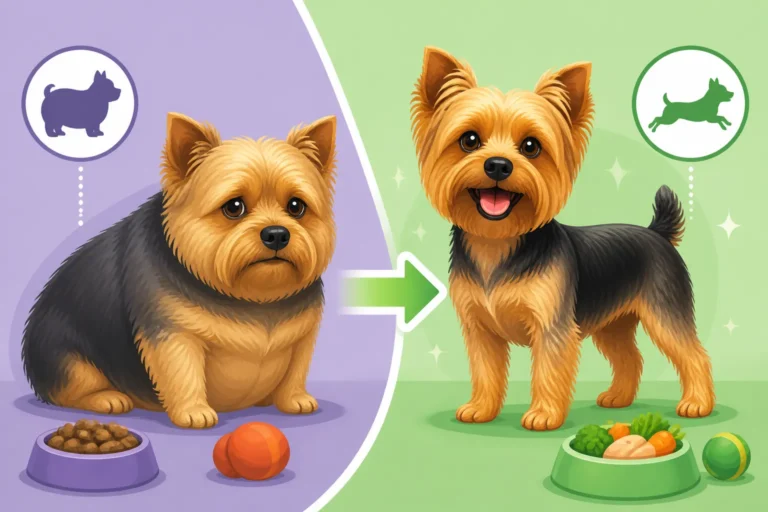
High-quality protein is fundamental. Hair is primarily made of protein (keratin), so a diet rich in easily digestible animal proteins, such as chicken, lamb, fish, or beef, is crucial for strong, healthy hair growth. Inferior protein sources or insufficient amounts can lead to slow growth, thin hair, and increased breakage. Beyond protein, essential fatty acids are the undisputed champions of coat health. Specifically, Omega-3 and Omega-6 fatty acids play a vital role in maintaining skin hydration and elasticity, which directly translates to a shiny, healthy coat. Omega-3s, commonly found in fish oil (salmon oil, krill oil), are powerful anti-inflammatories that can soothe dry, itchy skin and reduce dullness. Omega-6s, found in ingredients like chicken fat and certain vegetable oils, are also important for the skin barrier function.
When selecting food, read the labels carefully. Look for whole ingredients, clear protein sources as the first few ingredients, and a healthy balance of fats. Some owners find great success with fresh food delivery services like Ollie, which provide human-grade, balanced meals tailored to your dog’s needs, often resulting in noticeable improvements in coat quality. For those who prefer kibble, explore premium brands available on platforms like Chewy, focusing on those that prioritize nutrient density and avoid excessive fillers. The right food can make a dramatic difference, turning a lackluster coat into a gleaming testament to good health. This is why paying close attention to the Best Dog Food for Yorkshire Terriers is crucial.
Supplements for Added Shine
Even with a high-quality diet, some Yorkies may benefit from specific supplements to boost their coat's luster and health, particularly if they have a history of dry skin or a dull coat. Before introducing any new supplement, however, it's always wise to consult with your veterinarian to ensure it's appropriate for your individual dog and won't interact negatively with any existing conditions or medications.
Fish oil is perhaps the most widely recommended supplement for coat health. Rich in EPA and DHA (types of Omega-3 fatty acids), fish oil helps reduce inflammation, moisturize the skin from within, and promote a soft, shiny coat. You can find high-quality fish oil supplements specifically formulated for dogs in liquid or capsule form. Just be sure to follow dosage instructions based on your Yorkie's weight, as too much can cause digestive upset. Brands like Nordic Naturals or Zesty Paws are popular choices.
Other supplements that can support coat health include biotin and zinc. Biotin, a B-vitamin, is essential for healthy skin and hair, and while typically found in complete dog foods, some dogs with persistent coat issues may benefit from a targeted supplement. Zinc is another mineral crucial for skin cell function and wound healing, and a deficiency can sometimes manifest as a poor coat. These are often found in skin and coat specific multi-vitamins for dogs. Remember, supplements are meant to complement a good diet, not replace one. They act as an extra boost, providing concentrated nutrients that might be lacking or needed in higher amounts for optimal coat condition.
Hydration and Its Impact
It’s easy to overlook something as fundamental as water, but adequate hydration is absolutely foundational for a healthy, vibrant Yorkie coat. Just like a plant wilts without water, a dog's skin and hair will suffer if they're not drinking enough. Hydration supports every cellular process in the body, including those responsible for producing healthy skin and hair.
When your Yorkie is properly hydrated, their skin is more supple, and their hair follicles are better nourished. This promotes stronger hair growth, reduces dryness, and makes the coat naturally more resilient and less prone to breakage. Conversely, dehydration can lead to dry, flaky skin, which in turn results in a dull, brittle, and often itchy coat. You might notice more static electricity in a dry coat, which leads to more tangles.
Ensure your Yorkie always has access to fresh, clean water. This means multiple water bowls around the house, and cleaning them daily to encourage drinking. Some Yorkies are picky about their water, so a ceramic or stainless steel bowl might be preferred over plastic. Consider a dog water fountain, which keeps water circulating and can entice some dogs to drink more. For Yorkies who aren't big drinkers, incorporating wet food into their diet can also boost their daily water intake. Monitoring your Yorkie's water consumption is an easy but incredibly effective step in maintaining their overall health, and by extension, their beautiful, silky coat.
Environmental and Lifestyle Factors
Beyond direct grooming and diet, a Yorkie's environment and daily lifestyle choices play a significant role in the health and appearance of their long coat. Neglecting these broader factors can undermine even the most diligent efforts, making it harder to maintain that coveted silky texture. It's about creating a safe, healthy world for your Yorkie that supports their overall well-being, from the inside out and the outside in.
Protecting the Coat from Environmental Damage
A Yorkie's long, fine hair is susceptible to damage from various environmental elements. Just like human hair can suffer from sun exposure or harsh winds, your Yorkie’s coat needs protection to stay soft and silky. These external stressors can strip moisture, cause breakage, and even lead to dullness.
UV rays, especially during prolonged sun exposure, can dry out the hair, making it brittle and prone to split ends. While Yorkies aren't typically outdoor dogs for extended periods, even short walks on sunny days can take a toll. Consider a lightweight, UV-protective doggy shirt if your Yorkie spends time outdoors in direct sunlight. Harsh winds can also wreak havoc, tangling the fine hair and causing mechanical damage. On windy days, a protective coat or sweater can help keep their hair contained and prevent it from whipping around. Cold, dry winter air is another culprit, drawing moisture out of the hair and leading to static and breakage. Again, appropriate dog clothing can offer a protective barrier.
Dirt, dust, and debris from outdoor adventures are also prime enemies of a silky coat. These particles not only make the coat look dingy but can also get embedded in the hair, causing friction and leading to mats. After any outdoor excursion, a quick brush-through and a wipe-down with a damp cloth (or a dog-specific cleansing wipe) can prevent dirt from setting in. Regularly cleaning your Yorkie's bedding and living areas also reduces the amount of environmental grime that can transfer to their coat. The cleaner the environment, the cleaner and healthier their coat will be.
Regular Vet Check-ups and Parasite Prevention
The overall health of your Yorkie has a direct and profound impact on the condition of their coat. A dull, dry, flaky, or excessively shedding coat can often be an early indicator of an underlying health problem, making regular veterinary check-ups absolutely essential. Think of your vet as your partner in maintaining your Yorkie's holistic well-being.
Various medical conditions can manifest through changes in coat quality. For example, allergies (environmental or food-related) often lead to itchy skin, excessive scratching, and subsequent damage to the coat. Thyroid imbalances or other endocrine disorders can cause dry, brittle hair or hair loss. Even internal parasites can deplete nutrients, leaving the coat looking unhealthy. Your veterinarian can perform diagnostic tests to rule out or address these issues, offering solutions that will not only improve your Yorkie's coat but also their overall quality of life. This is why understanding Yorkshire Terrier Health Problems to Know is so important.
Beyond addressing specific health conditions, consistent parasite prevention is critical for coat health. Fleas, ticks, and mites can cause intense itching, leading your Yorkie to scratch, bite, and rub, which severely damages the hair and can even cause skin infections. Regular use of vet-recommended flea and tick preventatives (oral medications or topical treatments) is a non-negotiable part of responsible pet ownership. A healthy, itch-free dog is much more likely to maintain a beautiful, unbroken coat.
Stress Reduction and Adequate Exercise
It might seem indirect, but a stressed or anxious Yorkie can exhibit coat and skin problems. Stress can affect the immune system and lead to habits like excessive licking or scratching, which in turn damage the coat. Conversely, a happy, well-adjusted dog often radiates health, and that includes a vibrant coat.
Yorkies, despite their small size, are intelligent and sensitive creatures. They thrive on routine, companionship, and mental stimulation. Chronic stress, perhaps from prolonged isolation, a chaotic home environment, or a lack of routine, can manifest physically. Stress hormones can impact skin health, making the coat dull, and anxious behaviors like compulsive licking or chewing can create raw spots or cause hair breakage. Creating a calm, predictable home environment and ensuring your Yorkie feels secure and loved is a vital, if often overlooked, component of coat care.
Adequate exercise and mental stimulation are also crucial. While Yorkies don't need miles of running, they do benefit from daily walks, playtime, and engaging toys. Regular Yorkshire Terrier Exercise Needs help burn off excess energy, reduce boredom, and contribute to overall physical and mental health. A dog that is physically fit and mentally content is less likely to engage in stress-related behaviors that harm their coat. Furthermore, good circulation, stimulated by activity, supports healthy hair follicles. So, in essence, a well-cared-for, happy Yorkie is often a Yorkie with a wonderfully shiny and healthy coat.
Professional Grooming and Troubleshooting
Even with the most dedicated home grooming routine, there are times when professional expertise is invaluable. From tackling severe mats to getting the perfect breed-specific trim, a skilled groomer can be an indispensable partner in keeping your Yorkie's coat long and silky. They also possess the knowledge to spot potential issues that you might miss, offering an extra layer of care for your furry friend.
When to Seek Professional Help
While daily home grooming is essential, there are specific situations where a professional groomer's touch is not just helpful, but necessary. Recognizing these moments can save your Yorkie discomfort and prevent further damage to their beautiful coat.
One of the most common reasons to visit a professional groomer is to address severe matting. If you discover a mat that is too tight, too large, or too close to the skin to safely remove at home with gentle brushing and detangling spray, do not attempt to cut it out yourself with regular scissors. This can be incredibly dangerous and lead to accidental nicks or cuts to your Yorkie's delicate skin. A professional groomer has specialized tools, techniques, and the expertise to safely and painlessly remove mats, even if it means shaving a section of the coat. They understand the intricacies of different coat types and can often save more hair than a well-meaning owner might.
Beyond mat removal, professional groomers are experts in breed-specific cuts and maintaining the shape of a long coat. They can provide regular trims to prevent split ends, which are detrimental to length and silkiness, and keep the coat looking neat and well-maintained. This includes trimming around the paws, sanitary areas, and ensuring the face hair is kept tidy and out of the eyes. Many Yorkie owners find that a professional groom every 4-6 weeks, complemented by daily home care, is the ideal schedule for maintaining a long, silky coat. Knowing How Often Yorkies Need Grooming professionally can significantly reduce the burden of home grooming and ensure your Yorkie always looks their best.
Common Coat Issues and Solutions
Even with the best care, you might occasionally encounter common coat issues. Knowing how to identify and address them can help you keep your Yorkie's coat in top condition and prevent minor problems from escalating.
Dandruff, or flaky skin, is a common issue that can make a silky coat appear dull and feel rough. It can be caused by dry air, improper diet, bathing with harsh shampoos, or even underlying skin conditions or allergies. If you notice persistent dandruff, first review your Yorkie's shampoo and conditioner choices to ensure they are moisturizing and gentle. You might also consider adding an Omega-3 supplement to their diet. If the dandruff persists, especially if accompanied by itching or redness, a vet visit is in order to rule out skin infections, allergies, or other medical issues.
While Yorkies are known for minimal shedding, excessive hair loss beyond normal maintenance should raise a red flag. This can be a sign of a more serious underlying health problem, such as thyroid disease, hormonal imbalances, parasites, or severe allergies. If you observe thinning hair, bald patches, or an unusual amount of shedding, schedule a vet appointment immediately. They can perform tests to diagnose the cause and recommend appropriate treatment. Persistent dullness, despite consistent grooming and a good diet, also warrants a vet check. Sometimes, internal parasites, malabsorption issues, or even chronic stress can affect nutrient uptake and lead to a lackluster coat. A professional can help troubleshoot and get your Yorkie back on the path to a gleaming coat.
The Show Coat Journey vs. Practical Long Coat
For many Yorkie owners, the vision of a long, flowing coat is inspired by images of show dogs. However, it's important to understand the significant difference between maintaining a "show coat" and a "practical long coat" for a beloved pet. Both are beautiful, but their requirements differ dramatically.
A true show coat for a Yorkshire Terrier is an incredible feat of dedication. These coats often reach floor length, requiring daily wrapping in special papers or foils to prevent breakage, matting, and environmental damage. The grooming routine for a show dog is incredibly intensive, often involving daily conditioning treatments, specialized products, and meticulous handling to ensure every strand is perfect. This level of commitment is typically reserved for those actively involved in dog shows, where every hair is judged. It's an aspirational look, but not always practical for a dog that enjoys a normal, active pet life.
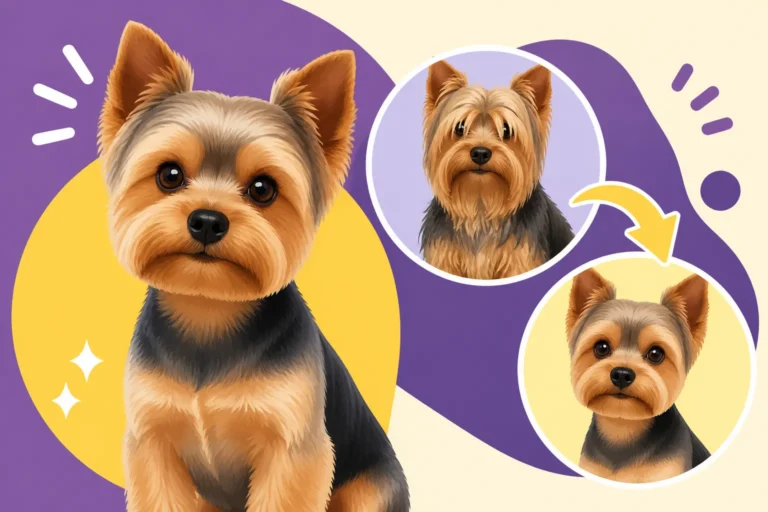
For most pet owners, the goal is a "practical long coat" – one that is still long enough to be appreciated for its silky texture, but also manageable enough for a dog to live comfortably and enjoy their daily activities. This might mean a coat that reaches to the elbow or just above the floor, rather than trailing behind. It still requires diligent daily brushing, regular baths with quality products, and attention to diet and protection, but it generally does not involve the extreme wrapping and constant vigilance of a show coat. It's about finding a balance where your Yorkie can still run, play, and cuddle without the constant worry of hair damage. And, if the long coat proves too much, there's always the option of a "puppy cut" or a shorter, easy-care style. Understanding Yorkie Puppy Cut: What to Know can be a great alternative that still looks adorable and is much simpler to maintain.
No matter your goal, remember that consistency and love are the most important ingredients in your Yorkie's grooming journey.
Comparison of Brushing Tools for Yorkies
| Tool Type | Best Use | Benefits | Considerations |
|---|---|---|---|
| Pin Brush | Daily full-body brushing, detangling | Glides through long hair, separates strands, gentle on skin | Ensure pins have rounded tips; avoid brushes with hard, exposed pins. |
| Steel Comb | Checking for missed tangles, facial hair, top knots | Essential for thorough detangling; good for specific areas | Choose one with both wide and fine teeth; stainless steel is durable. |
| Slicker Brush | Mat removal (very carefully), quick fluffing | Can effectively break up small mats and remove loose undercoat | Use sparingly and gently, can cause breakage if used too aggressively on fine hair. |
| Mat Splitter / Dematter | Stubborn, tight mats (professional use recommended) | Designed to cut through mats without removing too much surrounding hair | Requires skill; can easily cut skin if not used correctly. Best left to pros. |
| Blunt-Nosed Scissors | Trimming small, irreparable mats, sanitary trims | Safe design for precise, small cuts | Always point away from skin; use for minor issues only. |
Disclaimer
The information provided in this article is for general informational purposes only and is not intended as a substitute for professional veterinary advice. Always consult with a qualified veterinarian or professional groomer for any health concerns or before making changes to your pet's diet, grooming routine, or care plan.