How to Brush a Yorkie’s Coat
If you’re a Yorkshire Terrier parent, you know that gorgeous, flowing coat is both a blessing and, at times, a formidable challenge. It’s easy to feel overwhelmed by the sheer volume of hair and the seemingly endless battle against tangles and mats. But don't despair! Learning how to properly brush your Yorkie’s coat is a fundamental act of care that not only keeps them looking fabulous but also contributes significantly to their overall health and comfort. This comprehensive guide will walk you through everything you need to know to make brushing a stress-free and bonding experience for both of you.
Why Brushing is Crucial for Your Yorkie's Health and Happiness
Brushing isn't just about aesthetics; it's a vital part of your Yorkie’s health regimen. Neglecting their coat can lead to serious discomfort and health issues, transforming a beautiful fur coat into a source of pain and distress. Understanding these benefits can help reinforce the importance of a consistent routine.
Preventing Painful Matting and Tangles
Yorkies have a single coat that is more like human hair than typical dog fur, which means it grows continuously and is prone to tangling and matting if not regularly maintained. Mats form when loose hair gets woven together with live hair, creating dense clumps that pull on the skin. Imagine having a massive knot in your own hair that pulls with every movement – that's what a mat feels like to your Yorkie, but often much worse. These mats can hide parasites, trap moisture leading to skin infections, and restrict movement, making even simple actions like walking or lying down painful.
Regular brushing actively prevents these painful tangles from forming. By systematically removing loose hair and separating strands, you stop mats before they have a chance to take hold. This proactive approach saves your Yorkie from discomfort and saves you from the difficult, sometimes costly, task of dematting or having their coat shaved down. It’s particularly important for longer coats or for Yorkies who love to play outside, as dirt and debris can exacerbate matting.
Promoting Skin Health and Circulation
Beyond preventing tangles, brushing acts as a gentle massage for your Yorkie's skin. The bristles stimulate blood flow to the skin's surface, which is essential for healthy hair growth and maintaining the skin's natural barrier. Good circulation helps deliver nutrients to the hair follicles, resulting in a stronger, shinier, and healthier coat. Think of it as a daily spa treatment for your little companion!
Additionally, brushing helps distribute natural oils produced by your Yorkie's skin throughout their coat. These oils are vital for keeping the hair moisturized, lustrous, and protected from environmental damage. Without regular brushing, these oils can build up at the skin level, potentially leading to greasy skin or clogged pores, while the ends of the hair become dry and brittle. It also allows you to visually inspect their skin for any abnormalities, like dry patches, rashes, fleas, ticks, or bumps, allowing for early detection and treatment of potential Yorkie Skin Problems and Solutions.
Minimizing Shedding and Keeping Your Home Cleaner
While Yorkshire Terriers are often lauded as a low-shedding breed, they do still shed a small amount of hair, much like humans. This is especially true for puppies transitioning from their soft puppy coat to their adult silky hair, or for older Yorkies. Regular brushing helps to capture these loose hairs before they have a chance to fall out and scatter around your home.
By brushing frequently, you’re essentially deshedding your Yorkie in a controlled manner, reducing the amount of hair you find on your furniture, clothes, and floors. This makes for a cleaner living environment and can also be beneficial for family members with mild pet allergies, as it helps remove dander trapped in the coat. A clean, well-brushed coat simply means less airborne dander and fewer rogue hairs floating around your home.
Gathering Your Yorkie Grooming Arsenal
Before you even think about putting brush to fur, it’s crucial to have the right tools at your fingertips. Using inappropriate brushes or missing essential supplies can make the task harder, less effective, and even uncomfortable for your Yorkie. Investing in quality tools designed for their specific coat type will make all the difference.
Essential Brushes and Combs
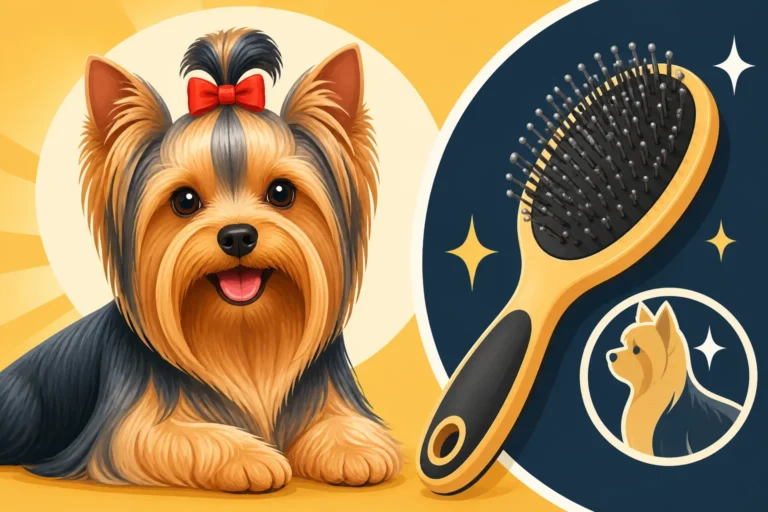
When it comes to brushing a Yorkie, you can’t just grab any old brush. Their fine, silky hair requires specific tools. A good quality slicker brush is your primary weapon against tangles. Look for one with fine, bent wire bristles that are gentle on the skin but effective at getting through the coat. Brands like Chris Christensen or similar professional grooming brands offer excellent options designed for delicate coats.
A metal comb, often referred to as a greyhound comb, is equally essential. It should have both wide and fine teeth. The wide-toothed side is excellent for initially working through larger sections and checking for mats, while the fine-toothed side is perfect for delicate areas like the face, ears, and paws, and for ensuring every last tangle is removed. Finally, a pin brush with polished, rounded pins can be great for finishing touches, especially on longer coats, adding shine and fluff without causing static. You can find a wide selection of these tools on platforms like Chewy or Amazon, making it easy to compare options and read reviews. For a deeper dive into selecting the right tools, check out our guide on the Best Brush for a Yorkshire Terrier.
| Tool Type | Primary Use | Ideal Bristle/Tooth Type | Key Benefit |
|---|---|---|---|
| Slicker Brush | Daily detangling, removing loose hair | Fine, bent wire | Effectively removes mats and dead hair |
| Metal Comb | Checking for mats, intricate areas (face/paws) | Wide and fine teeth | Ensures complete detangling, precision |
| Pin Brush | Finishing, adding shine, fluffing long coats | Rounded metal pins | Gentle, reduces static, adds luster |
| Dematter Tool | Safely cutting through stubborn mats (use with caution!) | Sharp blades with guard | Last resort for severe matting |
Detangling Sprays and Conditioners
Never, ever brush a dry Yorkie coat, especially if there are any tangles present. Dry brushing can damage the hair, causing breakage and static, and make the experience unpleasant for your dog. A good quality detangling spray or leave-in conditioner is a game-changer. These products lubricate the hair strands, making them slippery and easier for brushes and combs to glide through without snagging or pulling.
Look for sprays that are formulated for dogs, preferably those with moisturizing ingredients like aloe vera, argan oil, or silk proteins. Brands like Earthbath or BioSilk for Dogs are popular choices. A light spritz over the section you’re working on will drastically reduce friction and prevent static electricity, which can turn brushing into a frustrating battle. Some people even dilute a regular dog conditioner with water in a spray bottle for a homemade detangler. This step is non-negotiable for anyone serious about maintaining a healthy Yorkie coat.
Other Handy Grooming Tools
Beyond brushes and sprays, a few other items will complete your grooming kit and make the process smoother.
First, a good pair of blunt-nosed scissors is essential for carefully trimming around the eyes, paws, and sanitary areas. Always use blunt-nosed scissors to avoid accidental pokes, especially with a wiggling Yorkie.
Second, nail clippers or a dremel tool are necessary for keeping their nails at a healthy length. Long nails can cause discomfort and even lead to skeletal problems over time.
Third, ear cleaning solution and cotton balls are useful for routine ear hygiene, as Yorkies can be prone to ear infections. A grooming table with a non-slip surface and a grooming arm can also be a fantastic investment, especially for Yorkies who aren't keen on standing still on the floor. It elevates your dog to a comfortable working height and can help secure them, making the process safer and more efficient. Remember, all these tools are readily available from online pet supply stores like Chewy, making it convenient to stock up.
Mastering the Art of Brushing Your Yorkie's Coat
Now that you have your arsenal ready, let’s talk technique. Brushing a Yorkie isn't a race; it's a careful, methodical process that requires patience and a gentle touch. Approaching it correctly will ensure your Yorkie associates grooming with positive experiences, making future sessions much easier.
Preparing Your Yorkie for a Stress-Free Session
The foundation of a good brushing session is preparation, both for you and your Yorkie. First, choose a calm time when your Yorkie is relaxed, perhaps after a potty break or a short play session, but before a meal or intense activity. This helps them be more receptive. Set up your grooming area in a quiet spot where you won’t be interrupted. Lay out all your tools within easy reach.
For your Yorkie, positive reinforcement is key. Start with short sessions, especially if they’re a puppy or new to grooming. Introduce the brushes and sprays by letting them sniff them. Offer small, high-value treats and praise generously throughout the session. If your Yorkie is anxious, you might consider using a calming supplement or a thundershirt during the initial training phases. Some owners even put a dab of peanut butter on a Lickimat to distract and keep their Yorkie focused. The goal is to build a positive association, so they don’t dread the brush. A calm demeanor from you will translate to a calmer experience for them.
The Step-by-Step Brushing Technique
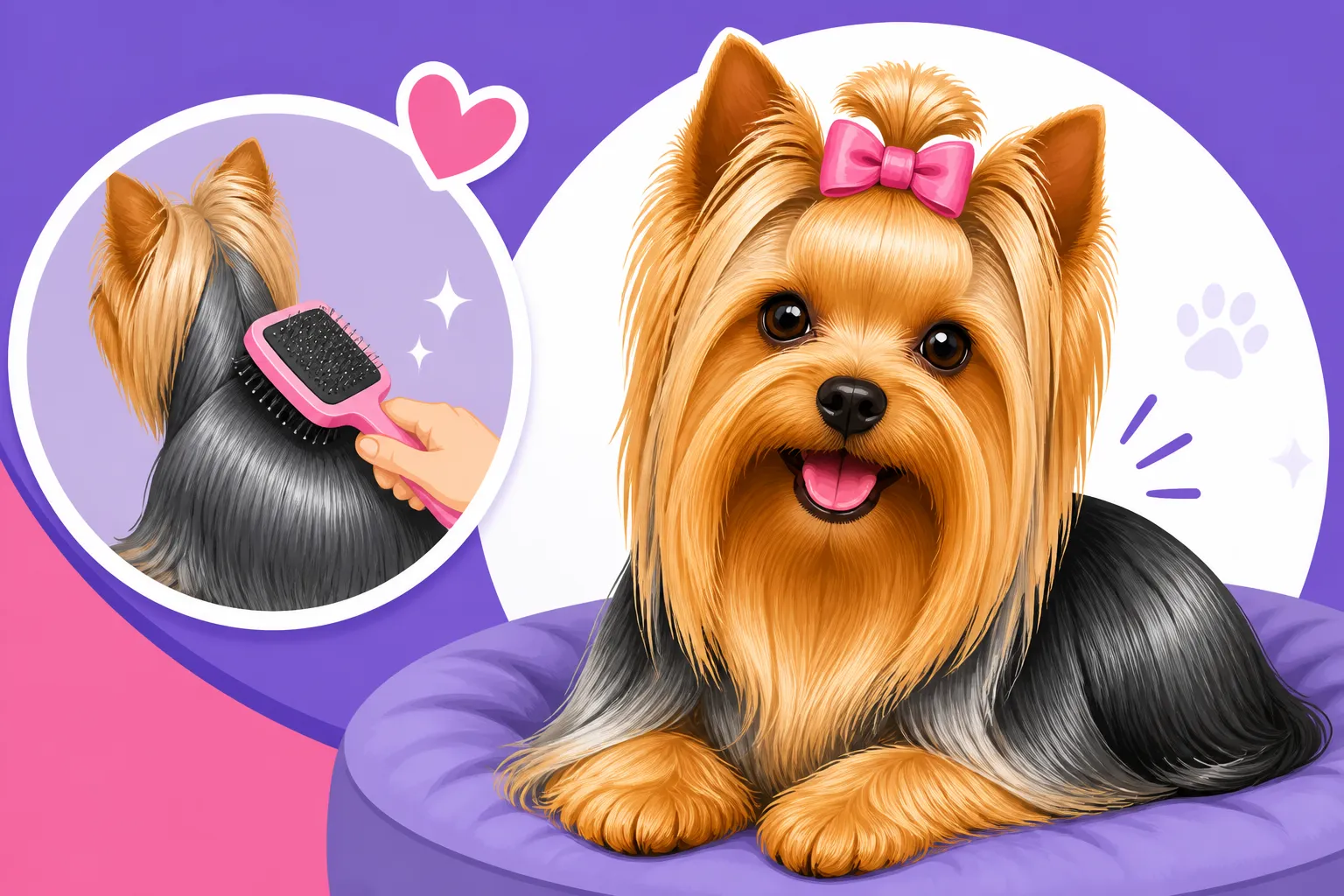
The most effective way to brush a Yorkie is using the "line brushing" method. This ensures you get down to the skin, preventing hidden mats from forming.
- Section by Section: Start by laying your Yorkie on their side or having them stand on a grooming table. Begin with a small section of hair, perhaps on their leg or flank. Hold the hair above the section you’re working on upwards, using one hand to expose the skin at the root.
- Spritz and Brush: Lightly spritz the exposed section with your detangling spray. Then, using your slicker brush, brush downwards, moving from the skin out to the ends of the hair. Work in small, gentle strokes. The goal is to separate each strand of hair.
- Comb Through: Once you’ve brushed a section, follow immediately with your metal comb. Start with the wide-toothed side, combing through the same section. If the comb glides through smoothly from root to tip, move on to the fine-toothed side. If the fine comb also glides easily, you know that section is tangle-free. If you encounter a snag, stop immediately and gently work it out with the slicker brush and more detangler, or by carefully teasing it apart with your fingers before re-combing. Never pull or yank the comb through a tangle, as this will hurt your Yorkie and damage their coat.
- Work Upwards: Once a small "line" is brushed and combed, drop a little more hair from the section you're holding up, creating a new "line" just above the previous one. Repeat the spritz, brush, and comb process. Continue this method across the entire body, working your way up from the legs, belly, and chest, to the back, neck, and tail. Pay extra attention to friction areas like armpits, behind the ears, and around the collar, as these are prone to matting.
- Face and Head: For the delicate face and head, use the fine-toothed side of your metal comb. Be extremely careful around the eyes and nose. Many Yorkies wear a Yorkie Top Knot Tutorial to keep the hair out of their eyes; regular brushing of this topknot is crucial to prevent mats that can cause irritation. Some Yorkies, especially those prone to tear staining, benefit from regular cleaning around their eyes; learn more about Yorkie Eye Discharge Causes.
Finishing Touches for a Flawless Coat
Once you’ve meticulously worked through your Yorkie’s entire coat with the slicker brush and metal comb, you’re almost done! Now it's time for the finishing touches to ensure they look their absolute best. Use a pin brush to go over the entire coat, gently fluffing it and adding shine. This also helps remove any loose hairs missed by the slicker brush and minimizes static. A quick spritz of a finishing spray (if desired) can add extra luster and help repel dirt.
Finally, give your Yorkie a thorough visual inspection. Check their paws for any overgrown hair between the pads, which can accumulate dirt and cause slipping. Trim any long hairs around the paw pads and between their toes carefully using your blunt-nosed scissors. Inspect their ears for cleanliness and any signs of irritation or excess wax, gently wiping them with a dog-specific ear cleaner on a cotton ball if needed. This final check ensures their overall comfort and highlights areas that might need extra attention during future grooming sessions. Don't forget to offer a well-deserved treat and lots of praise for their cooperation!
Tackling Common Yorkie Coat Challenges
Even with a consistent routine, Yorkies present unique grooming challenges. Their fine hair and playful nature mean that mats, static, and even minor skin issues can pop up. Knowing how to effectively address these problems can save you a lot of headache and keep your Yorkie comfortable.
Dealing with Stubborn Mats
Encountering a stubborn mat can be frustrating, but panic will only make it worse. The key is never to pull or cut randomly. If you find a mat, first isolate it. Gently work a small amount of detangling spray or even a touch of cornstarch directly into the mat. This helps to loosen the hair and reduce friction.
Using your fingers, try to gently pull the mat apart into smaller sections. Once it’s somewhat loosened, use the wide-toothed side of your metal comb, starting at the very end of the mat and working your way incrementally closer to the skin, a few strands at a time. Think of it as picking apart a knot. If the mat is too dense or too close to the skin, a dematting tool or a seam ripper (used with extreme caution and a guard between the tool and skin) can be used to carefully slice through the mat in the direction of hair growth. This breaks the mat into smaller, more manageable pieces that can then be combed out. If a mat is severe and painful, it’s always best to seek professional help to avoid injury to your Yorkie. Never use scissors to cut out a mat unless you are absolutely certain of the location and have a clear view of the skin, as it's incredibly easy to cut skin underneath. Our guide on How to Prevent Yorkie Matting offers more proactive strategies.
Managing Static and Flyaways
Static electricity can make a Yorkie's beautiful coat stand on end, making it difficult to brush and attracting more dust and debris. This is especially common in dry climates or during winter months when indoor heating is on. To combat static, always use a good quality detangling spray or leave-in conditioner before and during brushing. These products add moisture and lubrication to the hair, significantly reducing static.
Using a pin brush for finishing rather than a plastic-bristled brush can also help, as metal pins tend to generate less static. You can also lightly mist your hands with water or a static-reducing spray (specifically designed for dogs) and gently run them over your Yorkie's coat. Humidifying your home can also help reduce ambient static. Some owners find that a small amount of coconut oil or argan oil, rubbed between their palms and lightly smoothed over the coat, can add moisture and combat flyaways, but use sparingly to avoid a greasy look.
Addressing Skin Irritations During Brushing
If you notice any redness, flakiness, or irritation on your Yorkie’s skin while brushing, it’s important to address it gently and promptly. First, ensure your brushes are clean and free of trapped hair or debris, which can scratch the skin. Always use brushes with rounded tips or pins to prevent scratching. If the irritation seems localized to an area where a mat was, it might just be sensitive from the pulling.
However, if you observe persistent redness, bumps, or excessive scratching, it could indicate an underlying skin condition like allergies, dry skin, or a fungal infection. Why Is My Yorkie Scratching can provide more insight. In such cases, a hypoallergenic shampoo or a soothing oatmeal bath might help, but it’s always best to consult your veterinarian for an accurate diagnosis and appropriate treatment. Brands like Zymox offer excellent medicated shampoos and conditioners that can help with various skin issues. Remember, your vet is your best resource for any persistent skin problems.
Establishing a Consistent Grooming Routine
The secret to a beautiful Yorkie coat isn’t a one-time intensive session; it’s a commitment to a consistent, regular routine. Integrating grooming into your daily life makes it less daunting and more enjoyable for everyone involved.
Daily Brushing Habits
For Yorkies with longer coats, or those prone to mats, a quick daily brush-through is ideal. This doesn't need to be a full-blown line-brushing session every single day. Instead, focus on the "friction areas" where mats commonly form: under the armpits, behind the ears, on the chest, and where their harness or collar sits. A quick 5-10 minute session using your slicker brush and metal comb on these key areas, along with a light spritz of detangler, can prevent major problems.
Making this a part of your daily routine, perhaps while you're watching TV or winding down in the evening, helps establish a predictable rhythm for your Yorkie. Consistency reinforces positive behavior and keeps their coat in top condition, making weekly deep dives much easier. It's a small investment of time that pays huge dividends in preventing pain and maintaining their gorgeous appearance.
Weekly Deep Dive Sessions
In addition to daily spot checks, aim for at least one or two comprehensive brushing sessions each week, following the full line-brushing technique described earlier. This is when you meticulously work through every inch of their coat, ensuring there are no hidden tangles brewing. During these longer sessions, you’ll want to dedicate 30-60 minutes, depending on your Yorkie's coat length and cooperation.
These weekly sessions are also the perfect time to perform other essential grooming tasks, such as How to Trim a Yorkie's Nails, How to Clean a Yorkie's Ears, and checking their teeth. You can also refresh their Yorkie Top Knot Tutorial or trim any hair growing excessively long around their eyes or paws. Think of it as a weekly pampering session that addresses all aspects of their external care, promoting both hygiene and bonding.
When to Seek Professional Help
While home grooming is essential, there are times when professional help is not just beneficial, but necessary. If your Yorkie develops severe, dense matting that you can’t safely remove yourself, a professional groomer can often demat them without causing pain or needing to shave their entire coat. They have specialized tools and techniques for these situations.
Additionally, professional groomers can provide expert haircuts that are difficult to achieve at home, such as a neat Yorkie Puppy Cut What to Know or a classic show cut. They also have high-velocity dryers and professional shampoos that can deep clean and condition the coat more effectively than at-home methods. If you find yourself consistently struggling with a particular aspect of grooming, or if your Yorkie is unusually resistant, a professional groomer can offer guidance, perform the tasks, or even help train your Yorkie to be more comfortable with grooming. It’s also wise to get professional grooming every 4-6 weeks, depending on their coat style and growth. Understanding How Often Yorkies Need Grooming can help you plan your budget, as Yorkie Grooming Costs Explained can vary.
Special Considerations for Different Yorkie Coat Types
Not all Yorkie coats are created equal, and understanding these nuances will help you tailor your brushing approach for optimal results. From soft puppy fluff to the long, silky adult coat, and even different haircut styles, each requires a slightly different touch.
Puppy Coats vs. Adult Silky Coats
Yorkie puppies are born with a soft, fluffy coat that is quite different from the adult coat they'll eventually develop. This puppy coat is typically easier to manage, less prone to serious matting, but still needs regular brushing to get them accustomed to the process. Use a soft slicker brush or a pin brush during this stage, focusing on gentle strokes and positive reinforcement.
As your Yorkie matures, usually between 9 to 18 months, their coat will gradually transition from the puppy fluff to the signature long, silky, blue and tan adult coat. This transition phase is often referred to as "blowing coat" and can be a challenging time for grooming. The new adult hair starts to grow in, mixing with the old puppy fur, creating a prime environment for mats to form. During this period, you’ll need to increase your brushing frequency and be extra diligent with your detangling spray and metal comb to prevent painful tangles. Once the adult coat fully develops, it often becomes easier to manage, though still demanding consistent care.
Dealing with Different Haircuts
The length and style of your Yorkie’s haircut will significantly influence your brushing routine.
If your Yorkie sports a short "puppy cut" or "kennel cut," brushing is generally much simpler. The shorter hair is less likely to tangle or mat, so a quick brush a few times a week with a slicker brush and a comb through the friction areas might suffice. However, it's still important to brush to remove loose hair and stimulate the skin.
For Yorkies with longer coats, especially those maintained in a traditional "show cut" or a long, flowing pet coat, daily, thorough brushing is absolutely essential. Every inch of that long hair is susceptible to tangles, dirt, and matting. The line brushing technique becomes critical here, and you’ll rely heavily on your detangling spray and metal comb. If your Yorkie has a topknot, ensuring that area is meticulously brushed and re-tied daily is key to preventing mats that can cause eye irritation. Different Yorkshire Terrier Coat Care and Haircuts will have varying grooming requirements, so be sure to adjust your routine accordingly.
Seasonal Adjustments to Your Routine
Environmental factors and seasons can also impact your Yorkie's coat and your grooming needs.
In drier climates or during winter months when indoor heating is prevalent, static electricity can become a major issue. You might need to increase your use of detangling sprays and leave-in conditioners to add moisture to the coat and reduce static. Consider adding a humidifier to your home to help both your skin and your Yorkie’s coat.
During warmer, humid months, or if your Yorkie spends a lot of time outdoors, their coat might be more prone to getting dirty, attracting burrs, or developing skin irritations. Regular How Often to Bathe a Yorkshire Terrier might be needed, and a diligent brushing routine will help remove any debris from their coat and allow you to inspect their skin more frequently. Always make sure to dry their coat thoroughly after bathing to prevent mildew or skin issues. A healthy diet, such as fresh dog food options from companies like Ollie, can also contribute to overall coat health, supporting them from the inside out regardless of the season.
Disclaimer
This article is intended for informational purposes only and does not constitute professional veterinary advice. Always consult with a qualified veterinarian or professional groomer for any health concerns or specific grooming challenges regarding your Yorkshire Terrier.