How to Set a Yorkie Potty Schedule
One of the biggest hurdles and most talked-about frustrations for new Yorkshire Terrier parents, and even seasoned owners bringing a new pup home, is potty training. It often feels like you're constantly cleaning up accidents, questioning if your tiny companion will ever truly "get it." The good news is, with consistency, patience, and a well-thought-out schedule, you absolutely can set your Yorkie up for potty training success. This comprehensive guide will walk you through establishing an effective potty schedule, understanding your Yorkie's unique needs, and troubleshooting common issues, helping you achieve a cleaner, happier home.
Understanding Your Yorkie's Potty Habits and Needs
Before you can even begin to set a schedule, it's crucial to understand why potty training a Yorkshire Terrier can sometimes feel like an uphill battle. These tiny dogs have tiny bladders, which means they need to relieve themselves much more frequently than larger breeds. Their small size can also make it harder for them to hold it, and their subtle signals might be easy for us busy humans to miss.
Why Yorkies Can Be Tricky to Potty Train
Many Yorkie owners lament, "Why Is My Yorkie So Hard to Potty Train?" and it's a completely valid question. Their small stature plays a huge role. A little accident on the rug might seem insignificant to them, and if not cleaned thoroughly, that scent can actually encourage them to go in the same spot again. They also have a natural instinct to keep their "den" (your home) clean, but if they view a large house as many different "dens," then one corner might seem like an acceptable potty area to them. Furthermore, their high intelligence and sometimes stubborn terrier personality can mean they’ll test boundaries. They’re smart enough to learn quickly, but also smart enough to figure out if you're not entirely consistent.
Age and Developmental Stages
A Yorkie puppy’s bladder control is practically non-existent. Think of a human baby – they can’t hold it for long, and neither can a tiny 8-week-old Yorkie. As they grow, their bladder and bowel muscles strengthen, allowing them to hold it for longer periods. Generally, a puppy can hold their bladder for about one hour per month of age, plus one. So, an 8-week-old (2-month-old) puppy might only be able to hold it for 3 hours at best, and often less when awake and active. This means your Yorkshire Terrier Puppy Health Guide will involve frequent trips outside. Adult Yorkies, typically over 6-8 months, can usually hold it for 4-6 hours, but even then, expecting them to go an entire workday without a potty break is often unrealistic and unfair.
Creating an Effective Potty Schedule for Your Yorkie
Establishing a predictable routine is the bedrock of successful potty training. Dogs thrive on routine, and a Yorkie is no exception. It helps them understand when and where they are expected to go, minimizing accidents indoors.
Developing a Daily Potty Schedule
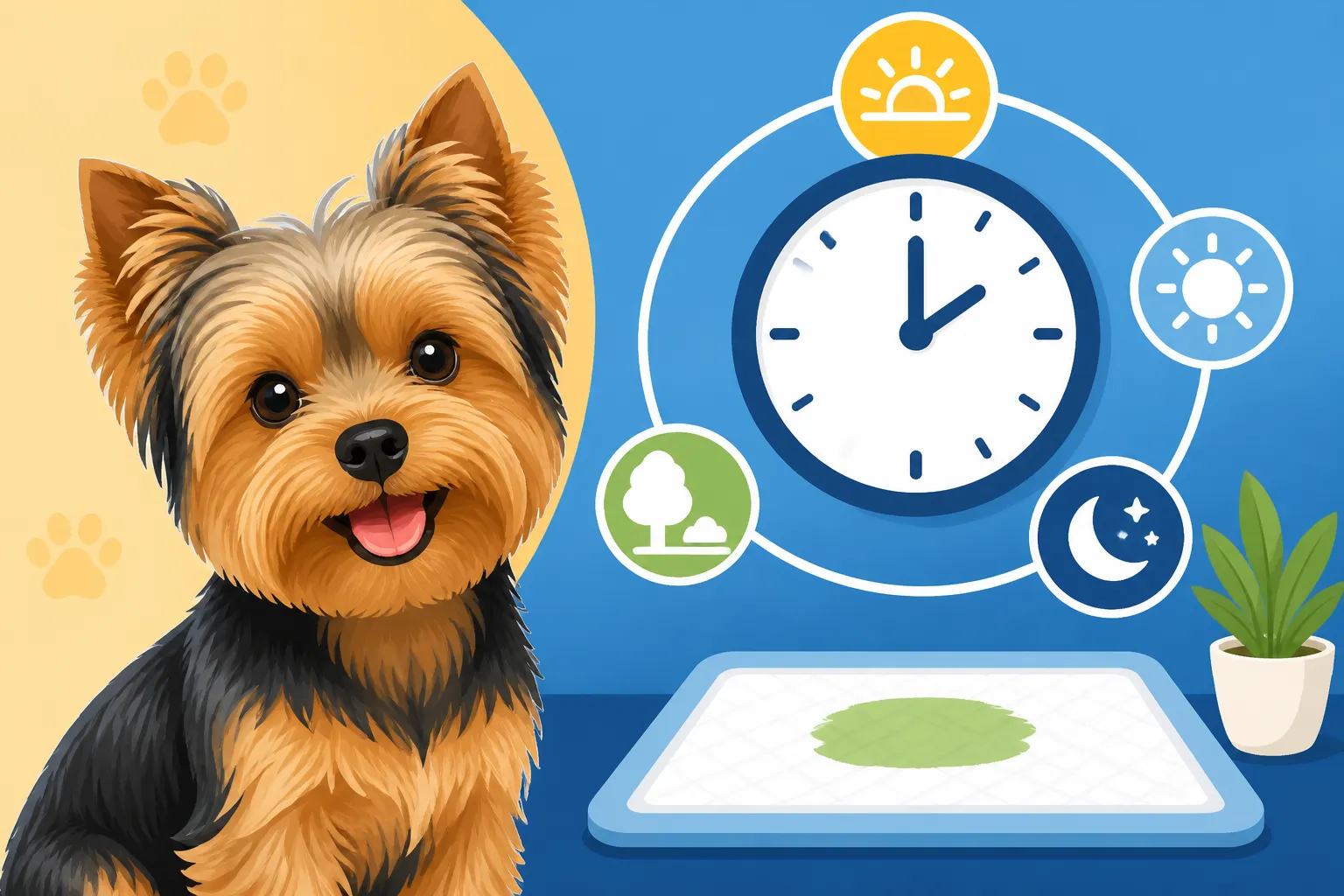
Consistency is king. The more predictable your schedule, the faster your Yorkie will learn. Here's a sample framework for a daily potty schedule, but remember, this needs to be adapted to your specific Yorkie and your lifestyle.
Sample Yorkie Potty Schedule (Puppy)
Time Slot Activity Potty Break? Notes ## Maximising Potty Training Success
It's a common tale: you take your Yorkie out, they do their business, and you praise them like they just won Westminster. Then, ten minutes after coming inside, they squat and pee on your favorite rug. It's enough to make you pull your hair out! But here's the magic – successful potty training isn't just about getting them to go outside; it's about making going outside the only option they have, and the most rewarding option. This involves consistent scheduling, proactive supervision, and positive reinforcement. If you're struggling, a resource like BAXTER & Bella's online training program can offer structured guidance that complements your consistent efforts.
The Critical Timing of Potty Breaks
When you're trying to figure out How to Teach a Yorkie to Go Potty on a schedule, timing is everything. It's not enough to just take them out every few hours; you need to anticipate when they will need to go.
- First thing in the morning: As soon as their paws hit the floor, your Yorkie needs to go out. Their bladder has been holding it all night, and this is a prime accident time.
- After waking from naps: Even a short catnap can trigger the urge. Waking up means an immediate trip outside.
- After eating or drinking: Digestion stimulates elimination. Within 5-20 minutes after a meal or a significant drink, take them out.
- Before bedtime: One last chance to empty their bladder before settling down for the night.
- After intense play sessions: Excitement and physical activity can speed up their metabolism, meaning they'll need to go sooner.
- Before leaving them alone: Even if it's only for an hour, a quick potty break can prevent an accident while you're gone.
When you take them out, always go to the same designated potty spot. This helps them associate that area with relieving themselves. Use a consistent phrase like "Go potty!" or "Do your business!" while they are going. The moment they finish, lavish them with praise and a high-value treat. This positive association is vital.
Crate Training and Confinement
Crate training is an invaluable tool for potty training a Yorkie because dogs are naturally disinclined to soil their sleeping area. A crate, when used correctly, becomes their safe, clean den. When you can't actively supervise your Yorkie, they should be in their crate. This prevents them from wandering off and having an unsupervised accident. Ensure the crate is just big enough for them to stand up, turn around, and lie down comfortably. If it’s too large, they might use one end as a bathroom and the other as a bed, defeating the purpose.
For times when you need more space than a crate but still can't give 100% supervision, a playpen or a small, puppy-proofed room can work. This limited space helps them learn to hold it, as they won't want to soil their immediate living area. Using gates you can easily find on Amazon can help restrict them to certain areas of the house. Remember, this isn't punishment; it's management to build good habits. You can learn more about How to Crate Train a Yorkie for a detailed approach.
Troubleshooting Common Potty Training Challenges
Even with the best schedule and intentions, you might run into bumps in the road. It’s important not to get discouraged; every Yorkie is an individual, and some will take longer to catch on than others.
Dealing with Accidents Indoors
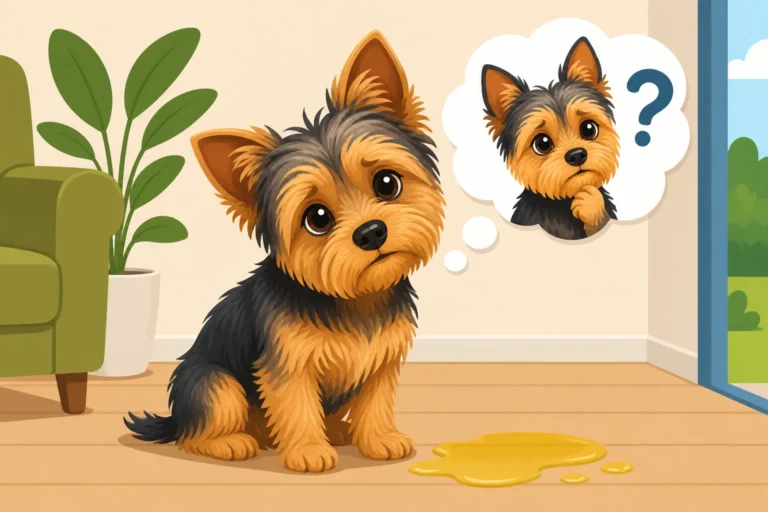
When an accident happens indoors, the key is to react calmly and clean it thoroughly. Never punish your Yorkie for an accident you didn't catch in the act. They won't connect the punishment to the act of peeing five minutes ago; they'll only learn to fear you or to hide their accidents. If you catch them in the act, a quick, sharp "No!" or "Outside!" followed immediately by rushing them to their designated potty spot can be effective. If they finish outside, praise and reward them.
For cleaning, enzymatic cleaners are your best friend. These cleaners break down the urine at a molecular level, eliminating the odor that encourages repeat offenses. Standard household cleaners might mask the smell to your nose, but your Yorkie's sensitive nose can still detect it. Without an enzymatic cleaner, you're essentially leaving a "go here again" sign for your pup.
Overcoming Potty Training Regression
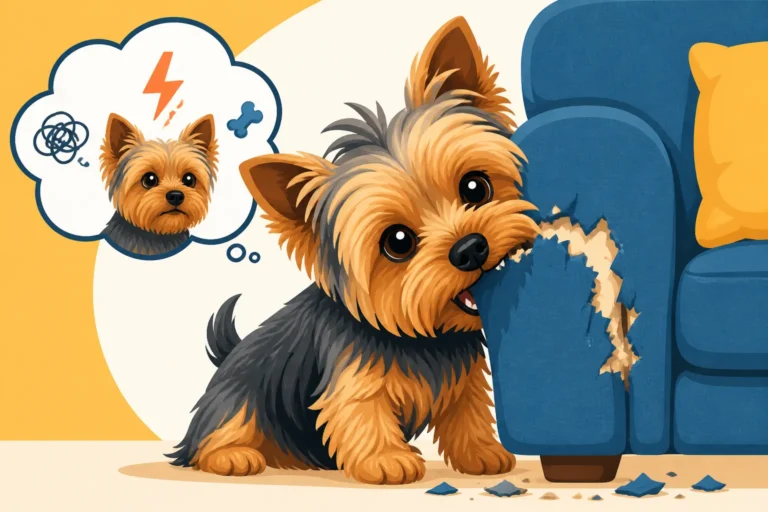
It's disheartening when your Yorkie seems to be doing so well with their schedule, only to suddenly start having accidents again. This is called Yorkie Potty Training Regression, and it can happen for several reasons.
- Changes in routine: Moving to a new home, a new family member, or even a change in your work schedule can throw a Yorkie off.
- Medical issues: Always rule out a urinary tract infection (UTI) or other health problems. An increase in accidents could be a sign of a genuine medical issue rather than a behavioral one. A quick vet visit can provide peace of mind or an early diagnosis.
- Inconsistency on your part: Have you been less vigilant with potty breaks or supervision? Even a few missed signals can lead to a setback.
- Fear or anxiety: Loud noises, a scary experience outside, or even separation anxiety can cause a Yorkie to have accidents indoors. If your Yorkie is showing other signs of distress, consider consulting a professional trainer or vet.
To combat regression, go back to basics. Reimplement the strict schedule, increase supervision, and praise every successful outdoor potty break like it's the first time all over again.
Pee Pad vs Outdoor Training for Yorkies
The debate between Pee Pad vs Outdoor Training for Yorkies is a common one, especially for small breeds. Pee pads can be a convenient option for apartment dwellers, cold weather, or for very tiny puppies who can't hold it long enough to make it outside. However, they can also complicate matters. Some Yorkies become confused, thinking it's okay to go inside on any soft surface, leading to accidents on rugs, bath mats, or clothes left on the floor.
If you choose to use pee pads, treat them as a temporary bridge to outdoor training. Place them in a consistent, easily accessible spot, far from their eating and sleeping areas. Gradually move the pad closer to the door, and then eventually outside. Always reward heavily when they use the pad correctly. If your ultimate goal is outdoor-only potty training, it's often best to skip the pads altogether and focus solely on outdoor trips from day one, even if it means more frequent trips initially.
Tools and Resources to Support Potty Training
Beyond a solid schedule, certain tools and resources can make your potty training journey smoother and more successful.
Essential Potty Training Supplies
Having the right gear ready can make a world of difference. You can find many of these essentials easily on platforms like Amazon.
- Leash and Harness: For tiny Yorkies, a harness is almost always preferred over a collar to protect their delicate necks and tracheas.
- High-Value Treats: These are small, soft, irresistible treats that your Yorkie only gets for successful potty breaks. Think cooked chicken bits, small pieces of cheese, or specialized training treats.
- Enzymatic Cleaner: As mentioned, this is crucial for eliminating odors from accidents. Brands like Nature's Miracle or Rocco & Roxie Supply Co. are highly recommended.
- Crate or Playpen: An appropriately sized crate or an adjustable playpen provides a safe, confined space for your Yorkie when you can't supervise directly.
- Durable Leash and Collar/Harness: For those frequent outdoor trips, you'll want reliable gear. A small, lightweight harness is ideal for a Yorkie's delicate neck.
Utilizing Training Programs and Professional Help
Sometimes, a little extra guidance goes a long way. If you find yourself completely overwhelmed or your Yorkie isn't responding to your efforts, don't hesitate to seek professional help. Online dog training platforms like BAXTER & Bella provide comprehensive, step-by-step training programs that include potty training. They offer live virtual support, which can be incredibly helpful for personalized advice.
For persistent issues, a local certified professional dog trainer can provide one-on-one coaching, identify specific challenges unique to your Yorkie, and tailor a training plan. This can be particularly beneficial if you're dealing with issues like Yorkie Potty Training Regression or if you have an older rescue Yorkie who needs to learn new habits. Remember, asking for help isn't a sign of failure; it's a sign of a responsible pet parent committed to their dog's well-being.
Establishing a consistent and effective potty schedule for your Yorkshire Terrier requires dedication, observation, and a whole lot of patience. But by understanding their needs, sticking to a routine, and utilizing the right tools and support, you'll build good habits and foster a stronger bond with your tiny companion.
Disclaimer
This article provides general information and recommendations regarding Yorkshire Terrier potty training. Every dog is an individual, and results may vary. Always consult with a qualified veterinarian or professional dog trainer for personalized advice and before implementing any significant changes to your dog's diet, exercise, or training regimen, especially if your Yorkie is exhibiting health or severe behavioral concerns.