How to Fix a Yorkie Nipping Kids
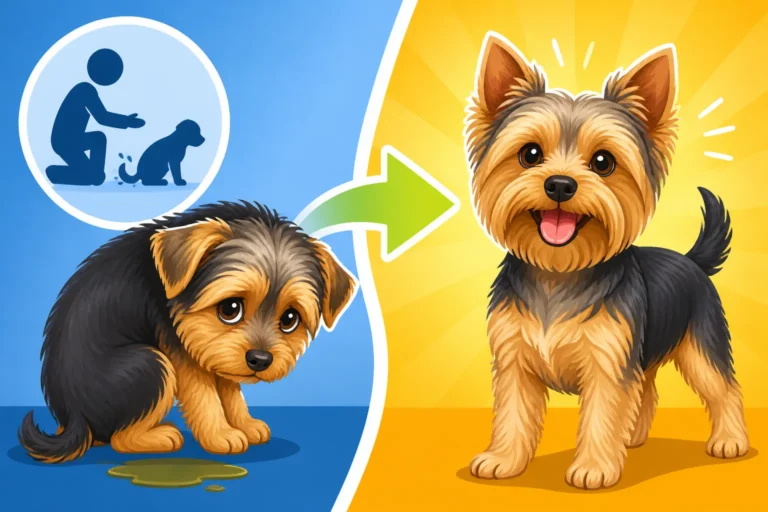
It can be incredibly disheartening and frankly, a little scary, when your beloved Yorkshire Terrier starts nipping at the children in your home. You've brought this tiny bundle of joy into your family, expecting endless cuddles and happy moments, only to find yourself mediating skirmishes and worrying about a child getting hurt. This guide is here to walk you through understanding why your Yorkie might be nipping and, more importantly, provide practical, empathetic strategies to correct this behavior so everyone in your home can live harmoniously.
Understanding Why Your Yorkie Nips at Kids
First things first, let's take a deep breath. A Yorkie nipping isn't usually a sign of an inherently aggressive dog, especially when we're talking about nips rather than full-on bites. These little dogs, despite their size, often have a big terrier personality. They were originally bred to be ratters, which means they have a natural instinct for quick movements and a "mouthy" investigative nature. When they interact with children, several factors can translate these natural traits into nipping behavior that needs addressing.
Play Biting Versus Aggressive Nipping
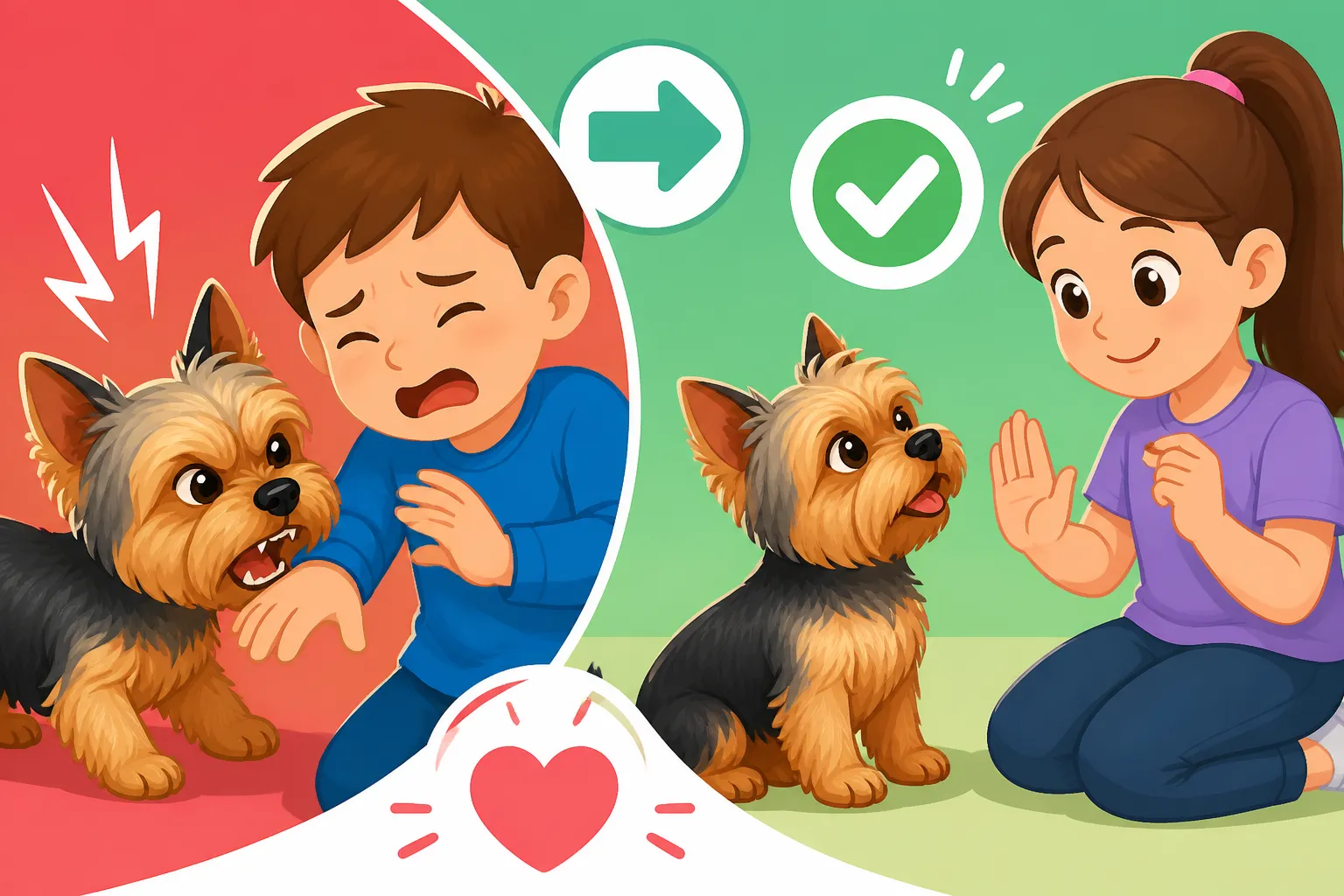
It’s crucial to distinguish between play biting and true aggressive nipping. Play biting, often seen in puppies, is how they explore their world and learn bite inhibition with their littermates. It's usually accompanied by loose body language, a wagging tail, and no growling or snarling. If a puppy nips too hard, another puppy might yelp, teaching them to be softer. With kids, however, they don't always get that same clear feedback, or kids might react in a way that escalates the play.
Aggressive nipping, on the other hand, often comes with a different set of signals. You might see stiff body language, a low growl, baring of teeth, or lunging. This type of nipping is usually fear-based, resource guarding, or a warning that the dog is uncomfortable. Children, with their often unpredictable movements, loud noises, and lack of understanding of canine body language, can inadvertently trigger these responses in a dog who feels threatened or overwhelmed. It's vital to recognize the context and body language to correctly address the behavior. For more insight into concerning behavior, you might find our guide on Yorkie Aggression: Causes and Solutions helpful.
Overstimulation and Lack of Boundaries
Yorkies are energetic and intelligent, but they can also become easily overstimulated. Imagine a small child constantly trying to pick up, poke, or chase your little Yorkie. What might start as playful interaction can quickly turn into an overwhelming experience for your dog. They might nip as a way to say, "Back off, I need space!"
Furthermore, if a Yorkie hasn't been taught clear boundaries with children from a young age, they won't know what's acceptable. They might see the kids as playmates who don't enforce rules, leading them to use their mouths to get attention, initiate play, or express displeasure. It's not about being malicious; it's about not understanding the rules of engagement, especially with tiny humans who move like speedy, squeaky toys. Establishing clear guidelines for both your Yorkie and your children is paramount for safety and harmony.
Fear and Resource Guarding
Children can sometimes unintentionally scare a small dog like a Yorkie. A sudden loud scream, a quick grab, or even just looming over them can be perceived as a threat. In response, a Yorkie might nip out of fear, trying to create distance and make the perceived threat retreat. This is a common canine defense mechanism.
Resource guarding is another significant factor. If your Yorkie is possessive of their toys, food, bed, or even your attention, and a child approaches these items, the Yorkie might nip as a warning. They are communicating, "This is mine, stay away!" This isn't just an issue with children; it can happen with adults too, but children are less likely to understand or respect these boundaries, leading to conflict. Understanding Why Is My Yorkie Growling can provide additional context to these behaviors.
Implementing Preventative Measures
Preventing nipping before it even starts is always easier than trying to correct it afterward. This involves setting up the environment, supervising interactions, and teaching both your Yorkie and your children appropriate behavior. Think of it as creating a safe zone and a clear rulebook for everyone involved.
Creating a Safe Environment
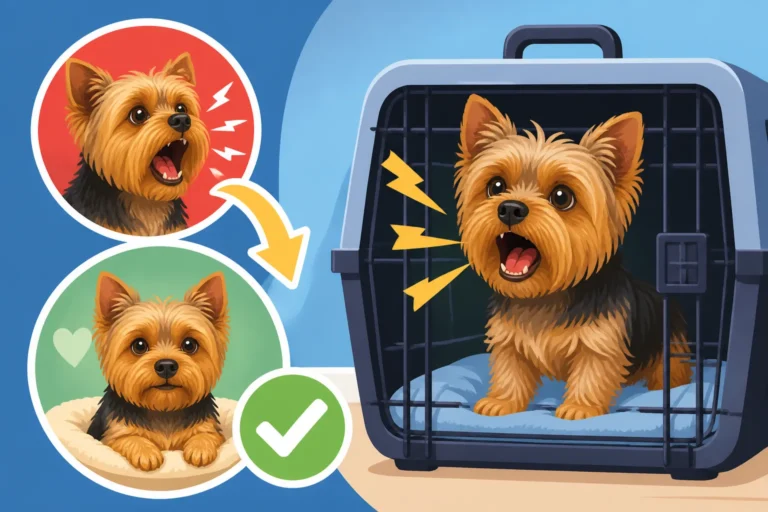
A safe environment means giving your Yorkie their own space, away from the constant interaction with children, where they can retreat and feel secure. This could be a crate, a dog bed in a quiet room, or a playpen. Teach your children that when the Yorkie is in their "safe spot," they are not to be disturbed. This teaches respect for the dog's boundaries and prevents overstimulation. You can find excellent crates and playpens on platforms like Amazon that are perfectly sized for a small breed like a Yorkie, providing a sanctuary when things get too hectic.
Regular exercise and mental stimulation also play a huge role. A tired Yorkie is less likely to be an overstimulated, nippy Yorkie. Short, regular walks, puzzle toys, and interactive play sessions can help burn off excess energy and satisfy their intelligent minds. Consider games like "find the treat" or teaching new tricks to keep them engaged. For more ideas on managing their energy, explore our advice on Yorkshire Terrier Exercise Needs.
Supervising All Interactions
This is non-negotiable, especially with young children. Every interaction between your Yorkie and children should be closely supervised. This isn't about blaming anyone; it's about preventing incidents. An adult needs to be present, actively watching, and ready to intervene calmly and immediately if either the child or the dog shows signs of discomfort or inappropriate behavior.
Teach your children how to interact gently with your Yorkie. Show them how to pet softly (avoiding the face, tail, or paws, which can be sensitive), how to offer treats gently, and when to leave the dog alone. Emphasize that dogs are not toys and have feelings. Teaching kids about canine body language, even at a basic level, can be incredibly empowering for them and safer for your dog. For example, teach them that if the dog walks away, they should let them go.
Establishing Clear Rules for Kids
Children need clear, consistent rules when interacting with dogs. Here's a quick checklist to teach your kids:
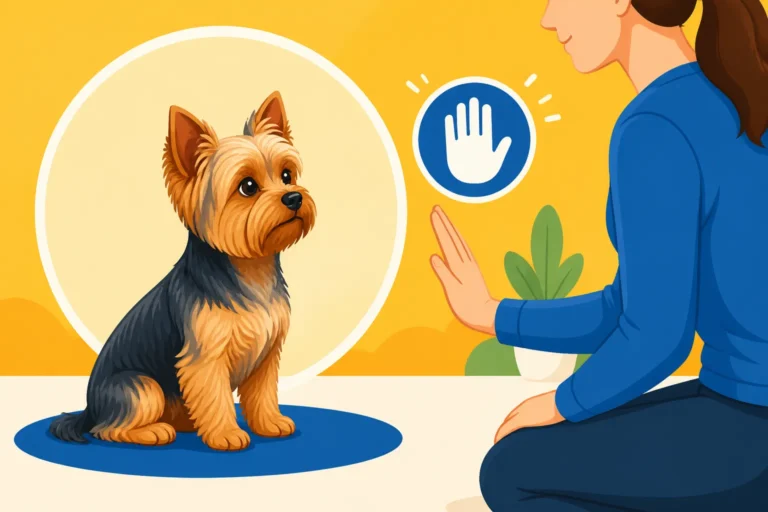
- Be a Tree: If the dog jumps on them or nips, they should stand still like a tree, with hands to their sides, and look at the ceiling. This makes them less interesting to the dog and discourages jumping.
- Gentle Hands: Only gentle pets on the body, never grab or pull.
- Respect Space: If the dog is sleeping, eating, or in their crate, leave them alone.
- Ask First: Always ask an adult before approaching or playing with the dog.
- No Roughhousing: Tug-of-war or wrestling can inadvertently encourage nipping behavior.
Consistency from all adults in the household is key to enforcing these rules. When everyone is on the same page, your children will learn faster, and your Yorkie will understand what to expect.
Corrective Training for Nipping
Once you’ve got your preventative measures in place, it’s time to focus on targeted training to directly address the nipping behavior. This requires patience, consistency, and positive reinforcement. Remember, you're teaching your Yorkie an alternative, more appropriate way to interact.
Teaching Bite Inhibition
Even if your Yorkie is an adult, you can still work on bite inhibition. The goal is to teach them that human skin is sensitive and even accidental nips should be soft.
Here's how to practice:
- Exaggerated Yelp: When your Yorkie nips too hard during play with you, let out a loud, high-pitched "Yelp!" or "Ouch!" immediately.
- Withdraw Attention: Instantly withdraw all attention. Turn away, fold your arms, or even leave the room for 30-60 seconds. This teaches them that hard nips mean the end of fun.
- Resume Play (Gently): After a short break, calmly resume play. If they nip hard again, repeat the process.
- Reward Soft Mouth: When they play gently or lick instead of nip, praise them enthusiastically and give them a treat.
The key is consistency. Everyone in the household, including older children (if they can understand and follow instructions), needs to practice this. This method teaches your Yorkie that a soft mouth leads to positive outcomes, while a hard mouth makes the fun stop. This is a foundational step in How to Stop a Yorkie from Biting.
Redirection and Alternative Chewing
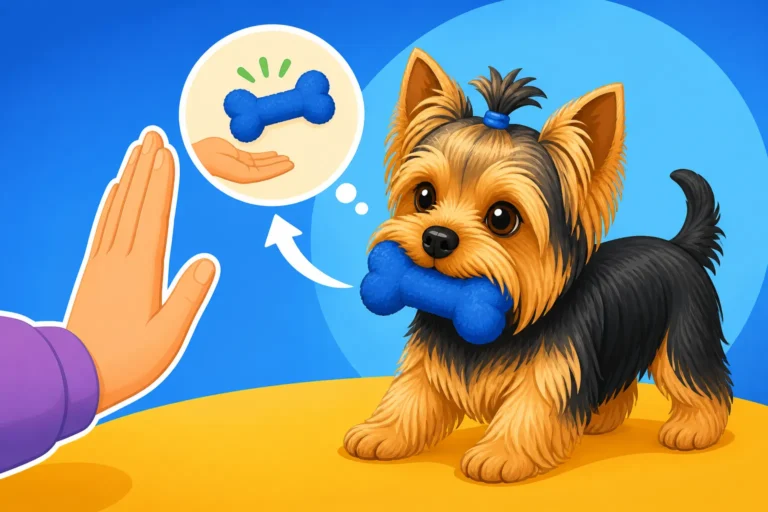
When your Yorkie starts to nip at a child, the immediate response should be redirection. Rather than punishing the nip, which can create fear or anxiety, redirect their attention to an appropriate chew toy.
Keep a variety of appealing chew toys readily available. When you see your Yorkie eyeing a child's hand or clothes, or even just getting a bit mouthy during play, quickly offer them a designated toy. When they take the toy, praise them calmly and reward them. This teaches them, "Instead of nipping a human, I can chew on this, and I get praised!" Many great interactive toys can be found on Amazon, from KONG chew toys to puzzle feeders, which can also provide mental stimulation.
Avoid using your hands as toys during playtime. This can inadvertently encourage nipping. Always use toys on a rope or toss toys for interactive play to keep your hands out of harm's way. This helps solidify the boundary between human skin and appropriate chew items.
Desensitization and Positive Association
For Yorkies who nip out of fear or anxiety around children, a desensitization and positive association approach is highly effective. This involves gradually exposing your Yorkie to children in a controlled, positive way.
- Start from a Distance: Begin with your Yorkie in their safe space (crate or playpen) while children are in the room, but not interacting with them. As long as your Yorkie is calm, reward them with high-value treats. The children should be calm too.
- Gradual Proximity: Slowly decrease the distance between your Yorkie and the children, always ensuring your Yorkie remains calm and relaxed. Each time the children are present and your Yorkie is calm, offer treats and praise.
- Supervised Gentle Interaction: Once your Yorkie is comfortable with children being nearby, introduce very brief, supervised, and gentle interactions. Have the child offer a treat (under your close supervision), or gently pet your Yorkie on the back for a second, then immediately retreat. Always reward your Yorkie for positive behavior.
- Associate Kids with Good Things: Make children a predictor of good things! If a child walks by, a treat appears. If a child sits quietly, your Yorkie gets praise. This helps change their emotional response from fear to anticipation of something positive.
This process can take time, especially if your Yorkie has had negative experiences. It's about building trust and positive associations. If you have a new puppy, early socialization is critical. Our guide on How to Socialize a Yorkie Puppy offers excellent strategies for this.
Advanced Training and Professional Help
Sometimes, despite your best efforts, the nipping behavior persists or is more severe than simple play nipping. In these situations, it's wise to consider advanced training techniques or professional intervention. Remember, there's no shame in asking for help – it shows you're a dedicated pet parent!
Consistency and Management Strategies
Consistency is the single most important factor in dog training. Every member of the family must adhere to the same rules and training methods. A Yorkie who sometimes gets away with nipping, or receives mixed signals, will become confused and the behavior will be harder to extinguish.
Beyond training, effective management strategies are crucial. This means actively preventing situations where nipping might occur. For instance:
- Leash Management: Keep your Yorkie on a leash when children are present and you cannot provide 100% direct supervision. This allows you to gently guide them away from potential conflict.
- Gates: Use baby gates to separate your Yorkie from children when necessary, creating safe zones for both.
- Rotate Toys: If resource guarding is an issue, ensure children don't approach your Yorkie's toys, or only allow them access to toys when children aren't present.
These management tools are not punishments; they are safety measures that give you control while you continue with your training. An online program like BAXTER & Bella offers comprehensive step-by-step guidance that can be incredibly helpful for maintaining consistency across different family members and training scenarios.
When to Seek Professional Guidance
If your Yorkie's nipping is frequent, causes injury, is accompanied by aggressive body language (growling, snapping, lunging), or if you simply feel overwhelmed and unsure how to proceed, it's time to call in a professional.
A certified professional dog trainer or a veterinary behaviorist can assess your specific situation, identify the root cause of the nipping, and develop a tailored training plan. They can observe the interactions in your home and provide hands-on guidance that might be difficult to replicate from online resources alone. Look for trainers who use positive reinforcement methods and have experience with small breeds and family dynamics. Never use punitive or alpha-based training methods, as these can exacerbate fear-based aggression and damage your relationship with your Yorkie. For complex behavioral issues, a professional is often the fastest and safest route to a peaceful household. You might also want to consult our guide on How to Choose a Vet for a Yorkie to find a veterinarian who can refer you to a reputable behaviorist.
Addressing Common Nipping Scenarios
Nipping isn't always one-size-fits-all. Different situations can trigger it, and understanding these nuances helps in applying the right corrective actions.
Nipping During Play
This is perhaps the most common scenario, especially with puppies or young Yorkies. They see fast-moving kids as playmates and engage with their mouths, just like they would with littermates.
| Nipping Trigger | Why It Happens | Solution Strategy |
|---|---|---|
| Over-excitement | Kids' fast movements, squeals, or running | Teach "settle" command, short play sessions, frequent breaks |
| Lack of bite inhibition | Never learned how hard is too hard | Exaggerated yelps, immediate time-outs, positive praise for soft mouth |
| Attention-seeking | Nipping gets a reaction (even negative attention) | Ignore nipping (if safe), reward calm behavior, redirect to toy |
| "Toy" identification | Sees fingers/toes as chew toys | Never play with hands, always use toys, keep hands away from mouth |
For play nipping, the "exaggerated yelp and time-out" method, combined with consistent redirection to appropriate toys, is your best friend. Teach your children to stand still (be a tree) if the Yorkie gets too mouthy, which immediately stops the exciting movement that fuels the play.
Nipping When Startled or Scared
If your Yorkie nips when a child approaches them while they're sleeping, eating, or if the child makes a sudden, loud movement, it's likely a fear-based response.
In these situations, prevention is paramount. Ensure your Yorkie always has a safe, undisturbed space to retreat to. Teach children never to bother the Yorkie when they are in their bed, eating, or seem to be resting. Work on desensitization and positive association as described earlier, making the presence of children a positive experience rather than a frightening one. For instance, have the child toss a treat from a distance when they walk by your Yorkie's bed. If your Yorkie is reactive to sudden noises or movements, teaching them to handle stress, as discussed in Yorkie Emergency Symptoms to Never Ignore, can also be helpful.
Nipping for Resource Guarding
When a Yorkie nips because a child tries to take their toy, food, or invade their personal space, it's resource guarding. This is a serious behavior that needs immediate and careful attention.
Firstly, prevent the situation entirely by ensuring children do not approach your Yorkie's food, toys, or bed. Supervise closely.
Secondly, teach a "trade" game. Practice with yourself first:
- Offer a high-value treat (like a piece of chicken) when your Yorkie has a toy.
- As they take the treat, gently take the toy.
- Immediately give the toy back (or a different, equally fun toy).
This teaches them that giving up an item results in something better, rather than losing it. Never just grab an item from a resource-guarding dog, as this can escalate the behavior and break trust. For extreme cases, a professional dog trainer specializing in behavior modification is essential.
Long-Term Success and Family Harmony
Building a strong, loving bond between your Yorkie and the children in your life is absolutely achievable. It takes dedication, consistent effort, and a whole lot of understanding from everyone involved. Think of it as a journey, not a sprint, and celebrate every small victory along the way.
Continuing Education for Everyone
The learning doesn't stop once the nipping subsides. Dogs are always learning, and children are constantly growing and changing their interactions. Continue to educate your children on respectful dog behavior, adapting the rules as they mature. For your Yorkie, maintain regular training sessions to reinforce good habits and learn new commands. Positive reinforcement is key – rewarding good behavior makes it more likely to happen again. Resources like BAXTER & Bella can offer ongoing training modules that can be revisited as your Yorkie and children grow together.
Consider enrolling your Yorkie in a basic obedience class, even if they know some commands. This provides continued socialization and reinforces their training in a structured environment. Plus, it can be a fun activity for older children to participate in, fostering their bond with your furry family member. Don't forget, a well-socialized Yorkie is generally a happier, less anxious Yorkie, which can also help prevent issues like Yorkie Separation Anxiety: Signs and Fixes and make them more comfortable with children.
Fostering a Positive Relationship
Ultimately, you want your Yorkie to view children not as threats or annoying obstacles, but as positive members of their pack. This comes from consistent positive experiences. Encourage gentle, supervised interactions that end on a good note. Have children participate in feeding (under your guidance), provide treats for good behavior, or help with short, calm walks.
Create shared, positive experiences. A quiet cuddle session on the couch with a child gently petting your Yorkie (again, under supervision) can build a deep connection. Read a book with your child while your Yorkie rests nearby, giving them quiet presence. These small, consistent efforts build a foundation of trust and affection, transforming potential conflict into companionship. A loving environment, where both dog and child feel safe and respected, is the ultimate goal.
Disclaimer
This article provides general information and recommendations for addressing Yorkie nipping behavior towards children. Every dog is an individual, and specific situations may require different approaches. If you are concerned about your Yorkie's behavior, especially if it involves aggression or persistent nipping, please consult with a certified professional dog trainer or a veterinary behaviorist. They can provide personalized advice and ensure the safety and well-being of both your dog and your family.