How to Rebuild Trust with a Fearful Yorkie
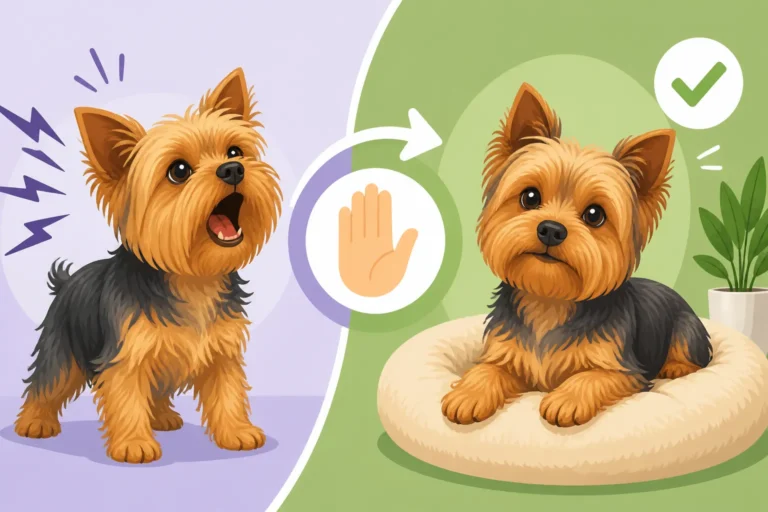
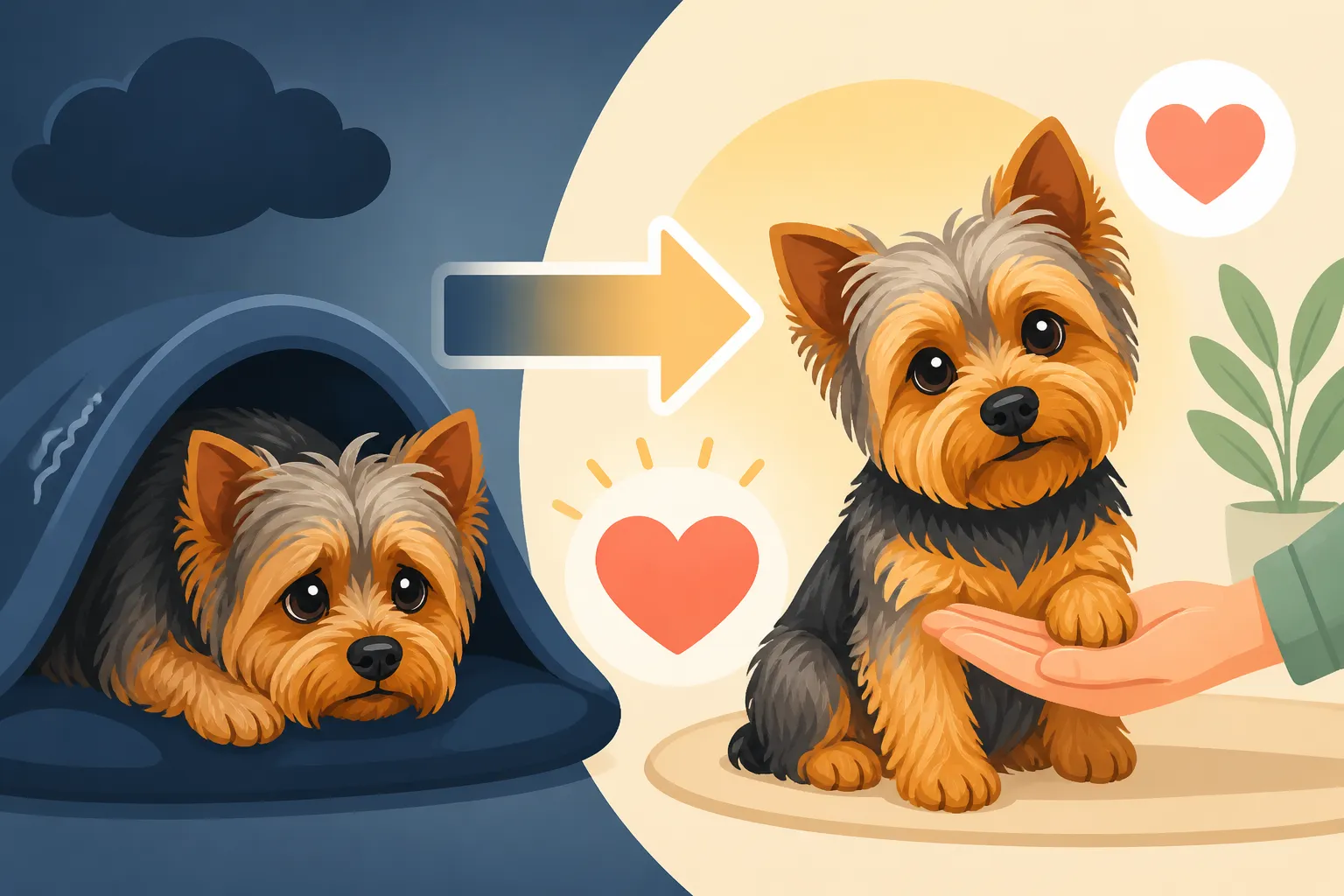
It's absolutely heartbreaking to see your tiny Yorkshire Terrier trembling, cowering, or even snapping out of fear. You just want them to feel safe and loved, but when they're constantly on edge, it can feel like you're failing to connect. Rebuilding trust with a fearful Yorkie takes immense patience, understanding, and a consistent approach, but it's entirely possible to help them feel more secure and confident in their world. This guide will walk you through the compassionate steps to mend that broken trust and help your beloved companion blossom.
Understanding Why Your Yorkie is Fearful
Before we can even begin to think about rebuilding trust, we have to try and understand why your Yorkie is fearful in the first place. Fear isn't a choice for dogs; it's a deeply ingrained survival instinct. Pinpointing the potential root cause can help you tailor your approach and ensure you're addressing the right issues. It's often not a simple answer, but a combination of factors.
Past Trauma and Negative Experiences
For many fearful Yorkies, especially those adopted from shelters or rescues, a history of trauma is a significant factor. Imagine a tiny, vulnerable creature subjected to harsh treatment, neglect, or even abuse. Their past might include being left alone for long periods, being yelled at, or experiencing physical pain. These experiences can deeply scar a dog, leading to a profound distrust of humans, specific objects, or even certain environments. A Yorkie who was once confined to a small cage might develop a fear of enclosed spaces, even a comfortable crate. A dog who was roughly handled might flinch at sudden movements or outstretched hands.
Sometimes, the trauma isn't as severe as outright abuse but still leaves a lasting impression. Perhaps they were in a chaotic home with constant loud noises, or they had a traumatic experience at the vet or groomer. These one-off or repeated negative events can create strong negative associations that are incredibly hard to shake. When you bring such a dog into your home, they often project their past fears onto their new surroundings and new people, which can feel incredibly personal to a loving owner, but it's rarely about you. It's about their survival instincts kicking in based on their lived history.
Lack of Early Socialization
Puppyhood is a critical period for development, often called the "socialization window," typically from 3 to 16 weeks of age. During this time, puppies need to be exposed to a wide variety of sights, sounds, smells, people, and other friendly dogs in a positive and controlled way. If a Yorkie puppy misses out on this crucial socialization window, they can become profoundly fearful of anything new or unfamiliar later in life. This might happen if they were kept isolated, came from a puppy mill, or if their previous owners simply didn't understand the importance of early exposure.
A lack of socialization can manifest in many ways. A Yorkie might be terrified of strangers because they rarely met new people as a puppy. They might bark frantically at the vacuum cleaner because they never heard diverse household sounds before. They could be anxious on walks because they weren't introduced to the sights and sounds of the outside world gradually. Think about a dog who has spent its entire life indoors, and then suddenly you try to take it for a walk in a busy park – it would be overwhelming and terrifying for them. This isn't stubbornness; it's genuine fear stemming from a lack of positive foundational experiences. This is why a guide like How to Socialize a Yorkie Puppy is so important early on.
Genetic Predisposition and Anxiety
Sometimes, fear isn't entirely environmental. Just like people, some Yorkies are simply born with a more anxious temperament or a genetic predisposition to shyness or fear. Certain lines might be known for being more timid, even if they come from a loving and well-socialized background. This isn't anyone's fault; it's just how they're wired. These dogs might startle easily, be hyper-vigilant, or react fearfully to stimuli that wouldn't bother another dog.
While genetics play a role, it doesn't mean a fearful Yorkie is a lost cause. Understanding this predisposition helps us to manage expectations and provides a framework for how much intervention might be needed. For a genetically predisposed fearful Yorkie, managing their environment and consistently employing positive reinforcement techniques becomes even more crucial to help them navigate the world with greater confidence, even if they always remain a little more sensitive than others. It simply means you'll need to be their rock and advocate.
Sudden Changes or New Environments
Even a well-adjusted Yorkie can become fearful when faced with sudden, significant changes in their environment or routine. Moving to a new house, the arrival of a new baby or pet, a change in work schedule that means more alone time, or even just a major redecoration can be incredibly unsettling for a small dog who thrives on predictability. Their world has been upended, and they don't understand why, leading to anxiety and fear.
Loud noises, like fireworks, thunderstorms, or construction, are also common triggers for fear in many dogs, and especially small breeds like Yorkies who might perceive these sounds as even more threatening. A Yorkie might suddenly become clingy, destructive, or even start having accidents inside the house when a new fear source emerges. Identifying what has recently changed in their life can be a huge step in addressing newfound fears and starting the process of rebuilding trust with a fearful Yorkie.
Creating a Safe and Predictable Environment
One of the most powerful things you can do for a fearful Yorkie is to make their world feel utterly safe and predictable. This isn't about coddling them; it's about providing the stability they need to even begin to process their fears and trust again. Think of it like building a solid foundation before you can construct a house.
Establishing a Secure Den
Every Yorkie, especially a fearful one, needs a designated safe space, a "den" where they can retreat and feel completely secure. This should be a quiet, comfortable area that is exclusively theirs, away from high-traffic zones in your home. A crate is often the best option, provided it's introduced positively and never used for punishment. Line it with soft blankets, add a favorite toy, and make it feel like a cozy sanctuary. You might even drape a light blanket over part of it to create a more enclosed, cave-like feel.
Beyond a crate, this den could be a specific dog bed tucked under a table, a corner of a room, or even a playpen setup. The key is that it's a place where they won't be bothered by children, other pets, or loud noises. Teach family members to respect this space – when the Yorkie is in their den, they are off-limits. This provides them with an essential escape route and a place to decompress when feeling overwhelmed. Knowing they have a safe haven gives them a sense of control and reduces overall anxiety. For more on this, check out our guide on Yorkshire Terrier Crate Training Guide.
Consistent Routines and Predictability
Yorkies, particularly those with a fearful disposition, thrive on routine. Predictability helps them understand what to expect from their day, reducing anxiety caused by uncertainty. This means establishing a consistent schedule for feeding, potty breaks, walks, playtime, and bedtime. Try to stick to these times as closely as possible every day. For example, if walks are always at 8 AM and 5 PM, your Yorkie will learn to anticipate these events, which can be very calming.
Think about how unsettling it would be if your entire day was a surprise – sometimes you eat, sometimes you don't; sometimes you go outside, sometimes you wait hours. This kind of unpredictability can exacerbate fear in dogs. A consistent routine allows your Yorkie to relax into the rhythm of your home, building confidence because they know what's coming next. This sense of order provides a stable framework for them to eventually feel secure enough to explore and interact more positively.
Minimizing Triggers and Overstimulation
One of the most proactive steps you can take is to identify and minimize the things that trigger your Yorkie's fear. Is it loud noises, specific people, other dogs, or certain objects like the vacuum cleaner? Once you've identified these triggers, do your best to either avoid them or reduce their intensity as much as possible, especially in the initial stages of rebuilding trust.
For example, if your Yorkie is terrified of the doorbell, you might temporarily disable it and ask visitors to call you instead. If they're sensitive to outside noises, playing calming music or using a white noise machine can help muffle disruptive sounds. Avoid forcing interactions or exposing them to overwhelming situations. If a specific person causes them fear, ask that person to ignore your Yorkie completely or approach them very slowly and calmly, perhaps offering a high-value treat without direct eye contact. Overstimulation can quickly push a fearful Yorkie past their coping threshold, making them regress. Your goal is to keep them in a calm, below-threshold state where they can learn to feel safe.
Gentle Approaches to Rebuilding Trust
Once your Yorkie has a safe, predictable environment, you can start the delicate process of rebuilding trust. This phase requires immense patience and a commitment to positive reinforcement, always moving at your Yorkie's pace. Remember, trust is built in tiny increments and can be shattered in an instant.
The Power of Positive Reinforcement
Positive reinforcement is your most powerful tool when working with a fearful Yorkie. This means rewarding desired behaviors and positive emotional states with something your Yorkie highly values, such as tiny, delectable treats (like boiled chicken or cheese), gentle praise, or a favorite quiet toy. The goal is to create positive associations with things they previously feared or with calm behavior in general.
For example, if your Yorkie is timid around new people, don't force them to interact. Instead, have the new person sit quietly a distance away, ignoring the dog. When your Yorkie even glances in their direction without showing fear, gently drop a treat near them. The moment they take a step closer, more treats. This teaches them that scary things (or people) predict good things happening. Never punish fear – this only teaches your Yorkie to be more afraid of you and to suppress their fear signals, which can lead to sudden, unexpected bites. Focus entirely on rewarding calm, confident, or exploratory behavior, no matter how small. Our article on Positive Reinforcement Training for Yorkies offers even more details.
Patient Desensitization and Counter-Conditioning
These are two key techniques often used together to help dogs overcome fears. Desensitization involves gradually exposing your Yorkie to their fear trigger at such a low intensity that they don't react fearfully. Counter-conditioning means changing their emotional response to that trigger from negative to positive.
Let's say your Yorkie is afraid of strangers. For desensitization, you might start by having a stranger stand far away, across the street, where your Yorkie barely notices them. As your Yorkie stays calm, you offer treats. Over many, many sessions, you gradually decrease the distance, always ensuring your Yorkie remains calm and below their fear threshold. If they show any signs of fear (like stiffening, lip licking, head turning, or retreating), you've moved too quickly, and you need to increase the distance again.
Simultaneously, with counter-conditioning, every time the stranger is present (at a comfortable distance), you feed your Yorkie delicious treats. The stranger becomes a predictor of yummy things. Eventually, your Yorkie starts to associate strangers not with fear, but with tasty rewards. This process is slow, requires consistency, and must always prioritize your Yorkie's comfort. Never push them too far, too fast, or you risk making the fear worse.
Building Connection Through Play and Calm Interaction
While you might be tempted to shower a fearful Yorkie with affection, sometimes intense staring or sudden movements can be perceived as threatening. Instead, focus on calm, predictable interactions and gentle play to build your bond. Short, relaxed play sessions with a favorite toy can be incredibly effective. For a Yorkie, this might be a soft plush toy they can "kill" gently or a small tug toy.
Engage in activities that don't involve direct physical contact initially, such as rolling a ball or letting them chase a treat you toss. When you do offer physical affection, approach slowly, avoid direct eye contact initially (which can be seen as confrontational), and use gentle, consistent petting motions. Many fearful dogs prefer to be petted on their chest or shoulders rather than over the head. Let them initiate contact, and always respect their cues if they pull away. The goal is to show them that interaction with you is safe, predictable, and rewarding, allowing them to feel secure enough to let their guard down.
Structured Training and Commands
Believe it or not, structured training can be a fantastic way to boost a fearful Yorkie's confidence and deepen their trust in you. When a dog knows what's expected of them and succeeds, it empowers them. Learning basic commands like "sit," "stay," "come," and "down" gives them a job to do and helps them focus on you rather than on scary stimuli in their environment. The consistency of training, coupled with positive reinforcement, strengthens your bond as a team.
Consider using an online training program like BAXTER & Bella, which emphasizes positive reinforcement and building a strong relationship. These types of programs can guide you through the process step-by-step, helping you teach commands in a fun, fear-free way. When your Yorkie successfully performs a command and receives a reward, it creates a positive feedback loop, reinforcing their belief that they can understand and navigate their world. This can be especially helpful for boosting a timid Yorkie's self-esteem and creating a sense of predictability in their interactions with you. Starting with basic commands, as detailed in How to Teach a Yorkie Basic Commands, can lay a great foundation.
When to Seek Professional Help and Other Considerations
Sometimes, despite your best efforts, your Yorkie's fear might be too deeply ingrained or intense for you to manage alone. Recognizing when to call in the professionals is a sign of responsible pet ownership, not failure.
Consulting a Professional Trainer or Behaviorist
If your Yorkie's fear is severe, involves aggression (even fear-based nipping), or doesn't improve with your consistent, positive efforts, it's time to bring in a professional. Look for a certified professional dog trainer (CPDT-KA) or, for more complex cases, a certified dog behaviorist (CDBC) or a veterinary behaviorist (DACVB). These professionals have specialized knowledge and experience in working with fearful and anxious dogs.
They can assess your Yorkie's specific situation, identify subtle triggers you might have missed, and develop a customized behavior modification plan. They can also guide you through advanced techniques like desensitization and counter-conditioning, ensuring you're implementing them correctly and safely. A good professional will always use humane, force-free methods and never advocate for punishment or harsh corrections, as these will only worsen a fearful dog's trust issues. For more insights on this, refer to How to Choose a Vet for a Yorkie as many vets can recommend reputable behaviorists.
Veterinary Consultation for Medical Causes or Medication
It's absolutely crucial to rule out any underlying medical conditions that might be contributing to your Yorkie's fear or anxiety. Pain, hormonal imbalances, neurological issues, or even poor vision or hearing can manifest as fear-based behaviors. A visit to your veterinarian should be one of your first steps to ensure your Yorkie is physically healthy.
Your vet can perform a thorough examination and recommend blood tests or other diagnostics if needed. If no medical cause is found, they might still be able to help manage severe anxiety. In some cases, for extreme fear or anxiety disorders, a vet may prescribe anti-anxiety medication in conjunction with behavior modification. Medication isn't a magic bullet, but it can help reduce your Yorkie's overall anxiety levels, making them more receptive to training and behavior modification efforts. It helps them feel calm enough to learn and respond to your trust-building efforts.
Harnessing Support Tools and Resources
Beyond professional help, there's a whole world of supportive tools and resources that can aid in rebuilding trust. Think about calming products like Adaptil diffusers or collars, which release synthetic dog appeasing pheromones. These can create a general sense of calm in the environment. ThunderShirts, weighted vests, or calming chews are also popular for reducing anxiety during stressful events like thunderstorms or car rides. You can find many of these calming aids easily on platforms like Amazon.
Enrichment toys, like puzzle feeders, can help redirect anxious energy into positive mental stimulation. For dogs with separation anxiety, interactive webcams can help you monitor and even communicate with your Yorkie when you're away. Remember, every fearful Yorkie is unique, and what works for one might not work for another. Be open to experimenting with different tools and strategies, always prioritizing what makes your little companion feel safest and most secure.
| Fearful Behavior Signs | Potential Cause | Trust-Building Action |
|---|---|---|
| Trembling, Cowering | Overwhelmed, threatened | Create safe den, minimize triggers, gentle praise |
| Hiding, Retreating | Seeking escape, safety | Respect their space, use positive reinforcement when they emerge |
| Lip Licking, Yawning (out of context) | Stress, appeasement | Reduce pressure, increase distance from trigger, offer treats |
| Growling, Snapping (fear-based) | Warning, last resort | Seek professional behaviorist immediately, avoid triggers |
| Excessive Barking (at specific stimuli) | Alarm, perceived threat | Desensitize to trigger, counter-condition with treats |
| Potty Accidents (when usually house-trained) | Anxiety, stress | Re-establish routine, vet check, calming aids |
| Refusal to Eat | High stress levels | Offer high-value treats in safe space, reduce triggers |
| Destructive Chewing | Anxiety, need for outlet | Provide appropriate chew toys, increase mental stimulation |
Rebuilding trust with a fearful Yorkie is a journey, not a destination. There will be good days and challenging days, but with consistency, compassion, and the right approach, you can help your tiny friend feel brave and loved in your home.
Disclaimer
This article is for general informational purposes only and does not constitute professional advice. Laws, prices and regulations vary by location and change over time. Consult a qualified professional for guidance on your specific situation.